Medical Tourism Blog
PRF Injection in Korea: Uses, Evidence, Recovery, and Travel Planning
Table of contents
- PRF Injection at a Glance
- What Is a PRF Injection?
- Who Is a Good Candidate for a PRF Injection?
- How Is a PRF Injection Performed?
- Why Visit Korea for a PRF Injection?
- Key Information for International Patients
- Which Are the Best Clinics in Korea for Prf Injection?
- PRF Injection From Start to Finish
- Alternatives to a PRF Injection
- How Can I Prepare for a PRF Injection?
- Aftercare Advice
Considering treatment in Korea? Everything you need to know e.g. — how to avoid scams, visas, interpreters, recovery tips — in our Medical Tourism Master Guide. Plan with confidence in minutes, not weeks!
Last updated: September 2026
PRF Injection at a Glance
- What it is — Injectable platelet-rich fibrin (i-PRF) uses your own blood, centrifuged without anticoagulant, then injected promptly before the liquid fraction clots; it is not interchangeable with PRP, PRFM, plasma gel, or “biofiller.”
- Best-fit goals — PRF is aimed at gradual improvement in fine lines, texture, superficial photoaging, thin crepey skin, or clinician-confirmed androgenetic hair loss—not immediate lifting, dependable volume replacement, pronounced tear troughs, eye bags, or advanced hair loss.
- Series and result timing — It is usually a series rather than a one-time treatment: published facial protocols used 3 monthly sessions, while a female-pattern hair-loss trial used 4 sessions at 4-week intervals; facial results are best assessed about 8–12 weeks after the final session and hair changes over several months.
- Recovery — Expect redness, pinpoint bleeding, tenderness, and localized swelling on treatment day; bruising, especially around the eyes, may remain visible for about 3–10 days, while strenuous exercise, swimming, saunas, hot baths, and heavy alcohol are commonly avoided for 24–48 hours when advised.
- Key limitation — Facial i-PRF evidence is still limited and protocols vary: a 2024 review found only 7 injectable-PRF dermatology studies with 130 total participants, so results, ideal dosing, and maintenance schedules are not reliably predictable.
- Safety screening — PRF should be deferred or carefully assessed with low platelets, significant anemia, clotting disorders, active infection, pregnancy or breastfeeding, or anticoagulant/antiplatelet use; prescribed medicines such as aspirin, clopidogrel, warfarin, or apixaban should never be stopped without the prescriber and injector.
- Korea travel planning — Plan 2–3 calendar days in Korea for consultation, treatment, and a next-day review, and obtain an English record of the PRF product, processing settings, injected sites and volumes, and emergency contact plan; Korea has no proven biological PRF advantage over other countries.
What Is a PRF Injection?
A PRF injection uses a concentrated liquid prepared from your own blood and injected into the skin or scalp before it forms a fibrin matrix. It aims for gradual improvement in skin texture, fine lines, thin crepey skin, or selected pattern hair-loss concerns rather than immediate lifting or dependable volume replacement. It is a minimally invasive injectable procedure.
Who Is a Good Candidate for a PRF Injection?
- Gradual facial skin-quality goals — Suitable candidates are adults seeking subtle improvement in fine lines, texture, superficial photoaging, or thin, crepey-looking skin rather than immediate lifting or reliable volume replacement.
- Selected under-eye concerns — Periorbital PRF can be considered for carefully assessed thin skin or early crepiness. It does not reliably correct pronounced tear-trough hollowing, fat prolapse, pigmentation-driven dark circles, or bags.
- Confirmed pattern hair loss — Adults with clinician-confirmed androgenetic-pattern hair loss who accept a treatment series and ongoing medical management are the most relevant scalp candidates. A 2026 randomized trial in women with Sinclair grade II–III female-pattern hair loss found greater short-term hair-count improvement with i-PRF than PRP under its four-session protocol, but this result does not apply to every hair-loss diagnosis or regimen.
- Practical treatment tolerance — Candidates must be able to undergo venipuncture and multiple facial or scalp injections, tolerate short-term bruising, and arrange follow-up after returning home.
PRF is unsuitable for known critical thrombocytopenia, clinically important anemia, platelet or coagulation disorders, hypofibrinogenemia, active infection, fever, untreated infection at the injection site, hemodynamic instability, or illness that significantly affects clotting or platelet function. Elective aesthetic treatment is generally deferred during pregnancy and breastfeeding because procedure-specific safety data are inadequate. Current anticoagulant or antiplatelet treatment—including warfarin, heparin, dabigatran, apixaban, rivaroxaban, aspirin, and clopidogrel—requires a decision by both the prescriber and injector; never stop prescribed medicine independently. Sudden, patchy, painful, inflamed, or rapidly progressive hair loss requires medical assessment before PRF, as thyroid disease, iron deficiency, nutritional deficiency, alopecia areata, scarring alopecia, and hormonal disorders need different management.
How Is a PRF Injection Performed?
A clinic should specify exactly what it is offering. Injectable PRF (i-PRF) is liquid platelet-rich fibrin prepared and injected promptly before clotting; it is not automatically equivalent to PRP, platelet-rich fibrin matrix (PRFM), plasma gel, “biofiller,” EZ gel, or solid PRF membranes.
- Intradermal microinjection — Multiple superficial deposits are placed across facial skin, scars, neck, décolletage, or scalp. This approach targets skin or scalp tissue quality, not dependable structural volume.
- Targeted needle placement — The injector places small amounts in selected areas such as the cheek, nasolabial fold, upper lip, or periorbital skin. Under-eye and midface work demands careful anatomy-based assessment because these areas carry higher consequence if complications occur.
- Blunt-cannula placement — A cannula can be used for selected facial planes instead of a sharp needle. It does not eliminate the risk of bruising, vessel injury, or inadvertent intravascular injection.
- Scalp injection — Serial intradermal injections are placed through thinning areas, usually as an adjunct to a broader androgenetic-alopecia plan.
- Combination treatment — PRF can be paired with microneedling, laser treatment, energy devices, or surgery. The best treatment sequence, dose, and combination protocol have not been established in robust i-PRF studies.
Why Visit Korea for a PRF Injection?
There is no credible comparative evidence that PRF injections in South Korea produce superior biological results to PRF performed elsewhere. Choose Korea for verifiable clinical processes and workable follow-up arrangements, not country-specific outcome claims. For a blood-derived injectable, clear terminology and traceable treatment documentation matter more than marketing labels.
- Verify provider and communication arrangements — Korea’s official medical-tourism portal provides an international medical-services framework that patients can use alongside direct clinic verification. Confirm who performs the consultation, blood draw, processing, and injections, and establish English-language complication contact before booking.
- Demand protocol transparency — Ask for the blood-processing system, tube type and additives, centrifugation settings and duration, product name, injected volume and sites, needle or cannula use, injection plane, and anesthetic. i-PRF products differ substantially according to preparation method, so the label “PRF” alone does not establish equivalent composition or outcomes.
- Keep claims proportionate to the evidence — A 2024 systematic review found only seven injectable-PRF dermatology studies totaling 130 participants and called for larger controlled trials and standardized protocols. The small facial i-PRF study that reported improvement involved 11 women, three monthly sessions, and no control group.
- Match the indication to the data — PRFM—not necessarily the same product as i-PRF—outperformed saline on total VISIA score at six weeks in a 30-person split-face trial, but the between-side difference was not statistically significant at 12 weeks. This limited PRFM evidence does not prove predictable i-PRF results for every facial concern.
Key Information for International Patients
- Minimum stay — Plan 2–3 calendar days for an uncomplicated facial or scalp i-PRF session with topical or local anesthetic: consultation and treatment, followed by a next-day in-person or remote photo review. This is conservative travel planning, not an evidence-based flight restriction.
- Flight timing — No validated “safe to fly after PRF” interval exists. Delay departure or allow extra days after under-eye treatment, sedation, combination procedures, substantial swelling or bruising, a bleeding history, or when the treating clinician requests review.
- Recovery and itinerary — Redness, pinpoint bleeding, tenderness, and localized swelling are expected on treatment day. Bruising, particularly around the eyes, can remain visible for about 3–10 days; avoid scheduling treatment immediately before a wedding, photo session, diving trip, sauna visit, or important business event.
- Activity restrictions — Keep the first 24–48 hours light. Avoid strenuous exercise, swimming, sauna or steam rooms, hot baths, and heavy alcohol use when the clinic advises; exact PRF-specific restrictions are not strongly validated and depend on injection depth and combination treatment.
- Repeat sessions — PRF is usually planned as a series, not a one-time treatment. Published facial i-PRF research used three monthly sessions, while the recent female-pattern-hair-loss trial used four sessions at four-week intervals.
- Remote follow-up — Arrange a 24–72-hour photo check, a 2–4-week review, and a later outcome review with the Korean clinic and, where possible, a clinician at home. Obtain an English treatment record and a direct emergency-contact plan before departure.
Travel note: Sedating medication is not normally required for injection-only PRF. When sedation is used, do not drive, travel alone that day, or leave without a responsible adult available overnight.
Which Are the Best Clinics in Korea for Prf Injection?
Listed below are some of the best clinics in Korea for prf injection.
1. Cellinique Clinic
For your PRF injection consultation, Cellinique Clinic offers a personalized regenerative-care approach centered on autologous blood-based technologies. Your plan can be considered alongside skin-rejuvenation options such as collagen-stimulating injectables, laser treatments, and other complementary therapies when appropriate to your goals.
- URL: Cellinique Clinic Website
- Location: Gangnam-gu, Seoul
- Blood-based regenerative focus:
- The clinic’s NovaStem approach uses concentrated autologous blood with the stated aim of supporting tissue regeneration, skin elasticity, and skin health.
- Dr. Chris Gunwoo Kim has lectured on high-concentration blood cell zones, SDF-1alpha injection, blood stem cells, anti-aging, and tissue regeneration.
- In 2025, Dr. Kim presented the clinic’s proprietary NovaStem Kit, described as a minimally manipulated cell biotechnology, at the Korean Obesity and Aesthetic Treatment Society spring conference.
- Related treatment options:
- Available aesthetic options include Radiesse, Juvelook, thread lifting, Botox, fillers, laser lifting, dual toning, and LDM micro-massage.
- The clinic also lists PRP, exosomes, stem cell fat grafting, and blood purification among its complementary regenerative and health-management offerings.
- Care approach: Cellinique describes itself as a one-doctor clinic with care personalized to your individual needs and treatment goals.
PRF Injection From Start to Finish
- Remote consultation and records review — Send clear photographs, treatment goals, medical history, allergies, prior filler, thread, implant, laser, or surgery history, herpes history where relevant, and a complete medicine and supplement list. Confirm whether English consultation is available and whether the treatment offered is i-PRF, PRFM, PRP, plasma gel, or another product.
- Travel and follow-up planning — Schedule treatment early enough in the visit for a next-day review. Arrange flexible travel where feasible, identify a clinician at home for complication assessment, and confirm the clinic’s direct contact route after departure.
- In-person assessment — The clinician examines the skin or scalp, reviews anatomy and prior injectables, confirms the indication, discusses alternatives, takes standardized photographs, and obtains consent. A complete blood count, platelet count, or other testing is considered when heavy menstrual bleeding, anemia symptoms, bleeding history, chronic disease, or clotting-affecting medicines raise concern; healthy injection-only patients do not universally require routine testing.
- Skin or scalp preparation and anesthesia — The area is cleansed and topical numbing cream or local anesthetic is used when appropriate. General anesthesia and hospital admission are not normally required.
- Blood collection and processing — Staff collect the patient’s blood using sterile, single-use supplies and centrifuge it promptly without an anticoagulant. The liquid platelet-, leukocyte-, and fibrinogen-rich fraction must be used quickly because it progressively coagulates and becomes less injectable within minutes.
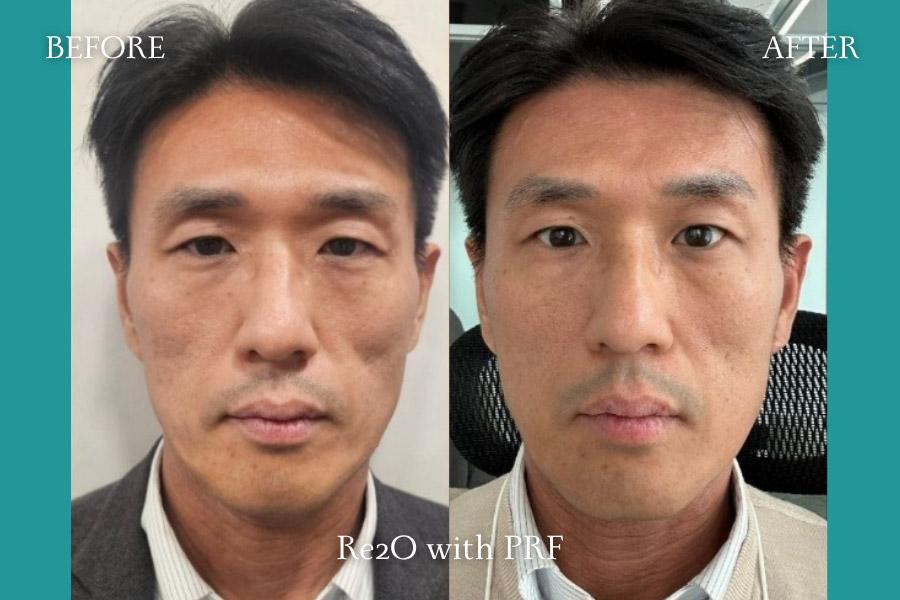
- Injection — The clinician places i-PRF through superficial microinjections, targeted needle deposits, a blunt cannula, or serial scalp injections according to the treatment area. A straightforward injection-only visit, including numbing, blood processing, injection, and brief observation, often takes about 30–60 minutes.
- Discharge and documentation — Before leaving, obtain English written aftercare, the product and processing details, treated sites and volumes, injection instrument and approximate plane, anesthetic used, and an urgent-care escalation plan. Expect immediate redness, swelling, tenderness, and occasional bruising.
- Early review and overseas follow-up — Complete the planned next-day check before flying when possible. Send standardized photos at 24–72 hours and attend later reviews; facial outcomes are more meaningfully assessed around 8–12 weeks after the final session, while hair outcomes require several months of consistent photographs and, when available, trichoscopy or target-area counts.
Alternatives to a PRF Injection
The best alternative depends on the problem being treated. PRF is a blood-derived, gradual, non-surgical approach with variable protocols and limited facial evidence; filler, energy treatments, medical hair-loss therapy, or surgery can offer a more direct solution when volume loss, laxity, scarring, or progressive hair loss is the dominant issue.
PRP Injection
- Closest platelet-based option — PRP injection uses a different blood-product preparation and is not interchangeable with i-PRF.
- Evidence tradeoff — A 2025 systematic review found PRP-versus-i-PRF evidence heterogeneous across medical fields and called for standardized protocols. In the defined 2026 female-pattern-hair-loss trial, i-PRF produced greater short-term hair-count improvement than PRP under that study’s regimen.
Hyaluronic-Acid Filler
- Best for structural deficits — Under-eye filler can provide more immediate, predictable correction for selected tear troughs and volume loss than PRF.
- Risk tradeoff — Filler introduces material-specific complications, including rare vascular occlusion and vision-threatening injury. It is not automatically appropriate in every under-eye anatomy.
Skin Boosters and Collagen Stimulators
- Different treatment target — Skin boosters, PDRN injections, Rejuran Healer, and collagen boosters use non-autologous ingredients to target hydration, texture, or collagen stimulation.
- Decision point — Compare the active ingredient, expected result, durability, allergy or inflammatory risk, and suitability for prior filler or autoimmune history rather than treating all “regenerative” injectables as equivalent.
Laser or Microneedling Treatment
- Best for a defined surface concern — Acne scar treatment and device-based treatments can be more suitable when scars, pores, pigmentation, redness, or texture are the main concern.
- Tradeoff — These treatments have different downtime, pigment-change risks, and sun restrictions, particularly for patients prone to post-inflammatory hyperpigmentation.
Medical Hair-Loss Treatment or Transplantation
- First-line diagnostic priority — Hair-loss treatment should address the diagnosed cause, including clinician-directed topical or oral minoxidil and consideration of finasteride or dutasteride where appropriate.
- For established loss — Hair transplantation can be more appropriate for stable loss with adequate donor supply. PRF should not delay evaluation of diffuse shedding, alopecia areata, or scarring alopecia.
How Can I Prepare for a PRF Injection?
- Disclose all medicines — Report anticoagulants, antiplatelet drugs, NSAIDs, corticosteroids, immunosuppressants, isotretinoin, and every prescription or over-the-counter medicine. Do not stop warfarin, heparin, dabigatran, apixaban, rivaroxaban, aspirin, clopidogrel, or other prescribed drugs without a plan from the prescriber and injector.
- List bleeding-related supplements — Tell the clinic about fish oil, vitamin E, ginkgo, garlic, ginseng, turmeric or curcumin, and other supplements that can affect bleeding or platelet function. Follow the clinic’s individualized stop or continue instructions; robust i-PRF trials have not established a universal supplement-stop period.
- Eat and hydrate for injection-only care — Unless sedation is planned or the clinic gives different instructions, eat a light meal and hydrate normally before blood collection. Tell staff about previous fainting or difficult blood draws.
- Arrive with a calm treatment area — Come with clean skin or scalp, without makeup, hair fibers, sunburn, shaving irritation, open wounds, active acne inflammation, herpes outbreak, or other infection in the planned area.
- Avoid nicotine and heavy alcohol — Avoid smoking, vaping, and heavy alcohol use around treatment when instructed, especially when bruising or healing is a concern. The exact PRF-specific interval is not validated; follow the treating clinician’s protocol.
- Plan for visible recovery — Keep the first 1–3 days free of major social commitments, longer for under-eye injections or a personal history of prominent bruising. Book accommodation close enough for early review and keep flights flexible when possible.
- Bring a companion if sedated — Injection-only PRF generally does not require sedation. When sedating medication is planned, arrange an adult escort, overnight support, and no driving or solo travel that day.
Travel note: Send medical records and photos before flying, but expect the final plan to change after an in-person examination of the skin, scalp, vascular anatomy, and prior injectable history.
Confirm the clinic’s specific fasting, medicine, supplement, transport, and arrival requirements before treatment; the treating doctor’s individualized instructions take precedence over general guidance.
Aftercare Advice
Protect the injection sites, monitor symptoms closely, and judge results only after early swelling has settled.
- Keep contact gentle — Leave puncture sites clean and avoid rubbing, massage, pressure, or facial tools unless the injector specifically instructs otherwise. Use gentle skincare and avoid makeup until the clinic confirms it is appropriate.
- Control swelling without pressure — Use a wrapped cool compress intermittently if needed and sleep with the head elevated on the first night after facial treatment. Do not apply ice directly to skin or press firmly on treated areas.
- Pause heat and strenuous activity — Avoid strenuous exercise, swimming, sauna or steam rooms, hot baths, and heavy alcohol use for roughly 24–48 hours when advised. Restrictions depend on the injection area, depth, bruising, and any combined procedure.
- Use sun protection — Avoid direct sun exposure on bruised or irritated facial skin. Apply broad-spectrum SPF 50 once the skin is intact and the clinic permits product application, especially after combined laser or microneedling treatment.
- Know urgent warning signs — Seek urgent in-person assessment for worsening pain or swelling, spreading redness or warmth, pus or drainage, fever, persistent bleeding, fainting, widespread rash, skin blanching or dusky discoloration, neurologic symptoms, or any visual change after facial or under-eye injections.
- Track outcomes properly — Send the agreed 24–72-hour photos and attend the 2–4-week review. Facial protocols have generally assessed outcomes after a monthly series, around three months; hair response should be tracked over several months with consistent photographs rather than daily mirror checks.
Follow the treating doctor’s instructions over general advice, and contact the clinic promptly when pain, color change, swelling, or other symptoms appear abnormal.
Frequently Asked Questions
Related Blogs
Bruise Recovery Solutions in Korea: How Arginine Fluid Procedures Accelerate Healing
Discover how Korea leads in bruise recovery by using advanced procedures like Arginine Fluid therapy, promoting faster healing after post-injection ecchymosis or hematomas. This blog explores the benefits of Korean medical treatments for bruises, highlighting safe, effective options such as IV arginine infusion, collagen boosting, and circulation improvement. Learn about Korea’s reputation in medi
Updated: Nov 13, 2026

Sunburn Redness Relief with Oxygen Therapy: Innovative Skin Recovery Procedures in Korea
Discover how oxygen therapy in Korea can accelerate healing from sunburn (erythema) caused by UV radiation. This article explores Hyperbaric Oxygen Therapy (HBOT) and Topical Oxygen Therapy (TOT) as innovative treatments to reduce inflammation, restore skin health, and combat UV-induced skin damage. Learn why Korea is a top destination for medical tourism, offering advanced, cost-effective care fo
Updated: Nov 13, 2026
Keloid Scar Itching Solutions: Keloid Injection Procedures in Korea for Effective Relief
Discover effective keloid treatment options in Korea, featuring intralesional corticosteroid injections that reduce itching, scarring, and discomfort. Korea's advanced medical facilities and expert dermatologists make it a top destination for keloid injection therapy. This blog covers procedures like triamcinolone acetonide injections, treatment protocols, costs, and tips for medical tourists seek
Updated: Nov 12, 2026
Laser Tattoo Removal in Korea: Safe and Advanced Solutions for Effective Tattoo Removal
Discover top-quality tattoo removal in Korea using advanced laser technologies like Q-switched Nd:YAG and picosecond lasers. This safe and effective procedure targets tattoo ink, including common colors like black, blue, red, and green. Korea’s leading clinics offer personalized treatments for unwanted tattoos, helping you erase past regrets and regain confidence. Whether removing small or large i
Updated: Nov 11, 2026