
Medical Tourism Blog
Laser Tattoo Removal in Korea: Safe and Advanced Solutions for Effective Tattoo Removal
Table of contents
- Common Approaches to Tattoo Removal and Their Pseudonyms
- Laser Tattoo Removal: A Detailed Medical Perspective
- Best Clinics in Korea for Tattoo Removal
- Navigating Laser Tattoo Removal in South Korea: A Step-by-Step Guide
- Patient Experiences and Outcomes in Laser Tattoo Removal
- Conclusion
- References
Considering treatment in Korea? Everything you need to know e.g. — how to avoid scams, visas, interpreters, recovery tips — in our Medical Tourism Master Guide. Plan with confidence in minutes, not weeks!
While people have always sought ways to modify or erase tattoos, truly effective removal methods are a more recent development. The language people use when discussing tattoo removal—phrases like “erasing regrets,” “goodbye tattoo, hello freedom,” and “uncover your true self”—shows that motivations go far beyond the skin’s surface. For many, a tattoo can represent a part of their past or pose a barrier to professional or personal growth. Understanding this deeper context highlights why professional approaches matter so much.
Common Approaches to Tattoo Removal and Their Pseudonyms
Laser tattoo removal is the gold standard today, but it helps to understand the other choices that exist—both past and present.
- Laser Tattoo Removal: Uses focused light energy to break ink into smaller particles the body can process over time. Considered the most effective and safest choice.
- Surgical Excision: Surgically removes the tattooed skin and stitches the remaining skin together. Works well for small tattoos, but always leaves a scar.
- Dermabrasion: “Sands down” the skin to remove ink in deeper layers. Unpredictable results and higher risk for scarring compared to laser removal.
- Salabrasion: Abrasive salt-and-water rubbing used to strip away tattooed layers. Generally painful and very damaging to the skin.
- Subcutaneous Injections of Solutions / Chemical Peels: Involves injecting acidic solutions or applying strong chemicals to peel off inked skin. High risk of scarring and burns with unpredictable results.
- Tattoo Removal Creams: Over-the-counter products that claim to fade ink but are largely ineffective and often cause irritation or harm.
- Historical Methods: Included using substances like tannic acid, lemon juice, or even pigeon dung—none were effective and most were quite hazardous.
Professional laser tattoo removal stands out not only for its high efficacy but also its safety. By contrast, many alternative or historical approaches are risky and rarely deliver satisfying results. Choosing medically supervised laser procedures ensures better results and avoids unnecessary complications.
Table 1: Common Tattoo Removal Methods Overview
| Method | Brief Description | Key Characteristics (Effectiveness, Risks, Invasiveness) |
|---|---|---|
| Laser Tattoo Removal | Concentrated light breaks ink particles for body to clear | Effectiveness: High; Risks: Minimal scarring, temporary redness/swelling/blistering; Invasiveness: None |
| Surgical Excision | Tattooed skin is cut out, stitched together | Effectiveness: Complete (small tattoos); Risks: Scarring; Invasiveness: Surgical |
| Dermabrasion | Skin is "sanded down" with rotary device | Effectiveness: Unpredictable; Risks: Open wound, long recovery, scarring; Invasiveness: Invasive |
| Salabrasion | Rubbing salt and water to abrade skin | Effectiveness: Poor; Risks: High scarring/burns; Invasiveness: Highly damaging |
| Subcutaneous Injections / Chemical Peels | Acidic solutions peel tattooed layers | Effectiveness: Inconsistent; Risks: High scarring/burns; Invasiveness: Chemical |
| Tattoo Removal Creams | Topical creams marketed to fade tattoos | Effectiveness: Largely ineffective; Risks: Irritation/damage; Invasiveness: Topical, noninvasive |
| Historical Methods (e.g., Tannic Acid) | Unscientific topical/injectable agents | Effectiveness: Ineffective; Risks: Major health hazards; Invasiveness: Varied, often unsafe |
Laser Tattoo Removal: A Detailed Medical Perspective
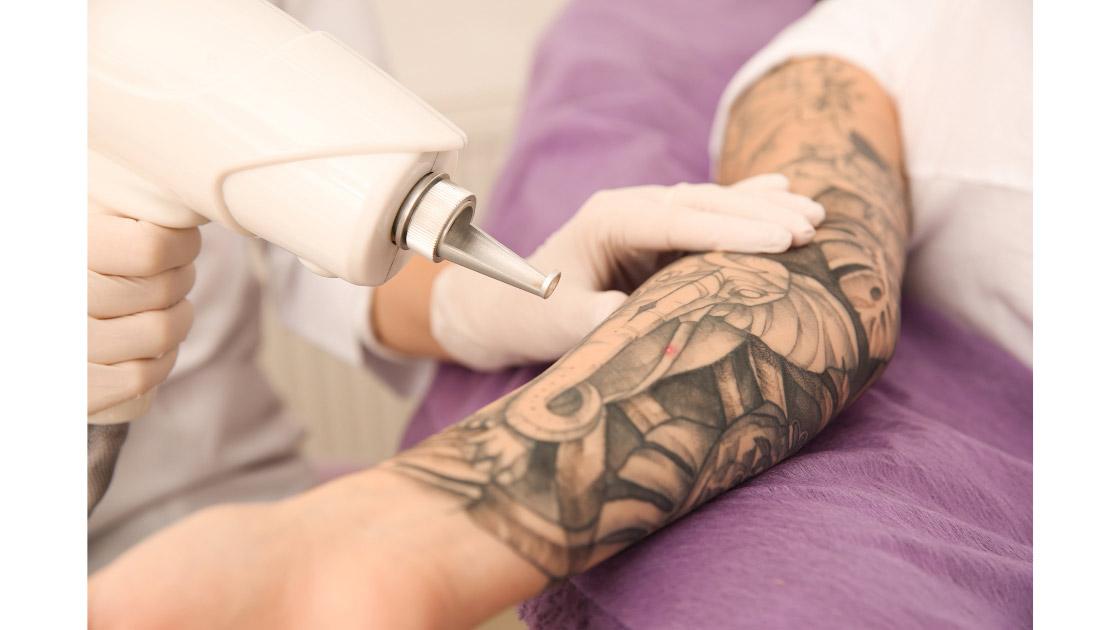
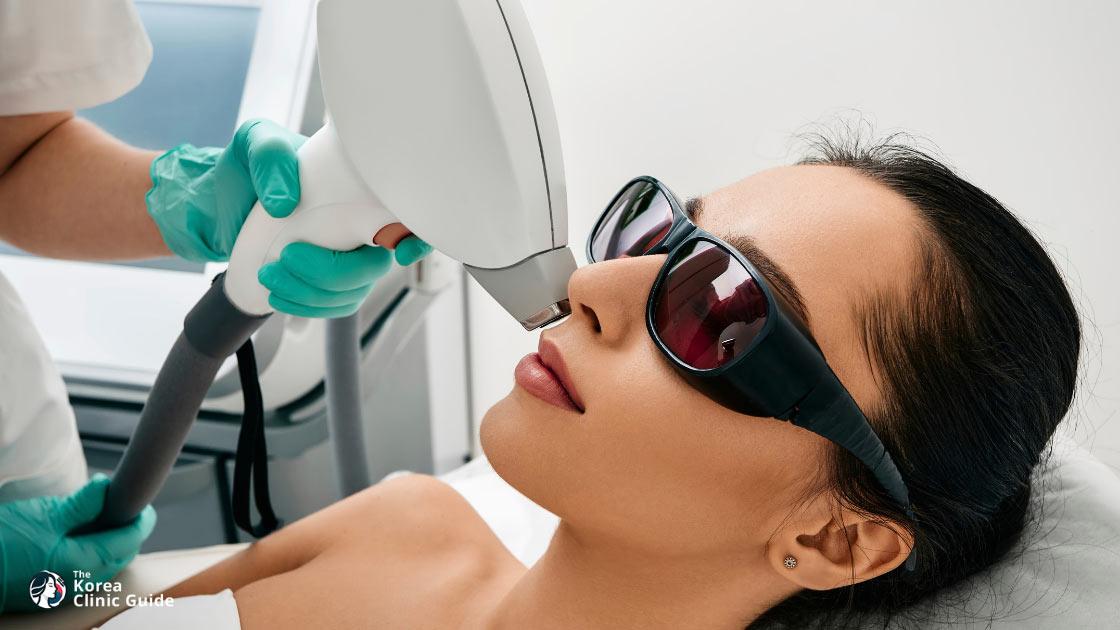
Laser tattoo removal relies on selective photothermolysis, targeting ink pigments with specific wavelengths to minimize harm to the surrounding skin. The high-energy pulses break the ink into tiny particles, which the immune system’s macrophages then gradually clear via the lymphatic system. Because this process works layer by layer, multiple sessions are needed, spaced weeks apart, to ensure the skin heals and the body removes the ink.
Evolution of Laser Technology
Tattoo removal lasers have evolved dramatically. Early devices released energy in milliseconds, causing more damage and higher risk for scarring or changes in skin color. Q-switched lasers, with nanosecond pulses, became the go-to for tattoo removal, as they reduce side effects and effectively treat various ink colors. The latest development, picosecond lasers, deliver even shorter bursts, improving precision, reducing recovery times, and further minimizing side effects. Choosing a clinic with current laser technology is key to safety and best results.
Types of Lasers and Their Target Ink Colors
Because different tattoo ink colors absorb different light wavelengths, the best clinics use various laser types:
- Q-switched Nd:YAG (1064 nm): Near-infrared light is effective for black and dark blue/green inks, and safest for darker skin tones.
- Q-switched Frequency-doubled Nd:YAG (532 nm): Green light works well on red, yellow, and orange inks; best suited for lighter skin.
- Q-switched Ruby (694 nm): Red light is highly effective for green and blue inks, mostly used on lighter skin due to higher risk of pigment changes.
- Q-switched Alexandrite (755 nm): Red light targets green and dark inks, with less risk for pigment changes but limited effect on some colors.
- Picosecond Lasers: Offer a broad spectrum for multicolor tattoos and can be safer and more effective with fewer sessions.
Having access to a range of lasers is crucial for clinics to treat all ink colors efficiently. Patients should always ask about the range of technology a provider offers.
Table 2: Laser Types and Their Target Ink Colors & Skin Suitability
| Laser Type | Wavelength (nm) | Laser Color | Primary Target Ink Colors | Suitability for Skin Types | Key Characteristics/Notes |
|---|---|---|---|---|---|
| Q-switched Nd:YAG | 1064 | Near-infrared | Black, dark blue, green | All, especially darker tones | Safest for variety of skin/ink colors; highly versatile |
| Q-switched Frequency-doubled Nd:YAG | 532 | Green | Red, yellow, orange | Lighter skin tones | Can cause purpura/bleeding; used for age spots too |
| Q-switched Ruby | 694 | Red | Green, dark; best for blue | Primarily white skin | Less used now due to high pigment risk on darker skin |
| Q-switched Alexandrite | 755 | Red | Green, some black/blue | Lighter skin tones | Slightly safer than Ruby, moderate power, picosecond versions exist |
| Picosecond Lasers | Varies | Various | Wide range | All skin types | Fewer sessions, minimal damage, higher cost |
Benefits of Laser Tattoo Removal
- Non-invasive: No surgical cutting, so less trauma and quicker recovery.
- Highly Effective: Can fade or nearly eliminate tattoos, especially with black or darker pigments.
- Targeted Precision: Minimizes risk to healthy skin, lowers the chance of visible scarring.
- Customizable: Laser settings can be adjusted for the tattoo’s colors, depth, and skin type.
- Good for All Skin Types: Certain lasers, especially Q-switched Nd:YAG (1064 nm), are specifically designed for use on a range of skin tones.
Potential Risks and Side Effects
Though generally safe, laser tattoo removal can lead to temporary symptoms like redness, swelling, blistering, and itching. Temporary pigment changes (darkening or lightening), especially in people with darker skin, are possible but tend to resolve with time. Less common risks include paradoxical darkening (especially with metallic-based inks), scarring, infection (if aftercare is ignored), hypersensitivity reactions, and incomplete removal—especially for stubborn colors like green and yellow.
Best Clinics in Korea for Tattoo Removal
Listed below are the best clinics in Korea for tattoo removal:
| Clinic Name | Key Features | Special Techniques |
|---|---|---|
| Cheongdam Oracle Dermatology & Plastic Surgery Clinic | Advanced laser-based skin expertise; Personalized treatment plans; Strong dermatology and aesthetic background; High standards of care; Comprehensive aesthetic support; Trusted all-in-one clinic environment; Convenient Seolleung location; Ideal for appearance-conscious patients. | Laser resurfacing; Chemical peels; Microneedling; HydraFacial; Botox; Fillers; Thread lifting; Liposuction; CoolSculpting; Hair transplant; Facial plastic surgery. |
| Better Me Clinic Hongdae | Located near Hongdae Entrance Station; skin-focused medical care with accessibility; practical for tattoo removal with multiple sessions, follow-up visits, and careful attention to skin recovery. | Not specified |
| Rejuel Clinic | Dermatologist-led aesthetic clinic at Gangnam Station; skin rejuvenation, lifting, injectables, and body contouring with emphasis on natural-looking results; individualized skin assessment; pigment-focused treatments with Q-switched and picosecond lasers; care for redness, acne marks, pores, and overall skin quality. | Q-switched and picosecond laser technology; RF microneedling; tightening procedures; collagen-stimulating injectables; medical-grade skincare. |
Cheongdam Oracle Dermatology & Plastic Surgery Clinic
Cheongdam Oracle Dermatology & Plastic Surgery Clinic in Seolleung is a leading aesthetic clinic that offers a broad spectrum of advanced dermatology, anti-aging, body contouring, hair, and plastic surgery procedures, making it an excellent choice for patients seeking professional tattoo removal in Korea. Although the clinic is widely known for treatments such as laser resurfacing, chemical peels, microneedling, HydraFacial, Botox, fillers, thread lifting, liposuction, CoolSculpting, hair transplant, and facial plastic surgery, its strongest advantage for tattoo removal lies in its sophisticated skin-focused approach and commitment to personalized treatment plans. For patients who want safe, precise, and medically supervised removal with attention to skin quality and post-treatment recovery, Cheongdam Oracle stands out as one of the best clinics to consider.
• Advanced laser-based skin expertise: The clinic’s experience with laser resurfacing shows a strong foundation in energy-based skin treatments, which is especially important for effective tattoo removal.
• Personalized treatment plans: Cheongdam Oracle tailors care to each patient, an essential factor in tattoo removal because ink color, tattoo depth, skin type, and treatment goals all vary.
• Strong dermatology and aesthetic background: With a full range of skin procedures such as chemical peels, microneedling, and HydraFacial, the clinic is well positioned to support skin healing and overall skin quality during the tattoo removal process.
• High standards of care: The clinic emphasizes patient-centered treatment and professional cosmetic dermatology care, giving patients greater confidence in both safety and results.
• Comprehensive aesthetic support: If patients are concerned about residual texture changes, pigmentation, or skin rejuvenation after tattoo fading, the clinic also offers complementary skin treatments that can help improve the final cosmetic outcome.
• Trusted all-in-one clinic environment: Because Cheongdam Oracle combines dermatology and plastic surgery services, patients benefit from a more comprehensive medical setting rather than a limited single-treatment practice.
• Convenient Seolleung location: Its location in Seolleung makes it an accessible option for local patients and international visitors seeking high-quality aesthetic treatment in Seoul.
• Ideal for appearance-conscious patients: For those who want tattoo removal in a clinic that also understands overall skin appearance and facial or body aesthetics, Cheongdam Oracle is a particularly strong choice.
Find more about this clinic here: Cheongdam Oracle Dermatology & Plastic Surgery Clinic Website
Better Me Clinic Hongdae
Better Me Clinic Hongdae can be considered one of the best choices for tattoo removal in Korea because it is an aesthetic and dermatology clinic located near Hongdae Entrance Station, combining skin-focused medical care with excellent accessibility in one of Seoul’s most convenient areas. For tattoo removal, where patients often need multiple sessions, follow-up visits, and careful attention to skin recovery, a clinic centered on dermatology and aesthetics offers an especially practical advantage, and its location near a major station makes the treatment process easier and more comfortable for both Korean and international patients.
Find more about this clinic here: Better Me Clinic Hongdae Website
Rejuel Clinic
Located at Gangnam Station, Rejuel Clinic is a dermatologist-led aesthetic clinic known for skin rejuvenation, lifting, injectables, and body contouring with an emphasis on natural-looking results. For patients exploring tattoo removal in Korea, the clinic’s strength lies in its individualized skin assessment and broad laser dermatology background, including pigment-focused treatments with Q-switched and picosecond technology, as well as care for redness, acne marks, pores, and overall skin quality.
Beyond laser-based skin care, Rejuel Clinic offers supportive treatments that can help improve skin condition and recovery planning, such as medical-grade skincare, collagen-stimulating injectables, RF microneedling, and tightening procedures. This comprehensive approach makes the clinic a notable option for patients who want tattoo removal consultation within a practice that also prioritizes skin health, texture, tone, and balanced cosmetic results.
Find more about this clinic here: Rejuel Clinic Website
Navigating Laser Tattoo Removal in South Korea: A Step-by-Step Guide
South Korea is a popular destination for cosmetic procedures thanks to its advanced technology and skilled professionals. The process of laser tattoo removal in South Korea follows a careful and effective pathway.
The Process of Getting Laser Tattoo Removal in South Korea
-
Initial Consultation: A dermatologist evaluates your tattoo’s size, color, age, and depth. They also check your health history to ensure you’re a suitable candidate and set expectations for the number of sessions required.
-
Pre-Treatment Protocols: Avoid sun exposure and tanning for at least four weeks before each session, and steer clear of skin-sensitizing creams or medications. Keeping skin healthy and hydrated is important, and NSAIDs should generally be avoided unless approved by your doctor.
-
The Laser Treatment Session:
- The treatment area is cleaned and numbed with a topical anesthetic or local injections.
- Protective eyewear is provided for both patient and practitioner.
- The selected laser is applied; the feeling is much like a rubber band snap. For smaller tattoos, the session may only last a few minutes.
- Cooling compresses or devices are used immediately afterward for comfort.
-
Post-Procedure Care and Recovery: Recovery involves diligent icing, moisturizing the area, limiting strenuous activity, careful cleaning, sun protection, and monitoring for unusual reactions. Blisters and itching are normal—leave blisters to heal on their own, and never pick scabs. Cleanliness is vital to prevent infection, and covering the area or using sunscreen is a must for several months after each session. Healthy nutrition, hydration, and rest promote better results.
-
Session Spacing and Number: Most tattoos require between 5 and 12 sessions, with 6–12 weeks between treatments, depending on tattoo characteristics and your body’s healing ability.
Costs Associated with Laser Tattoo Removal in South Korea and International Comparison
Pricing in South Korea depends on tattoo size, color complexity, number of sessions, and the technology used. Clinics with advanced lasers and experienced staff can charge more, but high competition keeps costs reasonable.
- South Korea: Each session typically ranges from 100,000 KRW to 500,000 KRW (about $69–$344 USD). Multi-session package deals further reduce costs.
- United States: $150–$700 per session; total removal for large tattoos can reach $10,000.
- United Kingdom: About £50 ($63 USD) per session; small tattoos around $440 total.
- Thailand: Very affordable, with small tattoos at roughly $27 and large areas at about $135 per session.
- Turkey: Varies widely from $75 to $1,000 per session.
On balance, South Korea offers a blend of advanced care and affordability, often at lower costs than North America but with better access to modern techniques and expert practitioners.
Patient Experiences and Outcomes in Laser Tattoo Removal
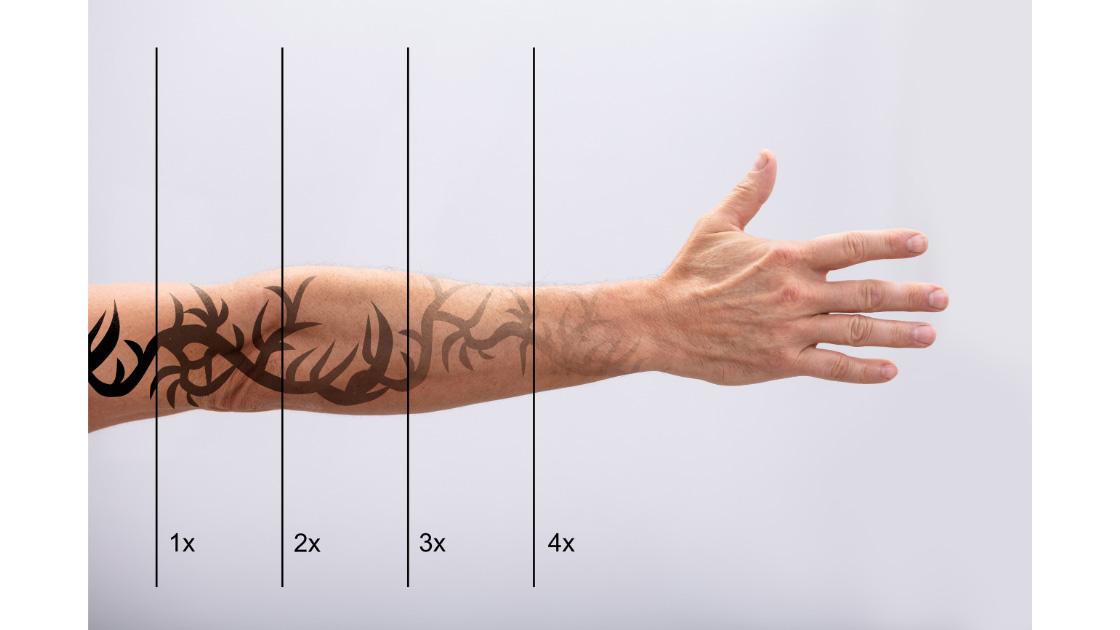
Many who undergo laser tattoo removal describe meaningful improvements in both their appearance and quality of life. Initial fears about pain are often dispelled by the use of numbing creams and short session times. Most find the sensation manageable—comparable to a rubber band snap.
Physical changes are usually very noticeable, with tattoos fading significantly or disappearing entirely after several treatments. For those with hard-to-remove ink colors, dramatic fading is often enough to restore confidence. The gradual process allows people to see visible progress after each session.
Beyond the physical transformation, many find that removing unwanted ink gives them emotional relief and supports career or personal aspirations. Stories abound of people overcoming the stigma or professional barriers their tattoos created. Medical guidance and supportive staff are consistently cited as factors that make the journey easier and more rewarding.
Conclusion
Laser tattoo removal provides an effective, precise, and safe solution for those wishing to erase unwanted ink, addressing both cosmetic and deeper personal motivations. The evolution of laser technology and proper professional guidance are crucial for the best outcomes. South Korea stands out as a leading destination with advanced facilities and skilled practitioners, offering a cost-effective and reliable choice for those seeking tattoo removal. Successful results require commitment to a multi-step process and diligent aftercare, but the benefits extend well beyond the physical.
References
1, 2, 3, 4, 5, 6, 7, 8, 9, 10, 11, 12, 13, 14, 15, 16, 17, 18, 19, 20, 21, 22, 23, 24, 25, 26, 27, 28, 29, 30, 31, 32
Frequently Asked Questions
Related Blogs

Scalp Care in Korea: Assessment, Treatment Options, Travel Planning and Aftercare
Scalp care in Korea ranges from cosmetic cleansing and scaling to dermatologist-led assessment with trichoscopy, patch testing, fungal testing, or biopsy when indicated. International patients should confirm whether care is cosmetic or medical, allow extra time for test results and follow-up, and seek prompt assessment for painful, infected, rapidly worsening, or patchy hair loss.
Updated: Sep 11, 2026
MTS Facial Treatment in Korea: Results, Recovery, Safety and Travel Planning
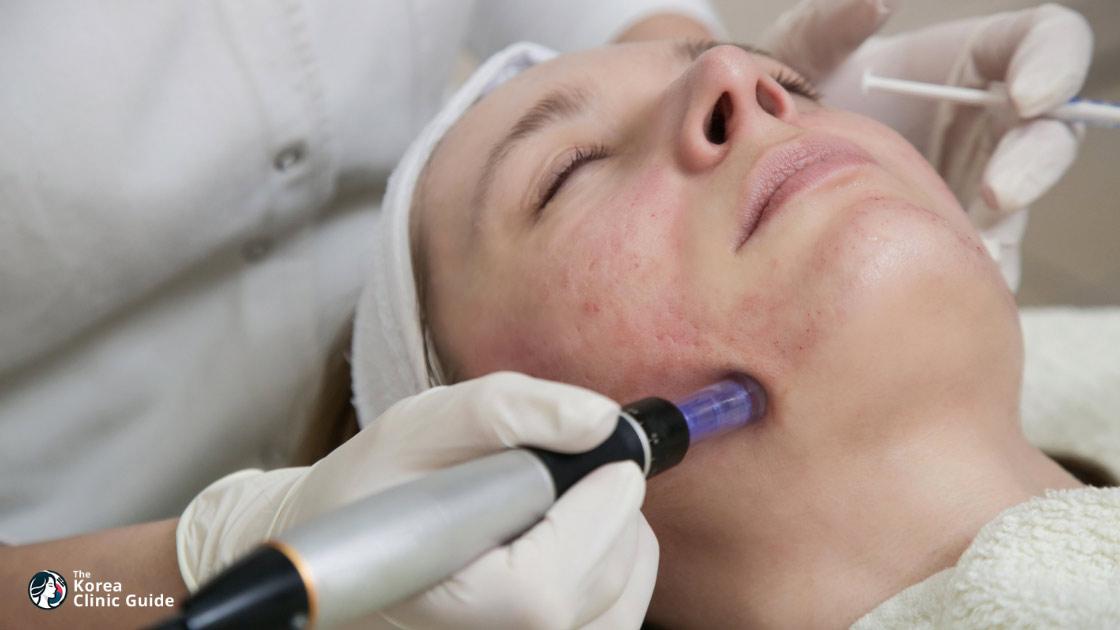
MTS facial treatment uses sterile microneedling passes to address selected acne scars, texture, and early photoaging, with settings adjusted by facial area and scar type. The article covers candidate screening, Korea travel planning, treatment steps, recovery, aftercare, risks, and follow-up for a treatment series.
Updated: Sep 11, 2026
Belody Lifting in Korea: Treatment Methods, Recovery, Risks and Travel Planning
Belody Lifting is a cannula-based internal laser procedure for mild-to-moderate skin laxity or small localized fat deposits, with or without suction-assisted liposuction. The article covers candidacy, treatment steps, recovery, aftercare, alternatives, and 7–10 day South Korea travel planning with an in-person review before flying.
Updated: Sep 11, 2026
PRP Facial Treatment in Korea: Methods, Recovery, Travel Planning and Alternatives
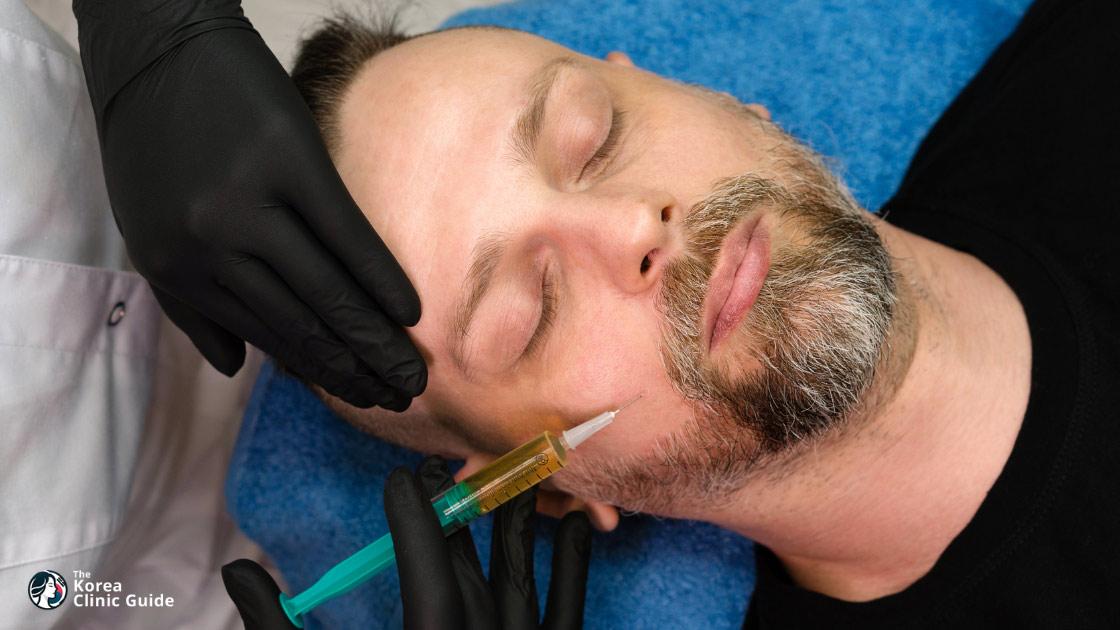
PRP facial treatment uses processed blood platelets through injections, microneedling, or alongside laser, with variable and usually subtle results for early photoaging and texture concerns. The article covers candidacy, preparation, recovery, Korea travel planning, follow-up, risks, and alternatives.
Updated: Sep 11, 2026
Clinics offering Laser Tattoo Removal

Cheongdam Oracle Dermatology & Plastic Surgery Clinic in Korea: Offering Advanced Skin, Anti-Aging, Body Contouring Treatments and More
Seolleung

Eugene's Clinic: Premier Medical Services and Treatments in Korea
Apgujeong

Ppeum Clinic - Daegu: Superior Skin and Beauty Treatments in Korea for Aesthetic Enhancement
Dongseong-ro

Comfort Plastic Surgery Clinic in Korea: Expert and Safe Procedures for Aesthetics and Tattoo Removal
Gangnam Station