Medical Tourism Blog
Acne Scar Treatment in Korea | Costs, Procedure Types, Candidacy & Recovery
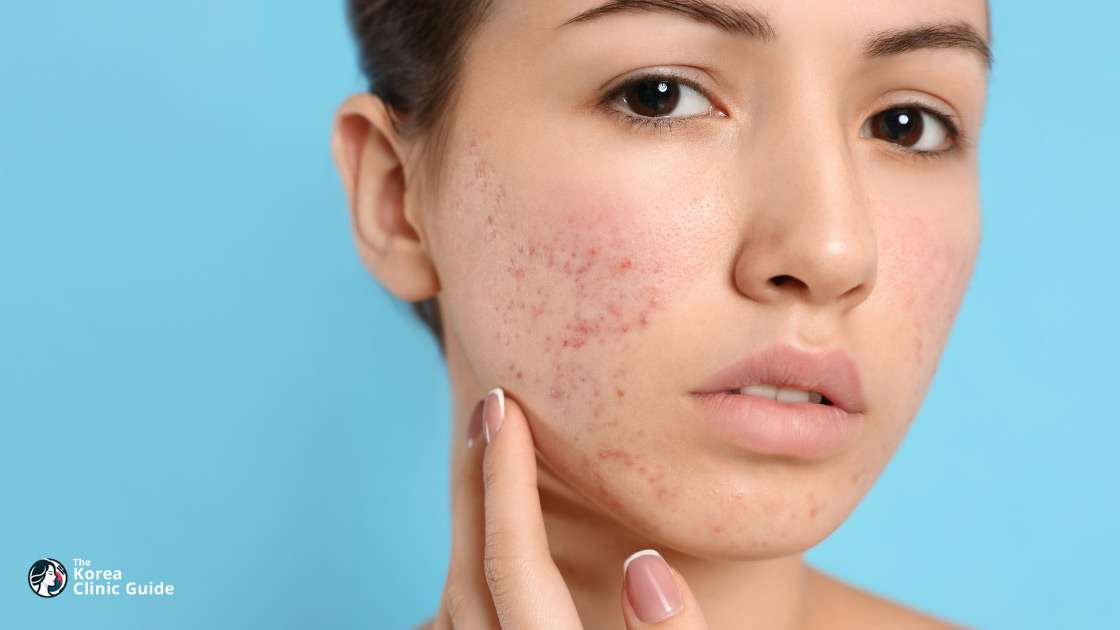
Table of contents
- What Is Acne Scar Treatment?
- Acne Scar Treatment in Korea
- Which Are the Best Clinics in Korea for Acne Scar Treatment?
- Alternatives to Acne Scar Treatment
- Pros & Cons of Acne Scar Treatment
- Conclusion
Considering treatment in Korea? Everything you need to know e.g. — how to avoid scams, visas, interpreters, recovery tips — in our Medical Tourism Master Guide. Plan with confidence in minutes, not weeks!
Ever felt that the battle against acne scars seems never-ending? You're not alone, and the good news is that South Korea has taken the lead in offering innovative solutions to tackle these stubborn skin imperfections. In this article, we explore the best that Korean clinics have to offer, from pioneering laser therapies to holistic aftercare, guiding you toward achieving smoother, more confident skin.
What Is Acne Scar Treatment?
Acne scar treatment encompasses a range of medical procedures aimed at reducing or removing the visibility of scars left behind by acne. In Korea, treatment plans are highly personalized and often combine technologies to rebuild collagen, smooth irregularities, and refine skin texture. Protocols can include resurfacing lasers, RF microneedling, subcision, targeted chemical methods like TCA CROSS, biologic skin boosters (e.g., Rejuran Healer skin), and supportive facials such as aqua peel to optimize the canvas before/after procedures.
Who Can Benefit from Acne Scar Treatment?
Anyone suffering from acne scars, regardless of their age or gender, can potentially benefit from acne scar treatment. This includes:
-
Teenagers and Young Adults: Often the most affected demographic due to the common onset of acne during puberty. Maintenance options like aqua peel (hydradermabrasion) can help keep pores clear and support texture between medical sessions.
-
Adults: Individuals who have persistent acne scars from their younger years or experience adult acne. Combination approaches (e.g., subcision + RF microneedling + Rejuran Healer skin boosters) can address long-standing atrophic scars.
-
People with Darker Skin: Special care and specific settings are used to minimize post-inflammatory hyperpigmentation (PIH). Non-ablative lasers, RF energy devices, and gentle peels are favored. For beard-area breakouts or folliculitis, adjunct laser hair removal may reduce flare-ups that worsen scarring.
Types of Acne Scar Treatment
There are various types of acne scar treatments available, each with its own specific benefits and suitable use cases:
1. Laser Therapy
Laser therapy targets the scarred area with focused light, either removing the outer layer of skin (ablative lasers) or stimulating collagen production underneath the skin (non-ablative lasers). Korea commonly combines fractional CO₂/Er:YAG with picosecond lasers for textural remodeling and pigment blending.
Pros:
-
Effective for various scar types (boxcar, rolling; selective protocols for icepick with TCA CROSS)
-
Stimulates collagen production and improves skin texture
Cons:
-
Can be expensive and requires multiple sessions
-
Temporary redness/irritation; PIH risk if aftercare/sun care lapses
2. Chemical Peels
Chemical peels involve applying a chemical solution to the skin, causing it to exfoliate and peel off. Beyond standard AHA/BHA peels, Korean clinics may perform focal TCA CROSS for icepick scars and use aqua peel devices to deep-clean and hydrate as pre- or post-care.
Pros:
-
Helpful for superficial scars and dyschromia
-
Scalable from mild aqua peel maintenance to deeper TCA options
Cons:
-
Temporary redness and peeling
-
Hyperpigmentation risk without strict UV protection
3. Microneedling
Microneedling uses tiny needles to create micro-injuries in the skin, promoting the body’s natural healing process and collagen production. RF-assisted microneedling adds heat to improve tightening and scar remodeling. It’s often paired with biologics such as PRP, exosomes, or Rejuran Healer skin boosters to enhance repair.
Pros:
-
Minimally invasive with broad skin-type compatibility
-
Synergizes with PRP/exosomes/Rejuran Healer skin for texture gains
Cons:
-
Multiple sessions needed
-
Temporary swelling/redness; strict hygiene required
4. Dermal Fillers
Dermal fillers (commonly hyaluronic acid) are injected to lift depressed scars and can be combined with subcision for rolling scars. In Korea, careful micro-droplet placement reduces shadowing that makes scars appear deeper.
Pros:
-
Immediate improvement in contour
-
Minimally invasive with adjustable outcomes
Cons:
-
Temporary results; touch-ups needed
-
Rare risks include vascular occlusion; must be performed by experts
5. Subcision
Subcision involves inserting a needle below the scar to break up fibrous bands tethering the skin. It is frequently paired with fillers, RF microneedling, or Rejuran Healer skin to prevent re-tethering and stimulate remodeling.
Pros:
-
Highly effective for rolling scars
-
Long-lasting structural improvement
Cons:
-
Bruising and swelling possible
-
Often done in a series for optimal outcomes
6. Excision and Punch Techniques
For deeper, more severe acne scars, surgical methods like excision or punch techniques can be used to physically remove the scar tissue, followed by resurfacing for blend.
Pros:
-
Targeted solution for refractory scars (e.g., icepick, deep boxcar)
-
Permanent removal of the worst lesions
Cons:
-
Invasive and requires downtime
-
Post-surgical care needed to minimize new marks
Acne Scar Treatment in Korea
When it comes to acne scar treatment, South Korea has emerged as a global hub, attracting numerous international patients looking for advanced, combination-based solutions. Clinics emphasize protocols that sequence decongestion (e.g., aqua peel) → collagen induction (RF microneedling/lasers) → biologic boosters (PRP, exosomes, Rejuran Healer skin) to steadily restore skin texture.
Initial Consultation
Your visit begins with a high-resolution skin analysis (texture depth maps, pigment/erythema imaging) and a scar-type charting (icepick, boxcar, rolling). Plans also screen for ongoing acne; in beard or jawline breakouts, adjunct laser hair removal may be recommended to reduce ingrown hairs and folliculitis that can aggravate scarring. Pre-care typically includes SPF optimization and, if needed, gentle aqua peel to clear pores.
Treatment Options
Korean dermatology clinics offer a wide range of advanced acne scar treatments. Depending on scar type and downtime tolerance, your dermatologist may recommend one or more of the following:
- Laser Treatments: Fractional CO₂/Er:YAG for resurfacing; picosecond lasers for pigment and micro-texturing; cautious parameters for darker skin to limit PIH.
- Microneedling/RF Microneedling: Mechanical + thermal collagen induction; often combined with PRP/exosomes/Rejuran Healer skin for enhanced remodeling.
- Chemical Methods: Focal TCA CROSS for icepick scars; broader peels for tone/texture; aqua peel for maintenance and pre-laser prep.
- Subcision + Fillers: Releases tethers, then lifts the plane to reduce shadowing; staged across sessions.
- Biologic/Regenerative Adjuncts: PRP and exosome serums; Rejuran Healer skin boosters (polynucleotides) to support matrix repair.
- Targeted Surgery: Punch excision/grafting for deep, narrow scars followed by blending laser.
Note: Body contouring options like fat dissolving injection (a fat dissolving approach under the chin) are not scar treatments but are sometimes requested alongside facial procedures in Korea for profile refinement. They do not treat scars directly but can improve overall facial contours.
Advanced Technology
Clinics emphasize calibrated energy delivery (stacking passes, spacing sessions 4–8 weeks) and cooling/insulation technologies to reduce downtime. Emerging regenerative care may reference stem cell–derived exosomes (topical or micro-channeled) as an adjunct to support recovery; these are used as cosmetic adjuvants rather than standalone cures.
Aftercare and Follow-Up
Post-procedure care focuses on barrier repair (ceramides, panthenol), sun avoidance (SPF 50+), and pigment control if needed. Gentle cleansing, temporary activity limits, and scheduled aqua peel maintenance can keep pores clear while your collagen remodels. For those with beard-area irritation, spacing laser hair removal sessions around resurfacing helps avoid overlap irritation.
Medical Tourism Support
Many clinics offer interpreter support, itinerary coordination, and bundled treatment packages. Expect clear consent forms, photos for progress tracking, and options for tele-follow-ups after you return home.
Cultural Experience
Between sessions, visitors enjoy Korea’s design-forward clinics, efficient transit, and skincare-savvy retail—making the journey both restorative and convenient.
Which Are the Best Clinics in Korea for Acne Scar Treatment?
Listed below are some of the best clinics in Korea for acne scar treatment.
1. Three Wishes Clinic - Myeongdong
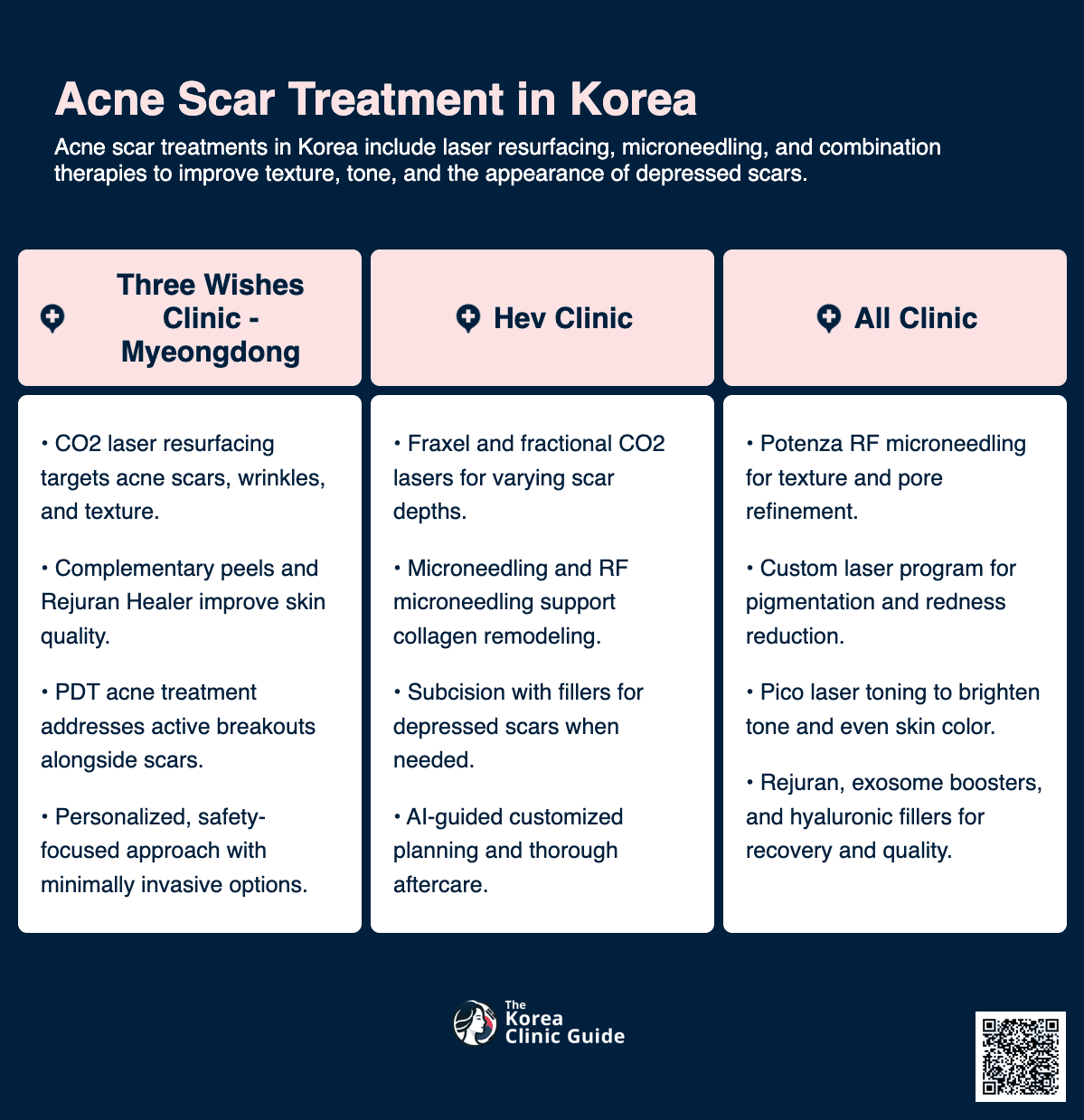
If you are considering acne scar treatment in Korea, you may look at this clinic for its CO2 laser resurfacing, which is specifically described as helping improve acne scars while also stimulating collagen and refining overall skin texture. You also have access to complementary skin treatments such as facial peels, Rejuran Healer, and PDT acne treatment, which can be relevant if you want to address both scarring and the skin quality or acne activity around it.
- URL: Three Wishes Clinic - Myeongdong Website
- Location: Jung-gu, Seoul
- Procedure details:
- CO2 laser is offered for skin resurfacing and is specifically noted for acne scars, wrinkles, and texture improvement.
- Facial peels exfoliate damaged outer layers and may help with mild scars and uneven skin.
- Rejuran Healer uses polynucleotide technology to support skin regeneration, healing, texture, and elasticity.
- Related skin treatments:
- PDT acne treatment targets acne-causing bacteria and may be useful if you are still dealing with active or chronic breakouts alongside scar concerns.
- Customized skin care treatments are available for cleansing, hydration, and maintenance support.
- Shurink is available for skin tightening, though the context centers more directly on CO2 laser for acne scars.
- Additional notes:
- The clinic describes its approach as personalized and safety-focused.
- Its treatment menu is largely minimally invasive, which may appeal to you if you want non-surgical scar care options.
2. Hev Clinic
If you want acne scar treatment in Korea with dermatologist-led planning, you may consider Hev Clinic because it offers several scar-focused options including Fraxel, fractional CO2 laser, microneedling, RF microneedling, and combination scar revision with subcision and fillers. Your treatment plan is described as customized through precise consultation and AI skin analysis, and the same attending board-certified dermatologist oversees care from consultation through procedure and aftercare.
- URL: Hev Clinic Website
- Location: Gangnam-gu, Seoul
- Procedure details:
- Fraxel is offered for fractional non-ablative resurfacing to improve acne scars, texture, and sun damage.
- Fractional CO2 laser is available for deeper resurfacing of scars, with several days of redness and peeling expected.
- Microneedling and RF microneedling are both offered to support collagen remodeling and soften acne scars, with RF adding heat for firmer skin and scar improvement with limited surface damage.
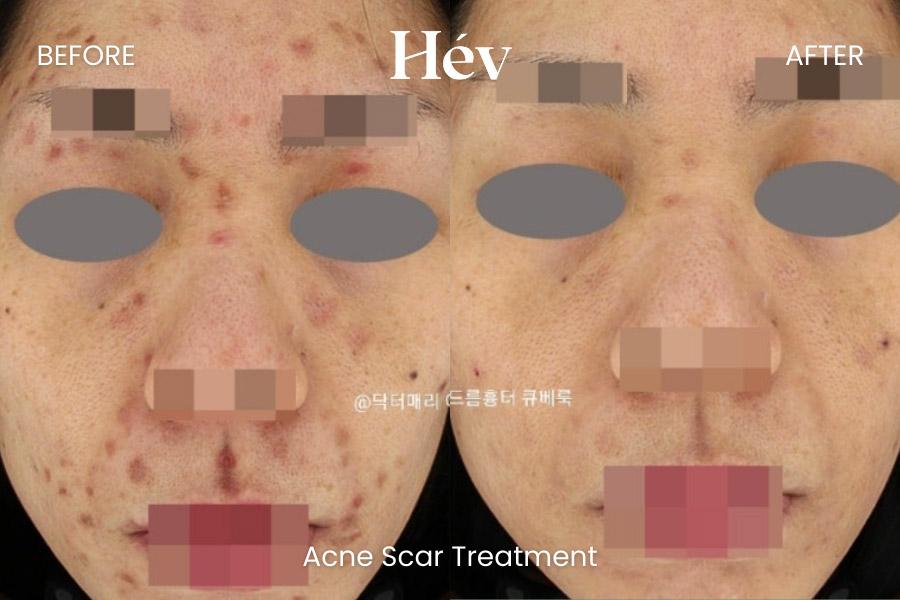
- Scar revision may combine lasers, microneedling, subcision, and fillers for depressed acne scars, with results building over staged treatments.
- Lead dermatologist:
- Care is led by Dr. Shin Ji-yeon, a board-certified dermatologist.
- Her roles include work with academic and educational committees in Korean dermatology and anti-aging dermatology societies.
- The clinic emphasizes anatomy-based treatment planning intended to reduce nerve and vascular injury risk.
- Treatment planning and aftercare:
- AI diagnostic equipment is used to assess factors such as skin thickness, aging, and pigment depth before building a customized plan.
- The clinic emphasizes low-irritation approaches and avoiding unnecessary epidermal damage when possible.
- After treatment, proprietary repair-focused skincare is included to calm and support regeneration.
- Follow-up planning is structured around a roughly 3- to 4-week skin regeneration cycle rather than a one-time session model.
- Recovery considerations:
- Fraxel may involve a few days of roughness and bronzing as the skin renews.
- CO2 laser requires stricter downtime, including redness, peeling, and careful sun protection.
- Microneedling usually causes short-term redness, while RF microneedling is described as having 1 to 2 days of redness.
3. All Clinic
If you are looking for non-surgical acne scar treatment in Korea, you may consider this clinic for Potenza RF microneedling, which is specifically offered to refine texture, pores, and acne scars with adjustable depth and energy by treatment area. You also have access to a custom laser program and skin-repair boosters such as Rejuran and exosome treatments, which can be useful if your acne scars come with lingering redness, uneven texture, or a need for recovery support.
- URL: All Clinic Website
- Location: Jung-gu, Seoul
- Procedure details:
- Potenza RF microneedling is offered for pores, texture, and acne scars, with settings customized by area for remodeling.
- A custom laser program can address pigmentation, redness, and texture through a sequenced multi-device plan after diagnosis.
- Pico laser toning is available for pigmentation and overall tone brightening, which may help if post-acne marks are part of your concern.
- Supportive treatments:
- Rejuran Healer is offered as a polynucleotide skin booster to improve skin quality, texture, healing, and elasticity.
- Exosome skin booster treatments are used to promote rejuvenation and calmness after procedures and may complement laser-based care.
- Hyaluronic acid skin boosters are available to hydrate the dermis and smooth fine lines while improving overall skin quality.
- What to know:
- The clinic describes its treatments as personalized and non-surgical.
- Its acne-scar-related options focus on texture remodeling and skin-quality support rather than surgical scar revision.
- Treatment planning appears to be tailored across multiple devices rather than limited to a single modality.
Alternatives to Acne Scar Treatment
Acne scars can be resistant, and not everyone is ready for procedural care. Consider these evidence-based alternatives or complements:
Chemical Peels
Chemical peels (superficial to medium) can gradually blend tone and soften minor texture. As a low-downtime complement, aqua peel supports decongestion and hydration between stronger sessions, helping maintain smoother skin texture.
Laser Treatment
If you’re not ready for ablative resurfacing, non-ablative lasers and picosecond devices can incrementally improve texture and pigment with less downtime. Remember: procedures like laser hair removal are not scar treatments but can reduce folliculitis-related breakouts that worsen scarring along the jawline/neck.
Microneedling
Microneedling—with or without RF—offers steady remodeling over multiple visits. Pairing with PRP/exosomes or Rejuran Healer skin can enhance glow and elasticity. These combinations are popular in Korea for scar care and overall texture refinement.
Pros & Cons of Acne Scar Treatment
Pros:
- Noticeable improvement in skin texture and scar depth with staged, combination care
- Personalized protocols (e.g., subcision + RF + Rejuran Healer skin) for stubborn atrophic scars
- Mature ecosystem for maintenance (e.g., aqua peel) and adjuncts (PRP/exosomes)
Cons:
- Multi-session commitment; results build gradually over months
- Costs can add up, especially with combination therapies and biologic add-ons
- Potential side effects (erythema, swelling, PIH); strict SPF/aftercare is essential
- Not all scars respond equally; surgery may still be needed for the deepest lesions
By understanding these options and expectations, patients can choose a plan that aligns with downtime, budget, and goals.
Conclusion
South Korea leads in acne scar management by sequencing decongestion, collagen induction, and regenerative support to rebuild skin texture methodically. Protocols often blend fractional lasers or RF microneedling with subcision, selective chemical methods, and biologic boosters like PRP, exosomes, or Rejuran Healer skin, while maintenance steps such as aqua peel keep the canvas clear between sessions. Adjacent procedures—like laser hair removal for folliculitis or aesthetic add-ons such as fat dissolving injection for jawline contour—may complement, but do not replace, scar-focused care.
If you’re considering treatment, seek a clinic that matches scar types to modalities, sets realistic timelines (usually multiple sessions), and provides diligent aftercare. With a thoughtful Korean-style plan and consistent follow-up, most people see steady, confidence-building improvements in tone, clarity, and overall texture.
Frequently Asked Questions
Related Blogs

Skin Whitening Treatment in Korea | Costs, Procedure Types, Candidacy & Recovery
Updated: Jul 28, 2026
Re2O Skin Booster in Korea | Costs, Procedure Types, Candidacy & Recovery
Updated: Jul 28, 2026
Juvelook Collagen Booster in Korea | Procedure Types, Candidacy, Recovery & Alternatives
Updated: Jul 28, 2026
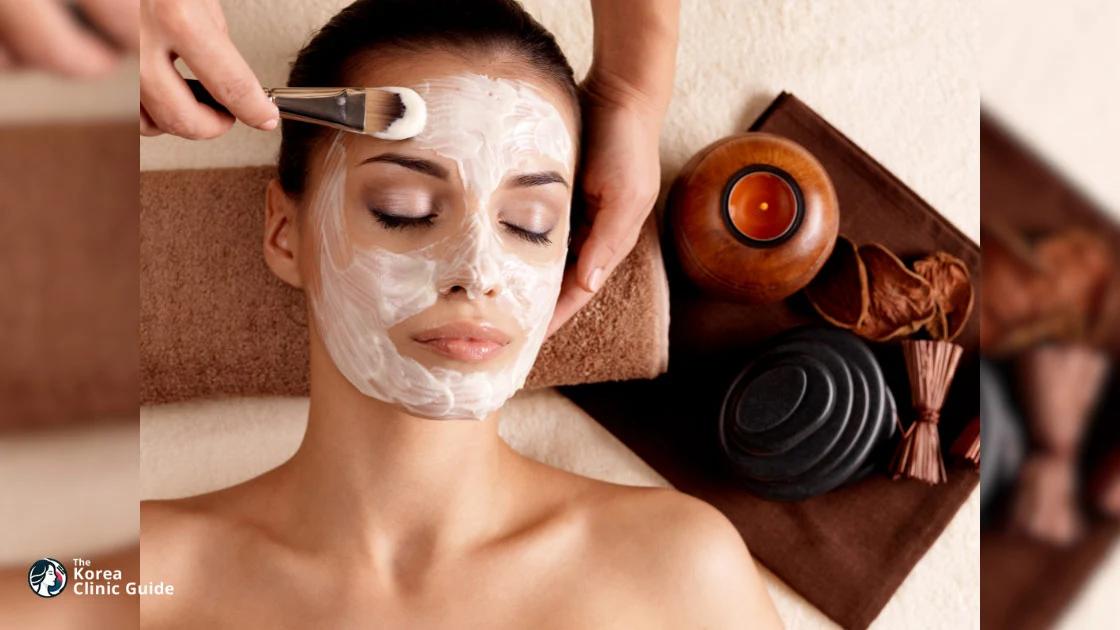
Facial Treatment in Korea | Aqua Peel Types, Candidacy, Recovery & Safety
Updated: Jul 28, 2026
Clinics offering Acne Scar Treatment
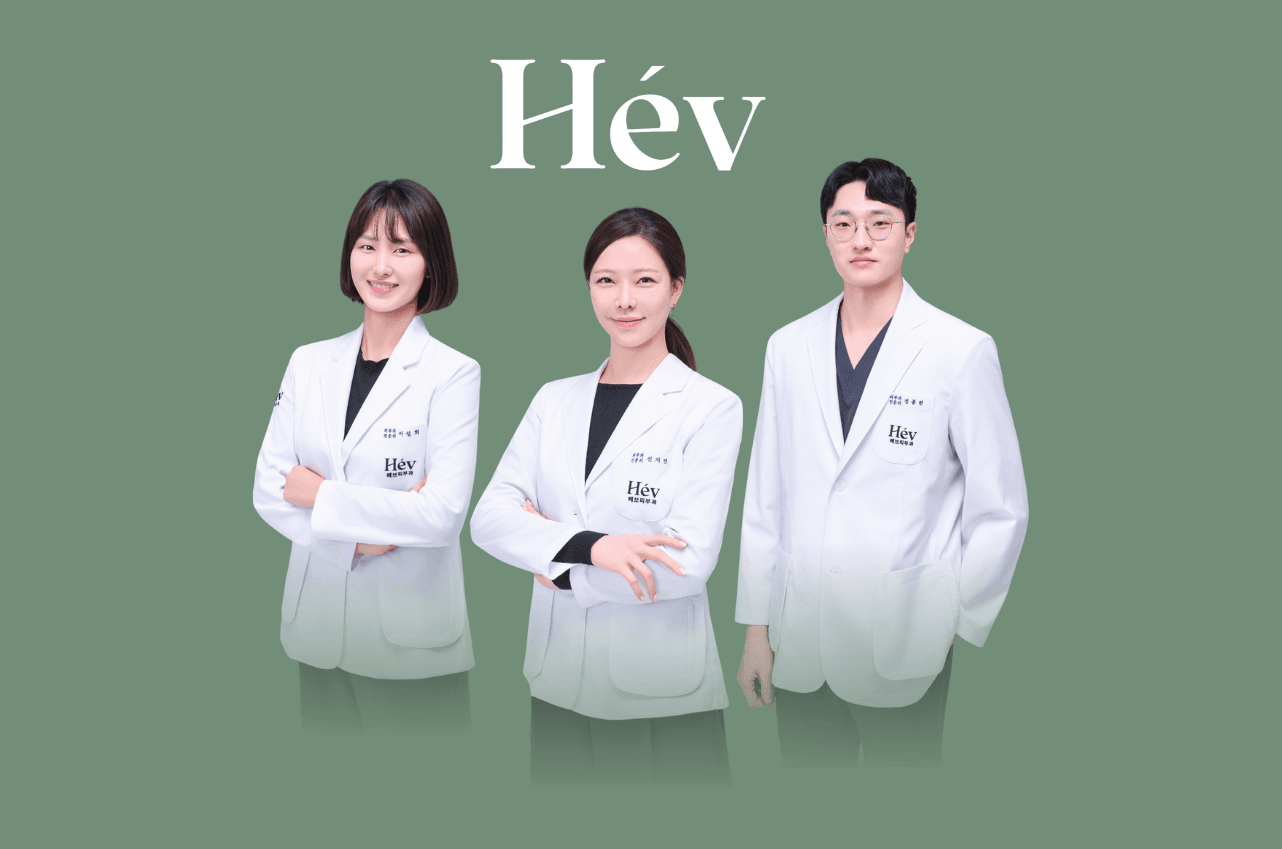
Hev Clinic Korea | Sinsa Skin, Laser & Injectables
Sinsa
Cellinique Clinic Korea: Advanced Stem Cell and Laser Treatments for Health, Beauty, and Rejuvenation in Gangnam
Apgujeong
Secret Clinic: Unveiling Advanced Skin and Body Treatments in Seongnam, Korea
Sinnonhyeon Station