
Medical Tourism Blog
Rejuran Healer in Korea: Benefits, Safety, Recovery, and Travel Planning

Table of contents
- Rejuran Healer at a Glance
- What Is Rejuran Healer?
- Who Is a Good Candidate for Rejuran Healer?
- How Is Rejuran Healer Performed?
- Why Visit Korea for Rejuran Healer?
- Key Information for International Patients
- Which Are the Best Clinics in Korea for Rejuran Healer?
- How Much Does Rejuran Healer Cost in Korea?
- Rejuran Healer From Start to Finish
- Alternatives to Rejuran Healer
- How Can I Prepare for Rejuran Healer?
- Aftercare Advice
Considering treatment in Korea? Everything you need to know e.g. — how to avoid scams, visas, interpreters, recovery tips — in our Medical Tourism Master Guide. Plan with confidence in minutes, not weeks!
Last updated: September 2026
Rejuran Healer at a Glance
- Purpose — Rejuran Healer is a sodium-polynucleotide (PN) injectable skin booster for gradual, modest improvement in fine lines, thin or crepey-looking skin, and superficial texture; it is not designed to add major volume, lift lax skin, or replace surgery.
- Cost in Korea — Treatment is quoted at approximately ₩1,100,000–₩1,600,000 (about US$800–$1,200), with pricing affected by the treated area, PN volume, injection method, anesthesia, and number of planned sessions.
- Treatment course and timing — Results should be assessed over roughly 8–12 weeks rather than immediately after injection; a controlled crow’s-feet study used three sessions spaced two weeks apart, while some practices recommend four sessions every 2–3 weeks.
- Recovery — Most people resume quiet routine activities the same day or next day, but temporary bumps, redness, swelling, tenderness, itching, pinpoint bleeding, or bruising are common; allow 2–3 days before a high-visibility event.
- Travel planning — For one session in Korea, plan to remain nearby for at least 1–2 days to allow early assessment before long-haul travel; there is no evidence-based Rejuran-specific minimum wait time before flying, and a full multi-session course can require 6–9 weeks in Korea.
- Key safety limit — Rejuran should not be used during pregnancy or breastfeeding, with sodium-polynucleotide hypersensitivity, or on infected, inflamed, or damaged skin; severe pain, blanching or dusky skin color, blistering, or visual symptoms require urgent in-person assessment because intravascular injection can cause vascular occlusion and tissue necrosis.
- Korea-specific context — Rejuran is a Korean PN product and most aesthetic PN studies were conducted in Korea, but evidence remains limited: a review found nine heterogeneous studies totaling 219 patients, so claims of dramatic collagen regeneration, scar correction, pore removal, or pigment clearing are not well established.
What Is Rejuran Healer?
Rejuran Healer is a sodium-polynucleotide injectable skin-booster treatment placed in the skin through multiple small injections. It aims for gradual, modest improvement in fine lines, superficial texture, and thin or crepey-looking skin rather than facial volume or lifting. It is a minimally invasive, non-surgical procedure.
Who Is a Good Candidate for Rejuran Healer?

- Fine-line and skin-quality goals — Good candidates are adults seeking gradual, modest improvement in fine wrinkles, thin or crepey-looking skin, and superficial texture rather than facial volume or lifting.
- Comfort with visible recovery — Rejuran Healer is delivered through multiple dermal injections. Accept temporary papules, redness, tenderness, swelling, itching, pinpoint bleeding, or bruising after treatment.
- Commitment to a course — A single session is not a reliable endpoint. The controlled crow’s-feet study used three sessions at two-week intervals, and results are better judged across roughly 8–12 weeks than on injection day.
- Complete injectable history — Candidates need to disclose prior fillers, threads, facial surgery, laser treatments, peels, microneedling, past injection complications, and cold-sore outbreaks near the planned area.
- Access to follow-up — International visitors need a reachable clinic during the early recovery period and a plan for qualified assessment at home if a delayed concern develops.
Rejuran Healer is intended for adults; the official product instructions exclude minors and list known sodium-polynucleotide hypersensitivity, pregnancy, breastfeeding, and inflamed, infected, or damaged treatment-area skin as reasons not to proceed. The clinician must also assess anticoagulants, antiplatelet drugs, NSAIDs, immunosuppressants, prior non-absorbable or recent filler in the area, allergic or autoimmune disease, sarcoid-type granulomatous disease, and Osler’s endocarditis. Herpes recurrence, keloid or hypertrophic-scar tendency, and hyperpigmentation risk require individualized assessment because safety and effectiveness are not established for several of these groups. Do not stop prescribed medicines independently; coordinate any change with the prescribing clinician and the injector. Review the full contraindication and precaution information in the official Rejuran instructions for use.
How Is Rejuran Healer Performed?

Rejuran Healer is a sodium-polynucleotide (PN) gel, not a generic label for every PDRN or fish-DNA-derived injectable. Published Rejuran research describes PN at 20 mg/mL. Delivery method changes the number of punctures, injection plane, and visibility of recovery, but current evidence does not establish one best technique for every face or concern.
- Serial-puncture microinjections — A fine needle places many small superficial deposits across the selected area. A PN study used a 33-gauge, 4-mm needle at approximately 1-cm intervals. This technique commonly leaves visible temporary papules.
- Blunt-cannula delivery — A cannula enters through fewer skin openings and distributes product through retrograde fanning in a deeper plane; one comparative study used a 25-gauge, 50-mm cannula. It is not automatically safer or better for every anatomical area.
- Needle-free jet delivery — Jet-assisted placement after topical anesthetic has been studied as another delivery approach. It is not proven superior to needle or cannula treatment across all indications.
- Customized treatment plan — The physician selects injection depth, total volume, pattern, and device according to skin thickness, facial anatomy, previous procedures, treatment area, and complication risk. Ask for the exact product name rather than assuming all PN injectables are interchangeable; the systematic review of PN aesthetic studies found substantial variation in products and protocols.
Why Visit Korea for Rejuran Healer?
Rejuran Healer is a Korean PN injectable with direct clinical research conducted in Korea. Korea is therefore a practical place to discuss the labeled product with clinicians familiar with its use, but this does not remove injection risks or make a particular result predictable. The evidence base remains limited and should temper marketing claims.
- Product-specific Korean clinical evidence — In a randomized, double-blind Korean crow’s-feet trial, 72 participants received Rejuran on one side and non-cross-linked hyaluronic acid on the other over three sessions at two-week intervals. The study found no statistically significant difference on its stated objective efficacy outcomes and no unexpected adverse effects.
- Local experience with the PN category — Most studies identified in a systematic review of aesthetic PN treatments were conducted in Korea, reflecting the product category’s established Korean clinical setting.
- Evidence limits remain important — The same review identified only nine eligible studies involving 219 patients, with heterogeneous products, techniques, areas, outcomes, and follow-up; many studies enrolled women only. Strong claims for acne scars, pores, pigmentation, generalized “barrier repair,” or dramatic collagen regeneration exceed the current direct evidence.
- Verification at the visit — Ask to see the unopened, labeled syringe or package. Record the exact formulation, lot number, expiry date, total volume, injection sites, anesthetic, and delivery method; the product IFU specifies single use and pre-use package, sterility, and expiry checks.
Key Information for International Patients
- Minimum stay — Plan at least 1–2 days for one uncomplicated session: consultation and treatment, followed by time to recognize an early adverse reaction before a long-haul departure. This is a practical continuity-of-care buffer, not an evidence-based mandatory stay.
- Flight timing — No Rejuran-specific study or product guidance establishes a minimum safe interval before commercial flying. Stay locally overnight where feasible, particularly when traveling alone or after extensive facial treatment.
- Repeat visits — The controlled crow’s-feet trial used three treatments two weeks apart. Protocols used in practice can recommend four sessions at 2–3-week intervals; completing that course in Korea requires roughly 6–9 weeks between the first and final sessions, plus follow-up.
- Itinerary impact — Resume non-strenuous routine activity on the same day or next day, but schedule at least 2–3 days before a wedding, business presentation, filming, or other high-visibility event. Superficial dense injections and a tendency to bruise can extend the visible recovery period.
- Remote follow-up — Obtain written English aftercare, a clinic emergency contact, and product records before leaving Korea. Arrange a remote check-in within 24–72 hours when needed, and identify a qualified clinician at home for later problems.
- Transport and companion — A companion is usually unnecessary with topical anesthetic alone. Arrange escorted transport and do not drive when oral anxiolytics, sedating analgesics, or other sedating medicines are used.
Travel note: Do not book Rejuran immediately before departure simply because it is non-surgical. Early assessment is especially important for severe pain, abnormal color change, rapidly worsening swelling, or allergic symptoms.
Which Are the Best Clinics in Korea for Rejuran Healer?
Listed below are some of the best clinics in Korea for rejuran healer.
1. PangPang Clinic
If you are considering Rejuran Healer, PangPang Clinic’s documented specialty is personalized thread lifting rather than Rejuran-specific treatment details. You may find its consultation-led approach relevant if you are also exploring lifting, contouring, or other skin-rejuvenation options alongside your injectable treatment plans.
- URL: PangPang Clinic Website
- Location: Gangnam-gu, Seoul
- Lifting expertise:
- The clinic focuses exclusively on thread lifting and reports using 31 specialized functional thread types for individualized lifting plans.
- Its Thread Lifting Research Institute and ongoing clinical research are centered on advancing thread-lifting techniques.
- Thread-lifting plans can use lifting, assist, tightening, and volume threads according to the area and desired effect.
- Planning and procedure support:
- Consultations are designed around your individual needs, with pre-procedure design and ultrasonic visual checks described for thread lifting.
- Available anesthesia options for thread lifting include partial, Airnox, or sleep anesthesia.
- The clinic describes an aftercare package intended to support and prolong thread-lifting results.
- Other documented services:
- Minute Lifting is described as a 30-minute non-surgical lifting option with immediate effects and little to no swelling.
- PIM Injection combines Ultra Cell, thread-lifting components, and Botox to address fine wrinkles, elasticity, complexion, and facial volume.
- The clinic also lists fillers, Botox, laser treatments, scar removal, and revision care for prior thread-lifting procedures.
2. B.V Clinic
If you are considering Rejuran Healer in Korea, B.V Clinic may be worth considering when you also want a tailored skin-rejuvenation plan that can incorporate collagen-focused tightening, lifting, and aftercare. The provided information does not specify a Rejuran Healer protocol, so you should confirm the product, injection approach, and suitability for your skin goals directly with the clinic.
- URL: B.V Clinic Website
- Location: Seoul
- Skin-tightening options:
- Shurink Lifting uses high-intensity focused ultrasound for deeper-layer tightening, elasticity support, and facial contour refinement.
- Potenza Lifting uses radiofrequency tailored to individual skin needs and is described for collagen support, scar improvement, and pore-texture refinement.
- Thor Lifting uses radiofrequency for skin tightening and body contouring.
- Lifting and volume care:
- 3D thread lifting is designed to lift and firm sagging skin while supporting collagen production.
- Full Face Lifting is described as a non-surgical option for volume balance, forehead lines, nasolabial folds, and facial asymmetry.
- Volume lifting is offered to address areas of reduced facial volume and elasticity.
- Aftercare:
- Post-treatment care includes skin-regeneration management intended to minimize swelling and support elasticity.
- The aftercare program may include nutritional skincare products and ultrasound-based collagen-support treatments.
3. Seojin Plastic Surgery Clinic
For Rejuran Healer, Seojin Plastic Surgery Clinic specifically lists Rejuran as a salmon-DNA-derived injection intended to support skin healing and condition. You may value that its skin-booster treatments are performed by the lead plastic surgeon, Dr. Lee Hyungmin, using an injection approach described as broad, evenly distributed, and designed to minimize post-injection skin embossing.
- URL: Seojin Plastic Surgery Clinic Website
- Location: Gangnam-gu, Seoul
- Rejuran and skin boosters:
- Rejuran is listed as an injection treatment derived from salmon DNA to help heal skin and improve its condition.
- The clinic describes a higher injection frequency for skin boosters to promote even distribution across the treated area.
- Its injection technique is intended to minimize visible bumps or embossing after treatment for a smoother finish.
- Other listed injectable options include skin boosters, filler, and Botox.
- Physician-led care:
- All lifting and petite procedures are conducted by lead plastic surgeon Dr. Lee Hyungmin rather than general practitioners, according to the clinic.
- As a one-doctor clinic, Dr. Lee Hyungmin provides end-to-end care and personalized consultations.
- The context states that Dr. Lee Hyungmin has more than 16 years of experience and was named among the 100 Good Doctors in Korea.
- Related aesthetic services:
- The clinic also offers temporal lift procedures targeting the lateral brow and eye area.
- Additional documented services include breast surgery, hair transplantation, liposuction, fat grafting, and scalp or cosmetic microblading.
How Much Does Rejuran Healer Cost in Korea?
Rejuran Healer costs ₩1,100,000–₩1,600,000 (approximately US$800–$1,200). Individual quotes vary because the treatment plan can require different product volumes, facial coverage, delivery techniques, and session schedules.
| Procedure Price | Korean Won (₩) | USD ($) |
|---|---|---|
| Low Price | ₩1,100,000 | $800 |
| High Price | ₩1,600,000 | $1,200 |
Exchange rate as of 2026-09-06: 1 KRW = 0.000741 USD.
What Affects the Price?
- Treatment area and total PN volume — Treating a limited fine-line area such as crow’s-feet requires a different injection pattern and total volume than treating broader facial skin-quality concerns. More areas and a larger volume of single-use PN product require more injections, consumables, and procedure time.
- Needle, cannula, or jet delivery method — Serial superficial needle injections involve many micro-depots and can be time-intensive, while blunt-cannula treatment uses fewer entry points with retrograde fanning in a deeper plane. Needle-free jet delivery is another distinct technique; each method requires different equipment, injection planning, and operator time.
- Single session versus a planned treatment course — Rejuran Healer is often delivered as a series rather than assessed on the day of one injection. A published crow’s-feet protocol used three sessions two weeks apart, while some protocols use four sessions at 2–3-week intervals, increasing total product use, appointments, and follow-up planning.
- Anesthesia and follow-up requirements — Topical anesthetic may be used before injection, adding preparation time and supplies. A plan that includes post-treatment review—particularly for an international patient requiring early monitoring or remote check-in—requires additional clinical coordination.
Cost tip: Request an itemized quote stating the exact Rejuran product and total volume, planned treatment areas, delivery method, anesthetic, number of sessions, and what consultation and follow-up are included. The treatment record should also identify the product lot number and expiry date.
The US$800–$1,200 figure is an approximate conversion using the KRW/USD rate of 0.000741 on 2026-09-06. Check the exchange rate again when budgeting.
Rejuran Healer From Start to Finish

- Pre-travel consultation — Send standardized no-makeup photographs, treatment goals, medication and supplement lists, allergies, history of cold sores, and details of prior fillers, threads, surgery, lasers, peels, or microneedling. Confirm whether English-language or virtual consultation is available and ask what records the clinic requires.
- Treatment planning — Discuss whether subtle fine-line and skin-quality improvement is an appropriate goal. The physician should explain that Rejuran Healer is not a structural hyaluronic-acid filler and is not a substitute for surgery when laxity or volume loss is substantial.
- In-person assessment and consent — The physician examines the proposed area for infection, inflammation, damaged skin, anatomy-related risk, and compatibility with previous injectables. Review contraindications, risks, anticipated papules and bruising, realistic benefit, aftercare, and the plan for an overseas complication.
- Product verification and photographs — Take baseline photographs and confirm the exact PN product, expiry date, lot number, planned sites, total volume, and delivery method. The official instructions require the product to be single use and checked for package integrity, sterility, and expiry.
- Skin preparation and anesthesia — Remove makeup and disinfect the skin. Topical anesthetic can be used; follow clinic instructions if oral pain relief or sedating medicine is proposed.
- Intradermal treatment — The injector places Rejuran through serial microinjections, cannula fanning, or selected jet delivery according to the plan. Multiple small deposits are typical, and raised papules are expected with superficial microinjection techniques. Rejuran Healer is an outpatient treatment; the supplied evidence does not establish a universal procedure duration.
- Discharge review — Before leaving, inspect the treated area with the clinician, receive written aftercare and emergency instructions, and collect the treatment record. Avoid arranging a demanding social activity immediately afterward.
- Early recovery and remote review — Avoid makeup for 12 hours and follow the clinic’s plan for cleansing, skincare, and activity. Contact the clinic promptly for concerning symptoms; arrange remote review within 24–72 hours when appropriate and assess skin-quality change over the treatment course, often around 8–12 weeks.
Alternatives to Rejuran Healer
Choose an alternative according to the main problem. Rejuran aims at subtle skin-quality and fine-line improvement; treatments for volume loss, expression lines, scars, pigment, and significant laxity use different mechanisms, carry different recovery burdens, and are not interchangeable.
Hyaluronic-Acid Filler
- Best suited to — Defined volume loss, contour deficits, and structural folds rather than diffuse texture concerns.
- Tradeoff — Filler can create a more immediate contour change, but it has a different complication profile and does not replace a PN skin-quality treatment. Read about facial filler.
Neuromodulator Injections
- Best suited to — Dynamic expression lines that form with repeated muscle movement, including some crow’s-feet.
- Tradeoff — Neuromodulators reduce muscle activity; they do not directly target skin texture or replace lost volume. See facial Botox.
RF Microneedling
- Best suited to — Selected texture, pore, and acne-scar concerns where controlled needling plus radiofrequency energy is appropriate.
- Tradeoff — It is an energy-based procedure with its own pigment, irritation, and recovery considerations, especially in darker or pigment-prone skin. Consider Secret RF microneedling or Potenza.
Fractional Laser Resurfacing
- Best suited to — Selected photoaging, texture, and scar concerns requiring resurfacing rather than an injectable approach.
- Tradeoff — Laser recovery and pigment-risk management are generally more demanding than Rejuran recovery. Explore CO2 laser or Fraxel laser.
PRP or Other Skin Boosters
- Best suited to — People considering an autologous platelet-based option or a different injectable skin-booster formulation.
- Tradeoff — PRP requires blood collection, while other boosters use different materials and evidence bases. Neither is automatically equivalent to Rejuran. See PRP facial treatment, PDRN injection, or Juvelook collagen booster.
How Can I Prepare for Rejuran Healer?

- Disclose medicines early — Provide a complete list of aspirin, NSAIDs, anticoagulants, antiplatelet drugs, immunosuppressants, prescription medicines, and supplements associated with bruising. The product IFU identifies several of these categories as contraindications or precautions; do not stop prescribed medication unless the prescribing clinician directs it.
- Report relevant medical history — Tell the injector about PN or other allergies, autoimmune or granulomatous disease, previous filler or injectable complications, permanent/non-absorbable filler, cold sores, keloids, hypertrophic scars, and hyperpigmentation after injury.
- Protect the treatment area — Arrive without sunburn, open wounds, active acne inflammation, rash, infection, or other damaged skin in the intended field. Defer treatment until the condition is controlled or resolved.
- Plan skincare timing — Avoid booking Rejuran immediately after strong sun exposure or alongside facial procedures likely to irritate the skin unless the treating physician has approved the sequence. Bring details of recent laser, peel, microneedling, thread, filler, and dental procedures.
- Fasting and anesthetic — No universal fasting requirement applies when topical anesthetic alone is planned. Follow the clinic’s instructions exactly if oral medication, sedating pain relief, or another anesthetic approach is contemplated.
- Travel logistics — Keep the first night nearby, avoid a tightly scheduled event for at least 2–3 days, and use flexible travel arrangements where possible. Organize a companion and escorted transport if sedation is planned.
Travel note: Send photographs and health information before buying non-refundable flights, but accept that the final suitability decision requires an in-person clinical assessment.
Confirm clinic-specific medicine, alcohol, skincare, transport, and scheduling requirements before treatment; the treating doctor’s individualized instructions take precedence over general guidance.
Aftercare Advice
Protect the injection sites and treat severe pain or abnormal skin-color change as urgent, not as routine downtime.
- Hands and pressure — Do not touch, press, massage, pick, or attempt to drain papules unless the injector specifically instructs otherwise.
- Makeup and skincare — Avoid makeup for 12 hours, as directed in the Rejuran product IFU. Cleanse gently, use bland moisturizer, and restart retinoids, acids, exfoliants, and scrubs only on the clinic’s timetable.
- Heat, sun, and exposure — Avoid prolonged sun or UV exposure, cold exposure, heat, saunas, and steam rooms for two weeks. Use broad-spectrum SPF 50 when outdoors once the skin tolerates it and follow the clinic’s specific sunscreen instructions.
- Activity and bruising control — Resume quiet routine activity when comfortable. Avoid strenuous exercise, swimming, and heavy alcohol for the first 24–48 hours when these worsen redness, swelling, or bruising.
- Warning signs — Seek urgent in-person assessment for severe or escalating pain, blanching, livedoid or dusky discoloration, blistering, visual symptoms, rapidly spreading redness or warmth, pus, fever, or marked asymmetrical swelling. Seek emergency care for hives, wheezing, facial or throat swelling, or faintness; the IFU warns that intravascular injection can lead to vascular occlusion and tissue necrosis.
- Results and follow-up — Do not judge the result while swelling and hydration effects are present. Photograph-based review at around four weeks is reasonable, with assessment of an initial treatment course around 8–12 weeks; the controlled trial used three sessions at two-week intervals.
Follow the treating doctor’s instructions over this general guidance, and contact the clinic promptly when anything appears wrong.
Frequently Asked Questions
Related Blogs
Korea vs. the World: Unveiling the Cost Dynamics of Titanum Lifting in Beauty Capitals
Explore the cost of titanium lifting in Korea, a popular non-surgical facelift technique that promises rejuvenation without the downtime of traditional surgery. This article delves into the factors influencing prices and what to expect when considering this innovative beauty treatment.
Updated: Oct 25, 2026
Explore Global Stretch Mark Treatment Prices: Why Korea's Cutting-Edge Solutions Could Be Your Best Choice
Discover the affordable and innovative stretch mark treatments available in Korea, renowned for combining advanced technology with expert care. Explore pricing options that cater to various budgets and ensure top-quality results for smooth, radiant skin.
Updated: Oct 25, 2026

Korea vs. Global: Analyzing the Cost of EmSculpt Fat Dissolving Laser in Leading Medical Destinations
Discover the latest insights on the cost of EmSculpt Fat Dissolving Laser treatments in Korea, a popular destination for cosmetic enhancements. Explore factors that influence pricing and find out what makes Korea a top choice for this innovative body contouring procedure.
Updated: Oct 25, 2026
Unlock Radiant Skin: Global Cost Comparison of Skin Whitening Injections from Korea to the World
Discover the latest insights on the cost of skin whitening injections in Korea, exploring pricing trends and factors influencing affordability. Uncover key information about this popular cosmetic procedure and its accessibility for those seeking radiant, lighter skin tones.
Updated: Oct 25, 2026
Clinics offering Rejuran Healer

Haru Clinic Korea | Fully-Customized Full-Face Non-Surgical Rejuvenation With Threads, Botox & Fillers
Sinsa
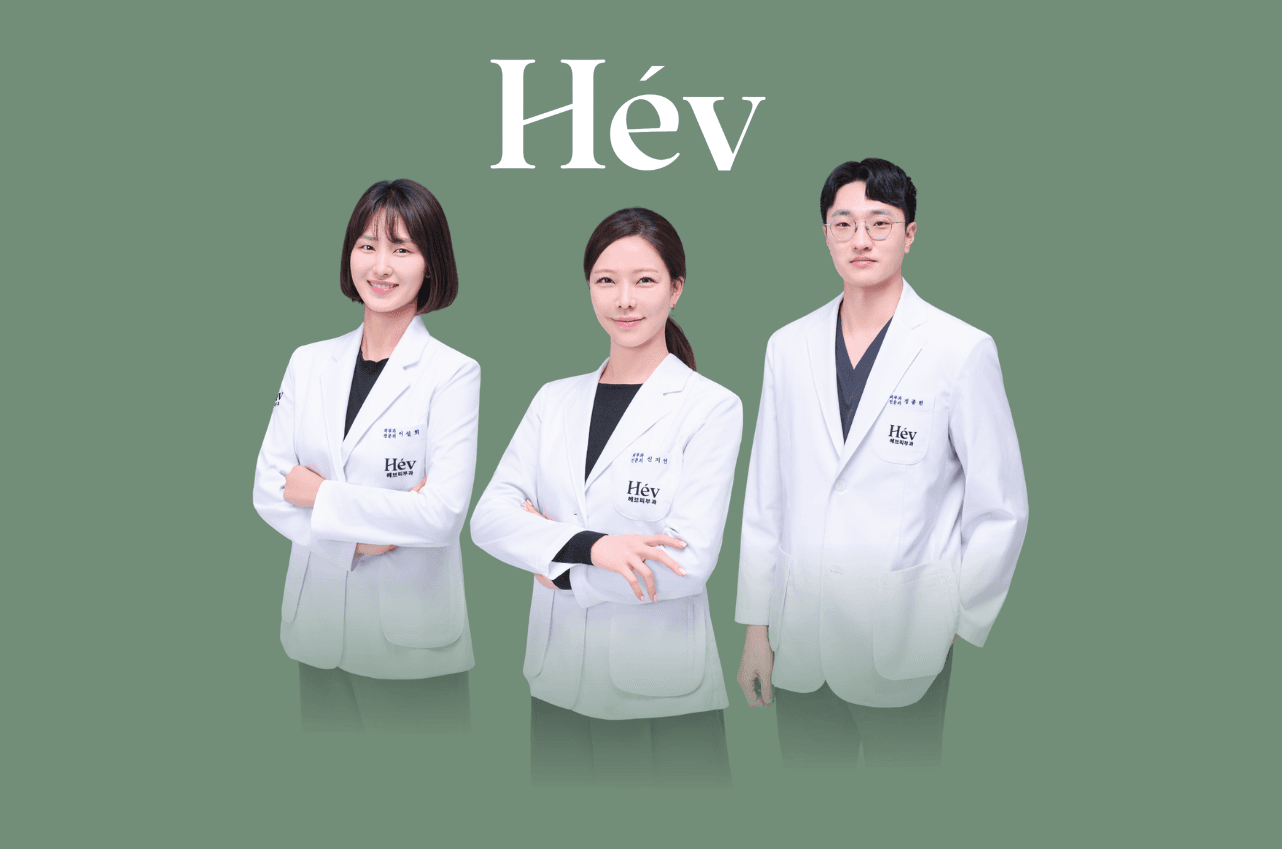
Hev Clinic Korea | Premium Sinsa Clinic for Skin, Laser & Injectables
Sinsa

Made Young Plastic Surgery: Rejuvenating Aesthetic Excellence in Korea for Face Lifts, Contouring and More
Gangnam Station

Three Wishes Clinic - Myeongdong, Korea: Advanced Botox, Fillers, Laser, and Skin Treatments for Confidence and Care
Myeongdong