
Medical Tourism Blog
Laser Lifting in Korea: Methods, Recovery, Results and Travel Planning
Table of contents
- Laser Lifting at a Glance
- What Is Laser Lifting?
- Who Is a Good Candidate for Laser Lifting?
- How Is Laser Lifting Performed?
- Why Visit Korea for Laser Lifting?
- Key Information for International Patients
- Which Are the Best Clinics in Korea for Laser Lifting?
- Laser Lifting From Start to Finish
- Alternatives to Laser Lifting
- How Can I Prepare for Laser Lifting?
- Aftercare Advice
Considering treatment in Korea? Everything you need to know e.g. — how to avoid scams, visas, interpreters, recovery tips — in our Medical Tourism Master Guide. Plan with confidence in minutes, not weeks!
Last updated: October 2026
Laser Lifting at a Glance
- Not one standardized procedure — “Laser lifting” can mean non-ablative fractional laser, fractional CO2 or Er:YAG resurfacing, full-field ablation, or fiber-based 1470-nm Endolift; confirm the exact device, wavelength, treatment depth, and session plan before booking.
- Best for mild laxity and skin quality — It is most suitable for early crepiness, fine lines, photodamage, rough texture, enlarged-looking pores, and selected acne scars; it can modestly firm skin but does not reposition descended tissue, correct heavy jowls, or replace a facelift.
- Downtime varies sharply — Non-ablative fractional treatments usually cause redness and mild swelling for hours to a few days, while fractional CO2 or Er:YAG commonly involves oozing, crusting, and 7–10 days of visible healing; redness may last longer and full recovery can take a month or more.
- Results develop gradually — Surface smoothing becomes more apparent after healing, while collagen remodeling and mild firmness continue over weeks to months; non-ablative treatments often require a series, and there is no universal maintenance schedule.
- Korea stay depends on modality — Plan at least 2–3 days in Korea for non-ablative treatment and 7–10 days for fractional ablative resurfacing, including an in-person healing review before a long-haul flight; departure should wait for clinician clearance and wound closure.
- Pigment and healing risks matter — Ablative treatment has higher risks of infection, cold-sore reactivation, prolonged redness, post-inflammatory hyperpigmentation, hypopigmentation, delayed healing, and scarring; darker skin is not excluded but needs conservative settings and strict sun protection.
- Verify the Korean clinic and device — Medical Korea registration can help identify institutions serving international patients, but an MFDS-cleared device does not validate a clinic’s protocol, settings, operator skill, or promised lifting result.
What Is Laser Lifting?
Laser lifting is a marketing term for several laser treatments that resurface skin or stimulate collagen to improve its appearance and mild laxity. It aims to smooth fine lines, rough texture, and crepey skin while providing gradual, modest firmness rather than facelift-like tissue repositioning. Most laser lifting treatments are non-surgical, although fiber-based options are minimally invasive.
Who Is a Good Candidate for Laser Lifting?
- Mild skin laxity and crepiness — Good candidates want conservative improvement in early facial or neck laxity, fine lines, and thin, crepey skin rather than surgical tissue repositioning.
- Texture and photoaging concerns — Fractional laser resurfacing can target rough texture, enlarged-looking pores, photodamage, fine wrinkles, and selected textural acne scars.
- Realistic downtime planning — Non-ablative treatment suits people needing minimal interruption; fractional ablative resurfacing suits those who can manage visible healing and detailed wound care.
- Reliable aftercare capacity — Candidates must be able to avoid ultraviolet exposure, use strict photoprotection, and attend or arrange early follow-up when the treatment is ablative.
- Skin-of-color assessment — Fitzpatrick skin types IV–VI are not automatic exclusions, but require conservative parameters and clear counseling about post-inflammatory hyperpigmentation (PIH).
Laser lifting is not a standardized procedure: it can mean non-ablative fractional treatment, fractional CO2 or Er:YAG resurfacing, or a fiber-based procedure such as Endolift. Active bacterial, viral, including cold-sore, or fungal infection; recent tanning or sunburn; pregnancy or breastfeeding; and inability to maintain photoprotection require treatment deferral. A history of keloids, poor wound healing, facial radiation, immunosuppression, autoimmune or connective-tissue disease, uncontrolled psoriasis or vitiligo, recurrent herpes simplex, or current/recent oral isotretinoin requires individualized dermatologic assessment and can make ablative treatment unsuitable. Marked skin redundancy, heavy jowls, and substantial neck laxity exceed what laser resurfacing can correct; these concerns need discussion of surgical options.
How Is Laser Lifting Performed?

The exact modality determines the expected result, discomfort, downtime, and travel schedule. Ask for the device manufacturer, wavelength, whether treatment is ablative or non-ablative, fractional or full-field, proposed treatment zones, settings or depth, anesthetic plan, and session count before booking.
- Non-ablative fractional laser — Creates controlled dermal heating without intentionally removing the epidermis. It has the lowest downtime, usually causes warmth, redness, and mild swelling for hours to a few days, and gives gradual, modest improvement; a treatment series is common.
- Fractional CO2 laser — An ablative carbon dioxide laser creates microscopic columns of epidermal and dermal injury while leaving untreated skin between them. It can address deeper wrinkles, rough texture, photoaging, and scar irregularity, but brings greater pigment, infection, and scarring risk with about 7–10 days of socially noticeable healing.
- Fractional Er:YAG laser — Another ablative resurfacing option with a different tissue interaction and recovery profile from CO2. Selection depends on skin tone, concern, location, treatment parameters, and clinician experience—not a universal claim of superiority.
- Full-field ablative resurfacing — Removes a continuous surface layer of skin and carries substantially greater wound-care demands, downtime, and complication risk. It should not be presented as a quick, low-downtime lifting session.
- Fiber-based 1470-nm diode laser (Endolift) — A fiber is introduced beneath the skin to target selected laxity and localized fat. It is a distinct minimally invasive procedure, not surface resurfacing; a systematic review of 23 Endolift studies found promising reported outcomes but does not establish interchangeable results with CO2, Er:YAG, or non-ablative fractional lasers.
Why Visit Korea for Laser Lifting?

Korea’s international-patient framework can help visitors identify institutions set up to receive overseas patients and navigate language-support options. It does not make “laser lifting” a standardized treatment or prove that a clinic package, device, or setting is right for an individual face. Verify the actual procedure rather than booking by marketing label alone.
- International-patient verification pathway — The Medical Korea registered-institution system provides a route to check institutions that attract international patients.
- Device-specific scrutiny — Korean MFDS technical documentation addresses a device’s intended use, mechanism, instructions for use, and safety/performance information. An MFDS clearance or approval claim is device-specific; it does not validate a bundled protocol, an operator’s settings, or a promised lifting result.
- Useful pre-booking questions — Request the exact device and manufacturer, wavelength, ablative versus non-ablative status, fractional versus full-field delivery, planned depth or density, treatment zones, and written aftercare. This is particularly important because the same label can describe surface resurfacing or fiber-based Endolift.
- Evidence-aware expectations — The strongest laser literature generally concerns texture, wrinkles, photoaging, and scars rather than correction of true facial tissue descent. A small Korean fractional-CO2 study found measured elasticity improvement remained statistically significant at three months, but this does not mean laser treatment replaces a facelift.
Key Information for International Patients
- Minimum stay — Plan at least 2–3 days in Korea for non-ablative fractional treatment, allowing consultation, treatment, and any requested review. Plan 7–10 days for fractional CO2 or Er:YAG resurfacing and obtain an in-person healing assessment before a long-haul flight.
- Flight timing — No authoritative universal safe-to-fly interval exists after laser resurfacing. Departure depends on wound closure, treatment intensity, sedatives or prescriptions, complications, ability to protect and care for the skin in transit, and the treating clinician’s assessment.
- Itinerary impact — Non-ablative treatment often permits routine activity on the same or next day. Ablative treatment brings redness, swelling, pinpoint bleeding or oozing, crusting, and a visible recovery period; do not schedule outdoor sightseeing, beach time, saunas, or demanding work during early healing.
- Companion and transport — A companion is generally unnecessary after topical anesthetic alone. Arrange an escort and do not drive after oral anxiolytics, sedation, or anesthesia; a companion is also sensible after full-face ablative treatment.
- Repeat visits — Non-ablative fractional treatment often requires a series, while maintenance has no universal schedule. Confirm whether follow-up sessions can be completed at home and whether the proposed result depends on multiple visits.
- Remote follow-up — Leave Korea with procedure records, photographs, prescriptions, written aftercare, and a direct contact route. Identify a clinician at home before travel in case delayed healing, infection, or pigment change needs in-person assessment.
Travel note: Book flexible departure arrangements for ablative resurfacing. Do not treat a planned flight date as clearance to travel if the skin remains open, oozing, significantly swollen, or painful.
Which Are the Best Clinics in Korea for Laser Lifting?
Listed below are some of the best clinics in Korea for laser lifting.
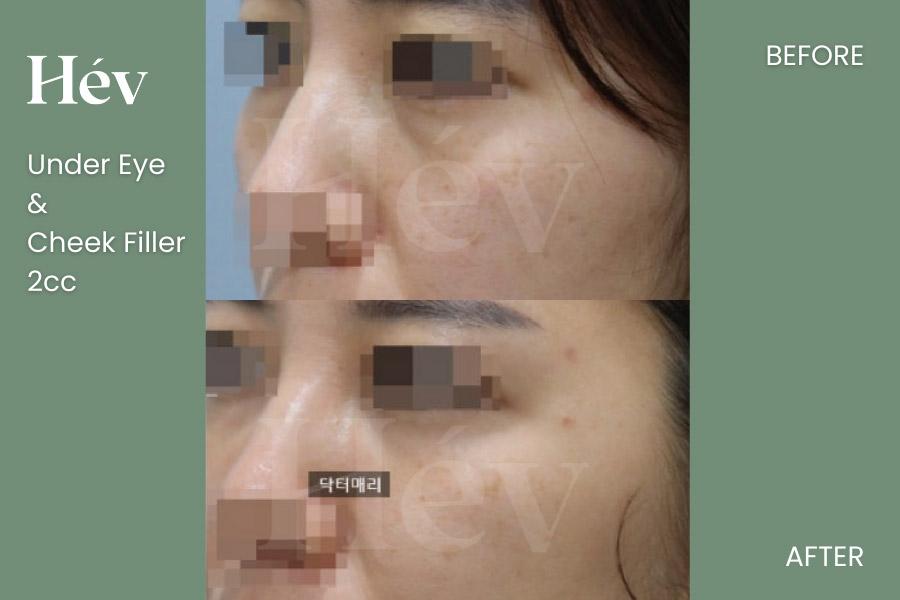
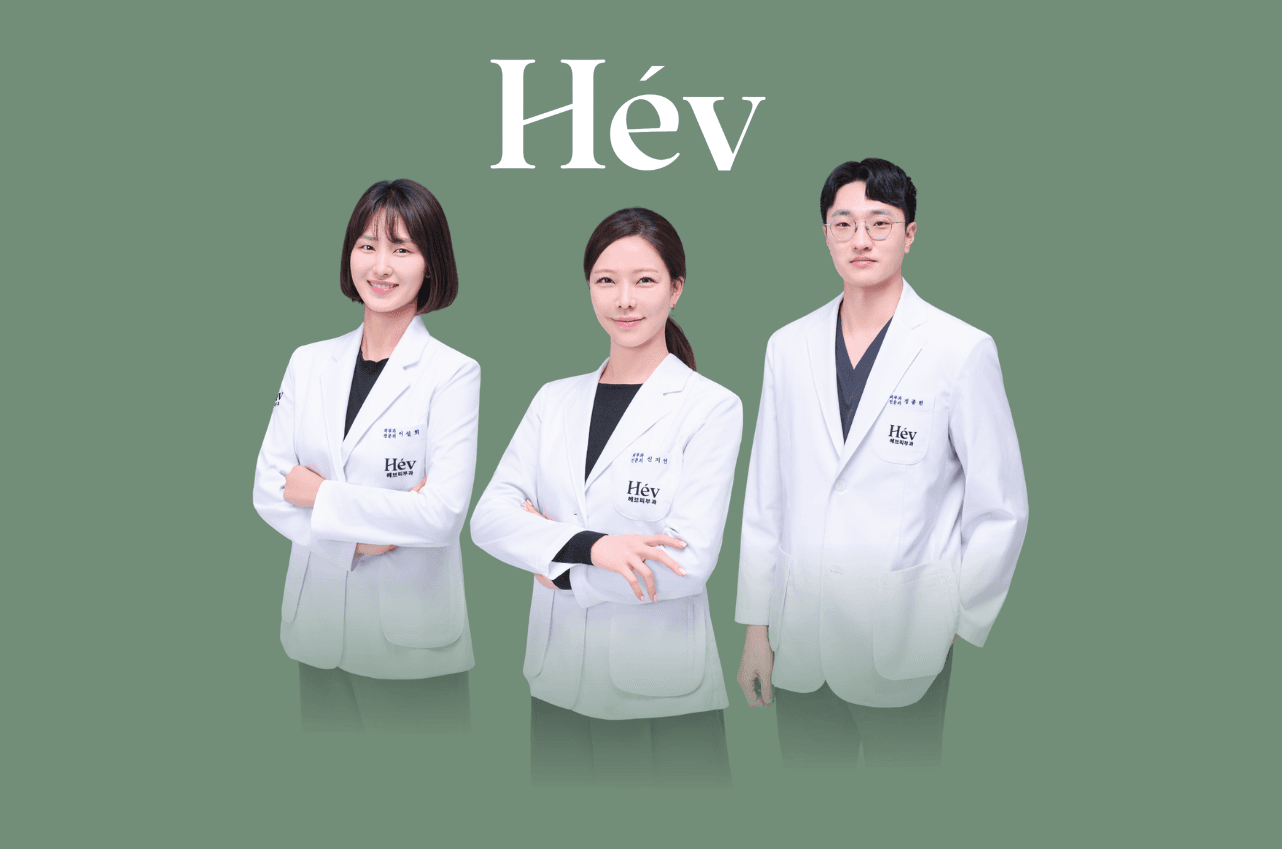
1. Hev Clinic
For laser lifting, you can receive a dermatologist-led plan that combines ultrasound or radiofrequency devices according to your skin thickness, laxity, and contour concerns. Hev offers Ultherapy Prime for deeper SMAS-focused ultrasound treatment, Thermage FLX and Oligio radiofrequency options, and InMode for combined fat reduction, deeper lifting, and surface tightening; the attending dermatologist oversees your care from consultation through aftercare.
- URL: Hev Clinic Website
- Location: Gangnam-gu, Seoul
- Device-based planning:
- Ultherapy Prime uses high-intensity focused ultrasound aimed at the SMAS layer; Thermage FLX uses radiofrequency with surface cooling while heating deeper tissue.
- Oligio offers three shot modes, while 3DEEP uses six radiofrequency electrodes; the clinic also lists InMode as a no-anesthesia option.
- Published treatment combinations include Oligio 300 shots with Ulthera, and Ultherapy 300 shots with a V-OLET fat-dissolving injection for the double chin.
- Medical team:
- Laser lifting is performed by board-certified dermatologists.
- Dr. JongHeon Jeong belongs to the Korean Society for Dermatologic Lasers; Dr. Shin Ji Yeoun serves as Education Secretary of the Korean Society for Anti-Aging Dermatology; Dr. Lee Sul Hee is an Assistant Professor of Dermatology at Soonchunhyang University Bucheon Hospital.
- Planning and aftercare:
- AI skin analysis is used to assess factors such as skin thickness, aging, and pigment depth before creating an individualized plan.
- The clinic describes low-irritation device selection intended to support an immediate return to daily activities, plus a Repair Barrier Cream protocol and maintenance planning based on a 3–4 week skin-regeneration cycle.
2. Cellinique Clinic
At Cellinique, your laser-lifting approach is selected after an examination and detailed assessment of your skin condition rather than through a fixed device protocol. Available options include Alma Accent Prime, which combines ultrasound and radiofrequency, as well as Alma Soprano Titanium and Potenza radiofrequency microneedling for tightening-focused care.
- URL: Cellinique Clinic Website
- Location: Gangnam-gu, Seoul
- Lifting and tightening options:
- Alma Accent Prime combines ultrasound and radiofrequency technologies.
- Potenza uses radiofrequency with microneedles.
- The clinic also lists LDM, Dual Toning, DE•ORO Dual, and Corage Cellfit among its pore and tightening devices.
- Clinician background:
- Dr. Chris Gunwoo Kim is board-certified in laboratory medicine and is a member of the Korean Aesthetic Surgery and Laser Society and the Korean Association of Anti-Aging Medicine.
- His stated academic activities include lectures on blood stem cells, anti-aging, and tissue regeneration, as well as a 2025 presentation on the NovaStem Kit.
3. Made Young Plastic Surgery
You may consider Made Young Plastic Surgery if you want laser lifting planned by a board-certified plastic surgeon with lifting-focused experience and the option to consider surgical lifting later if non-surgical treatment is not enough for your degree of laxity. Its ultrasound-based options include genuine Shurink and Ultherapy, with treatment depth and firmness assessed during planning; Dr. Park Soo-yeon, the lead lifting doctor, has performed more than 10,000 lifting procedures.
- URL: Made Young Plastic Surgery Website
- Location: Seocho-gu, Seoul
- Ultrasound lifting approach:
- Shurink HIFU targets the deep SMAS layer without treating the skin surface; cartridges cover 1.5, 2.0, 3.0, and 4.5 mm depths depending on the model.
- The clinic uses Shurink line and dot modes for smaller or curved areas, including around the eyes and cheekbones.
- During Ultherapy, the doctor views a live ultrasound image; the clinic states that device certification marks, stickers, and serial numbers are checked in front of you.
- Lifting expertise:
- Dr. Park Soo-yeon is a co-author of Minimally Invasive Plastic Surgery and an advisory member of the Korean Lifting Research Association.
- Dr. Jang Junyoung specializes in facial lifting and completed residency training at Samsung Medical Center.
- A lifting-focused surgeon oversees care from consultation through surgery, and board-certified anesthesiologists are on site.
- Combination and escalation options:
- The Double-Up Fix Lifting protocol combines Ultherapy with Silhouette Soft and Fix threads to support longer-lasting results.
- Because surgical face and neck lifts are also offered, you can discuss whether a surgical option may be appropriate if skin looseness is more advanced.
- The clinic identifies loose skin, a sagging jawline or double chin, enlarged pores, and eye-area wrinkles as concerns for its lifting treatments.
Laser Lifting From Start to Finish
- Remote consultation and records — Send unfiltered photographs in consistent daylight, your medical history, medication and supplement list, previous procedure history, skin reactions, cold-sore history, and pigmentation or keloid history. Request English-language or virtual consultation options where needed, and ask what the clinic means by “laser lifting.”
- Written treatment proposal — Confirm the device, manufacturer, wavelength, treatment type, facial zones, expected number of sessions, expected downtime, estimated duration, anesthesia plan, aftercare, and price inclusions before arranging travel.
- In-person assessment — The clinician examines skin thickness, wrinkles, scars, laxity, active inflammation, tanning, and pigment risk. The consultation determines whether non-ablative, ablative fractional, fiber-based treatment, or deferral is appropriate and reviews alternatives for significant tissue descent.
- Pre-treatment planning — The team confirms product pauses, sun avoidance, smoking status, and whether antiviral prevention is appropriate for prior herpes simplex. Larger ablative procedures can require pain medicine, nerve blocks, oral anxiolysis, or sedation planning.
- Treatment day — Makeup and sunscreen are removed and clinical photographs may be taken. Topical anesthetic is common; treatment usually takes about 30 minutes to two hours depending on technique and area. Fiber-based Endolift differs from surface laser treatment because a laser fiber is inserted under the skin.
- Discharge and early review — Non-ablative patients typically leave after cooling and instructions. Ablative patients receive wound-care directions, prescribed medicines when indicated, a direct contact route, and an early review appointment; sedated patients leave with an escort.
- Departure clearance and remote follow-up — Before leaving Korea, obtain a procedure record listing device and manufacturer, wavelength, treated areas, available parameters, anesthesia, prescriptions, photographs, complications, and contact details. Send healing photographs as directed and seek local care promptly if concerning symptoms develop.
Alternatives to Laser Lifting
Non-surgical options can improve mild laxity, skin quality, or contour without resurfacing downtime, but they do not reproduce the tissue repositioning of surgery. Choose the alternative according to the main concern: surface damage, volume loss, mild laxity, localized fat, or true facial ptosis.
HIFU/MFU

- Best fit — Ultrasound-based treatment for mild-to-moderate facial or neck laxity when surface texture is not the primary concern.
- Tradeoff — It is not a laser and does not resurface rough texture or acne scars. See HIFU lifting or Ultherapy lifting.
Radiofrequency and RF Microneedling
- Best fit — Thermal remodeling options for patients considering a lower-resurfacing-downtime approach or combined texture and laxity treatment.
- Tradeoff — RF, RF microneedling, and laser use different mechanisms and have different pigment and recovery considerations. See Thermage lifting, InMode lifting, or Potenza RF microneedling.
Thread Lift
- Best fit — Selected patients seeking temporary mechanical repositioning rather than surface resurfacing.
- Tradeoff — Threads have distinct placement-related risks and do not treat photodamage or scar texture. See thread lift.
Surgical Facelift or Neck Lift
- Best fit — Significant jowls, marked skin redundancy, neck banding, and visible tissue descent.
- Tradeoff — Surgery involves incisions, anesthesia, and substantially greater recovery, but is the meaningful option for actual tissue repositioning. See facelift.
How Can I Prepare for Laser Lifting?
- Confirm the exact treatment — Do not book based on “laser lifting” alone. Obtain the device, wavelength, treatment category, areas, expected downtime, session plan, anesthetic plan, and written aftercare.
- Disclose medical history — Provide a complete list of medicines, supplements, allergies, prior cold sores, pigment changes, keloids, delayed healing, facial radiation, autoimmune disease, inflammatory skin disease, and prior laser or peel reactions.
- Anticoagulants and supplements — Do not independently stop prescribed anticoagulants or antiplatelet medicines. Ask the prescribing clinician and treating doctor whether any changes are appropriate; disclose aspirin, NSAIDs, fish oil, vitamin E, herbal supplements, and all retinoids.
- Sun and tanning — Avoid tanning beds, intentional tanning, sunburn, and intense unprotected sun before treatment. Recent ultraviolet exposure increases pigment-change risk.
- Irritating skincare — Topical retinoids, exfoliating acids, benzoyl peroxide, scrubs, and other irritants are commonly paused, but timing depends on the modality and skin condition. Do not start hydroquinone, topical steroids, antibiotics, or antivirals without a clinician’s plan.
- Cold-sore prevention — Report any history of herpes simplex, especially before perioral or full-face ablative treatment. Ask whether prescription antiviral prophylaxis is appropriate.
- Smoking and alcohol — Stop smoking, or at minimum avoid it for two weeks before and after treatment to support healing. Avoid alcohol when it conflicts with prescribed medicine, sedation instructions, or clinician advice.
- Fasting and transport — Topical anesthetic alone usually does not require fasting. Follow anesthesia instructions if oral sedation or sedation is planned, arrange escorted transport, and do not drive afterward.
- Accommodation and packing — After ablative treatment, stay in private accommodation with a clean bathroom, reliable water and food access, and minimal outdoor walking. Pack prescribed medicines in original containers, a gentle cleanser, clinician-approved ointment, clean pillowcases, a wide-brim hat, and sunscreen for use after re-epithelialization.
Travel note: Keep flights flexible after ablative resurfacing and avoid scheduling treatment immediately before major events or long outdoor itineraries.
Confirm all medication pauses, fasting rules, skin preparation, and travel requirements with the treating doctor; individualized instructions take precedence over general guidance.
Aftercare Advice
Protect the healing skin barrier and follow the treating clinician’s protocol exactly; aftercare differs sharply between non-ablative treatment and ablative resurfacing.
- Cooling and cleansing — Use cool compresses and cleanse only as instructed. After ablative resurfacing, clinicians commonly prescribe gentle cleansing and bland petrolatum-based barrier protection; follow the supplied regimen rather than adding products.
- Hands off treated skin — Do not pick crusts, rub, scrub, exfoliate, or use fragranced skincare. Avoid retinoids, benzoyl peroxide, exfoliating acids, and makeup until the clinician confirms that the barrier has healed.
- Heat, exercise, and water exposure — Avoid strenuous exercise, saunas, steam rooms, hot baths, swimming pools, hot tubs, and contact sports during early healing. These increase heat, swelling, friction, and contamination risk.
- Sun protection — Once re-epithelialization is confirmed, use broad-spectrum SPF 50 sunscreen and physical protection such as a hat. Strict photoprotection is particularly important for patients susceptible to PIH; evidence does not support one universal preventive medicine regimen, as a review of energy-based-treatment prophylaxis found no evidence-based consensus.
- Expected recovery — Non-ablative treatment commonly causes temporary warmth, redness, and mild swelling for hours to a few days. Fractional ablative treatment commonly causes swelling, pinpoint bleeding or oozing, and crusting for about 7–10 days; residual redness can last longer, and full recovery can take a month or more.
- Warning signs — Contact the clinic promptly for worsening rather than improving pain, spreading redness or warmth, pus, fever, blisters, clustered painful lesions, persistent oozing, delayed healing, eye pain or visual symptoms after periocular treatment, or pronounced new dark or light pigment change.
- Results and follow-up — Surface smoothing becomes clearer after healing, while collagen remodeling and mild firmness develop over weeks to months. Attend the requested review, send photographs for remote follow-up, and keep all procedure records for clinicians at home.
Follow the treating doctor’s individualized instructions and contact the clinic promptly when healing appears abnormal.
Frequently Asked Questions
Related Blogs
Comparing Global Costs of Pico Fraxel: Why Korea is a Top Choice for Skin Rejuvenation Without Compromise
Discover the affordability of Pico Fraxel laser treatments in Korea, where cutting-edge technology meets competitive pricing. Explore why many are choosing Korea for their skincare journey and how it compares to global costs.
Updated: Oct 21, 2026
Optimize Your Wellness: See Why Vitamin Injections in Korea Offer Value Beyond Costs Compared to the USA & More
Discover the latest trends in the cost of vitamin injections in Korea, exploring factors affecting pricing and popular clinics. Learn how these wellness treatments can boost your energy and overall health.
Updated: Oct 21, 2026
Laser Tattoo Removal Costs: Is Korea Your Best Option Compared to the USA, Turkey, and Beyond?
Discover the factors influencing the cost of laser tattoo removal in Korea, from technology and expertise to session frequency. Explore why Korea is becoming a popular destination for this effective and advanced cosmetic procedure.
Updated: Oct 21, 2026
Unlock Radiant Skin: Comprehensive Cost Analysis of Steroid Injections for Scars in Korea vs USA, Turkey & More
Explore the cost of steroid injections for scars in Korea, a popular cosmetic procedure aimed at minimizing the appearance of scar tissue. This article breaks down the pricing, factors influencing cost, and potential savings compared to other countries.
Updated: Oct 21, 2026
Clinics offering Laser Lifting
BongBong Plastic Surgery Dermatology Korea | Body, Breast & Aesthetic Treatments
Nonhyeon
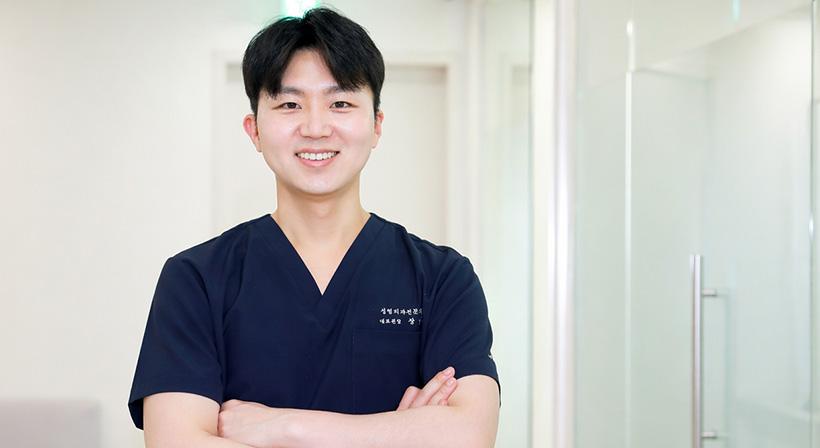
RINE Plastic Surgery Clinic | Facelift and Eye Rejuvenation Surgery
Nonhyeon
Hev Clinic Korea | Premium Sinsa Clinic for Skin, Laser & Injectables
Sinsa

Made Young Plastic Surgery: Rejuvenating Aesthetic Excellence in Korea for Face Lifts, Contouring and More
Gangnam Station