Medical Tourism Blog
Blood Purification in Korea: TPE Methods, Medical Eligibility, Travel Planning, and Aftercare
Table of contents
- Blood Purification at a Glance
- What Is Blood Purification?
- Who Is a Good Candidate for Blood Purification?
- How Is Blood Purification Performed?
- Why Visit Korea for Blood Purification?
- Key Information for International Patients
- Which Are the Best Clinics in Korea for Blood Purification?
- Blood Purification From Start to Finish
- Alternatives to Blood Purification
- How Can I Prepare for Blood Purification?
- Aftercare Advice
Considering treatment in Korea? Everything you need to know e.g. — how to avoid scams, visas, interpreters, recovery tips — in our Medical Tourism Master Guide. Plan with confidence in minutes, not weeks!
Last updated: September 2026
Blood Purification at a Glance
- What it is — Blood purification usually refers to therapeutic plasma exchange (TPE): blood is circulated through a machine, plasma containing selected harmful substances is removed, and blood cells are returned with albumin, fresh-frozen plasma, or both.
- Only for specific diagnoses — TPE is a specialist-prescribed treatment for defined conditions, not a detox, anti-aging, fatigue, weight-loss, skin-whitening, or preventive-wellness procedure; it often temporarily lowers circulating factors rather than curing their source.
- Treatment schedule — A typical exchange treats about 1–1.5 plasma volumes and lasts 2–3 hours; sessions may be daily, alternate-day, short-course, or maintenance-based according to diagnosis and response, not a fixed package.
- Recovery and risks — Uncomplicated fatigue, light-headedness, IV bruising, or citrate-related tingling often resolve the same day or within 24–48 hours, but hypotension, low calcium, allergic reactions, bleeding, and catheter complications require monitoring.
- Travel planning — International patients should remain in Korea for every prescribed session and reassessment; some stable planned courses may fit roughly two weeks, but there is no universal safe waiting period before a long-haul flight.
- Korea-specific context — Korea has established specialist TPE capacity: 62,606 procedures were recorded in 9,944 patients from 2008–2017, with 59.6% performed at the five highest-volume hospitals; this shows service concentration, not superior outcomes versus other countries.
What Is Blood Purification?
Blood purification is a medically prescribed extracorporeal treatment, usually therapeutic plasma exchange, that removes selected substances from plasma while returning blood cells with replacement fluid. It is used for specific diagnosed conditions to rapidly reduce harmful circulating factors and support disease-directed care, not for general detoxification or wellness. It is a minimally invasive procedure because blood is processed through intravenous or central venous access rather than surgery.
Who Is a Good Candidate for Blood Purification?
- Specialist-confirmed indication — Candidates have a documented condition for which therapeutic plasma exchange (TPE) or another specifically named extracorporeal treatment has an evidence-supported or individualized role. The 2023 ASFA guidelines assess 166 indications across 91 conditions; the umbrella term “blood purification” does not establish that treatment is appropriate.
- Integrated specialty care — Appropriate patients are managed by the relevant neurology, hematology, nephrology, hepatology, transplant, or critical-care team, with disease-directed treatment continuing alongside apheresis.
- Clinical stability and access — The patient needs sufficient physiologic stability for extracorporeal circulation and safe peripheral-IV or central-venous access.
- Continuity after return home — International patients need a confirmed specialist and monitoring plan at home, because TPE often reduces harmful circulating factors temporarily rather than curing the disease that produces them.
Blood purification is not a detoxification, anti-aging, skin-whitening, weight-loss, chronic-fatigue, or preventive-wellness treatment. Routine outpatient TPE is unsuitable when safe vascular access cannot be established, hemodynamic instability, uncontrolled infection or sepsis, active bleeding or significant coagulopathy, or rapidly progressive illness requires higher-acuity care. Allergy to planned albumin, fresh-frozen plasma, or anticoagulant, untreated hypocalcemia before citrate use, and unresolved catheter problems also require individualized planning. Recent ACE-inhibitor exposure can contribute to bradykinin-mediated reactions with some systems; do not stop prescribed medicine unless both the prescribing and apheresis clinicians instruct this. There is no age-based wellness threshold: suitability depends on the exact diagnosis, severity, anatomy for vascular access, and ability to maintain follow-up.
How Is Blood Purification Performed?
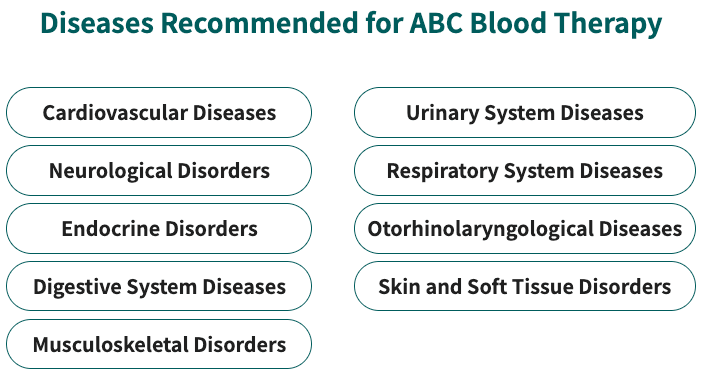
“Blood purification” is not one standardized procedure. Ask the hospital to name the exact modality, its target, replacement fluid, anticoagulant, access plan, and reason it is preferred for the diagnosed condition.
- Centrifugal TPE — A cell separator uses centrifugal force to separate plasma from blood cells. The plasma is discarded, while cells are returned with albumin, fresh-frozen plasma (FFP), or both. Citrate is commonly used to prevent clotting in the circuit.
- Membrane plasma exchange — A plasma filter separates plasma from cellular components. The required blood-flow rate and access needs differ from centrifugal TPE; some patients require a central venous catheter.
- Double-filtration plasmapheresis (DFPP) — Plasma passes through a second filter that retains selected larger molecules and returns treated plasma. DFPP is not interchangeable with standard TPE and has indication-specific goals.
- Other extracorporeal treatments — Immunoadsorption, LDL apheresis, red-cell exchange, hemoperfusion or adsorption, hemodialysis, and continuous kidney-replacement therapy target different substances and have different evidence, access requirements, and risks. They should not be presented as generic detox treatments.
Why Visit Korea for Blood Purification?
Korea has established TPE activity within specialized hospitals. This supports access to therapeutic apheresis for appropriately referred patients, but it does not prove that Korean treatment is safer, more effective, or better value than comparable specialist care elsewhere.
- Documented national activity — A Korean nationwide claims analysis recorded 62,606 TPE procedures in 9,944 patients from 2008 to 2017, demonstrating an established service base for medically indicated TPE.
- Concentrated experience — The five highest-volume hospitals performed 59.6% of procedures in that analysis, so patients considering referral can ask whether the receiving center routinely manages their exact indication and modality.
- Replacement-fluid practice — Fresh-frozen plasma was the most common replacement fluid in the national analysis. Replacement fluid is chosen for the diagnosis and clinical context, not patient preference alone.
- Important evidence limit — The Korean utilization study is descriptive claims data, not a comparison of outcomes between Korea and other countries. Benefit still depends on the disease-specific evidence summarized in the ASFA guidance.
Key Information for International Patients
- Minimum stay — Do not plan an elective “detox trip.” Acute conditions that need TPE can be life-threatening and usually require prompt care near home. For a stable, pre-approved outpatient course, remain in Korea through every prescribed session and reassessment; a roughly two-week stay can fit some short courses but is not a universal schedule.
- Repeat sessions — A session commonly takes 2–3 hours. Courses can be daily, alternate-day, short-course, maintenance-based, or not indicated, depending on the diagnosis and response. The Korean median of five procedures per patient is population data, not an individual prescription.
- Flying — There is no evidence-based universal waiting period before a long-haul flight after TPE. The treating clinician must clear travel after considering hypotension, anemia, electrolyte disturbance, bleeding risk, neurologic illness, catheter placement, and need for urgent repeat treatment.
- Itinerary impact — Keep treatment days and the following day light. Avoid remote travel and strenuous sightseeing during a serial course; arrange a companion when weakness, neurological illness, sedation, a new central line, or low blood pressure affects independent mobility.
- Records and remote follow-up — Before departure, obtain an English-language summary listing diagnosis and indication, modality, access type, session dates, exchanged plasma volume, replacement fluid, anticoagulant and calcium use, reactions, transfusions, laboratory results, medicine plan, catheter plan, and follow-up schedule.
Travel note: Travel only after the home specialist and receiving Korean specialist agree that a planned course is medically appropriate. International travel is not a substitute for emergency, ICU-level, or rapidly escalating care.
Which Are the Best Clinics in Korea for Blood Purification?
Listed below are some of the best clinics in Korea for blood purification.
1. Cellinique Clinic
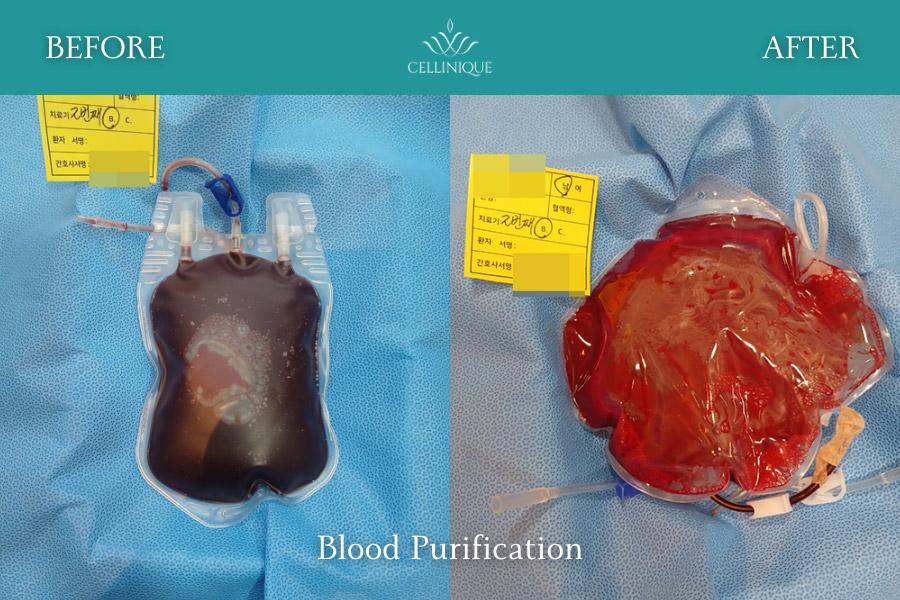
At Cellinique Clinic, your blood-purification program is described as ABC BMT, using ultraviolet rays, magnetic fields, and ionized oxygen as part of a personalized health-management approach. The clinic presents the treatment as intended to support blood cleansing, circulation, detoxification, and immune function, with consultation and care tailored to your needs.
- URL: Cellinique Clinic Website
- Location: Gangnam-gu, Seoul
- Procedure details:
- ABC BMT is the clinic’s named blood-purification treatment.
- The clinic describes its approach as using ultraviolet rays, magnetic fields, and ionized oxygen.
- The stated goals include addressing blood described as turbid with aging, supporting smoother circulation, and promoting overall health.
- Physician and research:
- Dr. Chris Gunwoo Kim is the clinic’s physician and works in stem cell medicine.
- In 2024, Dr. Kim lectured on blood stem cells, anti-aging, and tissue regeneration at a Korean dermatology, obesity, and aesthetic medicine conference.
- In 2025, he presented the clinic’s NovaStem Kit, a minimally manipulated cell biotechnology, at the Korean Obesity and Aesthetic Treatment Society spring conference.
- Related services:
- The clinic combines its health-management offerings with regenerative and complementary treatments including PRP, NK cell therapy, exosomes, and stem cell-based care.
- NovaStem uses concentrated autologous blood and is presented by the clinic as a regenerative treatment for aging cells and damaged tissues.
Blood Purification From Start to Finish
- Referral review and remote consultation — Send the receiving team an English medical summary, specialist referral question, recent notes, laboratory trends, imaging or pathology when relevant, transfusion and allergy history, current medicines, pregnancy status where relevant, and prior dialysis or apheresis records. Confirm whether English or virtual consultation is available and whether the indication is accepted before booking travel.
- Treatment plan and travel coordination — The specialty and apheresis teams define the diagnosis, exact modality, likely number and timing of sessions, replacement fluid, vascular-access plan, concurrent disease treatment, and required monitoring after return home.
- Arrival assessment and testing — Clinicians assess stability, weight and estimated plasma volume, and access options. Testing can include complete blood count, electrolytes including calcium and magnesium, kidney and liver function, coagulation studies and fibrinogen, blood group and type-and-screen when plasma is planned, plus disease-specific markers.
- Access and pre-treatment checks — Stable patients can sometimes use two large peripheral IVs. Others require a temporary central venous catheter. The team reviews allergies, anticoagulant strategy, replacement fluid, medicines whose levels can be lowered by TPE, and symptoms that would require postponement or inpatient monitoring.
- Exchange session — Blood circulates through a centrifuge or membrane system. Plasma is separated and removed; blood cells return with albumin, FFP, or a prescribed combination. A typical exchange is about 1–1.5 estimated plasma volumes and commonly lasts 2–3 hours.
- Monitoring during treatment — Staff monitor blood pressure, pulse, symptoms, and access function. They watch for hypotension, citrate-related low calcium symptoms such as lip or fingertip tingling and cramps, allergic reaction, bleeding, and line complications.
- Post-session discharge or admission — Clinicians reassess vital signs, symptoms, access sites, and selected laboratory values when indicated. Discharge occurs only after clinical stability is established; unstable patients or those with acute disease remain under higher-level care.
- Course review and overseas follow-up — The team reassesses disease-specific clinical and laboratory endpoints before deciding on the next session. After return home, share the complete procedure summary with the home specialist and follow the agreed monitoring, catheter, medicine, and repeat-treatment plan.
Alternatives to Blood Purification
Alternatives depend on the diagnosis, not on a wish to “clean the blood.” The key tradeoff is that TPE can rapidly remove selected circulating substances but is invasive, temporary in many conditions, and resource-intensive; disease-directed medicines or other organ-support treatments can be more appropriate when they address the underlying mechanism.
Disease-Directed Medication
- Best role — Immunosuppressive therapy, targeted hematology treatment, toxin-specific antidotes, antimicrobial treatment, or other diagnosis-specific medicines may treat the source of disease rather than only lower circulating factors.
- Tradeoff — Drug onset can be slower than TPE in some acute immune-mediated conditions, and TPE can reduce concentrations of certain medicines, requiring careful timing or monitoring.
Intravenous Immunoglobulin
- Best role — IVIG is an alternative for selected immune neurologic disorders and other specific immune conditions.
- Tradeoff — It is not interchangeable with TPE for every diagnosis, and the choice depends on the clinical presentation, contraindications, availability, and specialist guidance.
Immunoadsorption
- Best role — This apheresis modality selectively removes some antibodies or immunoglobulins for defined indications.
- Tradeoff — It requires different equipment, protocols, and evidence than standard TPE; suitability is disease-specific.
Dialysis or Kidney-Replacement Therapy
- Best role — Hemodialysis or continuous kidney-replacement therapy supports kidney failure and corrects certain metabolic or toxin-related problems.
- Tradeoff — These treatments do not replace TPE when pathogenic plasma constituents are the treatment target.
Supportive or Definitive Care
- Best role — Transfusion support, surgery, transplantation, or observation can be the correct management depending on the disease and severity.
- Tradeoff — These options address different clinical problems and require direct guidance from the treating specialty team.
How Can I Prepare for Blood Purification?
- Confirm the indication before travel — Obtain agreement between the home specialist and receiving team on the diagnosis, exact extracorporeal modality, urgency, session plan, access plan, and follow-up after return.
- Send complete records — Provide recent specialist notes, laboratory results and trends, imaging or pathology where relevant, medication list, allergies, transfusion history, pregnancy status where relevant, and previous catheter, dialysis, or apheresis records.
- Review every medicine and supplement — Disclose prescription drugs, anticoagulants, antiplatelet medicines, diabetes drugs, antiseizure medicines, immunosuppressants, antibiotics, hormone therapy, over-the-counter products, vitamins, herbal products, and wellness supplements. TPE can lower concentrations of some circulating medicines, so timing, dose adjustment, or therapeutic-drug monitoring may be needed.
- Do not stop medicines independently — ACE inhibitors, anticoagulants, antiplatelets, and other medicines require an individualized plan. Recent ACE-inhibitor use deserves specific discussion because of reaction risk with some apheresis systems.
- Follow fasting and hydration instructions — Fasting is not routine for TPE alone, but is often required when catheter placement, sedation, imaging, anesthesia, or another procedure is scheduled. Do not arrive dehydrated unless fluid restriction has been prescribed.
- Plan practical support — Book flexible flights, accommodation close to the hospital, and low-demand days between sessions. Arrange a companion when illness, mobility limits, sedation, hypotension, or central-line placement makes solo travel unsafe.
- Protect vascular access options — Tell the team about prior central lines, thrombosis, dialysis access, mastectomy or lymph-node surgery, and difficult IV access. Do not apply creams or irritants where IVs or a catheter will be placed unless the hospital approves.
Travel note: Do not schedule a flight based on a fixed number of days after TPE. Clearance depends on clinical stability, the underlying disease, laboratory status, complications, and whether a central catheter remains in place.
Confirm the treating hospital’s medication, fasting, access-care, arrival, and travel requirements; its individualized instructions take precedence over general guidance.
Aftercare Advice
Treat the session day as a monitored recovery period, not as free time for tourism or long-distance travel.
- Rest and fluids — Rest for the remainder of the day, take prescribed fluids and food, and rise slowly if light-headed. Fatigue, bruising at IV sites, and mild citrate-related tingling often settle the same day or within 24–48 hours when uncomplicated.
- Activity and access protection — Avoid strenuous exercise, heavy lifting, and pressure on IV or catheter sites until the treating team clears them. A new central line requires written instructions for dressing care, hygiene, flushing when prescribed, and removal or follow-up.
- Medication plan — Take medicines exactly as timed by the apheresis and prescribing teams. Do not make up a dose or restart a withheld medicine without instructions, since TPE can affect levels of selected circulating drugs.
- Seek urgent care for warning signs — Get urgent assessment for chest pain, shortness of breath, fainting, severe or persistent dizziness, fever or chills, facial or lip swelling, wheeze, generalized hives, persistent tingling or cramps, palpitations, ongoing bleeding, expanding swelling, or a red, painful, draining catheter site. Worsening weakness, confusion, or seizure also requires urgent care.
- Track treatment response — Results are judged by disease-specific symptoms and laboratory endpoints, not by a subjective feeling of detoxification. The session number and recovery period depend on the diagnosis, replacement fluid, access, complications, and concurrent disease treatment.
Complications are often minor but are not trivial: in one single-center study of 1,895 centrifugal TPE sessions, hypotension occurred in 15.2%, hypocalcemia in 19.6%, allergic reactions in 3.0%, and severe adverse effects in 0.3%; these findings cannot be generalized to every setting or patient. Follow the treating doctor’s instructions and contact the clinic promptly when symptoms, catheter changes, or bleeding appear wrong.
Frequently Asked Questions
Related Blogs
Scar Removal Surgery in Korea: Methods, Recovery, Travel Planning, and Alternatives
Scar revision may use excision, layered closure, Z- or W-plasty, grafts, flaps, or adjunctive treatment to improve widened, tethered, raised, or function-limiting scars. The article covers candidacy, recovery and aftercare, alternatives, and travel planning for international patients seeking treatment in Korea.
Updated: Sep 16, 2026
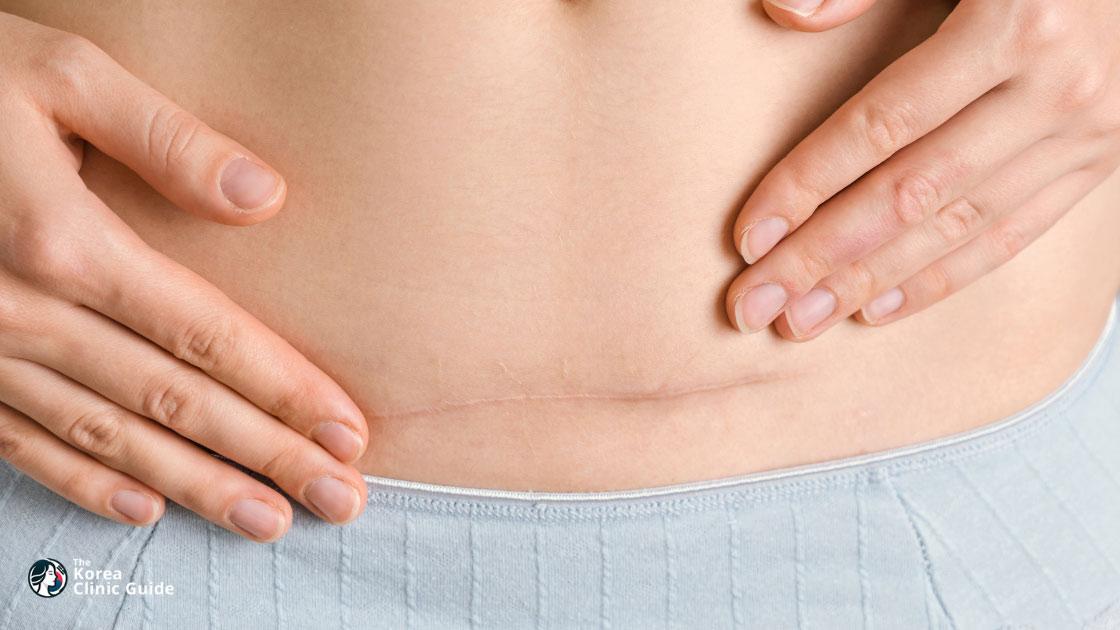
Scar Removal Surgery in Korea: Methods, Recovery, Risks and Travel Planning
Scar removal surgery may use excision, layered closure, Z-plasty, flaps, grafts, or staged procedures to improve scar width, tension, contour, mobility, or contracture rather than erase a scar completely. The article covers candidacy, recovery, aftercare, alternatives, and travel planning for international patients, including wound checks, suture removal, flexible flights, and remote follow-up.
Updated: Sep 16, 2026
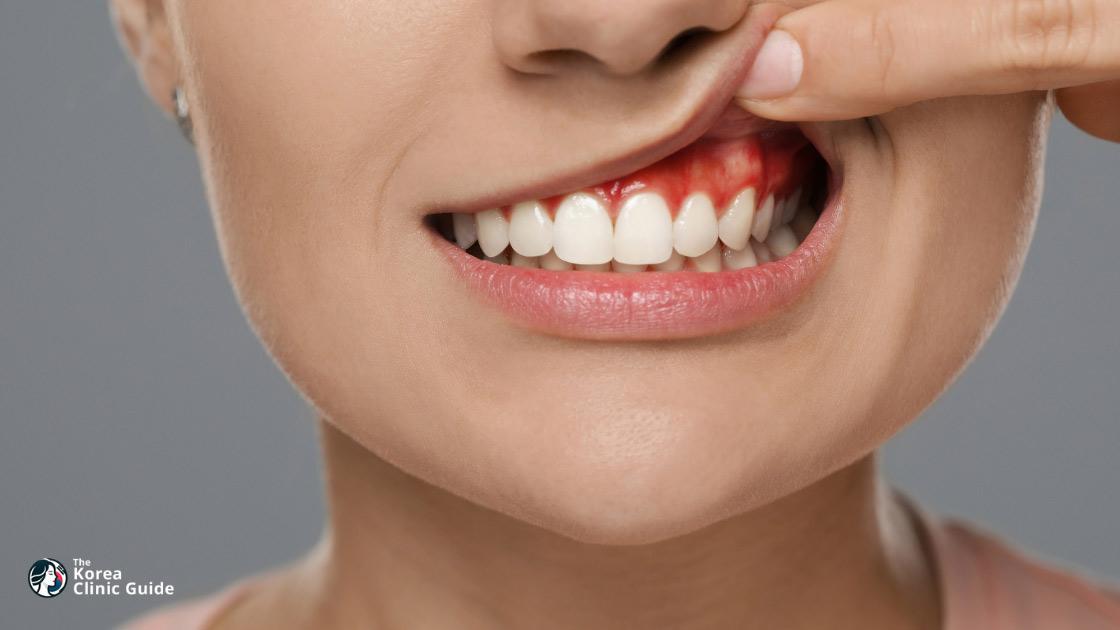
Gummy Smile Surgery in Korea: Causes, Treatment Methods, Recovery and Travel Planning
Gummy smile treatment is diagnosis-led and may involve gum reshaping, crown lengthening, lip repositioning, orthodontics, or jaw surgery based on gum, lip, tooth, and jaw assessment. The article covers candidate criteria, Korea travel stays, preparation, recovery, follow-up, alternatives, and warning signs requiring urgent care.
Updated: Sep 16, 2026

Cheiloplasty in Korea: Types, Recovery, Travel Planning, and Safety
Cheiloplasty includes cosmetic lip reduction, cleft repair or revision, and reconstructive procedures; cosmetic reduction usually removes tissue through an inner-lip incision and commonly takes about one hour as an outpatient procedure. International patients can find guidance on candidate screening, Korea travel planning, anesthesia and follow-up, preparation, recovery, warning signs, and alterna
Updated: Sep 16, 2026