
Medical Tourism Blog
Facial Treatment in Korea: Methods, Recovery, Risks and Travel Planning
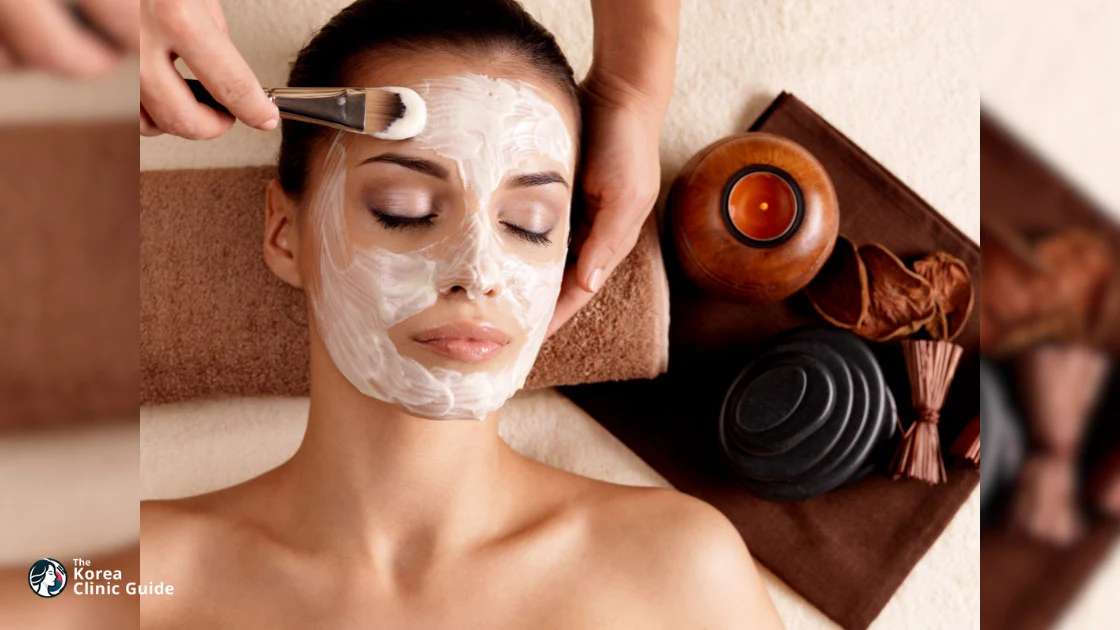
Table of contents
- Facial Treatment at a Glance
- What Are Facial Treatments?
- Who Is a Good Candidate for Facial Treatments?
- How Are Facial Treatments Performed?
- Why Visit Korea for Facial Treatments?
- Key Information for International Patients
- Which Are the Best Clinics in Korea for Facial Treatment?
- Facial Treatment From Start to Finish
- Alternatives to Facial Treatments
- How Can I Prepare for Facial Treatments?
- Aftercare Advice
Considering treatment in Korea? Everything you need to know e.g. — how to avoid scams, visas, interpreters, recovery tips — in our Medical Tourism Master Guide. Plan with confidence in minutes, not weeks!
Last updated: August 2026
Facial Treatment at a Glance
- Diagnosis comes first — Facial treatment is an umbrella term, not one protocol: options range from cleansing and extraction to peels, microneedling, laser/light therapy, and tightening devices, so the method should follow a diagnosis such as acne, pigment, scars, or mild laxity.
- Results vary by method — Hydration and extraction can look better immediately but are temporary; peels and non-ablative devices change over days to weeks, while microneedling, RF microneedling, and some lasers build collagen gradually over months.
- Downtime can be substantial — Recovery ranges from minimal downtime after a simple facial to 1–7 days for a superficial peel, 7–14 days for a medium peel, 14–21 days for a deep peel, and about 2 weeks of initial healing after ablative CO2 resurfacing; pinkness can last 2–3 months or longer.
- Plan travel around healing — Allow 2–3 days in Korea for a basic low-downtime treatment, 3–5 days after microneedling or non-ablative/pigment laser, and 7–14 days after a medium peel or ablative fractional laser. Deep peels are generally unsuitable for short medical trips.
- Healthy, stable skin is essential — Treatment should be delayed for active infection, open wounds, cold sores, severe dermatitis, or a major acne, rosacea, or eczema flare; recent tanning and inadequate sun protection also raise burn and post-inflammatory pigmentation risk.
- Korea’s practical advantage — Korea offers extensive international dermatology access, particularly in Seoul, which handled 85.4% of foreign-patient care in 2024. This improves practical availability, but does not prove that Korean facial treatments deliver superior outcomes.
- Intensive treatments have tradeoffs — Fractional CO2 laser may improve some acne scars more than RF microneedling, but it also brings more pain, prolonged redness, and hyperpigmentation risk. Scar type and pigment history should guide device and intensity selection.
What Are Facial Treatments?
Facial treatments are a broad group of skin-care and aesthetic dermatology procedures, from cleansing and exfoliation to peels, microneedling, and energy-based therapies. They address concerns such as congestion, dullness, uneven tone, acne, texture changes, fine lines, selected scars, and mild skin laxity. Depending on the method, they are non-surgical or minimally invasive rather than one standardized procedure.
Who Is a Good Candidate for Facial Treatments?
- Defined concern — Good candidates have a specific concern such as comedones, dehydration, superficial roughness, redness, uneven pigment, fine lines, mild laxity, active acne, or atrophic acne scars rather than a vague request for a “custom facial.”
- Stable skin condition — Skin should be free of substantial irritation, sunburn, and active infection on the planned treatment area.
- Realistic treatment goal — Clinical cleansing and hydradermabrasion offer temporary surface-level improvement; collagen-remodeling procedures address selected texture and scar concerns gradually over months.
- Diagnosis-led plan — Acne scars need scar-type assessment: rolling, boxcar, and ice-pick scars often require different techniques or staged combinations. Pigment-reactive skin requires conservative device, wavelength, depth, and energy selection.
Do not treat a changing, bleeding, painful, or suspicious lesion as a cosmetic concern; arrange medical assessment first. Delay peels, microneedling, laser/light procedures, and intensive facials during an active bacterial, viral, or fungal infection, open wounds, cold sores, severe dermatitis, or a major acne, rosacea, or eczema flare. Keloid or hypertrophic-scar history, impaired healing, poorly controlled diabetes, immunosuppression, bleeding disorders, prescribed anticoagulants or antiplatelets, pregnancy/breastfeeding, photosensitizing medicines, implanted electronic devices, and prior fillers, threads, facial surgery, radiation, or pigment complications all require individual review. Pregnancy excludes topical and oral retinoids; do not stop prescribed anticoagulants without the prescribing clinician’s instruction.
How Are Facial Treatments Performed?
“Facial treatment” is not one protocol. The clinician should identify the diagnosis and select a method with a recovery period and risk profile that match it.
- Cleansing, extraction, hydration, and superficial exfoliation — Often called a medical facial, aqua peel, or hydradermabrasion; targets surface oil, comedones, dullness, and temporary hydration. Results are modest and short-lived, and this is not a substitute for diagnosis-specific acne, rosacea, or pigment care.
- Chemical peels — Controlled chemical exfoliation at superficial, medium, or deep levels. Superficial peels can address selected acne, texture, and dyschromia concerns; expected healing is about 1–7 days. Medium peels generally heal in 7–14 days, while deep peels need roughly 14–21 days and carry substantially greater wound-care, infection, scarring, erythema, and pigment-change risk.
- Microneedling and RF microneedling — Needles create controlled dermal injury; RF devices also deliver heat within the dermis. Used for selected atrophic scars, texture, fine lines, and mild laxity. Redness and swelling are common initially, while remodeling develops gradually over subsequent months.
- Laser and light treatment — IPL and pigment or vascular lasers target specific chromophores. Fractional non-ablative lasers create controlled dermal injury with less surface disruption than ablative treatment. Fractional CO2 or erbium resurfacing is more intensive; initial healing after CO2 resurfacing often takes about two weeks, while pinkness can persist for 2–3 months or longer. For acne scars, fractional CO2 laser can provide stronger improvement than RF microneedling in some comparative evidence, but also more pain, post-inflammatory hyperpigmentation, and prolonged erythema.
- Radiofrequency and microfocused ultrasound — Heat-based treatments intended for modest improvement in mild laxity and skin quality. They do not produce the degree of lift expected from facelift surgery.
- Injectable or regenerative add-ons — PRP, skin boosters, botulinum toxin, fillers, and biostimulatory injections are separate procedures, not automatic parts of a facial. PRP facial-rejuvenation evidence remains low-certainty and protocol-dependent, so it should not be presented as a proven routine add-on.
Why Visit Korea for Facial Treatments?
Korea has substantial international-patient infrastructure for dermatology and aesthetic care, especially in Seoul. That practical access does not prove superior outcomes for every facial-treatment method. Choose care based on diagnosis, clinician assessment, the exact device or product, and a realistic follow-up plan.
- International-patient volume — The Korea Health Industry Development Institute reported 1,170,467 foreign patients in 2024, with dermatology and plastic surgery among prominent service categories; Seoul accounted for 85.4% of foreign-patient care.
- Medical-device framework — Korea’s Ministry of Food and Drug Safety regulates medical devices. Its authorization framework evaluates intended use, safety, performance, technical documentation, and clinical evidence where indicated. Authorization does not establish that every marketed indication, branded protocol, or multi-treatment package has strong comparative evidence.
- Broad modality access — International visitors can commonly seek consultation for cleansing/extraction, peels, microneedling, RF microneedling, laser/light treatment, and tightening devices in the same dermatology-focused market. These approaches are not interchangeable and should not be bundled simply because they are available.
- Evidence limits — There is no reliable evidence that facial treatment in Korea produces better clinical outcomes than treatment elsewhere. Claims about “glass skin,” pore reduction, preventive aging, skin boosters, and device combinations often rest on short follow-up or inconsistent protocols.
Key Information for International Patients
- Minimum stay — Allow 2–3 days for a basic low-downtime facial or non-ablative treatment: consultation, skin assessment, treatment, and availability for an early check if needed.
- Longer-stay treatments — Plan 3–5 days after microneedling, RF microneedling, fractional non-ablative laser, or pigment/vascular laser so early swelling, irritation, blistering, or pigment change can be assessed. Plan 7–14 days after a medium peel or ablative fractional laser, and leave only after the clinician confirms uncomplicated healing.
- Deep peels — A deep chemical peel is generally unsuitable for a short medical-tourism visit because early healing and follow-up commonly take 14–21 days.
- Flights — No universal post-treatment flying interval applies to every facial modality. Do not schedule a long-haul flight on treatment day after sedation, anesthetic medicines, a medium/deep peel, or ablative resurfacing. Departure depends on wound status, sedation, early-complication risk, and access to care at home.
- Itinerary restrictions — Keep sightseeing, heat exposure, swimming, sauna use, strenuous exercise, and direct sun off the schedule when the treated skin barrier is recovering. Intensive treatments require more protected indoor recovery time than a simple cleansing or extraction session.
- Records and follow-up — Obtain an English treatment summary with diagnosis, device name, treatment areas, settings or depth where applicable, medicines and topical products used, lot numbers where relevant, consent, photographs, aftercare instructions, and direct clinic contact details. Arrange photo or video follow-up before departure.
Travel note: A companion is rarely needed after a simple non-sedated facial, but arrange one when oral or IV sedation, a deep peel, or intensive resurfacing is planned.
Which Are the Best Clinics in Korea for Facial Treatment?
Listed below are some of the best clinics in Korea for facial treatment.
1. PangPang Clinic
For facial treatment centered on thread lifting, PangPang Clinic offers individualized lift planning using a broad selection of specialized threads, with pre-procedure ultrasonic visual checks and design. You can consider it for non-surgical facial lifting that targets sagging, contour definition, elasticity, or selected areas needing volume, alongside options such as fillers, Botox, and skin-focused treatments.
- URL: PangPang Clinic Website
- Location: Gangnam-gu, Seoul
- Thread lifting approach:
- The clinic reports using 31 specialized functional threads, selected and customized to your treatment plan.
- Thread categories include barbed lifting threads, assist threads, elastic tightening threads, and volume threads for areas such as the under-eyes and cheeks.
- Facial thread lifting is described as taking about 30 minutes to one hour, with partial, Airnox, or sleep-anesthesia options and minimal recovery; reported results last about one year or longer.
- A thread-lifting revision service addresses concerns after prior thread-lifting procedures and may incorporate fillers, Botox, or lasers when appropriate.
- Research and consultation:
- The clinic states that it established a Thread Lifting Research Institute and develops procedures using research and clinical data.
- Its medical team participates in international beauty conferences through invited lectures and presentations.
- A dedicated consultation center is described as focusing on your concerns to shape a tailored plan.
- Other facial options:
- Minute Lifting is presented as a 30-minute, non-invasive lifting option with an immediate effect and no swelling reported; maintenance is described as six months to one year.
- PIM Injection combines Ultra Cell, thread lifting, and Botox to address fine wrinkles, elasticity, and facial volume; the clinic describes a series of three to five monthly treatments for optimal effect.
- Laser-based skin treatments and scar-removal procedures are also available.
2. Haru Clinic
At Haru Clinic, you can explore facial rejuvenation ranging from minimally invasive thread lifting and energy-based collagen tightening to surgical facelift options when deeper correction is appropriate. Treatment planning emphasizes facial harmony and balance; Dr. Jeong is described as designing non-invasive treatments for a natural, refreshed result, with minimally invasive approaches intended to limit downtime.
- URL: Haru Clinic Website
- Location: Gangnam-gu, Seoul
- Lifting and contouring:
- Thread lifting uses dissolvable barbed threads under local anesthesia to elevate sagging cheeks and the jawline while encouraging collagen production.
- A surgical facelift repositions deep SMAS layers and removes excess skin to address jowls and neck laxity, with a defined recovery period.
- Double-chin treatment may use fat-dissolving injections or thread-based contouring to refine the jawline and neck angle.
- Collagen tightening uses radiofrequency or ultrasound to heat the dermis and promote firmer, more elastic skin without incisions.
- Injectables and facial refinement:
- Botox is offered for dynamic lines and square-jaw contouring, with effects described as lasting about three to six months.
- Hyaluronic acid or biostimulatory fillers can add or restore definition in the lips, cheeks, chin, jawline, and tear troughs.
- Customized options include dark-circle treatment, lip-asymmetry correction, nose thread lifting, eyebrow lifting, and philtrum-shortening lift.
- Physician expertise:
- Dr. Jeong is identified as an official research physician at Merz, the company behind Belotero Filler.
- He also teaches other doctors the latest filler techniques.
3. Hev Clinic
You may consider Hev Clinic for a dermatologist-led facial treatment plan that combines AI-based skin analysis with device lifting, injectables, and regenerative skin care. Board-certified dermatologist Dr. Shin Ji-yeon personally oversees consultation, treatment, and aftercare, with an emphasis on anatomy-based targeting, lower-irritation approaches, and natural-looking contour and skin-quality improvement.
- URL: Hev Clinic Website
- Location: Gangnam-gu, Seoul
- Lifting and facial remodeling:
- Ultherapy, Thermage FLX, HIFU, and InMode are among the lifting options for concerns such as brow, jawline, neck, and lower-face laxity.
- Dr. Shin’s “empty and fill” protocol is described as reducing unnecessary contour fat with New Bijou and restoring areas of volume loss with area-specific Juveacell concentrations.
- Non-surgical contouring, nasolabial-fold care, and under-eye dark-circle correction are available.
- Skin quality and regenerative care:
- Skin boosters include Rejuran, Juvelook, Profhilo, Re2O, and PRP, selected to address hydration, elasticity, texture, pores, or volume-related concerns.
- The clinic describes pairing lifting devices with Re2O, a human-derived collagen-and-elastin structural-skin booster, to support dermal restoration.
- Resurfacing options include Fraxel, fractional CO2 laser, chemical peels, microneedling, and RF microneedling for concerns such as fine lines, scars, texture, and pigmentation.
- Treatment experience and follow-up:
- A non-sedation pain-control anesthesia system is intended to allow communication during treatment; cannula and needle techniques are used to reduce injectable discomfort.
- The clinic uses a 100% appointment-based private-care model.
- Aftercare includes the clinic’s Repair Barrier Cream, and maintenance planning may be aligned with a stated three-to-four-week skin regeneration cycle.
Facial Treatment From Start to Finish
- Remote inquiry and consultation — Send clear, unfiltered photographs in standardized lighting and describe the main concern. Ask whether English or virtual consultation is available, and request the proposed diagnosis, exact method, device, anticipated downtime, aftercare, and contingency plan.
- Medical disclosure and itinerary planning — Report acne, rosacea, eczema, scar type, cold-sore history, allergies, skin reactions, pigment changes after procedures, medicines, supplements, pregnancy status where relevant, and previous fillers, threads, surgery, tattooing, or radiation. Match travel dates to the proposed method rather than booking treatment around a fixed tourism schedule.
- In-person assessment — The clinician examines the facial skin, reviews Fitzpatrick phototype, active inflammation or infection, tanning, scars, pigment history, and prior treatment response. Clinical photographs and consent should document the starting point and realistic goal.
- Treatment selection — Confirm whether the concern is best addressed with extraction, a peel, microneedling, laser/light therapy, RF or ultrasound, medical acne treatment, or a separate injectable procedure. For pigment-prone skin, scars, or prior complications, a lower setting or test area can be appropriate.
- Skin preparation and anesthesia — Basic facials commonly need no anesthesia. Microneedling, RF microneedling, and laser procedures often use topical anesthetic. More intensive resurfacing can require analgesia, sedation, monitoring, and a detailed wound-care plan; follow facility fasting instructions when oral, IV, or general anesthesia is planned.
- Treatment session — The clinician cleanses the skin and performs the selected protocol. Duration depends on the treatment area, method, intensity, and whether separate procedures are performed; do not assume that a package is medically appropriate.
- Discharge and early recovery — Leave with written English aftercare, product and medication instructions, an emergency contact route, and explicit restrictions on sun, heat, exercise, touching, and active skincare. Stay locally available through the expected early-reaction period.
- Remote overseas follow-up — Send requested photographs and contact the clinic promptly for worsening pain, spreading redness, blisters, drainage, clustered cold sores, or significant pigment change. Intensive resurfacing and medium/deep peels need closer early follow-up than low-downtime treatments.
Alternatives to Facial Treatments
The right alternative depends on the diagnosis. Non-surgical treatments can improve selected surface, pigment, scar, or mild-laxity concerns with less recovery, while surgical options address structural laxity more powerfully but require greater downtime and follow-up.
Chemical Peel
Chemical peels offer controlled exfoliation for selected acne, roughness, and dyschromia concerns.
- Tradeoff — Superficial peels have shorter recovery; medium and deep peels have longer healing and greater infection, scarring, and pigment-change risks.
Microneedling
Microneedling facial treatment can suit selected texture concerns and atrophic acne scars.
- Tradeoff — Improvement is gradual and often requires staged sessions; active inflammatory acne and infection should be controlled first.
Diagnosis-Specific Acne Care
Acne treatment is the priority when active acne, rather than only congestion or old scarring, is the main concern.
- Tradeoff — Medical acne control can reduce active inflammation but does not automatically correct established scars; scar treatment is usually planned after inflammation is stable.
Pigment-Focused Care
Pigmentation treatment is more appropriate when melasma or dyschromia is the central concern.
- Tradeoff — Pigment disorders require cautious diagnosis-led planning, strict photoprotection, and conservative energy selection because excessive irritation can worsen discoloration.
Structural Rejuvenation
Facial filler, botulinum toxin, or facelift surgery can address volume loss, dynamic lines, or significant laxity that a cleansing facial or energy device cannot correct.
- Tradeoff — Injectables have separate vascular, bruising, and durability considerations; surgery offers greater lifting for substantial laxity but has operative recovery and travel demands.
How Can I Prepare for Facial Treatments?
- Confirm the exact plan — Ask for the diagnosis, modality, device name, areas treated, expected depth or energy range, anesthesia plan, downtime, and whether other procedures are proposed. Do not accept a generic “facial package” as a diagnosis.
- Disclose medicines and supplements — Report isotretinoin, topical retinoids, acids, oral antibiotics, aspirin, NSAIDs, anticoagulants, antiplatelets, vitamin E, fish oil, ginkgo, garlic, ginseng, and all herbal products. Do not independently stop prescribed essential medicines.
- Isotretinoin review — The historical six-month delay is not automatically required for superficial peels, fractional non-ablative laser, fractional RF microneedling, or microneedling solely because isotretinoin is current or recent, according to systematic-review and specialty-consensus recommendations. Fully ablative laser resurfacing and mechanical dermabrasion need greater caution because evidence remains limited.
- Protect from sun — Avoid tanning beds, sunburn, and unprotected sun exposure before laser/light treatment or peels. Arrive without self-tanner.
- Prepare the treatment area — Attend with clean skin and no makeup, fresh facial waxing, or unapproved active products on the intended area. Follow the clinician’s instructions on temporarily pausing retinoids, exfoliating acids, scrubs, or pigment products; timing differs by procedure.
- Report cold sores — Tell the clinician about any history of herpes simplex/cold sores, particularly before perioral resurfacing or medium/deep peeling. Antiviral prophylaxis can be indicated.
- Smoking, alcohol, and fasting — Avoid smoking or vaping during healing. Avoid alcohol when directed, especially when it worsens flushing, bruising, dehydration, or interacts with sedatives. Basic non-sedated treatment usually does not require fasting; follow clinic fasting instructions for oral, IV, or general anesthesia.
- Travel logistics — Book flexible flights and accommodation that allow extension after laser resurfacing or a medium/deep peel. Arrange transport and a companion when sedation is planned.
Travel note: Build protected recovery time into the itinerary instead of scheduling beach visits, outdoor tours, sauna experiences, or a long-haul flight immediately after an intensive treatment.
Confirm the treating doctor’s individualized requirements before changing skincare, medicines, supplements, or travel plans.
Aftercare Advice
Protect the recovering skin barrier and treat unexpected worsening as a reason to contact the clinic, not as a normal part of recovery.
- Cleanse and moisturize gently — Use gentle cleansing, bland moisturizer, or clinician-directed occlusive wound care. Do not pick, scratch, peel flakes, or remove crusting.
- Pause irritants and contact — Avoid retinoids, acids, exfoliating scrubs, facial massage, waxing, and unapproved skincare until the clinician confirms recovery. Keep hands, makeup tools, and pillowcases clean.
- Avoid heat and exertion — Avoid strenuous sweating, hot yoga, sauna use, steam rooms, and swimming until the skin barrier has recovered. The restriction is particularly important after microneedling, RF, peels, and laser treatment.
- Use strict photoprotection — Avoid direct sun and use broad-spectrum SPF 50 plus hats or physical shade when outdoor exposure cannot be avoided. This is essential after peels and laser/light treatment because sun exposure raises post-inflammatory hyperpigmentation risk.
- Know warning signs — Contact the facility promptly for increasing pain, expanding redness, fever, pus, foul drainage, clustered blisters, marked eye-area swelling, persistent bleeding, unexpected blistering, gray/black discoloration, or severe new pigment change. Seek urgent local care for breathing difficulty, facial or tongue swelling, fainting, serious allergic symptoms, or visual symptoms.
- Follow result timing — Hydration and extraction effects can be immediate but temporary; peels and non-ablative devices often change over days to weeks. Collagen remodeling after microneedling, RF microneedling, and some laser procedures develops over months, and scars or substantial photoaging often need staged care.
Follow the treating doctor’s instructions over general guidance, attend arranged follow-up, and contact the clinic promptly when anything appears wrong.
Frequently Asked Questions
Related Blogs
Effective Juvelook Volume Filler for Lip Wrinkles Treatment in Korea
Discover how Korea leads in treating lip wrinkles—or perioral rhytides—with advanced procedures like Juvelook Volume Filler. Combining hyaluronic acid and PDLLA, this innovative Korean treatment offers immediate hydration and long-term collagen stimulation, effectively reducing smoker's lines and lipstick lines. Experience enhanced skin firmness, natural lip rejuvenation, and lasting results over
Updated: Oct 4, 2026
Dehydrated Lips Treatment with Hydro Injection in Korea: Effective Solutions for Moisturizing and Rejuvenation
Discover the benefits of Hydro Injection in Korea, a leading solution for dehydrated lips caused by cheilitis and related conditions. This minimally invasive procedure uses hyaluronic acid-based treatments to deeply hydrate, smooth, and rejuvenate lips, addressing issues such as chapped lips and fine lines. Korea’s advanced clinics offer expert care, streamlined processes, and cost-effective optio
Updated: Oct 3, 2026
Allergic Pigmentation Treatment with Pico Toning in Korea: Effective Solutions for Clear Skin
Discover how Pico Toning laser treatment in Korea effectively addresses Post-Inflammatory Hyperpigmentation (PIH), also known as allergic pigmentation or post-inflammatory brown spots. This advanced skin pigmentation procedure uses ultra-short pulses to break down melanin, making Korea a top destination for safe, affordable, and expert care. Learn about the treatment process, benefits, costs, and
Updated: Oct 3, 2026
Sallow Complexion Solutions: Skin Whitening Injection Treatment in Korea for Radiant Skin
Discover how Korea leads in medical tourism for skin whitening and treatment of sallow complexion. This blog explores causes like anemia and vitamin deficiencies, details Korea’s innovative skin whitening injections—featuring glutathione, vitamin C, and tranexamic acid—outlining procedures, costs, and patient experiences. Learn how Korea’s advanced clinics offer safe, effective treatments to brigh
Updated: Oct 2, 2026
Clinics offering Facial Treatment

Haru Clinic Korea | Fully-Customized Full-Face Non-Surgical Rejuvenation With Threads, Botox & Fillers
Sinsa

Hev Clinic Korea | Premium Sinsa Clinic for Skin, Laser & Injectables
Sinsa

PangPang Clinic: Korea's Premier Thread Lifting and Skin Rejuvenation Specialist in Gangnam, Seoul
Sinsa
Cellinique Clinic Korea: Advanced Stem Cell and Laser Treatments for Health, Beauty, and Rejuvenation in Gangnam
Apgujeong