
Medical Tourism Blog
Hair Transplant in Korea: FUE vs FUT, Recovery, Travel Planning and Results
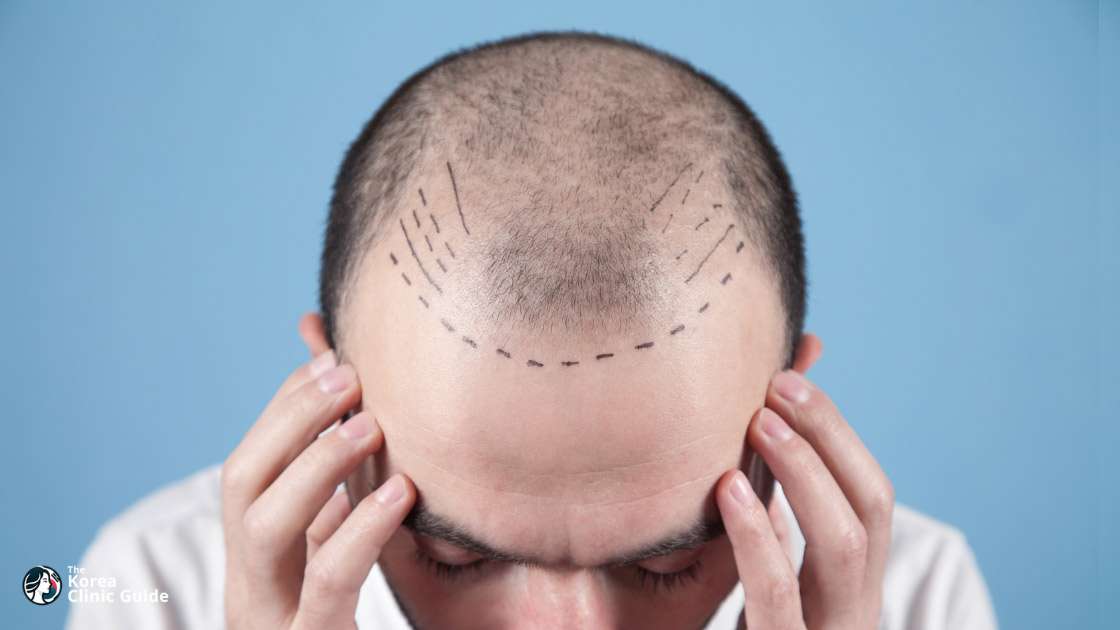
Table of contents
- Hair Transplant at a Glance
- What Is a Hair Transplant?
- Who Is a Good Candidate for a Hair Transplant?
- How Is a Hair Transplant Performed?
- Why Visit Korea for a Hair Transplant?
- Key Information for International Patients
- Which Are the Best Clinics in Korea for Hair Transplant?
- How Much Does a Hair Transplant Cost in Korea?
- Hair Transplant From Start to Finish
- Alternatives to a Hair Transplant
- How Can I Prepare for a Hair Transplant?
- Aftercare Advice
Considering treatment in Korea? Everything you need to know e.g. — how to avoid scams, visas, interpreters, recovery tips — in our Medical Tourism Master Guide. Plan with confidence in minutes, not weeks!
Last updated: September 2026
Hair Transplant at a Glance
- What it does — A hair transplant is an outpatient surgery that moves your own follicles, usually from the sides and back of the scalp, into thinning areas; it improves coverage but cannot create unlimited density or stop future loss of non-transplanted hair.
- Cost in Korea — Typical pricing is ₩6,000,000–₩15,000,000 (about US$4,400–$11,100), with the quote driven by graft count, treatment area, FUE versus FUT, shaving approach, sedation, and follow-up care.
- FUE vs. FUT — FUE removes individual grafts and leaves many small donor scars, while FUT removes a strip and leaves one linear scar; DHI, implanter pens, and sapphire blades are implantation workflows, not separate harvest methods.
- Recovery and results — Redness, scabs, swelling, and donor tenderness are most visible during days 2–7; transplanted shafts often shed within weeks, new growth usually begins at 3–6 months, and results are assessed at 6–12 months, with crown maturation up to 18 months.
- Best candidates — Strong candidates have confirmed pattern hair loss, a healthy scalp, stable and adequate donor density, and realistic expectations; active inflammatory or scarring scalp disease, unstable loss, or poor donor supply can delay or rule out surgery.
- Korea travel planning — For uncomplicated FUE, plan at least 4–7 days in Korea for assessment, surgery, and an early wash or review; FUT usually requires 10–14 days for suture or staple removal unless local handover is arranged.
- Key clinic check — Korea has international-patient infrastructure, but no independently audited public evidence proves superior national outcomes; obtain written confirmation that the named physician handles diagnosis, donor planning, harvesting, recipient-site creation, complications, and follow-up.
What Is a Hair Transplant?
A hair transplant is a procedure that redistributes a person’s own hair follicles from fuller areas to thinning or bald areas. It aims to improve scalp coverage and hairline framing for pattern hair loss or selected stable areas of hair loss, while preserving a natural appearance. It is a surgical procedure.
Who Is a Good Candidate for a Hair Transplant?
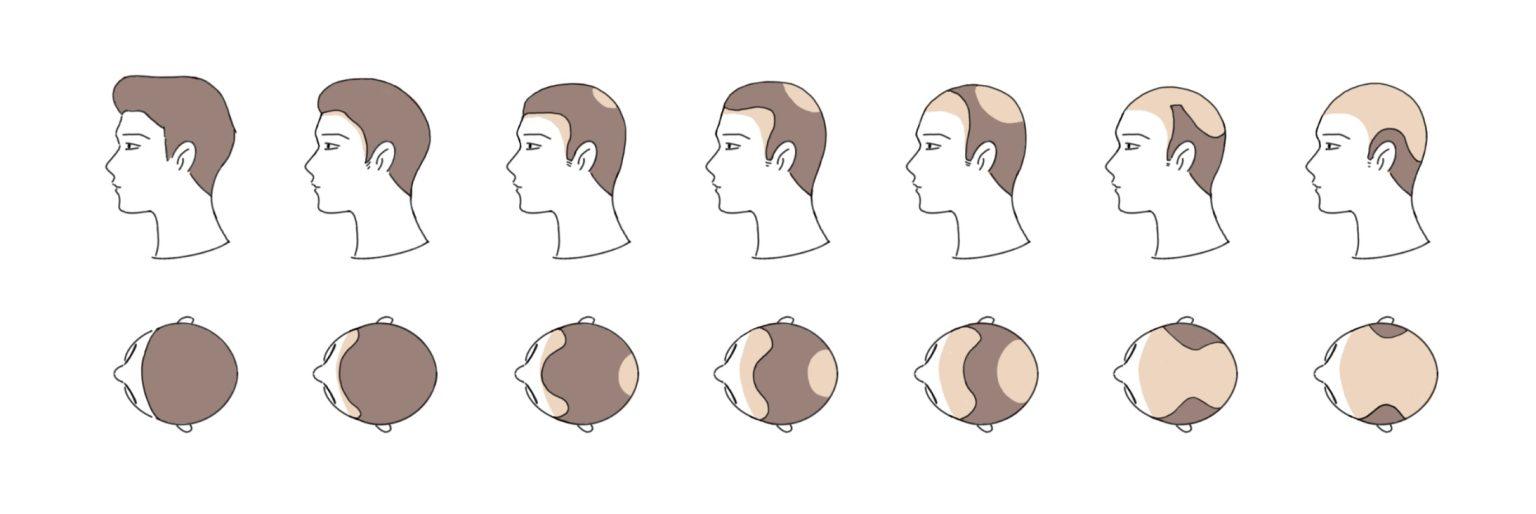
- Confirmed pattern hair loss — Strong candidates have androgenetic alopecia confirmed by scalp examination, adequate stable donor hair at the sides and back of the scalp, and enough visible thinning for transplantation to provide a meaningful coverage benefit.
- Stable, healthy scalp — Good candidates have no active infection, significant inflammation, or uncontrolled scaling in the donor or recipient area.
- Realistic coverage goals — Hair restoration surgery redistributes finite donor follicles; it improves framing and coverage but cannot recreate unlimited density or stop loss in surrounding non-transplanted hair.
- Long-term donor planning — Adults with progressive hair loss, a large crown area, or a family history of advanced baldness need a conservative hairline and a plan that preserves grafts for possible future work.
- Selected reconstructive goals — Stable scalp scars, inactive scarring alopecia, facial-hair restoration, and gender-affirming hairline work require diagnosis-specific assessment and individualized graft planning.
Hair transplantation is unsuitable while inflammatory or scarring alopecia—including lichen planopilaris, frontal fibrosing alopecia, folliculitis decalvans, or uncontrolled psoriasis—is active; trichoscopy and sometimes biopsy are needed before surgery. Active alopecia areata, diffuse unpatterned alopecia, marked donor miniaturization, inadequate donor density, rapidly progressing loss, and uncontrolled trichotillomania also rule out or delay treatment. Uncontrolled diabetes, hypertension, bleeding risk, major vascular disease, active infection, pregnancy or breastfeeding, and inability to follow medication or smoking instructions require postponement or specialist clearance. Assessment must also identify unrealistic density expectations or body dysmorphic disorder before an elective procedure.
How Is a Hair Transplant Performed?
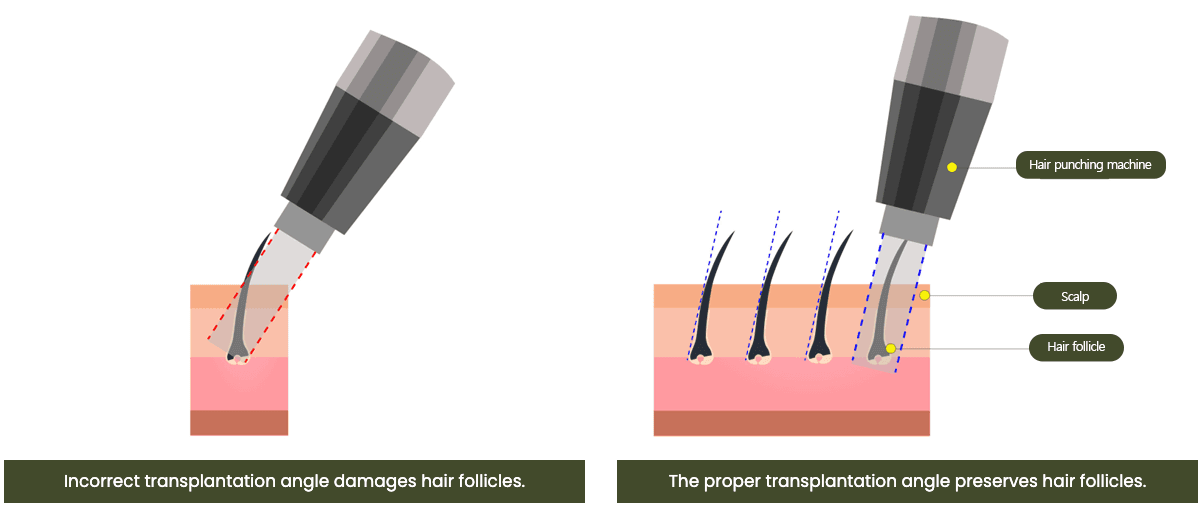
The key surgical decision is how follicles are harvested: follicular unit excision (FUE) or follicular unit transplantation (FUT). Terms such as DHI, implanter pen, direct implantation, and sapphire describe recipient-site or implantation workflow, not a third donor-harvest method.
- FUE / follicular unit excision — The surgeon removes individual follicular units using manual, motorized, or robotic punches, then implants them into prepared recipient sites. FUE leaves many small, distributed donor scars rather than one linear scar and can suit short-hairstyle preferences, a tight scalp, or selective harvesting. It is not scarless: excessive extraction can visibly thin the donor area.
- FUT / strip surgery — The surgeon removes a narrow strip of donor scalp, dissects it microscopically into follicular-unit grafts, and closes the wound with sutures or staples. FUT leaves a linear donor scar but can be appropriate when a larger graft number is planned in one session or extraction is difficult.
- Shaved, partial-shave, and non-shaven FUE — These describe how the donor area is prepared, not how many follicles can safely be taken. Suitability depends on hair length, donor density, graft target, and the surgeon’s ability to work without compromising donor preservation.
- Recipient sites and implantation — Hairline design, graft angle, direction, spacing, hydration, and handling have direct effects on naturalness and growth. A prospective observational sapphire-versus-steel study found higher measured graft survival with sapphire blades, but it was not a randomized blinded trial and does not establish long-term superiority of sapphire or DHI systems across clinics.
- Provider role verification — Obtain written confirmation of the named physician’s role in diagnosis, hairline design, donor harvesting, recipient-site creation, complication management, and follow-up. The ISHRS position statement states that these core surgical functions should be performed by trained, licensed physicians, with only lawful, supervised delegation where applicable.
Why Visit Korea for a Hair Transplant?
Korea has established clinical and research activity in hair transplantation and a national medical-tourism infrastructure for overseas patients. However, there is no high-quality comparative evidence showing that hair-transplant outcomes in Korea are superior to those in other countries, and no independently audited public clinic-level outcome benchmark was identified.
- Documented domestic clinical activity — Published Korean dermatology literature documents hair-transplant practice and research in Korea, but selected cohorts do not provide a national comparison of graft survival, complication rates, or revision rates.
- International-patient infrastructure — The official Medical Korea portal is a government-supported information resource for international patients seeking Korean healthcare services.
- Method over marketing — Device labels are heavily marketed internationally, including in Korea. The available comparative sapphire evidence remains observational, so choose a clinic on diagnosis, donor planning, named physician involvement, and follow-up rather than a branded implantation label.
- Transparency remains essential — No public, independently audited Korea-wide dataset reliably reports physician-versus-technician task allocation, complication rates, graft survival, revisions, or English-language continuity of care. Ask for these operational details in writing before booking.
Key Information for International Patients
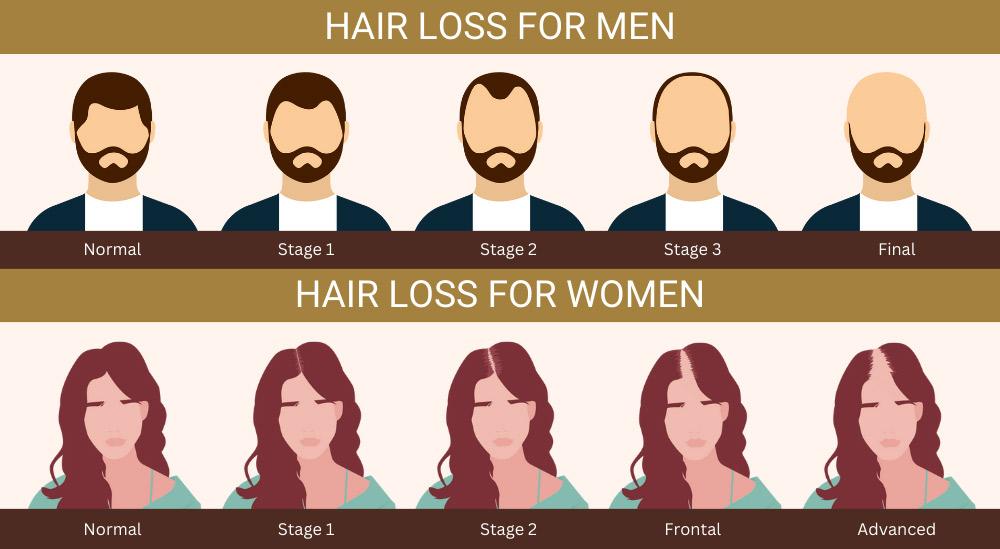
- Minimum stay — Plan at least 4–7 calendar days for an uncomplicated FUE procedure, allowing for in-person assessment or testing where needed, surgery, and an early wash or review. A 9–10 day stay is more conservative when practical.
- FUT timing — Remain in Korea for 10–14 days for suture or staple removal, or leave only with a confirmed local removal appointment and clinical handover.
- Flights home — No hair-transplant-specific study defines a universal safe interval before a long-haul flight. A broader aesthetic-tourism complication study links stays of five days or less and flights over four hours with worse outcomes in its general aesthetic-surgery cohorts; it does not establish a fixed rule for FUE or FUT. Obtain travel clearance from the operating surgeon based on sedation, bleeding, swelling, health risks, and access to follow-up.
- Early recovery and itinerary — Redness, pinpoint scabs, swelling, and donor tenderness are most noticeable during days 2–7. Keep the first week low-key; crowded transit, luggage, car doors, overhead bins, heat, and sweating can jeopardize graft care.
- Remote follow-up — Arrange photo reviews at about 1–2 weeks, 3–4 months, 6 months, and 12 months. Before departure, request operative notes stating the harvest method, graft count, recipient zones, donor plan, medicines, and emergency contact route.
- Sedation and accompaniment — A companion is not inherently required for local-anesthetic surgery, but arrange one when sedating medication is used. Do not drive after sedation.
Travel note: Book nearby accommodation with a clean shower and space to sleep with the head elevated during the first postoperative week. Keep flights flexible until the early wound review is complete.
Which Are the Best Clinics in Korea for Hair Transplant?
Listed below are some of the best clinics in Korea for hair transplant.
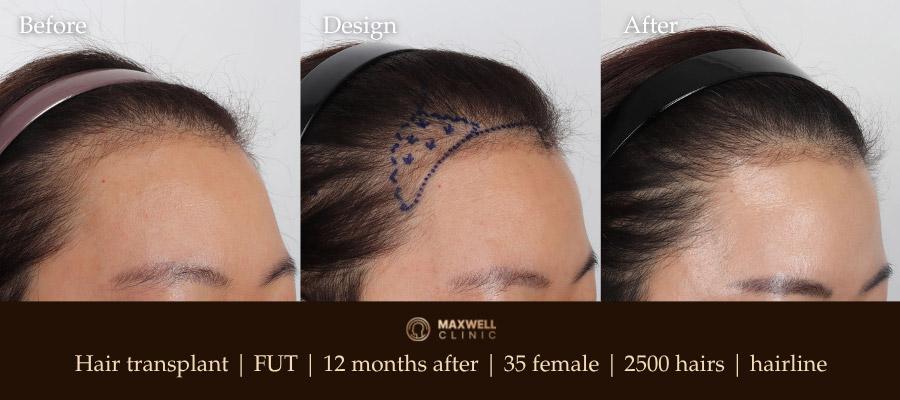
1. Maxwell Hair Clinic
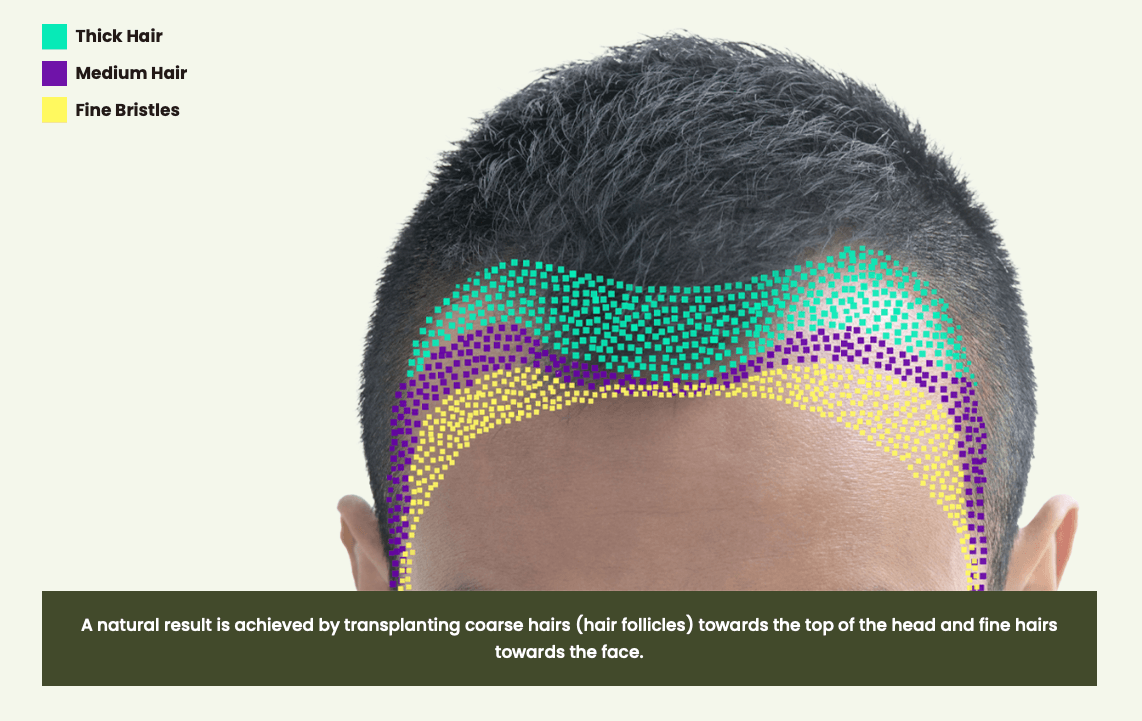
For a hair transplant, Maxwell Hair Clinic offers individualized FUE, FUT, or combined planning based on your scalp elasticity, existing density, and degree of hair loss, with particular emphasis on a naturally graduated hairline. Its approach places finer hairs at the front and thicker graft groupings behind, while using small punches and post-transplant growth support to help you return to routine activities promptly.
- URL: Maxwell Hair Clinic Website
- Location: Gangnam-gu, Seoul
- Procedure approach:
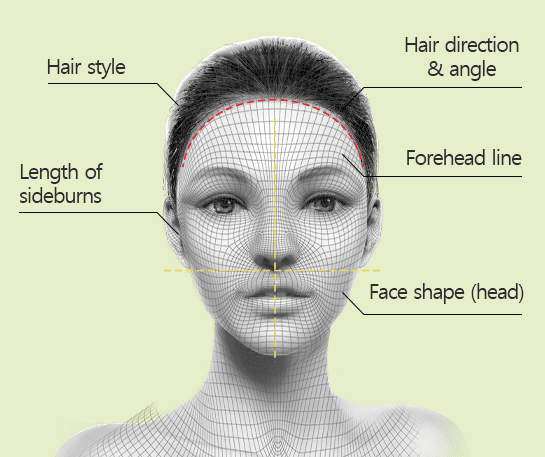
- Hairline design begins with laser planning and is manually adjusted to your facial proportions, forehead, and desired look.
- Gradation transplantation places fine hairs at the leading edge and progressively thicker hairs farther back.
- FUE, FUT, or a combined method may be selected after a scalp and hair-loss assessment.
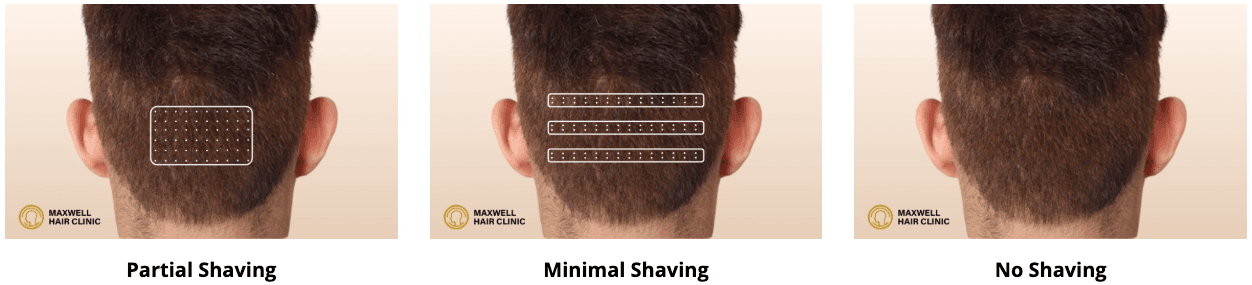
- Partial-shave, minimal-shave, and no-shave surgical options are described.
- Recovery and graft care:
- The clinic describes 0.9–1.2 mm punches and double suturing as scar-minimization measures.
- It states that next-day shampooing and return to daily life within two days may be possible.
- Growth factors and magnetic-field therapy are offered after transplantation to support graft growth.
- Aftercare guidance and revision surgery are available; scar laser treatment is also listed for prior surgical scars.
- Experience and services:
- The clinic states it has performed more than 60,000 hair transplants and has provided more than 500,000 treatment cases.
- Dr. Noh Yoon Woo is identified as founder and an executive member of the Korean Society of Hair Restoration.
- Services include male hair transplantation, women’s hairline correction, and hair-loss treatments.
- Online consultation and travel and accommodation assistance are listed for international visitors.
2. Seojin Plastic Surgery Clinic
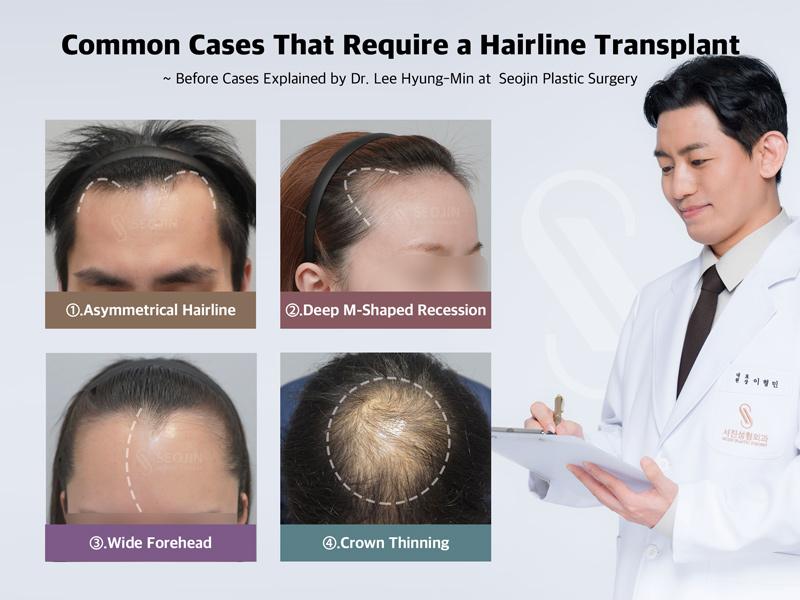
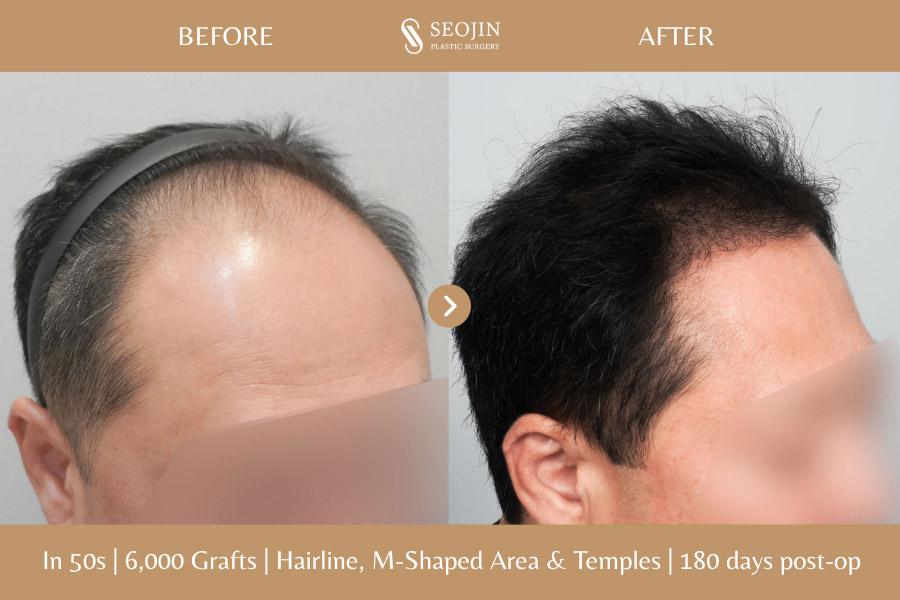
You may consider Seojin Plastic Surgery Clinic if you want a hair transplant planned directly by one doctor, Dr. Lee Hyungmin, with options spanning incision, non-incision, and mixed harvesting approaches. The clinic also describes large-session transplantation, custom facially balanced hairline design, and PRP-assisted grafting when graft preservation or follow-up access is an important consideration.
- URL: Seojin Plastic Surgery Clinic Website
- Location: Gangnam-gu, Seoul
- Surgical planning:
- Dr. Lee Hyungmin provides end-to-end care in this one-doctor clinic and is described as having more than 16 years of experience.
- Available approaches include line-cut, no-cut, and mixed methods.
- The clinic states that combined incision and non-incision methods can be used for sessions of 6,000 to 10,000 hairs.
- It reports more than 2,100 hair-transplant surgeries performed.
- Hairline and graft techniques:
- Hairline gradation uses fine, medium, and thicker hairs in sequence for a softer transition.
- Design considers your forehead, brow bone, temples, midface, lower face, and facial symmetry.
- A cold follicle-separation room is used to preserve harvested follicles.
- The clinic describes techniques intended to reduce graft popping when placing hairs closely together.
- Additional transplant options:
- PRP can be prepared from your own blood and transplanted with follicles; the clinic notes this option for crown areas and for those unable to attend frequent follow-ups.
- Beard and eyebrow transplantation are available.
- For eyebrow transplantation, a semi-permanent tattoo designer collaborates on the eyebrow design, while the head surgeon performs extraction and transplantation.
- Hair-loss treatment and scalp micropigmentation are also listed.
3. SH Clinic
For hair restoration, SH Clinic describes transplanting healthy follicles into thinning or bald areas with detailed hairline design and dense graft placement. Its stated hair-transplant offering uses advanced FUT techniques and aims for natural-looking, lasting coverage with minimal scarring.
- URL: SH Clinic Website
- Location: Seocho-gu, Seoul
- Procedure details:
- The clinic describes meticulous hairline design and dense graft placement for thinning or balding areas.
- Advanced FUT techniques are listed as the transplant approach.
- The clinic states that its FUT approach is intended to provide natural-looking, permanent results with minimal scarring.
- Non-surgical hair-loss care: Stem Cell Hair Loss Treatment is also listed, using autologous stem cells injected into the scalp to support dormant follicles and thicken existing hair without surgical grafting.
How Much Does a Hair Transplant Cost in Korea?
Hair transplant pricing is KRW 6,000,000–15,000,000 (approximately USD 4,400–11,100). Individual quotes vary because the surgical plan determines the graft workload, harvest approach, and perioperative requirements.
| Procedure Price | Korean Won (₩) | USD ($) |
|---|---|---|
| Low Price | ₩6,000,000 | $4,400 |
| High Price | ₩15,000,000 | $11,100 |
Exchange rate as of 2026-09-06: 1 KRW = 0.000741 USD.
What Affects the Price?
- Graft number and recipient-area coverage — Restoring a small frontal hairline requires fewer follicular units than covering the hairline, mid-scalp, and crown. Larger recipient areas require more donor harvesting, site creation, graft placement, consumables, and operating time; crown work may also need a staged plan to preserve limited donor supply.
- FUE versus FUT harvest — FUE extracts individual follicular units with punches, while FUT removes a donor strip that must be dissected into grafts and closed with sutures or staples. These approaches use different harvesting, graft-processing, wound-management, and follow-up resources; FUT also requires a defined suture or staple removal plan.
- Shaved, partial-shave, or non-shaven FUE — A selected non-shaven or partial-shave FUE plan requires working around existing hair during donor harvesting and recipient implantation. This adds procedural handling and can extend the operating workflow compared with a fully shaved donor approach.
- Sedation and early postoperative care — Local anesthesia and nerve blocks are standard surgical requirements, while planned IV sedation adds anesthesia monitoring and requires an escort after discharge. An early wash or postoperative review also uses clinical follow-up resources, particularly when travel timing requires care before departure.
Cost tip: Request an itemized quote stating what is included, with the planned FUE or FUT method, estimated graft count, recipient zones, anesthesia or sedation, medicines, early wash/review, suture or staple removal where relevant, and remote follow-up.
The USD figures are approximate conversions using the 2026-09-06 exchange rate of 0.000741 KRW per USD. Check the exchange rate again when budgeting.
Hair Transplant From Start to Finish
- Remote screening — Send clear photographs of the frontal hairline, temples, mid-scalp, crown, donor area, and any scars. Share prior transplant history, hair-loss treatments, medical conditions, allergies, and all medicines and supplements. Ask whether English-language or virtual consultation is available; photographs cannot reliably confirm donor capacity or diagnose inflammatory scalp disease.
- In-person assessment and design — The physician examines the entire scalp, donor density, donor miniaturization, scalp health, and recipient priorities. The consultation should establish a conservative, age-appropriate hairline, estimated graft range, FUE versus FUT plan, likelihood of staged surgery, and a strategy for protecting remaining native hair.
- Testing when indicated — Depending on medical history and the hair-loss pattern, testing can include blood count and platelets, coagulation studies, glucose or HbA1c, viral screening, or diagnosis-directed thyroid, iron/ferritin, nutritional, or androgen tests. Atypical shedding, inflammation, or scarring can require dermatology review, fungal testing, or scalp biopsy instead of immediate surgery.
- Surgery day — The team cleanses the scalp and administers local anesthetic and nerve blocks. The surgeon harvests grafts by FUE or FUT, creates recipient sites, and implants follicular units according to the agreed hairline, angle, and density plan. Local anesthesia alone generally does not require fasting; follow the clinic’s fasting instructions when IV sedation is planned.
- Same-day discharge — Most procedures are outpatient. Leave with written washing, medication, swelling-control, emergency-contact, and activity instructions, plus a scheduled next-day or early postoperative wash and review.
- Early postoperative care in Korea — Attend the clinic review before traveling. The team checks grafts and the donor area, reinforces washing technique, and assesses swelling, bleeding, pain, or wound concerns. FUT patients need suture or staple removal at approximately days 10–14.
- Overseas follow-up — Send standardized photographs on the agreed schedule and contact the operating clinic promptly for complications. Implanted shafts often shed during the following weeks; new growth usually starts at months 3–6, results are more meaningfully assessed at months 6–12, and crown maturation can continue through months 12–18.
Alternatives to a Hair Transplant
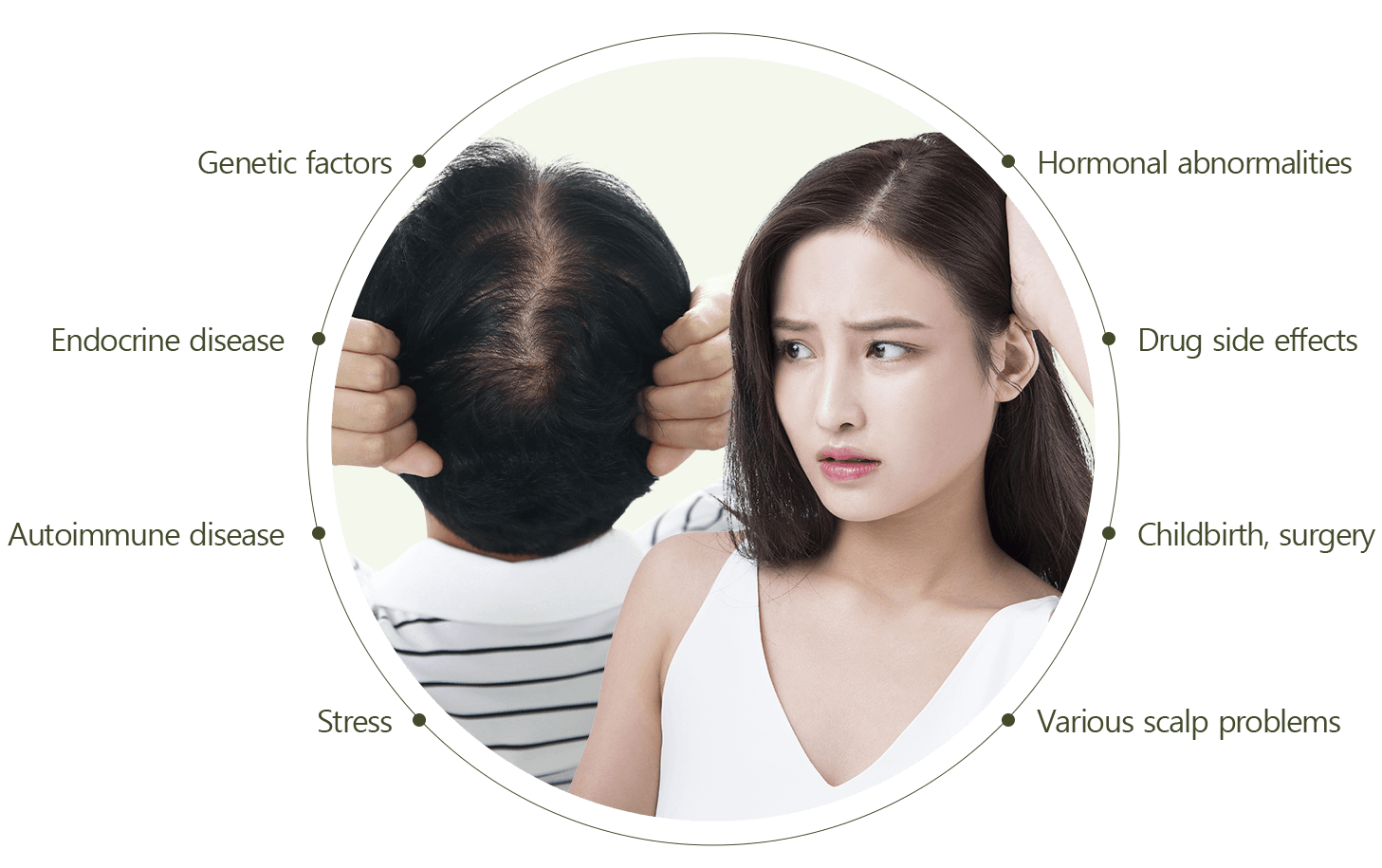
Non-surgical options can slow loss, improve the appearance of density, or camouflage scalp show-through, but they do not move permanent follicles into bald areas. Surgery offers follicle redistribution and lasting growth potential, while medical treatment and camouflage avoid surgical wounds and donor depletion but require ongoing treatment or maintenance.
Medical Hair-Loss Treatment
- Best use — First-line or companion treatment for androgenetic alopecia, especially when native-hair loss remains active.
- Options — Clinician-directed topical minoxidil, oral finasteride for appropriate male patients, and selected dutasteride or low-dose oral minoxidil can help preserve or improve native hair.
- Tradeoff — Benefits generally require ongoing use and individualized review of adverse effects, pregnancy potential, and medical history. See hair loss treatment.
PRP for Hair Loss
- Best use — An adjunct for selected patients with thinning who want a non-surgical option or support alongside medical therapy.
- Tradeoff — Protocols and evidence quality vary; PRP cannot replace an adequate donor supply or technically sound transplantation. See PRP for hair loss.
Scalp Micropigmentation
- Best use — Camouflage for a receding hairline, diffuse thinning, donor scars, or an appearance of closely cropped density.
- Tradeoff — Pigment reduces scalp-to-hair contrast but does not grow hair or halt hair loss. See scalp micropigmentation.
Scar Hair Transplantation
- Best use — Selected stable scars with adequate blood supply and no active inflammatory disease.
- Tradeoff — Scar tissue has less predictable graft survival than healthy scalp and often needs staged planning. See hair transplant on a scar.
How Can I Prepare for a Hair Transplant?
- Disclose every medicine — Provide anticoagulants, antiplatelets, aspirin, NSAIDs, diabetes medicines, antihypertensives, finasteride, dutasteride, oral or topical minoxidil, vitamin E, fish oil, and herbal products well before travel. Do not stop prescribed anticoagulants, antiplatelets, diabetes medicines, antihypertensives, or hair-loss drugs independently; coordinate changes with the operating surgeon and prescribing clinician.
- Confirm hair-loss medicine timing — There is no universal stop-and-restart schedule for minoxidil, finasteride, dutasteride, PRP, or other adjuncts. An international expert consensus supports structured perioperative care but does not replace an individualized medication plan.
- Stop smoking and avoid alcohol — Follow the clinic’s smoking-cessation instructions; smoking impairs wound healing and can reduce graft yield. Avoid alcohol and recreational drugs before surgery and during immediate recovery for the interval the surgeon specifies.
- Prepare the scalp — Shampoo as directed and avoid styling products on surgery day unless the clinic gives different instructions. Report scalp redness, pustules, scaling, sores, or a new rash before treatment.
- Follow fasting instructions — Eat normally for a local-anesthetic procedure unless instructed otherwise. When IV sedation is planned, follow the clinic’s exact fasting and clear-liquid schedule.
- Plan clothing and transport — Wear a clean button-front or zip-front top to avoid pulling clothing over fresh grafts. Arrange an escort and avoid driving when sedation is used.
- Build recovery time into travel — Arrive before surgery for assessment, reserve nearby accommodation, and choose flexible return flights. Avoid packing a tight itinerary during the first postoperative week.
Travel note: Protect the scalp from luggage, crowded transport, and overhead bins. Keep clinic contact details, operative documents, and prescribed medicines in hand luggage.
Confirm the treating doctor’s clinic-specific testing, medication, fasting, shaving, smoking, and travel requirements; individualized instructions take precedence over general guidance.
Aftercare Advice
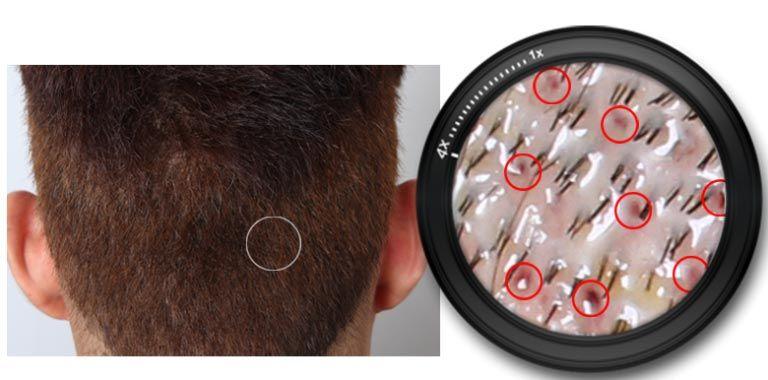
Protect fresh grafts from rubbing, pressure, sweat, contamination, and missed follow-up during the first postoperative week.
- Wash gently — Start washing only on the clinic’s timetable, usually using low-pressure water and gentle cleansing. Do not rub, scratch, or pick crusts; early traction can dislodge grafts.
- Control swelling safely — Sleep with the head elevated for the first week when instructed. Use cold packs on the forehead only, never directly over implanted grafts.
- Restrict exertion and heat — Avoid strenuous exercise, heavy lifting, sweating, swimming or submersion, direct sun, hair coloring, styling products, and scalp contact for the surgeon’s specified intervals. Restrictions depend on FUE versus FUT, wound burden, healing, and complications.
- Use headwear only when cleared — A loose, clean hat can be permitted after a defined interval, but pressure and friction on grafts must be avoided. Use SPF 50 on exposed, healed scalp only when the surgeon approves it.
- Recognize normal versus urgent changes — Redness, small scabs, tenderness, numbness, swelling, and shedding of implanted hair shafts over the next few weeks are common. Contact the clinic urgently for escalating pain, expanding redness or warmth, pus or foul drainage, fever, persistent bleeding, black or blistered skin, severe facial swelling affecting vision or breathing, fainting, chest symptoms, or suspected medication reaction.
- Track results realistically — New visible growth generally begins at months 3–6. Assess coverage at months 6–12; crown work can continue maturing through months 12–18. A second session can reflect a large treatment area, donor conservation, progressive native-hair loss, or a desire for greater coverage rather than procedural failure.
Follow the treating doctor’s instructions over general advice and contact the clinic promptly when anything appears wrong.
Frequently Asked Questions
Related Blogs
Sideburn Transplant in Korea: Methods, Recovery, Travel Planning, and Alternatives
Sideburn transplantation uses scalp follicular grafts placed at shallow angles to restore sparse, asymmetric, or scar-related sideburns, with FUE or FUT donor harvesting. The article covers candidacy, Korea travel planning, recovery, aftercare, regrowth timelines, and alternatives such as micropigmentation or scar reconstruction.
Updated: Sep 23, 2026
PRP Hair Loss in Korea: Candidacy, Treatment Process, Recovery and Travel Planning
PRP for early-to-moderate pattern hair loss involves drawing blood, preparing platelet-containing plasma, and injecting it into thinning scalp areas, commonly in three monthly sessions with individualized maintenance. The article covers candidate screening, Korea travel planning, preparation, aftercare, follow-up, and alternatives including minoxidil, hair transplant, and scalp micropigmentation.
Updated: Sep 20, 2026
Hair transplant on Scar in Korea: Methods, Recovery, Travel Planning and Results
Hair transplantation on a stable scar uses FUE or FUT grafts to camouflage hairless areas, with treatment planned around scar blood supply, donor hair, realistic density, and possible staged sessions. The article covers candidate screening, Korea travel planning, procedure steps, recovery timelines, aftercare, warning signs, and alternatives such as scalp micropigmentation or reconstructive surger
Updated: Sep 19, 2026
Scalp Tissue Expansion in Korea: Stages, Recovery, Risks and Travel Planning
Scalp tissue expansion is a staged reconstruction for stable localized hair-bearing scalp loss, using saline-filled expanders followed by advancement or rotation of expanded scalp to cover the defect. The article covers candidate screening, serial fills over months, international travel planning, recovery, aftercare, complication warning signs, and alternatives for complex scalp wounds.
Updated: Sep 19, 2026
Clinics offering Hair Transplant
SH Clinic: Comprehensive Women's, Men's & Couples' Health Services in Korea
Sinsa

Seojin Plastic Surgery Clinic Korea: Pioneering Advanced Cosmetic Procedures for Personalized Aesthetic Transformation
Apgujeong
Maxwell Hair Clinic: Korea's Premier Destination for Advanced Hair Restoration and Transplant Services
Gangnam Station

Okay Plastic Surgery Clinic in Korea: Comprehensive Aesthetic Procedures with Sincerity and Care
Cheongdam