
Medical Tourism Blog
Korea Lumps and Bumps: Revision Eye Surgery Solutions for Safe and Effective Treatment
Table of contents
- Revision Eye Surgery: A Detailed Medical Procedure
- What Causes These Irregularities?
- Which Are the Best Clinics in Korea for Lumps And Bumps?
- The Path to Revision Eye Surgery in Korea for International Patients
- Costs of Revision Eye Surgery in South Korea—And How They Compare Globally
- Patient Experiences and Outcomes: Tackling Fat Grafting Complications with Revision Eye Surgery
- Conclusion
- References
Considering treatment in Korea? Everything you need to know e.g. — how to avoid scams, visas, interpreters, recovery tips — in our Medical Tourism Master Guide. Plan with confidence in minutes, not weeks!
Fat grafting, also known as autologous fat transfer, lipograft, or lipofilling, involves moving a person's own adipose tissue from one part of the body to another. This popular surgical approach often addresses volume loss, contour issues, and cosmetic concerns around the eyelids and periorbital area. While it's generally safe and offers a natural solution thanks to the use of the patient's own tissue, sometimes the outcome can include unwanted "lumps and bumps." These irregularities can affect both appearance and self-esteem.
Revision Eye Surgery: A Detailed Medical Procedure
Revision eye surgery (or revision blepharoplasty) is designed for patients dissatisfied with prior eyelid surgery or those who develop complications. It’s a specialized procedure requiring a nuanced approach.
Why Consider Revision Eye Surgery?
The main goal is to correct both cosmetic and functional problems from earlier blepharoplasty or fat grafting. It focuses on restoring natural eyelid contour, balance, and movement.
Typical reasons to seek revision include:
- Eyelid Asymmetry: Uneven eyelid shape due to imbalanced tissue removal or healing.
- Visible Scarring: Noticeable scars from earlier incisions or healing problems.
- Drooping Eyelids (Ptosis): Slack upper eyelids affecting vision if muscle support is compromised.
- Inability to Close Eyes (Lagophthalmos): Resulting from too much skin removal, leading to irritation or vision issues.
- Overcorrection/Undercorrection: Excess removal causing hollowness or insufficient removal leading to little or no improvement.
- Fat Grafting Complications: Persistent contour irregularities, lumps, or fat necrosis.
- General Dissatisfaction: Unhappiness with the look or feel after surgery.
Why Is It More Complex Than First-Time Surgery?
Revision eye surgery poses special challenges:
- Altered Anatomy: Surgeons work with tissues that have already been operated on.
- Scar Tissue: Scars can make dissection tougher, change tissue elasticity, and mask normal anatomy.
- Reduced Blood Supply: Previous surgery can impact healing.
- Functional Concerns: Not just looks—correcting blinking or closure problems is often part of the plan.
Doctors typically recommend waiting 6-12 months after the original surgery before considering revision to allow for complete healing.
What Techniques Are Used?
Revision blepharoplasty is highly personalized. The surgeon may:
- Remove or reposition excess skin or fat.
- Tighten or adjust eyelid muscles and tissues.
- Correct asymmetries and imbalances.
- Revise scars using methods like Z-plasty.
- Use fat grafting to restore lost volume.
- Employ skin grafts or tissue rearrangement for complex issues.
- Perform canthoplasty to reshape the inner or outer corners of the eye.
Addressing Fat Grafting Issues
When it comes to post-grafting "lumps and bumps," surgeons use several specific approaches:
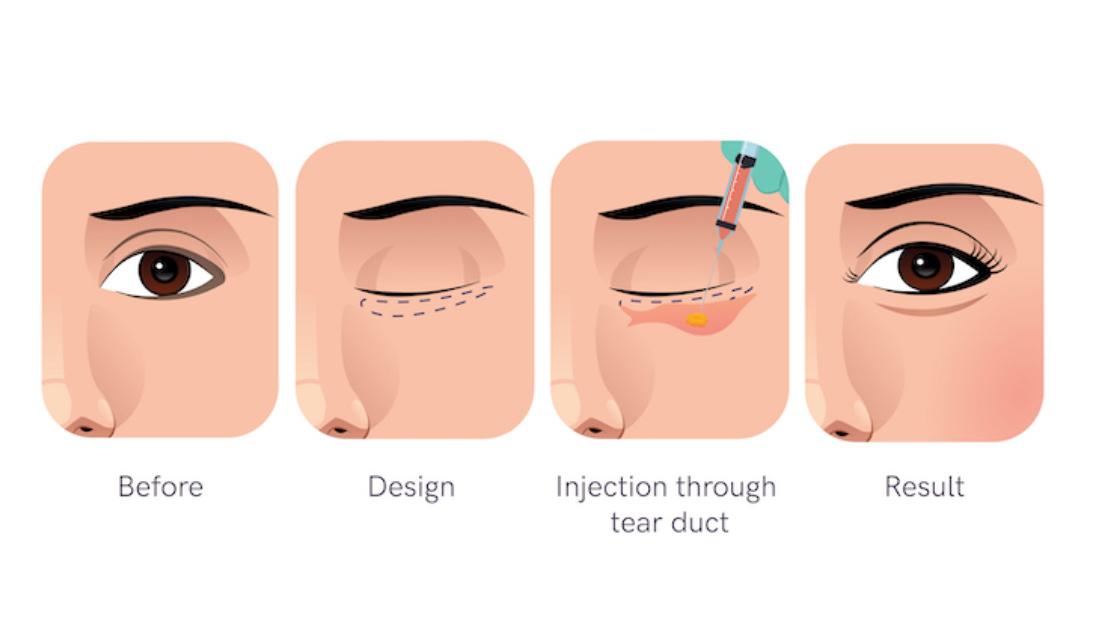
- Removal of Lumps/Bumps: Hard lumps from fat necrosis, oil cysts, or granulomas may be removed, often using micro-liposuction to refine contours.
- Fat Transfer Reversal: For overfilled areas, excess fat is surgically removed.
- Fat Grafting for Undercorrection: If hollowness remains, more fat can be transferred, carefully reinjected for natural volume.
- Steroid Injections: Useful for inflamed bumps.
- Massage Therapy: Sometimes, gentle massage helps break up minor scar tissue or calcifications.
The remedy depends on the type and extent of the complication, as well as the eye’s overall condition.
What Causes These Irregularities?
The term "lumps and bumps" covers a range of changes under the skin following a fat grafting procedure. These may appear as firm or hard lumps, nodules, or even areas of dimpling, sagging, redness, or bruising. The origins are varied and can involve natural biological responses, as well as the technical aspects of how fat is injected.
Fat necrosis is a main culprit, describing when transferred fat cells die due to injury or poor blood supply. This can lead to hard, tumor-like lumps (usually harmless), which might resolve over months or years. Sometimes, the breakdown of these cells creates oil cysts, encapsulated pockets of oil that may harden over time.
There are also granulomas—specifically called lipogranulomas after fat transfer—which are inflammatory lumps formed in response to the injected fat. Technical missteps during the procedure, such as placing fat too deeply or using large amounts in a single area, can cause lumps and contour problems. Existing or new scar tissue and calcifications at the injection site, sometimes due to previous trauma or surgery, add to this mix.
The unpredictable nature of fat cell survival also plays a role—some of the grafted fat will almost always be absorbed by the body and not survive. This variability can result in overcorrection (bulging or excessive fullness) or undercorrection (not enough volume), making the final contour less predictable and leading to the need for follow-up procedures. Asymmetry can also result from uneven fat distribution or healing.
In the first days after surgery, issues like prolonged swelling (edema) and bruising/bleeding can mimic lumps. Collections of blood, known as hematomas, may cause firm spots but typically resolve within weeks.
Alternative Terms You Might Hear
Different terms are often used alongside "lumps and bumps":
- Fat Necrosis: Classic medical term for dead fat tissue.
- Oil Cysts: Oil-filled pockets after fat cell death.
- Lipogranulomas: Inflammatory lumps after fat transfer.
- Nodules/Prominences: General terms for localized bulges.
- Contour Irregularities: Any unevenness or depressions.
- Botched Fat Transfer: Informal term for poor outcomes.
When Should You Get Help?
Minor irregularities or mild fat necrosis often resolve on their own. However, if you have persistent lumps, pain, or aren't happy with the way you look, it's worth consulting with a board-certified plastic surgeon. Early assessment ensures appropriate treatment and peace of mind.
Which Are the Best Clinics in Korea for Lumps And Bumps?
Listed below are some of the best clinics in Korea for lumps and bumps.
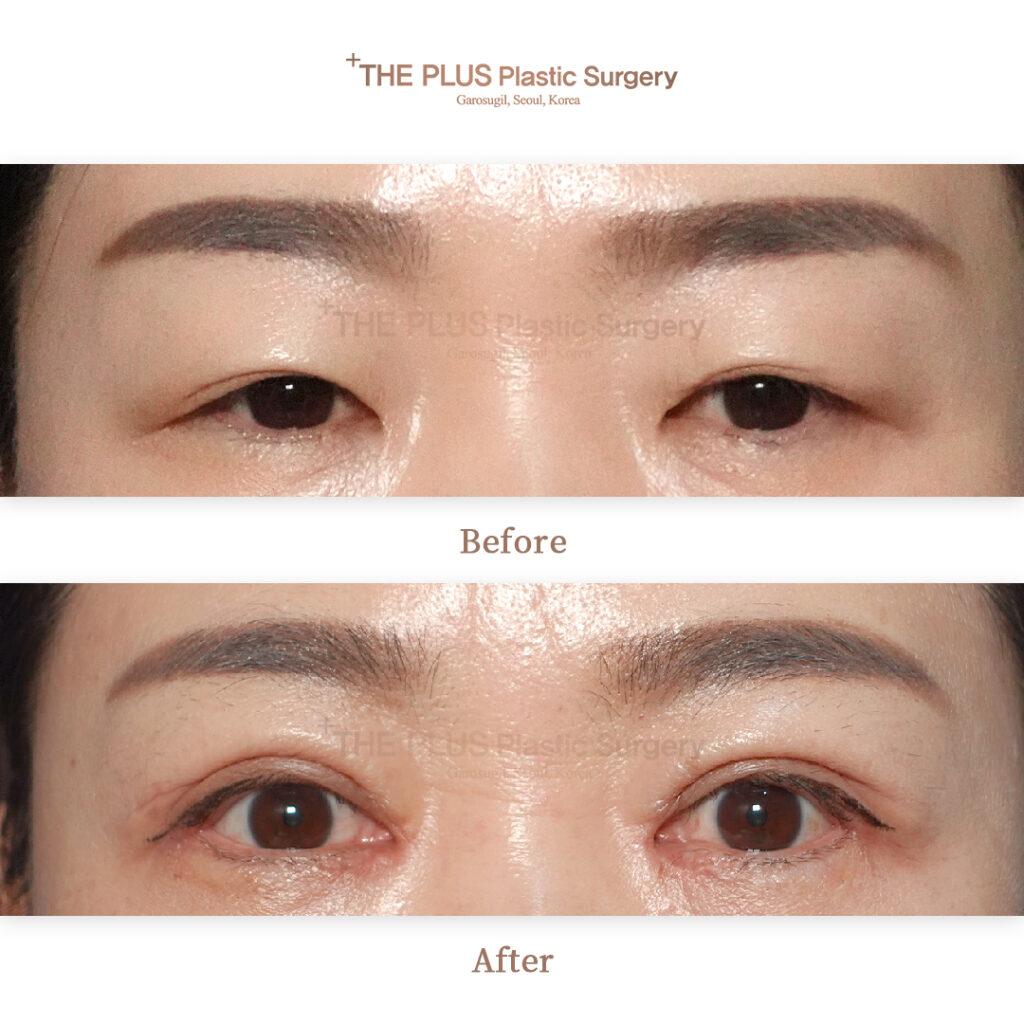
1. THEPLUS Plastic Surgery
For a lump or bump concern related to facial shape, localized fullness, or contour irregularity, you may consider THEPLUS Plastic Surgery for its facial contouring, facial implant, lifting, fat-grafting, and liposuction options. The supplied information does not specifically describe removal or diagnosis of skin or soft-tissue masses, so you should confirm whether your particular concern is appropriate for treatment there.
- URL: THEPLUS Plastic Surgery Website
- Location: Gangnam-gu, Seoul
- Relevant surgical options:
- Facial contouring options include cheekbone, square-jaw and chin surgery, plus facial implants for structural definition.
- Facelift, thread lift and facial fat grafting are offered for sagging or volume-related facial contour concerns.
- Liposuction is available for localized fat deposits; it is described as contouring rather than weight-loss treatment.
- Surgical expertise:
- Dr. Kim is a board-certified plastic surgeon whose stated areas of expertise include rhinoplasty and facial contouring; his research has received awards related to 3D implants.
- Dr. Jeong’s practice emphasizes combining nasal function with aesthetics and includes regular professional education roles.
- Dr. Lee specializes in breast augmentation and has worked as a surgery specialist at Seoul National University Hospital.
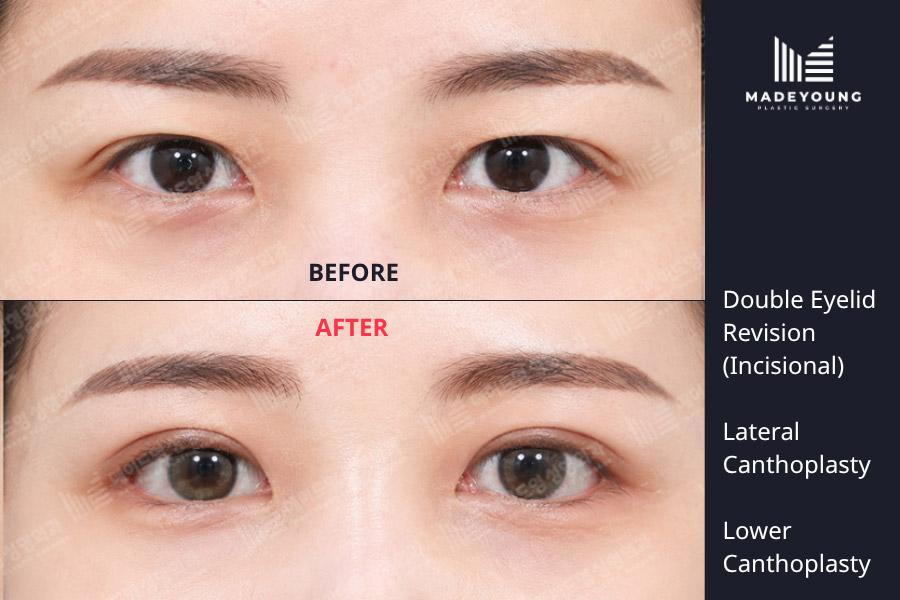
2. Made Young Plastic Surgery
If your concern involves a double chin, facial fullness, or a contour imbalance rather than a mass requiring medical diagnosis or excision, you can expect Made Young Plastic Surgery to discuss surgical and non-surgical facial contouring options alongside direct pre-procedure evaluation and structured anesthesia monitoring. The provided information does not specifically list treatment for removing lumps or bumps, so confirm the clinic’s suitability for your exact concern before proceeding.
- URL: Made Young Plastic Surgery Website
- Location: Seocho-gu, Seoul
- Relevant facial contour options:
- Double-chin lifting and double-chin liposuction are listed for improving the jawline and submental contour.
- Cheekbone reduction, jaw reduction, V-line surgery and genioplasty are offered for surgical changes to facial proportions.
- Non-surgical options include thread lifting, fillers or ultrasound-based V-line lifting, Shurink and Ultherapy.
- Care and monitoring:
- The clinic states that its medical team provides direct consultation and diagnosis before treatment.
- Full-time board-certified anesthesiologists, one-to-one anesthetic monitoring, emergency cross-check procedures and CCTV coverage are described.
- A separate aftercare center is listed for post-procedure care.
- Eye-surgery experience:
- Dr. Park Byung-Chan is described as having 15 years of experience exclusively in eye surgery.
- The stated approach customizes incision lines, crease height, eyelid thickness and overall eye shape.
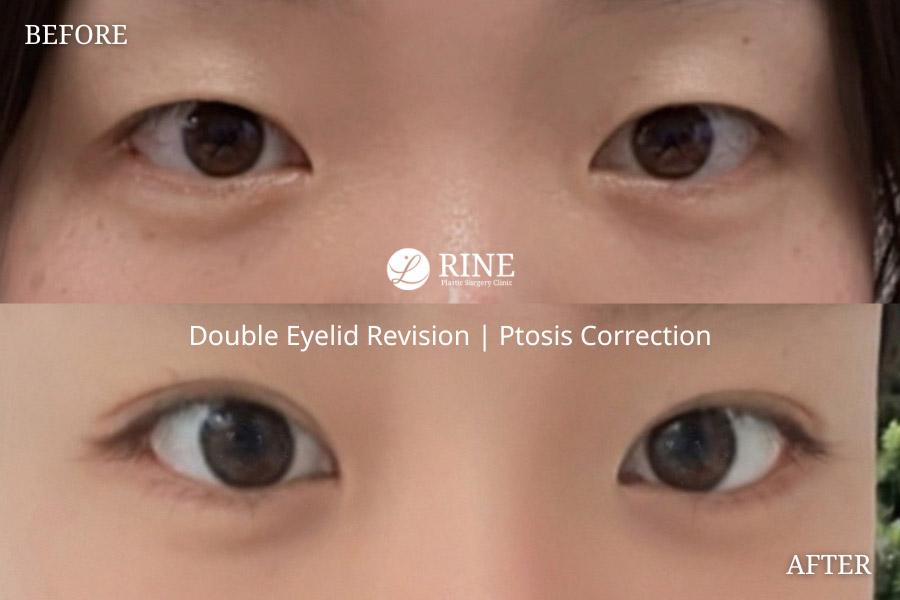
3. RINE Plastic Surgery Clinic
For a concern centered on under-chin fullness, loose neck tissue, or facial contour changes, you may consider RINE Plastic Surgery Clinic because it offers double-chin liposuction, double-chin lifting, and facial lifting options with director-led consultation through recovery. The supplied information does not specifically describe diagnostic assessment or removal of lumps or bumps, so you should verify that your concern can be evaluated and treated at the clinic.
- URL: RINE Plastic Surgery Clinic Website
- Location: Seocho-gu, Seoul
- Relevant contour options:
- Double-chin liposuction is offered to target submental fat and refine the neck-to-chin profile under local anesthesia.
- A double-chin lift is listed for loose neck skin and platysma laxity when liposuction alone may not address the concern.
- Facelift, minimally invasive facelift and thread lift options address facial laxity and contour changes.
- Director-led care:
- Board-certified plastic surgeon Director Jang Nam is described as personally managing consultation, surgery, treatment and recovery.
- The clinic reports more than 10,000 eye surgeries personally performed by the director and over 15 years of clinical experience.
- Treatment planning includes one-to-one line design based on facial proportions, skin condition and individual features.
- Equipment and recovery setting:
- The clinic lists a Stryker full-HD endoscope, FDA-approved genuine Endotine and WhiteLite bipolar equipment.
- Private one-person recovery rooms and a continuing aftercare system are described.
The Path to Revision Eye Surgery in Korea for International Patients
South Korea is renowned for cosmetic procedures, offering leading-edge techniques and patient-focused services for international visitors.
Getting Ready
- Initial Assessment: Patients submit photos and fill out a health/history questionnaire for an initial review by clinicians.
- Virtual Consultations: Many clinics offer online meetings so patients can detail their goals and medical history, showing makeup-free photos and sharing reference images.
- Medical Preparation: Bring recent lab results or get tested upon arrival. Stop Aspirin/Ibuprofen (two weeks ahead) and avoid all smoking, including vaping, as directed.
- Travel Planning: Check visa requirements and arrange accommodation near the clinic. Many prefer spring or fall for recovery comfort. Pack essentials, including a contact card for the clinic and insurance details.
Day of Surgery
- Clinic Visit: Patients fast for eight hours and shower. The surgeon finalizes markings and plans.
- Anesthesia: Revision eye surgery typically uses local anesthesia with sedation to keep patients comfortable.
- Immediate Aftercare: Following the 40-60 minute operation, staff and translators assist during recovery. Patients are monitored for up to two hours before discharge with medications and aftercare instructions, including sleeping with their head elevated.
Recovery Milestones
- Days 1-2: Swelling usually peaks and may reach the forehead. Regular use of cold packs is vital.
- Days 3-7: Swelling lessens, bruising fades, and stitches are removed by day seven.
- Days 7-14: Return to gentle activities as swelling resolves; special ointments help with healing.
- Days 14-21: Most recovery is complete, though vigorous exercise should still be avoided. Makeup can conceal any fading stitches.
- Days 21-30: Swelling continues to subside. A two-week leave from work is suggested for privacy.
- Days 31-60: Final settling occurs with improved symmetry.
- Days 60-90: Activities like swimming or sunbathing resume, but eye rubbing and sun exposure should be minimized.
- 6 Months to 1 Year: Eyes usually look normal within two weeks, but optimal results are visible by six months. If more revision is needed, waiting at least a full year is recommended.
What International Patients Should Know
Leading Korean clinics provide services like multilingual coordinators, translation, airport pickup, and recovery accommodations. Patients should confirm what’s included in their fee; comprehensive, all-inclusive pricing is common in South Korea.
Costs of Revision Eye Surgery in South Korea—And How They Compare Globally
Cost is a major influence for patients traveling abroad for surgical care.
Korea’s Cost Structure
Revision eye surgery in Korea generally costs 50-100% more than initial procedures, primarily due to the extra complexity and expertise required.
- Typical Costs: In Seoul’s Gangnam area, prices for revision eyelid surgery range from $4,000–$7,000 USD or more. Broader ranges are $2,200–$6,300 USD.
- What’s Included: Many clinics offer package pricing that covers:
- Surgeon’s fees
- Anesthesia
- Facility use
- Pre/post-surgery consultations (usually $50–$200 USD per visit)
- Medical exams/tests
- Medications and dressings
- Translator services
Always check the written inclusion list and inquire about extra costs for additional health tests or medications.
Comparing Costs by Country
South Korea’s fees are generally lower than those found in the US, UK, or Australia, but higher than other destinations like Thailand or Turkey. When considering medical tourism, remember to factor in travel, accommodation, and daily expenses.
| Country/Region | General Eyelid Surgery (USD) | Revision Eyelid Surgery (USD) | Notes for Tourists |
|---|---|---|---|
| South Korea | $1,500 – $4,500 | $4,000 – $7,000+ | Advanced care, all-inclusive packages common |
| United States | $3,022 – $12,000 | $5,000 – $20,000+ | Highest costs, itemized billing |
| United Kingdom | $2,500 – $7,500 | $6,200 – $13,700 | High quality, higher price than Asia |
| Australia | ~$4,500 | Not specified | Comparable to US/UK |
| Turkey | $1,500 – $3,000 | $2,000 – $8,000 | More affordable, competitive medical tourism |
| Thailand | $1,000 – $4,000 | Not specified | Lower pricing for primary procedures |
Note: Currency rates and individual clinics may vary. Revision costs generally run 50–100% higher than primary surgery.
Additional Expenses for Travelers
Those coming from abroad should budget for:
- Flights: $700–$1,500 USD round-trip.
- Lodging: $30–$150 USD per night for 10–14 nights.
- Food/Transport: $20–$50 USD daily; local transport is inexpensive.
- Miscellaneous: Additional medications, recovery supplies, etc.
Although surgery may cost less than in the US or UK, once travel and lodging are added, total savings can be less dramatic. For complex revision cases needing advanced techniques, South Korea remains attractive due to its expertise.
Patient Experiences and Outcomes: Tackling Fat Grafting Complications with Revision Eye Surgery
Revision eye surgery after fat grafting complications has delivered meaningful improvements for many patients—both in appearance and psychological health.
How Well Does It Work?
Revision blepharoplasty is regarded as very effective for:
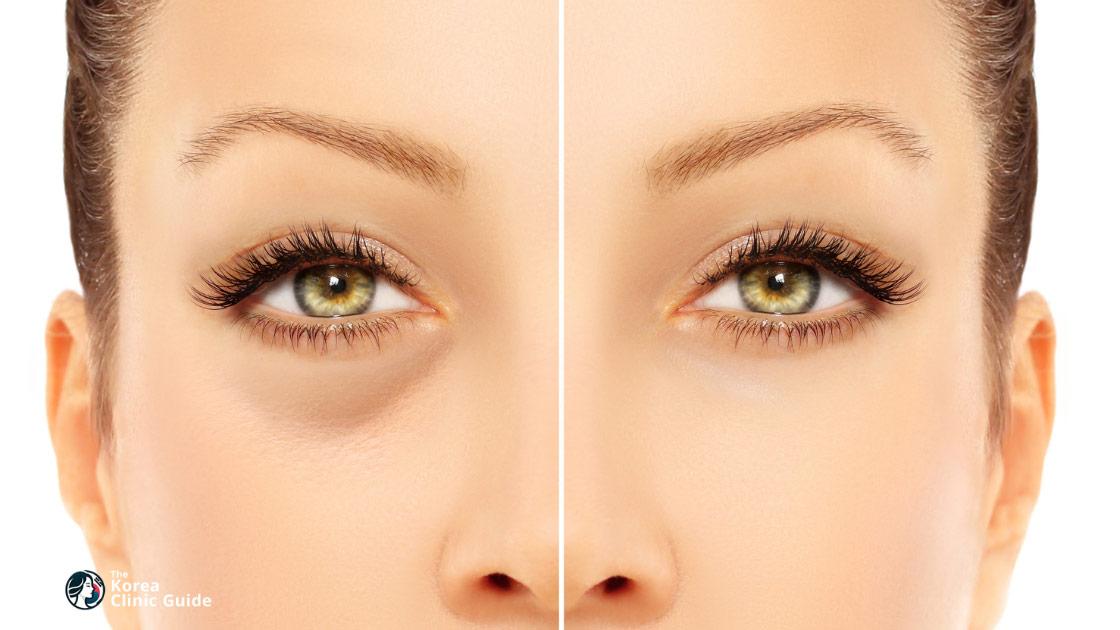
- Removing Lumps and Bumps: Addressing fat necrosis, granulomas, or puffiness.
- Correcting Contour Issues: Using micro-liposuction or fat transfer reversal to address unevenness.
- Restoring Symmetry: Refining uneven eyelids.
- Managing Over/Undercorrection: Removing excess or adding needed volume for a balanced look.
Real-Life Patient Stories
Numerous success stories back up these clinical results. Patients cite outcomes like "natural" looks and disappearance of under-eye lumps. Cases show effective removal of fat lumps and granulomas, even in challenging scenarios such as young mothers or models. Scarless removal from inside the lower eyelid has also been documented for diverse patients.
What Do the Numbers Show?
Meta-analyses indicate satisfaction rates with autologous fat grafting around 90.9%, and reconstructive facial fat grafting yielding high approval from both patients and surgeons. Revision surgery carries more risks than first-time procedures due to tissue changes and previous scarring, increasing complexity and occasionally limiting improvement. That said, in skilled hands, revision surgeries can bring substantial benefits.
The Psychological Upside
Complications from fat grafting can cause anxiety, self-esteem issues, and social withdrawal. Revising these complications not only improves appearance but also restores confidence, lifting a significant emotional burden from patients.
Conclusion
"Lumps and bumps" after fat grafting—mainly due to fat necrosis, oil cysts, or technical missteps—can significantly affect patient satisfaction. Revision eye surgery (revision blepharoplasty) offers an effective solution, though it is more complex than primary procedures and requires advanced surgical expertise. South Korea stands out for its high-quality care and comprehensive patient support, though total costs—including travel—should be considered. Overall, the procedure boasts high satisfaction for those needing correction, restoring both physical appearance and patient confidence.
References
1, 2, 3, 4, 5, 6, 7, 8, 9, 10, 11, 12, 13, 14, 15, 16, 17, 18, 19, 20, 21, 22, 23, 24, 25, 26, 27, 28, 29, 30, 31, 32, 33, 34, 35, 36, 37, 38, 39, 40, 41, 42, 43, 44, 45, 46, 47, 48, 49, 50, 51, 52, 53, 54, 55, 56, 57
Frequently Asked Questions
Related Blogs
Eyelid Retraction Repair in Korea: Methods, Recovery, Travel Planning, and Alternatives
Eyelid retraction repair repositions an upper or lower eyelid through retractor recession, scar release, spacer grafting, or support procedures based on tissue shortage, scarring, and corneal exposure. International patients should plan 10–14 days in Korea for uncomplicated repair, arrange early review and home follow-up, and obtain surgeon clearance before flying.
Updated: Sep 19, 2026
Love Band Surgery in Korea: Methods, Recovery, Risks and Travel Planning
Love band surgery augments the narrow pretarsal aegyo-sal roll beneath the lower lashes using HA filler, fat, grafts, implants, or tissue plication, with method-specific reversibility, recovery, and revision considerations. The article covers candidate screening, Korea travel planning, treatment steps, aftercare, emergency warning signs, follow-up, and alternatives for eye bags, tear troughs, laxi
Updated: Sep 15, 2026
Revision Eye Surgery in Korea: Methods, Recovery, Risks and Travel Planning
Revision eye surgery addresses healed concerns after prior eyelid procedures through scar release, crease or ptosis correction, volume restoration, or lower-lid support while protecting blink and corneal function. In Korea, plan at least 10–14 days for early review and possible suture removal; prices are ₩2,600,000–₩7,500,000 (about US$1,900–$5,600).
Updated: Sep 15, 2026
Under Eye Fat Grafting in Korea: Candidacy, Recovery, Risks, and Travel Planning
Under-eye fat grafting uses harvested, processed fat placed in small parcels to restore tear-trough and lid-cheek volume; Korea pricing is ₩1,000,000–₩2,000,000 (about US$700–$1,500). International patients should plan 8–10 days for assessment, outpatient treatment, early review and pre-flight clearance, with swelling and bruising often visible for 1–2 weeks.
Updated: Sep 14, 2026
Clinics offering Revision Eye Surgery
RINE Plastic Surgery Clinic | Facelift and Eye Rejuvenation Surgery
Nonhyeon

THEPLUS Plastic Surgery Korea | Eye, Nose, Face & Body Surgery
Sinsa

Made Young Plastic Surgery: Rejuvenating Aesthetic Excellence in Korea for Face Lifts, Contouring and More
Gangnam Station

LABOM Plastic Surgery: Expertise in Non-Surgical Nose, Facial Lifting & Anti-Aging Surgeries in Korea
Apgujeong