Medical Tourism Blog

Procedure

Epicanthoplasty in Korea | Best Clinics, Costs, Procedure Types & More

Epicanthoplasty in Korea | Best Clinics, Costs, Procedure Types & More
Wednesday, May 13, 2026

Table of contents

Considering treatment in Korea? Everything you need to know e.g. — how to avoid scams, visas, interpreters, recovery tips — in our Medical Tourism Master Guide. Plan with confidence in minutes, not weeks!


Have you ever wondered how a tiny change at the inner corner of the eye can transform the entire look of the face? In Korea, epicanthoplasty has become a widely sought-after procedure for creating a more open, refined, and naturally balanced eye shape. This article breaks down what epicanthoplasty is, how it is performed, what recovery is like, and how much it typically costs in Korea. It also explores the risks, revision concerns, and alternative procedures patients may want to consider before making a decision.

Epicanthoplasty is a cosmetic eye surgery designed to reshape the inner corner of the eyes by reducing the appearance of the epicanthal fold, and in Korea it has become a widely discussed option for patients seeking a more open, defined eye appearance. This article will explain what epicanthoplasty is, how the procedure is commonly approached in Korea’s advanced cosmetic surgery landscape, and what patients can generally expect in terms of consultation, technique, and recovery. It will also explore the typical cost of epicanthoplasty in Korea, including factors that can influence pricing, and review alternatives to epicanthoplasty for those who may want different surgical or non-surgical options to enhance the eye area.

What Is Epicanthoplasty?

Epicanthoplasty is a cosmetic eyelid procedure designed to reduce or reshape the epicanthal fold, the crescent-shaped fold of skin that partially covers the inner corner of the eye (the medial canthus). In many East Asian patients, this fold is a normal anatomical feature. Epicanthoplasty is performed to make the inner corner of the eye appear more open, increase visible eye length, create a cleaner line from the upper eyelid to the inner corner, and often to enhance the results of double eyelid surgery.

In Korea, epicanthoplasty is one of the most commonly discussed adjunctive eyelid procedures because it can subtly change the balance of the eyes without making them look artificially large when planned carefully. The procedure is most often performed as medial epicanthoplasty, which addresses the fold at the inner corner. In some cases, patients also hear terms like reverse epicanthoplasty or epicanthal fold reconstruction, which refer to revision surgery when the inner corner has been over-opened or scarred.

Although epicanthoplasty is usually considered an aesthetic procedure, its planning is highly anatomical. Surgeons evaluate the shape of the epicanthal fold, the amount of skin tension across the inner corner, the distance between the eyes, the visibility of the pink inner tissue called the lacrimal caruncle, the presence or absence of a supratarsal crease, and the overall proportions of the face.

Why people consider epicanthoplasty

Patients typically seek epicanthoplasty for one or more of the following reasons:

  • To reduce the appearance of a prominent epicanthal fold
  • To reveal more of the inner corner of the eye
  • To make the eyes appear longer horizontally
  • To create a more defined or refined inner eye line
  • To improve symmetry between the two eyes
  • To enhance or balance the outcome of double eyelid surgery
  • To correct a previously over- or under-corrected inner corner from earlier eyelid surgery

In Korea, many patients request natural-looking refinement rather than dramatic widening. The goal is often to preserve ethnic identity while improving definition and harmony.

The epicanthal fold: anatomy and appearance

The epicanthal fold is a vertical skin fold extending from the upper eyelid down toward the inner corner of the eye. It can partially cover the lacrimal caruncle and make the inner corner look rounded or closed.

The fold varies widely in:

  • Thickness
  • Height
  • Length
  • Symmetry
  • Tension
  • Degree of coverage of the inner corner

Not every epicanthal fold is suitable for surgery, and not every fold needs correction. In some patients, the fold is mild and contributes positively to facial softness and balance. In others, it may be thick or prominent enough that opening the inner corner creates a more proportionate appearance, especially if the patient is also having upper blepharoplasty or double eyelid creation.

Who Is Epicanthoplasty For?

Epicanthoplasty may be appropriate for patients who:

  • Have a prominent epicanthal fold that covers much of the inner corner
  • Want the eyes to appear more open or longer
  • Are planning double eyelid surgery and want the crease to connect more naturally to the inner corner
  • Feel the inner corners look rounded, crowded, or asymmetric
  • Have adequate healing capacity and realistic expectations
  • Want revision of a previous epicanthoplasty due to scarring, asymmetry, or overexposure

Common ideal candidates

A surgeon may consider epicanthoplasty for patients with:

  • Strong medial skin tension: the skin fold pulls across the inner corner
  • Partially hidden lacrimal caruncle: little of the pink inner corner is visible
  • Shorter visible palpebral fissure length: the visible horizontal opening of the eye appears relatively short
  • Asymmetry of the epicanthal folds: one eye has a tighter or more prominent fold than the other
  • Low or buried double eyelid crease: especially when combined with upper eyelid surgery

Patients who may need extra caution

Epicanthoplasty requires careful patient selection. It may be less suitable, or require a more conservative approach, in patients who:

  • Are prone to hypertrophic or visible scarring
  • Have unrealistic expectations of dramatically changing eye shape
  • Already show significant inner corner exposure
  • Have dry eye symptoms or ocular surface disease that could be aggravated by surgery
  • Have very close-set eyes, where opening the inner corners too much may create imbalance
  • Have had prior eyelid surgery with scar tissue
  • Have active skin disease, infection, or uncontrolled medical problems affecting healing

A consultation with an experienced oculoplastic or facial plastic surgeon is essential because very small changes at the inner corner can alter the whole expression of the face.

Goals of Epicanthoplasty

The procedure is not simply about “making the eyes bigger.” Its main goals are usually more nuanced:

  • Opening the inner corner without overexposing it
  • Reducing the skin fold while preserving natural contours
  • Creating a smoother transition between the upper eyelid crease and the medial canthus
  • Improving symmetry
  • Maintaining facial harmony with the nose, brow, and distance between the eyes
  • Minimizing visible scarring

In Korean aesthetic practice, a successful epicanthoplasty is often one that makes the eyes look clearer and more refined while still appearing natural at rest and in expression.

Types of Epicanthoplasty

The term “epicanthoplasty” is often used broadly, but there are several related surgical approaches.

Medial epicanthoplasty

This is the most common form and the one most people mean when discussing epicanthoplasty in Korea. It addresses the inner corner of the eye by reducing the epicanthal fold and exposing more of the medial canthus.

Typical goals of medial epicanthoplasty

  • Reveal more of the lacrimal caruncle
  • Lengthen the visible inner portion of the eye
  • Sharpen a rounded inner corner
  • Improve continuity with a double eyelid crease
  • Correct asymmetry between inner corners

Reverse epicanthoplasty

Also called epicanthal fold reconstruction, this is a revision procedure performed when a previous epicanthoplasty has opened the inner corner too aggressively, created visible scarring, or resulted in an unnatural shape.

Reverse epicanthoplasty may be used to:

  • Recreate some degree of the epicanthal fold
  • Reduce overexposure of the inner corner
  • Soften a harsh or pointed appearance
  • Improve scar camouflage
  • Restore a more natural inner eye contour

This is technically challenging because revision tissue often contains scar formation and altered skin tension.

Surgical Technique Variations

Different surgeons use different methods depending on the patient’s anatomy, the amount of fold reduction needed, skin quality, and scar risk. The main principle is to redistribute tissue so that the fold no longer pulls tightly across the inner corner.

Skin redraping technique

This is one of the most common modern approaches in Korea. Rather than simply cutting away skin, the surgeon repositions and redrapes the tissue so that tension is reduced and the inner corner opens more naturally.

Advantages

  • Often produces a more natural contour
  • May reduce tension on the scar
  • Can be tailored conservatively
  • Commonly used together with double eyelid surgery

Z-plasty

Z-plasty uses transposed triangular flaps to redirect tension and lengthen contracted tissue. It has long been used in plastic surgery and can also be applied to the epicanthal area.

Potential benefits

  • Helps redistribute tension
  • Can improve mobility of the skin
  • Useful in some revision or scar-related cases

Considerations

  • The design is more geometric and may not suit every aesthetic goal
  • Scar placement must be planned very precisely

V-Y advancement or Y-V techniques

These flap-based methods involve advancing tissue to alter the shape and coverage of the inner corner.

Possible uses

  • Mild to moderate fold correction
  • Select cases where tissue movement rather than skin removal is preferred

Modified flap techniques

Many Korean surgeons use proprietary or modified methods based on classic flap surgery principles. These are often designed to:

  • Hide scars along natural creases
  • Control the amount of opening very precisely
  • Reduce the risk of webbing or contracture
  • Integrate smoothly with double eyelid surgery

Because naming conventions vary among clinics, patients should focus less on the branded name of a technique and more on:

  • How much opening is planned
  • Where scars will lie
  • Whether the plan is conservative or aggressive
  • The surgeon’s revision rate and before-and-after results

Epicanthoplasty and Double Eyelid Surgery

Epicanthoplasty is frequently performed at the same time as double eyelid surgery in Korea. This combination is popular because the epicanthal fold can affect how a double eyelid crease appears near the inner corner.

Why they are combined

In some patients, a strong epicanthal fold causes the crease to look:

  • Hidden medially
  • Tapered more than desired
  • Uneven from one eye to the other
  • Disconnected from the inner corner

By softening the fold, the surgeon may allow the eyelid crease to extend more naturally toward the inner eye, especially when the patient wants an in-out or slightly parallel crease design.

Important considerations when combining procedures

The plan must remain balanced. Too much crease height combined with too much inner corner opening can create an unnatural result. Korean surgeons often aim for subtle coordination between:

  • Crease height
  • Crease shape
  • Inner corner exposure
  • Brow-eye distance
  • Overall eye length

How the Procedure Is Performed

Exact steps vary by technique and surgeon, but epicanthoplasty generally follows a standard process.

Preoperative planning

Before surgery, the surgeon evaluates:

  • Strength and direction of the epicanthal fold
  • Skin thickness and elasticity
  • Symmetry of both eyes
  • Visibility of the lacrimal caruncle
  • Eye shape and horizontal length
  • Intercanthal distance, or the space between the inner corners
  • Relationship to the nasal bridge and brow
  • Existing scars or prior surgery
  • Tear duct anatomy and the need to avoid the lacrimal drainage system

The amount of intended opening is usually marked very carefully. Overcorrection is one of the main concerns in epicanthoplasty, so meticulous planning is critical.

Anesthesia

Epicanthoplasty is commonly performed under:

  • Local anesthesia with or without sedation
  • Sometimes in combination with other eyelid procedures under a deeper level of anesthesia

Local anesthetic is injected around the inner eyelid area to numb the tissue. Patients may feel pressure or movement but should not feel sharp pain during the operation.

Operative steps

In general, the surgeon will:

  1. Mark the incision design around the medial canthus
  2. Create small, strategically placed incisions
  3. Release or redistribute the skin fold and underlying tension
  4. Redrape or transpose tissue depending on the chosen technique
  5. Adjust the contour of the inner corner conservatively
  6. Close the incision with fine sutures to minimize visible scarring

The procedure is delicate because the tissue is thin and the anatomy of the tear drainage system is nearby. Precision matters more than the size of the incision.

Duration

Epicanthoplasty alone may take roughly 30 minutes to 1 hour, depending on:

  • Surgical complexity
  • Whether one or both sides are difficult
  • Whether it is primary or revision surgery
  • Whether double eyelid surgery is performed at the same time

Recovery After Epicanthoplasty

Recovery varies by technique, skin type, and whether the surgery was combined with other procedures. Most patients experience a predictable recovery pattern.

Early recovery: first few days

Common early symptoms include:

  • Swelling
  • Mild bruising
  • Tightness at the inner corners
  • Temporary redness
  • Slight asymmetry while tissues are healing

Cold compresses, head elevation, and rest are often recommended during the first 48 hours, as directed by the surgeon.

First week

During the first week:

  • Swelling remains noticeable
  • The incision lines may look pink or red
  • Small crusts can form along the suture line
  • The inner corners may look sharper or more open than expected due to swelling and tissue tension

Sutures are often removed around 5 to 7 days, though this depends on the surgeon’s protocol.

Weeks 2 to 6

At this stage:

  • Bruising usually resolves
  • Swelling decreases gradually
  • The inner corner shape begins to soften
  • Scars may temporarily appear more visible before they mature

Patients often feel socially presentable after 1 to 2 weeks, but the final contour is not yet settled.

Long-term healing

Scar maturation continues for several months. The final result may take 3 to 6 months, and sometimes longer in revision cases or in patients with prolonged swelling.

During this period:

  • Scar redness generally fades
  • The inner corner contour becomes softer
  • Minor asymmetries may improve as swelling resolves
  • Tissue tension relaxes gradually

Postoperative Care

Aftercare plays an important role in scar quality and overall healing.

Common postoperative instructions

Surgeons may advise patients to:

  • Keep the area clean and dry as instructed
  • Use prescribed ointments or drops if provided
  • Avoid rubbing the eyes
  • Avoid contact lenses temporarily if recommended
  • Sleep with the head elevated
  • Refrain from strenuous exercise for a period of time
  • Protect healing scars from sun exposure
  • Attend follow-up visits to monitor scar formation and symmetry

Scar care

Because the incision is near the inner corner, scar management is especially important. Depending on the surgeon’s preference, scar care may include:

  • Silicone gel or silicone sheeting after the wound has closed
  • Gentle scar massage later in recovery if advised
  • Sun protection to reduce post-inflammatory pigmentation
  • Laser or other scar treatments in selected cases

Patients with a history of more visible scarring should discuss this in detail before surgery.

Benefits of Epicanthoplasty

When properly planned and executed, epicanthoplasty may provide:

  • A more open and defined inner eye appearance
  • Greater visible eye length
  • Better harmony with double eyelid surgery
  • Improved symmetry between the eyes
  • A more refined eye shape without changing the entire face
  • Correction of an inner corner that appears tight or crowded

The changes are often subtle in millimeters, but these small adjustments can significantly affect eye aesthetics.

Risks and Potential Complications

Like any surgery, epicanthoplasty carries risks. Patients should understand these clearly before deciding on surgery.

Common temporary effects

  • Swelling
  • Bruising
  • Redness
  • Tightness
  • Mild discomfort
  • Temporary asymmetry during healing

Potential complications

  • Visible or widened scarring
  • Overcorrection with excessive inner corner exposure
  • Undercorrection with persistent epicanthal fold
  • Asymmetry between the two sides
  • Webbing or unnatural skin tension
  • Prolonged redness
  • Infection
  • Delayed wound healing
  • Recurrence or partial return of the fold
  • Distortion of the inner corner contour
  • Need for revision surgery

Special concern: overcorrection

One of the most important risks in epicanthoplasty is opening the inner corner too much. This can lead to:

  • Excessive lacrimal caruncle show
  • An artificial or “pulled” look
  • A pointed inner corner that does not match the face
  • More noticeable scarring
  • A need for reverse epicanthoplasty

For this reason, many experienced Korean surgeons favor conservative correction over aggressive widening.

Scarring in Epicanthoplasty

Scarring is one of the most discussed aspects of this procedure because the inner corner is a highly visible area.

Why scars can be noticeable

The medial canthus has:

  • Thin skin
  • Frequent movement
  • High visibility in direct view
  • Limited places to hide an incision completely

Even when performed well, epicanthoplasty can leave a visible scar during the early healing period. In most patients, this improves over time, but the extent of fading varies.

Factors that influence scar quality

  • Surgical technique
  • Tension on the closure
  • Amount of opening performed
  • Skin type
  • Genetics
  • Aftercare
  • Smoking status
  • History of hypertrophic scars
  • Whether the surgery is primary or revision

Patients seeking completely invisible scars may not be ideal candidates. A realistic discussion about scar trade-offs is essential.

Revision Epicanthoplasty

Revision surgery may be performed if the patient has:

  • Excessive opening of the inner corner
  • Inadequate correction
  • Asymmetry
  • Noticeable scar contracture
  • Distorted contour
  • Persistent dissatisfaction after full healing

Why revision is more difficult

Revision cases are more complex because:

  • Normal tissue planes have been altered
  • Scar tissue reduces flexibility
  • Blood supply may be more limited
  • Perfect symmetry is harder to achieve
  • The options for correction may be more limited than in first-time surgery

Patients are usually advised to wait until healing has stabilized before revision unless there is a rare urgent problem.

Differences Between Epicanthoplasty and Other Eye Procedures

Patients often confuse epicanthoplasty with other eyelid surgeries. They are related but distinct.

Epicanthoplasty vs double eyelid surgery

  • Epicanthoplasty changes the inner corner of the eye by addressing the epicanthal fold.
  • Double eyelid surgery creates or enhances the upper eyelid crease.

They are commonly combined but are not the same procedure.

Epicanthoplasty vs lateral canthoplasty

  • Epicanthoplasty targets the inner corner.
  • Lateral canthoplasty or lateral canthopexy targets the outer corner of the eye.

These procedures affect different parts of the eye and serve different aesthetic purposes.

Epicanthoplasty vs lower blepharoplasty

  • Epicanthoplasty reshapes the inner eye corner.
  • Lower blepharoplasty addresses under-eye bags, lower lid skin, or fat.

Best Clinics in Korea for Epicanthoplasty

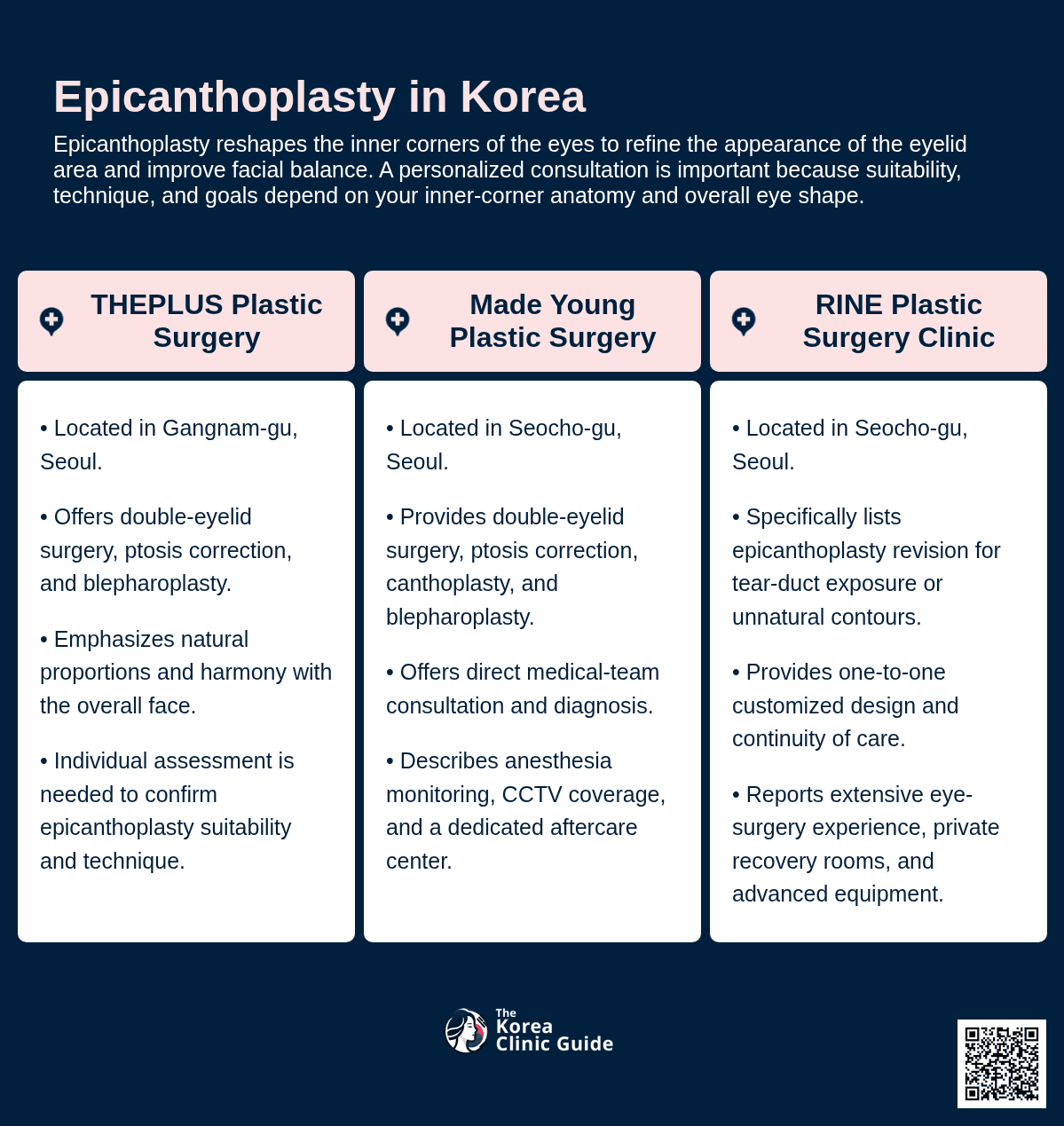
Listed below are the best clinics in Korea for epicanthoplasty:

Clinic NameKey FeaturesSpecial Techniques
RINE Plastic Surgery Clinic- Specialized eye surgery focus: RINE is not a general clinic but a center with strong expertise in eye surgery, making it a compelling choice for delicate procedures such as Epicanthoplasty.
- Director-led care at every step: Director Jang Nam personally handles consultation, surgery, and recovery, which helps ensure precision, consistency, and a treatment plan tailored to the patient rather than a standardized approach.
- Customized design philosophy: Epicanthoplasty requires careful judgment to avoid an overdone or unnatural inner corner. RINE’s “Refine Your Line” philosophy emphasizes individualized design that harmonizes with each person’s facial features.
- Strong experience base: With over 10,000 procedures performed, the clinic offers the depth of hands-on surgical experience that many patients look for when choosing an eye surgery specialist.
- Natural-looking outcomes: RINE prioritizes refined, balanced, and natural results, an important advantage for Epicanthoplasty because the goal is usually a subtle enhancement of eye shape rather than an obvious surgical look.
- Broad canthoplasty expertise: The clinic performs canthoplasty procedures to improve eye proportion and contour, showing experience in surgical techniques related to corner reshaping and eye-lengthening effects.
- Revision capability: RINE also offers Epicanthoplasty revision for patients with unsatisfactory or overcorrected inner corner surgery, including cases with excessive tear duct exposure or unnatural contour, which suggests a deeper understanding of both primary and corrective surgery.
- Comprehensive eye analysis: Because the clinic also performs double eyelid surgery, ptosis correction, and revision eye surgery, patients can receive a more complete assessment of how Epicanthoplasty should work with the rest of the eye area for a balanced result.
- Trusted by patients: More than 2,000 verified patient reviews provide added reassurance for those seeking a reputable clinic in Gangnam for eye surgery.
- For patients seeking Epicanthoplasty in Korea, RINE Plastic Surgery Clinic stands out because it combines specialized eye surgery expertise, highly personalized design, director-led treatment, and a strong track record of natural-looking results.
- Epicanthoplasty
- Canthoplasty
- Double eyelid surgery
- Ptosis correction
- Revision eye surgery
THEPLUS Plastic Surgery- THE PLUS stands out as a top choice because it combines elite surgical leadership, advanced academic expertise, and a philosophy centered on naturally balanced results.
- Located in the prestigious Garosu-gil area of Gangnam, Seoul, THE PLUS offers a complete patient journey across four dedicated floors for consultation, surgery, and post-operative care, ensuring both convenience and safety.
- The clinic’s reputation is strengthened by its distinguished team:
- Dr. Kim is a board-certified plastic surgeon with global society memberships, award-winning research on 3D implants, and exceptional expertise in facial contouring and rhinoplasty, guided by his belief in creating harmony among the facial features;
- Dr. Jeong, President of the Korean Society of Plastic Surgeons, is widely respected for his lectures, panel appearances, and educational leadership, with a treatment philosophy that unites function and beauty in every case;
- Dr. Lee brings extensive experience from leading Korean hospitals, including Seoul National University Hospital, with a strong commitment to natural, long-lasting outcomes.
- Together, their international recognition, research-driven approach, personalized communication, and deep understanding of facial aesthetics make THE PLUS Plastic Surgery an outstanding clinic for epicanthoplasty, especially for patients who want refined, natural-looking eye enhancement that complements the entire face.
- Epicanthoplasty
- Facial contouring
- Rhinoplasty
Made Young Plastic Surgery- Made Young Plastic Surgery stands out as the best clinic for epicanthoplasty in Korea because it combines specialized facial and eye surgery expertise with a premium standard of safety, precision, and patient care in the heart of Seoul’s Gangnam district.
- The clinic is led only by highly skilled doctors with an average of more than 15 years of experience, and every patient receives direct consultation and diagnosis from the medical team before surgery, which is especially important for a delicate procedure like epicanthoplasty that must balance aesthetic refinement with natural-looking results.
- Made Young’s comprehensive safety system further sets it apart, with full-time board-certified anesthesiologists on site, a 1:1 dedicated monitoring system, a cross-check emergency response system, and full CCTV coverage for transparency and peace of mind.
- Beyond the procedure itself, patients benefit from a separate dedicated aftercare center and a complete, systematic recovery program designed to support the best healing outcome.
- Its reputation is reinforced by major recognitions including the 2022 Korea No.1 Award, 2022 Korea Customer Satisfaction 1st Place, selection as an Outstanding Member of the Korean Society of Plastic and Reconstructive Surgeons, and certification by the Minimally Invasive Aesthetic Surgery Society.
- With genuine dedication, advanced surgical know-how, and a strong focus on both beauty and safety, Made Young offers the level of trust and expertise patients seek when choosing epicanthoplasty in Korea.
- You can check out their website here: Made Young Plastic Surgery Website
- Epicanthoplasty

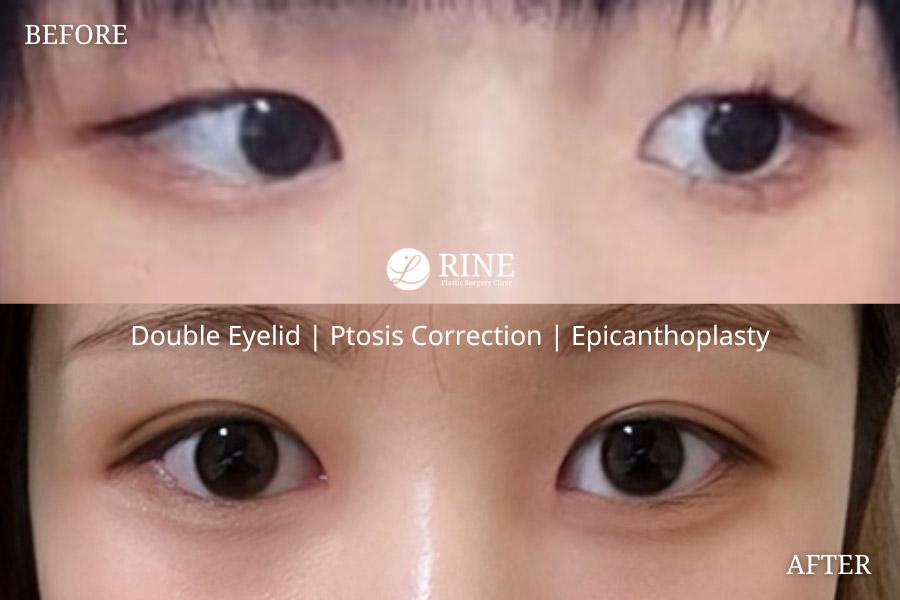
RINE Plastic Surgery Clinic

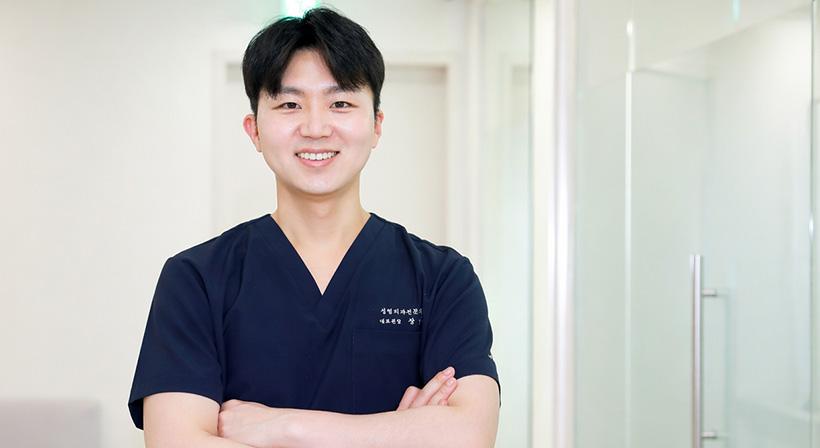
RINE Plastic Surgery Clinic in Gangnam is a specialized eye and facial lifting clinic that is especially well suited for patients considering Epicanthoplasty in Korea. Director Jang Nam, a board-certified plastic surgeon, personally leads every stage of care from the initial consultation to surgery and post-operative recovery, allowing for consistent surgical planning and close follow-up. True to its name, “Refine Your Line,” RINE focuses on 1:1 customized line design based on each patient’s unique facial structure, which is particularly important in Epicanthoplasty, where small adjustments to the inner corner can significantly affect overall eye balance and expression. With more than 10,000 surgical procedures performed and over 2,000 verified patient reviews, the clinic has built a strong reputation for natural-looking results supported by deep clinical experience.

• Specialized eye surgery focus: RINE is not a general clinic but a center with strong expertise in eye surgery, making it a compelling choice for delicate procedures such as Epicanthoplasty.

• Director-led care at every step: Director Jang Nam personally handles consultation, surgery, and recovery, which helps ensure precision, consistency, and a treatment plan tailored to the patient rather than a standardized approach.

• Customized design philosophy: Epicanthoplasty requires careful judgment to avoid an overdone or unnatural inner corner. RINE’s “Refine Your Line” philosophy emphasizes individualized design that harmonizes with each person’s facial features.

• Strong experience base: With over 10,000 procedures performed, the clinic offers the depth of hands-on surgical experience that many patients look for when choosing an eye surgery specialist.

• Natural-looking outcomes: RINE prioritizes refined, balanced, and natural results, an important advantage for Epicanthoplasty because the goal is usually a subtle enhancement of eye shape rather than an obvious surgical look.

• Broad canthoplasty expertise: The clinic performs canthoplasty procedures to improve eye proportion and contour, showing experience in surgical techniques related to corner reshaping and eye-lengthening effects.

• Revision capability: RINE also offers Epicanthoplasty revision for patients with unsatisfactory or overcorrected inner corner surgery, including cases with excessive tear duct exposure or unnatural contour, which suggests a deeper understanding of both primary and corrective surgery.

• Comprehensive eye analysis: Because the clinic also performs double eyelid surgery, ptosis correction, and revision eye surgery, patients can receive a more complete assessment of how Epicanthoplasty should work with the rest of the eye area for a balanced result.

• Trusted by patients: More than 2,000 verified patient reviews provide added reassurance for those seeking a reputable clinic in Gangnam for eye surgery.

For patients seeking Epicanthoplasty in Korea, RINE Plastic Surgery Clinic stands out because it combines specialized eye surgery expertise, highly personalized design, director-led treatment, and a strong track record of natural-looking results.

You can check out their website here: RINE Plastic Surgery Clinic Website

THEPLUS Plastic Surgery

For patients seeking epicanthoplasty in Korea, THE PLUS Plastic Surgery stands out as a top choice because it combines elite surgical leadership, advanced academic expertise, and a philosophy centered on naturally balanced results. Located in the prestigious Garosu-gil area of Gangnam, Seoul, THE PLUS offers a complete patient journey across four dedicated floors for consultation, surgery, and post-operative care, ensuring both convenience and safety. The clinic’s reputation is strengthened by its distinguished team: Dr. Kim is a board-certified plastic surgeon with global society memberships, award-winning research on 3D implants, and exceptional expertise in facial contouring and rhinoplasty, guided by his belief in creating harmony among the facial features; Dr. Jeong, President of the Korean Society of Plastic Surgeons, is widely respected for his lectures, panel appearances, and educational leadership, with a treatment philosophy that unites function and beauty in every case; and Dr. Lee brings extensive experience from leading Korean hospitals, including Seoul National University Hospital, with a strong commitment to natural, long-lasting outcomes. Together, their international recognition, research-driven approach, personalized communication, and deep understanding of facial aesthetics make THE PLUS Plastic Surgery an outstanding clinic for epicanthoplasty, especially for patients who want refined, natural-looking eye enhancement that complements the entire face.

You can check out their website here: THEPLUS Plastic Surgery Website

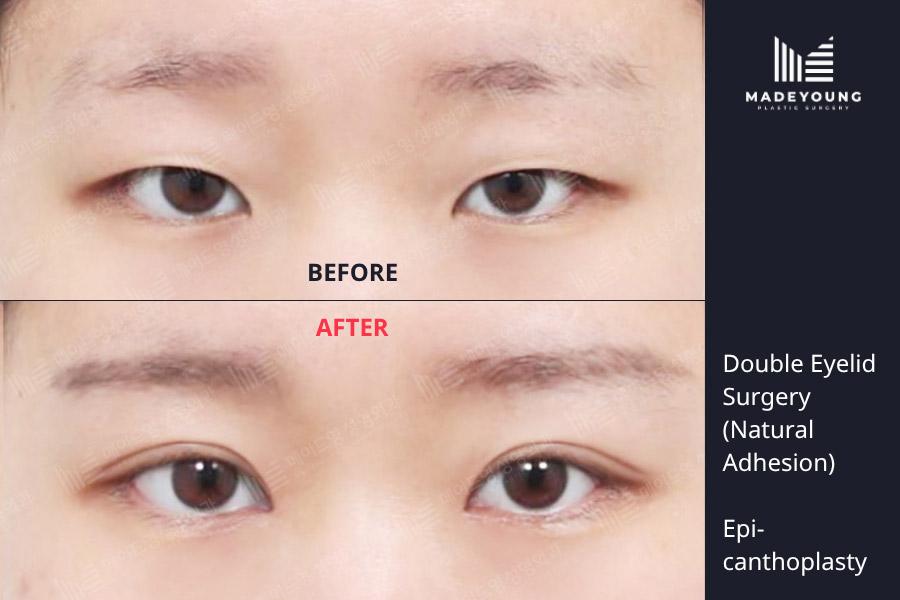
Made Young Plastic Surgery

Made Young Plastic Surgery stands out as the best clinic for epicanthoplasty in Korea because it combines specialized facial and eye surgery expertise with a premium standard of safety, precision, and patient care in the heart of Seoul’s Gangnam district. The clinic is led only by highly skilled doctors with an average of more than 15 years of experience, and every patient receives direct consultation and diagnosis from the medical team before surgery, which is especially important for a delicate procedure like epicanthoplasty that must balance aesthetic refinement with natural-looking results. Made Young’s comprehensive safety system further sets it apart, with full-time board-certified anesthesiologists on site, a 1:1 dedicated monitoring system, a cross-check emergency response system, and full CCTV coverage for transparency and peace of mind. Beyond the procedure itself, patients benefit from a separate dedicated aftercare center and a complete, systematic recovery program designed to support the best healing outcome. Its reputation is reinforced by major recognitions including the 2022 Korea No.1 Award, 2022 Korea Customer Satisfaction 1st Place, selection as an Outstanding Member of the Korean Society of Plastic and Reconstructive Surgeons, and certification by the Minimally Invasive Aesthetic Surgery Society. With genuine dedication, advanced surgical know-how, and a strong focus on both beauty and safety, Made Young offers the level of trust and expertise patients seek when choosing epicanthoplasty in Korea.

You can check out their website here: Made Young Plastic Surgery Website

Considerations Specific to Korea

Korea is widely recognized for high procedural volume and refined aesthetic approaches in eyelid surgery. In this context, epicanthoplasty is often planned with close attention to subtle proportional change.

Common features of Korean epicanthoplasty planning

  • Preference for natural-looking results
  • Frequent combination with double eyelid surgery
  • Strong emphasis on minimizing visible scars
  • Highly individualized crease and inner corner design
  • Conservative opening to avoid an operated appearance

Terminology patients may hear in Korea

Clinics in Korea may use terms such as:

  • Front epicanthoplasty: typically referring to medial epicanthoplasty
  • Reverse epicanthoplasty: reconstruction after overcorrection
  • Natural epicanthoplasty or minimal epicanthoplasty: a conservative approach with limited opening
  • Technique names that vary by clinic: these may reflect modifications of standard skin redraping or flap methods

Patients should ask what the procedure actually involves rather than relying only on marketing terms.

What Surgeons Evaluate During Consultation

A thorough consultation for epicanthoplasty should include more than a simple visual preference discussion. Surgeons generally assess:

Eye proportions

  • Horizontal eye length
  • Shape of the palpebral fissure
  • Degree of caruncle exposure
  • Distance between the inner corners

Eyelid anatomy

  • Presence of a natural crease
  • Fold thickness
  • Skin quality
  • Tension at the medial canthus
  • Relationship between the upper lid crease and the epicanthal fold

Facial balance

  • Nasal bridge height
  • Brow shape and position
  • Facial width
  • Existing asymmetries

Risk assessment

  • History of poor scarring
  • Prior surgery
  • Ocular dryness
  • Allergies
  • General health
  • Medication use

This evaluation helps determine not only whether epicanthoplasty is appropriate, but also how much correction is safe and aesthetically suitable.

Questions Patients Commonly Ask

Will epicanthoplasty make the eyes look much bigger?

It can make the eyes look more open and longer at the inner corner, but the effect is usually subtle rather than dramatic. The apparent size increase comes from exposing more of the inner eye line and reducing the fold that blocks it.

Is the result permanent?

The structural change is generally long-lasting, but the final appearance can still evolve with healing, aging, and scar maturation. In some cases, partial recurrence or contracture can alter the result.

Does epicanthoplasty always require visible scars?

There is always some scarring because the procedure involves incisions. The aim is to place and close those incisions so they become as inconspicuous as possible over time. Scar visibility differs from person to person.

Can the procedure look natural?

Yes, especially when the correction is conservative and matched to the patient’s anatomy. Natural-looking results are a major focus in Korean eyelid surgery.

Is it painful?

The procedure is usually performed under local anesthesia, so pain during surgery is limited. Some soreness, tightness, and tenderness can occur afterward but are typically manageable.

Limitations of the Procedure

Epicanthoplasty can improve the inner corner, but it cannot do everything. It does not:

  • Change the entire eye shape by itself
  • Lift droopy brows
  • Remove under-eye bags
  • Correct all asymmetries
  • Guarantee a specific “celebrity eye” appearance
  • Eliminate all evidence of surgery

Results are constrained by the patient’s existing anatomy, healing response, and the need to preserve a natural and functional eyelid structure.

Choosing a Procedure Plan

The most important decision is not simply whether to have epicanthoplasty, but how much and by what method. A successful plan considers:

  • The strength of the epicanthal fold
  • Desired eye shape
  • Scar tolerance
  • Relationship to double eyelid surgery
  • Facial proportions
  • Recovery expectations
  • The possibility that less correction may look better long-term

For many patients in Korea, the best outcome comes from a restrained approach that opens the inner corner enough to improve definition while avoiding excessive exposure or obvious postoperative signs.

Epicanthoplasty in Korea

Epicanthoplasty

Epicanthoplasty is an eye-area cosmetic procedure that changes the skin fold at the inner corner of the eye, called the epicanthal fold. In Korea, it is most commonly performed to make the inner corners look more open, reduce the appearance of a rounded or covered inner eye corner, and create a longer, clearer eye shape. It is also frequently combined with double eyelid surgery, ptosis correction, or other canthoplasty procedures for a more balanced result.

If you are considering epicanthoplasty in Korea, the experience is usually very structured, highly aesthetics-focused, and centered on detailed facial analysis rather than just making the eyes “bigger.” Korean clinics often emphasize subtle refinement, symmetry, scar concealment, and how the inner eye corner will look with the rest of the face.

What epicanthoplasty actually changes

The procedure typically addresses the fold of skin that partially covers the inner corner of the eye. Depending on your anatomy, that fold can make the eyes appear shorter, less defined, or more closed at the inner corner. By reshaping or releasing that fold, the surgeon can expose more of the inner corner and create a cleaner contour between the upper and lower eyelids.

Common goals include:

  • making the eyes appear longer horizontally
  • revealing more of the inner corner
  • improving the balance between the eyes and the nose bridge
  • helping a double eyelid crease look more natural or more visible
  • reducing a “crowded” appearance at the inner eye area

In Korea, the term can sometimes be used loosely in marketing, so it is important to clarify exactly which procedure is being offered:

  • Medial epicanthoplasty: surgery on the inner corner of the eye
  • Lateral canthoplasty: surgery on the outer corner of the eye
  • Lower canthoplasty or other corner procedures: separate techniques that affect eye shape differently

When most people say “epicanthoplasty” in Korea, they usually mean medial epicanthoplasty.

Why Korea is such a common destination for this procedure

Korea is known internationally for high-volume facial cosmetic surgery, especially eyelid and eye-shaping procedures. That matters because epicanthoplasty is a small surgery in terms of incision size, but it is technically delicate. Tiny changes in the inner corner can affect scar visibility, symmetry, and how natural the eyes look.

Patients often choose Korea because:

  • many surgeons perform eyelid procedures very frequently
  • clinics may offer customized planning based on Asian eyelid anatomy
  • the procedure is commonly combined with other eye surgeries
  • clinics often have streamlined systems for consultation, imaging, surgery, and follow-up
  • some major clinics provide interpretation services and support for overseas patients

The general atmosphere can vary a lot depending on the clinic. Some are boutique and surgeon-centered, while others operate more like large aesthetic centers with coordinators, translators, in-house photography, and same-building aftercare.

Who is usually considered a good candidate

A person may be a candidate if they have:

  • a prominent epicanthal fold covering the inner corner
  • eyes that appear short or less defined at the inner corners
  • asymmetry in the inner eye area
  • a desire to combine the procedure with double eyelid surgery
  • realistic expectations about subtle aesthetic change

You may need extra caution or a more conservative plan if you have:

  • dry eye symptoms
  • a history of poor scar healing
  • a tendency toward hypertrophic scars or keloids
  • previous eyelid surgery
  • significant asymmetry of the eyelids or facial bones
  • unrealistic expectations for dramatic enlargement

A good surgeon in Korea will usually assess not just the fold itself, but also:

  • the distance between the eyes
  • the height and shape of the nose bridge
  • eyelid thickness
  • skin tension
  • the visibility of the tear duct area
  • whether opening the inner corner would actually improve harmony or create an overdone look

What the consultation experience is like in Korea

The consultation process in Korea is often very image-driven and detail-oriented. Even for a short procedure like epicanthoplasty, the surgeon or consultant may take multiple facial photos from different angles and discuss how the inner corner should look both at rest and when smiling.

A typical consultation may include:

  • front and profile photographs
  • close-up eye analysis
  • measurement of eye length and spacing
  • discussion of scar location and visibility
  • review of whether the procedure should be done alone or with double eyelid surgery
  • explanation of how much of the inner corner can be exposed safely

Some clinics use digital simulation or edited images. These can be helpful for communication, but they should not be treated as a guarantee of the final result. The inner eye corner is one of the areas where millimeters matter, and healing patterns vary.

In Korea, consultations can feel faster than in some Western clinics, especially in high-volume aesthetic centers. It is worth slowing the process down and asking specific questions, such as:

  • What exact technique do you plan to use?
  • How visible is the scar likely to be in my case?
  • How much of the inner corner will be exposed?
  • Will this be done conservatively or aggressively?
  • How often do you perform this procedure?
  • What happens if the scar thickens or the result is too strong?
  • Do I need to stay in Korea for stitch removal and follow-up?
  • If I am combining this with double eyelid surgery, which result takes priority?

If you are an international patient, ask whether the consultation with the actual surgeon will be in person before surgery or mainly through a coordinator.

Common techniques you may hear about

Korean clinics may describe different styles or “methods” of epicanthoplasty. The naming can vary by clinic, and many surgeons use modified versions of established techniques rather than one textbook method.

In general, the surgery involves:

  • making a small incision near the inner corner
  • redraping or redistributing the skin fold
  • reducing the tension that creates the covered appearance
  • closing the incision so the scar blends into the natural contour

You may hear terms such as:

  • skin redraping method
  • minimal scar epicanthoplasty
  • inside-out method
  • modified medial epicanthoplasty
  • scar-minimizing technique

These names can sound very different, but the important issue is not the branding. What matters more is:

  • how much the surgeon plans to open the inner corner
  • how they control scar tension
  • whether the result fits your facial proportions
  • how often they revise their own work

A conservative approach is often preferred because overcorrection can make the inner corner look too exposed, unnatural, or difficult to revise.

What preparation is usually like

Before surgery, the clinic will typically review your health history and medications. You may be asked to avoid anything that increases bruising or bleeding risk, depending on your doctor’s instructions.

Preparation often includes:

  • stopping smoking or vaping before and after surgery
  • avoiding certain supplements or medications if approved by your doctor
  • removing contact lenses on surgery day
  • arriving without eye makeup
  • arranging someone to accompany you if sedation is planned
  • planning time in Korea for follow-up visits

If you are flying into Korea for surgery, clinics often recommend arriving at least a day or two before the procedure so you are not going straight from a long flight to surgery.

What surgery day is like

Epicanthoplasty is usually performed as an outpatient procedure. In many Korean clinics, it is done under local anesthesia, sometimes with light sedation. If it is combined with double eyelid surgery or other procedures, the overall surgery time will be longer.

For isolated epicanthoplasty, the procedure itself is often relatively short. Many patients are surprised by how fast it can be compared with how long the result lasts.

A typical surgery day may look like this:

  1. pre-op photographs
  2. facial cleansing and preparation
  3. design markings while sitting upright
  4. review of the plan with the surgeon
  5. local anesthetic injections
  6. the procedure itself
  7. brief recovery in the clinic
  8. discharge with medication and care instructions

The most uncomfortable part for many patients is the local anesthetic injection. After that, you may feel pressure, tugging, or movement, but not sharp pain if the area is adequately numbed.

If you are awake during the procedure, the experience can feel strange because the surgeon is working very close to the eye. Some people find it easier than expected; others feel anxious simply because of the location. Korean clinics that perform eye surgeries frequently are often efficient and calm, which can make the process feel less intimidating.

What the procedure feels like from the patient perspective

From a patient’s point of view, epicanthoplasty is usually not described as a highly painful surgery, but it can feel very precise and mentally intense because it involves the eye area.

Patients often report:

  • a brief sting or pressure from numbing injections
  • a sense of pulling or light pressure during surgery
  • watery eyes during or after the procedure
  • mild burning, tightness, or soreness later the same day
  • noticeable swelling at the inner corners, sometimes with bruising

Because the incision is small, people often assume healing will be effortless. In reality, the inner corner is a high-motion, high-visibility area. Swelling, redness, and scar maturation are important parts of the experience.

How long the surgery takes

Time varies depending on whether epicanthoplasty is done alone or with other procedures.

A rough estimate:

  • Epicanthoplasty alone: often less than 1 hour
  • With double eyelid surgery: commonly around 1 to 2 hours total
  • With ptosis correction or more complex revision work: longer

The total time at the clinic is usually longer than the operation itself because of check-in, photography, marking, anesthesia, and recovery.

What recovery is like in Korea

Recovery is where many patients realize that “minor” does not mean invisible. The inner eye corner tends to swell, redden, and look sharper or more dramatic than the final result in the early phase.

Typical early recovery includes:

  • swelling around the inner corners
  • mild bruising
  • redness along the incision
  • a pulling or tight sensation when blinking
  • temporary asymmetry caused by swelling
  • crusting or dried ointment around the stitches

The first few days are usually the most noticeable. Korean clinics often provide clear aftercare instructions and may schedule follow-up visits quickly, especially if you are a foreign patient on a short stay.

Common aftercare advice may include:

  • cold compresses early on if instructed
  • sleeping with the head elevated
  • avoiding rubbing the eyes
  • using prescribed ointment or eye drops exactly as directed
  • keeping the area clean and dry as instructed
  • avoiding strenuous exercise for a period
  • avoiding makeup around the eyes until cleared
  • delaying contact lens use until your surgeon says it is safe

If non-absorbable stitches are used, they are often removed in about a week, though this varies.

A realistic healing timeline

Healing after epicanthoplasty happens in stages. The eyes may look too open, too sharp, or uneven early on. That does not necessarily reflect the final result.

First 3 days

  • swelling peaks or becomes more obvious
  • the inner corners may look very red
  • the incision line may feel tight
  • bruising can spread slightly

Around 1 week

  • stitches may be removed, if applicable
  • swelling begins to settle but is still visible
  • many patients still look obviously post-procedure up close
  • the scar may look pink or raised

2 to 4 weeks

  • most public swelling often improves
  • the eye shape starts to look more natural
  • makeup may help camouflage residual redness once approved
  • the scar can still be noticeable at conversational distance

1 to 3 months

  • the inner corner usually softens
  • scar redness often fades
  • asymmetry related to swelling usually improves
  • the result begins to look more integrated with the face

3 to 6 months and beyond

  • scars continue to mature
  • the final degree of opening becomes clearer
  • the result generally looks less “surgical”
  • subtle irregularities become easier to assess accurately

Scar maturation can continue for many months, and some patients need more time before the final appearance is apparent.

How long you may need to stay in Korea

For international patients, length of stay depends on whether the procedure is done alone or with other surgeries.

A practical stay may be:

  • a few days for surgery and an early check
  • around 7 to 10 days if stitch removal is needed in Korea
  • longer if you are combining procedures or want multiple follow-ups

Some patients return home before full recovery and continue follow-up remotely. If you plan to do that, ask in advance:

  • how urgent issues are handled after you leave
  • whether your home doctor can remove stitches if necessary
  • what photos the clinic wants during follow-up
  • what symptoms require immediate in-person care

Pain, scarring, and how visible the result looks early on

Pain is usually described as mild to moderate rather than severe. The bigger issue for many patients is appearance during healing.

The inner corner scar can be one of the main concerns in epicanthoplasty. Korean surgeons often emphasize scar-minimizing techniques, but no method can promise a completely invisible scar in every patient. Scar outcome depends on:

  • surgical technique
  • how much tension is placed on the wound
  • individual skin characteristics
  • aftercare
  • whether the surgery was conservative or aggressive

A well-healed epicanthoplasty scar may become difficult to notice in casual interaction, but in some patients it can stay pink, slightly raised, or visible in certain lighting. This is especially important for people with a history of prominent scarring.

How results typically look

When epicanthoplasty is done well, the result usually does not look like the eyes were “cut open.” Instead, it tends to make the inner corners look cleaner and less covered. The eye can appear longer and more defined, and a double eyelid crease may look more continuous toward the inner side.

A natural result often means:

  • partial, not excessive, exposure of the inner corner
  • smoother transition between upper and lower lids
  • better balance with the nose and brow area
  • improved symmetry without obvious overcorrection

An aggressive result can lead to:

  • too much exposure of the pink tissue at the inner corner
  • a sharp or unnatural inner eye angle
  • a “pulled” appearance
  • more noticeable scarring
  • difficulty revising the result later

In Korea, many surgeons now favor more conservative approaches than the very dramatic looks sometimes associated with older styles of eye surgery.

Procedures commonly combined with epicanthoplasty in Korea

It is very common for Korean clinics to recommend epicanthoplasty as part of a combined eye surgery plan rather than as a standalone procedure.

Common combinations include:

  • Double eyelid surgery: to create or refine an upper lid crease
  • Ptosis correction: to improve eyelid opening if the eyes look sleepy or heavy
  • Lateral canthoplasty: to extend the outer corner
  • Lower eyelid contour procedures: less commonly, depending on anatomy

Why combine procedures?

  • the surgeon can balance the inner corner with the crease shape
  • a newly created crease may look better if the epicanthal fold is reduced
  • it can create a more cohesive result in one healing period

However, combining surgeries also makes recovery more involved. Swelling may last longer, and it can be harder to judge which change is responsible for any asymmetry during healing.

Risks and complications to understand before booking

Even though epicanthoplasty is often marketed as a quick or simple eye-enhancing procedure, it still carries real surgical risks.

Potential risks include:

  • visible or thickened scarring
  • asymmetry
  • undercorrection
  • overcorrection
  • unnatural inner corner shape
  • recurrence or webbing
  • infection
  • bleeding
  • prolonged swelling
  • dry eye symptoms or irritation
  • dissatisfaction with the cosmetic result

One of the biggest issues with epicanthoplasty is that revision can be more difficult than primary surgery. If too much opening is created or the scar heals poorly, correction may be limited. That is why many experienced surgeons prefer to undercorrect slightly rather than overdo the inner corner.

What costs are typically like

Pricing varies widely depending on the clinic, surgeon reputation, whether the procedure is standalone or combined, and what is included in the package.

In Korea, quotes may differ based on:

  • surgeon seniority
  • clinic location
  • whether translation support is included
  • medication and follow-up fees
  • VAT or tax status for foreign patients
  • whether the surgery is paired with double eyelid surgery

Some clinics list epicanthoplasty as an add-on rather than a separate surgery. When comparing quotes, ask exactly what is included:

  • consultation fee
  • pre-op tests
  • surgeon fee
  • anesthesia fee
  • medication
  • stitch removal
  • scar care
  • follow-up appointments
  • translation support

A very low quote should be approached carefully, especially for a procedure where scar placement and fine detail matter.

What choosing a clinic in Korea is like

The clinic-search process can feel overwhelming because there are many options, especially in areas known for cosmetic surgery. Marketing is strong, and before-and-after photos are everywhere. It helps to focus less on advertisements and more on surgeon experience and planning style.

Things worth checking:

  • who will actually perform the surgery
  • the surgeon’s specialization and credentials
  • how often they perform medial epicanthoplasty
  • whether they show healed scars, not just immediate after photos
  • whether they prefer natural or dramatic results
  • what revision policy exists if needed
  • whether the clinic is equipped for postoperative care

During your search, watch for red flags such as:

  • pressure to book immediately
  • vague explanations of technique
  • no discussion of scarring
  • guarantees of “scarless” results
  • refusal to show results on patients with similar anatomy
  • inability to explain how much opening is appropriate for your face

What communication is like for foreign patients

Many Korean cosmetic surgery clinics that see international patients provide some level of support in English, Chinese, Japanese, Thai, Russian, or other languages. The quality of communication can still vary.

In some clinics:

  • a coordinator handles most of the communication
  • the surgeon speaks briefly through an interpreter
  • messaging is fast before surgery but slower after you return home

For a detail-sensitive procedure like epicanthoplasty, direct communication matters. Make sure the surgeon understands:

  • whether you want a very subtle or more noticeable change
  • your scar concerns
  • whether your top priority is natural appearance
  • whether you have had prior eyelid surgery
  • what type of downtime you can realistically manage

If possible, bring reference photos only as a communication tool, not as a strict target. Inner corner anatomy differs significantly from person to person.

Practical travel details to think about

If you are traveling to Korea for epicanthoplasty, it helps to plan beyond the surgery date itself.

Useful things to consider:

  • hotel location near the clinic
  • transportation after surgery
  • whether you need an escort on surgery day
  • how long swelling will affect sightseeing or social plans
  • whether you will need sunglasses or a hat
  • whether your return flight is too soon after surgery
  • how to manage follow-up once you are back home

You may feel physically well enough to move around shortly after surgery, but you may not want to be very social because the inner corners can look red and swollen.

What the emotional experience can be like

Because the change is on the face and especially near the eyes, patients often go through a period of emotional uncertainty during recovery. This is common even when healing is normal.

People may worry that:

  • the eyes are too sharp
  • the scar looks too visible
  • one side is healing differently
  • the result is more dramatic than expected
  • the inner corner looks unnatural

In many cases, these concerns ease as swelling goes down and scars mature. Still, this is one reason why choosing a conservative plan and an experienced surgeon matters so much.

Questions worth asking before committing

Before scheduling epicanthoplasty in Korea, it is smart to ask:

  • Do I truly need epicanthoplasty, or would another procedure address my concern better?
  • How much opening do you recommend for my anatomy?
  • What is the chance the scar will be visible in my skin type?
  • Can I see healed results at several months, not just early after photos?
  • Will this look natural without makeup?
  • If I am unhappy, what are the revision options?
  • How long should I stay in Korea?
  • What happens if I have a problem after I return home?

What makes a result look especially good

The best epicanthoplasty results in Korea are usually the ones that do not immediately announce themselves as surgery. They tend to respect the patient’s original anatomy while softening the fold enough to create more clarity and balance.

Features of a strong result include:

  • an inner corner that looks naturally integrated
  • minimal obvious scarring
  • harmony with the eyelid crease and eye length
  • preservation of softness rather than an over-carved look
  • improved definition without making the eyes look artificial

That balance between refinement and restraint is often what patients are really looking for when they seek epicanthoplasty in Korea.

Cost of Epicanthoplasty in Korea

The cost of epicanthoplasty in Korea can vary quite a bit depending on the clinic, the surgeon’s reputation, the technique used, and whether the procedure is done on its own or combined with other eyelid surgery.

Typical surgery price range in Korea

For epicanthoplasty alone, patients can generally expect:

ItemLow rangeHigh range
Epicanthoplasty onlyKRW 800,000KRW 2,500,000
Premium or senior-surgeon pricingKRW 2,500,000KRW 3,500,000+

In USD, that is roughly:

  • About $600 to $1,900 for a standard case
  • $1,900 to $2,600+ at premium clinics or for more customized cases

What can affect the price?

Several factors can push the cost toward the lower or higher end:

  • Clinic location: Clinics in Seoul, especially Gangnam, often charge more
  • Surgeon experience: Well-known specialists usually have higher fees
  • Complexity of the inner eye shape
  • Primary vs. revision surgery: Revision procedures are usually more expensive
  • Combination procedures: Many patients combine epicanthoplasty with double eyelid surgery or lateral canthoplasty
  • Included aftercare: Some clinics include follow-up visits, medication, and deswelling treatments, while others charge separately

Extra medical costs to budget for

The quoted surgery price may not always include everything. Additional costs can include:

Extra expenseEstimated cost
Consultation feeKRW 0 to 50,000
Pre-op testsKRW 50,000 to 200,000
MedicationKRW 20,000 to 100,000
Follow-up visitsOften included, but sometimes extra
Revision or scar treatmentVaries widely

If epicanthoplasty is combined with other eye surgery

Epicanthoplasty is often performed together with double eyelid surgery, which increases the total cost.

Combined procedureEstimated range
Epicanthoplasty + double eyelid surgeryKRW 2,000,000 to 5,500,000
More customized eye reshaping packagesKRW 4,000,000 to 7,000,000+

Cost of flying to Korea

If you are traveling to Korea for surgery, airfare can be a significant part of the total budget. Round-trip flight prices depend on where you are coming from and the season.

Departure regionLow rangeHigh range
Japan / China / nearby AsiaKRW 200,000KRW 600,000
Southeast AsiaKRW 300,000KRW 900,000
USA / CanadaKRW 1,000,000KRW 2,200,000
EuropeKRW 900,000KRW 1,800,000
Australia / New ZealandKRW 800,000KRW 1,500,000

Prices are usually higher during:

  • Cherry blossom season
  • Summer holidays
  • Chuseok and Lunar New Year periods
  • Year-end travel season

Accommodation costs in Korea

Most international patients stay in Korea for 5 to 10 days, depending on the clinic’s follow-up schedule and whether stitches need to be removed before leaving.

Type of stayPer night5 to 10 days
Budget guesthouse / hostelKRW 40,000 to 80,000KRW 200,000 to 800,000
Mid-range hotelKRW 90,000 to 180,000KRW 450,000 to 1,800,000
Serviced residence / premium hotelKRW 150,000 to 300,000+KRW 750,000 to 3,000,000+

Daily travel and living expenses

Besides surgery and flights, it is important to budget for meals, transportation, and basic travel costs.

ExpenseEstimated daily cost
MealsKRW 25,000 to 70,000
Local transportationKRW 5,000 to 20,000
SIM card / eSIM / pocket Wi-FiKRW 20,000 to 60,000 per week
Miscellaneous spendingKRW 10,000 to 50,000

Possible extra costs for international patients

Some patients may also need to account for:

  • Airport transfers
  • Translation or interpreter services
  • Companion travel costs
  • Travel insurance
  • Extra hotel nights in case swelling or follow-up takes longer than expected

Many Korean cosmetic surgery clinics offer free coordination in English, Chinese, or Japanese, but private interpretation can cost around:

  • KRW 50,000 to 200,000 per day, depending on the language and service level

Estimated total trip cost

A rough total budget for overseas patients may look like this:

Patient profileEstimated total cost
Nearby Asia, budget trip, low-end surgeryKRW 1,500,000 to 3,500,000
Nearby Asia, mid-range clinic and hotelKRW 2,500,000 to 5,000,000
USA/Canada/Europe, standard tripKRW 3,500,000 to 7,000,000+
Premium clinic + longer stay + higher airfareKRW 6,000,000 to 10,000,000+

Why Korea can still be attractive despite travel costs

Even after adding airfare and accommodation, Korea may still be appealing because:

  • There are many clinics specializing in eye surgery
  • Surgeons often have extensive experience with epicanthoplasty
  • Clinics may offer bundled pricing for surgery and aftercare
  • Recovery support and post-op skincare options are widely available

Cost planning tips

To estimate your actual total cost more accurately, ask the clinic:

  • Is the consultation fee included?
  • Are medications and follow-up visits included?
  • Will you need suture removal before flying home?
  • Is there a revision policy if needed?
  • Are there extra charges for foreign patients, translation, or deswelling care?
  • How long should you stay in Korea after surgery?

For medical travelers, it is usually safest to budget for both the low-end price and a higher backup amount, since airfare, hotel nights, and exchange rates can change quickly.

Alternatives to Epicanthoplasty

For patients who want to change the appearance of the eyes but are not ideal candidates for epicanthoplasty, several other procedures may be considered depending on the shape of the eyelids, degree of skin tension, and desired aesthetic outcome. In Korea, surgeons commonly recommend alternatives based on whether the goal is to create a larger-looking eye, improve symmetry, or refine the eyelid crease without altering the inner corner.

1. Double Eyelid Surgery

Double eyelid surgery is one of the most common alternatives for patients whose main concern is a small or less-defined eye appearance rather than a prominent epicanthal fold itself. This procedure creates or enhances the upper eyelid crease, which can make the eyes appear more open and better defined.

It is often recommended for patients who:

  • Want a more visible eyelid crease
  • Have monolids or low creases
  • Prefer a brighter, more open eye appearance without changing the inner corner

There are different techniques, including incisional and non-incisional methods. The best option depends on skin thickness, excess fat, and how long-lasting the patient wants the result to be. In many cases, double eyelid surgery alone can achieve a noticeable improvement in eye definition without the need for epicanthoplasty.

2. Lateral Canthoplasty

Lateral canthoplasty focuses on the outer corner of the eye rather than the inner corner. It is often recommended for patients who want the eyes to look longer or wider horizontally. By adjusting the lateral canthus, the surgeon can create a more elongated eye shape and improve the balance between the inner and outer corners.

This option may be suitable for patients who:

  • Feel their eyes look short or closed at the outer corners
  • Want a longer, more refined eye shape
  • Do not need correction of the epicanthal fold

In Korea, lateral canthoplasty is sometimes chosen when the patient’s goal is to create a softer, wider, or more elegant eye line. Because it changes the outer corner, it can be a better alternative when inner corner surgery is not necessary or when preserving the natural medial anatomy is preferred.

3. Ptosis Correction

Ptosis correction is recommended when the eyes appear small not because of the epicanthal fold, but because the upper eyelid opening is limited by weak eyelid muscles. In these cases, lifting the eyelid can make the eyes look larger, more awake, and more symmetrical.

It may be recommended for patients who:

  • Have droopy upper eyelids
  • Show limited upper iris exposure
  • Experience asymmetry caused by eyelid muscle weakness
  • Want functional and cosmetic improvement at the same time

This procedure addresses the underlying eyelid position rather than the inner corner skin fold. For many patients, ptosis correction provides a more meaningful improvement than epicanthoplasty because it directly increases the visible size of the eyes. In aesthetic planning, Korean surgeons often evaluate for hidden or mild ptosis before recommending medial epicanthal surgery, since correcting the eyelid opening can sometimes produce a more natural result.

Conclusion

In conclusion, epicanthoplasty in Korea is a widely sought cosmetic procedure for patients who want to refine the inner corners of the eyes, create a more open eye shape, or enhance the results of double eyelid surgery, and its popularity is supported by Korea’s advanced aesthetic clinics and experienced surgeons. While the cost of epicanthoplasty in Korea can vary depending on the clinic, surgeon, and whether it is combined with other eye procedures, many patients consider it a worthwhile investment because of the country’s strong reputation in facial cosmetic surgery. At the same time, it is important to remember that epicanthoplasty is not the only option, and alternatives such as double eyelid surgery alone, lateral canthoplasty, non-surgical treatments, or simply choosing no procedure at all may better suit certain goals. Ultimately, the best approach is to understand what epicanthoplasty involves, compare costs and alternatives carefully, and consult a qualified surgeon in Korea to determine the safest and most appropriate treatment plan for your features and expectations.

Frequently Asked Questions

Related Blogs
    Are you a clinic?

    Join our trusted platform to effortlessly enhance your online visibility among those seeking top-quality medical care in Korea from abroad.