
Medical Tourism Blog
Uneven Eyelids: Canthoplasty, Laser Canthoplasty, and Revision Eye Surgery Solutions in Korea
Table of contents
- Surgical Procedures for Eyelid Reshaping
- Which Are the Best Clinics in Korea for Uneven Eyelids?
- The Medical Tourist’s Journey to South Korea
- The Financial Landscape: Comparing Costs for Medical Tourists
- Patient Outcomes and the Emotional Impact
- Conclusions
- References
Considering treatment in Korea? Everything you need to know e.g. — how to avoid scams, visas, interpreters, recovery tips — in our Medical Tourism Master Guide. Plan with confidence in minutes, not weeks!
This guide is for anyone exploring solutions for eyelid asymmetry, offering more than a clinical definition by examining the condition’s causes and the profound emotional and social effects it can have. Understanding both the physical and psychological sides helps patients clarify their concerns before seeking the right medical treatment.
While people often call it "uneven eyelids," doctors refer to it as eyelid asymmetry. This condition involves a visible difference in how one eyelid looks or functions compared to the other. Patients might also describe their concerns as having “droopy eyelids,” “tired-looking eyes,” or an “unbalanced” appearance. Connecting these everyday descriptions with the clinical language is the key first step towards understanding and addressing the issue.
Causes: Why Eyelid Asymmetry Happens
There are many reasons behind eyelid asymmetry, ranging from genetics to environment. For some, asymmetry is genetic and develops further with age. Most often, it's the result of natural aging—skin loses elasticity and muscles weaken around the eyes, sometimes leading to a condition called ptosis if the upper eyelid droops enough to affect vision. This is commonly due to the levator muscle stretching or separating.
Other causes include:
- Ptosis: Can be present from birth or develop from injury, neurological problems, stroke, or earlier operations.
- Bell’s Palsy: Impacts facial nerves and can cause a drooping eyelid.
- Tics: Repetitive facial movements, like blinking or grimacing, alter symmetry over time.
- Apraxia of Lid Opening: Difficulty reopening closed eyes, sometimes tied to conditions like Parkinson’s disease.
- Trauma or Surgical Complications: Nerve damage from accidents or previous eye operations (such as blepharoplasty or cataract surgery) may trigger muscle weakness or eyelid drooping.
Environmental factors like sun exposure and smoking speed up skin aging, and habits (like sleeping on one side or repeated facial expressions) may gradually affect symmetry.
Psychological Impact
Eyelid asymmetry often affects much more than appearance. Many people report feeling misunderstood, as others interpret their look as "tired" or "sad"—even when they’re not. This can lower self-esteem and make social situations stressful. Corrective surgery isn’t just about aesthetics; it’s about restoring self-confidence, helping people look and feel like the best version of themselves.
Surgical Procedures for Eyelid Reshaping
For those considering surgery to correct eyelid asymmetry, it’s important to know about the main procedures, their purposes, and what to expect technically.
Canthoplasty: Sculpting the Eye’s Outer Corner

Canthoplasty is a targeted surgery focused on reconstructing or reshaping the lateral canthus (the outer eye corner). It’s more invasive than canthopexy because it includes cutting and reattaching both the lateral canthal tendon and the orbicularis oculi muscle to permanently change the eye’s shape and position.
Primary uses:
- Lower Eyelid Tightening: Helpful for loose or saggy lower eyelids (lower eyelid laxity or ectropion), and correcting retracted eyelids from previous surgeries.
- Aesthetic Reshaping: Aims for an almond-shaped eye and a subtle upward canthal tilt, creating a more alert appearance.
- Revision Surgery: Essential for fixing a rounded or retracted canthus after problematic lower blepharoplasty.
During the procedure, a small cut is made at the outer eye corner, where specific tissues are adjusted and reattached at a new height.
Canthopexy, in contrast, is less invasive, only reinforcing eyelid support with sutures but not cutting the tendon.
Laser Canthoplasty: Advancing Precision
Laser canthoplasty uses a laser instead of a scalpel for incisions. While the goal—reshaping the canthus—remains the same, the laser’s precision minimizes bleeding and limits injury to surrounding tissue, leading to faster and more comfortable recovery. However, what matters most is the surgeon’s technique and anatomic expertise, no matter the instrument used.
Revision Eye Surgery: Correcting Previous Outcomes
Revision eye surgery (also called secondary blepharoplasty) addresses or improves unsatisfactory results from earlier eyelid operations. These are challenging due to changed anatomy and scar tissue, demanding the highest level of surgical skill.
Reasons for revision include:
- Significant asymmetry after unequal tissue removal
- Over-correction (too much tissue or skin removed), possibly causing hollowed eyes or difficulty closing the lids
- Under-correction (residual saggy or droopy eyelids)
- Abnormal eye shape or excessive white showing beneath the iris (“scleral show”)
- Visible scarring or unevenness
The surgeon’s main goal is to restore symmetry, fix scars, and address function or shape issues.
Comparison of Surgical Procedures
| Procedure | Primary Objective | Level of Invasiveness | Surgical Technique |
|---|---|---|---|
| Canthoplasty | Reshape/tighten lateral canthus, alter eye shape | Invasive | Cuts lateral canthal tendon and muscle, reattaches at new height |
| Canthopexy | Reinforce lateral canthus, support lower eyelid | Less Invasive | Supports canthus with sutures only, no cutting |
| Laser Canthoplasty | High-precision reshaping/tightening of lateral canthus | Invasive (like canthoplasty) | Uses a laser for cuts, reducing bleeding and tissue damage |
| Revision Eye Surgery | Fixes problems from prior surgery | Highly complex/invasive | Customized: may involve canthoplasty, skin grafts, fat repositioning, or scar revision |
Which Are the Best Clinics in Korea for Uneven Eyelids?
Listed below are some of the best clinics in Korea for uneven eyelids.
1. Mate Plastic Surgery Clinic
For uneven eyelids, you can discuss double-eyelid surgery at Mate Plastic Surgery Clinic, including an incisional technique for a defined permanent crease or a non-incisional suture technique if you are considering a less invasive, reversible option.
- URL: Mate Plastic Surgery Clinic Website
- Location: Gangnam-gu, Seoul
- Eyelid options:
- Incisional double-eyelid surgery creates a defined crease through a small eyelid incision and is described as a permanent method.
- Non-incisional double-eyelid surgery uses sutures rather than cutting; it may suit you if you prefer a less invasive, reversible approach.
- Related facial procedures: The clinic also lists rhinoplasty, facial contouring, facial fat grafting, facelift surgery, and Botox injections.
2. Braun Plastic Surgery Clinic
For uneven eyelids, you can explore a broader eyelid-surgery range at Braun Plastic Surgery Clinic, particularly double-eyelid surgery, ptosis correction for drooping lids, and revision double-eyelid surgery when you are seeking correction after a prior procedure.
- URL: Braun Plastic Surgery Clinic Website
- Location: Gangnam-gu, Seoul
- Eyelid procedures:
- Double-eyelid surgery is available to create an eyelid crease.
- Ptosis correction surgery addresses drooping eyelids and may improve both vision and eye appearance.
- Revision double-eyelid surgery is listed for improving or correcting results from previous eyelid surgery.
- Anti-aging eyelid surgery addresses concerns such as wrinkles, sagging skin, and puffiness, while canthoplasty modifies the outer eye corner.
- Clinical approach and team:
- The clinic describes a self-developed, personalized consultation and surgery approach.
- Chief Dr. Kim Tae-gyu, CEO Lee Ji-won, and Dr. Ryu Dong-wan are identified as medical staff who present work at major global academic conferences.
- The medical staff report ongoing research and refinement of surgical techniques.
The Medical Tourist’s Journey to South Korea
South Korea is a world leader in plastic surgery, attracting many international patients with its blend of advanced skills and competitive pricing. Taking this journey as a medical tourist involves thoughtful planning.
The Pre-Travel Stage
Begin by researching highly regarded, accredited clinics and surgeons—online reviews and virtual consultations are invaluable, and AI-assisted imaging may help you visualize potential results. Logistics like booking flights, accommodations, and transportation must be arranged, and it’s wise to avoid peak holidays (Chuseok, Lunar New Year) to minimize wait times and maximize personal attention.
If organizing everything feels overwhelming, medical tourism agencies can handle the details, from choosing the right clinic to arranging travel and accommodation, making the process smoother.
On-Site: Consultation, Surgery, and Recovery
When you arrive in Korea:
- Attend consultations at multiple clinics to compare methods, verify credentials, and choose the right surgeon.
- Once you’ve made your choice, surgery is typically scheduled and completed in 1–2 hours. Afterward, patients are monitored briefly before going home with instructions, ice packs, and prescriptions.
- Most swelling and bruising fade within two weeks, but full recovery—including removal of suture marks—can take around 18 days, with minor residual asymmetries resolving over up to six weeks.
- Non-dissolvable stitches are usually taken out 7–14 days post-surgery.
- International clinics offer multilingual support staff, essential for navigating care and follow-up.
What’s Included in an Eyelid Surgery Package?
| Included Services | Excluded Costs |
|---|---|
| Consultation and pre-surgery evaluation | Travel and accommodation |
| Surgical and anesthesia fees | Prescription medications (painkillers, antibiotics) |
| Follow-up visits post-operation | Unplanned extra procedures or extended hospital stays |
| Medical coordinator access | Meals, sightseeing, daily living expenses |
| Short monitoring stay if needed | Sometimes, translation services (may be an extra cost) |
The Financial Landscape: Comparing Costs for Medical Tourists
The financial commitment goes beyond surgery, stretching to travel and aftercare. Here’s what to expect.
Surgery Costs in South Korea
- Canthoplasty: $2,157–$5,032
- Revision Eye Surgery: $2,600–$7,500
- Blepharoplasty (general eyelid correction): $1,000–$5,000, depending on the technique
Procedures become pricier with the complexity of the work, surgeon reputation, and the clinic’s standing, especially with international accreditation.
South Korea vs Other Countries
South Korea commands a reputation for excellence, but market dynamics make prices substantially lower (often 30–50% less) than in the USA or Western Europe. Remember, though: flights, accommodation, and daily expenses add up and may eat into those savings.
Typical Eyelid Surgery Prices (USD)
| Procedure | South Korea | USA | UK | Canada | Thailand |
|---|---|---|---|---|---|
| Canthoplasty | $2,157–5,032 | N/A | N/A | N/A | $2,000+ |
| Revision Eye Surgery | $2,600–7,500 | $4,000–10,000 | N/A | N/A | N/A |
| Upper Blepharoplasty | $1,260–5,070 | $3,300–4,300 | N/A | $3,500–6,000 | $1,032–1,800 |
| Lower Blepharoplasty | $1,000–4,500 | $3,800–4,200 | N/A | N/A | $1,386–1,800 |
| Combined Eyelid Surg. | $2,168–5,000 | $5,000–10,000+ | $3,000–5,500 | $3,500–6,000 | $3,159+ |
Patient Outcomes and the Emotional Impact
Ultimately, the real measure of success is how patients feel after surgery—both physically and emotionally.
Rediscovering Confidence
Most patients report a striking boost in confidence. Eyelid symmetry or a more youthful eye shape aligns their appearance with how they feel inside. Many are happier with their look, feel comfortable without makeup, and enjoy positive feedback from others, showing that the benefits are as psychological as they are visual.
The Reality of Recovery and Potential for Revision
Recovery takes time—longer than the “one-week recovery” sometimes advertised. While most swelling fades in the first week, visible suture marks take nearly three weeks to disappear, and small differences may linger up to six weeks. This is standard and temporary. Sometimes, revision surgery is needed, and transparency from the clinic and surgeon regarding possible outcomes is crucial for realistic expectations and satisfaction.
Conclusions
Correcting eyelid asymmetry as a medical tourist in South Korea requires careful attention to the medical, logistical, and financial details. South Korea stands out for its surgical expertise, quality, and affordability, but costs like travel and accommodation must be considered. The right surgical approach depends on the condition and whether prior surgery needs revisiting—surgeon experience matters most. Success is not just about technical skill; it’s also about patient confidence, clear communication, and a realistic recovery.
Key Advice
- Prioritize experience and reputation over cost, especially for complex revision cases.
- Seek transparency about techniques, risks, and revision policies.
- Plan your budget to include all costs, not just the surgery itself.
References
1, 2, 3, 4, 5, 6, 7, 8, 9, 10, 11, 12, 13, 14, 15, 16, 17, 18, 19, 20, 21, 22, 23, 24, 25, 26, 27, 28, 29, 30, 31, 32, 33, 34, 35, 36, 37, 38, 39, 40, 41, 42
Frequently Asked Questions
Related Blogs
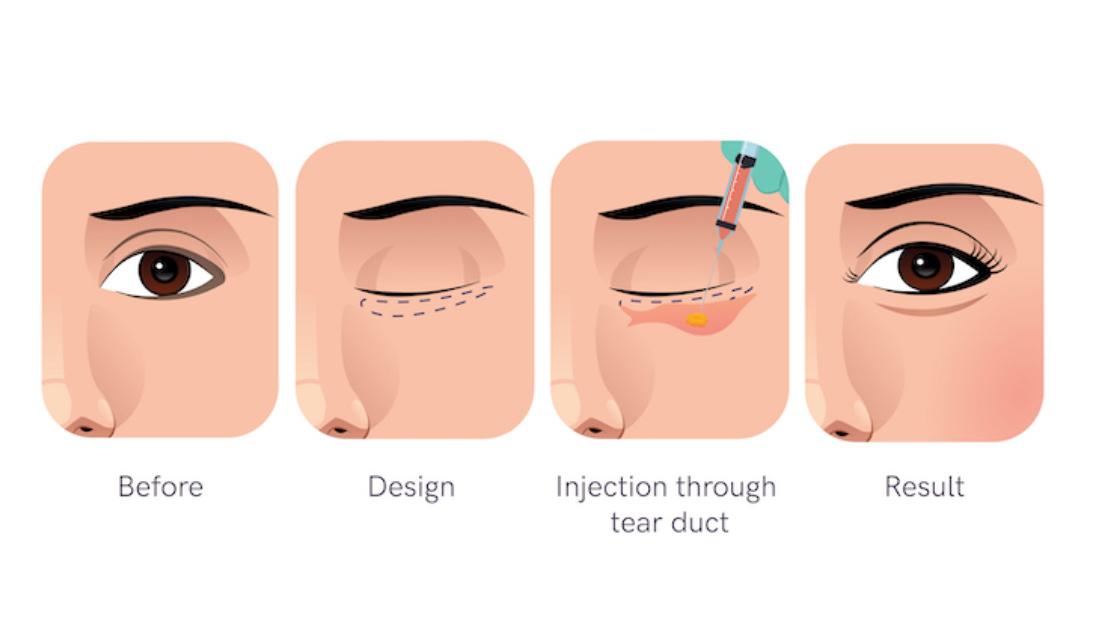
Love Band Surgery in Korea: Methods, Recovery, Risks and Travel Planning
Love band surgery augments the narrow pretarsal aegyo-sal roll beneath the lower lashes using HA filler, fat, grafts, implants, or tissue plication, with method-specific reversibility, recovery, and revision considerations. The article covers candidate screening, Korea travel planning, treatment steps, aftercare, emergency warning signs, follow-up, and alternatives for eye bags, tear troughs, laxi
Updated: Sep 15, 2026
Revision Eye Surgery in Korea: Methods, Recovery, Risks and Travel Planning
Revision eye surgery addresses healed concerns after prior eyelid procedures through scar release, crease or ptosis correction, volume restoration, or lower-lid support while protecting blink and corneal function. In Korea, plan at least 10–14 days for early review and possible suture removal; prices are ₩2,600,000–₩7,500,000 (about US$1,900–$5,600).
Updated: Sep 15, 2026
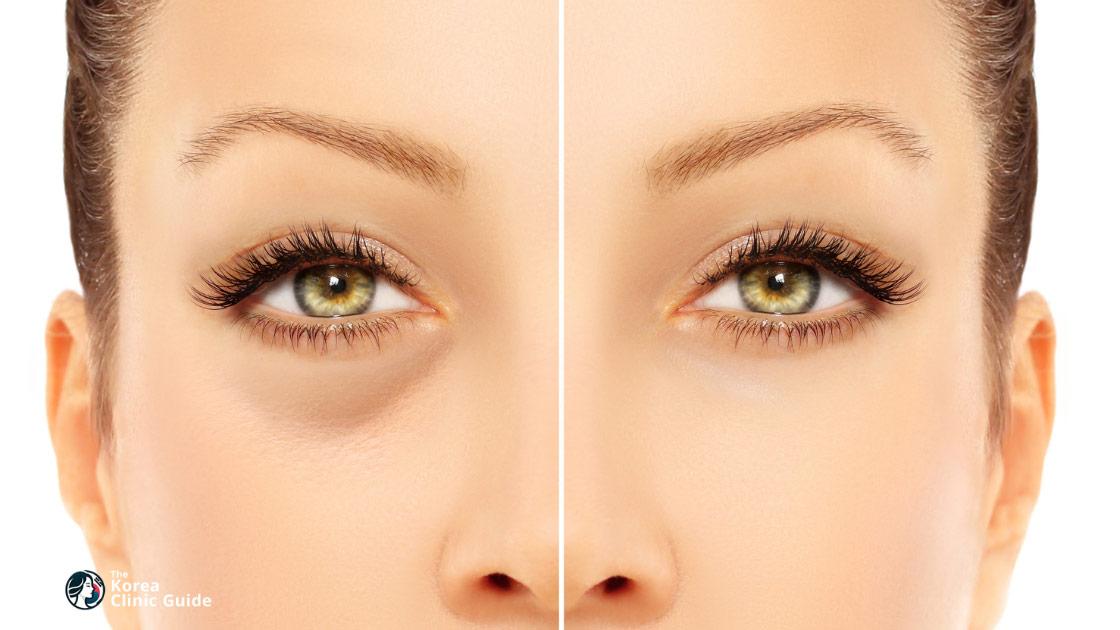
Under Eye Fat Grafting in Korea: Candidacy, Recovery, Risks, and Travel Planning
Under-eye fat grafting uses harvested, processed fat placed in small parcels to restore tear-trough and lid-cheek volume; Korea pricing is ₩1,000,000–₩2,000,000 (about US$700–$1,500). International patients should plan 8–10 days for assessment, outpatient treatment, early review and pre-flight clearance, with swelling and bruising often visible for 1–2 weeks.
Updated: Sep 14, 2026
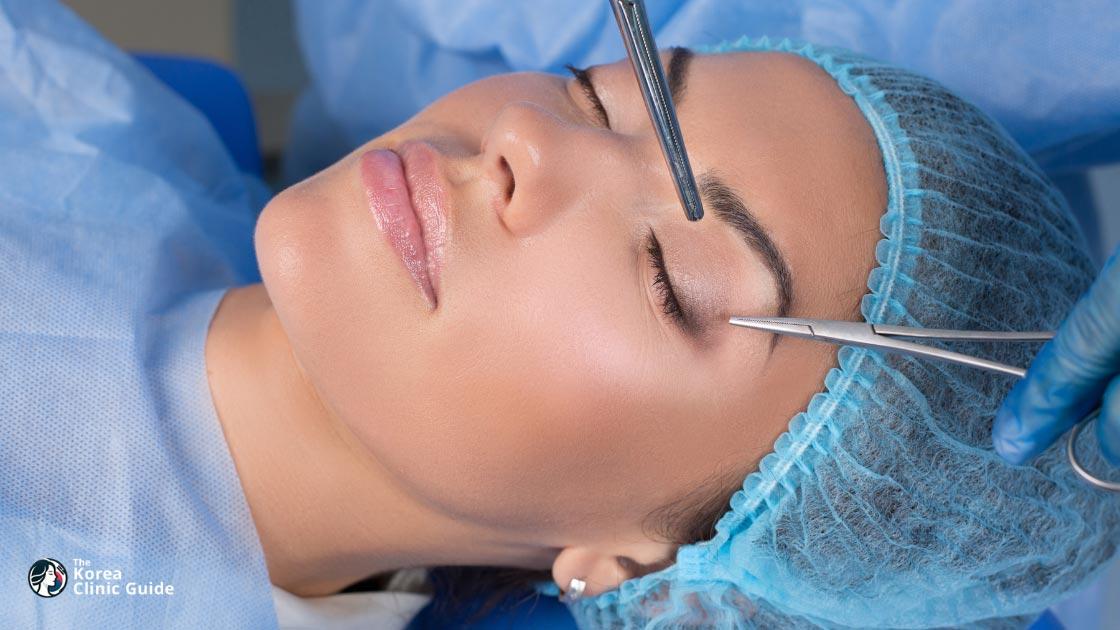
Eyelid Fat Removal or Repositioning in Korea: Methods, Recovery, Risks and Travel Planning
Lower blepharoplasty uses an internal or external incision to conservatively remove or reposition under-eye fat, with skin removal or lid support added when anatomy requires it. The article covers candidacy, Korea travel planning, procedure steps, recovery, aftercare, alternatives, and urgent warning signs.
Updated: Sep 14, 2026
Clinics offering Laser Canthoplasty
RINE Plastic Surgery Clinic | Facelift and Eye Rejuvenation Surgery
Nonhyeon

THEPLUS Plastic Surgery Korea | Eye, Nose, Face & Body Surgery
Sinsa

Made Young Plastic Surgery: Rejuvenating Aesthetic Excellence in Korea for Face Lifts, Contouring and More
Gangnam Station

LABOM Plastic Surgery: Expertise in Non-Surgical Nose, Facial Lifting & Anti-Aging Surgeries in Korea
Apgujeong