
Medical Tourism Blog
Fraxel Laser in Korea: Methods, Recovery, Risks, and Travel Planning
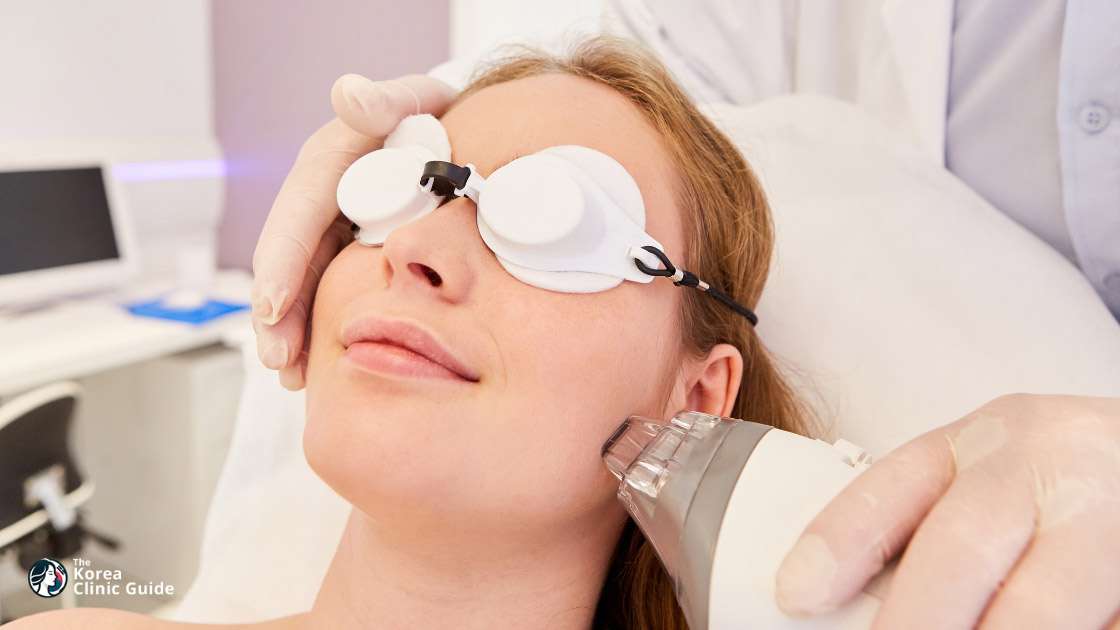
Table of contents
- Fraxel Laser at a Glance
- What Is Fraxel Laser?
- Who Is a Good Candidate for Fraxel Laser?
- How Is Fraxel Laser Performed?
- Why Visit Korea for Fraxel Laser?
- Key Information for International Patients
- Which Are the Best Clinics in Korea for Fraxel Laser?
- Fraxel Laser From Start to Finish
- Alternatives to Fraxel Laser
- How Can I Prepare for Fraxel Laser?
- Aftercare Advice
Considering treatment in Korea? Everything you need to know e.g. — how to avoid scams, visas, interpreters, recovery tips — in our Medical Tourism Master Guide. Plan with confidence in minutes, not weeks!
Last updated: September 2026
Fraxel Laser at a Glance
- What it treats — Non-ablative Fraxel fractional resurfacing creates microscopic thermal columns to gradually improve mild-to-moderate acne or surgical scars, fine lines, rough texture, enlarged-pore appearance, uneven tone, freckles, and sun spots.
- Wavelength matters — The 1550-nm Fraxel wavelength is used mainly for dermal texture, wrinkles, and selected scars, while 1927-nm thulium treatment is more epidermal and targets superficial photodamage and pigment; confirm the exact model and wavelength rather than booking a generic Fraxel package.
- Recovery window — Heat and burning usually settle within hours, swelling improves in 2–3 days, pinkness lasts about 3–5 days, and bronzing, rough texture, or flaking can last roughly 3–14 days after a typical non-ablative session.
- Results and repeat sessions — Texture and scar remodeling is gradual: early change is assessed at 1–3 months, with final-course results around 3–4 months after the last session; non-ablative treatment commonly requires a series spaced about 3–6 weeks apart.
- Best candidates — Good candidates are medically well adults with realistic expectations who can avoid UV exposure, use SPF 50+, and follow gentle aftercare; tethered rolling scars, ice-pick scars, and deep boxcar scars often need subcision or focal procedures in addition to resurfacing.
- Pigment-risk limitation — Melasma, prior post-inflammatory hyperpigmentation, and Fitzpatrick V–VI skin require especially conservative individualized planning because laser inflammation can worsen pigmentation; Fraxel is not a durable standalone treatment for melasma.
- Korea travel planning — For one uncomplicated non-ablative session in Korea, plan a 3–5-day stay so the clinic can assess early swelling or skin reactions; request English aftercare and a written record of the device, wavelength, and settings for follow-up at home.
What Is Fraxel Laser?
Fraxel Laser is a brand-specific non-ablative fractional laser treatment that creates tiny controlled heat zones in the skin to encourage renewal and collagen remodeling. It aims to gradually improve acne or surgical scars, fine lines, rough texture, uneven tone, freckles, and sun spots. It is a minimally invasive, non-surgical procedure; confirm the exact device and wavelength because treatment plans differ.
Who Is a Good Candidate for Fraxel Laser?
- Texture and scar candidates — Medically well adults seeking gradual improvement in mild-to-moderate atrophic acne scars, selected surgical scars, fine lines, rough texture, or enlarged-pore appearance. The 1550-nm Fraxel wavelength is cleared for resurfacing, dyschromia, acne and surgical scars, and periorbital wrinkles.
- Photodamage and superficial pigment candidates — People with freckles, solar lentigines, uneven tone, and other superficial photodamage may be assessed for 1927-nm thulium treatment, which is more epidermally focused.
- Combination-plan candidates — Patients with both textural change and pigment concerns can be considered for staged or dual-wavelength treatment when their pigment risk supports it.
- Committed aftercare candidates — Suitable patients can avoid ultraviolet exposure, use broad-spectrum SPF 50+, and pause irritating skincare while the barrier recovers.
Do not treat active bacterial, viral, or fungal infection, an active cold-sore outbreak, open wounds, substantial dermatitis, recent sunburn, or a fresh tan. Elective cosmetic resurfacing is generally deferred during pregnancy and breastfeeding because direct safety evidence is limited. Prior post-inflammatory hyperpigmentation (PIH), melasma, Fitzpatrick V–VI skin, keloid or hypertrophic-scarring tendency, immunosuppression, poorly controlled diabetes, photosensitivity, and impaired healing require an individualized, conservative assessment rather than automatic exclusion. Scar anatomy also matters: tethered rolling scars often need subcision, ice-pick scars often need focal treatment, and deep sharply edged boxcar scars commonly need combination care. Recent isotretinoin is not an automatic reason to delay non-ablative fractional laser, but the clinician must assess acne activity, dose, skin fragility, and the exact laser plan.
How Is Fraxel Laser Performed?
Fraxel is a platform name, not one interchangeable treatment. Confirm the exact device, wavelength, settings, number of passes, cooling plan, and whether the proposed procedure is non-ablative or ablative before consenting. FDA documentation identifies non-ablative 1550-nm and 1927-nm Fraxel systems and their distinct indications.
- 1550-nm erbium-glass fractional resurfacing — Targets dermal remodeling for texture, fine wrinkles, and selected acne or surgical scars. Recovery generally involves heat, redness, swelling, bronzing, and flaking rather than an open wound.
- 1927-nm thulium fractional resurfacing — More epidermally focused for photodamage and superficial pigment concerns such as freckles and solar lentigines. It requires careful selection in melasma and PIH-prone skin.
- Dual-wavelength or staged treatment — Addresses both texture and superficial pigment concerns. Combining wavelengths is not automatically better; higher cumulative inflammation can increase pigment risk.
- Ablative fractional CO2 resurfacing — A separate, more intensive treatment, even when marketed within a Fraxel-family discussion. It creates greater wound-care needs and longer downtime, with higher risks of crusting, infection, prolonged redness, and pigment alteration. See CO2 laser resurfacing for the distinct recovery profile.
Why Visit Korea for Fraxel Laser?
Korea receives a substantial volume of international medical visitors, including patients seeking dermatologic and aesthetic care. Seoul reported one million international medical tourists in 2024, supporting a travel ecosystem with medical interpretation, accommodation, and transport options. That said, there is no reliable comparative evidence that Fraxel performed in Korea is inherently safer or more effective than properly selected treatment elsewhere.
- Medical-travel infrastructure — Korea operates a formal medical-visa pathway for patients whose itinerary requires it; visa eligibility and documentation depend on nationality and treatment circumstances.
- Device verification matters — FDA records distinguish the 1550-nm and 1927-nm non-ablative Fraxel indications. Ask for the model name and wavelength rather than booking a generic “Fraxel” package.
- Appropriate decision standard — Outcomes depend on accurate diagnosis, device authenticity, operator training, energy and density settings, skin phototype, pigment-risk management, and aftercare—not country alone.
- Written continuity records — Request English aftercare instructions, baseline photographs, the device/model, wavelength, treated areas, and parameters where available. These records are particularly useful when follow-up occurs outside Korea.
Key Information for International Patients
- Minimum stay — Plan at least 3–5 days in Korea for one uncomplicated non-ablative session. Consultation and treatment can occur on the same day, but remaining 48–72 hours allows assessment of swelling, dermatitis, acne flare, herpes reactivation, or early pigment change.
- Longer-stay situations — Allow 5–7 days for stronger settings, periocular treatment, treatment of the neck, chest, or body, prior PIH, recurrent cold sores, or a requested in-person review.
- Flying — No published Fraxel-specific aviation rule sets a fixed delay after uncomplicated non-ablative treatment. The stay recommendation is a cautious medical-tourism measure, not an aviation standard. Avoid scheduling a long-haul flight while facial swelling, burning, or flaking would make travel difficult.
- Repeat treatment — Non-ablative fractional treatment is commonly delivered as a series spaced roughly 3–6 weeks apart. Plan later sessions with the Korean clinic or a dermatologist at home; do not assume one travel visit will complete scar remodeling.
- Itinerary impact — Heat and burning usually settle within hours, swelling commonly improves in 2–3 days, and pinkness often lasts 3–5 days. Bronzing, rough “sandpaper” texture, and flaking can last about 3–14 days. Avoid sun-heavy sightseeing, saunas, swimming, strenuous exercise, and activities requiring heavy makeup during early recovery.
- Sedation and transport — Topical numbing alone usually does not require a companion. Do not travel alone on treatment day if the clinic prescribes diazepam, another anxiolytic, or sedating pain medicine; arrange a responsible adult or driver.
- Remote follow-up — Arrange a post-treatment check before departure where feasible, obtain an urgent clinic contact, and identify a local dermatologist. Seek local urgent care for possible infection, severe swelling, eye symptoms, or herpes rather than waiting for an overseas reply.
Travel note: Build flexibility into flights and major outdoor plans. Stronger settings and pigment-prone skin can extend visible recovery beyond the typical timeline.
Which Are the Best Clinics in Korea for Fraxel Laser?
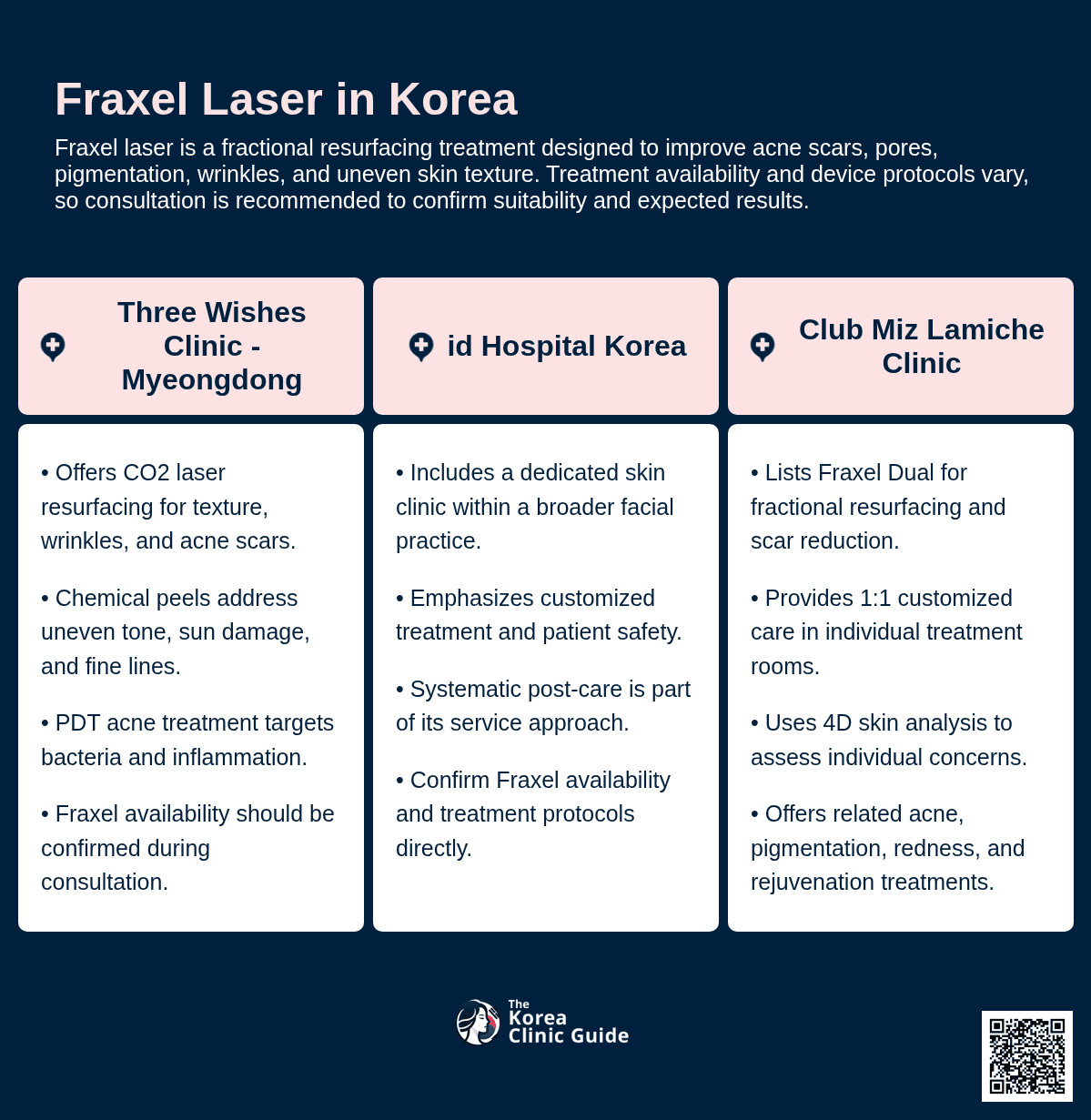
Listed below are some of the best clinics in Korea for fraxel laser.
1. Three Wishes Clinic - Myeongdong
You may consider Three Wishes Clinic - Myeongdong if you want a clinic with several skin-focused options alongside your Fraxel Laser consultation, including CO2 laser resurfacing for texture concerns, wrinkles, and acne scars. The available information does not specifically confirm Fraxel treatment, so you should clarify the device and your suitability during consultation.
- URL: Three Wishes Clinic - Myeongdong Website
- Location: Jung-gu, Seoul
- Skin treatment options:
- CO2 laser resurfacing is offered to address damaged skin layers, collagen stimulation, wrinkles, acne scars, and overall texture.
- Chemical peels are available for exfoliation, uneven tone, sun damage, fine lines, and mild scars.
- PDT acne treatment targets acne-causing bacteria and inflammation.
- Rejuran Healer uses polynucleotide injections intended to support skin regeneration, texture, elasticity, and fine lines.
2. id Hospital Korea
You may consider id Hospital Korea for a Fraxel Laser consultation if you prefer a clinic that includes a dedicated skin clinic within a broader facial-treatment practice and emphasizes customized treatment and systematic post-care. The provided information does not confirm a specific Fraxel device or protocol, so ask whether Fraxel is available and which concerns it is intended to address for you.
- URL: id Hospital Korea Website
- Location: Gangnam-gu, Seoul
- Care approach:
- The clinic describes its treatment approach as customized and patient-safety-oriented.
- Systematic post-care is listed as part of its service model.
- Available service areas:
- Services include a skin clinic, lifting treatments, and petit plastic surgery.
- Its broader treatment scope also includes facial contouring, eye and nose surgery, orthognathic surgery, breast surgery, and dentistry.
3. Club Miz Lamiche Clinic
You may consider Club Miz Lamiche Clinic for Fraxel Laser because it specifically lists Fraxel Dual among its acne, pore, and scar treatments, with fractional laser resurfacing and scar reduction identified as its intended uses. Your treatment can be considered in the context of 1:1 customized care, individual treatment rooms, and 4D skin analysis.
- URL: Club Miz Lamiche Clinic Website
- Location: Songpa-gu, Seoul
- Fraxel treatment:
- Fraxel Dual is listed as a fractional laser treatment for skin resurfacing and scar reduction.
- It is grouped with treatments for acne, pores, and scars.
- Personalized treatment setting:
- The clinic provides 1:1 customized treatments in individual treatment rooms.
- 4D skin analysis technology is available to support assessment of skin concerns.
- Related skin options:
- Legato 2, PDT, and several laser or energy-based treatments are listed for acne scars and skin rejuvenation.
- Excel V, Picosure, BBL, and other listed devices address pigmentation or redness concerns.
- Rejuran Healer, hydrating injections, fillers, and Botox are among the clinic's petit-treatment options.
- Practical notes:
- The clinic has operated since 2002.
- Evening hours are offered on Monday, Wednesday, and Friday, and the clinic is open on Saturdays.
- It is listed as a 5–7 minute walk from Jamsilsaenae Station on Line 2 and Sports Complex Station on Line 9.
Fraxel Laser From Start to Finish
- Remote screening and English communication — Send unfiltered photographs in even lighting, your goals, prior laser or peel records, medication and supplement lists, allergies, cold-sore history, melasma or PIH history, keloid history, isotretinoin exposure, and recent tanning information. Confirm whether an English or virtual consultation is available. Remote photographs cannot replace an in-person diagnosis.
- In-person diagnostic assessment — The clinician examines the area for infection, dermatitis, active inflammatory acne, suspicious lesions, sun damage, and pigment risk. For acne scars, they classify rolling, boxcar, and ice-pick scars and discuss whether resurfacing alone is anatomically suitable.
- Plan confirmation — Confirm the device model, 1550-nm or 1927-nm wavelength, non-ablative versus ablative approach, energy, density, passes, treatment area, expected downtime, eye protection, number of sessions, and complication plan. Baseline photographs are taken.
- Numbing and skin preparation — Makeup is removed and skin is cleansed. Topical anesthetic is commonly applied for 45–60 minutes. Fasting is not normally required for topical-anesthetic non-ablative treatment unless sedation is planned.
- Laser treatment — Wavelength-specific protective eyewear is used. The operator delivers fractional microscopic columns of thermal injury while leaving intervening skin untreated to support healing. Full-face laser time is often about 20–30 minutes; consultation, numbing, cooling, and discharge make the visit substantially longer.
- Cooling and discharge — Cooling and clinician-approved gentle aftercare products are provided as needed. Leave with written English instructions, an urgent contact route, and the treatment record: device name/model, wavelength or wavelengths, treated areas, and settings if available.
- In-Korea review — Attend a 48–72-hour review if requested or if swelling, dermatitis, acne flare, cold sores, or unusual pigment change develops. Do not conceal an evolving complication in order to keep travel plans.
- Overseas follow-up and result review — Send agreed photographs after returning home. Do not judge scar or texture outcomes during the first two weeks: early improvement is assessed around 1–3 months, while final-course remodeling is generally assessed around 3–4 months after the last session.
Alternatives to Fraxel Laser
The best alternative depends on the actual problem. Non-surgical options generally have less downtime but often need multiple sessions; more intensive ablative or surgical scar procedures can produce stronger change in selected anatomy but carry more recovery and risk.
Subcision
- Best use — Releases fibrous tethering beneath rolling acne scars, which a surface laser alone cannot fully correct.
- Tradeoff — Involves needles and bruising; it is often paired with filler, biostimulatory treatment, or resurfacing rather than used as a complete replacement for laser texture work.
- Related option — Read about acne scar treatment.
Focal Scar Procedures
- Best use — TCA CROSS or punch methods can better target narrow ice-pick scars and selected sharply edged boxcar scars.
- Tradeoff — These are localized procedures, not full-face texture treatments, and are commonly part of a staged combination plan.
- Related option — See atrophic scar treatment.
Fractional CO2 Laser
- Best use — More intensive resurfacing for selected deeper textural concerns and scars.
- Tradeoff — Greater wound care, longer visible downtime, and higher risk of crusting, infection, persistent erythema, and pigment change than standard non-ablative Fraxel.
- Related option — Consider CO2 laser resurfacing.
Pico-Fractional Laser
- Best use — A non-ablative laser alternative for selected texture and pigment concerns.
- Tradeoff — Device mechanism, settings, and evidence are not interchangeable with Fraxel; the diagnosis and PIH risk should determine selection.
- Related option — Explore pico-fractional laser treatment.
Radiofrequency Microneedling
- Best use — A staged option for selected acne scars and texture concerns, sometimes used when a clinician wishes to avoid laser-based pigment risk or combine mechanisms.
- Tradeoff — Results and downtime differ from laser resurfacing, and it does not release tethered scars by itself.
- Related option — Read about Potenza RF microneedling.
Melasma-Focused Treatment
- Best use — Medically supervised topical pigment treatment and strict photoprotection remain foundational for melasma.
- Tradeoff — Fraxel is not a durable standalone cure for melasma. In a split-face randomized trial, 1550-nm non-ablative fractional laser produced worse hyperpigmentation than triple topical therapy during follow-up.
- Related option — See pigmentation treatment.
How Can I Prepare for Fraxel Laser?
- Sun and tanning — Avoid intentional tanning and substantial ultraviolet exposure for at least 2 weeks before treatment. Attend with skin in its baseline state so pigment risk can be assessed accurately.
- Skincare actives and procedures — Tell the clinic about retinoids or retinol, exfoliating acids, benzoyl peroxide, hydroquinone, scrubs, waxing, chemical peels, IPL, and recent laser treatment. Many protocols pause irritating products and procedures beforehand; follow the clinic’s exact timeline rather than applying a generic stop period.
- Medication disclosure — Provide names and doses of isotretinoin, oral or topical retinoids, photosensitizing drugs, anticoagulants, antiplatelets, corticosteroids, immunosuppressants, and psychiatric medicines. Do not stop prescribed anticoagulants, psychiatric medication, or isotretinoin without the prescriber’s and treating clinician’s advice.
- Supplements and health history — Disclose supplements that could affect bruising or healing, allergies, diabetes, immune conditions, prior poor wound healing, keloids, melasma, PIH, and every prior cosmetic procedure.
- Cold-sore prevention — Report any history of herpes labialis. The clinician may prescribe oral antiviral prophylaxis, particularly for facial treatment.
- Treatment-day logistics — Arrive without makeup on the treatment area where requested. Eat normally unless sedation is planned; fasting is not routine with topical numbing alone. Avoid alcohol before treatment if the clinic instructs it, and arrange a driver or companion if sedating medicine is prescribed.
- Travel planning — Book flexible flights and avoid sun-based activities immediately after treatment. Bring a hat, sunglasses, and clinic-approved bland moisturizer if asked.
Travel note: Do not book treatment immediately after a beach holiday, ski trip, or other high-UV itinerary. Recent tanning increases pigment risk and can lead to postponement.
Confirm the treating doctor’s individualized medication, skincare, fasting, and travel requirements before changing anything.
Aftercare Advice
Protect the healing skin barrier and prevent heat, friction, infection, and ultraviolet exposure; these steps matter as much as the laser session for pigment-prone skin.
- Cooling and swelling — Use cool compresses for heat and discomfort. Elevate the head during rest if facial swelling occurs; heat and burning commonly settle within hours, while swelling usually improves over 2–3 days.
- Gentle cleansing and moisture — Use only the clinician-approved gentle cleanser and bland moisturizer. Do not pick, scrub, exfoliate, wax, or manually remove bronzing and flakes.
- Irritating products — Avoid retinoids, retinol, exfoliating acids, benzoyl peroxide, fragranced products, and other active skincare until peeling has resolved and the clinician approves restarting them.
- Heat, friction, and water exposure — Avoid strenuous exercise, saunas, hot yoga, hot baths, pools, ocean water, and facial friction while the skin remains hot, swollen, tender, or peeling. Delay makeup for at least 24 hours and remove it without rubbing.
- Sun protection — Once the skin barrier is intact, use broad-spectrum SPF 50+, a hat, and shade. This is especially important with melasma, prior PIH, or darker phototypes.
- Warning signs — Contact the clinic promptly for escalating pain, increasing rather than improving swelling, blistering, drainage, open wounds, fever, spreading redness, a cold-sore eruption, eye symptoms, or severe or progressive pigment change. In a 730-patient retrospective series, reported complications included herpes outbreaks, acne eruptions, infection, dermatitis, prolonged erythema, hyperpigmentation, swelling, and telangiectasia; the study’s rates were 3.3% for 1550 nm and 4.0% for 1927 nm, not universal personal risk estimates.
- Results and follow-up — Pinkness often lasts about 3–5 days and bronzing or rough flaking about 3–14 days. Assess early scar and texture change at 1–3 months, with final-course change around 3–4 months after the last treatment. Keep the planned remote follow-up and send clear photographs if requested.
Follow the treating doctor’s instructions over general guidance, and contact the clinic or seek local medical care promptly when healing appears abnormal.
Frequently Asked Questions
Related Blogs
Effective Korea PDRN Injection Treatments for New Stretch Marks
Discover how PDRN injections in Korea offer an advanced treatment for new stretch marks (striae rubrae). Known for stimulating collagen, elastin, and skin regeneration, Korea's expert clinics provide effective solutions for early-stage stretch marks. Benefit from cutting-edge techniques in medical tourism-friendly environments, with affordable costs and proven results. Learn how Korea’s PDRN tre
Updated: Oct 1, 2026
Discover Expert Lipoma Removal Procedures in Korea for Effective Lipoma Removal Needs
Discover how Korea leads in safe, effective lipoma removal procedures, including traditional excision, liposuction, and minimally invasive techniques. This comprehensive guide highlights diagnostic methods, surgical options, costs, and patient experiences specific to Korea’s top medical facilities. Perfect for medical tourists seeking painless, reliable treatment for lipomas—benign fatty lumps tha
Updated: Oct 1, 2026
Filler Dissolver in Korea: Hyaluronic Acid Reversal, Recovery, Risks, and Travel Planning
Hyaluronic acid filler dissolution uses targeted hyaluronidase injections, with ultrasound assessment when filler is old, migrated, deep, periocular, or uncertain. International patients can plan consultation, outpatient treatment, a review at about 48 hours, written treatment records, and remote follow-up; urgent pain, skin-color changes, visual symptoms, or neurological symptoms require immediat
Updated: Sep 28, 2026
Collagen Filler in Korea: Products, Safety, Recovery, and Travel Planning
Collagen filler treatment involves confirming the exact product, medical screening, possible allergy testing, outpatient injection, and follow-up planning. International patients should stay in Korea for 2–3 days, expect bruising or swelling for up to 1–2 weeks, and obtain emergency contacts and complete product records.
Updated: Sep 27, 2026
Clinics offering Fraxel Laser

Three Wishes Clinic - Myeongdong, Korea: Advanced Botox, Fillers, Laser, and Skin Treatments for Confidence and Care
Myeongdong
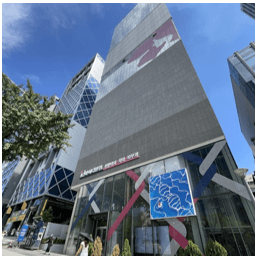
ID Hospital - Main Branch in Korea: Specializing in Safe & Customized Facial Plastic Surgery and Post-Care Services
Sinsa

Club Miz Lamiche Clinic: Leading Korean Aesthetic Medicine with Personalized 1:1 Treatments and Advanced 4D Skin Analysis Technology
Jamsil

Cheongdam Oracle Dermatology & Plastic Surgery Clinic in Korea: Offering Advanced Skin, Anti-Aging, Body Contouring Treatments and More
Seolleung