
Medical Tourism Blog
CO2 Laser in Korea: Resurfacing Methods, Recovery, Risks and Travel Planning
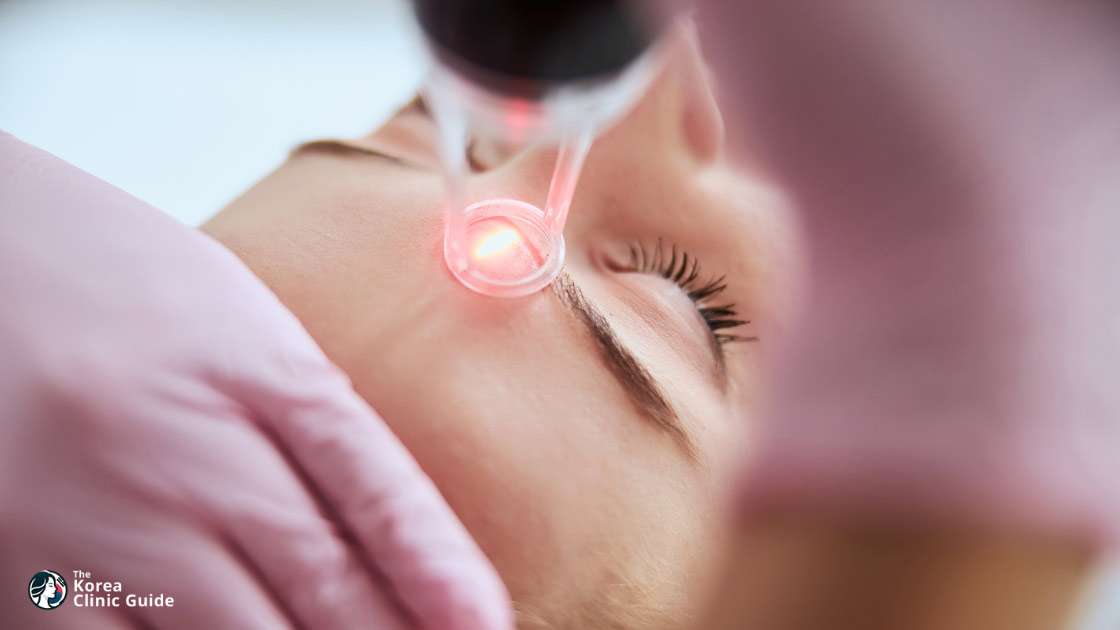
Table of contents
- CO2 Laser at a Glance
- What Is CO₂ Laser Resurfacing?
- Who Is a Good Candidate for CO₂ Laser Resurfacing?
- How Is CO₂ Laser Resurfacing Performed?
- Why Visit Korea for CO₂ Laser Resurfacing?
- Key Information for International Patients
- CO2 Laser From Start to Finish
- Which Are the Best Clinics in Korea for Co2 Laser?
- Alternatives to CO₂ Laser Resurfacing
- How Can I Prepare for CO₂ Laser Resurfacing?
- Aftercare Advice
Considering treatment in Korea? Everything you need to know e.g. — how to avoid scams, visas, interpreters, recovery tips — in our Medical Tourism Master Guide. Plan with confidence in minutes, not weeks!
Last updated: September 2026
CO2 Laser at a Glance
- What it treats — Fractional CO₂ resurfacing uses 10,600-nm ablative laser energy to improve atrophic acne scars, rough texture, enlarged-looking pores, fine-to-moderate wrinkles, and photodamage.
- Recovery time — Fractional treatment commonly causes redness, swelling, oozing, bronzing, and micro-crusting, with peeling around days 5–7; pinkness may remain for weeks or sometimes months.
- Results and repeat sessions — Collagen remodeling produces gradual improvement over weeks to months, and acne scars often need multiple sessions or combination treatment rather than one treatment that removes all scars.
- Best candidates — Good candidates have stable rolling or broad boxcar scars or texture concerns, realistic expectations, and the ability to follow open-wound care and strict sun avoidance during healing.
- Key limitation and risk — CO₂ resurfacing cannot reliably erase deep, tethered, or ice-pick scars, and pigment-reactive skin requires conservative settings because post-inflammatory hyperpigmentation risk varies widely between individuals.
- Korea travel planning — Plan to stay in Korea for 7–10 days after fractional facial treatment for an early healing review; deep or full-field resurfacing generally warrants at least 14 days before clinician-cleared travel.
- Korea-specific booking detail — “CO₂ laser” can mean fractional resurfacing, full-field ablation, or focal lesion treatment, so confirm the delivery method, treatment areas, device, clinician oversight, and complication follow-up rather than assuming Korean treatment is inherently superior.
What Is CO₂ Laser Resurfacing?
CO₂ laser resurfacing is an ablative treatment that uses laser energy to renew the skin’s surface and stimulate collagen remodeling. It aims to soften atrophic acne scars, rough texture, enlarged-looking pores, fine wrinkles, and sun-related skin changes, with improvement developing gradually. It is a minimally invasive procedure because it creates controlled microscopic skin wounds without surgical incisions.
Who Is a Good Candidate for CO₂ Laser Resurfacing?
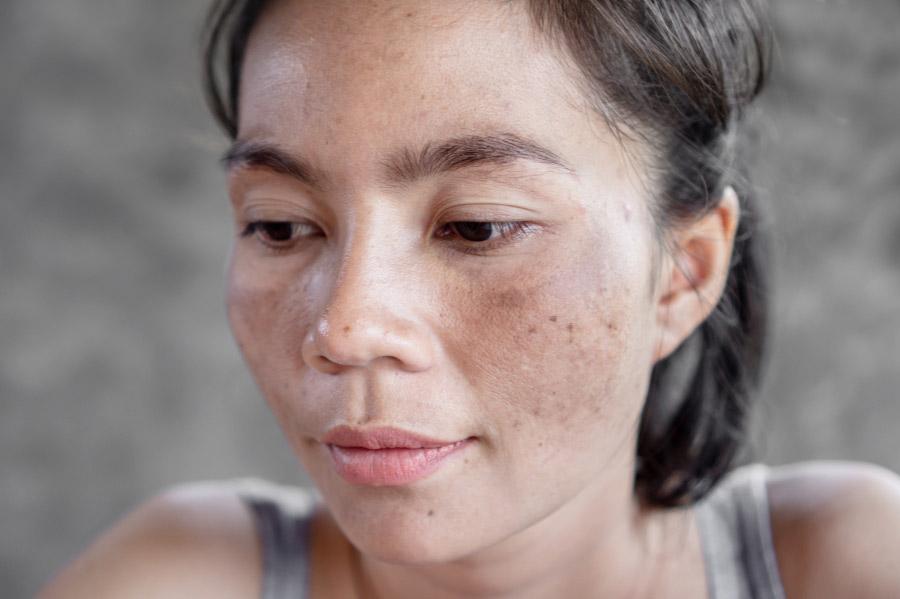
- Atrophic acne scars — Good candidates have stable depressed rolling or broad boxcar scars and accept gradual improvement rather than complete scar removal. A scar assessment is essential because tethered rolling scars often need acne scar treatment such as subcision, while narrow ice-pick scars often need targeted treatment.
- Texture and pores — Fractional CO₂ resurfacing suits people seeking improvement in rough texture, enlarged-looking pores, fine-to-moderate wrinkles, and photodamage.
- Realistic downtime — Candidates can manage several days of cleansing and protective ointment, avoid picking and sun exposure, and remain available for an early healing review.
- Pigment-risk planning — People with a history of post-inflammatory hyperpigmentation (PIH), melasma, or pigment-reactive skin need conservative settings and a specific prevention and follow-up plan. Reported PIH rates differ substantially across studies, so an individual percentage cannot be predicted reliably from current evidence.
Do not undergo elective ablative treatment over active cold sores, bacterial or fungal infection, open wounds, severe dermatitis, or pustular/cystic acne. A history of keloids or hypertrophic scars, prior radiation in the area, impaired healing, significant immunosuppression, connective-tissue disease, and selected inflammatory skin diseases require individualized medical assessment. Defer cosmetic resurfacing during pregnancy because safety data are inadequate. Current or recent isotretinoin use also requires physician review; timing depends on the extent and depth of resurfacing, healing history, and the clinician’s judgment rather than a universal waiting period.
How Is CO₂ Laser Resurfacing Performed?
CO₂ laser uses 10,600-nm infrared energy absorbed by water in the skin to vaporize thin layers and create controlled thermal injury. The booking should state whether treatment is fractional, full-field, or focal; these are not interchangeable procedures.
- Fractional ablative CO₂ — The usual cosmetic method for acne scars, texture, pores, and wrinkles. Microscopic columns of treatment are separated by untreated skin, reducing the surface wound burden compared with full-field resurfacing. Expect oozing, bronzing, micro-crusting, and roughly 5–7 days of surface peeling.
- Full-field ablative CO₂ — The whole selected skin surface is treated. It is more intensive, with a larger wound burden; new skin commonly covers the area in about 7–10 days, but redness and color normalization last longer.
- Targeted CO₂ ablation — Focal treatment of selected lesion edges or scars differs from full-face cosmetic resurfacing. Diagnosis, pathology requirements, wound size, and aftercare must be planned separately.
- Customized settings — Energy, density, pulse pattern, number of passes, and coverage depend on skin phototype, facial site, scar morphology, prior response, and acceptable downtime. Excessive energy or density increases scarring risk, particularly in sensitive areas.
Why Visit Korea for CO₂ Laser Resurfacing?
CO₂ resurfacing is widely offered in South Korea, but treatment outcomes are not inherently better because care occurs in Korea. The result depends on a correct diagnosis, conservative parameter selection when pigment risk is present, and competent wound-care follow-up. Compare the stated device, treatment plan, clinician oversight, and complication pathway rather than assuming a country-level advantage.
- Defined treatment plan — Ask the clinic to specify fractional versus full-field delivery, exact treatment areas, intended indication, anesthetic plan, and anticipated downtime before booking. “CO₂ laser” can otherwise describe very different procedures.
- Scar-morphology assessment — Published acne-scar evidence supports individualized parameters and combination treatment where needed; it does not establish a universal CO₂ protocol or a single best device. This matters in Korea as it does elsewhere.
- Add-on scrutiny — Do not treat “regenerative” masks, exosomes, PRP, or stem-cell-derived products as necessary parts of resurfacing. Evidence for recombinant human epidermal growth factor with fractional CO₂ is emerging but limited, product-specific, and cannot be generalized to other biologic add-ons. The FDA states that there are no FDA-approved exosome products.
- Evidence limitation — No robust comparative research establishes superior CO₂-laser outcomes in South Korea versus appropriately performed treatment in other countries.
Key Information for International Patients
- Minimum stay — Remain in Korea for 7–10 days after fractional facial CO₂ resurfacing to allow assessment during re-epithelialization and treatment of infection, HSV reactivation, excessive inflammation, or pigment problems. This is conservative medical-travel guidance, not an airline rule.
- Deep treatment travel — Plan at least 14 days for deep or full-field ablative CO₂. Do not take a long-haul flight until the treating clinician confirms that the skin has healed adequately and an aftercare plan is in place.
- Flight timing — Do not fly with significant weeping, blistering, increasing pain, severe swelling, or no route for urgent review. Residual pinkness can persist for weeks or longer, even after the surface has healed.
- Repeat visits — Acne scars often need more than one session or combination treatment. There is no validated universal session interval; it depends on scar type, treated area, skin phototype, response, and complication history.
- Itinerary impact — Avoid outdoor sightseeing, hot baths, saunas, swimming, strenuous exercise, and makeup during the open-skin phase. Build a low-exposure recovery period into the itinerary.
- Remote follow-up — Before leaving, obtain written aftercare instructions, prescribed medications, direct clinic contact details, photographs, device name, treated areas, and settings if the clinic provides them.
Travel note: A companion is usually unnecessary for limited facial fractional treatment under topical anesthetic alone. Arrange one for oral or IV sedation, extensive resurfacing, substantial periocular swelling, language barriers, or expected visual impairment. Do not drive after sedating medication.
CO2 Laser From Start to Finish

- Remote inquiry and consultation — Send clear, unfiltered photographs and disclose the treatment goal, scar history, previous procedures, skin reactions, cold sores, medicines, supplements, and travel dates. Confirm whether English-language or virtual consultation is available.
- Treatment planning — The clinician identifies whether concerns are scars, texture, wrinkles, photodamage, or a discrete lesion. For acne scars, they assess rolling, boxcar, and ice-pick components and decide whether CO₂ alone is appropriate or whether subcision, TCA CROSS, or another procedure is more direct.
- In-person assessment — The clinic checks for active acne, infection, dermatitis, tanning, pigment risk, wound-healing concerns, HSV history, and contraindications. Confirm the exact CO₂ technique, areas, expected downtime, and departure date.
- Skin preparation and anesthesia — The skin is cleansed and eye protection is placed. A limited fractional facial session often uses topical anesthetic; extensive resurfacing can require local anesthetic, oral pain medicine, or sedation. Follow fasting and escort instructions exactly when sedation is planned.
- Laser delivery — The clinician applies fractional 10,600-nm CO₂ laser passes using settings selected for the site, scar depth, skin type, and recovery tolerance. Treatment time depends on coverage and intensity.
- Immediate post-laser care — Expect burning, redness, warmth, swelling, and sometimes pinpoint bleeding or oozing. The clinic applies its chosen protective product and provides cleansing, moisturizing, medication, and urgent-contact instructions.
- Early review in Korea — Attend the planned healing check while redness, bronzing, crusting, and peeling are most active. Report painful blisters, worsening pain, spreading redness, pus, fever, or persistent open areas promptly.
- Overseas follow-up — Continue photo-based or video follow-up after departure when arranged. Improvement from collagen remodeling develops over weeks to months; review the need for further scar treatment only after the clinician can assess healing and response.
Which Are the Best Clinics in Korea for Co2 Laser?
Listed below are some of the best clinics in Korea for co2 laser.
1. Three Wishes Clinic - Myeongdong
At Three Wishes Clinic - Myeongdong, you can consider CO2 laser resurfacing to remove damaged skin layers and stimulate collagen production, with the aim of improving wrinkles, acne scars, and overall skin texture.
- URL: Three Wishes Clinic - Myeongdong Website
- Location: Jung-gu, Seoul
- Procedure details:
- CO2 laser resurfacing targets damaged outer skin layers while supporting collagen stimulation.
- The treatment is described for concerns including wrinkles, acne scars, and uneven skin texture.
- Related skin treatments:
- Other listed skin options include PDT acne treatment, facial peels, Rejuran Healer injections, Shurink ultrasound lifting, and customized skin care treatments.
- Laser hair removal is also listed among the clinic's laser-based services.
2. Nana Plastic Surgery Clinic
At Nana Plastic Surgery Clinic, you can explore laser-based dermatology treatment for concerns ranging from pigmentation to fine lines. The clinic describes its aesthetic care as supported by extensive clinical data and diverse surgical experience, while its laser treatments are presented as having minimal downtime.
- URL: Nana Plastic Surgery Clinic Website
- Location: Gangnam-gu, Seoul
- Laser and skin care:
- Laser therapies are listed for skin concerns including pigmentation and fine lines.
- Non-surgical tightening options include laser and radiofrequency therapies.
- Other dermatology offerings include petit sculpting procedures and non-invasive slimming treatments such as cryolipolysis and lipolysis injections.
3. Modelo clinic
Modelo Clinic’s available information does not specifically describe a CO2 laser service. Its skin-care offerings focus on laser and combination approaches for freckles, blemishes, melasma, and improved skin tone and clarity, with treatments framed around your individual skin characteristics and concerns.
- URL: Modelo clinic Website
- Location: Gangnam-gu, Seoul
- Skin-focused options:
- Whitening care uses various laser and combination treatments for freckles, blemishes, and melasma.
- Lifting treatments are tailored to individual skin characteristics and aging concerns.
- Comfort Thermage uses radiofrequency energy for gradual skin tightening and smoothing.
Alternatives to CO₂ Laser Resurfacing
Non-surgical alternatives generally reduce epidermal injury and downtime but often require more sessions or produce more modest textural change. Surgical or targeted scar procedures can address specific structural defects that resurfacing alone cannot release or fill.
Er:YAG Fractional Resurfacing
- Best tradeoff — Another ablative resurfacing option when less residual thermal injury or a shorter surface recovery is preferred.
- Limitation — It remains an ablative procedure with wound care, redness, and pigment considerations.
Non-Ablative Fractional Laser
- Best tradeoff — Fraxel laser or pico fraxel options create less surface injury and usually involve less downtime.
- Limitation — Textural and scar change is often more modest per session, so a course of treatment is common.
RF Microneedling
- Best tradeoff — Secret RF microneedling and Potenza are options for people prioritizing less epidermal ablation.
- Evidence reality — A recent meta-analysis found no statistically significant overall difference in acne-scar score reduction between fractional CO₂ and needling-based monotherapy, but study methods were highly heterogeneous.
Subcision and Targeted Scar Repair
- Best tradeoff — Acne scar treatment with subcision, with or without filler or biostimulation, is often more direct for tethered rolling scars. TCA CROSS, punch excision, or punch elevation can better suit ice-pick and sharply edged deep boxcar scars.
- Limitation — These approaches treat selected scar structures rather than providing broad texture resurfacing.
Vascular Laser
- Best tradeoff — V-Beam laser is more suitable for persistent red or pink post-acne marks and scar erythema.
- Limitation — It does not reliably lift depressed scar depth.
How Can I Prepare for CO₂ Laser Resurfacing?
- Medication review — Give the laser clinician a complete list of prescription medicines, isotretinoin, retinoids, exfoliating acids, benzoyl peroxide, hydroquinone, photosensitizing medicines, vitamins, and supplements. Do not stop anticoagulants, antiplatelets, immunosuppressants, or other prescribed medicines without approval from both the prescribing clinician and treating doctor.
- Cold-sore disclosure — Report every history of oral or facial herpes simplex virus, including remote episodes. CO₂ resurfacing can reactivate HSV even in people without a known history; take clinician-prescribed antiviral prevention exactly as directed.
- Sun and skin protection — Avoid tanning, sunburn, waxing, and treatment-area irritation before the procedure. Stop active products such as retinoids, acids, and benzoyl peroxide only according to the clinic’s schedule.
- Smoking and alcohol — Avoid smoking and nicotine exposure during healing because they impair wound healing. Avoid alcohol when the clinic instructs, particularly around sedation and prescribed medicines.
- Fasting and transport — Topical-anesthetic-only treatment usually does not require fasting. For oral or IV sedation, follow fasting instructions exactly, arrange an escort, and do not drive afterward.
- Accommodation and flights — Book accommodation that allows clean bedding, easy access to the clinic, and a low-sun recovery period. Keep flights flexible and schedule the first review before departure.
Travel note: Pack a wide-brim hat, clean pillowcase options, and only the bland post-laser products approved by the clinic. Do not rely on finding a substitute product after treatment.
Confirm the treating doctor’s clinic-specific medication stops, fasting rules, product instructions, and travel clearance requirements; these take precedence over general guidance.
Aftercare Advice
Protect the healing skin as an open wound until the treating clinician confirms that re-epithelialization is complete.
- Cleansing and barrier care — Cleanse gently exactly as directed, use clean hands, and apply the clinic-approved bland ointment or moisturizer at the recommended frequency. Change pillowcases regularly.
- Do not disturb the skin — Do not pick, scrub, exfoliate, or remove peeling skin and micro-crusts. Avoid makeup, retinoids, acids, benzoyl peroxide, harsh cleansers, and waxing until the clinician permits them.
- Heat, water, and exercise — Avoid strenuous exercise, saunas, hot baths, swimming pools, ocean water, and other heat or contamination exposure until the skin is closed and the clinician clears resumption.
- Sun avoidance — After healing, use broad-spectrum SPF 50 sunscreen daily, wear a hat, and seek shade. Strict ultraviolet protection reduces excess inflammation and pigment complications.
- Warning signs — Contact the clinic urgently for worsening pain, spreading redness or warmth, pus, foul odor, fever, clusters of painful blisters, persistent open skin, severe swelling, or eye pain or visual symptoms after periocular treatment.
- Result timing — Peeling commonly occurs around days 5–7. Pinkness can last weeks and sometimes months; collagen remodeling and scar improvement develop over weeks to months.
Follow the treating doctor’s written instructions over general advice and contact the clinic promptly when healing appears to be worsening rather than improving.
Frequently Asked Questions
Related Blogs
Effective Korea PDRN Injection Treatments for New Stretch Marks
Discover how PDRN injections in Korea offer an advanced treatment for new stretch marks (striae rubrae). Known for stimulating collagen, elastin, and skin regeneration, Korea's expert clinics provide effective solutions for early-stage stretch marks. Benefit from cutting-edge techniques in medical tourism-friendly environments, with affordable costs and proven results. Learn how Korea’s PDRN tre
Updated: Oct 1, 2026
Discover Expert Lipoma Removal Procedures in Korea for Effective Lipoma Removal Needs
Discover how Korea leads in safe, effective lipoma removal procedures, including traditional excision, liposuction, and minimally invasive techniques. This comprehensive guide highlights diagnostic methods, surgical options, costs, and patient experiences specific to Korea’s top medical facilities. Perfect for medical tourists seeking painless, reliable treatment for lipomas—benign fatty lumps tha
Updated: Oct 1, 2026
Filler Dissolver in Korea: Hyaluronic Acid Reversal, Recovery, Risks, and Travel Planning
Hyaluronic acid filler dissolution uses targeted hyaluronidase injections, with ultrasound assessment when filler is old, migrated, deep, periocular, or uncertain. International patients can plan consultation, outpatient treatment, a review at about 48 hours, written treatment records, and remote follow-up; urgent pain, skin-color changes, visual symptoms, or neurological symptoms require immediat
Updated: Sep 28, 2026
Collagen Filler in Korea: Products, Safety, Recovery, and Travel Planning
Collagen filler treatment involves confirming the exact product, medical screening, possible allergy testing, outpatient injection, and follow-up planning. International patients should stay in Korea for 2–3 days, expect bruising or swelling for up to 1–2 weeks, and obtain emergency contacts and complete product records.
Updated: Sep 27, 2026
Clinics offering CO2 Laser

Three Wishes Clinic - Myeongdong, Korea: Advanced Botox, Fillers, Laser, and Skin Treatments for Confidence and Care
Myeongdong

B.V Clinic Korea: Advanced Aesthetic Treatments for Natural Beauty Enhancement & Rejuvenation
Sinnonhyeon Station

Cheongdam Oracle Dermatology & Plastic Surgery Clinic in Korea: Offering Advanced Skin, Anti-Aging, Body Contouring Treatments and More
Seolleung

Nana Plastic Surgery Clinic in Korea: Advanced Aesthetic Procedures for Face, Body, and Breast Enhancement
Sinnonhyeon Station