
Medical Tourism Blog
Atrophic Scar Treatment in Korea: Types, Recovery, Travel Planning, and Alternatives
Table of contents
- What Is Atrophic Scar Treatment?
- Which Are the Best Clinics in Korea for Atrophic Scar Treatment?
- Atrophic Scar Treatment in Korea
- Alternatives to Atrophic Scar Treatment
- Conclusion
Considering treatment in Korea? Everything you need to know e.g. — how to avoid scams, visas, interpreters, recovery tips — in our Medical Tourism Master Guide. Plan with confidence in minutes, not weeks!
Did you know that South Korea has positioned itself as a global hub for cutting-edge dermatological and cosmetic treatments, drawing in patients from all corners of the globe? This comprehensive guide explores how Korea's innovative approaches to atrophic scar treatment are transforming skincare and boosting confidence worldwide.
What Is Atrophic Scar Treatment?
Atrophic scar treatment encompasses a variety of medical procedures aimed at reducing the appearance of atrophic scars. These scars, characterized by their sunken or pitted appearance, often result from conditions such as acne, chickenpox, or surgical incisions that disrupt the skin’s natural repair process. Atrophic scars can be particularly troubling due to their noticeable texture and depth.
Who Can Benefit from Atrophic Scar Treatment?
Atrophic scar treatment is suitable for individuals who have developed depressed scars on their skin due to acne, infections, trauma, or surgery. The severity of these scars can vary, impacting not only the appearance but also the psychological well-being of those affected. People with medium to severe atrophic scars who are looking for significant improvement in skin texture and appearance are ideal candidates for these treatments.
Types of Atrophic Scar Treatments
Different types of treatments are available to address atrophic scars, each varying in terms of invasiveness, recovery time, and effectiveness:
1. Dermal Fillers
Dermal fillers involve injecting substances like hyaluronic acid beneath the skin to fill in depressed areas, providing immediate plumping and smoothing effects.
Pros:
- Instant results
- Minimally invasive
- Little to no downtime
Cons:
- Temporary solution, often requiring repeat treatments
- Potential for allergic reactions or lumps
2. Microneedling
This procedure uses a device with fine needles to create micro-injuries in the skin, stimulating collagen and elastin production.
Pros:
- Minimally invasive
- Can improve overall skin texture
- Few side effects
Cons:
- Multiple sessions required for optimal results
- Possible temporary redness and swelling post-treatment
3. Laser Resurfacing
Laser resurfacing employs focused light beams to remove layers of skin, promoting the growth of new, healthier skin and reducing the appearance of scars.
Pros:
- Can be very effective for deeper scars
- Improvement in skin tone and texture
Cons:
- Requires local anesthesia
- Longer recovery time with potential redness and swelling
- Risk of hyperpigmentation or infection
4. Chemical Peels
Chemical peels use acidic solutions to exfoliate the top layers of skin, stimulating the growth of new skin cells.
Pros:
- Can treat multiple skin concerns simultaneously
- Non-surgical with relatively short downtime
Cons:
- Varying effectiveness based on scar depth
- Potential for skin irritation and sensitivity
5. Subcision
Subcision involves inserting a needle under the skin to break up fibrous tissues that tether down scars, allowing them to rise to the surface.
Pros:
- Effective for treating tethered scars
- Long-lasting results after a few sessions
Cons:
- Invasive, requiring local anesthesia
- Possible bruising and swelling
Pros and Cons of Atrophic Scar Treatments
Pros:
- Improved Appearance: Treatments can significantly reduce the visibility of atrophic scars, leading to smoother, more even skin.
- Boosted Confidence: Improved skin appearance often translates to enhanced self-confidence and psychological well-being.
- Variety of Options: Multiple treatments are available, allowing for tailored approaches based on individual needs and scar severity.
Cons:
- Cost: Some procedures can be expensive and may not be covered by insurance as they are often deemed cosmetic.
- Time Commitment: Many treatments require multiple sessions and ongoing maintenance.
- Side Effects: Potential for temporary side effects like redness, swelling, and, in some cases, more serious complications like infections or pigmentation changes.
Understanding the range of available treatments and their respective benefits and drawbacks is essential for anyone considering atrophic scar treatment. Consulting with a qualified dermatologist or plastic surgeon is crucial to determine the most appropriate treatment plan tailored to individual needs and skin type.
Which Are the Best Clinics in Korea for Atrophic Scar Treatment?
Listed below are some of the best clinics in Korea for atrophic scar treatment.
1. Louis Clinic
For atrophic scars, you can explore a texture-focused approach at Louis Clinic that includes laser therapy and microneedling, two treatments the clinic lists for reducing the appearance of acne scars and improving skin texture. A consultation can help determine how these options fit your individual scar and skin concerns.
- URL: Louis Clinic Website
- Location: Seongnam-si Bundang-gu, Gyeonggi
- Scar-care approach:
- Laser therapy and microneedling are listed for diminishing the appearance of acne scars and improving skin texture.
- Your treatment plan can be personalized around your aesthetic and dermatologic needs.
- Related skin concerns:
- Acne treatment options include topical medications, oral medications, and specialized facials.
- Whitening laser treatment is available for hyperpigmentation and uneven skin tone.
2. Geurim Plastic Surgery
You may consider Geurim Plastic Surgery for atrophic scar treatment if your goal is to address depressed scars and bring them closer to the level of the surrounding skin. Its scar-care offerings also include treatment for acne scars and burn scars, keloid removal, and scar-revision surgery, allowing your options to be considered in the context of the type and appearance of your scar.
- URL: Geurim Plastic Surgery Website
- Location: Seoul
- Scar-treatment scope:
- Atrophic scar treatment is listed to help level depressed scars with the surrounding skin.
- The clinic also lists acne-scar treatment, burn-scar treatment, keloid removal, and scar-revision surgery.
- Related reconstructive care:
- Hair transplantation on a scar is available to mask scar tissue in hair-bearing areas.
- The clinic offers reconstructive procedures including cleft lip and cleft palate surgery.
3. DATENA CLINIC
For depressed or uneven scar-related texture, DATENA CLINIC offers personalized dermatology and aesthetic planning centered on acne scars, pores, and skin quality. You can expect an assessment of your current skin condition, followed by a tailored plan that may incorporate texture-focused care and clinic-directed skincare; confirm during consultation whether its acne-scar options are appropriate for your specific atrophic scars.
- URL: DATENA CLINIC Website
- Location: Songpa-gu, Seoul
- Scar and texture planning:
- Acne scars, pores, and skin texture are among the clinic’s listed treatment concerns.
- Care begins with personalized evaluation and treatment planning for acne-scar concerns.
- Supporting skin care:
- Customized skincare is selected following a professional assessment of your current skin condition.
- Medical skincare may be combined with personalized aesthetic or dermatologic care.
- Genesis laser treatment is included in customized programs focused on overall skin condition and texture.
Atrophic Scar Treatment in Korea
When planning a trip to Korea for atrophic scar treatment, you're not just signing up for a medical procedure; you're embarking on a well-rounded experience marked by advanced healthcare, cultural immersion, and personalized patient care. Here’s a detailed journey through what to expect:
Arrival and Initial Impressions
The journey typically begins at one of Korea’s bustling international airports—Incheon or Gimpo in Seoul, or Gimhae in Busan. These airports are well-equipped and user-friendly, making it easy for international patients to navigate. Upon arrival, many clinics offer concierge services to assist with transfers directly to your accommodation or the medical facility, instantly setting a tone of convenience and personalized service.
Medical Consultations
Korea boasts some of the most advanced medical facilities in the world, featuring state-of-the-art technology and innovative treatments. Your first stop is usually a thorough consultation with a dermatological specialist. These initial assessments are comprehensive, often involving digital skin analysis to understand the depth and nature of the atrophic scars.
Personalized Treatment Plans
Following the consultation, you will receive a personalized treatment plan tailored precisely to your skin's needs. Korean dermatologists pride themselves on adopting a multifaceted approach, combining various techniques such as lasers, microneedling, radiofrequency devices, and chemical peels. You’ll be informed about how many sessions you might need, the expected outcomes, and post-treatment care.
The Procedure Experience
On the day of the procedure, you’ll notice the emphasis on patient comfort and hygiene. Clinics in Korea adhere to extremely high standards of cleanliness, creating a reassuring environment. The procedure itself is conducted by specialists who are often leaders in their fields, ensuring that you're in capable hands. Post-procedure care is meticulously detailed, with staff providing clear instructions and often, follow-up sessions to monitor progress.
Recovery and Aftercare
Recovery in Korea is generally smooth, aided by the supportive and hospitable culture. Many patients opt to stay in recovery centers or medical hotels designed to cater to their post-procedure needs, offering nutritious meals, skin-friendly environments, and sometimes even spa treatments to facilitate healing.
Immersion in Korean Culture
While in Korea, you'll have the opportunity to immerse yourself in its rich cultural landscape. From exploring traditional palaces like Gyeongbokgung to wandering through bustling markets such as Namdaemun or savoring Korean cuisine in authentic eateries, there's much to enhance your stay beyond the medical treatment. Hospitals and clinics often provide cultural guides or concierge services to help you navigate these experiences.
Follow-Up and Communication
Post-treatment, Korean clinics maintain excellent communication channels, ensuring you have access to doctors and specialists for any questions or follow-up care. The aftercare service reflects the holistic approach that Korean healthcare is known for, prioritizing both medical results and patient satisfaction.
In summary, coming to Korea for atrophic scar treatment entails a comprehensive and comfortable experience, combining world-class medical care with the enriching elements of Korean culture.
Alternatives to Atrophic Scar Treatment
When exploring treatments for atrophic scars, it's valuable to consider a variety of options that may offer alternative approaches to improving skin texture and appearance. Below are three recommended alternatives:
1. Chemical Peels
Chemical peels are a prevalent method often recommended for treating atrophic scars. This technique involves applying a chemical solution to the skin, causing the outer damaged layer to exfoliate and peel off. As the skin regenerates, a fresh layer forms underneath, reducing the appearance of scars. The effectiveness and healing time vary based on the chemical agent used. Mild agents like glycolic acid may require less downtime, while deeper peels using chemicals such as phenol might necessitate sedation and a longer recovery period.
2. Fillers
Soft-tissue fillers provide another alternative, especially effective for rolling atrophic acne scars. Fillers are injected under the indented scars to elevate them to the level of the surrounding skin, offering near-instant improvements. These injections not only offer temporary volume but also stimulate collagen production over time, contributing to better skin texture and reduced scar visibility. One of the significant benefits of fillers is the immediacy of results, making them a sought-after option for many patients seeking quick fixes.
3. Skin Needling
Skin needling, also known as microneedling therapy, is a method that uses fine needles to puncture the skin in a controlled manner, promoting collagen and elastin production. These needle-induced micro-injuries trigger the skin’s natural healing process, producing new collagen that enhances skin elasticity and health. Skin needling is adaptable for various skin types and levels of scarring, providing a versatile and often less invasive option compared to chemical peels or surgical interventions. This technique not only improves the appearance of scars but also benefits overall skin quality.
Conclusion
In conclusion, Korea has emerged as a global leader in the treatment of atrophic scars, offering advanced and highly effective solutions that combine cutting-edge technology with skilled medical expertise. From laser therapy and microneedling to PRP treatments and innovative cosmetic procedures, Korean clinics provide a comprehensive array of options tailored to individual needs. This commitment to excellence, coupled with a holistic approach to patient care, ensures that individuals seeking atrophic scar treatment in Korea can achieve significant improvements in skin texture and appearance. As medical tourism continues to flourish, Korea stands out as a premier destination for those looking to reclaim their confidence and enjoy smoother, healthier skin.
Frequently Asked Questions
Related Blogs
Pico Fraxel in Korea: Treatment Methods, Recovery, Costs of Travel Time, and Alternatives
Pico Fraxel is fractional picosecond laser resurfacing for selected atrophic acne scars, texture, pores, and fine lines; treatment includes assessment, topical anesthetic, protective eye shields, and brief laser passes. International patients can plan 2–3 nights, expect 1–7 days of redness or flaking, arrange follow-up, and maintain gentle skincare and strict sun protection.
Updated: Sep 14, 2026
Garlic Injection in Korea: Ingredients, Safety, Travel Planning, and Evidence Limits
Learn how Korean “garlic injections” typically use fursultiamine or thiamine by slow IV injection or infusion, including screening, formula disclosure, observation, aftercare, and travel planning. The guide covers eligibility, allergy and IV risks, evidence limitations, alternatives for suspected deficiency, and urgent symptoms requiring medical care.
Updated: Sep 14, 2026
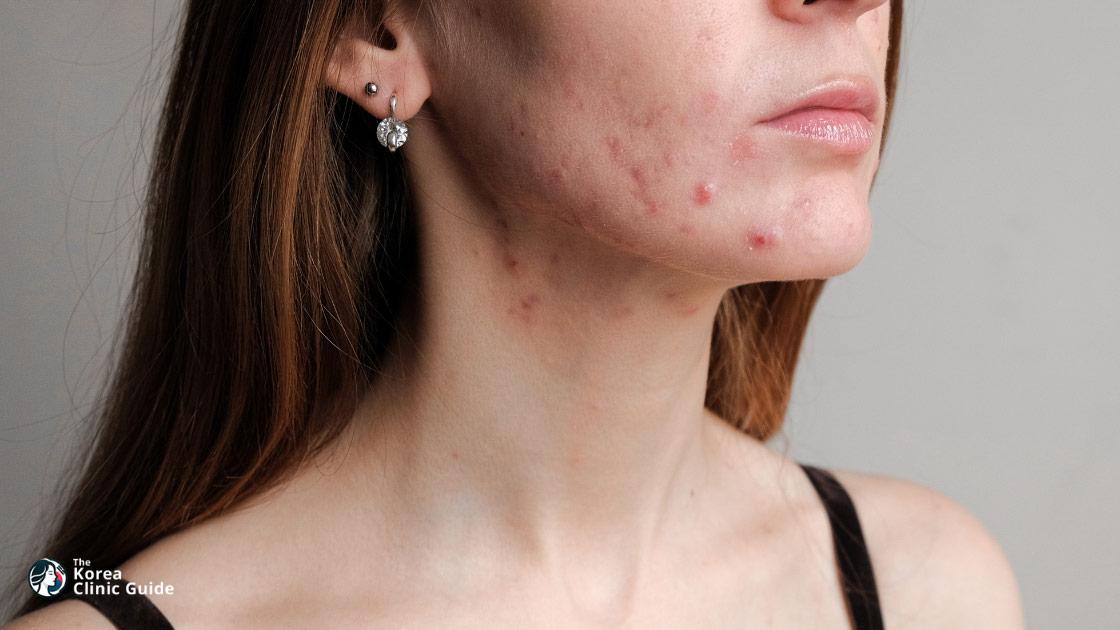
Acne Treatment in Korea: Medical Options, Travel Planning, and Aftercare
Acne treatment combines dermatologist assessment, topical or oral medicines, and selected office procedures based on lesion type, severity, scarring risk, and follow-up access. International patients can arrange consultations, extractions, peels, or PDT in Korea, with guidance on stay length, downtime, records, medication continuity, and aftercare.
Updated: Sep 14, 2026
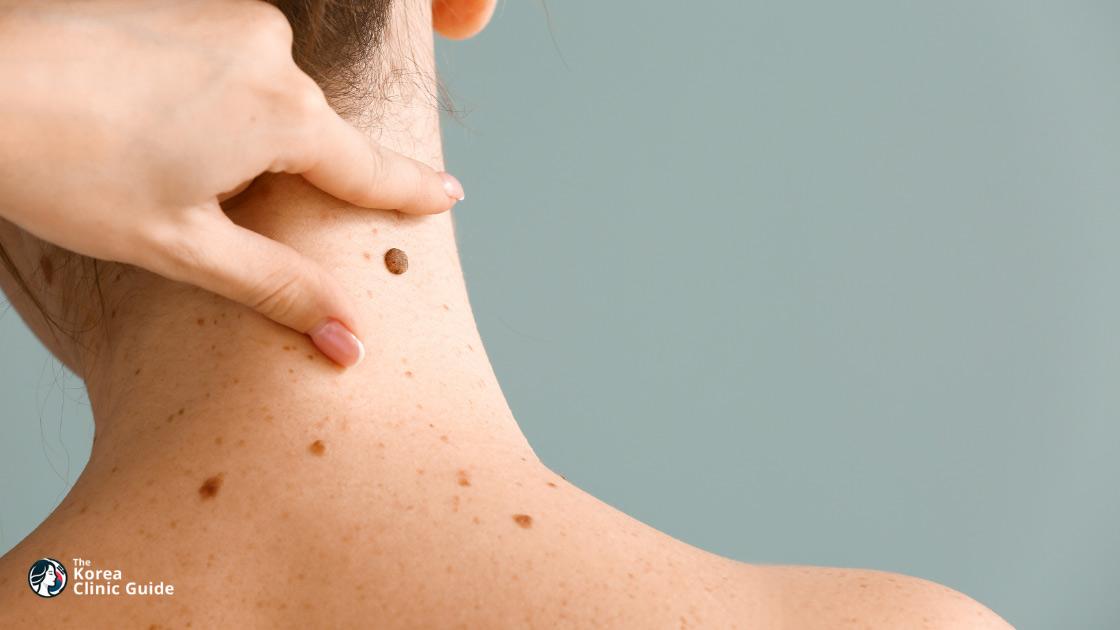
Mole Removal in Korea | Best Clinics, Costs, Procedure Types & More
Discover the latest advancements and techniques in mole removal in Korea. Learn about the safety, effectiveness, and what to expect from popular procedures offered by top Korean dermatologists.
Updated: Sep 14, 2026
Clinics offering Atrophic Scar Treatment

Louis Clinic Korea: Premier Aesthetic and Dermatological Solutions in Pangyo
Pangyo

DATENA CLINIC Korea | Personalized Dermatology, Lifting & Skin Rejuvenation in Seoul
Jamsil
Kangdong Sacred Heart Hospital
Gangdong

Geurim Plastic Surgery: Comprehensive Aesthetic and Reconstructive Procedures in Korea
Sinsa