
Medical Tourism Blog
Revise Your Vision: Addressing Aging Process After Initial Surgery with Revision Eye Surgery in Korea
Table of contents
- Revision Eye Surgery: Addressing Post-Operative Aging Concerns
- Navigating Revision Eye Surgery in South Korea
- Patient Journeys: Addressing Post-Blepharoplasty Aging with Revision Surgery
- Which Are the Best Clinics in Korea for Aging Process After Initial Surgery?
- Conclusion
- References
Considering treatment in Korea? Everything you need to know e.g. — how to avoid scams, visas, interpreters, recovery tips — in our Medical Tourism Master Guide. Plan with confidence in minutes, not weeks!
After an initial eyelid surgery, it’s common for patients to notice changes in their eyelids over time due to natural aging. While the surgery can refresh the eye area, it doesn’t stop the aging process. One frequent concern is the return of excess eyelid skin, known as dermatochalasis. Even after removing extra skin during surgery, the skin’s elasticity continues to decline with age, causing new folds to form. This highlights the importance of having realistic expectations about how long the initial results will last.
Another issue is blepharoptosis, or drooping of the upper eyelid, which happens as the muscles supporting the eyelids weaken with age. Sometimes, the first surgery may subtly affect these muscles, making drooping more noticeable later. Additionally, patients might feel less satisfied with their initial results as their aesthetic preferences evolve and other facial features change over time.
Changes in skin texture around the eyes are also common. Many patients develop "crepey skin," which is thin, finely wrinkled skin that has lost elasticity. This can happen even if the surgery corrected sagging. The healing process combined with the natural decrease in collagen and elastin contributes to this crepe-like look. Puffy bags under the eyes may also reappear. Although fat may have been removed or repositioned during surgery, fat distribution changes with age, causing bags to return. Subtle shifts in eyelid position after [upper blepharoplasty](/blog/upper-blepharoplasty-korea) have also been noted, reflecting changes in muscle tone and skin elasticity. Dark circles can become more prominent too, often due to fat loss creating shadows or changes in skin pigmentation.
These aging changes after surgery are driven by the ongoing natural aging process. Skin elasticity declines as collagen and elastin production slows, leading to sagging and wrinkles. Eyelid muscles weaken, contributing to drooping, and fat around the eyes shifts, causing bags or hollows. In some cases, removing too much skin or fat during the first surgery can worsen crepey skin or create a hollowed look later.
Common terms used to describe these changes include "crepey skin," "hooded eyelids" (due to sagging upper eyelid skin), "under-eye bags," "tear troughs," "crow’s feet" (fine lines around the eyes), and "sagging" or "droopy eyelids." Collectively, these changes after initial blepharoplasty are sometimes called the "postblepharoplasty look."
Table: Common Aging Changes After Initial Eyelid Surgery
| Aging Change | Common Pseudonyms | Underlying Causes |
|---|---|---|
| Recurrent Dermatochalasis | Excess eyelid skin | Decline in skin elasticity, continued aging |
| Blepharoptosis | Drooping upper eyelid | Weakening of eyelid muscles, potential impact of initial surgery |
| Dissatisfaction with outcome | Evolving aesthetic preferences, changes in other facial features | |
| Crepey Skin | Thin, finely wrinkled skin | Loss of collagen and elastin, healing process |
| Recurrence of Bags | Under-eye bags | Changes in fat distribution around the eyes |
| Eyelid Position Changes | Changes in muscle tone and skin elasticity | |
| Dark Circles | Fat loss creating shadows, changes in skin pigmentation |
Revision Eye Surgery: Addressing Post-Operative Aging Concerns
Revision eye surgery, or secondary blepharoplasty, is performed to tackle issues that arise after a previous eyelid surgery. This procedure is often more complex because of changes in eyelid anatomy and scar tissue from the first operation. A thorough evaluation by an experienced surgeon is essential to identify the problems and discuss realistic expectations.
Techniques in revision surgery are customized to each patient’s needs. For recurrent dermatochalasis, the surgeon carefully removes excess skin but avoids over-removal to prevent tightness or difficulty closing the eyes. If blepharoptosis is present, the surgeon may lift the eyelid by tightening or shortening the levator muscle, which raises the upper eyelid.
For patients unhappy with their initial aesthetic results, revision surgery can refine the eyelid crease, correct asymmetry in skin or fat pads, and address bulging or hollowing that developed over time. Scar revision can improve poorly positioned or excessive scarring. If too much fat was removed initially, causing a hollowed look in the central infrabrow area, fat grafting or repositioning can restore volume and smooth contours.
Eyebrow position is also important. Brow drooping can make upper eyelid skin appear excessive, so a brow lift may be recommended alongside revision blepharoplasty for a balanced, rejuvenated look. Revision surgery can also fix functional problems like lower eyelid malposition, including ectropion (outward turning) or entropion (inward turning).
Upper and lower eyelid revisions differ. Upper eyelid revision focuses on refining the crease, correcting ptosis, or improving scars. Lower eyelid revision addresses retraction, ectropion, or persistent under-eye bags. Because the support structures and aging patterns vary between upper and lower eyelids, different surgical approaches are needed.
Table: Reasons for Considering Revision Eye Surgery
| Reason | Description |
|---|---|
| Recurrent Dermatochalasis | Return of excess eyelid skin due to ongoing aging. |
| Blepharoptosis | Drooping upper eyelid that was under-corrected or developed after initial surgery. |
| Dissatisfaction with Aesthetics | Concerns about eyelid appearance evolving or not fully addressed initially. |
| Scarring | Unsightly or misplaced scars from the first surgery. |
| Functional Problems (Lagophthalmos) | Difficulty fully closing eyes, often from too much skin removal. |
| Functional Problems (Ptosis) | Upper eyelid drooping affecting vision or appearance. |
| Functional Problems (Malposition) | Ectropion or entropion causing discomfort or eye issues. |
| Over-correction (e.g., Hollowing) | Sunken or unnatural look from excessive tissue removal. |
| Under-correction (Persistent Bags/Skin) | Insufficient removal of skin or fat, leaving aging signs. |
Navigating Revision Eye Surgery in South Korea
South Korea is a popular destination for revision eye surgery, especially cosmetic procedures. Here’s what patients can expect:
- Initial Consultation: Many clinics offer online consultations where patients submit photos and medical history to discuss concerns and goals. This helps plan the procedure.
- Travel Arrangements: Patients book flights and accommodation. Some clinics provide packages that assist with travel and lodging.
- In-Person Consultation: Upon arrival, a detailed exam and discussion with the surgeon finalize the surgical plan.
- Pre-operative Preparations: Patients receive instructions on medications, diet, and other preparations.
- Surgical Procedure: Surgery is performed in well-equipped clinics with advanced technology and high medical standards.
- Post-operative Care: Patients get detailed care instructions for recovery, including wound care and activity restrictions.
- Follow-up Appointments: Follow-ups may occur in South Korea or be coordinated with local doctors after returning home.
Choosing South Korea offers several advantages:
- High Concentration of Skilled Surgeons: Many experienced plastic surgeons specialize in facial and revision surgeries.
- Advanced Medical Technology and Facilities: Clinics use state-of-the-art equipment and maintain high care standards.
- Competitive Pricing: Costs are often lower than in Western countries.
- Cultural Acceptance of Cosmetic Surgery: Cosmetic procedures are widely accepted, creating a comfortable environment.
- Focus on Aesthetic Detail: Surgeons emphasize natural-looking, refined results, crucial for revision cases.
Table: Potential Benefits of Revision Eye Surgery in South Korea
| Benefit | Explanation |
|---|---|
| High Concentration of Skilled Surgeons | Large pool of experts in facial cosmetic and revision surgery. |
| Advanced Medical Technology and Facilities | Access to cutting-edge equipment and high standards of care. |
| Competitive Pricing | Often more affordable than in Western countries. |
| Cultural Acceptance of Cosmetic Surgery | Society embraces cosmetic surgery, reducing stigma and increasing comfort. |
| Focus on Aesthetic Detail | Surgeons prioritize natural, aesthetically pleasing outcomes. |
Patient Journeys: Addressing Post-Blepharoplasty Aging with Revision Surgery
Patients experiencing aging changes after initial eyelid surgery often find revision surgery effective for both function and appearance.
Functionally, revision surgery can fix lagophthalmos (inability to fully close eyes) caused by excessive skin removal. Adjusting eyelid tissues helps restore closure, reducing dryness and protecting the cornea. It can also improve vision by lifting drooping eyelids (ptosis) that were under-corrected or developed later. Correcting lower eyelid malpositions like ectropion or entropion relieves discomfort and restores natural eyelid appearance.
Aesthetically, revision surgery refines initial results and addresses new aging signs. It can improve eyelid asymmetry, remove recurrent excess skin and bags, and reduce visible scarring. For over-corrected or hollowed areas, fat grafting restores volume and softens contours.
Many patients report increased self-confidence and satisfaction after revision blepharoplasty. While most studies focus on primary blepharoplasty benefits, similar rejuvenation can be expected from revision surgery when it successfully treats aging changes. However, patients should keep realistic expectations, as perfection is rarely achievable and revision surgery carries higher risks than the initial procedure.
Which Are the Best Clinics in Korea for Aging Process After Initial Surgery?
Listed below are some of the best clinics in Korea for aging process after initial surgery.
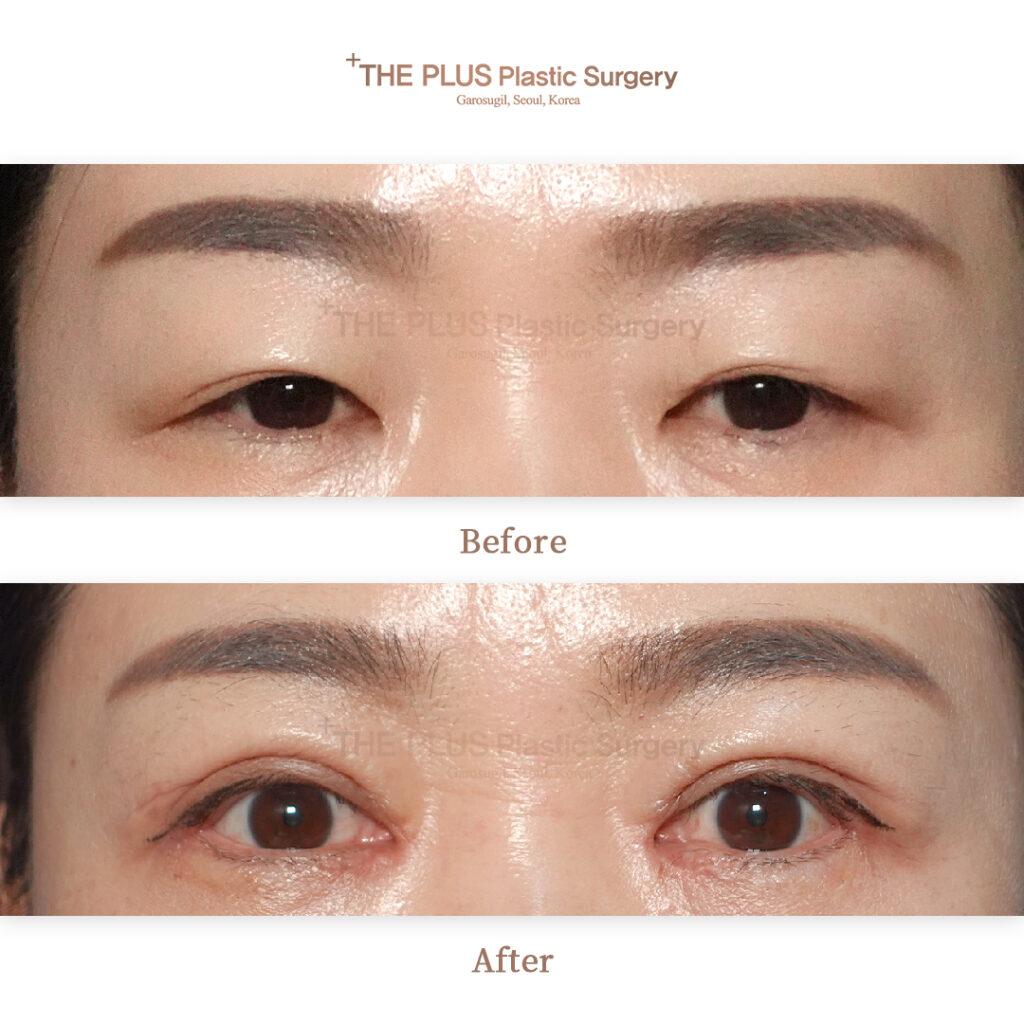
1. THEPLUS Plastic Surgery
If changes over time after an initial eyelid procedure have left you with hooding, heaviness, or a less refreshed eye area, THE PLUS offers blepharoplasty and ptosis correction alongside double-eyelid surgery. Its approach emphasizes creating an eyelid line and facial balance that work with your existing features rather than an exaggerated change.
- URL: THEPLUS Plastic Surgery Website
- Location: Gangnam-gu, Seoul
- Eye-area options:
- Blepharoplasty adjusts excess eyelid skin and tissue to smooth and refresh the eye area.
- Ptosis correction addresses the muscles that open the eyes when upper lids appear droopy or heavy.
- Double-eyelid surgery is designed to create a defined crease matched to your facial features.
- Related facial rejuvenation:
- Facelift repositions sagging facial tissue while aiming to preserve natural expression.
- Thread lift is offered as a less invasive option for mild facial sagging.
- Facial fat grafting uses your own fat to restore volume in hollow or flattened areas.
- Surgical perspective:
- Dr. Kim is a board-certified plastic surgeon with research recognition involving 3D implants and expertise in rhinoplasty and facial contouring.
- Dr. Jeong is President of the Korean Society of Plastic Surgeons and focuses on combining nasal function with appearance.
- Dr. Lee, who specializes in breast augmentation, has worked as a surgery specialist at Seoul National University Hospital and emphasizes natural-looking, long-lasting results.
2. Made Young Plastic Surgery
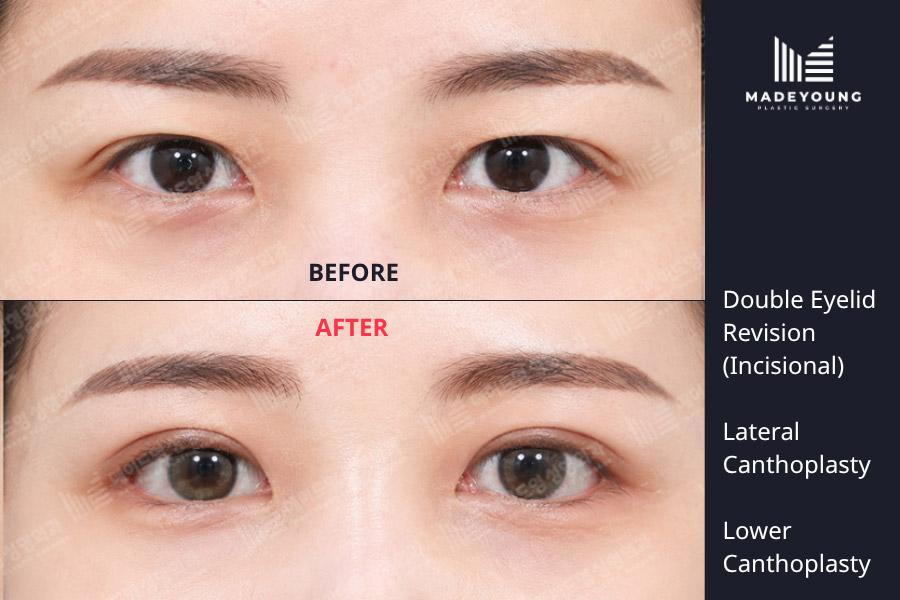
Made Young may be worth considering when aging after an initial eye procedure involves a fading or unsatisfactory crease, upper-lid heaviness, ptosis, or under-eye changes. Dr. Park Byung-Chan has 15 years of experience exclusively in eye surgery and customizes incision lines, crease height, eyelid thickness, and overall eye shape to your features.
- URL: Made Young Plastic Surgery Website
- Location: Seocho-gu, Seoul
- Eye rejuvenation and revision-related care:
- Incisional and non-incisional double-eyelid surgery are available, with the incisional approach allowing tissue removal or rearrangement when needed.
- Ptosis correction tightens the eyelid-lifting muscle for drooping lids.
- Upper blepharoplasty removes excess upper-lid skin and fat; lower blepharoplasty addresses under-eye bags through fat removal or repositioning and may include skin tightening.
- Canthoplasty and dark-circle treatments are also listed among eye-area options.
- Lifting options:
- Surgical face, neck, forehead, sub-brow, and double-chin lifts are offered for age-related laxity.
- Thread lifts, Shurink, Ultherapy, skin boosters, and other non-invasive lifting options are available for those seeking non-surgical treatment.
- Safety and aftercare:
- The clinic states that full-time board-certified anesthesiologists provide one-to-one continuous monitoring, with a cross-check system for emergencies.
- It reports full CCTV coverage of procedures and a separate aftercare center for post-procedure care.
- The medical team provides direct consultation and diagnosis before a procedure.
3. RINE Plastic Surgery Clinic
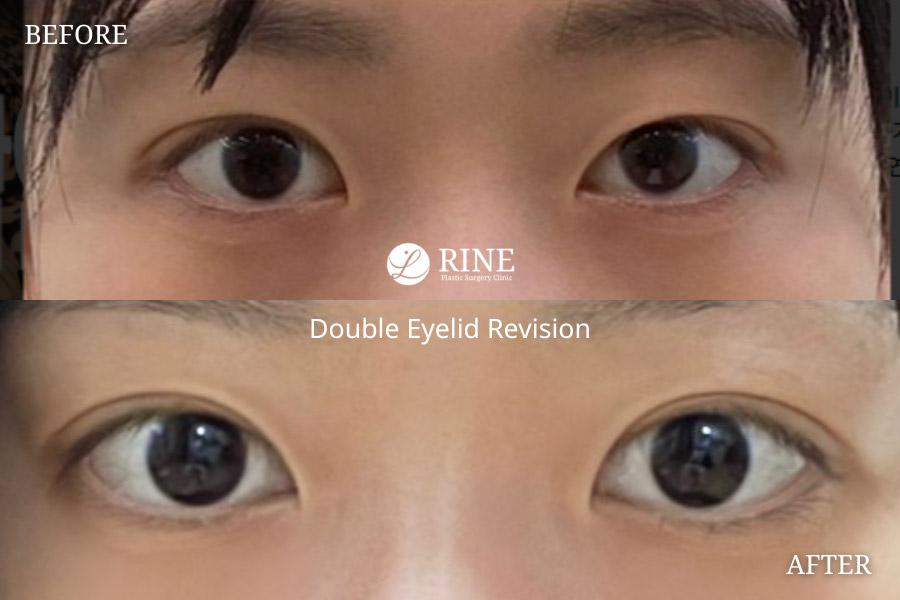
RINE is particularly relevant if aging after earlier eye surgery has brought upper-lid hooding, a loosened crease, asymmetry, under-eye bags, or brow descent. Board-certified plastic surgeon Director Jang Nam personally manages your consultation, customized design, surgery, treatment, and recovery, with revision and middle-age eye procedures planned around your facial proportions and skin condition.
- URL: RINE Plastic Surgery Clinic Website
- Location: Seocho-gu, Seoul
- Revision and aging eye procedures:
- Double-eyelid revision addresses thick creases, faded or loosened lines, asymmetry, multiple folds, and scarring after the underlying cause is assessed.
- Upper blepharoplasty treats age-related excess upper-lid skin and fat; non-incisional or incisional methods are selected according to the degree of sagging.
- Lower blepharoplasty with lifting addresses lower-lid laxity, fat herniation, and the eyelid-cheek junction.
- Subbrow lift raises a heavy or drooping brow line while maintaining a natural brow position.
- Under-eye fat repositioning redistributes orbital fat to smooth bags and hollows without volume loss.
- Facial lifting options:
- SMAS face and neck lift repositions deeper facial tissue for sagging in the cheeks, jawline, and neck.
- A minimally invasive facelift is offered for moderate laxity with smaller incisions than a full lift.
- Endoscopic forehead lift addresses brow descent and forehead or frown lines through small incisions.
- Thread lift provides a non-surgical option using absorbable threads for subtle lifting.
- Experience and recovery support:
- The director has personally performed more than 10,000 eye surgeries and the clinic reports over 15 years of eye-surgery and anti-aging experience.
- Each plan uses one-to-one line design; the clinic states that it considers facial proportions, skin condition, and individual features.
- Equipment listed includes a full-HD Stryker endoscope, FDA-approved genuine Endotine, and WhiteLite bipolar technology.
- You can recover in a private one-person recovery room, with continued postoperative care described through recovery.
Conclusion
Natural aging continues to affect eyelids after initial surgery, causing issues like recurrent excess skin, drooping, and changes in skin texture and fat distribution. Revision eye surgery offers tailored solutions to these concerns, improving both function and appearance. South Korea stands out as a top choice for revision surgery due to its skilled surgeons, advanced facilities, competitive pricing, and supportive cultural environment. Patients should consult experienced surgeons and maintain realistic expectations to achieve the best outcomes.
References
1, 2, 3, 4, 5, 6, 7, 8, 9, 10, 11, 12, 13, 14, 15, 16, 17, 18, 19, 20, 21, 22, 23, 24, 25, 26, 27, 28, 29, 30, 31, 32
Frequently Asked Questions
Related Blogs
Discover How Laser Canthoplasty Costs in Korea Compete Globally: A Detailed Comparison with US, Australia, Turkey & Mexico
Discover the ins and outs of Laser Canthoplasty in Korea, where advanced techniques meet affordability. Explore the cost factors, benefits, and why this procedure is gaining popularity among international patients seeking subtle enhancements.
Updated: Oct 22, 2026
Fox Eye Surgery in Korea: Methods, Recovery, Risks and Travel Planning
Fox eye surgery may involve lateral canthopexy, canthoplasty, or a brow lift, selected after assessment of eyelid support, ocular surface health, and facial anatomy. The guide covers candidacy, recovery, travel planning for Korea, aftercare, alternatives, and urgent symptoms requiring in-person care.
Updated: Oct 21, 2026

Upper Blepharoplasty in Korea: Methods, Recovery, Risks, and Travel Planning
Upper blepharoplasty conservatively removes excess upper-lid skin and, when indicated, limited muscle or fat after assessment of ptosis, brow position, eyelid closure, and eye health. International patients should plan a 7–10-day stay in Korea, attend early follow-up, arrange flexible travel and aftercare, and seek urgent assessment for vision changes or severe swelling.
Updated: Oct 13, 2026
Lower Canthoplasty in Korea: Methods, Recovery, Risks, and Travel Planning
Lower canthoplasty includes lower-eyelid-lowering and lateral canthal techniques, with candidacy based on lid support, ocular-surface health, and realistic anatomical goals. International patients can find guidance on technique clarification, 8–10 day travel planning, follow-up, aftercare, and urgent eye symptoms.
Updated: Oct 13, 2026
Clinics offering Revision Eye Surgery
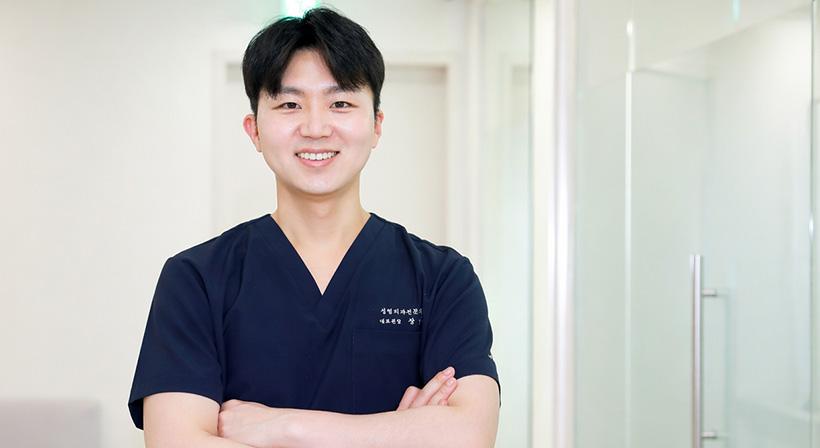
RINE Plastic Surgery Clinic | Facelift and Eye Rejuvenation Surgery
Nonhyeon

THEPLUS Plastic Surgery Korea | Eye, Nose, Face & Body Surgery
Sinsa

Made Young Plastic Surgery: Rejuvenating Aesthetic Excellence in Korea for Face Lifts, Contouring and More
Gangnam Station

LABOM Plastic Surgery: Expertise in Non-Surgical Nose, Facial Lifting & Anti-Aging Surgeries in Korea
Apgujeong