
Medical Tourism Blog
Drooping Brow Solutions in Korea: Forehead Lift and Subbrow Lift Procedures Explained
Table of contents
- Surgical Interventions for Brow Ptosis
- A Comparative Analysis: Surgical vs. Non-Surgical Options
- Navigating Medical Tourism in South Korea
- Which Are the Best Clinics in Korea for Drooping Brow?
- Economic Considerations for the Medical Tourist
- Patient-Reported Outcomes and Experiential Insights
- Conclusion
- References
Considering treatment in Korea? Everything you need to know e.g. — how to avoid scams, visas, interpreters, recovery tips — in our Medical Tourism Master Guide. Plan with confidence in minutes, not weeks!
If you’re exploring solutions for a “drooping brow,” this guide is for you. Brow ptosis isn’t just an aesthetic issue—it may also impact your vision. Here, we take a detailed, data-driven look at what causes brow ptosis, your treatment options (both surgical and non-surgical), what to expect as a medical tourist in South Korea, and how real patients have experienced outcomes. This balanced review will help you understand your options and empower you to make an informed choice with your healthcare provider.
Introduction and Medical Terminology
“Drooping brow” may be the common term, but brow ptosis is the medical label. This condition describes the eyebrow’s descent from its normal position until it looks undesirable or physically impacts your daily vision. Brow ptosis can push down excess skin onto the upper eyelid and may affect people of all ages, though it is most often seen in older adults.
Etiology and Pathophysiology of Brow Ptosis
Most often, brow ptosis is acquired, not congenital. The leading cause is the gradual aging of facial tissue—affected by gravity, sun, and time—which typically starts at the outer edge of the eyebrow and can progress inward. Other contributors include nerve injuries (like to the facial nerve, sometimes from trauma), muscular conditions such as myasthenia gravis or myotonic dystrophy, and nerve-impacting infections (for example, from Ramsay Hunt syndrome or Lyme disease). Some cases are linked to tumorous growths affecting nerves or to muscle spasms such as in blepharospasm.
This variety of causes makes it important to look deeper than just the surface. Before pursuing aesthetic or medical treatment, a full evaluation with your doctor ensures any underlying condition is properly identified and managed.
Surgical Interventions for Brow Ptosis
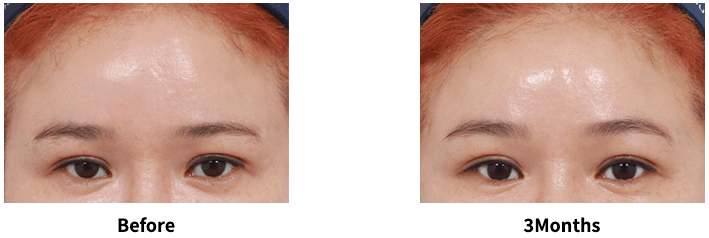
Forehead Lift (Brow Lift): A Comprehensive Overview
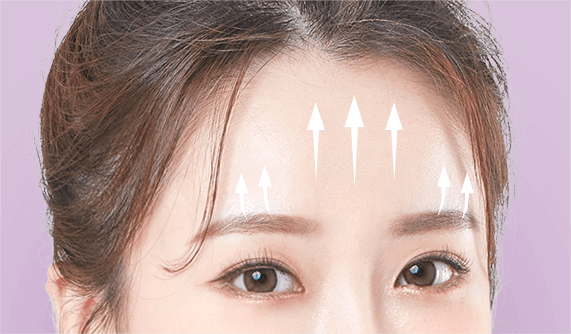
A forehead lift (or brow lift) rejuvenates the upper face by lifting the brow, reducing forehead or frown lines, and eliminating that “hooded” eye look. Excess skin and fat are removed, and underlying muscles are tightened to restore a refreshed, alert appearance.
There are several techniques:
- Classic or Coronal Brow Lift – The traditional approach, using a long incision from ear to ear (often within the hairline), is great for pronounced sagging. It’s highly effective but has a longer recovery and possible visible scarring or scalp numbness.
- Endoscopic Brow Lift – This minimally invasive method uses several small incisions. A tiny camera (endoscope) helps the surgeon lift brow tissues. It offers quick recovery and less scarring, though it might not address severe wrinkles and sometimes needs follow-up treatments like Botox.
- Temporal Lift – Focuses on the brow's outer third through temple incisions, best for minor drooping. It’s done under local anesthesia with minimal downtime.
- Pretrichial and Mid-Forehead Lifts – The pretrichial technique places the incision at the hairline for those with a high hairline, while the mid-forehead approach hides incisions in existing forehead creases.
Subbrow Lift: A Targeted Approach
The subbrow lift is a precise procedure for excess upper eyelid skin—perfect if you like your brow’s position but dislike “hooded” or tired eyes. Surgeons make a discreet incision along the brow’s lower border, remove skin and sometimes reposition fat, leaving the eyelid’s thinner skin untouched. This procedure is also favored by those wishing to preserve or enhance a visible double eyelid crease, without altering the eyebrow's position.
Surgical Outcomes, Risks, and Complications
Both forehead and subbrow lifts provide excellent results, but as with all surgeries, there are risks. Forehead lifts can leave visible scars, numbness, and, rarely, nerve injuries affecting brow movement. Endoscopic methods have fewer scars but may lead to abnormal sensations, asymmetry, or eyelid closure issues.
Typical recovery for a forehead lift involves the worst swelling in the first week, with most patients back to work within 2–3 weeks and final results visible after up to six months. Subbrow lifts recover more quickly, with swelling gone and stitches removed in one week. Choosing the right surgery is about matching your anatomy and goals: forehead lifts are best for significant sagging, while subbrow lifts excel for upper eyelid skin issues and “hooded” eyes.
Table 1: Forehead Lift vs. Subbrow Lift
| Aspect | Forehead Lift (Brow Lift) | Subbrow Lift |
|---|---|---|
| Primary Goal | Repositions the brow, reduces forehead wrinkles, and lifts sagging eyelids. | Removes excess upper eyelid skin to improve hooding and visibility of eyelid creases. |
| Target Area | The entire upper face, from the forehead to the brows and upper eyelids. | The area just below the eyebrow to the upper eyelid. |
| Ideal Candidate | Individuals with a short distance between the eye and eyebrow, severe forehead or frown lines, and those seeking a broad anti-aging effect. | Individuals with a long distance between the eye and eyebrow, a clear double eyelid crease, or those whose primary concern is eyelid hooding rather than forehead wrinkles. |
| Scar Placement | Varies by technique: behind the hairline (coronal), within the hairline (endoscopic), or within forehead creases. | Precisely along the lower edge of the eyebrow. |
| Impact on Brow Position | Elevates and repositions the brow to a higher, more youthful level. | Does not change the position of the eyebrow. |
| Recovery Time | Longer, with full results visible in about six months. | Shorter, with most swelling subsiding in one week. |
A Comparative Analysis: Surgical vs. Non-Surgical Options
Non-Surgical Alternatives
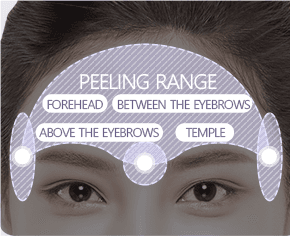
If you’re hesitant about surgery or only have mild brow descent, non-surgical solutions like neurotoxins (Botox), dermal fillers, and thread lifts are available. These options offer minimal downtime while still rejuvenating the upper face.
Longevity, Efficacy, and Ideal Candidates
- Botox temporarily relaxes brow-pulling muscles, creating a gentle lifting effect and smoothing lines. Results are short-term (three to six months), making this ideal for mild wrinkles or as a maintenance tool after surgery.
- Thread lifts offer a modest, immediate “lift” with nearly no downtime, but the effect usually lasts from six months to three years. Effectiveness can vary by surgeon and risks include skin puckering or infection.
- Unlike surgery, non-surgical options cannot remove excess skin; they work best for modest enhancement, not major sagging.
Often, a combination approach works best—many surgery patients continue using neurotoxins after their procedure to prolong and refine their results.
Table 2: Surgical vs. Non-Surgical Brow Rejuvenation Options
| Aspect | Surgical Brow Lift | Subbrow Lift | Botox | Thread Lift | Dermal Fillers |
|---|---|---|---|---|---|
| Invasiveness | High (incisions) | High (incisions) | Low (injections) | Low (needles) | Low (injections) |
| Procedure Time | Several hours | 45 minutes to 2 hours | Under one hour | Typically one hour | Under one hour |
| Longevity | Permanent, tends to last for several years. | Long-lasting, can provide years of results. | Temporary, 3-6 months. | Temporary, 6 months to 3 years. | Temporary, 6-18 months. |
| Removes Excess Skin | Yes | Yes | No | No | No |
| Cost | High | High | Lower | Lower | Lower |
| Best Use Case | Correcting significant brow ptosis and deep forehead wrinkles. | Addressing excess upper eyelid skin and eyelid hooding. | Treating mild descent, dynamic wrinkles, and maintenance. | Mild-to-moderate sagging and skin laxity. | Restoring volume and providing a subtle lift. |
Navigating Medical Tourism in South Korea
The South Korean Advantage
South Korea is recognized globally for its leadership in cosmetic surgery. With 25% of all aesthetic procedures performed worldwide, its surgeons are highly specialized and experienced—often focusing their entire careers on a single procedure, like brow lifts or subbrow lifts. Innovation and minimally invasive techniques flourish, making outcomes in South Korea world-class and keeping recovery and complications to a minimum.
The Patient’s Journey: A Step-by-Step Guide
A typical medical tourist’s journey starts with online research, choosing a licensed clinic or medical tourism agent (many offer free remote consultations). Once in Korea, an in-depth personal assessment determines the best treatment plan. Surgery is followed by attentive aftercare, including special centers for wound care and de-swelling treatments. Many clinics also assist with language interpretation and logistics, creating a streamlined and supportive experience from arrival to recovery. The all-inclusive pricing packages cover consultations, surgery, aftercare, and other essentials—removing many uncertainties and hassles of overseas treatment.
Which Are the Best Clinics in Korea for Drooping Brow?
Listed below are some of the best clinics in Korea for drooping brow.
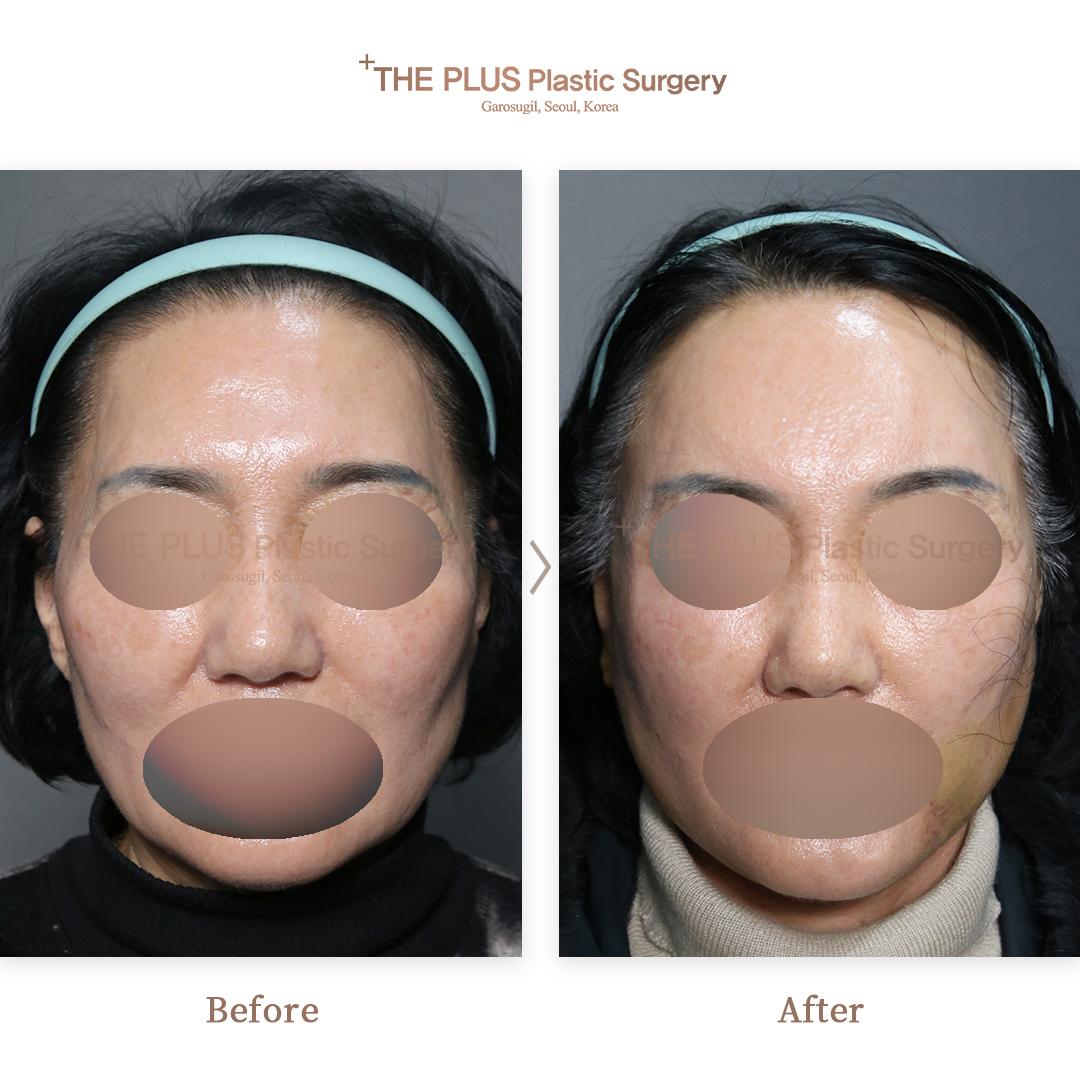
1. THEPLUS Plastic Surgery
For a drooping brow or heavy-looking eye area, you can be assessed for ptosis correction, which addresses the muscles that open the eyes, alongside eyelid procedures that adjust excess skin and tissue. The approach described emphasizes balancing the eye area with your overall facial features for a refreshed, natural-looking result.
- URL: THEPLUS Plastic Surgery Website
- Location: Gangnam-gu, Seoul
- Eye-area options:
- Ptosis correction is offered to lift drooping upper eyelids by correcting the muscles involved in opening the eyes.
- Blepharoplasty can remove or adjust excess eyelid skin and tissue to smooth and refresh the eye contour.
- Double-eyelid surgery is available when a defined upper-eyelid crease is part of your treatment plan.
- Surgical perspective:
- Dr. Kim is a board-certified plastic surgeon with research recognition related to 3D implants and a practice focus that includes facial contouring.
- Dr. Jeong is President of the Korean Society of Plastic Surgeons and describes an approach that combines function and appearance.
- Related facial treatments: Facelift, thread lift, and facial fat grafting are listed for facial sagging, contour definition, and volume restoration.
2. Made Young Plastic Surgery
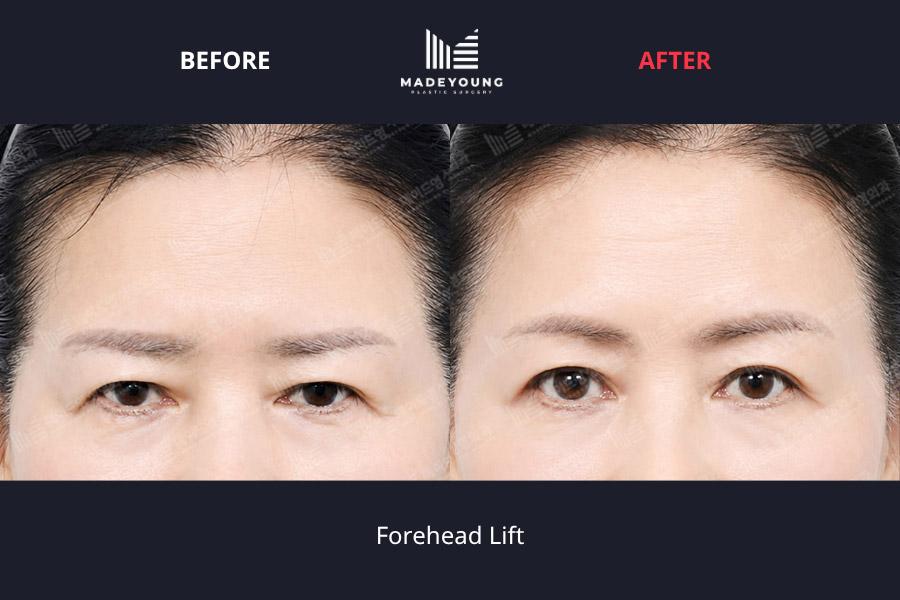
For a drooping brow, you can expect a forehead lift planned to address brow position, forehead and glabellar wrinkles, and associated eyelid drooping. The clinic describes using a full-HD endoscopic system for detailed dissection and authentic Endotine fixation products for secure tissue fixation.
- URL: Made Young Plastic Surgery Website
- Location: Seocho-gu, Seoul
- Forehead-lift details:
- The procedure is described as lifting the skin, periosteum, and muscle to improve the forehead, brow, and glabella together.
- Procerus muscle resection is included in the described approach for glabellar lines.
- A sub-brow lift is also listed as a more focused procedure for elevating and smoothing the area above the eyebrow and upper eyelid.
- Safety and monitoring:
- Board-certified anesthesiologists are stated to be on site full time.
- A 1:1 monitoring model assigns one anesthesiologist to continuous monitoring during a procedure.
- The clinic describes a cross-check process involving multiple anesthesiologists in an emergency and CCTV coverage of procedures.
- Aftercare and alternatives:
- A separate aftercare center provides systematic post-procedure care.
- Non-surgical forehead lifting, thread lift, Shurink, and Ultherapy are listed among non-invasive lifting options.
3. LABOM Plastic Surgery
For a drooping brow, you can consider an endoscopic forehead lift designed to reposition sagging brow and forehead tissue through minimal incisions, rather than simply pulling the skin. The stated goal is to make opening your eyes easier while improving a heavy or tired appearance, forehead wrinkles, and frown lines without overcorrecting your natural brow line or expressions.
- URL: LABOM Plastic Surgery Website
- Location: Gangnam-gu, Seoul
- Procedure details:
- High-definition endoscopic dissection is used to work precisely around facial anatomy.
- The lift can address eyebrow and eyelid drooping, forehead wrinkles, and glabellar lines in the same procedure.
- Incisions are placed within the hairline to reduce visible scarring concerns.
- Endotine fixation may be used when needed; the material is described as being absorbed by the body over time.
- Design and expected recovery:
- Your plan is designed around facial proportions, brow position, structure, and degree of aging.
- The clinic states that significant swelling generally lasts about 1–2 weeks and that return to daily life may be possible after about one week.
- The approach aims to reduce the habit of straining your forehead to open your eyes while maintaining natural facial proportions.
- Care approach:
- Plastic-surgery specialists directly perform procedures, with the clinic citing more than 30 years of clinical experience across facial and hand anti-aging care.
- Pre-operative diagnosis, anesthesia and continuous monitoring, regular progress checks, and individualized recovery, swelling, bruising, and scar-management plans are described.
- A dedicated aftercare system is available for international patients.
Economic Considerations for the Medical Tourist
Cost Analysis: Forehead and Subbrow Lifts in South Korea
One of the top incentives for seeking cosmetic surgery in South Korea is cost. On average, a forehead lift costs $4,418 (ranging from $3,310–$5,700) and a brow lift averages $3,170 ($2,290–$5,000), with prices depending on factors like provider reputation and case complexity.
Global Price Comparison
Prices in South Korea are highly competitive, especially against the U.S. A forehead lift starts from $5,700 in Korea compared to $9,100 in the USA, and a brow lift starts from $2,290 in Korea versus $4,500 in the States—a clear saving for international patients.
The Value Proposition Beyond Price
Beyond lower costs, Korean clinics offer bundled service packages that include all aspects of care: pre-op consultation, surgery, hospital stay, medications, and postoperative support. This “all-in-one” approach offers substantial peace of mind, especially when compared to itemized billing in Western healthcare.
Table 3: Comparative Costs for Key Procedures
| Country | Forehead Lift (Starting Price) | Brow Lift (Starting Price) |
|---|---|---|
| South Korea | from $5,700 | from $2,290 |
| The USA | from $9,100 | from $4,500 |
| Turkey | from $2,775 | from $2,044 |
Patient-Reported Outcomes and Experiential Insights
Forehead Lift: Functional and Aesthetic Outcomes
Patients say that a forehead lift not only rejuvenates their appearance but can also improve vision by removing heavy skin. Many notice they look less tired, angry, or unfriendly, with a restored, youthful look—achieved without appearing artificial. Positive testimonials frequently mention a boost to confidence and daily comfort.
Subbrow Lift: Targeted Improvements
The subbrow lift is particularly well-received by those dealing with eyelid hooding or heavy upper eyes. Patients often report brighter, more defined eyes, and those with a double eyelid crease see much better definition. By addressing specific concerns without altering brow position, the results are both natural and harmonious.
The Psychosocial Dimension
The emotional benefits of these procedures can be transformative. Many patients cite improved self-esteem and reduced anxiety about looking tired, angry, or unapproachable. Achieving their desired appearance empowers them to feel more comfortable and confident in daily life, resulting in happier, more positive self-perception.
Conclusion
Brow ptosis is a complex issue that may have both cosmetic and functional origins. A careful evaluation is essential to exclude underlying medical causes before selecting a tailored treatment. South Korea stands out for its expertise, cost-effectiveness, and comprehensive care model, making it an appealing destination for medical tourists. The combination of informed surgical choice and integrated non-surgical care is key to long-term, satisfying results.
References
1, 2, 3, 4, 5, 6, 7, 8, 9, 10, 11, 12, 13, 14, 15, 16, 17, 18, 19, 20, 21, 22, 23, 24, 25, 26, 27, 28, 29, 30, 31, 32, 33, 34, 35, 36
Frequently Asked Questions
Related Blogs
Renuvion in Korea: Methods, Recovery, Risks, and Travel Planning
Renuvion uses helium-plasma radiofrequency energy beneath the skin, alone or after liposuction, to address mild-to-moderate localized laxity; Dermal resurfacing treats surface wrinkles with an external ablative handpiece. The article covers candidacy, alternatives, preparation, recovery, risks, Korea travel planning, and the need for surgeon clearance before flying.
Updated: Oct 13, 2026
Temporal Lift in Korea: Methods, Recovery, Risks and Travel Planning
A temporal lift elevates the outer brow through temporal scalp incisions, using open, subcutaneous, endoscopic, or combined techniques chosen for brow position, hairline, and eyelid anatomy. The article covers candidate screening, Korea facility and surgeon verification, a 10–14-day stay, recovery restrictions, aftercare, warning signs, and alternatives such as forehead lift, blepharoplasty, and p
Updated: Oct 13, 2026
Premature aging face treatment in Korea: Face Lift options for younger-looking skin
Early onset facial laxity and wrinkles are rising among 30s–40s. Our Korea medical tourism guide explains rhytids and how a rhytidectomy (face lift) can refresh the lower face and neck. Explore options: Deep Plane Facelift, SMAS Facelift, Mini Facelift, Lower Facelift and Neck Lift, plus non-surgical adjuncts. Learn candidacy, recovery timelines, costs, certifications, and tips for planning surger
Updated: Oct 12, 2026
Brow Ptosis in Korea: Forehead Lift and Subbrow Lift Treatment Options
Thinking about Brow Ptosis surgery in Korea? This expert guide explains diagnosis, functional vs cosmetic concerns, and compares a Forehead Lift with a Subbrow Lift—indications, scars, recovery, and costs. It maps the South Korea medical tourism journey (planning, visas, surgery day, follow-ups), highlights surgeon credentials and safety, and shares real outcomes, risks, and patient stories so you
Updated: Oct 12, 2026
Clinics offering Forehead Lift
RINE Plastic Surgery Clinic | Facelift and Eye Rejuvenation Surgery
Nonhyeon

SH Clinic: Comprehensive Women's, Men's & Couples' Health Services in Korea
Sinsa

THEPLUS Plastic Surgery Korea | Eye, Nose, Face & Body Surgery
Sinsa

Made Young Plastic Surgery: Rejuvenating Aesthetic Excellence in Korea for Face Lifts, Contouring and More
Gangnam Station