
Medical Tourism Blog
Ultherapy Lifting in Korea: Candidacy, Recovery, Results and Travel Planning
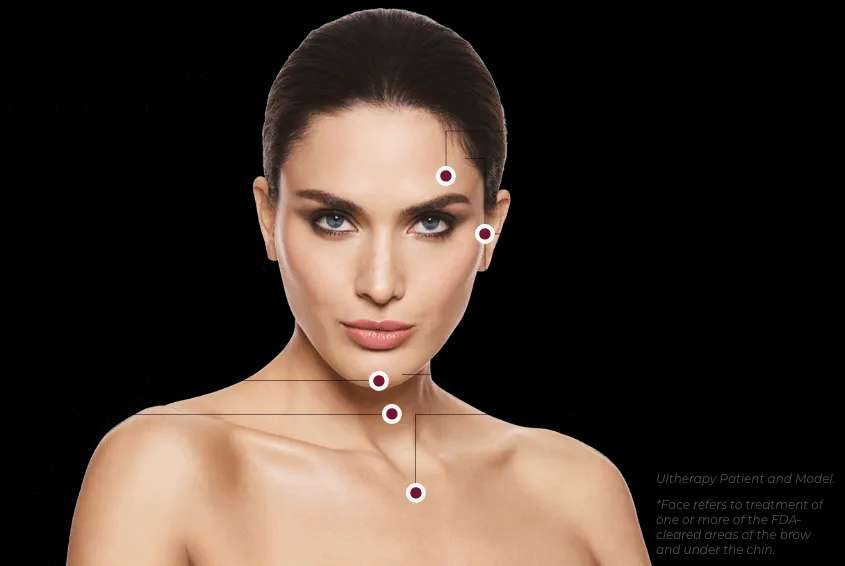
Table of contents
- Ultherapy Lifting at a Glance
- What Is Ultherapy Lifting?
- Who Is a Good Candidate for Ultherapy Lifting?
- How Is Ultherapy Lifting Performed?
- Why Visit Korea for Ultherapy Lifting?
- Key Information for International Patients
- Which Are the Best Clinics in Korea for Ultherapy In?
- How Much Does Ultherapy Lifting Cost in Korea?
- Ultherapy Lifting From Start to Finish
- Alternatives to Ultherapy Lifting
- How Can I Prepare for Ultherapy Lifting?
- Aftercare Advice
Considering treatment in Korea? Everything you need to know e.g. — how to avoid scams, visas, interpreters, recovery tips — in our Medical Tourism Master Guide. Plan with confidence in minutes, not weeks!
Last updated: September 2026
Ultherapy Lifting at a Glance
- What it is — Ultherapy is a noninvasive microfocused ultrasound with visualization (MFU-V) treatment that delivers focused energy beneath the skin to stimulate gradual collagen remodeling and tightening.
- Best candidates — It is best suited to mild-to-moderate brow, jawline, under-chin, or neck laxity in people with reasonable skin elasticity, adequate facial volume, and expectations of modest rather than facelift-level improvement.
- Korea cost — Ultherapy in South Korea typically costs ₩1,100,000–₩5,500,000 (about US$800–$4,100), depending on treatment areas, device model, line density, depth customization, and pain-control measures.
- Results timeline — Results are gradual: assess the main improvement at about 90 days, with collagen remodeling and further change continuing through roughly 3–6 months.
- Recovery — There is usually no formal downtime; redness often settles within hours, swelling within 3–72 hours, while tenderness or bruising can last about 2 days to 2 weeks.
- Travel planning — International patients can generally plan a 1–2 day Korea stay for consultation and treatment, then arrange remote follow-up; avoid same-day long-haul travel when possible and delay flying for escalating pain, major swelling, blistering, or neurologic symptoms.
- Key device distinction — Ultherapy is not interchangeable with generic HIFU: the authentic Ulthera System uses real-time ultrasound visualization for tissue mapping, so confirm the exact model, that imaging is used, and who performs the energy delivery.
What Is Ultherapy Lifting?
Ultherapy Lifting is a noninvasive treatment that uses focused ultrasound energy to stimulate collagen remodeling and tighten skin gradually. It addresses mild to moderate laxity around the brow, jawline, under-chin area, and neck for people seeking subtle lifting without facelift-level change. It is a non-surgical procedure.
Who Is a Good Candidate for Ultherapy Lifting?

- Early skin laxity — Good candidates have mild to moderate looseness at the brow, jawline, under-chin area, or neck, with enough skin elasticity and facial soft-tissue volume for gradual tightening to show.
- Non-surgical goals — This treatment suits people seeking modest to moderate collagen-remodeling improvement rather than the skin removal and repositioning of a facelift.
- Anatomy-led planning — A consultation should separate skin laxity from volume loss, submental fat, strong neck-muscle bands, fixed wrinkles, and true tissue descent. Treating the wrong concern produces disappointing results.
- Maintenance-minded patients — Results develop over months rather than immediately. A realistic assessment point is about 90 days, with some continued change through 3–6 months.
Ultherapy is not a strong substitute for surgery when there are pronounced jowls, substantial skin excess, severe static wrinkles, or marked facial descent. Very thin or volume-depleted faces need particular caution because tightening can make hollowing more visible. Do not treat open wounds, lesions, severe or cystic acne, or active herpes in the planned area; active local or systemic skin disease also requires clearance. The device instructions list pregnancy, breastfeeding, bleeding disorders, anticoagulant therapy, diabetes, autoimmune disease, epilepsy, Bell’s palsy, and keloid history among populations requiring individualized assessment or not evaluated; review the manufacturer’s safety information with the treating clinician. Avoid treatment over a pacemaker, defibrillator, metallic implant in the area, existing keloid, thyroid/trachea, major nerves or vessels, and directly over fillers or other implants without a clinician-designed map. Never stop prescribed aspirin, anticoagulants, or antiplatelet medicine without explicit instructions from the prescribing clinician.
How Is Ultherapy Lifting Performed?

Ultherapy is the brand name for the Ulthera System, a microfocused ultrasound with visualization (MFU-V) device; it is not a generic term for every HIFU or ultrasound-tightening treatment. Real-time imaging distinguishes it from many other platforms by allowing tissue visualization before energy delivery.
- Area-based treatment — Plans can focus on the brow, lower face and jawline, submental area and neck, décolletage, or selected body areas. Current U.S. device information specifically describes brow and neck/submental lifting, décolletage lines, and laxity on the abdomen, arms, and knees; ask how the proposed lower-face or jawline plan aligns with local labeling.
- Depth-customized delivery — Transducers commonly target approximate 1.5 mm, 3.0 mm, and 4.5 mm tissue planes. The practitioner uses imaging, anatomy, and treatment goals to select depth rather than using one setting for every area.
- Personalized mapping and line density — Safe zones, energy, line placement, and treatment density should be tailored to facial volume, laxity, prior fillers, and nerve or vessel locations. Expert guidance supports individualized parameters, not a universal number of “shots.”
- Ultherapy PRIME planning — Newer protocols can use dual-depth, higher-line-count designs. A 2025 Asia-Pacific case series used at least 650 lines, but it was a small pilot study and does not establish an optimal prescription for every face or neck.
Why Visit Korea for Ultherapy Lifting?
South Korea has a large aesthetic-treatment market and established infrastructure for international medical visitors. Seoul reported one million international medical tourists in 2024, demonstrating access to multilingual and travel-oriented care systems, not better individual Ultherapy results. No credible comparative research shows that Ultherapy outcomes or complication rates are superior in Korea.
- International-patient access — Seoul’s 2024 international-patient data support the practical availability of services for overseas visitors. Confirm English communication directly with the chosen provider rather than assuming it.
- Device verification matters — Request the exact model—Ultherapy or Ultherapy PRIME—and confirmation that the treatment uses the authentic Ulthera System with real-time visualization. The official device information identifies the system and its intended uses.
- A plan rather than a shot package — Ask who performs the consultation and energy delivery, whether imaging is used throughout mapping, what depths are planned, and how prior fillers or volume loss change the approach. Device evidence does not make all ultrasound platforms interchangeable.
- Written continuity plan — Before booking, obtain written aftercare in English, an after-hours contact route, and a remote-follow-up process for use after returning home.
Key Information for International Patients
- Minimum stay — Plan 1–2 days for an uncomplicated face or neck treatment without sedation: a consultation and treatment day, plus an optional next-day check. This is a practical monitoring plan, not a device-label requirement.
- Repeat visits — Ultherapy usually does not require an in-person post-treatment visit before departure. Discuss reassessment around 90 days by video and ask whether maintenance timing will be based on photographs, skin laxity, and response rather than a fixed package.
- Flying — Flying is generally feasible once feeling well because there is no open wound or general anesthesia. Avoid same-day long-haul departure when possible, and do not fly while affected by sedating medication or with escalating pain, major swelling, a burn, blistering, or a new neurologic symptom.
- Itinerary impact — Redness often settles within hours and swelling usually resolves in 3–72 hours, but tenderness, bruising, or linear welts can remain visible. Avoid scheduling major photographs or events immediately after treatment.
- Activity and comfort — Normal light activity is usually possible that day. Postpone strenuous exercise, sauna, steam rooms, hot yoga, hot baths, and heavy alcohol for about 24–48 hours when they worsen flushing or swelling.
- Remote follow-up — Leave Korea with dated baseline photographs, treatment-area documentation, written aftercare, and a clinic contact that works across time zones. Arrange local medical review at home if the clinic advises it.
Travel note: Extend the trip and seek prompt clinical assessment in Korea if pain increases, swelling becomes substantial, or blistering, facial weakness, persistent numbness, vision changes, or speech difficulty develops.
Which Are the Best Clinics in Korea for Ultherapy In?
Listed below are some of the best clinics in Korea for ultherapy in.
1. Hev Clinic
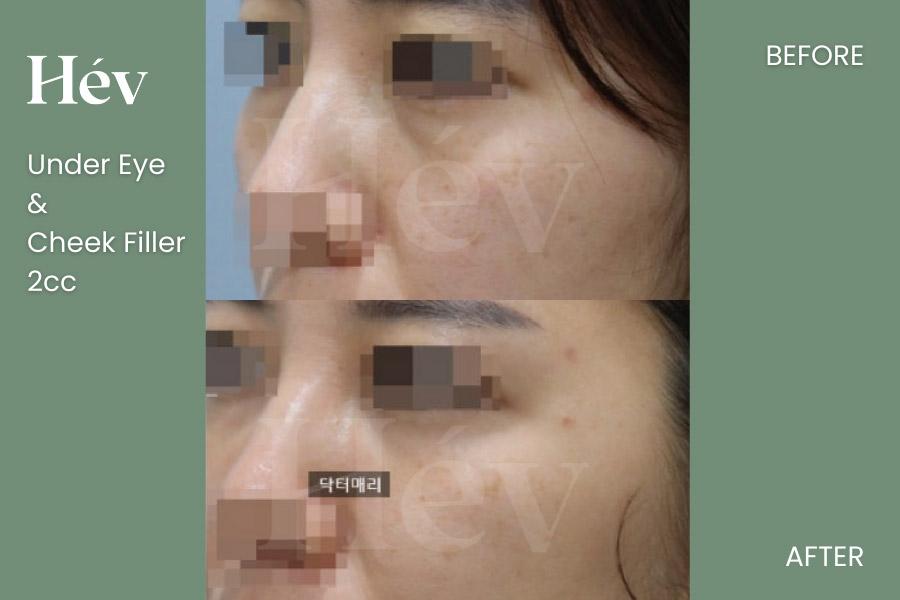
At Hev Clinic, you can receive Ultherapy Prime, a non-surgical micro-focused ultrasound treatment designed to address facial laxity, cheek fullness, and the under-chin area. Real-time ultrasound imaging helps guide treatment depth, while a customized plan can clarify the intended energy settings and shot count; collagen-related tightening develops gradually over roughly two to three months.
- URL: Hev Clinic Website
- Location: Gangnam-gu, Seoul
- Ultherapy Prime approach:
- MFU-V energy is used across three treatment depths, including the SMAS layer.
- The Prime platform has a larger imaging display and faster energy delivery, with an emphasis on improving comfort in delicate areas.
- The clinic describes treatment as a single-session procedure, with results that may last about 12–18 months.
- Dermatologist-led planning:
- Board-certified dermatologist Dr. Shin Ji-yeon oversees consultation, procedure, and aftercare.
- Planning may incorporate AI-based assessment of skin thickness, aging changes, and pigment depth.
- Consultations include guidance on planned treatment depth and number of shots.
- Related lifting care:
- Available lifting options include Thermage FLX, InMode, and HIFU, alongside Ultherapy.
- The clinic also offers skin boosters such as Re2O, Rejuran, and Juvelook, plus injectables when appropriate to your plan.
- Hev provides post-treatment care with its Repair Barrier Cream and may schedule maintenance around an approximately three- to four-week skin-regeneration cycle.
2. Cellinique Clinic
At Cellinique Clinic, you can receive Ultherapy Prime for non-surgical skin tightening with micro-focused ultrasound. Compared with Classic Ultherapy, the Prime system is described as offering a larger, clearer imaging screen, faster energy delivery, and improved comfort, helping make treatment planning more tailored to your needs.
- URL: Cellinique Clinic Website
- Location: Gangnam-gu, Seoul
- Ultherapy Prime features:
- Micro-focused ultrasound is used to stimulate collagen for gradual lifting and tightening.
- The platform’s enhanced imaging is intended to support more precise treatment targeting.
- The clinic highlights improved comfort, including when treating delicate areas.
- Personalized care and regenerative services:
- Cellinique is a one-doctor clinic that describes its care as fully personalized.
- Its regenerative and aesthetic services include NovaStem, PRP, Radiesse, Juvelook, exosomes, thread lifting, Botox, fillers, and laser-based treatments.
- Dr. Chris Gunwoo Kim has presented on blood stem cells, tissue regeneration, and Cellinique’s NovaStem Kit at aesthetic-medicine conferences.
3. Made Young Plastic Surgery
At Made Young Plastic Surgery, your Ultherapy treatment is performed by board-certified plastic surgeons who focus on lifting. Treatment is planned around your skin depth, firmness, and degree of sagging, with live ultrasound visualization used during the procedure to target deeper tissue layers non-surgically.
- URL: Made Young Plastic Surgery Website
- Location: Seocho-gu, Seoul
- Ultherapy treatment:
- The clinic states that it uses genuine FDA-approved Ulthera devices and can show the device certification mark, authentication sticker, and unique verification number before treatment.
- Live ultrasound imaging lets the doctor view skin layers while delivering treatment.
- The clinic describes Ultherapy as targeting the SMAS layer with heat in the 60–70°C range to support collagen renewal.
- Lifting specialists:
- Dr. Park Soo-yeon is the lead lifting doctor and has performed more than 10,000 lifting procedures.
- Dr. Park co-authored the textbook Minimally Invasive Plastic Surgery and is an advisory member of the Korean Lifting Research Association.
- Dr. Jang Junyoung specializes in facial lifting and completed residency training at Samsung Medical Center.
- Combination and surgical options:
- Double-Up Fix Lifting combines Ultherapy with two Silhouette thread types: Soft threads for volume and collagen support, and Fix threads for holding power.
- Ultherapy may also be paired with Shurink, skin boosters, or thread lifting, depending on your plan.
- Because the clinic also performs face and neck lifts, surgical options are available if non-surgical lifting does not match the degree of correction you need.
- Care systems:
- Direct consultation and diagnosis are provided by the medical team before treatment.
- A dedicated aftercare center is available.
- Full-time board-certified anesthesiologists and procedure-room CCTV are part of the clinic’s stated safety and transparency systems.
How Much Does Ultherapy Lifting Cost in Korea?
Ultherapy Lifting in South Korea is quoted at ₩1,100,000–₩5,500,000 (approximately US$800–$4,100). Individual quotes vary because the treatment plan can range from a focused area to a multi-area, anatomy-customized MFU-V session.
| Procedure Price | Korean Won (₩) | USD ($) |
|---|---|---|
| Low Price | ₩1,100,000 | $800 |
| High Price | ₩5,500,000 | $4,100 |
Exchange rate as of 2026-09-06: 1 KRW = 0.000741 USD.
What Affects the Price?
- Treatment areas and coverage — A focused brow, submental, or neck plan requires fewer mapped zones and energy-delivery lines than combined lower face, jawline, neck, décolletage, or body-area treatment. Broader coverage increases treatment time, ultrasound gel and consumable use, and the number of areas that require imaging and safety mapping.
- Personalized depth and line-density protocol — Ultherapy plans can use transducers targeting approximately 1.5 mm, 3.0 mm, and 4.5 mm tissue planes. A plan that uses multiple depths, customized line placement, and higher line density requires more visualization, treatment planning, and energy delivery than a standard limited-area protocol.
- Comfort management requirement — Treatment discomfort may require topical anesthetic, cooling, oral analgesia, or clinician-directed nerve blocks. These measures add medication, preparation, monitoring, and—in the case of blocks—clinical procedure time and supplies.
Cost tip: Request an itemized quote stating the exact treatment areas, planned line density or treatment scope, device model, comfort measures, consultation, and any follow-up included.
The US$800–$4,100 conversion is approximate, based on the exchange rate dated 2026-09-06; check the exchange rate again when budgeting.
Ultherapy Lifting From Start to Finish

- First contact and virtual review — Send clear, unfiltered photographs and disclose goals, previous fillers, threads, implants, skin conditions, medications, allergies, and relevant medical history. Confirm whether an English-language virtual consultation is available and request the actual device model.
- In-person assessment — The clinician examines skin elasticity, facial volume, jowls, submental fat, neck anatomy, and prior procedures. They decide whether MFU-V addresses the main concern or whether another treatment is more appropriate.
- Consent, photographs, and mapping — Baseline photographs are taken. The clinician explains expected gradual improvement, discomfort, alternatives, and risks, then marks treatment zones and avoids unsafe structures and prior-procedure areas.
- Comfort planning — The skin is cleansed. Depending on the plan, comfort measures can include topical anesthetic, cooling, oral analgesia, or a clinician-directed nerve block. Fasting is not ordinarily needed without oral or IV sedation. Pulses can feel hot, prickly, deep, or briefly painful; a 2025 MFU-V review reported pooled average patient-reported pain of 4.85/10.
- Imaging and energy delivery — Gel is applied for ultrasound coupling. The operator visualizes tissue before delivering focused ultrasound lines at selected depths. The system can visualize tissue to 8 mm, helping confirm coupling and depth selection.
- Completion and discharge — The appointment commonly takes about 60–90 minutes depending on the areas and line plan. Gel is removed, the skin is checked, and the clinic provides written aftercare. Most patients leave the same day.
- Early recovery — Expect temporary redness, swelling, tenderness, welts, tingling, or occasional bruising. Use gentle skincare and report unexpected symptoms promptly rather than trying to massage or treat them independently.
- Overseas follow-up — Send agreed photographs and complete a remote review around the clinic’s preferred interval, with a meaningful result assessment at about 90 days. Continue monitoring through 3–6 months as collagen remodeling evolves.
Alternatives to Ultherapy Lifting
The right alternative depends on whether the priority is skin tightening, volume restoration, fat reduction, mechanical lifting, or surgical correction of excess skin. Non-surgical options involve less recovery but do not reproduce the magnitude or durability of a surgical facelift.
Monopolar Radiofrequency
Thermage lifting uses radiofrequency heating rather than focused ultrasound. It is a noninvasive option for diffuse skin-tightening goals, but comparative evidence remains limited and does not establish one device as universally superior for neck laxity.
- Best tradeoff — Consider it when broad dermal tightening is the primary goal and real-time ultrasound visualization is not essential to the treatment plan.
Other Ultrasound Platforms
Shurink lifting and Liftera lifting are ultrasound-based treatments often discussed alongside Ultherapy.
- Key distinction — Do not assume generic HIFU is equivalent to Ultherapy. Devices differ in visualization, coupling detection, focal-energy characteristics, and evidence base, as discussed in a device-comparison safety review.
Thread Lift
A face thread lift places absorbable sutures under the skin to create a mechanical lifting effect.
- Best tradeoff — It can better address selected tissue descent than energy treatment, but introduces insertion-related risks, visible swelling or bruising, asymmetry, infection, and the possibility of thread irregularities.
Volume Restoration
Facial filler or face fat grafting addresses hollowing and structural volume loss rather than tightening loose skin.
- Best tradeoff — Choose volume restoration when deflation is the main reason the face looks sagged. Adding tightening alone to a hollow face can make volume loss more apparent.
Facelift Surgery
A SMAS facelift or deep-plane facelift repositions deeper tissues and removes excess skin.
- Best tradeoff — Surgery offers the most meaningful option for pronounced jowls, marked descent, and major skin excess, but requires incisions, anesthesia, longer recovery, and more demanding travel planning.
How Can I Prepare for Ultherapy Lifting?
- Medical disclosure — Provide a complete medicine and supplement list, allergies, bleeding history, prior fillers or threads, implants, herpes history, neurologic conditions, and previous reactions to anesthetics or pain medicine before travel.
- Anticoagulants and antiplatelets — Do not independently stop aspirin, warfarin, apixaban, clopidogrel, or other prescribed medication. The treating clinician and prescribing clinician must decide whether any change is medically appropriate.
- Supplements and alcohol — Ask the clinic whether to pause non-essential supplements associated with bruising concerns, such as fish oil, vitamin E, ginkgo, garlic, or ginseng. Avoid heavy alcohol for 24–48 hours before treatment if the clinic advises, particularly when bruising or flushing is a concern.
- Skin condition — Arrive with clean, intact skin. Report acne flares, cold sores, rashes, burns, wounds, or recent aggressive treatments; postpone treatment until the clinician clears the area.
- Sun and heat exposure — Avoid sunburn and intensive tanning before the appointment. Use broad-spectrum SPF 50 on exposed skin during outdoor travel.
- Food and sedation — Eat normally unless the clinic gives different instructions. Fasting is not routinely required without sedation; follow the clinic’s fasting rules exactly if oral or IV sedatives are planned.
- Transport and schedule — Arrange a simple route back to accommodation, especially if taking sedating medication. Keep the next day flexible and avoid booking a same-day long-haul flight.
Travel note: Bring digital and printed copies of relevant medical records and prior treatment details. Written confirmation of the planned device, treating provider, and remote contact pathway is useful if a concern arises after departure.
Confirm clinic-specific medication, fasting, skincare, and scheduling requirements with the treating doctor; individualized instructions take precedence over general guidance.
Aftercare Advice
Protect the treated skin from heat, friction, and unnecessary irritation while early redness and tenderness settle.
- Gentle skincare — Cleanse gently, use a simple moisturizer, and apply broad-spectrum SPF 50. Avoid exfoliating acids, retinoids, scrubs, waxing, and aggressive facial tools until redness and tenderness resolve or the clinician clears their return.
- Heat and exercise — Keep activity light on the treatment day. Avoid strenuous exercise, sauna, steam rooms, hot yoga, hot baths, and heavy alcohol for roughly 24–48 hours if they trigger flushing or swelling.
- Do not massage tender areas — Avoid rubbing, deep facial massage, gua sha, or pressure over treatment zones unless the treating clinician specifically approves it.
- Expected timeline — Redness commonly resolves within hours and mild swelling within 3–72 hours. Tenderness or bruising can last about 2 days to 2 weeks. Main collagen-remodeling results should be assessed at around 90 days, with evolution through 3–6 months.
- Warning signs — Contact the clinic urgently for blistering, a burn, severe or increasing pain, progressive swelling, hives, drainage, fever, facial asymmetry or weakness, speech difficulty, vision changes, or persistent or worsening numbness. The manufacturer reports post-market events, including burns, pigment change, scarring, nodules, volume loss, and neurologic symptoms; voluntary reports cannot establish how often these occur.
- Follow-up — Send requested photographs and attend the planned remote review. Seek local in-person care promptly when symptoms cannot be assessed adequately by video.
Follow the treating doctor’s instructions over this general guidance, and contact the clinic promptly whenever recovery appears abnormal.
Frequently Asked Questions
Related Blogs
Discovering the Cost of Anal Bleaching in Korea: How It Compares with the USA, Australia, Turkey, and More
Discover the cost and factors influencing anal bleaching treatments in Korea in our comprehensive guide. Explore the latest trends, pricing, and expert insights to make an informed decision for your skincare routine.
Updated: Oct 23, 2026

Discover the Global Price Spectrum: Keloid Injection Costs From Korea to the USA, UK, and Beyond
Discover the affordability and effectiveness of keloid injection treatments in Korea, a popular destination for medical tourism. Learn about average costs, available treatments, and why patients around the world are choosing Korea for their keloid care.
Updated: Oct 23, 2026
Korea vs. Global Rates: What You’ll Spend on Acne Scar Treatment from Seoul to San Francisco
Discover the affordable and effective acne scar treatments available in Korea, renowned for their cutting-edge dermatological advancements. Explore various options that cater to different skin types and budgets, helping you achieve smoother, clearer skin.
Updated: Oct 23, 2026
The Ultimate Cost Comparison: Shurink Lifting in Korea vs USA, Mexico, and More Global Destinations
Discover the cost and benefits of Shurink Lifting in Korea, a popular non-surgical procedure offering skin tightening and rejuvenation. Learn how this advanced treatment compares to other options and why it's gaining popularity among locals and international visitors alike.
Updated: Oct 23, 2026
Clinics offering Ultherapy Lifting
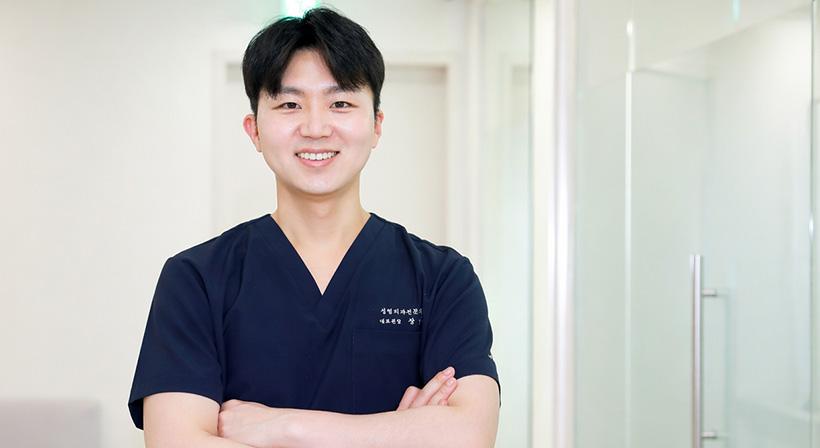
RINE Plastic Surgery Clinic | Facelift and Eye Rejuvenation Surgery
Nonhyeon
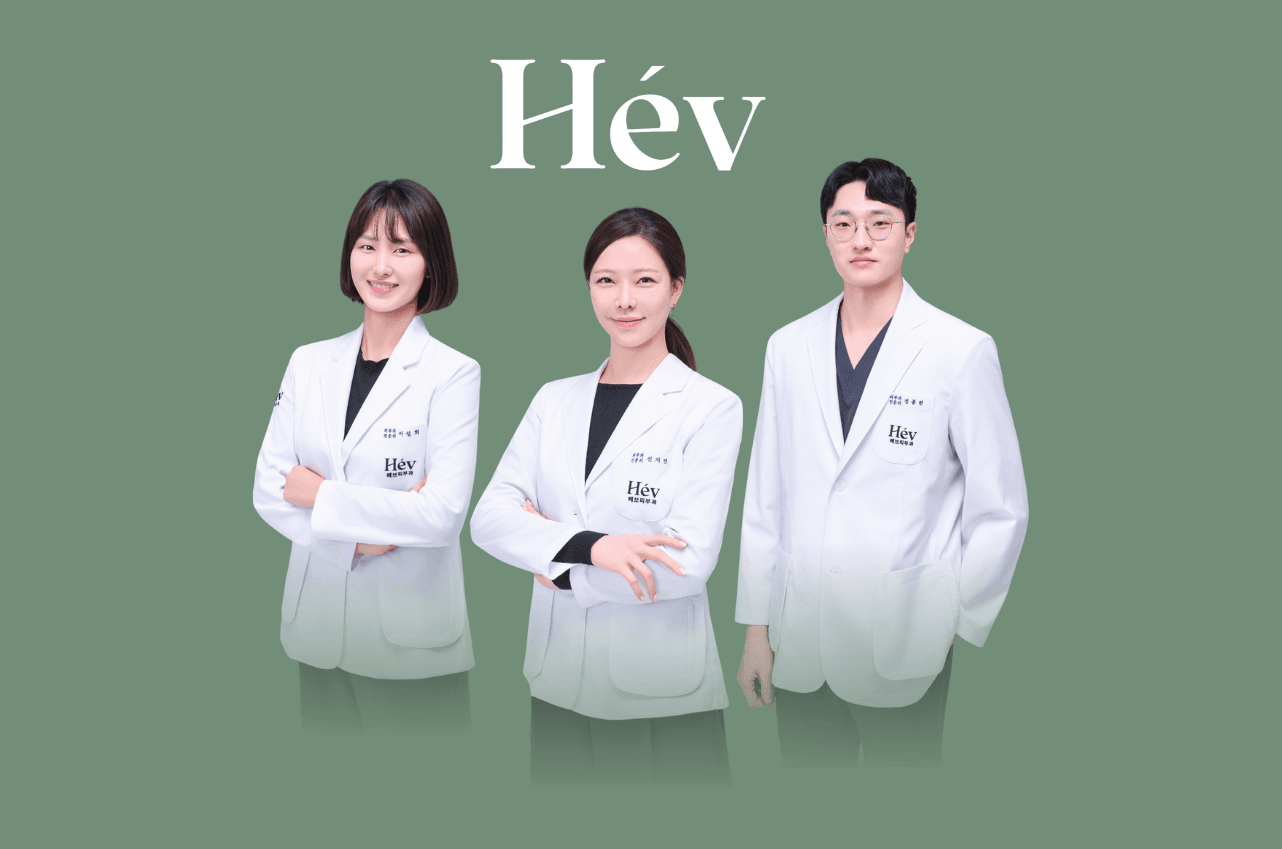
Hev Clinic Korea | Premium Sinsa Clinic for Skin, Laser & Injectables
Sinsa

Made Young Plastic Surgery: Rejuvenating Aesthetic Excellence in Korea for Face Lifts, Contouring and More
Gangnam Station

Three Wishes Clinic - Myeongdong, Korea: Advanced Botox, Fillers, Laser, and Skin Treatments for Confidence and Care
Myeongdong