
Medical Tourism Blog
Effective Treatments for Droopy Eyelids in Korea: Canthoplasty, Ptosis Correction & Laser Canthoplasty

Table of contents
- Best Clinics in Korea for Droopy Eyelids
- Eyelid Surgery in Korea: What International Patients Can Expect
- Detailed Medical Procedures for Eyelid Correction
- Costs of Eyelid Procedures in South Korea and International Comparison
- Patient Experiences and Outcomes for Eyelid Procedures for Droopy Eyelids
- Conclusion
- References
Considering treatment in Korea? Everything you need to know e.g. — how to avoid scams, visas, interpreters, recovery tips — in our Medical Tourism Master Guide. Plan with confidence in minutes, not weeks!
If you’re exploring options for “droopy eyelids,” you’re not alone. This guide breaks down what causes droopy eyelids, the medical terms you’ll hear, the surgical procedures available, what to expect if you’re considering treatment in South Korea, how much it all costs, and what real patients have experienced. Whether you’re looking for cosmetic improvement or relief from vision problems, this article will help you make informed decisions—especially if you’re thinking about medical tourism.
“Droopy eyelids” is the everyday way to describe sagging of the upper eyelid. Medically, this is called Ptosis or Blepharoptosis. It happens when the upper eyelid edge falls below its normal position, which can affect both how you look and how well you see. People with ptosis may notice their vision is blocked, feel eye strain or headaches from constantly raising their eyebrows, or appear tired or sleepy.
Common Medical Terms and Pseudonyms
The main medical term is Ptosis, but you might also hear Blepharoptosis, Eyelid drooping, or Baggy eyelids. It’s important to know the difference between ptosis and Dermatochalasis—the latter is just extra skin on the upper eyelid, while ptosis involves the eyelid’s muscles or nerves. Both can happen together, but the treatments are different.
Causes and Symptoms
Droopy eyelids can be congenital (from birth) or acquired (developing later). Acquired ptosis has several causes:
- Aponeurotic (Involutional): Most common in older adults, due to aging and weakening of the levator muscle.
- Neurogenic: Caused by nerve problems (like third nerve palsy or Horner syndrome).
- Myogenic: Due to muscle diseases (like myasthenia gravis).
- Mechanical: When something physically weighs down the eyelid (like a tumor or cyst).
- Traumatic: From injury or surgery.
Other factors include diabetes, stroke, swelling, or long-term contact lens use. Symptoms range from mild vision obstruction to complete blockage, eye strain, headaches, and sometimes increased tearing. If you suddenly develop droopy eyelids—especially with double vision or pain—see a doctor right away, as it could signal a serious health issue.
Knowing whether your droopy eyelids are due to ptosis (muscle/nerve) or dermatochalasis (skin) is key. Ptosis correction targets the muscles, while blepharoplasty removes extra skin. Your doctor will help you figure out which is causing your symptoms and recommend the right treatment.
Best Clinics in Korea for Droopy Eyelids
Listed below are the best clinics in Korea for droopy eyelids:
| Clinic Name | Key Features | Special Techniques |
|---|---|---|
| Mate Plastic Surgery Clinic Website | Mate Plastic Surgery Clinic, conveniently located near Sinnonhyeon Station in Seoul, is a cosmetic and reconstructive surgery clinic known for offering a wide range of procedures aimed at improving both appearance and self-confidence. For patients concerned about droopy eyelids, the clinic may be of interest because it provides specialized double eyelid surgery options, including incisional double eyelid surgery for a more permanent crease and non-incisional double eyelid surgery for those seeking a less invasive approach. These procedures can help create a more defined, refreshed-looking eye area while fitting different needs and preferences. Beyond eyelid-related procedures, Mate Plastic Surgery Clinic also offers facial contouring, rhinoplasty, fat grafting, breast surgery, body contouring, and anti-aging treatments such as facelifts and Botox injections. According to the clinic information, all procedures are performed by experienced surgeons with an emphasis on safety and optimal results. This broad treatment portfolio can be appealing for patients who want to address droopy eyelids while also considering other facial or aesthetic concerns as part of a personalized treatment plan. | incisional double eyelid surgery; non-incisional double eyelid surgery |
| Braun Plastic Surgery Clinic Website | Braun Plastic Surgery Clinic stands out as one of the best choices for droopy eyelids in Korea because its reputation is built on a clear philosophy of self-developed techniques, personal consultation, and personal surgery, ensuring that each ptosis correction plan is tailored to the individual rather than treated as a routine procedure. For patients with drooping eyelids, Braun offers specialized ptosis correction surgery designed to improve both vision and eye aesthetics, supported by a broader depth of eyelid expertise that includes double eyelid surgery, anti-aging eyelid surgery, canthoplasty, and revision procedures when previous results need improvement. What makes Braun especially trusted is its distinguished medical team’s constant commitment to research, surgical innovation, and safer, more effective outcomes, with surgeons who actively contribute to major global academic conferences and help advance Korea’s plastic surgery standards through their clinical experience, publications, and refined techniques. Backed by respected specialists such as Chief Dr. Kim Tae-gyu, CEO Lee Ji-won, and Dr. Ryu Dong-wan, Braun combines academic leadership, personalized care, and reliable surgical precision, making it a premier clinic for patients seeking natural-looking and satisfactory droopy eyelid correction in Korea. | ptosis correction surgery; double eyelid surgery; anti-aging eyelid surgery; canthoplasty; revision procedures |
Mate Plastic Surgery Clinic
Mate Plastic Surgery Clinic, conveniently located near Sinnonhyeon Station in Seoul, is a cosmetic and reconstructive surgery clinic known for offering a wide range of procedures aimed at improving both appearance and self-confidence. For patients concerned about droopy eyelids, the clinic may be of interest because it provides specialized double eyelid surgery options, including incisional double eyelid surgery for a more permanent crease and non-incisional double eyelid surgery for those seeking a less invasive approach. These procedures can help create a more defined, refreshed-looking eye area while fitting different needs and preferences.
Beyond eyelid-related procedures, Mate Plastic Surgery Clinic also offers facial contouring, rhinoplasty, fat grafting, breast surgery, body contouring, and anti-aging treatments such as facelifts and Botox injections. According to the clinic information, all procedures are performed by experienced surgeons with an emphasis on safety and optimal results. This broad treatment portfolio can be appealing for patients who want to address droopy eyelids while also considering other facial or aesthetic concerns as part of a personalized treatment plan.
Find more about this clinic here: Mate Plastic Surgery Clinic Website
Braun Plastic Surgery Clinic
Braun Plastic Surgery Clinic stands out as one of the best choices for droopy eyelids in Korea because its reputation is built on a clear philosophy of self-developed techniques, personal consultation, and personal surgery, ensuring that each ptosis correction plan is tailored to the individual rather than treated as a routine procedure. For patients with drooping eyelids, Braun offers specialized ptosis correction surgery designed to improve both vision and eye aesthetics, supported by a broader depth of eyelid expertise that includes double eyelid surgery, anti-aging eyelid surgery, canthoplasty, and revision procedures when previous results need improvement. What makes Braun especially trusted is its distinguished medical team’s constant commitment to research, surgical innovation, and safer, more effective outcomes, with surgeons who actively contribute to major global academic conferences and help advance Korea’s plastic surgery standards through their clinical experience, publications, and refined techniques. Backed by respected specialists such as Chief Dr. Kim Tae-gyu, CEO Lee Ji-won, and Dr. Ryu Dong-wan, Braun combines academic leadership, personalized care, and reliable surgical precision, making it a premier clinic for patients seeking natural-looking and satisfactory droopy eyelid correction in Korea.
Find more about this clinic here: Braun Plastic Surgery Clinic Website
Eyelid Surgery in Korea: What International Patients Can Expect
South Korea is a top destination for plastic surgery, thanks to advanced clinics, skilled surgeons, and reasonable prices. Here’s what international patients can expect:
Initial Planning and Clinic Selection
Start by researching clinics—look for government accreditation, strict safety standards, and bilingual staff. Many clinics offer English consultations and translation services. Medical tourism agencies like Bookimed can help with clinic selection, travel, and transparent pricing.
Pre-Surgery Preparation
Follow your clinic’s instructions for the best results:
Medical Guidelines:
- Stop smoking at least 7 days before surgery (2 weeks if over 60).
- Avoid blood thinners, certain supplements, and alcohol before surgery.
- Dissolve any fillers in the area at least 3 days ahead.
- Continue prescription meds for chronic conditions unless told otherwise.
Personal Preparation:
- Shower before surgery, as you may not be able to for a few days after.
- Wear loose, front-button clothes and bring a hat and sunglasses.
- Prepare questions for your surgeon and consider bringing a support person.
During and Immediately After the Procedure
Most eyelid surgeries in Korea are outpatient, lasting 30 minutes to 2 hours. Anesthesia type depends on the procedure.
Post-Operative Care and Recovery
You’ll likely use cold compresses, keep your head elevated, and use prescribed medications. Avoid strenuous activity, swimming, and getting the area wet until healed. Stitches come out in 5–7 days, and swelling/bruising usually resolves in 1–2 weeks.
Plan to stay in Korea for 2 days (for non-incisional procedures) to 1–2 weeks (for more complex surgeries). Clinics provide follow-up care, and you may be able to arrange suture removal at home if needed.
Logistics for Medical Tourists
Book accommodation near your clinic, and check passport/visa requirements. Many clinics offer all-inclusive packages with accommodation and post-op care. Bringing a support person is highly recommended.
South Korea’s medical tourism system is designed to make your experience smooth, with support from consultation through recovery.
Detailed Medical Procedures for Eyelid Correction
The right surgery depends on what’s causing your droopy eyelids, how severe it is, and how well your eyelid muscles work. It’s best to see an oculoplastic ophthalmologist—a specialist in both eye care and plastic surgery.
Canthoplasty
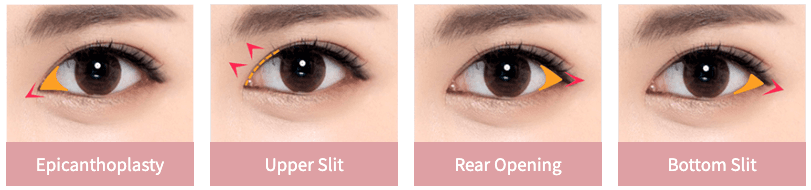
Canthoplasty reshapes the outer (and sometimes inner) corners of the eyes. It can lift sagging eyelids, change the eye’s shape, and even improve your field of vision. The results are usually permanent, though some people may need a touch-up years later.
Types and Techniques
- Lateral Canthoplasty: Lifts or reconstructs the outer eye corner for a more open, almond-shaped look.
- Epicanthoplasty (Medial Canthoplasty): Alters the inner eye corner, often to reduce the Mongolian fold.
- Lower Canthoplasty (Vertical Canthoplasty): Pulls the lower eye corner down for a larger-looking eye. Sometimes combined with lateral canthoplasty as Dual Canthoplasty.
Procedure Overview
Canthoplasty is usually done under local anesthesia. The surgeon makes a small incision, tightens the eyelid tendon and muscle, and closes the incision with care to avoid damaging tear ducts. The surgery takes 30 minutes to 2 hours.
Recovery and Outcomes
Recovery takes 2–4 weeks. Expect some swelling and bruising at first, with incision lines fading over a few months. Follow your doctor’s instructions—avoid strenuous activity, keep your head elevated, and use prescribed medications. Canthoplasty can improve both appearance and function, correcting issues like lagophthalmos, ectropion, and entropion.
Potential Complications
Risks include minor scarring, bleeding, swelling, pain, dry eyes, infection, and possible asymmetry.
Ptosis Correction Surgery

Ptosis correction surgery lifts the upper eyelid by fixing the muscle or tendon that’s not working properly. The main goal is to improve vision and appearance.
Surgical Approaches
- External Approach (Levator Advancement): For strong muscles, the surgeon makes an incision in the eyelid crease, repositions the levator muscle, and adjusts the eyelid height.
- Internal Approach: Also for strong muscles, but the incision is inside the eyelid. The surgeon shortens either the levator or Mueller’s muscle.
- Frontalis Sling Fixation: For weak muscles, the eyelid is connected to the forehead muscle using a silicone rod, so raising your eyebrows lifts the eyelid.
Procedure Overview
These are outpatient surgeries, usually lasting about an hour. The surgeon adjusts the eyelid muscles to achieve the right lift.
Recovery and Outcomes
Most people return to normal life in 5–7 days. Swelling and bruising are common for a week or two. Eye drops and ointments help prevent dryness and infection. The benefits include better vision, a more alert look, and increased confidence.
Potential Complications
Some asymmetry is possible, and after frontalis sling fixation, you might not be able to close your eye completely for a while. Dry eyes and the need for revision surgery are other possible issues.
Laser Canthoplasty

Laser Canthoplasty uses laser technology to reshape the outer eye corners. It’s especially popular in South Korea for creating large, almond-shaped eyes.
Purpose and Key Advantages
Laser Canthoplasty is all about aesthetics—making the eyes look longer and more youthful. The laser allows for precise cuts, less bleeding, and faster healing compared to traditional surgery.
Procedure Overview
Done under local anesthesia, the surgeon uses a laser to make incisions and reshape the lateral canthal tendon. The procedure takes 30 minutes to an hour.
Recovery and Outcomes
Laser Canthoplasty usually means less swelling and bruising, with most people recovering in 1–2 weeks. It’s often combined with other procedures like Double Eyelid Surgery or Ptosis Correction for more dramatic results.
Combining procedures can address multiple issues—muscle function, skin laxity, eye shape, and brow position—for a more complete transformation. These surgeries require both technical skill and an artistic eye, so choosing an experienced oculoplastic ophthalmologist is crucial.
Laser technology offers extra precision and a smoother recovery, but it’s mainly used for lateral canthoplasty; there’s less evidence for its use in medial canthoplasty.
Costs of Eyelid Procedures in South Korea and International Comparison
Prices vary by clinic, surgeon, and procedure complexity.
Estimated Costs in South Korea
- Canthoplasty: $1,000–$3,000 USD (some sources: $2,188–$5,170 USD)
- Ptosis Correction: $1,400–$1,900 USD for one eye; $2,200–$3,000 USD for both; broader range: $1,032–$3,096 USD
- Laser Canthoplasty: $1,000–$3,000 USD
- Combined Procedures: $2,700–$3,800 USD
These prices often include surgery, consultations, and medications, but anesthesia may be extra. Outpatient procedures help keep costs down.
Comparative Costs for Medical Tourists
South Korea’s eyelid surgery costs are typically $1,000–$4,000 USD, sometimes up to $6,700 USD. Here’s a quick look:
| Country | Eyelid Surgery Cost (USD) | Notes |
|---|---|---|
| South Korea | $1,000 - $3,000 | Competitive pricing, experienced surgeons, advanced techniques |
South Korea stands out for affordable, high-quality care, with many clinics offering all-inclusive packages that cover everything from surgery to translation services.
Additional Travel and Accommodation Costs
Budget for:
- Airfare: $600–$1,500 USD
- Accommodation: $30–$150+ USD/night (about $700–$2,100 USD for 2 weeks)
- Meals: $15–$50 USD/day (about $280–$700 USD for 2 weeks)
- Local Transportation: $50–$150 USD
- Miscellaneous: $50–$200 USD (insurance), $20–$50 USD (SIM card), $200–$500 USD (leisure)
Total travel and living expenses (excluding surgery): $2,000–$5,000 USD.
Patient Experiences and Outcomes for Eyelid Procedures for Droopy Eyelids
Patients who’ve had canthoplasty, ptosis correction, or laser canthoplasty often report high satisfaction, with improvements in both looks and quality of life.
Canthoplasty Outcomes

Patients see a more almond-shaped, youthful eye, with correction of sagging or downturned corners. It also helps with functional issues like ectropion, entropion, and lagophthalmos. Recovery is usually quick, especially with laser techniques.
Ptosis Correction Outcomes
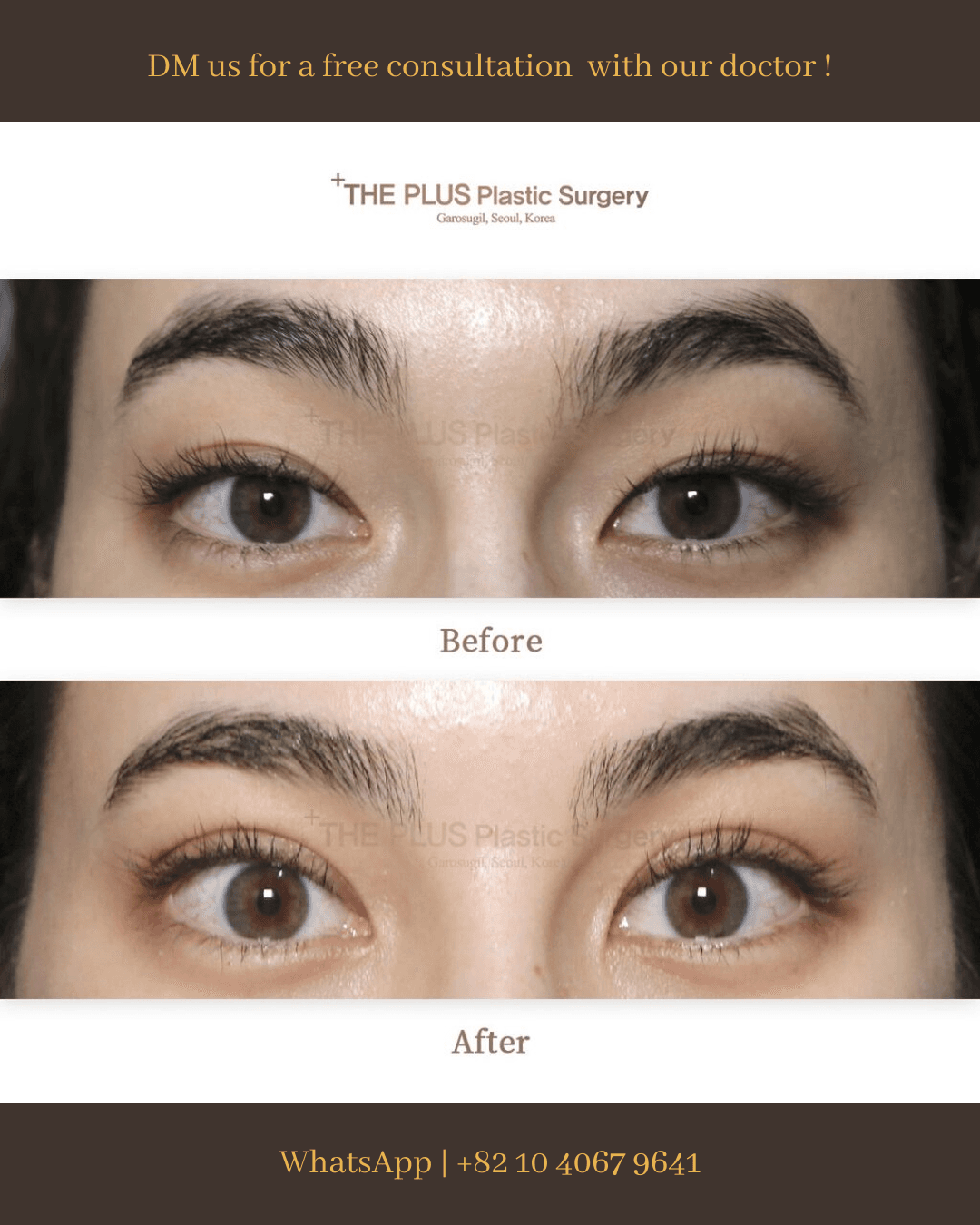
People often feel more awake and confident, with better vision and a natural eyelid position. Many describe the improvement as “life-changing,” with minimal downtime and a quick return to daily life.
Addressing Specific Issues
These surgeries can fix uneven eyelids, sagging from eczema, “sleepy eyes,” and tired appearance. Revision surgeries are available if previous procedures didn’t deliver the desired results.
Patients consistently highlight not just cosmetic improvements, but also better vision, less eye strain, and greater confidence. Surgeon empathy, clear communication, and supportive aftercare are often cited as key to a positive experience.
Conclusion
“Droopy eyelids” (Ptosis or Blepharoptosis) can affect both appearance and vision, and may signal underlying health issues—so a proper diagnosis is essential. Treatments like Canthoplasty, Ptosis Correction, and Laser Canthoplasty offer tailored solutions, often with the best results from a skilled oculoplastic ophthalmologist. South Korea stands out for its combination of expertise, affordability, and comprehensive patient support, making it a top choice for medical tourists. Ultimately, these procedures can deliver both functional and cosmetic benefits, improving quality of life and confidence for many patients.
References
1, 2, 3, 4, 5, 6, 7, 8, 9, 10, 11, 12, 13, 14, 15, 16, 17, 18, 19, 20, 21, 22, 23, 24, 25, 26, 27, 28, 29, 30, 31, 32, 33, 34, 35, 36, 37, 38, 39, 40, 41, 42, 43
Frequently Asked Questions
Related Blogs
Double Eyelid Surgery in Korea: Ptosis Correction for Aesthetic and Functional Eye Improvement
Discover how Korea leads in double eyelid surgery and ptosis correction. Learn about various Asian blepharoplasty techniques—incisional, non-incisional, and partial incision—tailored for natural results. Understand the importance of ptosis correction, including levator advancement and Mueller’s muscle resection, combined with double eyelid surgery for optimal aesthetic and functional outcomes. Kor
Updated: Oct 1, 2026
Rejuvenate Hooded Eyes in Korea: Eyebrow Lift & Eye Thread Lift Procedures
Discover how Korea is leading in cosmetic solutions for hooded eyes. This comprehensive blog explores the causes of hooded eyelids and how the eyebrow lift procedure in Korea can restore a more open, youthful appearance. Learn about advanced techniques like endoscopic and temporal brow lifts, their benefits, recovery, and why Korea is your ideal destination for safe, affordable, and expert eyelid
Updated: Oct 1, 2026
Rejuvenate Sagging Eyelids with Canthoplasty, Laser Canthoplasty & Eye Thread Lift in Korea
Considering eyelid sagging (ptosis) can affect your vision and appearance, Korea offers advanced treatments like traditional and laser canthoplasty. These procedures reshape the outer eye corners and lower eyelids, creating a youthful, almond-shaped look while improving eyelid support. Renowned Korean clinics utilize cutting-edge technology and expert surgeons to ensure safe, effective results. Th
Updated: Sep 30, 2026
Effective Ptosis Correction in Korea: Solutions for Post-Eye Surgery Ptosis
Discover how Korea leads in efficient, advanced ptosis correction procedures—such as external levator advancement, Müller's muscle resection, and frontalis sling fixation—for drooping eyelids caused by eye surgery. This comprehensive guide highlights Korea’s top surgeons, affordable costs, and seamless process for international patients seeking both functional and cosmetic improvements. Learn abou
Updated: Sep 30, 2026
Clinics offering Laser Canthoplasty
RINE Plastic Surgery Clinic | Facelift and Eye Rejuvenation Surgery
Nonhyeon

SH Clinic: Comprehensive Women's, Men's & Couples' Health Services in Korea
Sinsa

THEPLUS Plastic Surgery Korea | Eye, Nose, Face & Body Surgery
Sinsa

Made Young Plastic Surgery: Rejuvenating Aesthetic Excellence in Korea for Face Lifts, Contouring and More
Gangnam Station