
Medical Tourism Blog
SMAS Facelift in Korea: Techniques, Recovery, Travel Planning, and Safety
Table of contents
- SMAS Facelift at a Glance
- What Is a SMAS Facelift?
- Who Is a Good Candidate for a SMAS Facelift?
- How Is a SMAS Facelift Performed?
- Why Visit Korea for a SMAS Facelift?
- Key Information for International Patients
- Which Are the Best Clinics in Korea for Smas Facelift?
- SMAS Facelift From Start to Finish
- Alternatives to a SMAS Facelift
- How Can I Prepare for a SMAS Facelift?
- Aftercare Advice
Considering treatment in Korea? Everything you need to know e.g. — how to avoid scams, visas, interpreters, recovery tips — in our Medical Tourism Master Guide. Plan with confidence in minutes, not weeks!
Last updated: September 2026
SMAS Facelift at a Glance
- What it treats — A SMAS facelift is surgery that repositions the deeper facial support layer to improve jowls, a blurred jawline, lower-face laxity, and often loose neck skin or platysmal bands; it is not simply a skin-tightening procedure.
- Best candidates — It is most suitable for people with meaningful lower-face or neck tissue descent, stable health and weight, realistic expectations, and willingness to accept ear-area/scalp scars and a multi-week recovery.
- Recovery timeline — Bruising and obvious swelling are common for 1–2 weeks; many patients resume desk work or ordinary public activities around weeks 2–3, while tightness, numbness, residual swelling, and scar maturation can continue for months.
- Important early risk — Rapidly increasing one-sided swelling, severe pressure or pain, or dressing-saturating bleeding may signal a hematoma and requires urgent assessment rather than routine observation.
- Results and limitations — The lift provides long-lasting structural rejuvenation but does not stop aging and does not reliably erase fine wrinkles, sun damage, pigmentation, or volume loss, which may need separate treatment.
- Korea travel plan — International patients should plan at least 10–14 days in Korea after surgery, with about 14 days preferable after a full face-and-neck lift; flying requires the operating surgeon’s clearance even though general guidance suggests waiting 7–10 days.
- Technique clarity — “SMAS facelift” is not one standardized operation, so obtain a written plan specifying the SMAS maneuver, incision pattern, neck or platysma work, anesthesia, drain plan, and named operating surgeon; deep-plane lifting is a separate technique, not an automatic feature.
What Is a SMAS Facelift?
A SMAS facelift is a facial rejuvenation operation that lifts and repositions deeper support tissues in the lower face and often the neck. It aims to improve jowls, a softened jawline, loose neck skin, and facial sagging for a more rested, defined appearance. It is a surgical procedure, typically involving incisions around the ears and a recovery period of several weeks.
Who Is a Good Candidate for a SMAS Facelift?
- Lower-face and neck laxity — Good candidates have jowls, a softened jawline, loose neck skin, platysmal bands, or descent-related marionette and nasolabial folds that require structural repositioning rather than skin tightening alone.
- Stable health and weight — Candidates should have stable medical conditions, adequate healing capacity, and an anesthesia risk profile that can be assessed and optimized.
- Realistic surgical goals — A SMAS rhytidectomy can reposition descended lower-face and neck tissue, but it does not stop aging or reliably remove fine etched wrinkles, pigmentation, sun damage, or facial volume loss.
- Acceptance of scars and downtime — Incisions are generally placed around the ears and into hair-bearing scalp. A full lift commonly needs 2–3 weeks before social activities feel realistic, while numbness, tightness, swelling, and scar maturation continue for months.
Surgery is unsuitable or should be deferred with active nicotine exposure when the surgeon’s abstinence plan cannot be met, uncontrolled hypertension, poorly controlled diabetes, active facial, dental, or skin infection, unaddressed bleeding risk, unstable serious illness, or an unsafe anesthesia profile. Anticoagulants, antiplatelet medicines, NSAIDs, and supplements with bleeding effects require an individualized plan from the surgeon, anesthesiologist, and prescribing clinician; never stop prescription blood thinners independently. Previous lifts, threads, filler, laser treatment, or energy-based treatment are not automatic exclusions, but can alter tissue planes and make revision planning less predictable. Age is not the deciding factor: facial and neck anatomy, skin elasticity, healing capacity, goals, and readiness for a multi-week recovery matter more.
How Is a SMAS Facelift Performed?
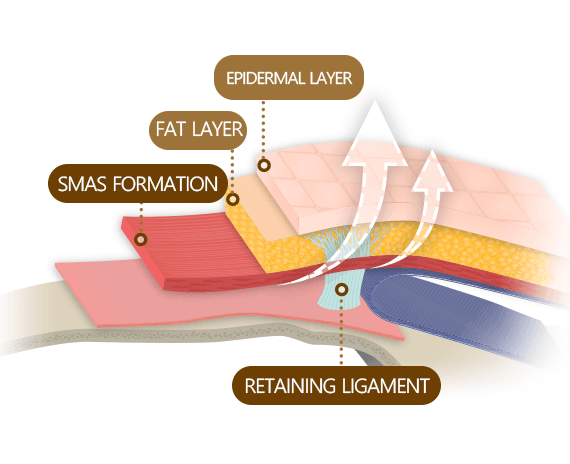
“SMAS facelift” does not describe one standardized operation. The important distinction is how the surgeon manages the superficial musculoaponeurotic system (SMAS) and whether the operation includes the neck.
- SMAS plication — The surgeon folds and sutures the SMAS without broadly elevating the deep layer. It can suit selected lower-face laxity.
- SMASectomy or imbrication — A strip of SMAS is removed and/or the layer is overlapped before suturing to tighten and reposition it.
- SMAS flap — The surgeon elevates and repositions a SMAS flap. High-SMAS and extended-SMAS designs use broader or higher release for selected cheek, jowl, jawline, and neck vectors.
- Lower face and neck lift — Neck laxity, platysmal banding, loose neck skin, or submental fat can require a submental incision, platysma tightening, and neck contouring in addition to ear-area incisions.
- Short-scar or mini lift — A smaller lower-face operation can suit earlier laxity but does not duplicate the correction or recovery profile of a full lower-face and neck procedure.
- Deep-plane distinction — A deep-plane facelift is a separate deeper-dissection technique, not a feature that should be assumed from the term “SMAS.” Comparative reviews find that inconsistent definitions and limited direct comparisons do not establish one universally superior approach for results or longevity across SMAS techniques.
Why Visit Korea for a SMAS Facelift?
South Korea has a formal framework for institutions treating foreign patients. This can support travel coordination and patient-service systems, but it does not prove an individual surgeon’s facelift expertise or guarantee an outcome. There is no high-quality evidence that a SMAS facelift performed in Korea has better results, greater longevity, or lower complication rates than the same surgery elsewhere.
- Foreign-patient registration — Medical Korea describes a registration system for foreign-patient-serving institutions, including malpractice-liability insurance requirements for registered providers within the registered-institution system.
- Service and safety evaluation — The same system describes evaluation and certification focused on service quality and patient-safety processes for foreign patients. Verify the specific institution’s current status rather than relying on general marketing.
- Written operative clarity — Ask for the named operating surgeon, dissection plane, SMAS maneuver, incision plan, neck and platysma work, anesthesia, drain use, and the person performing critical surgical steps. This matters because “SMAS facelift” terminology is not standardized.
- Evidence-aware technique selection — A 2024 systematic review covering 27 studies and 6,086 patients reported satisfaction above 85%, but also identified incomplete complication reporting and a need for stronger comparative evidence in the published literature. Choose the operation based on anatomy and the surgeon’s documented plan, not claims that a named technique is universally best.
Key Information for International Patients
- Minimum stay — Plan at least 10–14 days in Korea after a full SMAS facelift; around 14 days is preferable for a long-haul return after combined face-and-neck surgery.
- Flight timing — The American Society of Plastic Surgeons gives a general 7–10 day wait before flying after facial cosmetic procedures, including facelifts in its cosmetic-surgery tourism guidance. This is not automatic clearance: the operating surgeon must examine wounds, swelling, drains or sutures, bleeding risk, and any complications before approving travel.
- Early reviews — Expect appointments during the first 1–3 days for dressing, drain, blood-pressure, skin-perfusion, and hematoma checks. Sutures are commonly removed in stages around days 5–10.
- Itinerary impact — Avoid strenuous sightseeing, heavy luggage, long walking days, alcohol-centered plans, and fixed non-refundable travel immediately after surgery. Bruising and conspicuous swelling commonly dominate the first 1–2 weeks.
- Companion and accommodation — Arrange a companion for the first night and preferably the first 48 hours after general anesthesia or sedation. Travelers going alone need a clinic-approved recovery plan rather than relying on hotel staff.
- Overseas follow-up — Obtain English operative, anesthesia, medication, and discharge records; a 24-hour emergency contact; and a defined video-follow-up schedule. Identify a clinician or emergency-care route at home before departure.
Travel note: Keep return flights flexible and retain funds for extra reviews or delayed travel. A surgeon’s decision to delay a flight after bleeding, delayed healing, or unexpected swelling is a medical necessity, not an itinerary inconvenience.
Which Are the Best Clinics in Korea for Smas Facelift?
Listed below are some of the best clinics in Korea for smas facelift.
1. THEPLUS Plastic Surgery
For a surgical facelift, you can consider THEPLUS Plastic Surgery if your goal is to lift and reposition sagging facial tissue while preserving natural expression and balanced facial proportions. Its facelift offering is presented alongside facial contouring and volume-restoration options, allowing your plan to address laxity as well as facial shape or hollowness when appropriate.
- URL: THEPLUS Plastic Surgery Website
- Location: Gangnam-gu, Seoul
- Facelift approach:
- Facelift surgery is described as lifting and repositioning sagging facial tissue to create firmer facial contours while maintaining natural expression.
- Thread lifting is available as a less invasive option for mild sagging, using dissolvable threads.
- Facial fat grafting is offered to restore volume in hollow or flattened areas of the face.
- Relevant surgical expertise:
- Dr. Kim is a board-certified plastic surgeon with a stated focus on rhinoplasty and facial contouring, and he conducts annual educational sessions for other plastic surgeons.
- Dr. Jeong is identified as President of the Korean Society of Plastic Surgeons and has presented at professional forums internationally.
- Related facial procedures:
- Facial contouring options include cheekbone, square-jaw, and chin surgery, as well as facial implants.
- Eye procedures include double-eyelid surgery, ptosis correction, and blepharoplasty.
2. Made Young Plastic Surgery
At Made Young Plastic Surgery, your SMAS facelift is described as a comprehensive lift in which the skin, fat, and SMAS are elevated together after release of stretched supporting tissues beneath the SMAS. The clinic secures the lifted tissues vertically against the direction of sagging, an approach intended to avoid excessive cheekbone prominence and support a natural-looking, durable result.
- URL: Made Young Plastic Surgery Website
- Location: Seocho-gu, Seoul
- Procedure details:
- The clinic reports analyzing the areas and causes of facial sagging before planning surgery.
- Its technique includes dissection beneath the SMAS layer and release of stretched supporting tissues.
- Skin, fat, and SMAS tissues are lifted together for comprehensive tightening.
- Safety and recovery support:
- Board-certified anesthesiologists are on site full time, with one anesthesiologist assigned to continuous one-to-one monitoring.
- The clinic describes an emergency cross-check system involving multiple anesthesiologists and full CCTV coverage of procedures.
- A separate aftercare center provides systematic post-procedure care.
- Related lifting options:
- Surgical options listed include neck lift, double-chin lift, forehead lift, and sub-brow lift.
- Non-surgical lifting services include thread lift, Shurink, Ultherapy, and skin boosters.
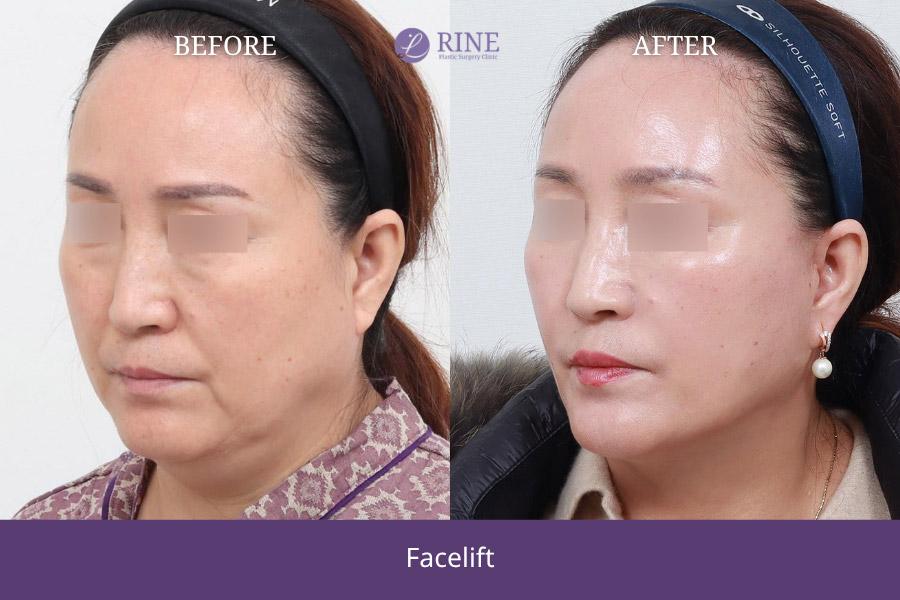
3. RINE Plastic Surgery Clinic
For SMAS face and neck lifting at RINE Plastic Surgery Clinic, you can pursue an extended dual deep-plane approach that combines wide skin dissection with wide SMAS dissection, so both layers are lifted together. The clinic presents this technique as a way to address wrinkles and significant laxity in the cheeks, jawline, and neck with a longer-lasting lift that avoids the stretched look associated with skin-only lifting.
- URL: RINE Plastic Surgery Clinic Website
- Location: Seocho-gu, Seoul
- Procedure details:
- The clinic combines elements of dual-plane and deep-plane facelift methods in its extended dual deep-plane facelift.
- Its SMAS face and neck lift is intended for significant sagging of the cheeks, jawline, and neck.
- A minimally invasive facelift is also available for moderate laxity, using smaller incisions than a full lift.
- Surgeon continuity:
- Board-certified plastic surgeon Director Jang Nam personally manages consultation, surgery, treatment, and recovery.
- The clinic states that its director has more than 15 years of clinical experience in eye surgery and anti-aging procedures.
- Planning is described as one-to-one and based on your facial proportions, skin condition, and individual characteristics.
- Technology and recovery:
- The clinic is equipped with a full-HD Stryker endoscope and uses FDA-approved Endotine devices.
- WhiteLite bipolar equipment is used as part of its recovery-focused approach.
- You can recover in a private single-person recovery room, and the clinic describes ongoing postoperative care.
- Related facial rejuvenation:
- An endoscopic forehead lift addresses brow descent and forehead lines through small incisions.
- Thread lifting is available as a non-surgical option for a subtler lift.
- Double-chin liposuction and double-chin lift procedures can refine the jawline and neck profile.
SMAS Facelift From Start to Finish
- Remote consultation and records — Send secure, unfiltered front, oblique, profile, and neck photographs. Disclose medical conditions, allergies, nicotine exposure, all medicines and supplements, prior facial surgery, fillers, threads, lasers, and energy procedures. Confirm whether English-language or virtual consultation is available. Remote recommendations remain provisional until examination.
- Written surgical proposal and travel planning — Request the exact planned procedure, SMAS technique, neck or platysma work, incision pattern, anesthesia, drain plan, estimated duration, named surgeon, facility, after-hours contact, and staged follow-up schedule. Book flexible travel and a recovery-appropriate hotel before committing to a return date.
- In-person consultation and medical assessment — The surgeon examines skin quality, tissue descent, facial asymmetry, hairline, scars, volume loss, jowls, neck skin, platysmal bands, and submental fullness. Depending on health history and facility policy, testing or medical clearance is arranged.
- Preoperative marking and anesthesia review — On surgery day, the surgeon marks the planned incision and lifting vectors. The anesthesiologist reviews fasting, medication changes, allergies, airway and anesthesia risks. General anesthesia or another facility-approved anesthesia plan is selected according to operation extent.
- SMAS facelift surgery — Incisions are usually placed around the ears and into scalp-bearing areas. The surgeon elevates and manages the SMAS by plication, imbrication, SMASectomy, or flap repositioning, then redrapes skin without relying on skin tension alone. Neck work can include a submental incision, platysma tightening, and treatment of submental fat. Duration depends on technique, neck work, revision status, and combined procedures.
- Immediate recovery and discharge — Dressings and sometimes drains are placed. The team monitors pain, nausea, blood pressure, bleeding, and skin circulation before discharge or overnight observation, according to the anesthesia and surgical plan. Leave with a responsible adult after sedation or general anesthesia.
- Korea-based recovery checks — Attend all early reviews, commonly in days 1–3 and again around days 5–10. The team checks for hematoma, fluid collection, infection, incision healing, contour, sensation, and removal of drains or sutures.
- Return travel and remote follow-up — Fly only after the operating surgeon clears the wounds and recovery. Continue scheduled photo or video reviews after returning home, and send the clinic clear photographs promptly if new asymmetry, wound concerns, or swelling develops.
Alternatives to a SMAS Facelift
The main tradeoff is magnitude versus downtime: surgery can address substantial skin excess and tissue descent, while non-surgical treatments involve less recovery but do not reproduce surgical repositioning of pronounced jowls or neck laxity.
Conventional Face-lift
A face lift can use a different incision design or tissue-management strategy while pursuing the same lower-face rejuvenation goal.
- Best considered for — Patients whose surgeon recommends a different conventional lift design based on skin excess, hairline, scar pattern, and neck anatomy.
- Key tradeoff — It remains surgery with scars, anesthesia considerations, hematoma risk, and a substantial recovery period.
Deep-Plane Face-lift
A deep-plane facelift uses a distinct deeper dissection approach.
- Best considered for — Selected patients when the surgeon believes facial anatomy and desired vectors support this approach.
- Key limitation — Current reviews do not establish universal superiority over SMAS lifting for longevity or overall aesthetic outcome between these approaches.
Neck Lift
A neck lift focuses on neck skin, submental fat, and platysma laxity.
- Best considered for — Concerns substantially confined to the neck rather than jowls and lower-face descent.
- Key limitation — It does not provide the same lower-face correction as a full SMAS face-and-neck lift.
Thread or Energy-Based Lifting
Thread lift, Ultherapy lifting, and Thermage lifting are less invasive options.
- Best considered for — Mild laxity or patients who do not want or cannot undergo surgery.
- Key limitation — They do not generally duplicate surgical correction of marked jowls, loose neck skin, or platysmal banding.
Volume Restoration
Facial filler and face fat grafting replace volume deficiency.
- Best considered for — Hollowing or volume loss that contributes to an aged appearance, including as a complement to a lift.
- Key limitation — Volume replacement does not remove excess skin or reposition substantially descended lower-face tissue.
How Can I Prepare for a SMAS Facelift?
- Medication and supplement review — Give the surgeon and anesthesiologist a complete list of prescriptions, over-the-counter medicines, vitamins, herbal products, and recreational substances well before travel. Aspirin, NSAIDs, anticoagulants, antiplatelets, and some supplements affect bleeding or anesthesia; only the treating and prescribing clinicians should decide whether and when to change them.
- Nicotine cessation — Follow the surgeon’s pre- and postoperative nicotine-abstinence plan exactly. This includes cigarettes, vaping, nicotine replacement, and other nicotine exposure because nicotine increases skin-flap and wound-healing risk.
- Health optimization — Report high blood pressure, diabetes, bleeding problems, sleep apnea, prior anesthesia reactions, and active infections. Complete requested clearance or testing before traveling whenever possible.
- Fasting and surgery-day medicines — Follow the anesthesiologist’s exact fasting, hydration, and medicine instructions. Do not assume that routine morning medicines should be taken or withheld.
- Facial preparation — Follow clinic instructions on washing, skincare, hair washing, makeup, and hair color. Do not schedule new facial procedures, dental treatment, or treatments that irritate the skin close to surgery without surgeon approval.
- Alcohol and sun — Avoid alcohol when it conflicts with prescribed medicines or recovery instructions. Avoid sunburn before surgery because inflamed skin can affect timing and healing.
- Recovery logistics — Arrange a companion, ground transport, a quiet accommodation near the clinic, pillows for head elevation, easy-to-eat food, and a flexible return flight. Do not plan to carry luggage or navigate airports alone immediately after surgery.
Travel note: Carry medicines in original labeled containers, bring enough for the full stay plus extra days, and keep your medical history and clinician contact details accessible in English.
Confirm every timing rule and medication change with the treating surgeon and anesthesiologist; their individualized instructions take precedence over general guidance.
Aftercare Advice
Protect the healing skin flaps and incisions, attend every review, and treat sudden swelling or severe pain as urgent rather than normal recovery.
- Head position and exertion — Keep the head elevated as directed. Avoid bending, straining, heavy lifting, vigorous exercise, and activities that raise blood pressure until the surgeon clears them; gradual return to exercise often begins during weeks 3–6.
- Dressings, drains, and incisions — Keep dressings dry and follow the clinic’s instructions for drains, cleansing, ointment, and hair washing. Do not massage the face or neck, pull at numb areas, or apply makeup, scar products, active skincare, or hair dye near incisions until cleared.
- Bruising and social recovery — Expect prominent bruising and swelling for roughly 1–2 weeks after a full lift. Many people return to desk work or ordinary public activity around weeks 2–3, but neck work and combined surgery can extend this timeline.
- Heat, alcohol, and sun — Avoid saunas, hot baths, intense heat, alcohol when it conflicts with medicines or recovery, and direct sun on healing scars. Once the surgeon permits sunscreen near incisions, use broad-spectrum SPF 50 and physical cover to reduce scar darkening.
- Urgent warning signs — Contact the clinic urgently for rapidly enlarging or one-sided swelling, severe pressure or pain, bleeding that saturates dressings, fever, pus or foul drainage, wound separation, pale, dark, or cool skin, new facial weakness, chest pain, shortness of breath, calf swelling, confusion, or a medication reaction.
- Results and follow-up — Do not judge the result in the first weeks. Swelling, tightness, altered sensation, and scar maturation can continue for months; send scheduled photographs for remote review after returning home.
Follow the treating doctor’s specific instructions over general advice, and contact the clinic promptly when anything appears wrong.
Frequently Asked Questions
Related Blogs
Sagging Lower Cheeks: Rejuvenate with SMAS Facelift Procedures in Korea
Discover how Korea leads in facial rejuvenation with the SMAS facelift—an effective solution for sagging lower cheeks and jowls caused by aging. This advanced procedure lifts and tightens the facial muscles and connective tissue, delivering natural, long-lasting results. Perfect for medical tourists seeking quality care at competitive prices, Korea's expert surgeons and comprehensive aftercare mak
Updated: Oct 9, 2026
Korea Flat Cheeks Solutions: Deep Plane Face Lift & Cheekbone Implant Procedures Explained
Discover how Korea leads in correcting mid-facial volume loss and flat cheeks. This blog explores advanced surgical options like the Deep Plane Facelift and Cheekbone Implants, offering natural and lasting results. Learn why Korea is the top destination for medical tourism, combining affordability, expert surgeons, and innovative techniques for facial rejuvenation. Suitable for those seeking compr
Updated: Oct 9, 2026
Asymmetric Brows Solutions: Forehead Lift Procedures in Korea for Balanced, Beautiful Eyebrows
Discover how Korea offers advanced solutions for brow asymmetry, including Botox, dermal fillers, microblading, thread lifts, and surgical forehead lifts (brow lift). With top surgeons and cutting-edge techniques, Korea provides safe, effective treatments to improve eyebrow symmetry and facial harmony. Whether you seek non-invasive procedures or surgical correction, Korea is a premier destination
Updated: Oct 9, 2026
Neck Banding Solutions: Neck Lift Procedure in Korea for a Smoother, Youthful Neck
Discover expert solutions for neck banding in Korea, including minimally invasive treatments like Botox for platysmal bands, dermal fillers, laser skin tightening, RF microneedling, and PDO thread lifts. For lasting results, surgical options such as neck lift (platysmaplasty), cervicoplasty, and neck liposuction offer comprehensive rejuvenation. Korea's advanced medical technology and skilled surg
Updated: Oct 9, 2026
Clinics offering SMAS Facelift
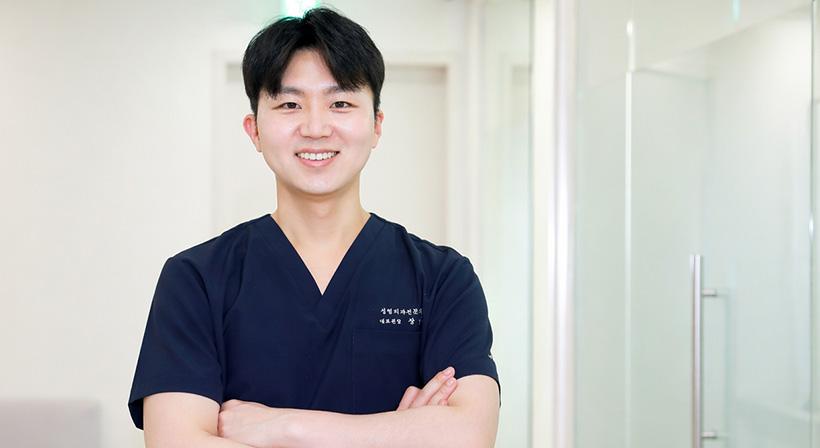
RINE Plastic Surgery Clinic | Facelift and Eye Rejuvenation Surgery
Nonhyeon

SH Clinic: Comprehensive Women's, Men's & Couples' Health Services in Korea
Sinsa

THEPLUS Plastic Surgery Korea | Eye, Nose, Face & Body Surgery
Sinsa

Made Young Plastic Surgery: Rejuvenating Aesthetic Excellence in Korea for Face Lifts, Contouring and More
Gangnam Station