
Medical Tourism Blog
Platysmal Bands Solutions: Neck Lift Procedures in Korea for a Youthful Neck
Table of contents
- Neck Lift Surgery: A Detailed Overview of the Procedure
- Navigating a Neck Lift in South Korea: A Medical Tourist's Guide
- Which Are the Best Clinics in Korea for Platysmal Bands?
- Cost Considerations: Neck Lift in South Korea vs. Other Countries
- Patient Experiences and Outcomes: Addressing Platysmal Bands
- Conclusion
- References
Considering treatment in Korea? Everything you need to know e.g. — how to avoid scams, visas, interpreters, recovery tips — in our Medical Tourism Master Guide. Plan with confidence in minutes, not weeks!
Let’s start with the basics of platysmal bands—what they are, why they form, and why so many people are interested in treating them. By shedding some light on the underlying anatomy and causes, this helps validate concerns about their appearance and clarifies the path toward effective solutions.
The platysma muscle is a thin, broad sheet that stretches from the upper chest over the collarbone and up the sides of the neck, blending into the jawline and parts of the lower face. Fibers from both sides interconnect below the chin, and some travel up to insert into the lower jaw and the skin around the mouth. This muscle sits just beneath the subcutaneous tissue and covers more vital neck structures like blood vessels and nerves. Its unique surface position and wide, flat layout explain why, when it contracts or loses tone, it becomes visible as the “vertical bands” many people notice as they age. This anatomic detail is also the reason procedures like platysmaplasty can directly target the muscle for cosmetic improvement.
Common Causes of Prominent Platysmal Bands
Platysmal bands usually result from the repeated movement and contraction of the platysma muscle—think talking, eating, or expressing emotion. As we age, collagen production drops off and the muscle itself loses strength, while the skin covering it also thins and sags. These changes, combined with genetics and lifestyle factors (such as intense exercise involving the neck), make the vertical “bowstring” bands stand out more clearly. Recognizing this interplay of aging, hereditary traits, and environment can help set realistic expectations and reduce anxiety surrounding potential treatments.
Recognizing the Signs: Pseudonyms and Associated Concerns
When the platysma contracts, you might see string-like cords pop up on either side of your neck—commonly nicknamed “turkey neck,” “bowstring effect,” or “vertical neck bands.” The muscle also tugs the lower lip and mouth downward, contributing to an older, frowning look. These bands aren’t dangerous, but they can lead to significant cosmetic concerns, such as loose skin, double chins, and neck creasing, which can impact self-esteem. Addressing these visible signs of aging with surgery is about more than vanity—it’s about helping people feel as vibrant as they are on the inside. It’s also worth noting the platysma’s importance for neck surgeons, as its position serves as a guide during trauma assessment and operations. This highlights the need for choosing a highly experienced, board-certified surgeon whenever surgery is being considered.
Neck Lift Surgery: A Detailed Overview of the Procedure
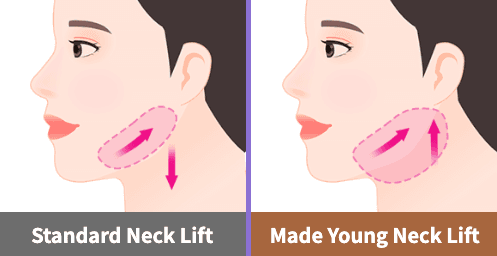
This section offers an accessible explanation of what a neck lift involves, including its goals, the main techniques, how the procedure unfolds, and what to expect during recovery.
What is a Neck Lift and Its Aesthetic Goals?
A neck lift (lower rhytidectomy) is designed to rejuvenate the neck and jawline, yielding a firmer, smoother, and more youthful appearance. Surgeons address aging signs by removing excess skin and fat and tightening muscles and remaining skin. The operation reduces wrinkles and sagging, sharpens the jawline, and eradicates concerns like the “double chin” or “turkey wattle.” Often, a neck lift is combined with a facelift for even, natural-looking results across the lower face and neck.
Key Surgical Techniques for Neck Rejuvenation
Successful neck lifts tackle several aspects of aging at once, offering a more complete solution tailored to each patient’s needs.
Platysmaplasty: Addressing Muscle Bands
Platysmaplasty directly tightens the platysma muscles, usually by stitching the saggy muscle edges together under the chin (‘midline platysma plication’), forming a smoother, tauter surface and eliminating vertical bands.
Cervicoplasty: Managing Excess Skin
In cervicoplasty, a surgeon trims away the drooping excess skin, then carefully re-drapes the remaining tissue for a taut, more youthful neck. This is vital for smooth results, as muscle-only procedures would leave loose skin unaddressed.
Liposuction: Contouring Fat Deposits
Neck liposuction removes stubborn fat under the chin and around the neck, using a tiny cannula (hollow tube) to sculpt a defined jawline and erase “double chins.” It’s often used alongside other techniques for fuller rejuvenation.
Minimally Invasive Options (e.g., MyEllevate)
Procedures like the MyEllevate Neck Lift use a suture support system to lift the neck with only small punctures (not full incisions), offering less downtime and minimal scarring. These are ideal for candidates with milder issues or those preferring less aggressive approaches.
The Neck Lift Process: A Step-by-Step Explanation
A neck lift involves several steps. Here’s a general roadmap of what patients can expect.
Pre-operative Preparation
Candidates (often aged 35–60) are screened with a thorough consultation and receive guidelines, including stopping certain medications a week before surgery to minimize bleeding risk.
Anesthesia Options
On surgery day, patients receive either general anesthesia or IV sedation. This ensures full comfort and pain-free experience throughout the operation.
Incision Placement and Surgical Steps
Surgeons make carefully placed incisions—commonly around the sideburn/hairline, by the ears, or under the chin. Through these, they tighten the platysma (platysmaplasty), trim skin (cervicoplasty), and perform liposuction as needed. Skin is then redraped smoothly for a flattering result.
Closing Incisions and Immediate Post-Op Care
Incisions are closed with sutures or medical glue. A pressure dressing or compression band may be used, and sometimes a small drain is inserted to prevent fluid build-up.
Recovery and Post-Operative Care: What to Expect
A successful recovery depends on strict adherence to your surgeon’s instructions.
Managing Discomfort, Swelling, and Bruising
Tightness and mild pain are normal but controlled with medication. Swelling and bruises peak in the first 48 hours and fade over two weeks, though faint swelling can linger for up to three months.
Essential Aftercare Instructions
Elevate your head, keep your neck straight, and wear your compression garment for at least a week. Don’t use ice on the area, avoid heavy lifting, steer clear of strenuous exercise (for 3–4 weeks), and eat a balanced, fiber-rich diet. Avoid alcohol, smoking, direct sun, and any products that could irritate healing skin. Follow your surgeon’s cleaning and medication instructions strictly.
Potential Risks and When to Contact Your Surgeon
While neck lifts are safe, complications like hematomas, blood clots, or infections can occur. Contact your doctor if you notice severe or persistent swelling, red streaks, worsening pain, fever, or unusual drainage. Scheduled follow-up visits are vital for monitoring healing and addressing any concerns.
Navigating a Neck Lift in South Korea: A Medical Tourist's Guide
South Korea stands out for cosmetic surgery, particularly among international patients. Here’s a breakdown of why it’s so popular and how the process works for foreigners.
Why South Korea for Cosmetic Surgery?
Renowned for its expert surgeons, state-of-the-art facilities, and approachable costs, South Korea is a go-to for neck lift procedures. Clinics in Seoul offer transparent pricing, multilingual staff, and real-time app-based updates. This focus on patient-centric care, especially for foreigners, makes the journey smooth from start to finish.
The Process of Getting a Neck Lift in South Korea
For medical tourists, the journey generally follows these three phases:
Phase 1: Pre-Travel Planning and Initial Consultation
- Research Clinics: Check for surgeon credentials, quality of before-and-after photos, and additional conveniences like translation or airport pickup.
- Virtual Consultation: Submit your medical history and receive advice on techniques, recovery, and pricing. Most clinics reply within 48 hours and offer free initial evaluations.
- Choose Travel Timing: Plan for a time with the best recovery conditions and avoid major holidays. Allow at least 3–5 days prior and 10–14 days after surgery for travel and healing.
- Visa/Bookings: Many travelers don’t need a visa, but longer or complex cases may need special medical visas. Secure accommodation close to your chosen clinic.
- Pre-Arrival Checks: Confirm all appointments, payment methods, and prepare digital copies of all needed documentation.
Phase 2: Arrival, Pre-Surgery Assessments, and Procedure
- Rest: Recover from travel and abstain from alcohol.
- In-Person Consultation and Tests: Meet your surgeon, review plans, undergo testing, and finalize payments and paperwork. A 10% deposit is common.
- Surgery Day: The procedure is performed as previously planned.
Phase 3: Post-Operative Recovery and Departure
- Initial Recovery: Rest, take medications, wear your compression garment, and attend clinic check-ups.
- Continued Healing: Gradual reduction of bruising and swelling, with optional therapies for faster recovery.
- Final Check-up/Departure: Your final clinic visit ensures you’re cleared for travel, and the clinic remains available for ongoing support. VAT refunds are sometimes available for medical tourists.
Which Are the Best Clinics in Korea for Platysmal Bands?
Listed below are some of the best clinics in Korea for platysmal bands.
1. THEPLUS Plastic Surgery
For platysmal bands, you may consider THE PLUS Plastic Surgery if you are seeking an assessment within a broader facial-lifting plan: the clinic offers facelift and thread-lift options intended to improve facial sagging and contour while maintaining natural expression. The supplied information does not specify a dedicated platysma-band technique, so your consultation would be important for determining whether its lifting services match your neck concerns.
- URL: THEPLUS Plastic Surgery Website
- Location: Gangnam-gu, Seoul
- Lifting options:
- Facelift repositions sagging facial tissue to create firmer facial contours while aiming to preserve natural expression.
- Thread lift uses dissolvable threads for mild facial sagging when a less invasive lifting approach is appropriate.
- Facial fat grafting is available to restore volume in hollow or flattened facial areas.
- Surgical expertise:
- Dr. Kim is described as a board-certified plastic surgeon with expertise in rhinoplasty and facial contouring, as well as research recognition related to 3D implants.
- Dr. Jeong is described as President of the Korean Society of Plastic Surgeons and has an emphasis on combining function and aesthetics.
2. Made Young Plastic Surgery
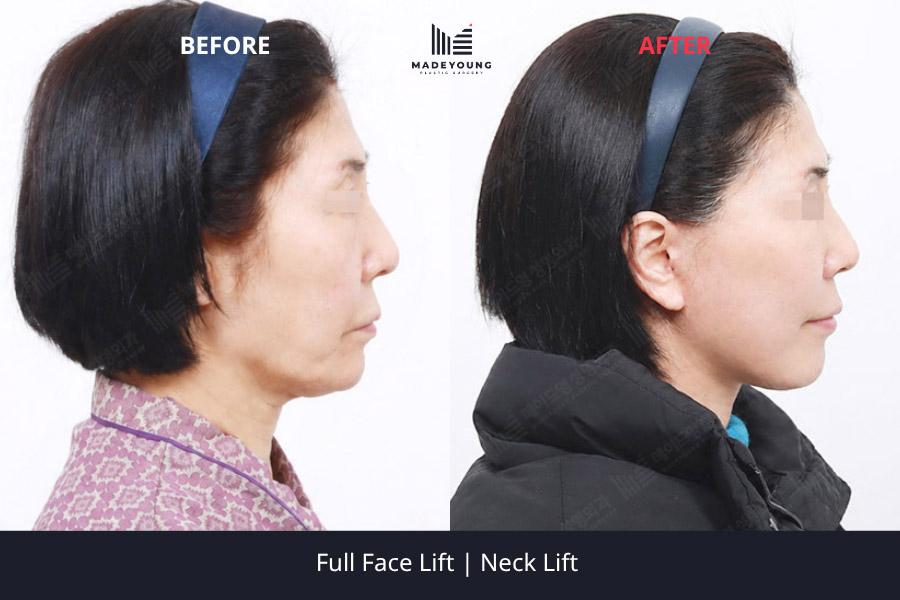
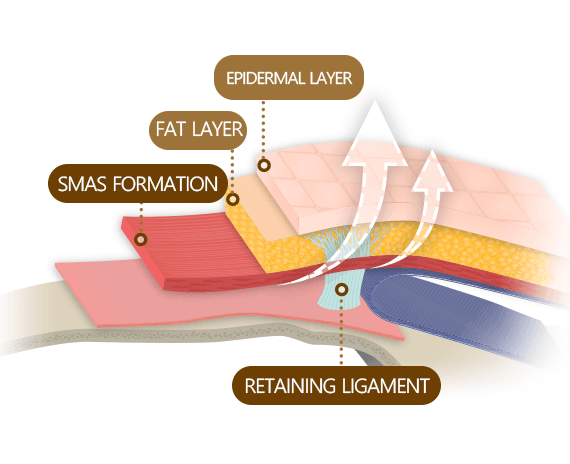
For visible platysmal bands and neck laxity, you may consider Made Young Plastic Surgery for its neck-lift service and deep-layer facelift approach. Its described technique releases stretched supporting tissues beneath the SMAS, then lifts the skin, fat, and SMAS together and secures them vertically to address sagging without emphasizing the cheekbones unnaturally.
- URL: Made Young Plastic Surgery Website
- Location: Seocho-gu, Seoul
- Lifting approach:
- The clinic describes dissection beneath the SMAS to release stretched supporting tissues before lifting the skin, fat, and SMAS as a unit.
- Lifted tissues are secured vertically in the direction opposite to sagging, an approach intended to support natural-looking, lasting facial-lift results.
- Neck lift is listed for loose neck skin and excess fat, with the goal of a smoother neckline.
- Safety and care:
- Full-time board-certified anesthesiologists are stated to be on site.
- A one-to-one monitoring system assigns one anesthesiologist to continuous monitoring during a procedure, with a cross-check process for emergencies.
- The clinic describes full CCTV procedure coverage and a separate aftercare center with systematic post-procedure care.
- Related services:
- Double chin lift is available for double-chin reduction and jawline definition.
- Thread lifting, ultrasound-based Shurink and Ultherapy, and other non-invasive lifting options are listed.
- Face contouring procedures include cheekbone reduction, V-line surgery, chin surgery, and jaw reduction.
3. LABOM Plastic Surgery
For platysmal bands, you may consider LABOM Plastic Surgery because its Triple Face Lift can be customized with platysma muscle sling (“pelican”) surgery. The clinic describes a Deep Plane-based, three-layer lift of skin, SMAS, and deep facial fat, designed to reposition sagging tissue and improve the transition between your face and neck while avoiding excessive skin pulling.
- URL: LABOM Plastic Surgery Website
- Location: Gangnam-gu, Seoul
- Platysma and neck approach:
- A platysma muscle sling (“pelican”) procedure is listed as a customizable addition to the Triple Face Lift.
- The Triple Face Lift addresses skin, SMAS, and deep malar fat together and is described as improving the jawline, double chin, neck wrinkles, and the boundary between face and neck.
- Planning accounts for facial structure, degree of aging, and retaining ligaments.
- Procedure details:
- The clinic describes the face-and-neck Triple Lift as a 3–4 hour procedure performed under sedation with local anesthesia.
- Typical stated recovery is 7–14 days.
- Possible customized adjuncts include SMAS grafting and deep fat-pad removal.
- Care and surgical planning:
- Plastic-surgery specialists dedicated to anti-aging surgery directly perform procedures, with over 30 years of clinical experience spanning facial and hand anti-aging procedures stated in the supplied information.
- Each plan includes one-to-one consultation, pre-operative diagnosis, and anatomy-based design tailored to your facial structure and aging pattern.
- The clinic describes continuous monitoring, structured management of swelling, bruising, and scars, and personalized aftercare plans.
Cost Considerations: Neck Lift in South Korea vs. Other Countries
Understanding the financial side is key for planning an overseas procedure.
Average Costs in South Korea and What’s Included
A neck lift in South Korea usually costs between $1,820 and $12,700, with most patients paying around $4,500 to $8,500, depending on clinic reputation, surgeon experience, and procedure complexity. This often includes surgeon and anesthesia fees, operating room charges, pre-op tests, garments, medications, and follow-ups. Always double-check package details—some extras (like overnight stay or initial consult fees) may or may not be included.
Cost Comparison: South Korea vs. USA, Europe, and Southeast Asia
| Country | Neck Lift Cost Range (USD) | What’s Typically Included | Potential Savings (vs. US/UK) |
|---|---|---|---|
| South Korea | $1,820 – $12,700 | Surgeon, anesthesia, OR, pre-op tests, post-op care, garments, meds, follow-ups, initial consultations | Up to 64% (vs. US) |
| United States | $6,300 – $48,000 | Surgeon, anesthesia, OR (extras often billed separately) | N/A |
| Europe | $2,166 – $4,333 | Depends on country and clinic | Varies |
| Thailand | $2,450 – $3,500 | Typically all-inclusive (consults, hospital, meds, meals, transfers) | Up to 75% |
| Turkey | $3,238 – $10,500 | All-inclusive including accommodation and transfers | Up to 80% |
| Mexico | $1,000 – $13,000 | Typically all-inclusive with accommodation and transfers | Up to 70% |
Compared with the US (where neck lifts can cost $6,300–$48,000), South Korea offers significant savings. European costs are similar to those in Korea, but some Southeast Asian and Turkish clinics may go lower, especially with “all-inclusive” deals. Regardless of destination, always read the fine print for exactly what is covered, especially if combining a neck lift with other treatments.
Factors Influencing Neck Lift Costs
Many aspects affect total cost:
- Surgeon’s Experience: Renowned specialists often charge more.
- Clinic Facilities: Established clinics with the latest technology may price higher.
- Procedure Complexity: “Mini” lifts are less expensive than full-scale surgeries.
- Combined Procedures: Adding a facelift or eyelid surgery will increase costs.
- Anesthesia Type: General anesthesia is more costly than local or sedation.
- Location: Clinics in prime Seoul districts typically charge more than those in smaller cities.
South Korea’s combination of expert surgeons, advanced technology, and reasonable pricing appeals to those seeking quality outcomes and value.
Patient Experiences and Outcomes: Addressing Platysmal Bands
Patients who have a neck lift for platysmal bands typically report not only visible improvements but also newfound confidence.
Achieving a Smoother, More Defined Neckline
By tightening the platysma and removing excess skin and fat, a neck lift smooths away the vertical neck bands and “turkey wattle,” resulting in a visibly more youthful neck and jawline.
Impact on Jawline Definition and Overall Facial Harmony
The enhanced jawline from simultaneous fat removal and muscle tightening dramatically lifts facial proportions. When performed with a facelift, the improvements look even more balanced and natural.
Psychological Benefits: Enhanced Confidence and Self-Esteem
Most patients feel significantly younger and more self-assured—many report feeling “10 years younger.” The alleviation of cosmetic insecurity often has ripple effects in overall well-being and self-image.
Longevity of Results and Maintenance
Results become clear within weeks as swelling subsides and can last for years. While a neck lift dramatically improves signs of aging, it won’t stop time altogether; healthy habits and sun protection help maintain results. Adjunct treatments like Botox or fillers can also keep skin smooth if needed down the line.
Conclusion
Platysmal bands create visible neck aging that can affect confidence, but neck lift surgery—including platysmaplasty, cervicoplasty, and liposuction—offers a proven solution for a smoother, firmer neckline and defined jawline. South Korea stands out with leading expertise, competitive pricing, and excellent patient support, making it a top destination for this procedure. While satisfaction rates are high and results long-lasting, patients should maintain realistic expectations and plan for periodic touch-ups as needed.
References
1, 2, 3, 4, 5, 6, 7, 8, 9, 10, 11, 12, 13, 14, 15, 16, 17, 18, 19
Frequently Asked Questions
Related Blogs
Renuvion in Korea: Methods, Recovery, Risks, and Travel Planning
Renuvion uses helium-plasma radiofrequency energy beneath the skin, alone or after liposuction, to address mild-to-moderate localized laxity; Dermal resurfacing treats surface wrinkles with an external ablative handpiece. The article covers candidacy, alternatives, preparation, recovery, risks, Korea travel planning, and the need for surgeon clearance before flying.
Updated: Oct 13, 2026
Temporal Lift in Korea: Methods, Recovery, Risks and Travel Planning
A temporal lift elevates the outer brow through temporal scalp incisions, using open, subcutaneous, endoscopic, or combined techniques chosen for brow position, hairline, and eyelid anatomy. The article covers candidate screening, Korea facility and surgeon verification, a 10–14-day stay, recovery restrictions, aftercare, warning signs, and alternatives such as forehead lift, blepharoplasty, and p
Updated: Oct 13, 2026
Premature aging face treatment in Korea: Face Lift options for younger-looking skin
Early onset facial laxity and wrinkles are rising among 30s–40s. Our Korea medical tourism guide explains rhytids and how a rhytidectomy (face lift) can refresh the lower face and neck. Explore options: Deep Plane Facelift, SMAS Facelift, Mini Facelift, Lower Facelift and Neck Lift, plus non-surgical adjuncts. Learn candidacy, recovery timelines, costs, certifications, and tips for planning surger
Updated: Oct 12, 2026
Brow Ptosis in Korea: Forehead Lift and Subbrow Lift Treatment Options
Thinking about Brow Ptosis surgery in Korea? This expert guide explains diagnosis, functional vs cosmetic concerns, and compares a Forehead Lift with a Subbrow Lift—indications, scars, recovery, and costs. It maps the South Korea medical tourism journey (planning, visas, surgery day, follow-ups), highlights surgeon credentials and safety, and shares real outcomes, risks, and patient stories so you
Updated: Oct 12, 2026
Clinics offering Neck Lift
RINE Plastic Surgery Clinic | Facelift and Eye Rejuvenation Surgery
Nonhyeon

THEPLUS Plastic Surgery Korea | Eye, Nose, Face & Body Surgery
Sinsa

Made Young Plastic Surgery: Rejuvenating Aesthetic Excellence in Korea for Face Lifts, Contouring and More
Gangnam Station

LABOM Plastic Surgery: Expertise in Non-Surgical Nose, Facial Lifting & Anti-Aging Surgeries in Korea
Apgujeong