
Medical Tourism Blog
Sagging Midface Solutions: Deep Plane Face Lift & Stem Cell Fat Grafting Procedures in Korea
Table of contents
- Advanced Surgical Solutions for Midface Rejuvenation
- Which Are the Best Clinics in Korea for Sagging Midface?
- The Medical Tourism Journey: Having Procedures in South Korea
- Patient Experiences and Transformative Outcomes
- Conclusion
- References
Considering treatment in Korea? Everything you need to know e.g. — how to avoid scams, visas, interpreters, recovery tips — in our Medical Tourism Master Guide. Plan with confidence in minutes, not weeks!
Sagging midface is a common concern for many, marked by the downward shift and deflation of the central facial tissues. This typically affects the cheeks and the zones from the nose to the mouth corners, making one look tired or older and impacting self-image. As skin elasticity decreases, the result is a loss of plumpness and firmness.
When seeking remedies for midface sagging, you might come across terms like "saggy cheeks" or "droop of mid-face tissues." When the midface sags, it can lead to "jowls" along the jawline and deeper "marionette lines" (extending from the corner of the mouth to the chin). Prominent "nasolabial folds," also known as "smile lines" or "laugh lines," often emerge—the deep creases running from the nose’s side down to the mouth corners. If sagging spreads to the neck, "turkey neck" is a term sometimes used.
All these symptoms are interconnected; midface descent leads to more visible nasolabial folds, marionette lines, and jowls. This means targeting the underlying issue—midface sagging—brings improvement to several facial areas at once. Understanding this is key: one effective procedure can often address several concerns, giving a holistic facial rejuvenation rather than requiring many separate treatments.
Primary Causes of Midface Sagging
Midface sagging mainly results from aging. With age, the body’s collagen and elastin production drops, which are essential for keeping skin firm and bouncy. This decline often starts in the late 20s and speeds up over time.
Other anatomical changes play a role: facial fat pads that give volume and shape gradual descend due to gravity and loss of support. Facial bones also shrink over the years, offering less scaffolding for the skin, which leads to a hollow appearance. Genetics also shape how much and how quickly these changes happen.
Beyond natural aging, several lifestyle and environmental factors can accelerate sagging:
- Sun Damage (Photoaging): UV rays speed up the breakdown of collagen and elastin.
- Smoking: Reduces collagen production and damages skin health.
- Poor Diet: Lacking vitamins C, E, A hampers collagen/elastin production.
- Rapid Weight Loss: Quick loss of fat can make sagging worse if the skin can’t tighten to match new contours.
- Repetitive Facial Movements: Repeated expressions can create sagging and lines over time.
While aging can’t be stopped, healthy habits—like sun protection, good nutrition, and not smoking—can slow sagging and help keep the results of surgical treatments longer.
Advanced Surgical Solutions for Midface Rejuvenation
If you’re looking for more lasting results, two sophisticated surgical options for midface sagging stand out: the Deep Plane Facelift and Stem Cell Fat Grafting.
Deep Plane Facelift: A Detailed Overview
What is a Deep Plane Facelift?
The deep plane facelift is an advanced operation targeting major aging signs in the face and neck. What makes it unique is its focus on the deeper facial layers: the "SMAS-platysma complex" (muscles and connective tissue). Unlike older facelift styles that mainly tighten skin, this method lifts tissues beneath the skin, avoiding a tight or unnatural look. By correcting the actual anatomical descent, it creates authentic, rejuvenated results.
Surgical Technique and Objectives
Surgeons make discreet incisions around the ear and sometimes into the hairline, minimizing visible scars. They access the muscle and fat beneath the skin, gently lifting and repositioning these layers for a restored, youthful contour.
A key step is releasing certain ligaments, such as zygomatic ligaments, to lift sagging cheeks and revive natural cheek volume. This technique improves nasolabial folds, treats under-eye hollowing, and uses a vertical redraping motion to achieve a smooth, natural effect. Cheeks and mouth corners are elevated as they would be in a younger face.
The deep plane facelift can also refine the neck by tightening platysma muscles and removing chin fat via a hidden chin incision. The method usually lasts three to five hours, depending on patient needs.
Key Benefits and Outcomes
The deep plane facelift offers many advantages:
- Lasting, Natural Results: It delivers enduring outcomes that blend with your natural features—avoiding a "pulled" look.
- Whole-Face Rejuvenation: Tightens jaw, neck, and midface for overall improvement.
- Enhanced Jawline and Neck: Refines the jaw and neck, reducing sagging and sharpening the look.
- Restored Contours and Volume: Lifts fat pads back into place, often making fillers or implants unnecessary.
- Recovery: Some report quicker surgical times and recovery—often returning to daily life in about 10–14 days, with well-chosen incision sites for less noticeable scars.
- Self-Confidence Boost: The natural rejuvenation often brings a renewed sense of confidence and well-being.
Ideal Candidates and Recovery Considerations
The best candidates are healthy, non-smoking adults (or willing to quit) seeking major rejuvenation for deep facial wrinkles, sagging, and volume loss. While initial changes can be seen within a few weeks, final results settle in three to six months as swelling disappears and tissues adjust.
Stem Cell Fat Grafting: Restoring Volume and Vitality
What is Stem Cell Fat Grafting?
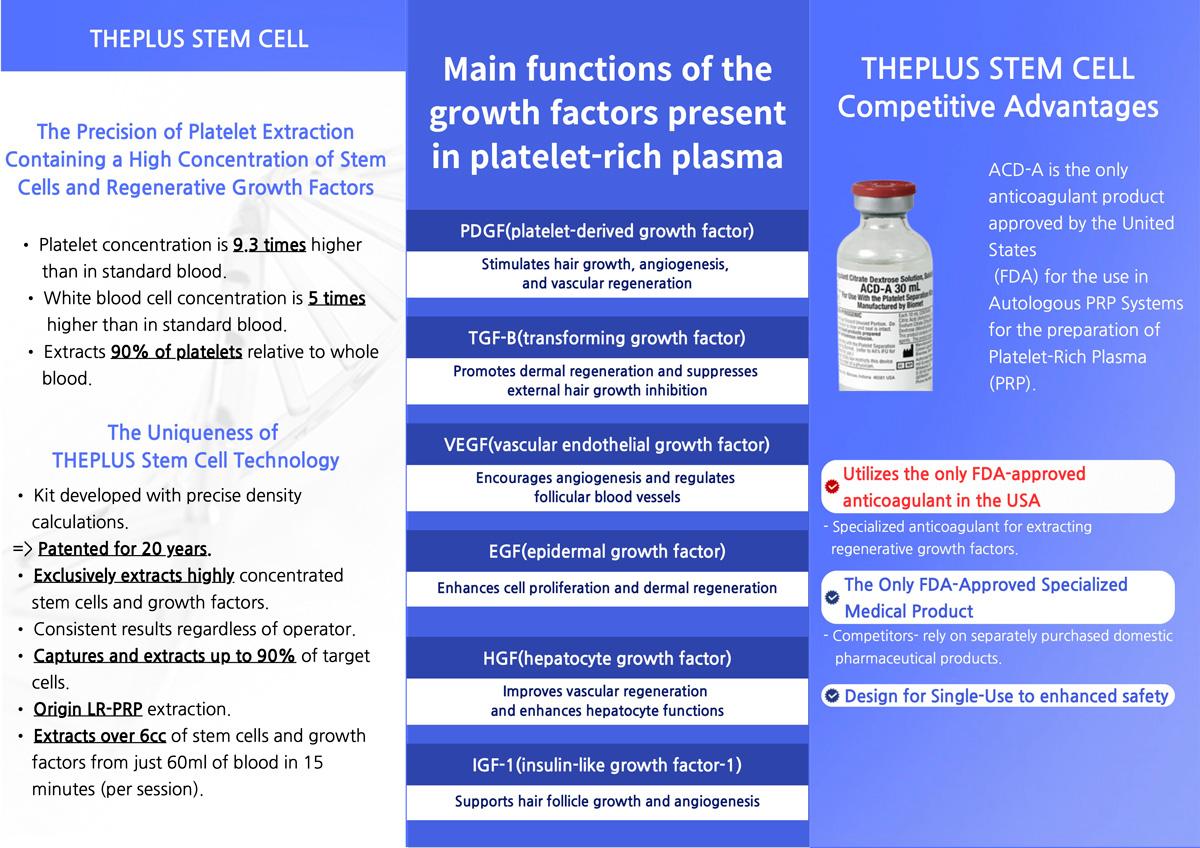
Stem cell fat grafting uses a patient’s own fat—rich in regenerative adipose-derived stem cells—to restore lost facial volume and refresh the skin. It’s a natural, biocompatible alternative to synthetic fillers, carrying little risk of rejection. The transplanted fat includes mesenchymal stem cells (MSCs), which help repair and regenerate tissue for deeper anti-aging effects.
The Process: Harvesting, Processing, and Re-injection
First, fat is gently removed from areas like the thighs or abdomen with fine needles. The fat is then filtered and concentrated to maximize viable fat and stem cell content. Sometimes, more stem cells are added for further regenerative impact.
The purified, stem cell-rich fat is then injected into hollow or thinning facial areas (cheeks, temples, under-eyes). This is a minimally invasive process with small incisions and little discomfort.
Key Benefits and Applications
Benefits of stem cell fat grafting are twofold:
- Restored Volume: Fills in sunken cheeks, temples, and under-eyes for a fuller, younger look—patients often feel instantly revitalized.
- Skin Improvement: Stem cells in the fat boost skin firmness, hydration, collagen production, and even help repair scars and damaged tissue.
- Long Duration: Results often last 6–7 years, far outpacing typical fillers.
- Softening Wrinkles: By supporting and hydrating skin, the procedure smooths lines and texture as skin ages.
Ideal Candidates and Recovery Considerations
Best suited for those with available fat to harvest, generally healthy, and looking for gentle, natural improvements. Especially recommended for individuals with mild-to-moderate volume loss or those tired of frequent filler touch-ups.
Initial swelling/bruising peaks in the first days, fading within a month. The final, stable results emerge in two to six months as fat integrates into the tissue.
Which Are the Best Clinics in Korea for Sagging Midface?
Listed below are some of the best clinics in Korea for sagging midface.
1. THEPLUS Plastic Surgery
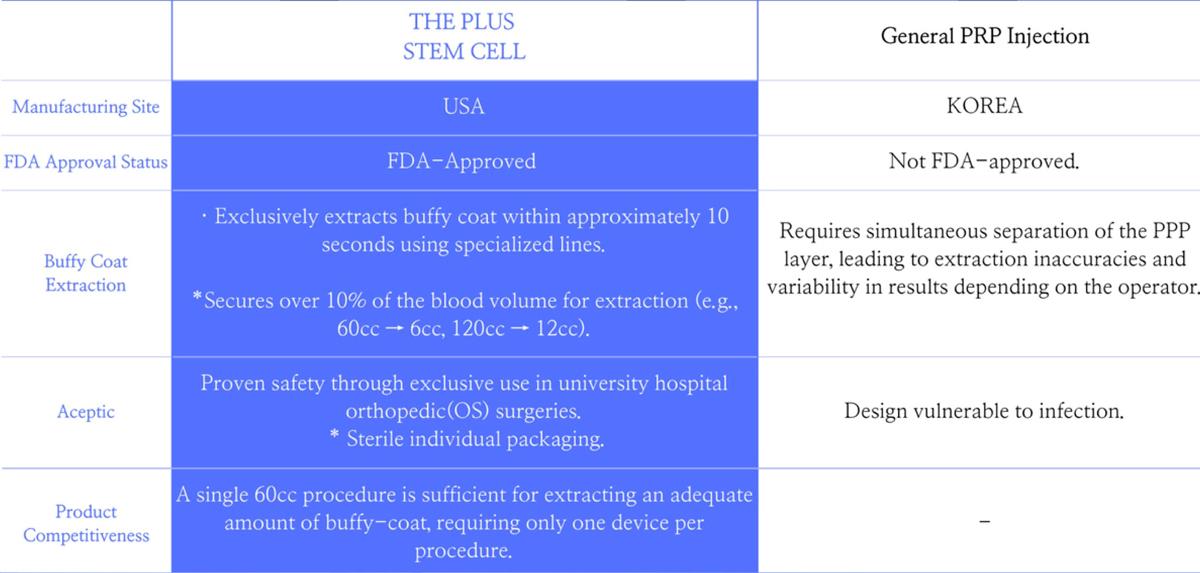
For sagging in your midface, THE PLUS Plastic Surgery offers both surgical and less invasive lifting approaches: facelift surgery for repositioning sagging tissue, dissolvable-thread lifting for mild laxity, and facial fat grafting to restore lost fullness. Your plan can be considered in the context of overall facial balance and contour.
- URL: THEPLUS Plastic Surgery Website
- Location: Gangnam-gu, Seoul
- Midface lifting options:
- Facelift surgery is offered to lift and reposition sagging facial tissue while maintaining natural expression.
- Thread lifting uses dissolvable threads for mild facial sagging and a less invasive contour-focused approach.
- Facial fat grafting can restore fullness in hollow or flattened facial areas that may contribute to a tired midface appearance.
- Relevant surgical focus:
- Dr. Kim is a board-certified plastic surgeon with a stated focus on facial contouring and an approach centered on balanced facial features.
- The clinic offers cheekbone surgery, which may be relevant when discussing overall midface proportions alongside lifting concerns.
2. id Hospital Korea
You may consider id Hospital Korea for sagging-midface concerns if you want lifting care within a clinic focused on facial treatments, with customized treatment planning and systematic post-care described as part of its approach.
- URL: id Hospital Korea Website
- Location: Gangnam-gu, Seoul
- Available services:
- Lifting is among the clinic’s listed treatment areas.
- Facial contouring, eye and nose plastic surgery, skin-clinic care, and petit plastic surgery are also available.
- Care approach: The clinic describes customized plastic surgery, a patient-safety-oriented treatment approach, and systematic post-care.
3. seye clinic
For sagging in your midface, seye clinic provides non-surgical options that address tissue position, volume, and skin laxity, including Ultherapy, PDO or Silhouette Soft threads, cheek fillers, and radiofrequency- or ultrasound-based tightening. These approaches allow a plan to be tailored to whether your main concern is mild descent, hollowing, or reduced skin firmness.
- URL: seye clinic Website
- Location: Seocho-gu, Seoul
- Non-surgical midface options:
- Ultherapy uses focused ultrasound to target the SMAS layer and improve facial sagging, with collagen remodeling developing over 2–3 months and minimal downtime.
- PDO thread lifting repositions soft tissue for an immediate lift while stimulating collagen; results improve over 2–3 months and often last around a year.
- Silhouette Soft PLLA cone threads are listed for midface and jawline refinement, providing lift and subtle volumization through small entry points under local anesthesia.
- Dermal fillers can restore cheek volume and contour with immediate, adjustable results.
- Skin-tightening options:
- Thermage FLX uses monopolar radiofrequency to firm lax skin through deep-dermal collagen heating, with results building over several months.
- Sofwave uses synchronous ultrasound micro-beams to stimulate collagen for brow, jawline, and neck lifting.
- RF microneedling combines microneedles with radiofrequency energy to tighten skin and support collagen remodeling.
The Medical Tourism Journey: Having Procedures in South Korea
South Korea is a top global destination for cosmetic surgery, drawing thousands of patients worldwide. Knowing the benefits and steps involved is essential for those weighing treatment abroad.
Why South Korea for Cosmetic Surgery?
South Korea leads in aesthetic surgery, performing about a quarter of all global procedures. Over 100,000 foreign patients travel here annually. Key reasons include:
- Surgical Innovation: Korean surgeons embrace new methods quickly—like tiny-incision and minimally invasive techniques or advanced non-surgical solutions like Ultraformer 3 HIFU and Ulthera.
- Expertise: Many Korean surgeons focus purely on specific operations, performing them often enough to achieve unmatched precision.
- Advanced Equipment: Clinics invest in leading technology (3D imaging, endoscopes) years before it’s common abroad.
- Cost Effectiveness: Treatments typically run 40–75% less than Western rates, often in high-end facilities.
- Comprehensive Packages: Korean clinics usually bundle all costs—consults, tests, surgery, hospital stay, medication, follow-ups, and interpreters—making financial planning simpler with fewer surprise fees.
- Cultural Attitudes: Cosmetic surgery is normalized in Korea, with expertise honed by high demand.
The bundled-package model offers not just affordability but also removes the stress of hidden extras, providing convenience and world-class support.
Process for International Patients
If you’re considering treatment in Korea, several steps and tips will help you get the most from your journey:
- Understanding Results: Korean standards favor delicate, natural-looking enhancements. Detailed consultations are a must, especially for non-Asian patients, to align expectations with your cultural preferences and desired results.
- Selecting Clinics: Don’t rely only on online buzz. Look for international accreditations, real patient references, and clinics using digital planning tools like 3D or virtual consults for clarity.
- Navigating Language: Ensure your chosen clinic offers multilingual support and dedicated international patient coordinators to smooth communication.
- Pre-Surgery Prep: Optimal nutrition, anti-inflammatory foods, and possibly supplements (with your doctor’s approval) can improve healing.
- Mental Wellness: Consider a therapist for support with body image shifts, and take time to emotionally adjust after surgery.
- Recovery Planning: Recover near the clinic, preferably outside the stressful bustle of Seoul; plan for an extended stay of a few weeks for optimal healing and care.
- Risks and Scarring: Ask about potential complications, revision policies, and scar care treatments like lasers.
- Getting a Quote: Clinics typically request your name, nationality, a messaging app handle, contact number, and a list of planned procedures for a personalized estimate.
South Korea’s advanced, holistic approach makes it possible to manage the whole medical tourism experience, not just the surgery itself, ensuring patient comfort and safety.
Cost Analysis: South Korea vs. Other Medical Tourism Destinations
Understanding the costs is key when considering surgery abroad, and Korea’s pricing is competitive and comprehensive as compared to other hotspots.
Overview of Costs in South Korea
- Deep Plane Facelift: $8,000–$13,000 USD (approx. 11,627,907–18,895,348 KRW), with an average around $12,000 in Seoul.
- Stem Cell Fat Grafting (Facial): $3,000–$7,000 USD (approx. 4,360,000–10,185,000 KRW). Simpler "Fat Transfer" packages may run $2,007–$7,021 USD.
These usually cover consultations, necessary medical tests, surgery, anesthesia, supplies, and aftercare—in an all-inclusive price.
Comparative Cost Chart
| Procedure | South Korea (USD) | USA (USD) | Turkey (USD) | Thailand (USD) | Mexico (USD) |
|---|---|---|---|---|---|
| Deep Plane Facelift | $8,000 - $13,000 | $16,000 - $39,000 | $6,000 - $9,000 | $4,500 - $10,000 | $6,500 - $9,500 |
| Stem Cell Fat Grafting | $3,000 - $7,000 | $20,000 - $50,000 | $2,000 - $15,000 | $3,000 - $13,000 | $3,500 - $15,000 |
Note: US costs are often much higher, especially for stem cell procedures. Prices can vary widely by complexity and what's included.
Influencing Factors
Prices differ due to factors like:
- Surgeon’s Reputation: More experienced or sought-after surgeons charge more.
- Location and Facility: Premium, major city clinics tend to be pricier.
- Procedural Complexity: Combining surgeries or more extensive corrections cost more.
- Package Inclusions: More comprehensive packages mean higher upfront but less likelihood of surprise expenses.
- Patient Factors: For fat grafting, things like BMI and age count.
- Local Regulations: Stricter processes (e.g., in the US) raise costs.
While countries like Turkey or Thailand sometimes offer slightly lower prices, South Korea’s world-leading innovation, bundled services, and patient experience often add up to a better total value.
Patient Experiences and Transformative Outcomes
The true marker of surgical success is how satisfied patients feel with their results—both in terms of appearance and confidence.
Deep Plane Facelift: Real-World Results
Patients regularly describe looking many years younger and refreshed after a deep plane facelift, with friends and family rarely guessing that surgery was done. The jawline, cheeks, and neck are lifted and defined, with nasolabial folds softened. Many note they look less tired or sad, aligning their looks with how they feel inside.
Local anesthesia ("awake surgery") options also contribute to a speedier, easier recovery, further elevating satisfaction.
Stem Cell Fat Grafting: Patient Journeys
Patients choosing stem cell fat grafting are delighted with restored cheek and under-eye volume, describing themselves as naturally brighter and less aged. Beyond just fuller contours, they note smoother, better-hydrated, and more elastic skin—plus reduced lines and wrinkles. Many cite the lasting benefits (often for 6–7 years) as especially satisfying compared to temporary fillers.
Common Patient Motives and Insights
Most clients are motivated by jawline, midface, or neck aging—sometimes after seeing results in celebrities or after disappointment with non-surgical options. Combining procedures (like the deep plane facelift with fat grafting, eyelid surgery, or chemical peels) is common for a comprehensive result.
Emotional well-being often rises alongside physical rejuvenation. Patients notice newfound self-confidence and positivity, reinforcing the impact of quality cosmetic surgery beyond surface changes.
Conclusion
Midface sagging is a common sign of aging, but effective solutions exist. The Deep Plane Facelift and Stem Cell Fat Grafting deliver comprehensive, natural-looking facial rejuvenation. South Korea stands out for innovation, specialized care, and cost-effective, all-inclusive packages, making it an attractive destination for medical tourists. For best results, choose an accredited clinic with robust international support and consult with an expert surgeon to design your personalized treatment plan.
References
1, 2, 3, 4, 5, 6, 7, 8, 9, 10, 11, 12, 13, 14, 15, 16, 17, 18, 19, 20, 21, 22, 23, 24
Frequently Asked Questions
Related Blogs
Renuvion in Korea: Methods, Recovery, Risks, and Travel Planning
Renuvion uses helium-plasma radiofrequency energy beneath the skin, alone or after liposuction, to address mild-to-moderate localized laxity; Dermal resurfacing treats surface wrinkles with an external ablative handpiece. The article covers candidacy, alternatives, preparation, recovery, risks, Korea travel planning, and the need for surgeon clearance before flying.
Updated: Oct 13, 2026
Temporal Lift in Korea: Methods, Recovery, Risks and Travel Planning
A temporal lift elevates the outer brow through temporal scalp incisions, using open, subcutaneous, endoscopic, or combined techniques chosen for brow position, hairline, and eyelid anatomy. The article covers candidate screening, Korea facility and surgeon verification, a 10–14-day stay, recovery restrictions, aftercare, warning signs, and alternatives such as forehead lift, blepharoplasty, and p
Updated: Oct 13, 2026
Premature aging face treatment in Korea: Face Lift options for younger-looking skin
Early onset facial laxity and wrinkles are rising among 30s–40s. Our Korea medical tourism guide explains rhytids and how a rhytidectomy (face lift) can refresh the lower face and neck. Explore options: Deep Plane Facelift, SMAS Facelift, Mini Facelift, Lower Facelift and Neck Lift, plus non-surgical adjuncts. Learn candidacy, recovery timelines, costs, certifications, and tips for planning surger
Updated: Oct 12, 2026
Brow Ptosis in Korea: Forehead Lift and Subbrow Lift Treatment Options
Thinking about Brow Ptosis surgery in Korea? This expert guide explains diagnosis, functional vs cosmetic concerns, and compares a Forehead Lift with a Subbrow Lift—indications, scars, recovery, and costs. It maps the South Korea medical tourism journey (planning, visas, surgery day, follow-ups), highlights surgeon credentials and safety, and shares real outcomes, risks, and patient stories so you
Updated: Oct 12, 2026
Clinics offering Deep Plane Face Lift
BongBong Plastic Surgery Dermatology Korea | Body, Breast & Aesthetic Treatments
Nonhyeon

SH Clinic: Comprehensive Women's, Men's & Couples' Health Services in Korea
Sinsa

THEPLUS Plastic Surgery Korea | Eye, Nose, Face & Body Surgery
Sinsa

Made Young Plastic Surgery: Rejuvenating Aesthetic Excellence in Korea for Face Lifts, Contouring and More
Gangnam Station