Medical Tourism Blog
Melanin Overproduction: Top Pigmentation Treatment Procedures in Korea for Clearer Skin
Table of contents
- Medical Procedures for Pigmentation Treatment
- Best Clinics in Korea for Melanin Overproduction
- Your Journey to Pigmentation Treatment in South Korea
- Cost Considerations for Medical Tourists: South Korea vs. Global Destinations
- Patient Journeys: Real Stories of Addressing Hyperpigmentation
- Important Considerations and Long-Term Care
- Conclusion
- References
Considering treatment in Korea? Everything you need to know e.g. — how to avoid scams, visas, interpreters, recovery tips — in our Medical Tourism Master Guide. Plan with confidence in minutes, not weeks!
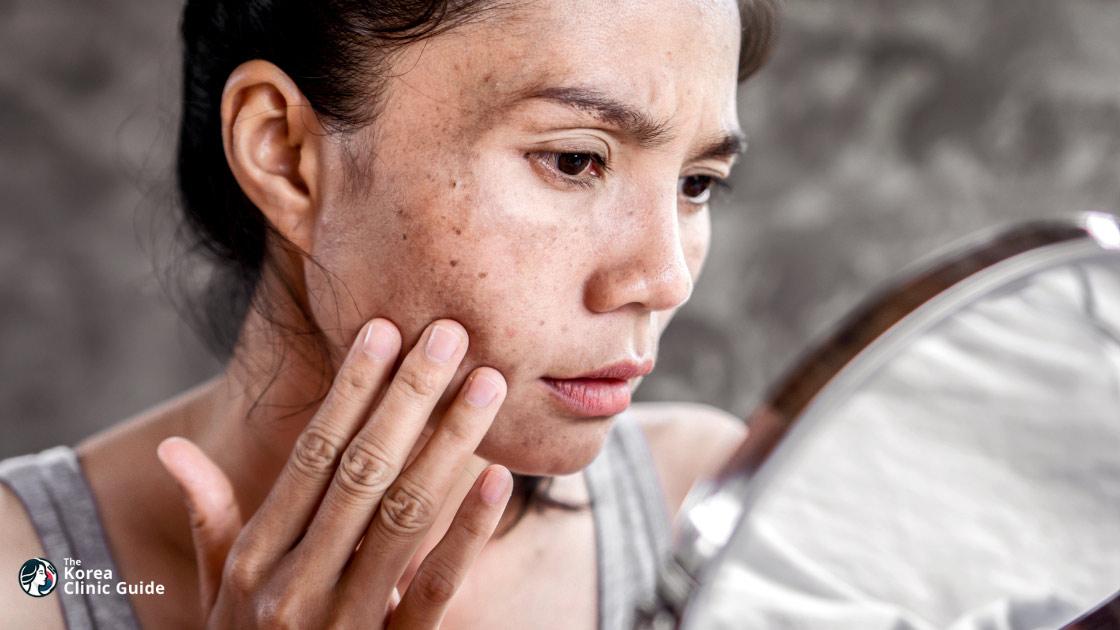
Melanin overproduction, also known as hyperpigmentation, is a common skin concern where certain areas become darker than the surrounding skin due to increased melanin—the pigment that gives color to skin, hair, and eyes. This condition can affect people of all skin types and ethnicities and often appears on sun-exposed areas like the face, hands, chest, and shoulders. While it's not medically dangerous, hyperpigmentation can be a significant cosmetic concern and have emotional effects for those experiencing it. Understanding what causes it is a key first step to effective management and prevention.
Hyperpigmentation appears as darker patches on the skin, resulting from melanocytes (pigment-producing skin cells) generating too much melanin, which settles unevenly in skin layers. This can be triggered by a range of factors—making it a frequent challenge for dermatologists.
Common Types of Hyperpigmentation
Different forms of melanin overproduction include:
- Melasma: Typically caused by hormonal changes, especially common during pregnancy or from oral contraceptive use. It shows up as symmetrical brown or gray-brown patches on the face and is often worsened by sun exposure, especially in those with deeper skin tones.
- Sunspots (Solar Lentigines): Known as "liver spots" or "age spots," these flat brown or black patches are due to repeated sun exposure, often affecting the face, hands, arms, and shoulders.
- Post-Inflammatory Hyperpigmentation (PIH): This occurs after skin injury or inflammation, such as from acne, eczema, burns, or aggressive treatments. As the skin heals, excess melanin can leave a lingering dark mark.
- Freckles (Ephelides): Small, flat brown spots, mostly on people with lighter skin. They get darker with increased sun exposure but are generally harmless.
- Drug- or Medical-Induced Hyperpigmentation: Some medications—like certain antibiotics or chemotherapy agents—can cause increased melanin production. Disorders like Addison's disease can also cause generalized skin darkening.
Key Causes of Melanin Overproduction
The reasons for excess melanin are complex and often overlapping:
- UV Radiation: Sun exposure is the leading cause of hyperpigmentation. UV rays encourage the skin to produce melanin as a defense, but this can result in uneven coloring over time. Consistent use of sun protection is crucial for both managing and preventing hyperpigmentation.
- Hormonal Changes: Shifts in hormones, especially estrogen and progesterone, can boost melanin levels, as seen in melasma.
- Skin Inflammation or Trauma: Any injury or inflammation may trigger post-inflammatory hyperpigmentation during the healing process.
- Genetics: Your genetic makeup helps determine both your baseline skin color and your likelihood of developing hyperpigmentation.
- Medications and Medical Conditions: Certain drugs and rare diseases like Addison's can affect melanin levels, resulting in noticeable discoloration.
Hyperpigmentation is primarily a cosmetic issue but can have deep emotional impacts. Seeking treatment can make a significant difference to one’s confidence and quality of life.
Medical Procedures for Pigmentation Treatment
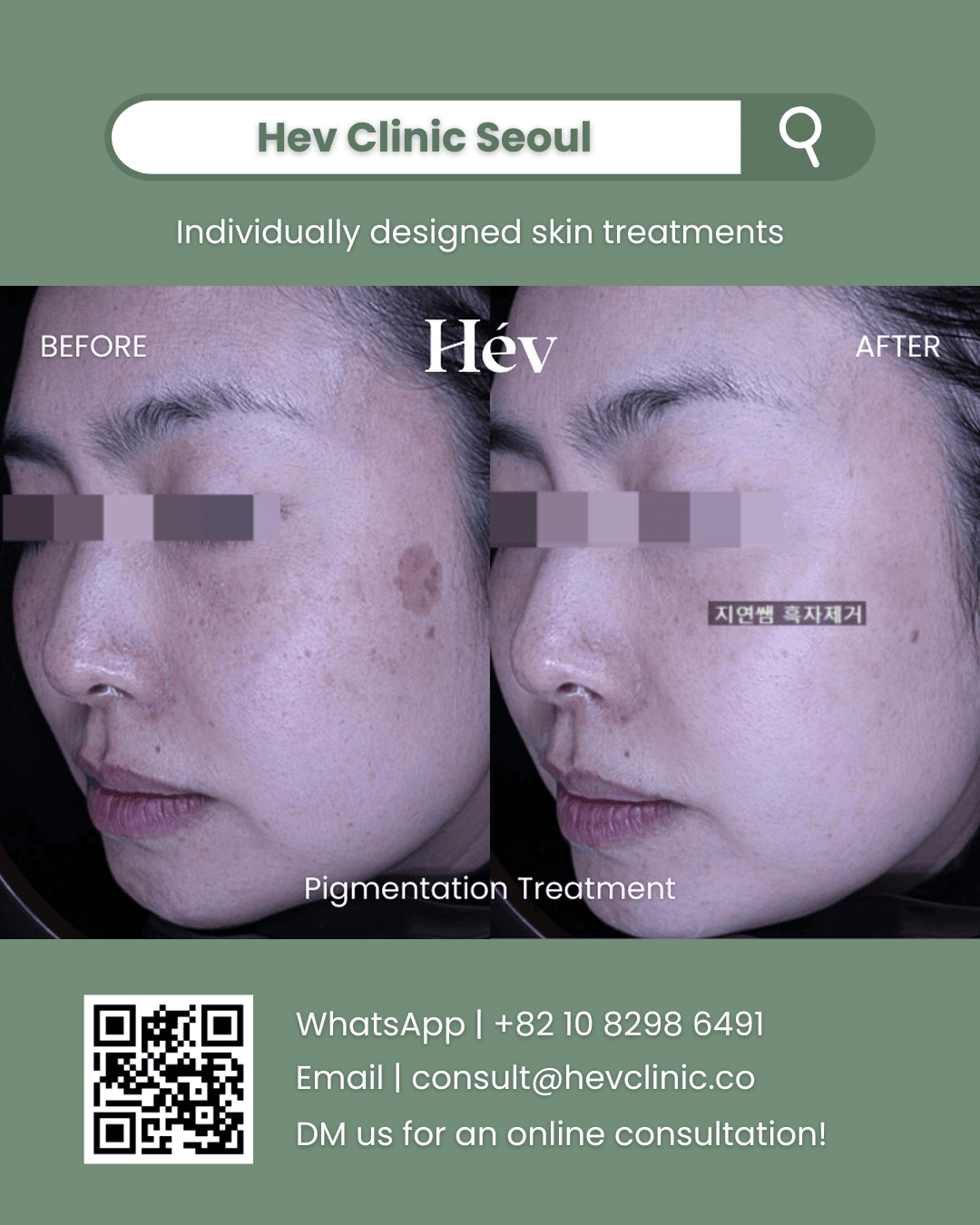
While hyperpigmentation can be persistent, advancements in dermatological care offer a broad range of in-office and at-home treatments that can help even out skin tone. Treatments are individualized and commonly combine topical treatments, professional procedures, and ongoing skincare.
Overview of Treatment Approaches
Managing hyperpigmentation is most effective when approaches are tailored to the type and underlying cause, often requiring a combination of therapies.
Detailed Procedures
Topical Lightening Agents
These are often the first line of treatment. Many are available over-the-counter, while stronger formulas need a prescription.
- Hydroquinone: Known as the gold standard for conditions like melasma, hydroquinone inhibits melanin production. However, prolonged use may cause ochronosis (paradoxical skin darkening), so it should be used under medical supervision.
- Retinoids (Tretinoin, Adapalene): These derivatives of vitamin A speed up cell turnover, fading dark spots and integrating well with combination therapies.
- Azelaic Acid & Kojic Acid: Both are effective in lightening different types of hyperpigmentation, including melasma.
- Vitamin C (l-ascorbic acid): This antioxidant not only brightens affected areas but also protects against further sun-related damage.
- Niacinamide (Vitamin B-3) & Licorice Extract: Found in many OTC products, these help lighten uneven skin tone.
Topical treatments work best for flat discolorations such as melasma or age spots. Results take time and require patience.
Chemical Peels
Applying acidic solutions at higher concentrations, chemical peels exfoliate the skin’s upper layers to break down melanin, improve skin texture, and stimulate new cell growth.
- Types: From AHAs and Retinoic acids to specialized programs like Cosmelan Peel, options address concerns like melasma, sun damage, and PIH.
- Risks: Strong peels can cause redness, irritation, and in some cases, blistering or scarring. Sun sensitivity is increased, so strict sun avoidance and protection are necessary.
Laser Treatments
Lasers use targeted light to break down melanin and encourage collagen production, leading to smoother, more even skin.
- Fraxel Laser: Addresses freckles, sun spots, and hyperpigmentation, suitable for a range of skin types.
- Gemini Laser: Especially beneficial for Asian, olive, or darker skin tones, treating freckles and other pigment concerns.
- Ruby Laser: Its deep penetration makes it a good choice for certain birthmarks and deep-seated pigmented lesions.
- PicoSure Laser: Uses ultra-short pulses to break up pigmentation without generating significant heat, minimizing side effects.
- Spectra Toning (Nd:YAG Laser): Popular for general skin brightening and reducing freckles and blemishes.
Laser resurfacing is divided into ablative and non-ablative types. Ablative lasers remove skin layers (best for fair skin); non-ablative encourage collagen formation but can cause darkening in some cases. Risks include hypopigmentation or, rarely, scarring.
Intense Pulsed Light (IPL) Therapy
Using broad-spectrum light, IPL targets pigmentation and revitalizes the skin, particularly effective for sun spots and age spots in people with fair skin.
Microdermabrasion & Dermabrasion
These exfoliation techniques remove outer skin layers to lessen visible pigmentation.
- Microdermabrasion: Non-invasive and well-suited for superficial scars; effective for some darker skin tones.
- Dermabrasion: More aggressive, treating deeper textural concerns but carrying a higher risk of post-treatment hyperpigmentation—especially in darker skin.
Other Treatments
Additional options include HydraFacial MD® Elite, Microneedling with Collagen P.I.N., and Platelet-Rich Plasma (PRP) therapy.
Combining multiple treatment modalities—such as chemical peels with topical creams or triple therapy (hydroquinone, retinoids, and steroids)—often produces the best, most lasting results. It’s critical to consider the patient’s skin tone, as certain treatments are more effective and safer for specific skin types.
Importance of Sun Protection and Skincare Maintenance
Any hyperpigmentation treatment must include rigorous daily use of broad-spectrum sunscreen (SPF 30+). Aftercare involves avoiding sun, using prescribed topicals, and maintaining a gentle skincare routine. Ongoing maintenance, especially for stubborn cases like melasma, helps prevent recurrence.
Best Clinics in Korea for Melanin Overproduction
Listed below are the best clinics in Korea for melanin overproduction:
| Clinic Name | Key Features | Special Techniques |
|---|---|---|
| ID Hospital - Sinsa Website | - ID Hospital’s Sinsa clinic offers a broad lineup of advanced aesthetic procedures that can be tailored to concerns commonly associated with melanin overproduction, such as uneven tone and visible pigmentation. - For brightening-focused care, the clinic provides Pico Toning, a laser-based procedure designed to target pigmentation for a brighter, more even-looking complexion, and also offers skin rejuvenation options including Rejuran Healer, Rejuran Eye, and Juvelook to support overall skin texture, hydration, and a refreshed appearance. - For patients seeking a more comprehensive approach to appearance refinement alongside tone-focused treatments, ID Hospital in Sinsa also provides lifting and tightening procedures such as Ultherapy, Thermage, Titanium, and Potenza, as well as injectables like Botox and fillers. With additional services including stem cell-based treatments and personalized consultation options such as ID Premium Elanse and thread lifting, the clinic’s menu is structured to support individualized plans based on each patient’s goals and skin concerns. | - Pico Toning - Rejuran Healer - Rejuran Eye - Juvelook - Ultherapy - Thermage - Titanium - Potenza - Botox - Fillers - Stem cell-based treatments - ID Premium Elanse - Thread lifting |
| Modelo clinic Website | - Modelo Clinic is a Korea-based aesthetic clinic that does not follow trends; instead, it focuses on achieving beauty that maximizes your values over time. - At Modelo, the priority is “your beautiful individuality,” tailoring each plan to your unique facial structures, skin characteristics, and concerns—an approach that matters when addressing melanin overproduction, where treatment choices should be personalized to improve tone and clarity while maintaining natural-looking balance. - Individuality-first philosophy: Treatments are selected to enhance your own features rather than copying others, supporting results that feel natural and age well. - Targeted Whitening care for melanin-related concerns: Whitening treatments address freckles, blemishes, and melasma using various laser and combination treatments to achieve a brighter, more even complexion. - Skin-focused customization: Lifting procedures are tailored to each patient’s unique skin characteristics and aging concerns, supporting overall skin quality alongside tone correction. - Comfort-focused advanced options: Comfort Thermage tightens and smooths skin using radiofrequency energy, designed for patient comfort with gradual, natural-looking results over time. - Comprehensive facial balancing treatments: Wrinkle Botox and Contour Botox are optimized for Asian skin and facial structures to maintain harmonious, natural-looking outcomes. - Volume and under-eye refinement: Fullface Filler enhances areas such as cheeks, lips, and forehead with immediate results, while Baby Filler targets under-eye dark circles and hollows for a refreshed “baby face” look. - Additional lifting solutions: Thread Lifting provides immediate lifting with continued improvement over months as collagen production is stimulated. - Beyond the face: Bodytoxin targets excess fat and cellulite to support a smoother, firmer, more contoured body shape. | - Wrinkle Botox - Contour Botox - Fullface Filler - Baby Filler - Thread Lifting - Comfort Thermage - Bodytoxin |
| 4seasons Clinic Website | - For patients seeking expert care for melanin overproduction in Korea, 4seasons Clinic stands out as a top choice because it combines an ideal location in Apgujeong with a broad, advanced dermatology lineup designed to address pigmentation at multiple levels while supporting overall skin health. - Melanin-related concerns often require more than a single approach, and 4seasons Clinic’s laser treatments offer precise, targeted options to improve pigmentation issues alongside texture and fine lines with minimal recovery time. - For patients whose discoloration is accompanied by visible aging or weakened skin quality, LDM (Local Dynamic Micro-massage) helps boost collagen and improve elasticity, supporting a smoother, firmer canvas that can enhance the look of uneven tone. - When restoration and skin repair are priorities, PRP (Platelet-Rich Plasma) uses the patient’s own platelets to promote healing and improve complexion, which can be especially valuable when treating skin that is stressed, scar-prone, or undergoing rejuvenation. - With comprehensive acne and scar treatments also available, 4seasons Clinic is equipped to manage common overlapping concerns that can worsen the appearance of pigmentation, making it a strong, well-rounded destination for patients pursuing clearer, more even-looking skin. | - Laser treatments - LDM (Local Dynamic Micro-massage) - PRP (Platelet-Rich Plasma) - Acne and scar treatments |
ID Hospital - Sinsa
ID Hospital’s Sinsa clinic offers a broad lineup of advanced aesthetic procedures that can be tailored to concerns commonly associated with melanin overproduction, such as uneven tone and visible pigmentation. For brightening-focused care, the clinic provides Pico Toning, a laser-based procedure designed to target pigmentation for a brighter, more even-looking complexion, and also offers skin rejuvenation options including Rejuran Healer, Rejuran Eye, and Juvelook to support overall skin texture, hydration, and a refreshed appearance.
For patients seeking a more comprehensive approach to appearance refinement alongside tone-focused treatments, ID Hospital in Sinsa also provides lifting and tightening procedures such as Ultherapy, Thermage, Titanium, and Potenza, as well as injectables like Botox and fillers. With additional services including stem cell-based treatments and personalized consultation options such as ID Premium Elanse and thread lifting, the clinic’s menu is structured to support individualized plans based on each patient’s goals and skin concerns.
Find more about this clinic here: ID Hospital - Sinsa Website
Modelo clinic
Modelo Clinic is a Korea-based aesthetic clinic that does not follow trends; instead, it focuses on achieving beauty that maximizes your values over time. At Modelo, the priority is “your beautiful individuality,” tailoring each plan to your unique facial structures, skin characteristics, and concerns—an approach that matters when addressing melanin overproduction, where treatment choices should be personalized to improve tone and clarity while maintaining natural-looking balance.
• Individuality-first philosophy: Treatments are selected to enhance your own features rather than copying others, supporting results that feel natural and age well.
• Targeted Whitening care for melanin-related concerns: Whitening treatments address freckles, blemishes, and melasma using various laser and combination treatments to achieve a brighter, more even complexion.
• Skin-focused customization: Lifting procedures are tailored to each patient’s unique skin characteristics and aging concerns, supporting overall skin quality alongside tone correction.
• Comfort-focused advanced options: Comfort Thermage tightens and smooths skin using radiofrequency energy, designed for patient comfort with gradual, natural-looking results over time.
• Comprehensive facial balancing treatments: Wrinkle Botox and Contour Botox are optimized for Asian skin and facial structures to maintain harmonious, natural-looking outcomes.
• Volume and under-eye refinement: Fullface Filler enhances areas such as cheeks, lips, and forehead with immediate results, while Baby Filler targets under-eye dark circles and hollows for a refreshed “baby face” look.
• Additional lifting solutions: Thread Lifting provides immediate lifting with continued improvement over months as collagen production is stimulated.
• Beyond the face: Bodytoxin targets excess fat and cellulite to support a smoother, firmer, more contoured body shape.
Find more about this clinic here: Modelo clinic Website
4seasons Clinic
For patients seeking expert care for melanin overproduction in Korea, 4seasons Clinic stands out as a top choice because it combines an ideal location in Apgujeong with a broad, advanced dermatology lineup designed to address pigmentation at multiple levels while supporting overall skin health. Melanin-related concerns often require more than a single approach, and 4seasons Clinic’s laser treatments offer precise, targeted options to improve pigmentation issues alongside texture and fine lines with minimal recovery time. For patients whose discoloration is accompanied by visible aging or weakened skin quality, LDM (Local Dynamic Micro-massage) helps boost collagen and improve elasticity, supporting a smoother, firmer canvas that can enhance the look of uneven tone. When restoration and skin repair are priorities, PRP (Platelet-Rich Plasma) uses the patient’s own platelets to promote healing and improve complexion, which can be especially valuable when treating skin that is stressed, scar-prone, or undergoing rejuvenation. With comprehensive acne and scar treatments also available, 4seasons Clinic is equipped to manage common overlapping concerns that can worsen the appearance of pigmentation, making it a strong, well-rounded destination for patients pursuing clearer, more even-looking skin.
Find more about this clinic here: 4seasons Clinic Website
Your Journey to Pigmentation Treatment in South Korea
South Korea is renowned as a leader in cosmetic and dermatological treatments, offering advanced technology, skilled professionals, and competitive pricing for high-quality care—making it a top choice for those seeking pigmentation therapies.
Why South Korea for Medical Tourism?
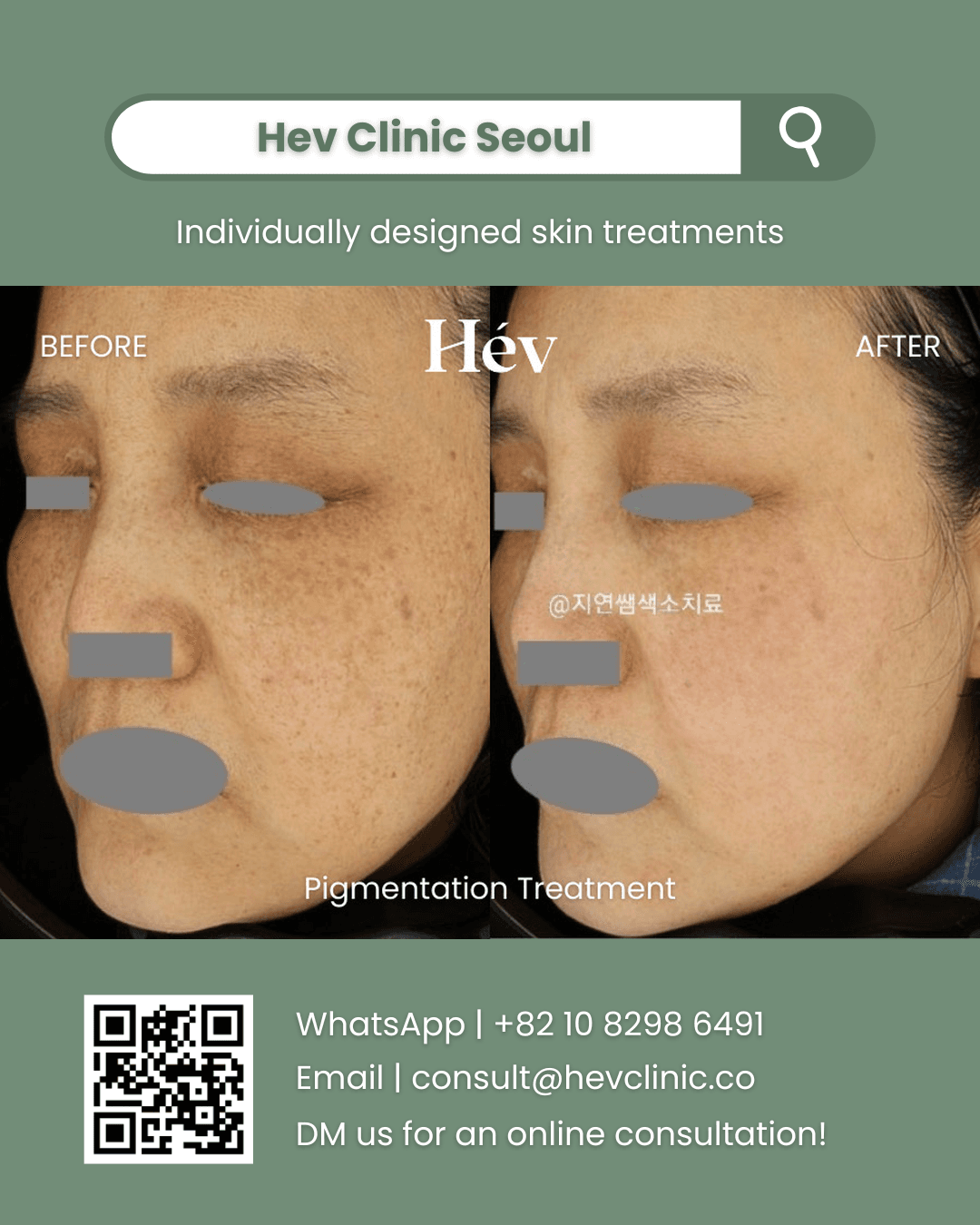
Key advantages include cutting-edge diagnostic tools, expert dermatologists, patient-centered care, and lower prices compared to many Western nations, all combining to offer high-value, world-class service.
The Step-by-Step Process for Medical Tourists
Initial Consultation and Skin Analysis
Your journey starts with a detailed consultation, reviewing your history and analyzing your skin (often with advanced scanning) to accurately diagnose and understand your hyperpigmentation.
Customized Treatment Plan Development
The dermatologist creates a plan that is tailored to your skin type, pigmentation severity, and treatment goals, potentially combining several interventions.
Pre-Treatment Preparation
You’ll receive instructions on how to prepare, such as avoiding sun exposure and strong skincare products, to help ensure the best possible results.
The Treatment Session(s)
Depending on your plan, sessions may include chemical peels, lasers, or IPL. Numbing creams are often used for comfort. Many clinics offer efficient "One Day packages," blending several treatments into a streamlined experience.
Post-Treatment Care and Recovery
After treatment, you’ll follow strict care instructions—avoiding sunlight, using sunscreen, and applying special creams or soothing treatments. Downtime is often minimal, especially with newer technologies.
Follow-Up Visits and Maintenance
Regular follow-ups help track your progress and update your plan as needed. Long-term success may rely on periodic maintenance treatments or ongoing skin care.
Cost Considerations for Medical Tourists: South Korea vs. Global Destinations
The total price of pigmentation treatment in Korea depends on treatment type, number of sessions, clinic location, and provider experience. Clinics in upscale areas can be pricier, reflecting higher overhead and more specialized services.
Factors Influencing Treatment Costs
Choose between topical agents, peels, and various lasers—the more advanced or numerous the treatments, the higher the total cost. Reputable clinics and seasoned practitioners may also cost more, but quality matters.
Cost Breakdown in South Korea
With a rough exchange rate of 1 KRW = 0.000688 USD, average prices are as follows:
- General Pigmentation Treatment: $103 – $344 USD
- IPL Therapy: $100 – $300 USD per session
- Laser Skin Whitening (General): $75 – $400 USD per session
- PicoSure Laser: $120 – $1,032 USD per session
- Spectra Toning (Nd:YAG Laser): $75 – $200 USD per session
- Fraxel Laser: $250 – $500 USD per session
- Laser Toning: $48 – $303 USD per session
- Chemical Peels: $70 – $700 USD per session
- Glutathione Injections: $45 – $800 USD per session
- Vitamin C Injections: $50 – $150 USD per session
- Consultation Fees: $30 – $100 USD
Korean clinics rarely add hidden fees or taxes, but prescription medications post-treatment are typically extra.
Comparative Costs: South Korea vs. Global Destinations
Table 1: Comparative Costs of Key Pigmentation Treatments (Per Session, USD)
| Procedure Type | South Korea (USD) | USA (USD) | Australia (USD) | Turkey (USD) | Thailand (USD) |
|---|---|---|---|---|---|
| General Pigmentation Treatment | $103 - $344 | - | - | $131 - $481 | $29 - $298 |
| IPL Therapy | $100 - $300 | - | - | $220 - $700 | - |
| Laser Treatment (General/Toning) | $48 - $400 | $300 - $1,000 | $75 - $180 | - | $268 - $596 |
| PicoSure Laser | $120 - $1,032 | $950 - $4,037 | $130 - $480 | - | ~$5,160 |
| Chemical Peel | $70 - $700 | - | - | from $150 | from $150 |
| Melasma Treatment | - | - | - | $1,442 | - |
This table offers a quick reference of treatment costs across countries, highlighting South Korea’s competitive pricing—especially for advanced laser options.
Additional Costs for Medical Tourists
Beyond procedure fees, consider:
- Airfare: $600 – $1,500 USD for round-trip flights from major global cities.
- Accommodation: Hotel or lodging expenses.
- Local Transportation: Getting around the city and to appointments.
- Consultation Fees: Sometimes included, sometimes extra.
- Medications and Skincare: Often not part of the main treatment quote.
- Food and Personal Expenses: Daily living essentials.
It’s important to weigh the full financial picture when considering treatment abroad.
Value vs. Price: Making an Informed Decision
True value encompasses safety, results, and quality service—not simply the lowest sticker price. For treatments costing under $6,000 domestically, travel savings may be negligible after factoring airfare, lodging, and other expenses. Always request a detailed, personalized quote, and prioritize clinic reputation and practitioner experience over deals that seem too good to be true.
Patient Journeys: Real Stories of Addressing Hyperpigmentation
Patient experiences offer valuable insights, from the frustrations of failed home remedies to the profound improvements seen with professional care.
Testimonials and Success Stories
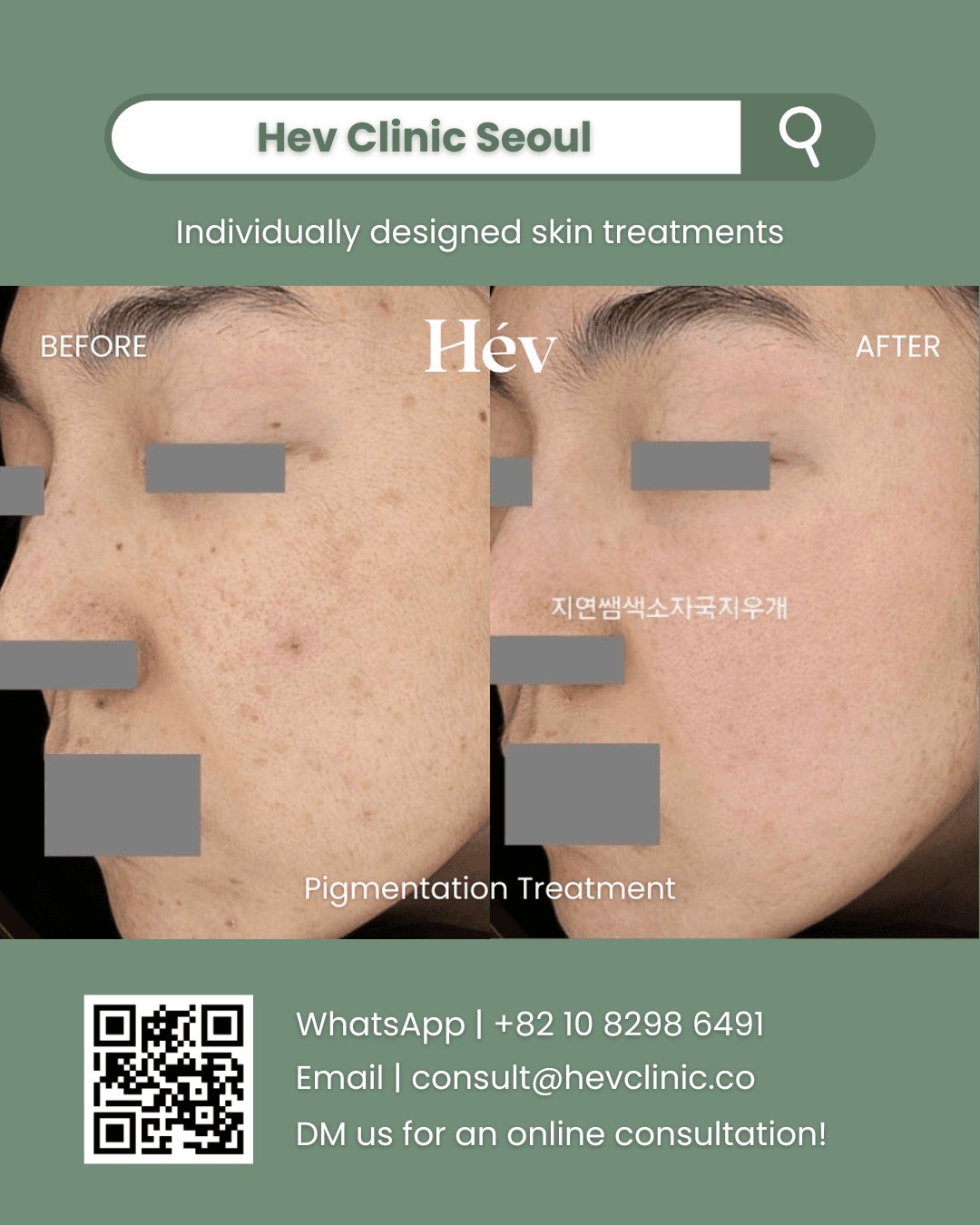
Many patients describe years of trying ineffective products or advice before seeking professional help. For example, one woman's “fun in the sun” habits and hormone exposure led to severe melasma—ultimately improved through Halo™ Pro laser treatment. Others only found relief after a correct diagnosis and tailored therapy, such as hydroquinone for melasma.
Impact on Self-Confidence and Quality of Life
The emotional toll of hyperpigmentation can be significant—leading to shame, excessive makeup use, and social withdrawal. Successful treatments routinely restore confidence and self-esteem.
The Importance of Discipline and Long-Term Commitment
Patients consistently say that ongoing lifestyle adjustments, regular sun protection, and adherence to maintenance plans are essential for lasting improvement.
Potential for Recurrence and Maintenance Strategies
Hyperpigmentation often requires ongoing attention, particularly with chronic types like melasma. Recurrence is possible if underlying issues or sun exposure aren’t managed, reinforcing the importance of daily care and routine follow-ups.
Important Considerations and Long-Term Care
Ensuring lasting results from hyperpigmentation treatments means making informed choices and embracing long-term habits.
Choosing a Qualified Professional
Consulting an experienced, board-certified dermatologist is critical for accurate diagnosis and safe, effective treatment selection—especially for those with darker skin, who may be more vulnerable to side effects.
Managing Expectations and Realistic Outcomes
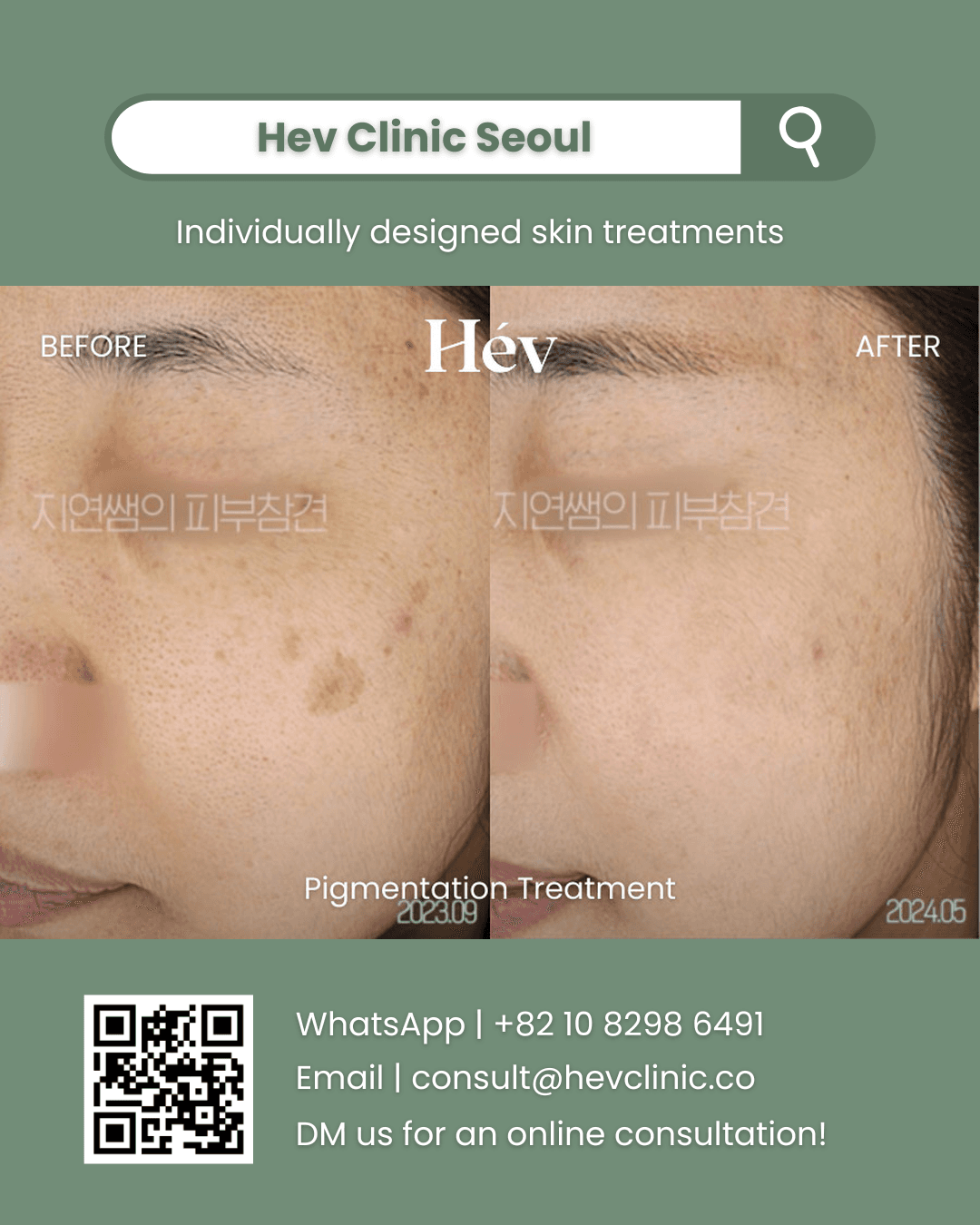
Though treatments can produce significant improvements, total clearance is not guaranteed. Multiple sessions and steady commitment are often required, and results unfold gradually.
Daily Skincare and Sun Protection as a Foundation
Daily sunscreen (SPF 30+), shade, and protective clothing are the cornerstone of both treatment and prevention. Gentle, consistent skin care helps maintain gains.
Addressing Underlying Causes
Long-term management must tackle root issues—like hormonal imbalances or medication effects—and may involve nutritional support or treating comorbid skin conditions. A collaborative patient-dermatologist relationship ensures the best shot at long-term success, with patients playing an active role in their treatment journey.
Conclusion
Melanin overproduction, or hyperpigmentation, is a widespread but emotionally impactful condition driven by multiple factors including sun, hormones, and genetics. Effective management relies on a combination of treatments—topicals, peels, lasers—customized for each individual’s skin and needs. South Korea stands out for its advanced care and competitive pricing, but patients must consider total costs and prioritize safety. Ultimately, lasting results depend on the expertise of qualified professionals and the ongoing commitment of the patient to daily protection and maintenance.
References
1, 2, 3, 4, 5, 6, 7, 8, 9, 10, 11, 12, 13, 14, 15, 16, 17, 18, 19, 20, 21