
Medical Tourism Blog
Uneven Skin Tone Solutions: Dual Toning Procedures in Korea for Radiant, Even Complexion
Table of contents
- The Complexities of Uneven Skin Tone
- The Medical Procedure: Dual Toning
- Best Clinics in Korea for Uneven Skin Tone
- A Guide to Pursuing Treatment in South Korea
- Cost Analysis and Comparative Value
- Real-World Patient Experiences and Outcomes
- Conclusion and Actionable Recommendations
- References
Considering treatment in Korea? Everything you need to know e.g. — how to avoid scams, visas, interpreters, recovery tips — in our Medical Tourism Master Guide. Plan with confidence in minutes, not weeks!
Uneven skin tone is a broad, non-clinical term that describes variations in skin coloration and texture. Conditions like hyperpigmentation, melasma, sun spots, and post-inflammatory hyperpigmentation can all fall under this umbrella, triggered by factors such as sun exposure, hormonal changes, and aging. Among various treatments, Dual Toning—a non-invasive procedure that combines two distinct laser wavelengths—has emerged as an especially effective solution, targeting both pigment and texture issues at once.
South Korea has become a prime destination for medical tourists seeking skin solutions like Dual Toning, offering exceptional expertise, advanced medical facilities, and affordable pricing. This review explores the clinical and economic details of Dual Toning, provides a guide for prospective patients, and highlights transformative patient experiences.
The Complexities of Uneven Skin Tone
Clinical and Colloquial Nomenclature
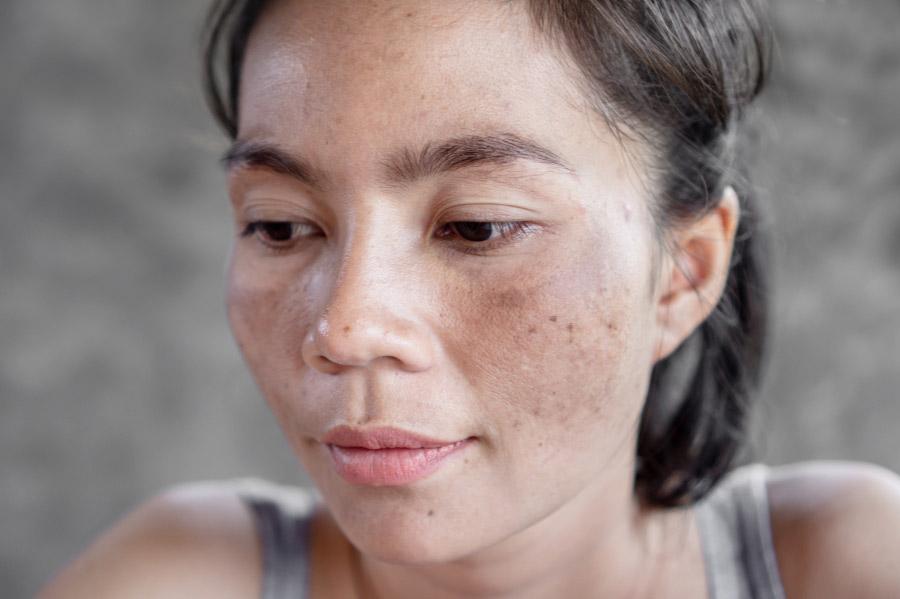
"Uneven skin tone" is the everyday way of describing a complexion that's not exactly uniform. Clinically, this tends to be related to hyperpigmentation—dark spots, sun spots, freckles, age spots, and melasma. Redness from rosacea and discoloration after injury, known as post-inflammatory hyperpigmentation (PIH), also fit under this term.
Color is just one part of the picture. Experts stress that even skin also needs a smooth texture—how light bounces off the skin matters. Smoother skin appears brighter, while surface irregularities scatter light and make skin look dull, even if pigmentation is consistent. This is why treatments must address both color and texture for complete skin rejuvenation.
Aetiology and Contributing Factors
Melanin is the pigment produced by melanocytes that determines skin color. Uneven skin tone occurs due to excess or unevenly distributed melanin. Genetics set the baseline, but other factors play a role too:
- Sun Exposure: UV rays trigger melanin production, causing sun spots and hyperpigmentation.
- Hormonal Changes: Melasma arises with hormonal shifts, often during pregnancy.
- Inflammation and Injury: PIH develops after issues like acne, burns, or wounds.
- Aging: Natural aging results in age spots, lines, and overall unevenness.
- Environmental and Lifestyle Factors: Pollution, sleep deprivation, and dry skin can compromise the skin’s barrier and encourage discoloration.
The Medical Procedure: Dual Toning
Defining Dual Toning: The Technical and Colloquial Divide
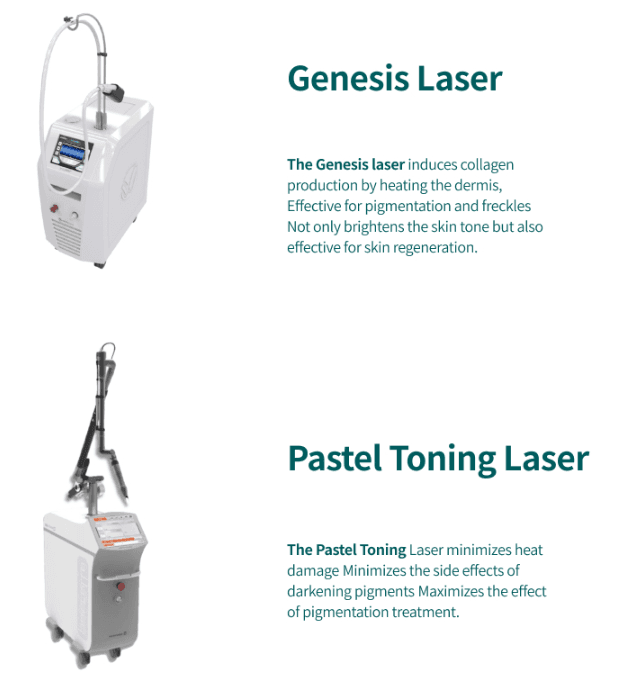
"Dual Toning" can mean different things. Some sources refer to it as a two-step chemical process, but in aesthetic dermatology, it most often describes a high-tech laser procedure using two different wavelengths. This dual-laser method distinctly sets it apart from classic single-laser treatments. Anyone interested should confirm exactly which technologies their chosen clinic uses.
Mechanism of Action: The Science of Dual-Wavelength Lasers
Dual Toning is a non-invasive procedure that’s popular for addressing multiple skin issues with minimal downtime. It typically combines:
- Q-switched Nd:YAG laser: Considered the gold standard for deeper pigmentation, this laser shatters pigment particles so the body can remove them naturally, lowering the risk of PIH.
- Fractional laser (often Fraxel® DUAL): Uses two wavelengths. The 1550nm wavelength penetrates deeply to target scars and lines, while the 1927nm wavelength treats surface issues like texture and sun damage. Fractional lasers focus on tiny zones, leaving surrounding tissue untouched and speeding healing. This process boosts collagen for firmer, smoother skin and smaller pores.
Indications for Treatment
Dual Toning is suitable for:
- Melasma, including treatment-resistant cases
- Post-inflammatory hyperpigmentation from acne or injury
- Sun damage, age spots, and freckles
- General uneven skin tone or dullness
- Textural concerns like enlarged pores and fine lines
This approach’s gentle energy makes it safe for a range of skin types—including darker Fitzpatrick types III-VI, which are more prone to side effects from intense treatments.
Best Clinics in Korea for Uneven Skin Tone
Listed below are the best clinics in Korea for uneven skin tone:
| Clinic Name | Key Features | Special Techniques |
|---|---|---|
| Seye Clinic | Advanced, non-surgical approach with highly customized treatment plans that target multiple causes of tone irregularity, including pigmentation, redness, post-acne marks, dullness, dehydration, and rough texture. Combines PicoSure Laser Toning for melasma and sunspots, Combination Laser Toning for mixed pigment and diffuse redness, Excel V for vascular redness, Chemical Peels for surface discoloration, and skin-rejuvenating options like RF microneedling, skin boosters, Rejuran, and Micro-Botox to improve clarity, pore appearance, and overall radiance. LED Light Therapy supports healing and minimizes downtime. With physician-guided care, modern energy-based devices, and treatment plans tailored to each patient’s skin condition and aesthetic goals, Seye Clinic offers the precision, safety, and natural-looking brightening results that make it a top choice in Korea for achieving clearer, more evenly toned skin. | PicoSure Laser Toning for melasma and sunspots; Combination Laser Toning for mixed pigment and diffuse redness; Excel V for vascular redness; Chemical Peels for surface discoloration; RF microneedling; skin boosters; Rejuran; Micro-Botox; LED Light Therapy |
| BLS Main Branch | BLS Clinic Main Branch stands out as a leading choice for uneven skin tone because it combines detailed skin analysis, highly customized treatment planning, advanced device-based procedures, and strong patient comfort protocols in one setting. The clinic uses skin measurement device analysis, contour assessment, and a 1:1 tailored consultation to evaluate each patient’s skin condition, facial structure, and treatment goals before designing a personalized program. For patients with dull, rough, or irregular-looking skin, revitalization options such as OxyGeneo with ultrasound and massage support smoother texture and better hydration, while premium lifting treatments like Detail InMode, Detail Thermage, and Detail Ultherapy PRIME can help improve overall skin firmness and texture. Customized premium ampoules, verified injectables, and multiple pain-control options further strengthen the clinic’s reputation for precise, patient-centered care. | Skin measurement device analysis; contour assessment; 1:1 tailored consultation; OxyGeneo with ultrasound and massage; Detail InMode; Detail Thermage; Detail Ultherapy PRIME; premium ampoule program; Restylane hyaluronic acid fillers; topical numbing cream; vibration pain reduction; conscious sedation; general anesthesia options; 1:1 tailored premium ampoule program |
| Better Me Clinic Hongdae | Better Me Clinic Hongdae is an aesthetic and dermatology clinic conveniently located near Hongdae Entrance Station, making it an appealing option for people in Korea who want professional support for uneven skin tone. It is positioned as a skin-focused medical destination rather than a general beauty provider, with a central, easy-to-reach Seoul location for consultations and follow-up. The next steps are to confirm its procedure and price pages directly, since the exact treatment menu was not included in the source information. | Not specified in source information |
seye clinic
For patients seeking the best clinic for uneven skin tone in Korea, Seye Clinic at Gangnam Station stands out for its advanced, non-surgical approach and highly customized treatment plans that target the many different causes of tone irregularity, including pigmentation, redness, post-acne marks, dullness, dehydration, and rough texture. Rather than relying on a one-size-fits-all treatment, Seye Clinic combines technologies such as PicoSure Laser Toning for melasma and sunspots, Combination Laser Toning for mixed pigment and diffuse redness, Excel V for vascular redness, Chemical Peels for surface discoloration, and skin-rejuvenating options like RF microneedling, skin boosters, Rejuran, and Micro-Botox to improve clarity, pore appearance, and overall radiance. This ability to address both pigment and skin quality at the same time is what makes the clinic especially strong for uneven skin tone, while calming add-ons like LED Light Therapy help support healing and minimize downtime. With physician-guided care, modern energy-based devices, and treatment plans tailored to each patient’s skin condition and aesthetic goals, Seye Clinic offers the precision, safety, and natural-looking brightening results that make it a top choice in Korea for achieving clearer, more even-toned skin.
Find more about this clinic here: seye clinic Website
BLS Main Branch
BLS Clinic Main Branch in Cheongdam stands out as a leading choice for patients seeking treatment for uneven skin tone in Korea because it combines detailed skin analysis, highly customized treatment planning, advanced device-based procedures, and strong patient comfort protocols in one setting. Rather than offering a one-size-fits-all approach, the clinic uses skin measurement device analysis, lifting contour measuring, and a 1:1 tailored consultation to evaluate each patient’s skin condition, facial structure, and treatment goals before designing a personalized program. For patients with dull, rough, or irregular-looking skin, BLS Main Branch offers revitalization options such as OxyGeneo with ultrasound and massage to support smoother texture and better hydration, while premium lifting treatments like Detail InMode, Detail Thermage, and Detail Ultherapy PRIME can help improve overall skin firmness and texture for a more refined appearance. Customized premium ampoules, verified injectables, and multiple pain-control options further strengthen the clinic’s reputation for precise, patient-centered care.
• Precise diagnosis comes first: skin measurement device analysis and contour assessment help identify individual skin concerns and guide a more accurate treatment plan for uneven skin tone.
• Truly personalized care: a 1:1 tailored skin consultation allows medical professionals to match the right devices, skincare steps, and treatment sequence to each patient’s needs.
• Strong option for texture and tone refresh: OxyGeneo with ultrasound and massage helps refresh the skin surface and support a smoother, more hydrated look, which is especially valuable for skin that appears dull or uneven.
• Advanced premium lifting menu: Detail InMode, Detail Thermage, and Detail Ultherapy PRIME are performed with detailed mapping and controlled technique, supporting tightening, texture improvement, and overall facial refinement.
• Customized post-treatment support: the 1:1 tailored premium ampoule program is selected according to skin condition to support hydration, soothing, and skin finish after procedures.
• Verified injectable care: Restylane hyaluronic acid fillers are tailored to facial structure and goals, helping improve facial balance in patients who want both skin quality and contour refinement.
• Comfort-focused treatment experience: topical numbing cream, vibration pain reduction, conscious sedation, and general anesthesia options help make treatment more comfortable depending on the procedure and patient preference.
• Best for patients who want more than a basic facial: BLS Main Branch is ideal for those looking for a clinic that combines diagnostics, revitalization, lifting technology, customization, and comfort protocols in a premium dermatology and aesthetic setting.
Find more about this clinic here: BLS Main Branch Website
Better Me Clinic Hongdae
Better Me Clinic Hongdae is an aesthetic and dermatology clinic conveniently located near Hongdae Entrance Station, making it an appealing option for people in Korea who want professional support for uneven skin tone. For patients concerned about dullness, patchy pigmentation, or overall tone imbalance, the clinic stands out because it is positioned as a skin-focused medical destination rather than a general beauty provider, which is especially important when choosing care for complexion concerns. Its Hongdae location also adds practical value for both local residents and visitors who want easy access to consultation and follow-up. While the specific treatment menu should be confirmed directly with the clinic, Better Me Clinic Hongdae already presents two major advantages for uneven skin tone patients: a dermatology-centered setting and a highly accessible location.
-
Better Me Clinic Hongdae focuses on aesthetic and dermatology care, which makes it a relevant clinic to consider for uneven skin tone concerns.
-
Its location near Hongdae Entrance Station is a major benefit for patients who want convenient access for consultations, ongoing treatment, and follow-up visits.
-
Because uneven skin tone often requires a personalized skin assessment, a dermatology-oriented clinic setting can be more reassuring than choosing a non-specialized beauty provider.
-
The clinic is especially attractive for patients who value both skin-focused care and a central, easy-to-reach Seoul location.
-
If you want the most accurate comparison of why Better Me Clinic Hongdae may be the best fit for uneven skin tone, the next step is to confirm its procedure and price pages directly, since the exact treatment menu was not included in the source information.
Find more about this clinic here: Better Me Clinic Hongdae Website
A Guide to Pursuing Treatment in South Korea
The South Korean Advantage
South Korea is recognized globally for dermatological medical tourism. The country’s specialist system ensures dermatologists are intensively trained, leading to high levels of skill. Clinics use state-of-the-art technology, and competitive pricing is maintained due to the high density of clinics in cities like Seoul. Many facilities also offer international patient services, with staff fluent in multiple languages to support patients throughout the process.
Step-by-Step Patient Journey
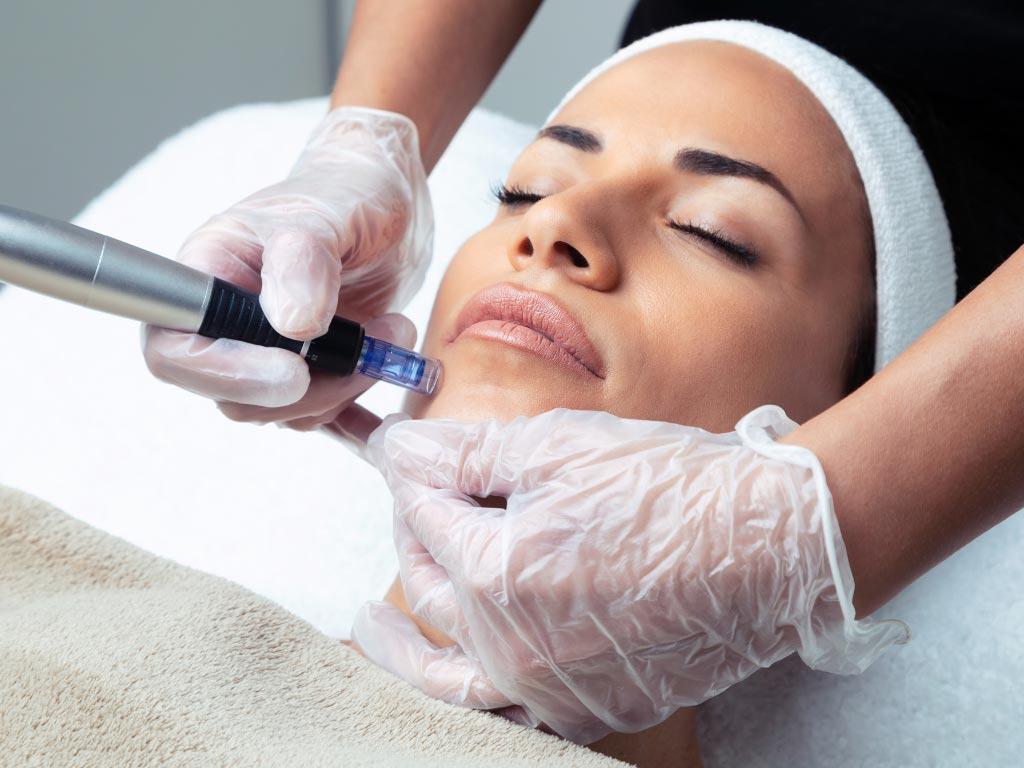
Here is the typical experience for medical tourists pursuing Dual Toning in South Korea:
- Initial Consultation: Starts virtually, with patients sharing medical history and concerns for a preliminary plan. In-person consultations may come with a fee unless proceeding to treatment right away.
- Treatment Selection and Booking: Choose and book a treatment plan—usually requiring a non-refundable deposit of 10%.
- Travel and Accommodation: Fly into Incheon International Airport. Concierge services are often available to help with transportation and accommodation.
- Arrival and Treatment: After an in-person assessment, the dermatologist finalizes the plan. Dual Toning itself is quick (15-30 minutes) and well-tolerated.
- Follow-Up and Departure: Patients get post-care instructions and sometimes product kits. Multiple sessions are required, with the follow-up schedule determined ahead of time.
Pre- and Post-Procedure Protocols
Before the procedure, patients should avoid excessive sun. During Dual Toning, numbing cream may be applied for comfort—most report only mild prickling. Post-procedure downtime is minimal, with minor redness or swelling resolving in a day. Careful sun protection, good hydration, and avoiding face-down sleep help maximize results and recovery.
Cost Analysis and Comparative Value
Costs of Dual Toning in South Korea
South Korea’s prices for Dual Toning are highly attractive: usually $100–$300 USD per session, including consultation and aftercare. The total number of sessions needed depends on individual needs.
A Global Cost Comparison
South Korea’s pricing is a fraction of what’s charged in other countries, despite equal or better-quality care. The table below highlights the dramatic difference.
| Procedure | Country | Price Range (USD) per Session |
|---|---|---|
| Dual Toning / Laser Resurfacing | South Korea | $100-$300 |
| Laser Resurfacing | USA | $1,500-$3,500 |
| Pico Laser / Q-Switched Laser | Singapore | $110-$730 (SGD 150-1000) |
| Fractional Laser Treatment | Thailand | $500-$1,200 |
| MOXI Laser Treatment | Turkey | $800+ |
| Dermatology Treatments (various) | Turkey | $150-$1,500 |
Competitive pricing in Korea is due to a combination of market competition, government support, and high operational efficiency—never at the expense of quality.
Real-World Patient Experiences and Outcomes
Reported Clinical Results
Most patients report positive experiences with Dual Toning. Improvements in pigmentation and texture happen gradually, not overnight. Many describe their skin as clearer, more luminous, or “glassy.” While not a miracle cure, meaningful results often show after 3 to 4 sessions, and a full course may take 5-10 sessions.
Anecdotal stories confirm these effects. One patient noticed brighter, smoother skin that felt “definitely noticeable (in a good way),” yet realistic about the gradual nature and the need for ongoing care.
The Psychological and Emotional Impact
For many, treating uneven skin tone goes beyond appearances. Persistent discoloration or aging signs can deeply impact confidence and self-esteem. One patient recounted how sun damage led to feelings of isolation and low self-worth until Dual Toning helped restore both their complexion and self-confidence. The real value lies in renewed self-image and emotional well-being, not just physical changes.
Conclusion and Actionable Recommendations
Dual Toning offers a powerful, non-invasive way to address uneven skin tone by treating both pigment and texture irregularities. South Korea stands out as a top medical tourism destination, providing expert care, leading technology, and affordability for those seeking lasting skincare improvements. For best results, choose a certified dermatology specialist, verify the clinic’s laser technology, set realistic expectations, and thoroughly follow post-treatment instructions.
References
1, 2, 3, 4, 5, 6, 7, 8, 9, 10, 11, 12, 13, 14, 15, 16, 17, 18, 19, 20, 21, 22, 23, 24, 25, 26, 27, 28, 29, 30, 31, 32, 33, 34
Frequently Asked Questions
Related Blogs
Effective Juvelook Volume Filler for Lip Wrinkles Treatment in Korea
Discover how Korea leads in treating lip wrinkles—or perioral rhytides—with advanced procedures like Juvelook Volume Filler. Combining hyaluronic acid and PDLLA, this innovative Korean treatment offers immediate hydration and long-term collagen stimulation, effectively reducing smoker's lines and lipstick lines. Experience enhanced skin firmness, natural lip rejuvenation, and lasting results over
Updated: Oct 4, 2026
Dehydrated Lips Treatment with Hydro Injection in Korea: Effective Solutions for Moisturizing and Rejuvenation
Discover the benefits of Hydro Injection in Korea, a leading solution for dehydrated lips caused by cheilitis and related conditions. This minimally invasive procedure uses hyaluronic acid-based treatments to deeply hydrate, smooth, and rejuvenate lips, addressing issues such as chapped lips and fine lines. Korea’s advanced clinics offer expert care, streamlined processes, and cost-effective optio
Updated: Oct 3, 2026
Allergic Pigmentation Treatment with Pico Toning in Korea: Effective Solutions for Clear Skin
Discover how Pico Toning laser treatment in Korea effectively addresses Post-Inflammatory Hyperpigmentation (PIH), also known as allergic pigmentation or post-inflammatory brown spots. This advanced skin pigmentation procedure uses ultra-short pulses to break down melanin, making Korea a top destination for safe, affordable, and expert care. Learn about the treatment process, benefits, costs, and
Updated: Oct 3, 2026
Sallow Complexion Solutions: Skin Whitening Injection Treatment in Korea for Radiant Skin
Discover how Korea leads in medical tourism for skin whitening and treatment of sallow complexion. This blog explores causes like anemia and vitamin deficiencies, details Korea’s innovative skin whitening injections—featuring glutathione, vitamin C, and tranexamic acid—outlining procedures, costs, and patient experiences. Learn how Korea’s advanced clinics offer safe, effective treatments to brigh
Updated: Oct 2, 2026
Clinics offering Dual Toning

Three Wishes Clinic - Myeongdong, Korea: Advanced Botox, Fillers, Laser, and Skin Treatments for Confidence and Care
Myeongdong
Cellinique Clinic Korea: Advanced Stem Cell and Laser Treatments for Health, Beauty, and Rejuvenation in Gangnam
Apgujeong

VandS Dermatology Clinic - Dongtan, Korea: Comprehensive Skin Care and Cosmetic Procedures for Youthful, Radiant Skin
Hwaseong
BLS Main Branch Korea (Cheongdam) – Signature Lifting, Skin Analysis & Event Facial Programs
Cheongdam