
Medical Tourism Blog
Rejuvenate with Face Lift and Deep Plane Facelift Procedures for Aging Face in Korea

Table of contents
- Facelift Procedures: A Detailed Medical Overview
- The Medical Tourist's Journey: Getting a Facelift in South Korea
- Which Are the Best Clinics in Korea for Aging Face?
- Cost Analysis: Facelifts in South Korea vs. Global Destinations
- Patient Outcomes and Addressing "Aging Face" Issues
- Conclusion
- References
Considering treatment in Korea? Everything you need to know e.g. — how to avoid scams, visas, interpreters, recovery tips — in our Medical Tourism Master Guide. Plan with confidence in minutes, not weeks!
Facial aging is a natural, gradual, and complex biological process that everyone experiences. It goes beyond just surface wrinkles, involving deep changes in the soft tissues (fat and muscle) and bone structure beneath the skin. These changes lead to the classic signs of an "aging face," such as sagging, wrinkles, and noticeable volume loss.
Defining "Aging Face": Sagging, Wrinkles, and Volume Loss
Facial aging shows up through several key features:
- Skin Laxity and Wrinkles: As we age, the skin loses elasticity because collagen and elastin break down. This causes the skin to sag and droop. Facial expressions like smiling or frowning create dynamic wrinkles that, over time, become permanent static lines visible even at rest. This results in fine lines, deeper wrinkles, and less skin firmness.
- Volume Loss and Redistribution: A youthful face has smooth contours with fullness in the upper cheeks, often called the "triangle of youth." Aging causes fat pads to shrink and descend due to gravity, creating hollows under the eyes, flattening mid-cheeks, and deepening lines around the nose and mouth (nasolabial folds and marionette lines). This can invert the youthful triangle into a square or trapezoidal shape as the lower cheeks widen.
- Sagging and Jowling: Soft tissues in the lower face gradually fall over the jawline, blurring its definition. Weakening muscles and mild fat loss add to sagging skin in the cheeks and neck, forming jowls. Fat under the chin may also increase, causing a "double chin."
- Bone Changes: Subtle bone loss in the face alters its shape, leading to larger eye areas, a reduced brow bone angle, and a less defined jawline.
Genetics play a role in aging, but lifestyle choices like sun exposure, smoking, heavy drinking, poor diet, and stress can speed up the process, causing brown spots, rough skin, and early wrinkles.
The shift from the youthful "triangle of youth" to an inverted shape reflects deeper changes in fat and bone, showing why effective facial rejuvenation must do more than tighten skin. Procedures that restore volume and reposition deeper tissues are essential for natural, lasting results. This explains why advanced surgeries often combine facelifts with fat grafting to rebuild youthful contours.
Facial aging affects all layers—from skin to fat, muscles, and bone—creating interconnected changes. For example, fat pad descent deepens nasolabial folds, and bone loss blurs the jawline. This complexity supports the development of facelift techniques like the deep plane approach, which targets these deeper structures. Patients should understand that a facelift is often part of a broader treatment plan, sometimes combined with eyelid lifts, brow lifts, or fat transfers, to achieve balanced rejuvenation.
It's important to distinguish between dynamic wrinkles (from facial expressions) and static lines (permanent wrinkles). Facelifts mainly address sagging and volume loss but may not fully erase static wrinkles. Patients might need additional treatments like Botox for dynamic wrinkles or fillers for static lines to reach their desired look.
Common Pseudonyms for Facial Aging
Patients often use informal terms to describe facial aging. Knowing these helps in research and consultations.
Table 1: Common Pseudonyms for Facial Aging
| Pseudonym | Description | Associated Cause |
|---|---|---|
| Crow's Feet | Fine lines radiating from the outer eye corners. | Repetitive expressions like squinting or smiling. |
| Laugh Lines / Accordion Lines | Wrinkles around the mouth from smiling or laughing; accordion lines are deeper vertical lip lines. | Facial expressions, skin firmness loss, cheek fat loss. |
| Elevens / Frown Lines | Two vertical lines between the eyebrows (glabellar lines). | Repeated frowning or brow furrowing. |
| Marionette Lines | Deep creases from mouth corners down to the jawline. | Skin laxity and continuous mouth movement. |
| Jowls | Sagging skin along the jawline and lower cheeks. | Tissue descent, muscle weakening, mild fat loss. |
| Turkey Neck | Sagging skin under the chin and jawline. | Skin elasticity loss, gravity, rapid weight loss. |
| Smoker's Lines / Perioral Lines | Creases around the lips. | Lip puckering motions like smoking or using straws. |
| Bunny Lines | Fine lines on the sides of the nose. | Nose wrinkling from expressions like laughing. |
| Cobblestone Chin (Dimpled Chin) | Small dimples on the chin. | Pursing lips or certain chin movements. |
Facelift Procedures: A Detailed Medical Overview
This section explores traditional and deep plane facelift techniques, explaining their goals, surgical methods, and anatomical differences to help patients understand these transformative surgeries.
The Traditional Facelift (Rhytidectomy): Addressing Visible Signs of Aging
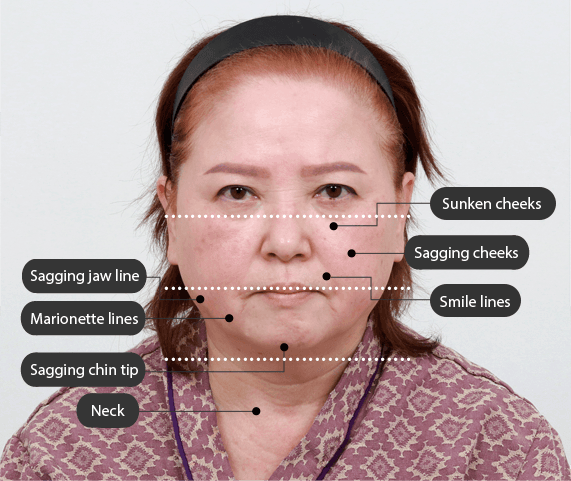
A facelift, or rhytidectomy, is a common cosmetic surgery aimed at improving signs of aging in the face and neck. It focuses on reducing loose skin, especially around the jowls and neck, smoothing wrinkles, and lifting sagging cheeks and jawlines to restore a youthful look.
The traditional facelift targets:
- Loose, sagging skin
- Deep fold lines (nasolabial folds)
- Drooping jowls
- Neck laxity and excess fat ("double chin" or "turkey neck")
- Wrinkles and folds in the lower face and neck
- Jawline definition
- Submental fullness
Key surgical steps include:
- Anesthesia: Usually general anesthesia; sometimes local with sedation for smaller procedures.
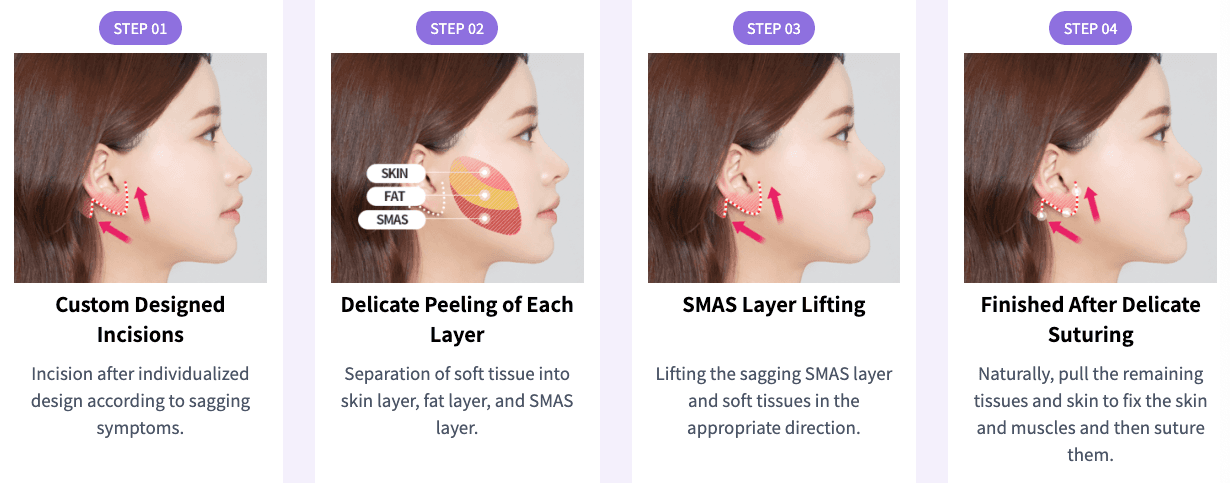
- Incisions: Made around the hairline, temples, in front and behind the ears, and sometimes under the chin, placed to minimize visible scarring.
- Tissue Manipulation (SMAS): The skin is separated from underlying tissues, and the superficial musculoaponeurotic system (SMAS) is tightened. Excess fat may be removed or repositioned.
- Skin Redraping and Excision: Skin is pulled back naturally, excess removed, and stitched in place.
- Closure: Incisions are closed with stitches or glue; drains may be used to prevent fluid buildup.
Post-surgery, patients wear bandages and keep their head elevated to reduce swelling. Stitches are removed after 7-14 days. Bruising and swelling fade over weeks, with most returning to social activities in 2-3 weeks. Full recovery can take months. Risks include nerve injury, asymmetry, hair loss near incisions, scarring, and healing issues, though these are rare.
The Deep Plane Facelift: An Advanced Approach for Natural, Lasting Rejuvenation
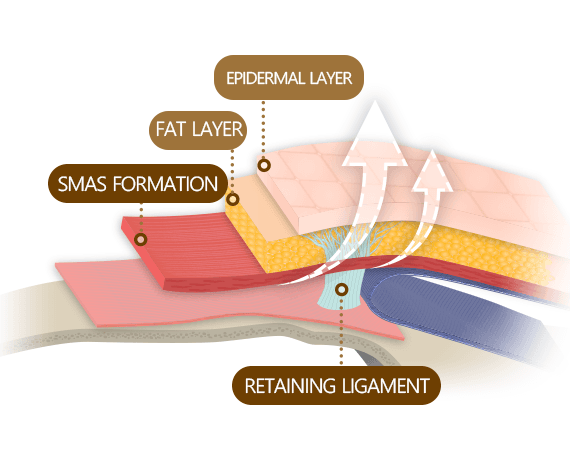
The deep plane facelift is a more advanced technique focusing on deeper facial layers.
-
Distinguishing Features: Targeting Deeper Anatomical Layers
- Beyond Superficial: Unlike traditional facelifts that mainly tighten skin or superficially manipulate the SMAS, the deep plane method lifts the SMAS, fat, and skin together as one unit.
- Anatomical Focus: It releases retaining ligaments that tether the SMAS to bone, allowing a more natural lift without pulling on the skin.
- Key Anatomical Spaces: The surgeon works within specific, mostly avascular spaces (masseteric, prezygomatic, buccal, cervical) for precise tissue mobilization.
- Nerve Awareness: Because of the deeper dissection near facial nerves, surgeons must have detailed anatomical knowledge to avoid nerve damage.
-
Advantages: Naturalness, Longevity, and Comprehensive Correction
- More Natural Results: Lifting deeper tissues together avoids the "pulled" or "windswept" look sometimes seen with traditional facelifts.
- Longer-Lasting: Results typically last 10-15 years due to repositioning stronger, deeper structures.
- Comprehensive Correction: It effectively lifts sagging cheeks, smooths deep folds, tightens jowls, and sharpens the jawline, especially rejuvenating the midface.
- Vertical Lift: The technique emphasizes a vertical lift aligned with youthful facial contours, counteracting gravity naturally.
Surgical steps include:
- Anesthesia: General or local with sedation.
- Incisions: Hidden within the hairline and around the ears, sometimes with an extra incision near the temples.
- Undermining and Creating the Deep Plane: The SMAS is separated and retaining ligaments released, allowing the skin, fat, and SMAS to be lifted as one.
- Tissue Repositioning: Muscles, fat, and sometimes glands are lifted and anchored higher on the facial bones to restore youthful contours.
- Neck Addressing: Platysma muscles are released and tightened to smooth the neck and jawline; fat removal or redistribution is common.
- Excess Skin Removal & Closure: Skin is gently pulled and trimmed; incisions are closed carefully.
Recovery involves managing swelling and tightness, with sutures removed in 10-14 days. Full healing can take 2-6 weeks.
This approach marks a major shift from skin tightening to repositioning foundational structures, avoiding tension on the skin and reducing early sagging recurrence. Because of its complexity and proximity to facial nerves, surgeon expertise is critical for safety and optimal results. Patients should prioritize surgeons with specialized training and experience in deep plane facelifts.
Facelifts often combine with other procedures like eyelid lifts, brow lifts, rhinoplasty, implants, or fat grafting to address aging across the entire face. A full-face consultation helps set realistic expectations and plan comprehensive rejuvenation.
Table 2: Facelift Procedure Comparison (Traditional vs. Deep Plane)
| Feature | Traditional Facelift Description | Deep Plane Facelift Description |
|---|---|---|
| Primary Target | Loose skin, jowls, neck laxity, superficial wrinkles. | Sagging skin, deep wrinkles, volume loss, muscles, and fat pads. |
| Anatomical Layers Addressed | Skin and superficial musculoaponeurotic system (SMAS) tightened. | Skin, fat, and SMAS lifted as one; retaining ligaments released. |
| Surgical Approach | Skin separated; SMAS tightened; excess skin trimmed. | SMAS, fat, and skin lifted together; ligaments released. |
| Tension on Skin | Higher tension placed directly on skin. | Minimal skin tension; lift via deeper structures. |
| Longevity of Results | Typically 5-10 years. | Typically 10-15 years or more. |
| Naturalness of Results | Can appear "pulled" if not meticulous. | Known for natural look, avoiding "windswept" appearance. |
| Complexity | Less complex; focuses on superficial layers. | Highly complex; requires detailed anatomical knowledge. |
| Ideal Candidate Profile | Moderate skin laxity, usually 40s-60s. | Moderate to significant aging signs, 40s-70s, seeking lasting results. |
| Recovery Time | 2-3 weeks for social activities; full recovery weeks to months. | Similar initial recovery; full resolution in a few weeks. |
The Medical Tourist's Journey: Getting a Facelift in South Korea
South Korea is a top global destination for aesthetic surgery, known as the "Plastic Surgery Capital of the World," controlling about 25% of the global beauty market.
Why South Korea? A Global Hub for Aesthetic Surgery
South Korea attracts medical tourists due to:
- Advanced Technology: Surgeons use cutting-edge tools and innovative methods for safe, efficient procedures.
- Highly Skilled Surgeons: Korean plastic surgeons have extensive training and specialization.
- Affordability: Costs are lower than in many Western countries without compromising quality.
- Patient-Centered Facilities: Clinics emphasize transparency, with features like operating room cameras and open access to staff credentials.
- Robust Medical Tourism Infrastructure: Agencies offer comprehensive support, easing the entire process.
South Korean medical tourism agencies act as "medical concierges," providing all-inclusive packages covering consultations, visa help, flights, accommodation, airport pickups, clinic escorts, translation, and leisure activities. This full-service approach reduces stress and cultural barriers, making South Korea especially appealing. The value includes not just surgery but a smooth, supported experience.
The Step-by-Step Process for International Patients
Medical tourism agencies typically guide patients through three phases:
-
Phase 1: Pre-Departure Planning
- Initial consultation to discuss needs and get a treatment plan and cost estimate.
- Clinic and surgeon selection, with advice to verify accreditation and safety standards.
- Appointment scheduling for consultations and surgery.
- Visa and medical visa application assistance.
- Flight and accommodation bookings, often near the clinic.
- Optional leisure activity planning.
- Pre-surgery instructions: stop smoking 7-14 days prior, avoid blood thinners and alcohol, dissolve fillers if needed, continue prescribed meds, shower on surgery day, and wear loose clothing.
-
Phase 2: Arrival and Treatment
- Airport pickup and hotel check-in with agency support.
- Initial clinic consultation, with translation help if needed.
- Surgery and hospital stay as arranged.
- Assistance purchasing prescribed medications.
-
Phase 3: Post-Treatment and Departure
- Recovery and follow-up care, usually requiring a 14-day stay for procedures like SMAS facelifts.
- Some clinics offer in-house accommodation and advanced therapies like hyperbaric oxygen.
- Post-op care includes compression garments, head elevation, avoiding strenuous activity, and gentle skincare.
- Transportation to the airport arranged by the agency.
- Online follow-up support after returning home.
South Korea emphasizes transparency and safety, with government accreditation, infection control, emergency protocols, and anesthesia safety standards. This builds trust for international patients seeking quality care at competitive prices.
Patients should plan for the full recovery timeline, including a recommended 14-day stay for SMAS facelifts, to ensure proper healing and follow-up. This affects budgeting for time off work, accommodation, and support.
Which Are the Best Clinics in Korea for Aging Face?
Listed below are some of the best clinics in Korea for aging face.
1. THEPLUS Plastic Surgery
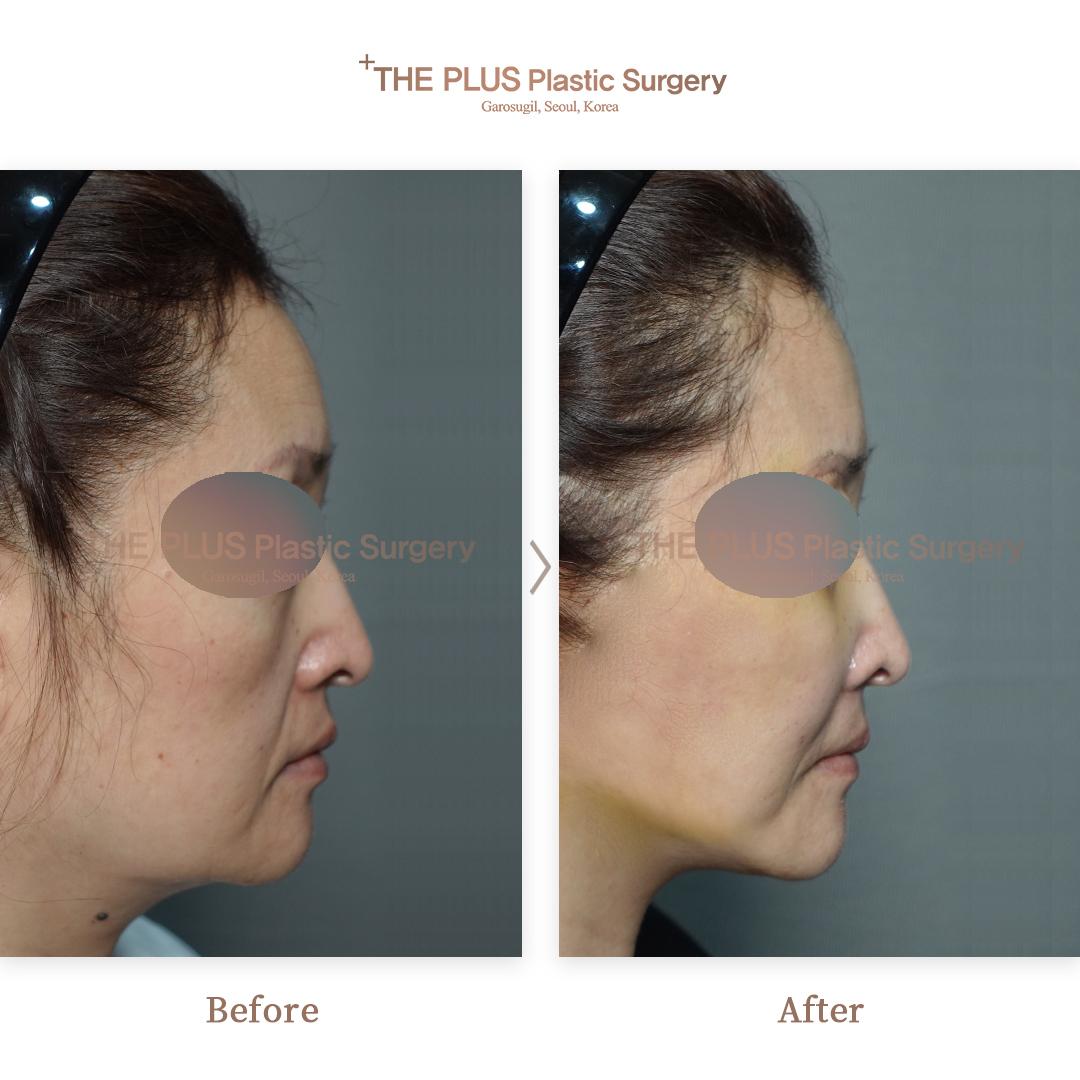
At THEPLUS Plastic Surgery, you can consider surgical and minimally invasive approaches to facial aging, including facelift, thread lift, and facial fat grafting. The clinic’s face-lifting options are presented around improving sagging contours and volume loss while aiming to preserve natural facial expression and overall facial balance.
- URL: THEPLUS Plastic Surgery Website
- Location: Gangnam-gu, Seoul
- Facial aging options:
- Facelift repositions sagging facial tissue to create firmer facial contours.
- Thread lift uses dissolvable threads for mild sagging when you are considering a less invasive lifting approach.
- Facial fat grafting uses your own fat to restore fullness in hollow or flattened facial areas.
- Related facial procedures:
- Blepharoplasty and ptosis correction are available for age-related eyelid skin or drooping concerns.
- Full facial contouring, cheekbone surgery, square-jaw surgery, chin surgery, and facial implants are also offered when facial proportions are part of your treatment plan.
- Surgical perspective:
- The clinic describes an emphasis on harmonious facial features and natural-looking results.
- Its surgeons include board-certified plastic surgeons, with expertise described in rhinoplasty, facial contouring, and breast surgery.
2. Made Young Plastic Surgery
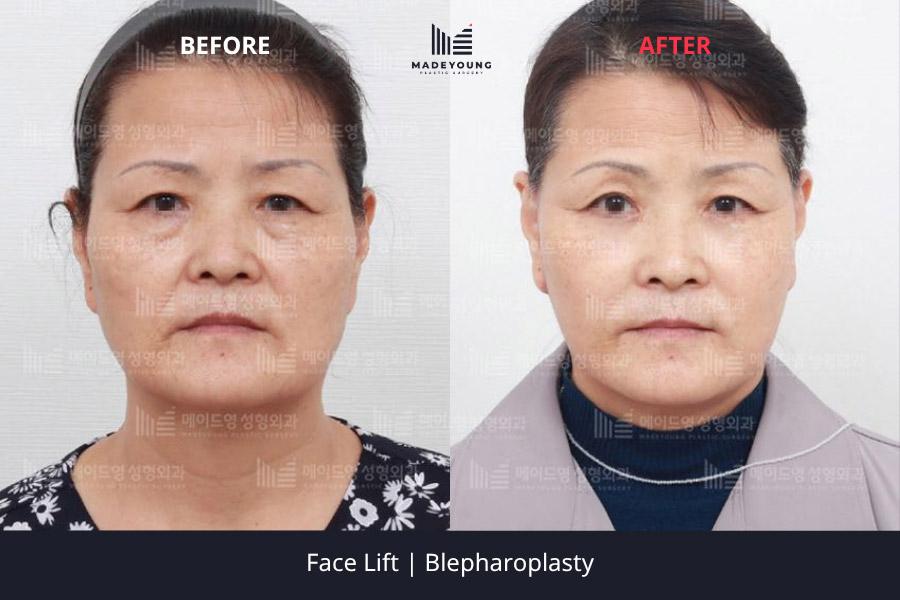
At Made Young Plastic Surgery, you can explore a facelift approach that releases stretched supporting tissues beneath the SMAS layer, then lifts the skin, fat, and SMAS together. The clinic describes securing these tissues vertically against the direction of sagging to support a natural contour without undue cheekbone emphasis.
- URL: Made Young Plastic Surgery Website
- Location: Seocho-gu, Seoul
- Facelift approach:
- The procedure is planned after analysis of the areas and causes of your facial sagging.
- Dissection beneath the SMAS is used to release stretched supporting tissues before comprehensive lifting.
- Face lift, neck lift, double-chin lift, forehead lift, and sub-brow lift are listed options for different aging concerns.
- Non-surgical lifting:
- Thread lift, V-line lifting, forehead lifting, Shurink, Ultherapy, and skin boosters are available non-surgical options.
- Dr. Soo-Yeon Park is a board-certified plastic surgeon identified by the clinic as a Silhouette Soft thread-lifting specialist.
- The clinic states that Dr. Park has performed more than 10,000 lifting procedures and recorded the highest Silhouette Soft use in Korea in 2022.
- Anesthesia and aftercare:
- Full-time board-certified anesthesiologists are on site, with one-to-one anesthesiologist monitoring described during procedures.
- The clinic describes a cross-check emergency response system and CCTV coverage of procedures.
- A separate aftercare center provides structured post-procedure care.
3. LABOM Plastic Surgery
At LABOM Plastic Surgery, you can consider its Triple Face Lift for aging across the face and neck. This Deep Plane–based technique lifts and repositions the skin, SMAS, and deep malar fat layer together, addressing sagging around the cheeks, mouth, jawline, chin, and neck while avoiding excessive skin tension that can affect natural expression.
- URL: LABOM Plastic Surgery Website
- Location: Gangnam-gu, Seoul
- Triple Face Lift:
- Targets nasolabial folds, marionette lines, sagging deep fat pads, jawline laxity, double chin, and neck wrinkles.
- Uses tissue repositioning informed by retaining ligaments and individualized facial anatomy.
- The clinic lists optional combinations such as SMAS grafting, deep fat-pad removal, and platysma muscle sling surgery.
- Planning and recovery:
- Each surgical design is customized to your facial structure and degree of aging.
- The clinic describes its face and neck lift as taking about 3–4 hours, under sedation with local anesthesia, with an indicated recovery period of 7–14 days.
- Pre-operative diagnosis, anesthesia monitoring, regular progress checks, and structured swelling, bruising, and scar-management programs are described.
- Additional facial aging options:
- Facial fat grafting can restore volume in areas such as the forehead and nasolabial folds using purified fat from your own donor site.
- Facial liposuction is offered for excess cheek or chin fat and may be combined with V-line contour lifting.
- Blepharoplasty is available for upper or lower eyelid aging concerns, including excess skin and under-eye bags.
- Clinical focus:
- Plastic surgery specialists directly perform procedures, and the clinic reports more than 30 years of clinical experience in facial and hand anti-aging procedures.
- The clinic describes ongoing academic participation and research into anti-aging surgery and facial anatomy.
- A dedicated aftercare system is available for international patients.
Cost Analysis: Facelifts in South Korea vs. Global Destinations
Understanding costs helps patients plan their medical tourism journey.
Understanding Facelift Costs in South Korea: Ranges and Influencing Factors
- Traditional Facelift: $6,000 to $13,000 USD.
- Deep Plane Facelift: $8,000 to $13,000 USD, averaging around $11,500.
Prices usually include consultations, surgery, anesthesia, and initial post-op care.
Additional costs to consider:
- Upfront deposit (~10% of total cost).
- Travel, accommodation, medications, follow-up visits, insurance, and visa fees.
- Combined procedures (e.g., chin or cheekbone surgery) add $3,000 to $7,000 or more.
Factors affecting price:
- Surgeon’s expertise and reputation.
- Clinic’s name and location (Seoul clinics often cost more).
- Procedure complexity.
- Anesthesia and hospitalization needs.
- What pre- and post-op care is included.
Cost Comparison: South Korea vs. Other Countries
South Korea offers a strong balance of quality and value compared to Western countries:
- United States: $17,000 to $48,000.
- United Kingdom: $13,300 to $18,000.
Other medical tourism hubs offer lower prices but may vary in quality:
- Turkey: $1,500 to $14,000; deep plane facelifts $6,000 to $14,000.
- Thailand: $1,500 to $12,000; deep plane facelifts $5,500 to $11,800.
- Mexico: $1,700 to $13,000, often with all-inclusive packages.
Lower costs often reflect cheaper labor and overhead, plus government support for medical tourism. Many clinics offer all-inclusive packages covering consultations, post-op care, tests, medications, garments, accommodation, and transfers.
South Korea’s value lies in combining advanced technology, skilled surgeons, and patient-centered services in bundled packages, justifying slightly higher costs compared to some destinations.
Patients should consider total expenses, including travel and accommodation, and prioritize surgeon expertise and clinic accreditation over price alone, especially for complex procedures like deep plane facelifts.
Patient Outcomes and Addressing "Aging Face" Issues
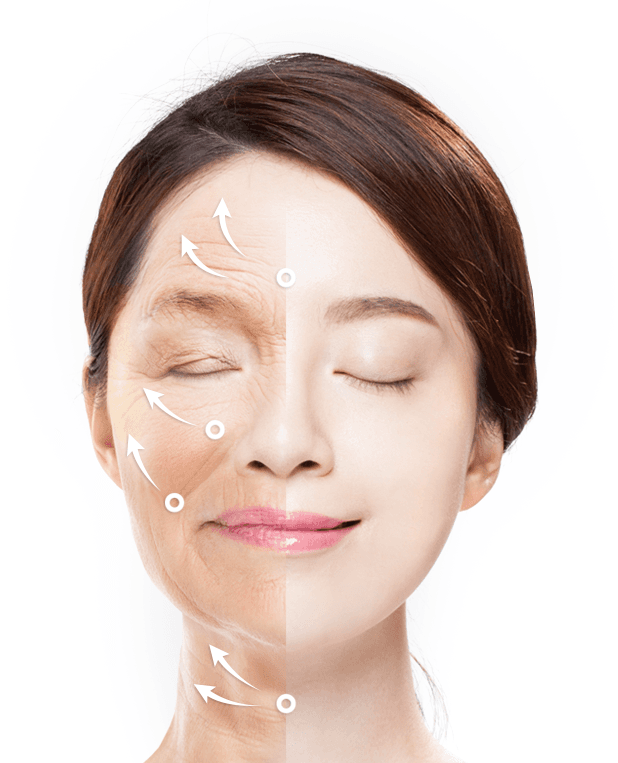
Facelifts, especially deep plane techniques, effectively tackle sagging, wrinkles, and volume loss.
- Addressing Sagging, Wrinkles, and Volume Loss: Deep plane facelifts lift and reposition muscles and fat, restoring youthful contours, smoothing nasolabial folds, tightening jowls, and enhancing jawline and neck definition. They also restore facial volume for a natural look.
- Longevity of Results: Traditional facelifts last 5-10 years; deep plane facelifts often last 10-15 years due to deeper tissue repositioning.
- Patient Experience and Satisfaction: Many patients feel more confident and refreshed post-surgery, with a rested, energized appearance. Realistic expectations are important, as facelifts don’t fix all aging signs. Monitoring for changes helps identify if revisions or additional treatments are needed.
- Maintenance Strategies: Stable weight, good skincare with sun protection, and complementary treatments like fillers or laser therapy help prolong results.
A holistic approach often yields the best outcomes, combining facelifts with other treatments to address fine lines, texture, and volume. Patients should understand facelifts don’t stop aging; ongoing care and healthy habits are key to maintaining results.
Conclusion
Facial aging involves complex changes in skin, fat, muscle, and bone, requiring treatments that address multiple layers for effective rejuvenation. The deep plane facelift stands out by lifting skin, fat, and SMAS together and releasing retaining ligaments, producing natural, long-lasting results lasting 10-15 years. Surgeon expertise is critical for safety and success. Many patients benefit from combining facelifts with other procedures for a harmonious look.
South Korea offers advanced technology, skilled surgeons, competitive pricing, and comprehensive medical tourism services, making it a top choice for international patients. However, patients should plan for full costs and realistic recovery times, often requiring a 14-day stay.
Facelifts provide significant improvements but don’t halt aging. Maintaining results involves ongoing skincare, healthy lifestyle choices, and possibly future treatments. Careful planning and surgeon selection are essential for a satisfying aesthetic journey.
References
1, 2, 3, 4, 5, 6, 7, 8, 9, 10, 11, 12, 13, 14, 15, 16, 17, 18, 19, 20, 21, 22, 23, 24, 25, 26, 27, 28, 29, 30, 31, 32, 33, 34, 35, 36, 37
Frequently Asked Questions
Related Blogs
Renuvion in Korea: Methods, Recovery, Risks, and Travel Planning
Renuvion uses helium-plasma radiofrequency energy beneath the skin, alone or after liposuction, to address mild-to-moderate localized laxity; Dermal resurfacing treats surface wrinkles with an external ablative handpiece. The article covers candidacy, alternatives, preparation, recovery, risks, Korea travel planning, and the need for surgeon clearance before flying.
Updated: Oct 13, 2026
Temporal Lift in Korea: Methods, Recovery, Risks and Travel Planning
A temporal lift elevates the outer brow through temporal scalp incisions, using open, subcutaneous, endoscopic, or combined techniques chosen for brow position, hairline, and eyelid anatomy. The article covers candidate screening, Korea facility and surgeon verification, a 10–14-day stay, recovery restrictions, aftercare, warning signs, and alternatives such as forehead lift, blepharoplasty, and p
Updated: Oct 13, 2026
Premature aging face treatment in Korea: Face Lift options for younger-looking skin
Early onset facial laxity and wrinkles are rising among 30s–40s. Our Korea medical tourism guide explains rhytids and how a rhytidectomy (face lift) can refresh the lower face and neck. Explore options: Deep Plane Facelift, SMAS Facelift, Mini Facelift, Lower Facelift and Neck Lift, plus non-surgical adjuncts. Learn candidacy, recovery timelines, costs, certifications, and tips for planning surger
Updated: Oct 12, 2026
Brow Ptosis in Korea: Forehead Lift and Subbrow Lift Treatment Options
Thinking about Brow Ptosis surgery in Korea? This expert guide explains diagnosis, functional vs cosmetic concerns, and compares a Forehead Lift with a Subbrow Lift—indications, scars, recovery, and costs. It maps the South Korea medical tourism journey (planning, visas, surgery day, follow-ups), highlights surgeon credentials and safety, and shares real outcomes, risks, and patient stories so you
Updated: Oct 12, 2026
Clinics offering Face Lift
RINE Plastic Surgery Clinic | Facelift and Eye Rejuvenation Surgery
Nonhyeon

SH Clinic: Comprehensive Women's, Men's & Couples' Health Services in Korea
Sinsa

THEPLUS Plastic Surgery Korea | Eye, Nose, Face & Body Surgery
Sinsa

Made Young Plastic Surgery: Rejuvenating Aesthetic Excellence in Korea for Face Lifts, Contouring and More
Gangnam Station