
Medical Tourism Blog
Jawline Definition in Korea: Enhance Your Profile with Chin Filler Procedures
Table of contents
- Demystifying the Jawline and its Definition
- Chin Filler: A Detailed Procedural Overview
- Which Are the Best Clinics in Korea for Jawline Definition?
- The Medical Tourist's Journey in South Korea
- The Financial Landscape: A Comparative Analysis
- The Patient Experience and Real-World Outcomes
- Due Diligence and Mitigating Risks
- Conclusion: An Informed Path to a Defined Profile
- References
Considering treatment in Korea? Everything you need to know e.g. — how to avoid scams, visas, interpreters, recovery tips — in our Medical Tourism Master Guide. Plan with confidence in minutes, not weeks!
For those looking to refine a soft or vague mandibular contour, chin filler has become a standout and accessible non-surgical option. This guide covers everything you need to know—from the foundational science behind jawline aesthetics to the specific steps medical tourists take when considering a trip to South Korea. Chin filler injections create a more sculpted facial profile, improve facial symmetry, and rejuvenate appearance, all with minimal downtime. South Korea’s reputation for medical excellence, innovative techniques, and cost-effectiveness has made it a popular hub for these treatments.
Still, medical travel—especially to such a high-volume destination—requires careful planning. One major concern in South Korea’s cosmetic industry is the issue of “ghost doctors,” where unqualified personnel perform surgeries without the patient’s knowledge. This report aims to empower patients with detailed procedural knowledge and important safety protocols to ensure a positive and safe experience.
Demystifying the Jawline and its Definition
The Science of Facial Contouring: Defining the Mandibular Angle
A defined jawline refers to the sharp outline of the mandible, marking a crisp transition from the face to the neck. This feature plays a big role in overall facial harmony and is especially sought after for its strong, attractive connotations. When the jawline lacks angularity—a “soft or blurry” look—it can be a source of dissatisfaction.
Jawline definition is influenced by several factors. Genetics primarily dictate how prominent your jaw and chin are. Aging is another big contributor; as you get older, loss of bone density, fat, and skin elasticity can cause sagging and a less distinct chin. Lifestyle habits—like overbite, mouth breathing, or even prolonged thumb-sucking as a child—may also subtly affect jaw development.
Since many causes can contribute to a weak jawline, diagnosing the root problem is crucial. Some people may attribute their concern to a single factor but discover multiple contributors, from bone structure to excess submental fat. An experienced provider will evaluate each individual to develop a tailored treatment plan—often using more than one approach. This understanding helps set realistic expectations and ensures a comprehensive discussion with your practitioner.
A Glossary of Pseudonyms and Related Procedures
When exploring jawline enhancement, you’ll encounter a mix of terminology. “Chin Augmentation,” “Chin Contouring,” and “Jawline Sculpting” are commonly used phrases for these non-surgical options. In South Korea, “V-Line” is another buzzword—signifying the ultimate in facial slimness and definition.
It's important to distinguish non-surgical treatments like dermal fillers from surgeries such as V-Line surgery or Genioplasty. Surgical procedures reshape the jawbone and require weeks to months of recovery, unlike fillers, which offer results with minimal downtime.
Here’s a quick comparison of commonly used non-surgical jawline treatments:
| Procedure Type | Primary Mechanism | Jawline Issues Addressed |
|---|---|---|
| Dermal Fillers | Volume/structure with injectable gels | Weak chin, low projection, bone loss, sagging, jowls |
| Masseter Botox | Relaxes and shrinks jaw muscle | Bulky or wide jaw, face broadening |
| Kybella Injections | Dissolves fat cells with deoxycholic acid | Double chin, submental fullness |
| Thread Lift | Lifts skin using dissolvable threads | Sagging skin, mild jowling |
| Radiofrequency | Tightens/melts fat with heat energy | Skin laxity, extra tissue (lower face, neck) |
Chin Filler: A Detailed Procedural Overview
The Mechanism of Action and its Impact on the Jawline
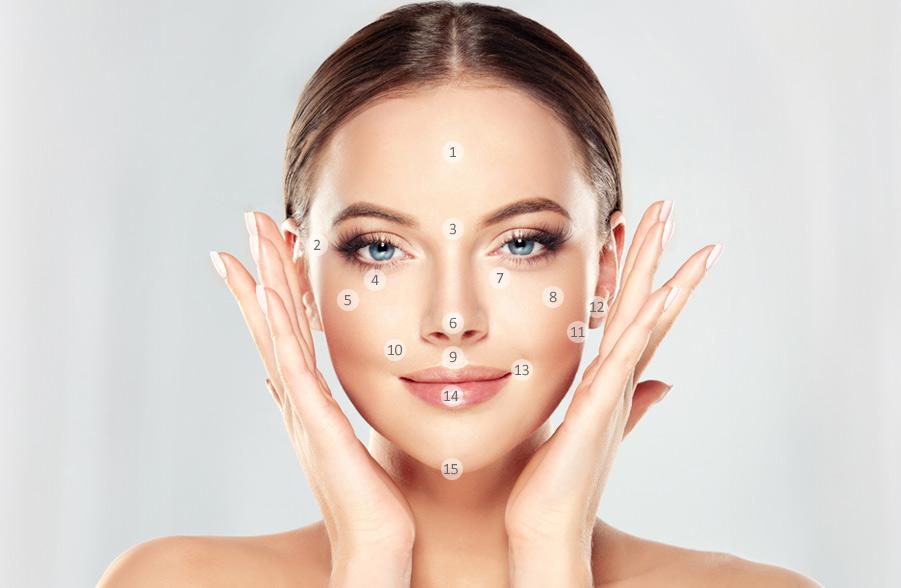
Chin filler is a straightforward, non-surgical procedure where injectable gels are placed in the chin and jaw area. These fillers instantly add volume and improve projection, resulting in a more balanced facial profile. Treatments usually take 30–60 minutes and require little to no downtime, with immediate visible results.
Chin filler does more than just add bulk. Because the chin anchors the lower face, increasing its prominence can create the illusion of a longer, more balanced face and even lift the jaw and neck a bit. Just one well-placed injection can make jowls or mild sagging look less noticeable by giving better support to underlying tissues. This indirect lifting effect often allows for a more sculpted profile without extensive treatments elsewhere.
A Comparative Analysis of Dermal Filler Types
The two most common dermal fillers for chin and jawline enhancement are Hyaluronic Acid (HA) and Calcium Hydroxylapatite (CaHA) types.
-
Hyaluronic Acid (HA) Fillers: Found in popular brands like Juvederm and Restylane, HA attracts water to plump the skin. These fillers are considered very safe and can be dissolved instantly if adjustments are needed. They typically last 6–18 months and many contain a numbing agent for comfort.
-
Calcium Hydroxylapatite (CaHA) Fillers: Brands like Radiesse offer a denser, longer-lasting filler, often lasting up to two years. CaHA stimulates natural collagen growth, enhancing results over time. However, CaHA fillers cannot be reversed and require waiting for natural breakdown if dissatisfied.
-
Other Types: For those wanting even longer effects, Poly-L-lactic Acid (PLLA) fillers like Sculptra build collagen steadily over months. PMMA fillers (e.g., Bellafill) are semi-permanent or permanent and should be considered carefully because they are also not reversible.
Here’s how the main options compare:
| Filler Type | Longevity | Reversibility | Primary Mechanism | Common Brands |
|---|---|---|---|---|
| Hyaluronic Acid (HA) | 6–18 months | Yes (enzyme) | Adds volume & hydration | Juvederm, Restylane |
| Calcium Hydroxylapatite | Up to 2 years | No | Adds volume, collagen boost | Radiesse |
| Poly-L-lactic Acid (PLLA) | More than 2 years | No | Collagen stimulation | Sculptra |
Which Are the Best Clinics in Korea for Jawline Definition?
Listed below are some of the best clinics in Korea for jawline definition.
1. Hev Clinic
You may consider Hev Clinic for jawline definition if you want a dermatologist-led, non-surgical plan that can combine deeper lifting treatments such as Ultherapy or HIFU with Botox, fillers, or contour-focused regenerative approaches according to your facial structure and skin assessment.
- URL: Hev Clinic Website
- Location: Gangnam-gu, Seoul
- Jawline-focused options:
- Ultherapy and HIFU can target deeper lower-face and under-chin layers to support gradual lifting and contour refinement.
- Botox may be used to relax targeted jaw muscles, while hyaluronic acid fillers can add or refine jawline contour when volume or structure is a concern.
- Dr. Shin Ji-yeon also describes a customized non-surgical facial-contouring approach that combines reduction of unwanted contour fat with restoration of areas affected by volume loss or reduced elasticity.
- Planning and comfort:
- An AI skin-analysis system assesses factors including skin thickness and degree of aging to inform an individualized plan.
- The same attending board-certified dermatologist oversees consultation, treatment, and aftercare.
- Non-sedation pain-control protocols, with cannula and needle techniques, are intended to allow real-time communication during injectable treatment.
2. BLS Main Branch
You can expect a device-based jawline-definition plan at BLS Main Branch that uses contour measurement and a one-to-one consultation to determine whether detailed radiofrequency tightening with InMode or Thermage, focused-ultrasound lifting with Ultherapy PRIME, or a tailored combination best matches your facial contours and skin condition.
- URL: BLS Main Branch Website
- Location: 13-5, Dosan-daero 67-gil, Gangnam-gu, Seoul, Republic of Korea
- Lifting approaches:
- Detail InMode uses radiofrequency-based energy for skin tightening and contour improvement in detailed facial areas.
- Detail Thermage uses monopolar radiofrequency across broader facial zones to support collagen remodeling and firmer-looking skin.
- Detail Ultherapy PRIME uses focused ultrasound with mapping intended to address selected contours and treatment depths.
- Individualized planning:
- A lifting-contour measuring device is used to assess facial contours, guide targeted planning, and track contour changes.
- Skin measurement and a 1:1 consultation consider your skin condition, facial structure, concerns, and treatment sequence.
- Comfort options:
- Depending on the procedure, options include topical numbing cream and vibration-based pain reduction.
- Conscious sedation and general anesthesia are listed comfort options for treatments requiring greater pain control and monitoring.
3. Muse Clinic - Myeongdong
You may consider Muse Clinic - Myeongdong for jawline definition if you want access to several nonsurgical contouring options, including chin Botox for jaw-muscle reduction, V Injection and contour injections for facial fat-focused treatment, the combined Double Jaw Injection, and thread or energy-based lifting options.
- URL: Muse Clinic - Myeongdong Website
- Location: Jongno-gu, Seoul
- Jawline treatments:
- Chin Botox is offered to slim the jawline by reducing jaw-muscle activity.
- V Injection is intended to support a V-line facial appearance through fat-decomposition treatment.
- The NEW Double Jaw Injection combines chin Botox, a tightening injection, and V Injection.
- Contour Injection is offered for unwanted facial skin or fat, and thread lifting is listed as an option intended to support facial elasticity through collagen activation.
- Treatment considerations:
- Muse Clinic states that it uses genuine products in correct quantities and discards excess facial filler rather than using it for retouches.
- A consultation can help determine whether muscle-focused Botox, injectable contouring, thread lifting, or a device-based lifting option such as Focus Dual or Duet Thermage is appropriate for your goals.
The Medical Tourist's Journey in South Korea
Why South Korea? The Allure of a K-Beauty Destination
South Korea attracts hundreds of thousands of aesthetic patients every year, offering fast, safe, and sophisticated cosmetic care. The nation’s K-beauty ethos is all about balance and natural-looking enhancements; clinics often blend multiple non-surgical procedures for the most harmonious result. Treatment plans are individualized and technology-driven, making South Korea a top choice for those seeking high standards at reasonably lower prices.
A Patient's Step-by-Step Guide for Chin Filler
-
Initial Consultation: You’ll undergo a comprehensive, in-person consultation, usually including detailed facial analysis using 2D or 3D imaging. Medical history and desired outcomes are reviewed, and fillers are selected based on your needs.
-
Pre-Procedure Preparation: The treatment area is cleaned and numbing cream is applied for about 20–30 minutes. Clinics typically advise skipping blood thinners or alcohol beforehand.
-
The Injection Procedure: The process itself usually takes 30–60 minutes. Using a fine needle or blunt cannula, the practitioner injects filler into targeted spots in the chin and along the jaw. Most patients need 1–2 syringes (1.0–2.0cc) for effective chin augmentation.
-
Aftercare and Recovery: Chin filler’s minimal downtime is one of its biggest perks. Swelling, redness, or tenderness may occur but usually subside quickly. Many clinics offer advanced aftercare, including follow-ups or supplementary therapies to optimize healing.
The Financial Landscape: A Comparative Analysis
Decoding the Cost of Chin Fillers in South Korea
The cost of chin fillers can range widely depending on filler type, clinic reputation, and provider skill. In Seoul, expect to pay anywhere from $200 to $2,000 USD per syringe. Lower prices usually reflect promotions or certain filler brands, while premium rates are tied to clinics in high-end districts and experienced injectors. The final price depends on both the product and who is administering it.
A Global Perspective: Cost Comparison for the Discerning Medical Tourist
For anyone shopping worldwide, South Korea presents notable savings without sacrificing quality. Local factors like a lower cost of living and a highly competitive market allow for world-class procedures at a fraction of the US price.
Here’s a breakdown of typical chin filler prices by country:
| Country | Cost Range (USD) per Syringe/Session | Contextual Notes |
|---|---|---|
| South Korea | $200–$2,000 | Highly competitive due to procedure volume & market demand |
| United States | $500–$1,200 | Higher due to labor & operational costs; jawline fillers $1,000+ |
| Mexico | $720–$1,800 | 30–50% savings vs. US; strong medical tourism infrastructure |
The Patient Experience and Real-World Outcomes
Before & After: The Transformative Effect of Chin Fillers
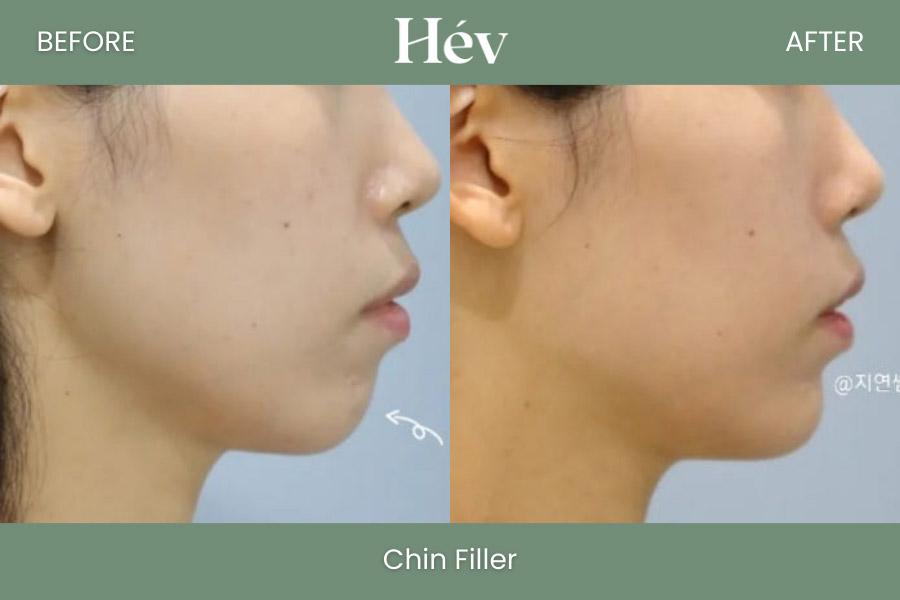
Patients frequently describe chin filler results as life-changing. Many notice an immediate, yet naturally enhanced, elongation and sharpening of the face. As any initial swelling fades, the new definition becomes even more apparent. Some clients liken the effect to a “mini-facelift,” reporting smoother skin and tighter jaw contours.
Psychological benefits are just as significant. Many patients say the procedure boosted their self-confidence and made them feel more authentically themselves. Most praise the subtlety—it’s an enhancement that’s noticeable but not obviously “done,” fitting well with the trend toward natural beauty.
Managing Expectations: Subtlety vs. Dramatic Change
Success with chin filler is largely about meeting realistic expectations. The goal is graceful facial harmony—not an extreme or artificial look. Because most fillers aren’t permanent, maintenance every 6–24 months is expected. This flexibility means you can fine-tune your look as desired, making chin filler an evolving part of your personal aesthetics, not a one-off transformation.
Due Diligence and Mitigating Risks
Potential Complications and Side Effects
Chin filler comes with low risk when performed correctly. Most side effects are mild—swelling, redness, or bruising—resolving in days. On rare occasions, temporary lumps or migration may occur. Serious complications, such as infection or tissue damage, are exceptionally rare and usually linked to poor technique or unsafe products. Always seek a qualified, board-certified injector to minimize risks.
The Shadow of "Ghost Doctors"
“Ghost doctor” incidents—where unqualified staff perform procedures unbeknownst to patients—remain a concern in South Korea’s booming cosmetic scene. Following tragic incidents and public outcry, government regulations now require security cameras in operating rooms. Still, patients should stay vigilant and verify their provider personally to ensure their safety.
The Patient's Checklist for a Safe Experience
To maximize safety and satisfaction, follow this advice:
- Verify Credentials: Ensure your practitioner is board-certified and well-experienced in chin filler.
- In-Person Confirmation: The consultant should be the actual injector; confirm you’ll see the same person on procedure day.
- Transparent Communication: Clearly discuss costs, product types, aftercare, and procedural safety measures.
- Check Reviews and References: Read feedback, examine before-and-after photos, and look into clinic reputation before committing.
Conclusion: An Informed Path to a Defined Profile
Chin filler offers a minimally invasive option for jawline enhancement, especially for medical tourists heading to South Korea. With careful planning and due diligence, patients can enjoy safe, natural-looking results at a competitive price. Educating yourself and thoroughly researching providers are key steps on the journey to a confident, sculpted profile.
References
1, 2, 3, 4, 5, 6, 7, 8, 9, 10, 11, 12, 13, 14, 15, 16, 17, 18, 19, 20, 21, 22, 23, 24, 25, 26, 27, 28, 29, 30, 31, 32, 33, 34
Frequently Asked Questions
Related Blogs
Erase Horizontal Forehead Lines with Forehead Filler: Advanced Treatments in Korea
Discover how Korea leads in treating horizontal forehead lines with advanced dermal fillers and Botox. This article explores the causes of static wrinkles, treatment options like hyaluronic acid, CaHA, and PLLA fillers, and the importance of expert practitioners in Korea’s top clinics. Learn about the procedure steps, safety considerations, and how Korea’s affordable, high-quality medical tourism
Updated: Oct 11, 2026
Bony Hands Solutions: Hand Filler Procedures in Korea for Fuller, Youthful-Looking Hands
Discover effective solutions for "bony hands" and veiny hand aging with Korea’s leading hand filler procedures. From hyaluronic acid fillers like Restylane to biostimulatory options such as Radiesse and Sculptra, Korea offers expert treatments to restore youthful volume. Enjoy short, minimally invasive treatments with immediate results, performed by certified Korean surgeons in a patient-focused m
Updated: Oct 10, 2026
Neck Wrinkles Solutions: Neck Filler Procedures in Korea for Smoother, Youthful Skin
Discover how Korea leads in neck wrinkle treatments with advanced Neck Filler procedures like hyaluronic acid, calcium hydroxylapatite, and poly-L-lactic acid. This comprehensive guide explores causes of neck aging, treatment techniques, costs, and patient experiences in Korea—a preferred medical tourism destination. Learn about Korea’s expert injectors, affordable pricing, and all-inclusive packa
Updated: Oct 8, 2026
Veiny Hands Solutions: Hand Filler Procedures in Korea for Smooth, Youthful-Looking Hands
Discover how Korea leads in hand rejuvenation treatments to reduce prominent veins and restore youthful hands. This blog covers the causes of veiny hands like aging and genetics, explains popular procedures such as hand fillers—including hyaluronic acid, Radiesse, and fat grafting—and highlights Korea’s affordable, high-quality care for medical tourists. Learn about the step-by-step process of get
Updated: Oct 8, 2026
Clinics offering Chin Filler

Haru Clinic Korea | Fully-Customized Full-Face Non-Surgical Rejuvenation With Threads, Botox & Fillers
Sinsa
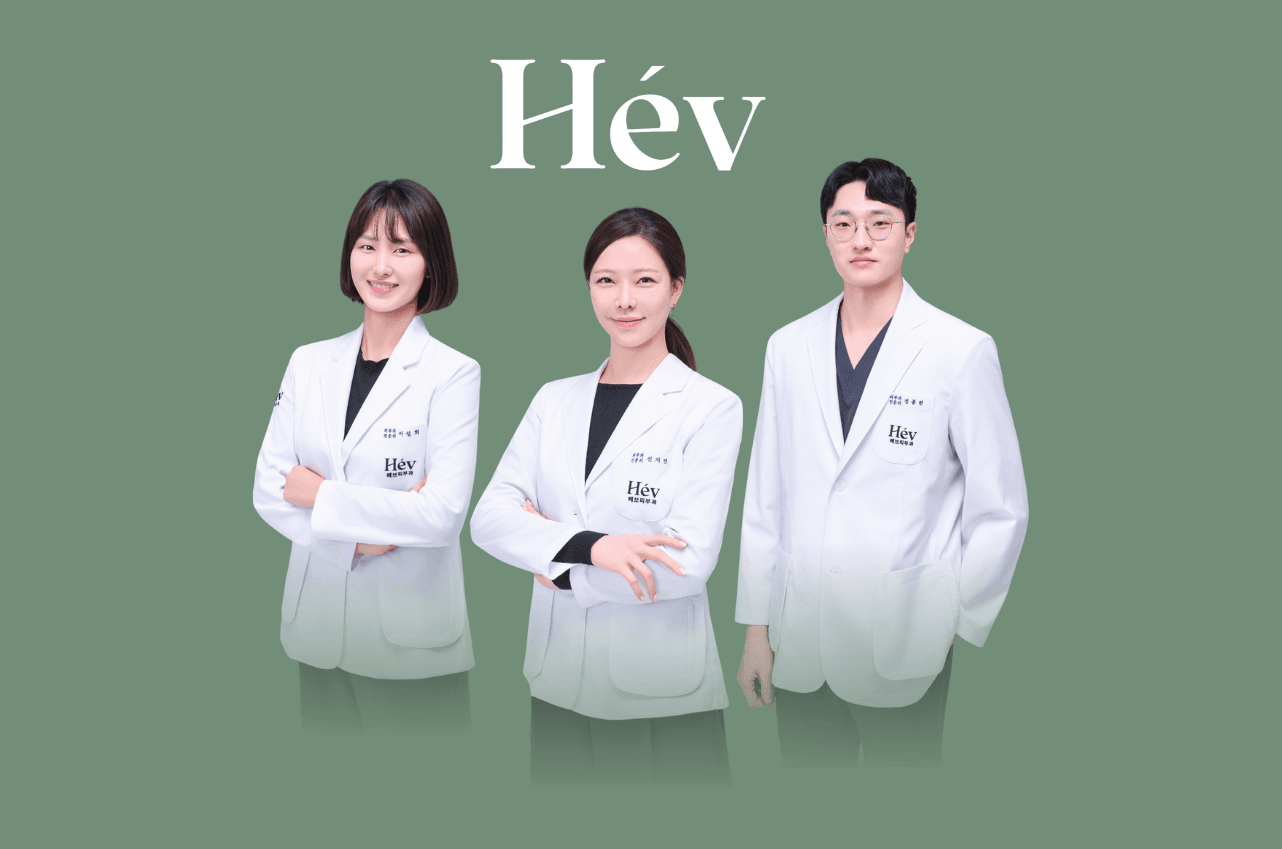
Hev Clinic Korea | Premium Sinsa Clinic for Skin, Laser & Injectables
Sinsa

Three Wishes Clinic - Myeongdong, Korea: Advanced Botox, Fillers, Laser, and Skin Treatments for Confidence and Care
Myeongdong

PangPang Clinic: Korea's Premier Thread Lifting and Skin Rejuvenation Specialist in Gangnam, Seoul
Sinsa