
Medical Tourism Blog
Fraxel Laser in Korea: Treatment Methods, Recovery, Risks and Travel Planning
Table of contents
- Fraxel Laser at a Glance
- What Is Fraxel Laser?
- Who Is a Good Candidate for Fraxel Laser?
- How Is Fraxel Laser Performed?
- Why Visit Korea for Fraxel Laser?
- Key Information for International Patients
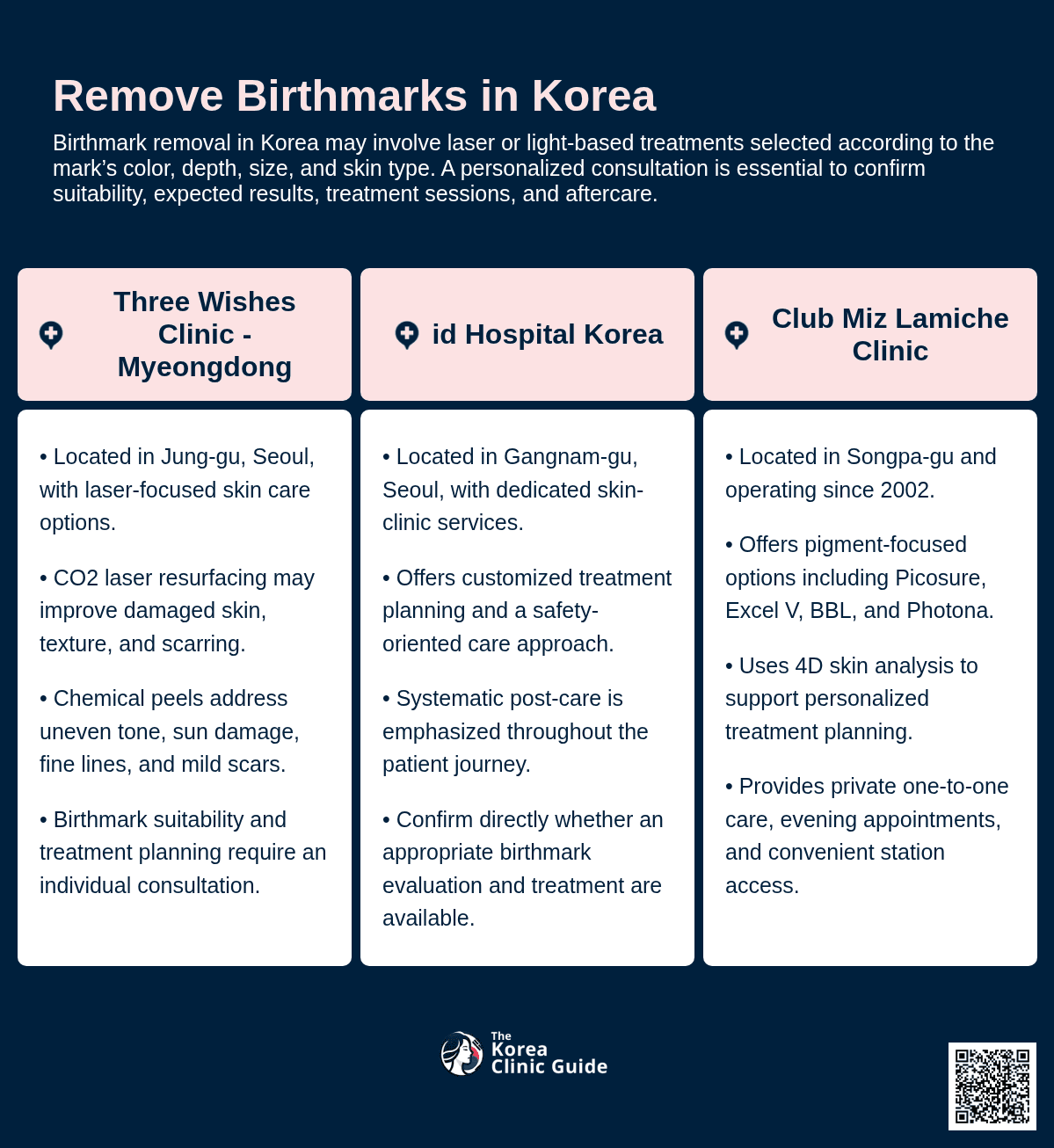
- Which Are the Best Clinics in Korea for Remove Birthmarks?
- Fraxel Laser From Start to Finish
- Alternatives to Fraxel Laser
- How Can I Prepare for Fraxel Laser?
- Aftercare Advice
Considering treatment in Korea? Everything you need to know e.g. — how to avoid scams, visas, interpreters, recovery tips — in our Medical Tourism Master Guide. Plan with confidence in minutes, not weeks!
Last updated: September 2026
Fraxel Laser at a Glance
- What it treats — Non-ablative Fraxel DUAL creates microscopic thermal zones to gradually improve rough texture, fine lines, photodamage, sun spots and selected depressed acne or surgical scars; it does not erase scars.
- Two wavelength options — The 1550-nm wavelength is generally used for deeper texture and scar remodeling, while 1927 nm targets more superficial pigment and photodamage; confirm the exact device and plan before booking.
- Recovery time — Heat, redness and mild-to-moderate swelling occur immediately, followed by dryness, flaking or a bronzed rough texture; visible recovery commonly takes about 5–10 days, with redness and swelling often settling within 7–10 days.
- Results and treatment course — Superficial pigment changes may appear after healing, but collagen-related scar and texture improvement takes weeks to months; scars and texture commonly require 3–5 sessions spaced at least 4 weeks apart.
- Pigment risk — People with melasma, prior post-inflammatory hyperpigmentation or Fitzpatrick IV–VI skin can be treated, but conservative settings, possible test spots and strict SPF 50 sun protection are important because higher treatment density raises PIH risk.
- Korea travel planning — Plan 3–5 days in Korea for an uncomplicated facial session, or 7–10 days if you want redness and flaking largely resolved before public activities; a full treatment series cannot usually fit into one trip.
- Korea-specific check — Use a Medical Korea-registered institution and request the treating clinician’s name, license status, exact device model, wavelengths and written treatment parameters, since “Fraxel” can refer to different lasers with different downtime and risks.
What Is Fraxel Laser?
Fraxel Laser is a brand of non-ablative fractional laser resurfacing that creates tiny controlled treatment zones in the skin. It addresses texture, fine lines, sun-related pigment changes, and selected depressed acne or surgical scars through gradual improvement rather than complete removal. It is a minimally invasive outpatient laser procedure, not surgery.
Who Is a Good Candidate for Fraxel Laser?
- Texture, fine lines and photodamage candidates — Adults seeking gradual improvement in rough texture, fine periocular lines, sun-related dyschromia, freckles or lentigines can be assessed for non-ablative fractional resurfacing.
- Atrophic scar candidates — Depressed acne scars and some surgical scars are common 1550-nm treatment targets. Improvement is gradual and incomplete; Fraxel does not erase scars.
- Pigment-conscious candidates — People with melasma, prior post-inflammatory hyperpigmentation (PIH), or Fitzpatrick IV–VI skin can be treated with conservative planning, strict photoprotection and sometimes a test area.
- Course-treatment candidates — Scars and texture usually need a series of roughly 3–5 sessions, commonly spaced at least four weeks apart, rather than one treatment during a short trip.
Postpone treatment for an active bacterial, viral or fungal infection, open wound, cold-sore outbreak, severe dermatitis, significant inflammatory acne, sunburn, fresh tan or self-tanner exposure. Pregnancy and breastfeeding generally warrant deferral of elective cosmetic laser treatment because safety data are limited. A keloid or hypertrophic-scar history, impaired healing, immune suppression, photosensitivity, allergy to topical anesthetic, current or recent isotretinoin use, and photosensitizing medicines require individual dermatology review. Scar anatomy also changes the plan: tethered rolling scars often need subcision, deep ice-pick scars can require focal treatment, and raised scars are not treated like atrophic scars. Higher treatment density increased PIH in a small study of skin types IV–VI, so skin of color requires particularly careful settings and follow-up.
How Is Fraxel Laser Performed?
Fraxel is a brand family, not one universal laser session. This article addresses non-ablative Fraxel DUAL-style treatment; confirm the exact device, wavelength, energy, density, passes and treatment area before booking. Fractional photothermolysis creates microscopic thermal zones while leaving surrounding skin untreated to support healing.
- 1550-nm erbium-glass resurfacing — This deeper non-ablative fractional approach is generally chosen for acne or surgical scars, texture, fine lines and broader resurfacing. The FDA-cleared indications include acne and surgical scars, periorbital wrinkles, dyschromia and melasma.
- 1927-nm thulium treatment — This relatively more superficial wavelength emphasizes epidermal pigment and photodamage, including freckles and lentigines. Melasma needs cautious framing: it is relapse-prone, and a systematic review found varied protocols, short follow-up and substantial bias concerns.
- Combined 1550/1927 treatment — A clinician can combine wavelengths when texture/scars and pigment/photoaging are both priorities. In a small prospective photodamage study, combined treatment produced measured improvement at three months after the final session; results cannot be assumed for every skin type or protocol.
- Individualized settings — Energy, density, coverage, cooling and a possible test spot are selected according to skin type, prior PIH, diagnosis, area and recovery tolerance. Higher settings are not automatically better.
Why Visit Korea for Fraxel Laser?
Korea has substantial international-patient dermatology infrastructure, which can make an outpatient laser visit practical for travelers. That access does not prove that Fraxel outcomes in Korea are superior to outcomes elsewhere. Choose the treating clinician and device plan, not a marketing label.
- Registered-provider verification — Use a medical institution registered to receive foreign patients through Medical Korea’s registration system, rather than relying only on a broker or social-media referral.
- Clinician accountability — Ask for the treating clinician’s name, Korean medical-license status, institution registration and written plan. Korea’s Medical Service Act defines licensed medical personnel; a promotional term such as “laser specialist” is not a substitute for checking credentials.
- Device-specific planning — Request the model name and confirm whether the clinic is proposing Fraxel DUAL 1550/1927 nm or another fractional laser. Similar-sounding devices and ablative Fraxel re:pair CO2 have different downtime and risk profiles.
- Useful documentation for travel — Obtain treatment parameters, photographs, aftercare instructions and a remote-follow-up plan in English so a dermatologist at home can understand what was done.
Key Information for International Patients
- Minimum stay — Plan 3–5 days for an uncomplicated facial session: treatment on day 1, time to confirm early redness and swelling are settling, and an optional review. This is a practical buffer, not an evidence-based mandatory stay.
- Stay for social recovery — Book 7–10 days when visible redness, dryness and flaking need to be largely resolved before public events. In a dual-wavelength study, erythema and edema resolved within 7–10 days, although dryness and flaking could remain at one week.
- Flight timing — No procedure-specific evidence establishes a mandatory no-fly interval after non-ablative Fraxel. Delay departure and seek clinic review for marked swelling, infection, significant pain, sedating medication use or any complication.
- Repeat visits — A full scar or texture course cannot normally be compressed into one trip because sessions are commonly about four weeks apart. Arrange later sessions locally or return to Korea only if this fits the treatment plan.
- Itinerary restrictions — Avoid beaches, hiking in strong sun, sauna visits, hot springs, hot tubs and strenuous workouts around the appointment. Redness and rough bronzing can be conspicuous for several days.
- Remote follow-up — Arrange a check at about one week and again at one to three months. Send consistent, well-lit photographs and seek local in-person care promptly if warning signs develop.
Travel note: Bring a wide-brimmed hat, sunglasses and clinician-approved bland skincare. Private, sun-protected transport is helpful after treatment; a companion is optional with topical anesthetic alone but sensible when sedation, anxiety or language support is involved.
Which Are the Best Clinics in Korea for Remove Birthmarks?
Listed below are some of the best clinics in Korea for remove birthmarks.
1. Three Wishes Clinic - Myeongdong
For birthmark removal, you can discuss whether Three Wishes Clinic - Myeongdong’s laser-based skin care options are appropriate for your specific mark and skin goals. The available information lists CO2 laser resurfacing for skin texture, wrinkles, and acne scars, but does not specify a dedicated birthmark-removal protocol, so suitability, expected results, and treatment planning should be assessed individually.
- URL: Three Wishes Clinic - Myeongdong Website
- Location: Jung-gu, Seoul
- Relevant skin treatments:
- CO2 laser resurfacing removes damaged skin layers and stimulates collagen production; it is listed for wrinkles, acne scars, and overall skin-texture improvement.
- Chemical peels are offered for uneven tone, sun damage, fine lines, and mild scars.
- Customized skin care treatments include cleansing, hydration, and maintenance facials.
- Other available services: The clinic also offers laser hair removal, PDT acne treatment, Shurink ultrasound lifting, Rejuran Healer injections, and minimally invasive aesthetic procedures such as Botox, fillers, thread lifting, and fat-dissolving injections.
2. id Hospital Korea
At id Hospital Korea, you can seek care from a clinic focused on facial treatments, with a stated emphasis on customized planning, patient safety-oriented treatment, and systematic post-care. Birthmark-removal methods are not specified in the provided information, so you should confirm whether its skin clinic offers an appropriate evaluation and treatment option for your particular birthmark.
- URL: id Hospital Korea Website
- Location: Gangnam-gu, Seoul
- Available care areas:
- The clinic lists a skin clinic and petit plastic surgery among its treatment areas.
- Additional listed services include facial contouring, orthognathic surgery, eye and nose plastic surgery, breast surgery, lifting, and dentistry.
- Care approach: The clinic describes its plastic-surgery planning as customized and its treatment approach as safety-oriented, with systematic post-care.
3. Club Miz Lamiche Clinic
For a birthmark or other pigment concern, Club Miz Lamiche Clinic offers several pigment-focused laser and light-based options, including Picosure, Excel V, BBL, Mela Star Ruby, Revlight, Elite MPX, and Photona. You can expect a personalized assessment in a private treatment room, supported by 4D skin analysis, to determine which approach may fit the color and characteristics of your skin concern.
- URL: Club Miz Lamiche Clinic Website
- Location: Songpa-gu, Seoul
- Pigment-focused options:
- Listed pigmentation and redness treatments include Excel V, Synergy, Picosure, SilpermX, New Accolade, and BBL.
- Additional melanin-focused and complexion-brightening options include Mela Star Ruby, Revlight, Elite MPX, and Photona.
- Personalized treatment setting:
- Treatments are described as one-to-one customized care in individual private treatment rooms.
- The clinic uses 4D skin analysis technology to support treatment planning.
- Clinic access and hours:
- The clinic has operated since 2002 and cites 22 years of clinical experience.
- Evening hours are available on Monday, Wednesday, and Friday, and the clinic is open on Saturdays.
- It is a 5–7 minute walk from Jamsilsaenae Station on Line 2 and Sports Complex Station on Line 9.
Fraxel Laser From Start to Finish
- Virtual screening and quotation — Send unfiltered daylight photographs, treatment goals, duration of the concern, previous procedures, cold-sore history, melasma/PIH history, allergies and a full medication/supplement list. Request English communication where needed and ask for the exact device and written wavelength plan.
- Travel coordination — Schedule treatment early in the trip, keep the following days flexible and avoid sun-heavy activities. Confirm the clinic’s contact route for English-language questions after departure.
- In-person assessment — The clinician examines the skin, checks for infection, irritation or recent tanning, confirms the target diagnosis, discusses limitations and alternatives, and takes standardized photographs. A changing, bleeding, painful or irregular lesion needs dermatologic assessment rather than cosmetic laser treatment.
- Treatment planning — The clinician chooses 1550 nm, 1927 nm or both, and individualizes energy, density, coverage and passes. Pigment-prone skin may require conservative settings or a test area.
- Numbing and protection — The skin is cleansed; topical anesthetic and cooling are commonly used. Eye protection is mandatory. General anesthesia, admission, fasting and routine blood tests are not ordinarily needed for straightforward facial treatment.
- Laser session — The handpiece is passed across the agreed area. Heat, prickling and stinging are expected sensations. Duration depends on the area and whether one or both wavelengths are used.
- Immediate recovery and discharge — Cooling and a bland barrier product may be applied. This is normally an outpatient procedure, with heat, redness and mild-to-moderate swelling immediately afterward, followed by dryness, fine flaking or a bronzed rough texture.
- Records and remote review — Leave with the device/model, wavelength, energy, density, passes, treatment areas, topical anesthetic, prescribed medicines and written aftercare. Arrange remote review at approximately one week and again at one to three months.
Alternatives to Fraxel Laser
The best alternative depends on the actual problem: depressed scars, tethering, deep narrow scars, active acne, pigment disease and diffuse photoaging do not respond to the same treatment. More aggressive resurfacing can produce more change but has longer downtime and greater pigment and infection risk; less aggressive options can suit PIH-prone skin but often require multiple sessions or combination treatment.
Fractional CO2 Laser
- Best fit — Consider fractional CO2 laser for more aggressive scar resurfacing when a clinician judges that its greater ablative effect justifies longer recovery.
- Tradeoff — CO2 laser has materially longer downtime and higher risks of prolonged redness, infection and pigment change than non-ablative Fraxel.
RF Microneedling
- Best fit — RF microneedling can be an option for acne scars and texture when limiting epidermal laser exposure is a priority.
- Evidence limit — A small randomized comparison of 1550-nm laser and RF microneedling studied neck aging, not acne scars, so it does not establish a universal winner for scar treatment.
Subcision and Focal Scar Treatment
- Best fit — Acne scar treatment using subcision, sometimes with filler, more directly treats tethered rolling scars; TCA CROSS or focal scar surgery can better suit narrow, deep ice-pick scars.
- Tradeoff — These techniques target scar structure rather than broad pigment or surface texture and are often combined with resurfacing.
Pico-Fractional Laser
- Best fit — Pico Fraxel is a fractional picosecond approach for selected pigment, texture and scar concerns with a different injury profile.
- Tradeoff — Diagnosis, skin type and PIH history determine suitability; direct comparisons with Fraxel DUAL remain limited.
Pigment-Focused Treatment
- Best fit — Pigmentation treatment, laser toning or chemical peeling can be more appropriate for selected dyschromia or melasma.
- Tradeoff — Melasma is chronic and relapse-prone. Treat active acne first when it continues to create inflammation and new scars.
How Can I Prepare for Fraxel Laser?
- Confirm the machine and plan — Ask for the device model, wavelength(s), area, intended goals and whether the proposed treatment is non-ablative Fraxel DUAL rather than ablative CO2 resurfacing.
- Avoid tanning for about four weeks — Avoid deliberate sun, tanning beds and self-tanner before treatment where feasible. Report any sunburn or fresh tan; treatment should be deferred until the skin is assessed and settled.
- Pause irritating skincare only as directed — Manufacturer-style guidance commonly calls for avoiding retinoids such as tretinoin, adapalene and retinol for at least two weeks before and during treatment. Disclose benzoyl peroxide, glycolic/salicylic/lactic acids, exfoliants, recent peels, waxing and depilatories for an individualized pause schedule.
- Disclose medicines and supplements — Provide all prescriptions and non-prescription products, including isotretinoin, corticosteroids, doxycycline/minocycline, anticoagulants, antiplatelets, immunosuppressants, photosensitizers, herbal products and high-dose vitamins. Do not independently stop aspirin, anticoagulants or any prescribed medicine.
- Discuss cold-sore prevention — Report any facial or genital HSV history, even remote episodes. The clinician can decide whether valacyclovir, acyclovir or famciclovir prophylaxis is appropriate.
- Plan food, alcohol and smoking — Fasting is generally unnecessary with topical anesthetic. Avoid alcohol for at least 24 hours before and after when the clinic directs it, especially if flushing, swelling or sedating medicine is relevant. Avoid smoking and vaping because they impair skin healing.
- Arrange practical recovery — Bring a hat, sunglasses and gentle approved skincare. Do not drive after sedating medication; arrange a companion when sedation, extensive treatment, fainting history or language support is relevant.
Travel note: Schedule the session near the start of the trip and choose accommodation that makes sun avoidance and a low-activity recovery period realistic.
Confirm the treating doctor’s clinic-specific medication, skincare, transport and fasting requirements; individualized instructions take precedence over this general guidance.
Aftercare Advice
Protect the healing skin from heat, friction, irritants and ultraviolet light; do not treat Fraxel recovery as ordinary skincare downtime.
- Cleanse and moisturize gently — Use only the clinician-approved bland cleanser and moisturizer or barrier product. Do not scrub, exfoliate, pick flakes or use retinoids and acids until the clinician confirms that the skin barrier has recovered.
- Control heat and activity for about 48 hours — Avoid strenuous exercise, sauna, steam rooms, hot tubs and other heat exposure unless the treating clinician gives a different timeline.
- Use strict sun protection — Apply broad-spectrum SPF 50 sunscreen as directed and use a hat and shade. This is essential for preventing PIH and for melasma management throughout the treatment course.
- Follow makeup and contact instructions — Clinics differ on when makeup is permitted. Avoid makeup, rubbing and non-approved products if skin is raw, eroded or unusually irritated.
- Know urgent warning signs — Contact the clinic promptly for worsening pain, expanding redness or warmth, pus, blisters, fever, marked swelling, eye symptoms, a cold-sore eruption, widespread rash or severe/persistent pigment change. Fractional laser complications can include HSV reactivation, bacterial infection, dermatitis, prolonged erythema and pigment alteration.
- Assess results at the right time — Redness and swelling commonly settle within 7–10 days, while dryness and flaking can persist at one week. Superficial pigment change can show after healing; collagen-related scar and texture improvement is judged over weeks to months, with greatest measured improvement at three months after the final treatment in one dual-wavelength study.
Follow the treating doctor’s instructions over general advice, attend arranged remote reviews, and contact the clinic when anything appears wrong.
Frequently Asked Questions
Related Blogs
Effective Acne Treatment for Back Acne in Korea: Clear Skin Solutions
Discover how Korea leads in advanced back acne (bacne) treatment with innovative procedures like laser therapy, chemical peels, microneedling, and IPL. This comprehensive guide explores treatment options, costs, and what medical tourists can expect when seeking acne care in Korea. Learn about personalized plans from top Korean dermatology clinics, the benefits of affordable, high-tech solutions, a
Updated: Nov 1, 2026
Effective Acne Treatment for Active Acne Breakouts in Korea: Clear Skin Solutions
Discover how Korea leads in effective, affordable treatment for active acne, including inflamed papules and pustules. This comprehensive guide explores advanced procedures like laser therapy, chemical peels, and topical and oral medications, highlighting Korea’s top dermatology clinics specializing in acne vulgaris. Learn how medical tourism in Korea offers patients expert care, cutting-edge techn
Updated: Nov 1, 2026
Effective Skin Whitening Treatment for Postpartum Pigmentation in Korea: Restore Your Radiant Skin Today
Discover effective solutions for postpartum pigmentation in Korea, including laser therapies, chemical peels, microneedling, and glutathione injections. This comprehensive guide highlights Korean expertise in skin whitening procedures, safe treatment options, costs, and patient outcomes. Whether addressing melasma, darkened areolas, or linea nigra, Korea offers advanced, affordable treatments mana
Updated: Oct 31, 2026

Effective Peeling Treatments for T-Zone Blackheads in Korea: Clear Skin Solutions
Discover how Korea leads in treating T-zone blackheads and clogged nose comedones through advanced peeling procedures like chemical peels, microdermabrasion, and laser treatments. This comprehensive guide highlights the benefits of professional skincare in Korea, detailing costs, patient experiences, and the medical tourism process. Learn why Korea is top destination for effective, affordable blac
Updated: Oct 31, 2026
Clinics offering Fraxel Laser

Three Wishes Clinic - Myeongdong, Korea: Advanced Botox, Fillers, Laser, and Skin Treatments for Confidence and Care
Myeongdong
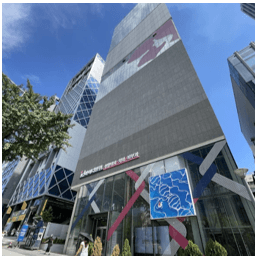
ID Hospital - Main Branch in Korea: Specializing in Safe & Customized Facial Plastic Surgery and Post-Care Services
Sinsa

Club Miz Lamiche Clinic: Leading Korean Aesthetic Medicine with Personalized 1:1 Treatments and Advanced 4D Skin Analysis Technology
Jamsil

Cheongdam Oracle Dermatology & Plastic Surgery Clinic in Korea: Offering Advanced Skin, Anti-Aging, Body Contouring Treatments and More
Seolleung