
Medical Tourism Blog
Double Chin Tightening in Korea: Methods, Recovery, Results and Travel Planning
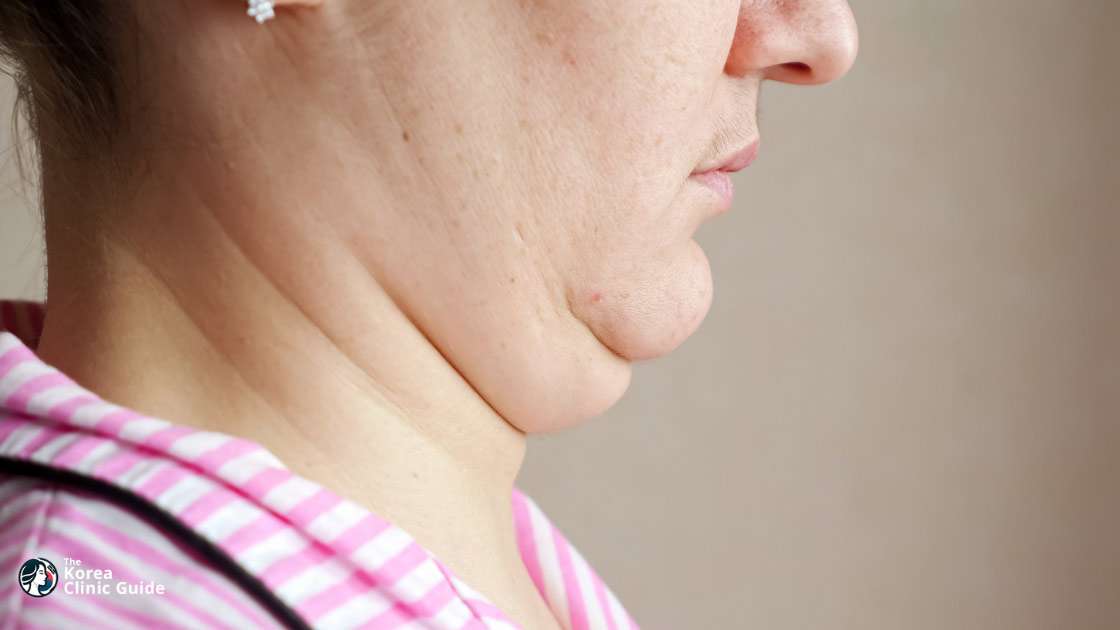
Table of contents
- Double Chin Tightening at a Glance
- What Is Double Chin Tightening?
- Who Is a Good Candidate for Double Chin Tightening?
- How Is Double Chin Tightening Performed?
- Why Visit Korea for Double Chin Tightening?
- Key Information for International Patients
- Which Are the Best Clinics in Korea for Double Chin Tightening?
- Double Chin Tightening From Start to Finish
- Alternatives to Double Chin Tightening
- How Can I Prepare for Double Chin Tightening?
- Aftercare Advice
Considering treatment in Korea? Everything you need to know e.g. — how to avoid scams, visas, interpreters, recovery tips — in our Medical Tourism Master Guide. Plan with confidence in minutes, not weeks!
Last updated: August 2026
Double Chin Tightening at a Glance
- What it is — A non-surgical umbrella term for external microfocused ultrasound/HIFU and/or radiofrequency that heat tissue beneath the chin to stimulate gradual collagen remodeling; it is not one standardized procedure or a fat-removal surgery.
- Best candidates — Best suited to mild-to-moderate loose skin under the chin or upper neck at a stable weight. A large fat pad, marked hanging skin, platysma bands, major jowling, or a retruded chin usually needs a different approach.
- Recovery — Treatment commonly takes 30–90 minutes and usually allows same-day discharge. Redness, swelling, tenderness, tingling, or temporary numbness generally improve within hours to several days.
- Results and repeat visits — Contour changes are gradual: reassess at 8–12 weeks, with collagen remodeling developing over about 2–3 months and potentially continuing for 6–12 months. RF may require multiple sessions, while one ultrasound session is common for selected patients.
- Travel planning — Plan 2–3 days in Korea for consultation, treatment, and access to an early review if needed; flying the next day is usually practical after an uncomplicated non-sedated treatment, although no universal flight restriction exists.
- Korea-specific check — Korean clinics may offer international intake and short-stay scheduling, but Korea itself has not been shown to produce superior results. Confirm the exact named device and its MFDS-authorized intended use rather than booking an undefined “lifting” package.
- Important risk — Thermal treatment can rarely cause burns, blisters, prolonged numbness, contour irregularity, or temporary facial-nerve symptoms. Escalating pain, blistering, skin discoloration, rapidly increasing swelling, or an asymmetrical smile requires prompt in-person assessment.
What Is Double Chin Tightening?
Double chin tightening is a broad term for external energy treatments that use ultrasound or radiofrequency to firm loose skin beneath the chin. It aims to gradually improve mild-to-moderate submental laxity and create a more defined jawline and upper-neck contour. It is non-surgical, with no incisions, though results are typically subtler than surgical contouring.
Who Is a Good Candidate for Double Chin Tightening?
- Mild-to-moderate laxity — Good candidates have loose skin under the chin or in the upper neck that contributes to a soft jawline, without a large hanging skin excess.
- Stable contour and weight — People at a relatively stable weight are better able to judge whether skin laxity, rather than ongoing weight change, is driving submental fullness.
- Non-surgical goals — This treatment suits adults seeking gradual, subtle-to-moderate jawline and neck-skin improvement without an incision or extended social downtime.
- Intact treatment-area skin — The submental and upper-neck skin should be free of wounds, infection, sunburn, severe inflammation, and cystic acne.
Tightening alone is often a poor match for a large submental fat pad, marked hanging skin, prominent platysma bands, substantial jowling, salivary-gland prominence, or a retruded chin and low neck skeletal contour. A systematic review of microfocused ultrasound studies found poorer results with greater laxity and BMI above 30 kg/m². Defer elective treatment during pregnancy or breastfeeding because direct safety evidence is limited. Pacemakers, defibrillators, metal or mechanical implants in the energy path, existing filler or threads, prior neck surgery, altered sensation, bleeding disorders, and anticoagulant treatment require device-specific medical review; do not stop prescribed aspirin, clopidogrel, warfarin, apixaban, rivaroxaban, or other antithrombotic medicine independently.
How Is Double Chin Tightening Performed?
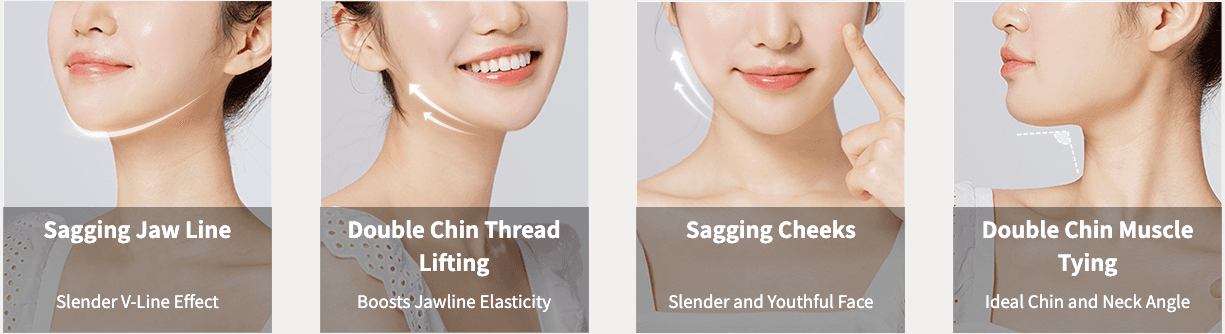
Double Chin Tightening is an umbrella term, not one standardized procedure. Ask for the exact device, modality, treatment depth, planned number of sessions, and whether the plan targets skin laxity, fat, or both.
- Microfocused ultrasound / HIFU — Focused ultrasound creates small thermal treatment points at selected tissue depths to stimulate collagen remodeling. A single session is common for mild-to-moderate laxity, followed by reassessment after results develop. Devices with real-time visualization enable the clinician to assess the tissue plane before delivering energy.
- Radiofrequency tightening — Monopolar, bipolar, fractionated, and temperature-controlled RF heat dermal and subdermal tissue. Handpiece design, temperature monitoring, number of passes, and session schedules differ substantially between platforms; there is no universal RF regimen for submental laxity.
- Combined energy protocols — Some clinics combine ultrasound and RF. Do not treat a package called “lifting” as a defined protocol: a 2025 combined electrical-stimulation and synchronized-RF study used four weekly treatments and only three months of follow-up, illustrating why branded schedules are not interchangeable.
- Fat-focused energy treatment — Some HIFU or microneedle-RF approaches are designed partly to reduce submental fat rather than primarily tighten skin. A Korean triple-layer HIFU study used 3.0-, 4.5-, and 6.0-mm transducers for moderate-to-severe submental fat, showing that depth selection and indication are device-specific.
Why Visit Korea for Double Chin Tightening?
South Korea has an established international aesthetic-care market and academic activity relevant to dermatology, plastic surgery, and facial anatomy. This can make international intake, translated communication, standardized photography, and short-stay scheduling easier to arrange. It does not prove that Korean treatment produces better safety, durability, or aesthetic outcomes than treatment elsewhere.
- Relevant clinical research — Korean investigators have contributed to HIFU studies in Asian patients and anatomy-informed treatment planning. A multinational 2025 study involving Korean investigators evaluated HIFU for submental-fat reduction, but it was not a comparison of Korean versus overseas outcomes.
- Device verification pathway — Korea’s Ministry of Food and Drug Safety regulates medical devices through notification, certification, or approval routes based on device class and product characteristics. Check the named device’s intended use and instructions for use through the MFDS medical-device framework, rather than relying on a clinic package name.
- Evidence limit — Available studies do not establish that receiving double-chin tightening in Korea is superior to receiving the same appropriately indicated treatment in another country. Choose based on the named device, clinician assessment, consent process, emergency access, and follow-up plan.
Key Information for International Patients
- Minimum stay — Plan 2–3 days for an external, non-sedated treatment: consultation and treatment on day 1, then local availability for an early review or urgent assessment. Extend the stay when combining procedures, using sedation, or managing a complication.
- Flight timing — There is no universal evidence-based flight restriction after uncomplicated external ultrasound or RF tightening. Flying the next day is usually practical when feeling well, but remain in Korea for at least 24–48 hours when possible.
- Immediate recovery — Same-day discharge is standard for a non-sedated external procedure. Redness, swelling, tenderness, tingling, numbness, or sensitivity usually settle within hours to several days; bruising can occur, especially with medicines or supplements that affect bleeding.
- Itinerary impact — Keep the first 24–48 hours flexible. Avoid strenuous exercise, saunas, hot baths, deliberate sun exposure, and aggressive massage while the area is hot, red, swollen, or tender.
- Companion and transport — A companion is not ordinarily required after non-sedated treatment. Arrange one and do not drive when oral or IV sedating medication is used.
- Remote follow-up — Arrange a message or photo check within 24–72 hours when swelling or pain is substantial, then a video or photo review at about 8–12 weeks. Keep the treatment record, consent form, aftercare instructions, and emergency contact for the clinician at home.
Travel note: Delay travel and obtain prompt local review for escalating pain, blisters, rapidly increasing swelling, skin discoloration, or a new asymmetrical smile or lip movement.
Which Are the Best Clinics in Korea for Double Chin Tightening?
Listed below are some of the best clinics in Korea for double chin tightening.
1. THEPLUS Plastic Surgery
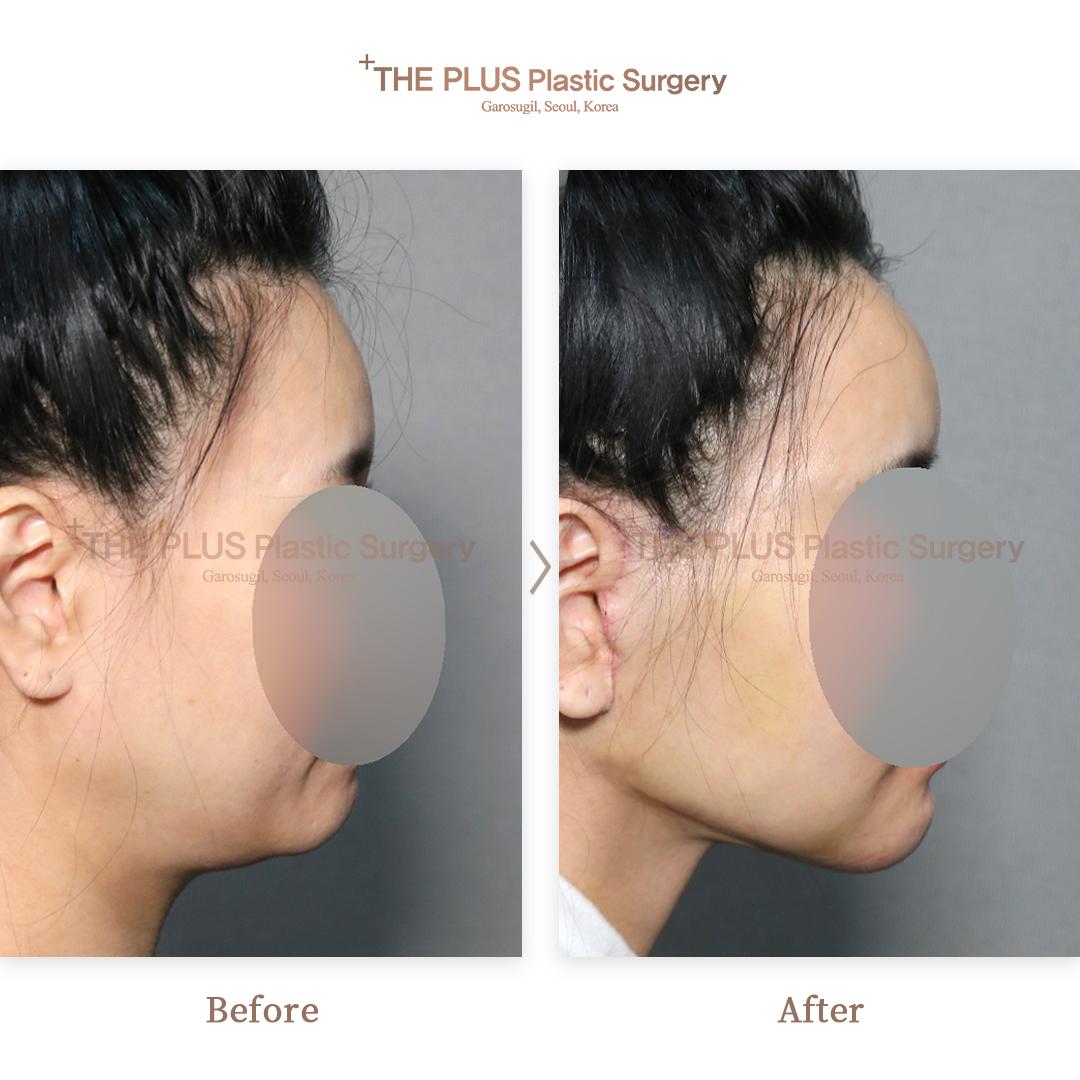
For double-chin tightening with a less invasive lifting approach, you may consider the clinic’s dissolvable thread lift, which is intended to improve mild facial sagging and create a more defined contour. Its facial-contouring practice also includes chin surgery and facial implants when your lower-face proportions, rather than laxity alone, are a central concern.
- URL: THEPLUS Plastic Surgery Website
- Location: Gangnam-gu, Seoul
- Relevant options:
- Thread lifting uses dissolvable threads to lift mild facial sagging with a less invasive approach than a full facelift.
- Facelift surgery is offered for lifting and repositioning sagging facial tissue.
- Chin surgery and facial implants are available to adjust chin projection and facial definition.
- Face fat grafting is offered to restore volume in areas of facial hollowness or flattening.
- Surgical expertise:
- Dr. Kim is a board-certified plastic surgeon whose stated areas of expertise include facial contouring; he has received research awards related to 3D implants and runs educational sessions for other plastic surgeons.
- Dr. Jeong is President of the Korean Society of Plastic Surgeons and regularly presents at professional conferences and educational sessions.
2. Made Young Plastic Surgery
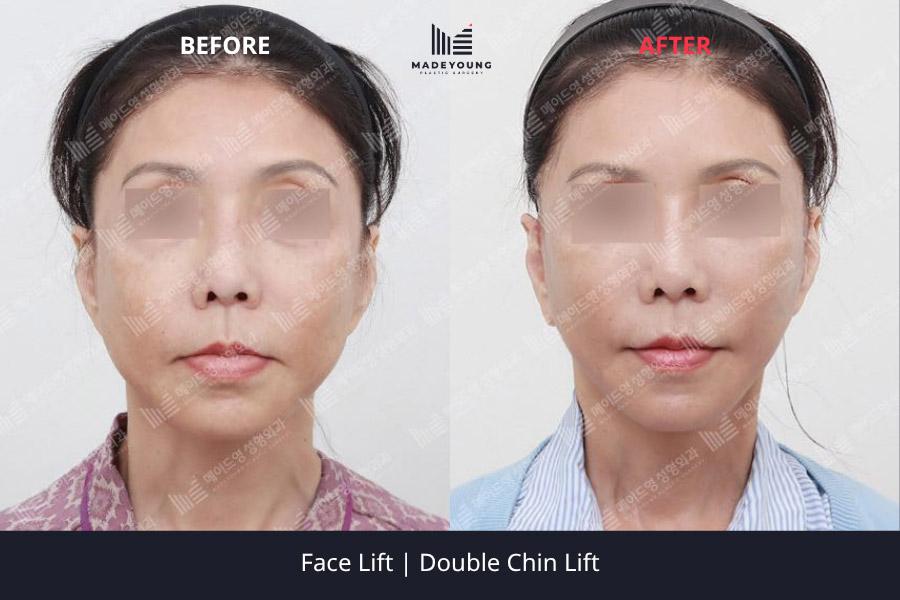
You may consider Made Young for double-chin tightening if you want assessment of lower-face and neck laxity alongside options that range from double-chin lift and neck lift surgery to liposuction, thread lifting, and ultrasound-based tightening. For surgical facial lifting, the clinic describes releasing stretched support beneath the SMAS, then lifting the skin, fat, and SMAS together and securing the tissues vertically opposite the direction of sagging.
- URL: Made Young Plastic Surgery Website
- Location: Seocho-gu, Seoul
- Double-chin and lifting options:
- Double Chin Lift is offered to reduce a double chin through liposuction or surgery for a more defined jawline.
- Neck Lift addresses loose neck skin and excess fat for a smoother neckline.
- Thread Lift uses temporary dissolvable threads to lift and tighten the skin.
- Shurink and Ultherapy use focused ultrasound for non-surgical lifting and tightening.
- Chin surgery, V-Line surgery, and jaw reduction are available when chin or jaw proportions are relevant to your goals.
- Surgical approach:
- The described facelift technique analyzes the causes and areas of sagging, dissects beneath the SMAS to release stretched supporting tissues, and lifts the skin, fat, and SMAS layer together.
- Lifted tissues are secured vertically, opposite the direction of sagging, with the stated aim of avoiding unnatural cheekbone accentuation.
- Care and monitoring:
- The medical team provides direct consultation and diagnosis before procedures.
- Full-time board-certified anesthesiologists are on site, with one anesthesiologist assigned to continuous monitoring of one person during procedures.
- The clinic describes a cross-check emergency response system, full CCTV coverage of procedures, and a dedicated aftercare center.
3. RINE Plastic Surgery Clinic
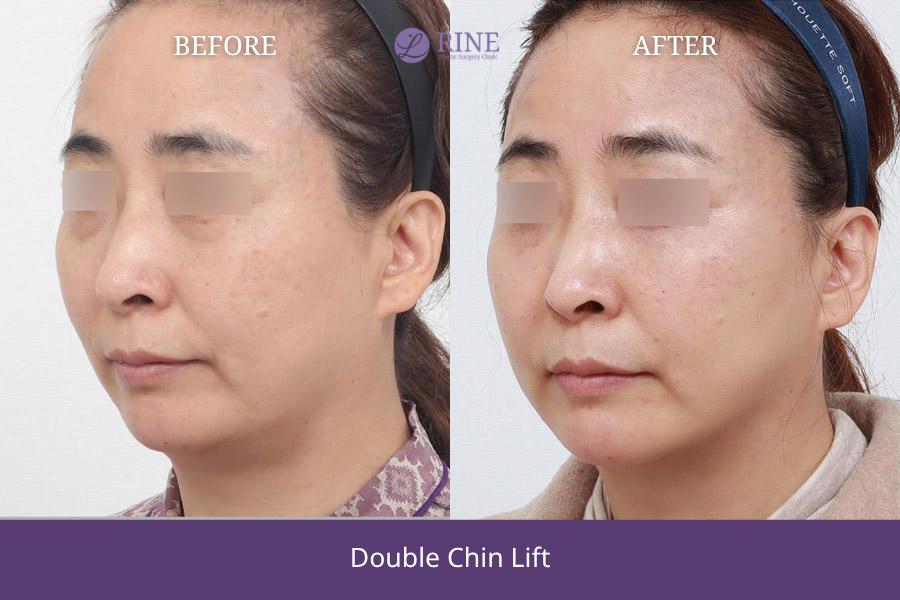
RINE’s double-chin lifting approach is designed to address submental fat, sagging fascia, and loose neck skin together. You can expect high-resolution ultrasound assessment of your fat, muscle, and soft tissue, followed by an anatomy-based plan that may combine liposuction, platysma muscle work, fascia fixation, SMAS tightening, and thread lifting to refine the jawline and neck contour.
- URL: RINE Plastic Surgery Clinic Website
- Location: Seocho-gu, Seoul
- Procedure details:
- [Double Chin Liposuction](/blog/double-chin-liposuction-korea) removes submental fat through small cannulas under local anesthesia to sharpen the jawline and improve the neck-to-chin profile.
- Double Chin Lift tightens loose neck skin and the platysma muscle when laxity cannot be adequately addressed with liposuction alone.
- The clinic describes tailoring fascia fixation, platysma muscle dissection, and SMAS tightening to your anatomical structure.
- Muscle binding and thread lifting may be combined with liposuction to correct jawline angle and neck-line proportions.
- Continuity of care:
- Board-certified plastic surgeon Director Jang Nam personally handles consultation, surgery, treatment, and recovery.
- The clinic describes one-to-one planning based on facial proportions, skin condition, and individual needs.
- Private one-person recovery rooms and a continuous aftercare system are available.
- Related facial-lifting services:
- SMAS face and neck lift is offered for more significant sagging in the cheeks, jawline, and neck.
- A minimally invasive facelift is available for moderate facial laxity using smaller incisions than a full lift.
- Thread lift is offered as a non-surgical option using absorbable threads for subtle tissue repositioning.
Double Chin Tightening From Start to Finish
- Remote consultation — Send unfiltered front, profile, and three-quarter photographs in neutral lighting. Request English-language or virtual consultation options, and disclose prior chin or neck surgery, filler, threads, implants, weight changes, allergies, medical conditions, medicines, and supplements.
- Treatment-plan confirmation — Confirm whether loose skin, fat, platysma muscle laxity, chin retrusion, or another anatomical feature is the main cause of the double-chin appearance. Ask for the exact device name, energy modality, treatment depth, expected session number, analgesia plan, and the clinician’s lower-jaw nerve-avoidance strategy before booking travel.
- In-person assessment — The clinician reviews medical history, examines and palpates the submental and upper-neck tissues, checks scars, implants, filler, skin quality, and sensation, and takes standardized photographs. Routine blood tests are not usually needed for a purely external non-sedated treatment, although relevant medical conditions or sedation can require clearance.
- Marking and comfort measures — Makeup is removed and the treatment zones are marked. Ultrasound gel or another coupling medium is applied; cooling, topical anesthetic, acetaminophen, or another clinician-approved comfort plan is selected according to the device and treatment intensity.
- Energy delivery — The clinician applies focused ultrasound or RF across planned zones under the chin, jawline, and sometimes upper neck. Heat, prickling, deep aching, or brief sharp sensations can occur. Treatment commonly lasts 30–90 minutes, depending on the device and areas treated.
- Discharge instructions — External ultrasound or RF treatment normally allows same-day discharge. Review expected redness, swelling, tenderness, tingling, and sensitivity, as well as the clinic’s emergency contact process before leaving.
- Recovery and result review — Assess early symptoms locally when needed, then reassess contour at 8–12 weeks. Collagen remodeling develops gradually over about 2–3 months and can continue for 6–12 months; do not schedule a repeat session until the initial tissue response is clear.
- Overseas follow-up — Send the agreed photographs and attend video review after returning home. Seek urgent in-person assessment rather than relying solely on remote advice for severe pain, blistering, facial weakness, trouble swallowing, or breathing symptoms.
Alternatives to Double Chin Tightening
The right alternative depends on whether the dominant problem is fat, skin excess, platysma muscle laxity, or chin-jaw proportion. Non-surgical choices usually offer less downtime but more gradual and limited contour change; surgery removes or repositions tissue more directly but involves incisions, anesthesia considerations, and longer recovery.
Submental Liposuction
- Best fit — Double chin liposuction addresses a clearly localized submental fat pad in people with reasonably elastic skin.
- Tradeoff — It removes fat rather than relying on collagen remodeling, but it is surgery and requires compression, incision care, and a longer recovery plan.
Fat-Dissolving Injection
- Best fit — Fat-dissolving injection targets submental fat rather than primarily loose skin.
- Tradeoff — Multiple sessions are commonly needed, and injection-site pain, edema, numbness, redness, and bruising are common.
Thread Lift
- Best fit — Double chin thread lift can offer a minimally invasive lifting approach for selected mild tissue descent.
- Tradeoff — Thread visibility, contour irregularity, infection, and temporary results are distinct risks; it is not equivalent to either surgical neck lifting or energy-based collagen remodeling.
Chin Augmentation
- Best fit — Chin filler or chin implant planning can improve profile balance when chin retrusion exaggerates the appearance of a double chin.
- Tradeoff — Augmentation changes projection rather than removing fat or correcting substantial loose neck skin.
Neck Lift
- Best fit — A neck lift, sometimes with platysma repair, is the more definitive option for major skin excess, platysma bands, jowls, and advanced neck aging.
- Tradeoff — It offers greater structural correction but involves surgery, incisions, anesthesia planning, and substantially longer recovery.
How Can I Prepare for Double Chin Tightening?
- Confirm the actual procedure — Obtain the exact device name, modality, treatment depth, target area, planned session count, and whether real-time ultrasound visualization will be used. Confirm the device’s Korean MFDS authorization or indication for the intended use.
- Disclose medicines and supplements — Provide a complete list including aspirin, clopidogrel, warfarin, apixaban, rivaroxaban, dabigatran, ibuprofen, naproxen, corticosteroids, isotretinoin, fish oil/omega-3, vitamin E, ginkgo, garlic, ginseng, and St John’s wort. Do not independently stop prescribed anticoagulants or antiplatelet medicines; the treating and prescribing clinicians must decide whether any change is appropriate.
- Protect the treatment area — Do not attend with active infection, open skin, severe acne, irritation, or sunburn under the chin or on the neck. Avoid deliberate tanning before treatment and arrive without makeup when the clinic requests it.
- Plan food and sedation — Fasting is usually unnecessary for an external treatment without sedation. Follow the facility’s written fasting instructions exactly when oral or IV sedation is planned.
- Reduce avoidable triggers — Avoid alcohol close to treatment when the clinician advises, especially where redness, swelling, bruising, or sedating medicine is relevant. Avoid smoking and vaping where possible because nicotine impairs healing.
- Arrange travel flexibly — Book accommodation near the treatment location for at least 24–48 hours after treatment, keep flights changeable where feasible, and arrange a companion and transport if sedation or combined procedures are planned.
Travel note: Bring prior procedure records when available, especially details of chin or neck filler, threads, implants, surgery, and device treatments.
Confirm clinic-specific requirements before treatment; the treating doctor’s individualized instructions take precedence over general guidance.
Aftercare Advice
Protect the treated skin, avoid excessive heat and pressure, and act promptly when symptoms are more severe than expected.
- Activity and heat — Resume light activity as tolerated. Avoid vigorous exercise, saunas, hot baths, and other flushing triggers for 24–48 hours when the area is red, hot, swollen, or tender.
- Skin care and contact — Use a gentle cleanser and bland moisturizer. Do not massage the area or use home energy devices unless the clinician approves; pause retinoids, strong acids, exfoliants, and abrasive treatments until the skin feels normal.
- Sun protection — Avoid deliberate sun exposure and apply broad-spectrum SPF 50 to exposed skin once the treatment area is intact and comfortable.
- Expected effects — Tenderness, redness, swelling, tingling, temporary numbness, and sensitivity commonly improve within hours to several days. Results are gradual: review at 8–12 weeks, with remodeling potentially continuing for 6–12 months.
- Warning signs — Contact the clinic urgently for worsening or severe pain, rapidly expanding swelling, blistering, skin whitening or dusky discoloration, pus, fever, persistent numbness, asymmetrical smile or lip movement, trouble swallowing, breathing difficulty, or new weakness.
Follow the treating doctor’s instructions over general advice and contact the clinic promptly when anything appears wrong.
Frequently Asked Questions
Related Blogs

Discover South Korea's Competitive Edge: Double Chin Tightening Cost Comparison Across Leading Countries
Discover the latest on double chin tightening procedures in Korea, exploring various techniques and their costs. Learn how these advanced treatments can help you achieve a more contoured facial profile while considering your budget.
Updated: Sep 25, 2026
Discover the Global Cost Breakdown for Chin Implants: Is Korea Your Best Bet?
Discover the affordability and quality of chin implants in Korea, a popular destination for cosmetic surgery. This article explores the average costs, factors influencing prices, and why Korea is a top choice for enhancing facial aesthetics.
Updated: Sep 25, 2026
Cheekbone Reduction in Korea: Methods, Recovery, Risks, and Travel Planning
Cheekbone reduction uses bone shaving, partial cuts, or L-shaped osteotomy with repositioning to narrow prominent zygomatic body or arch contours. In Korea, costs range from ₩5,500,000–₩18,000,000; international patients should plan 10–14 days locally for recovery and postoperative review.
Updated: Sep 20, 2026
Masseter Reduction in Korea: Candidacy, Surgery, Recovery, Risks, and Travel Planning
Masseter reduction removes a planned portion of deep chewing muscle through an intraoral incision after confirming muscle-driven lower-face width and assessing dental, bite, jaw, and anesthesia factors. International patients can review Korea provider registration, plan at least 10–14 days after isolated surgery, attend follow-ups, arrange flexible flights, and obtain operative records and emergen
Updated: Sep 19, 2026
Clinics offering Double Chin Tightening
RINE Plastic Surgery Clinic | Facelift and Eye Rejuvenation Surgery
Nonhyeon

THEPLUS Plastic Surgery Korea | Eye, Nose, Face & Body Surgery
Sinsa

Made Young Plastic Surgery: Rejuvenating Aesthetic Excellence in Korea for Face Lifts, Contouring and More
Gangnam Station

Mind Plastic Surgery: Excellence in Cosmetic & Reconstructive Procedures in Korea
Sinnonhyeon Station