
Medical Tourism Blog
Double Bubble Deformity Solutions in Korea: Revision Breast Surgery for Improved Aesthetic Results
Table of contents
- Corrective Procedures: An In-Depth Medical Perspective
- Which Are the Best Clinics in Korea for Double Bubble Deformity?
- The Medical Tourism Journey to South Korea
- Financial Analysis and Global Cost Comparison
- Patient Journeys: Real-World Experiences and Outcomes
- Conclusion
- References
Considering treatment in Korea? Everything you need to know e.g. — how to avoid scams, visas, interpreters, recovery tips — in our Medical Tourism Master Guide. Plan with confidence in minutes, not weeks!
Double bubble deformity is a well-known and distressing complication that can arise after breast augmentation, resulting in a bulge or secondary crease below the breast. Though concerning, this issue is both manageable and correctable through [revision breast surgery](/blog/revision-breast-surgery-korea). This guide provides a thorough look at the double bubble deformity, its causes, expert solutions, and tips for the international patient, with a focus on why South Korea is a favored destination for this procedure. By equipping readers with essential knowledge, this guide aims to turn a challenging situation into an opportunity for renewed self-confidence and improved quality of life.
Defining the Condition: Visual Characteristics and Common Pseudonyms
Double bubble deformity is a complication that can appear following breast augmentation surgery, leading to a noticeable and often upsetting bulge or “second bubble” below the breast. This occurs when the implant misaligns with natural breast tissue, creating two horizontal creases where ideally just one inframammary fold (IMF) should exist. Other terms you'll see include “double bubble effect” or “double fold.”
Physical symptoms include a visible secondary crease—above or (most commonly) below the natural IMF—forming a bulge between them. Other signs may involve breast asymmetry, pain, an elevated or lowered position of the implant, tight skin near the lower breast, or fullness in the upper chest area. Beyond aesthetics, these symptoms can create both discomfort and emotional distress.
Unpacking the Root Causes: Anatomic and Surgical Factors
Several factors can combine to cause double bubble deformity, stretching across both surgical techniques and natural anatomy.
On the surgical side, common culprits include improper placement of the implant—especially if it slips beneath the natural inframammary fold. Choosing implants that are too large for the patient’s body can also exert downward pressure, stretching the pocket and triggering a double bubble. This underscores the importance of a qualified, experienced plastic surgeon for primary procedures.
Anatomically, certain patients are more prone to this issue, particularly those with constricted (tubular) breasts, where a short distance between nipple and IMF and tight skin create greater risk. Similarly, if a patient’s natural inframammary crease is weak or ill-defined, the implant may sag over time. Natural life events, such as pregnancy or significant weight changes, can cause breast tissue to sag while the implant remains in place, creating a double bubble appearance. These factors illustrate that sometimes, the deformity is not due to surgical error but to the patient’s individual anatomy or life changes—encouraging realistic and compassionate expectations.
Corrective Procedures: An In-Depth Medical Perspective
Overview of Revision Breast Surgery
Revision breast surgery is a highly personalized field that focuses on correcting outcomes from previous breast augmentations, including issues like double bubble deformity, implant rupture, or capsular contracture. The process always starts with a thorough consultation and evaluation of the patient’s prior surgical history and anatomy to customize the corrective plan. The skill and experience of the revision surgeon are essential for a successful result.
Surgical Techniques for Double Bubble Correction
Treatment for double bubble deformity varies based on the root cause, involving one or more advanced surgical options:
- Capsulorrhaphy/Capsuloplasty (Capsular Repair): This is effective if the implant has dropped; the surgeon tightens the scar tissue capsule with stitches, pushing the implant up into a better position.
- Implant Exchange and Pocket Modification: Surgeons may replace the current implants with ones better suited for the patient’s body, sometimes updating the pocket itself. Changing the implant position—like from under to over the muscle—can help avoid recurrence.
- Mastopexy (Breast Lift): For patients with sagging tissue, a breast lift reshapes and elevates the natural breast, often combined with new implants for optimal symmetry.
- Adjunctive Techniques: Some cases benefit from fat transfer to smooth contour irregularities or muscle reattachment for better implant support. In more complex cases, surgeons may combine several approaches to ensure stable, long-term results.
The success of revision breast surgery hinges on precise diagnosis and the right blend of these techniques, making surgeon expertise vital.
Pre- and Post-Operative Care: The Recovery Journey
Recovery after revision breast surgery is usually smoother than after primary augmentation, as the pocket is already formed. However, the healing journey still demands careful planning. Patients are often asked to stop smoking and certain medications before surgery. Post-operatively, most swelling and discomfort subside within a month, though the final appearance might take up to a year to settle in fully. Proper recovery depends on wearing supportive garments, managing discomfort, and following activity restrictions for at least 4–6 weeks. Emotional patience is also essential, as feelings of tightness or dissatisfaction can resolve as healing progresses.
Which Are the Best Clinics in Korea for Double Bubble Deformity?
Listed below are some of the best clinics in Korea for double bubble deformity.
1. THEPLUS Plastic Surgery
You may consider THEPLUS Plastic Surgery when double-bubble concerns need breast-focused planning that accounts for implant placement, breast shape, and skin elasticity. Dr. Lee specializes in augmentation and breast lifting, using individualized placement planning and full-HD endoscopic visualization for augmentation; a 3-D assessment can also guide whether a lift technique is appropriate for your breast shape and tissue characteristics.
- URL: THEPLUS Plastic Surgery Website
- Location: Gangnam-gu, Seoul
- Breast approach:
- Your breast procedure is led by Dr. Lee, a board-certified plastic surgeon whose practice includes breast augmentation, breast lift, and breast reduction surgery.
- For augmentation, she uses FDA-approved Motiva Ergonomix® implants and individualizes implant placement and incision location to your body type with full-HD endoscopic visualization.
- If breast position or skin laxity also needs to be addressed, lift planning may use donut, lollipop, or anchor techniques selected through a 3-D assessment of skin elasticity and breast shape.
- Surgeon background and care:
- Dr. Lee previously served as a Surgery Specialist at Seoul National University Hospital and completed further clinical training at Seoul Metropolitan Boramae Hospital.
- The clinic describes advanced sterilization protocols, systematic postoperative monitoring, and an aftercare plan adapted to your healing pace.
- English-language support and dedicated translator assistance are available from consultation through recovery.
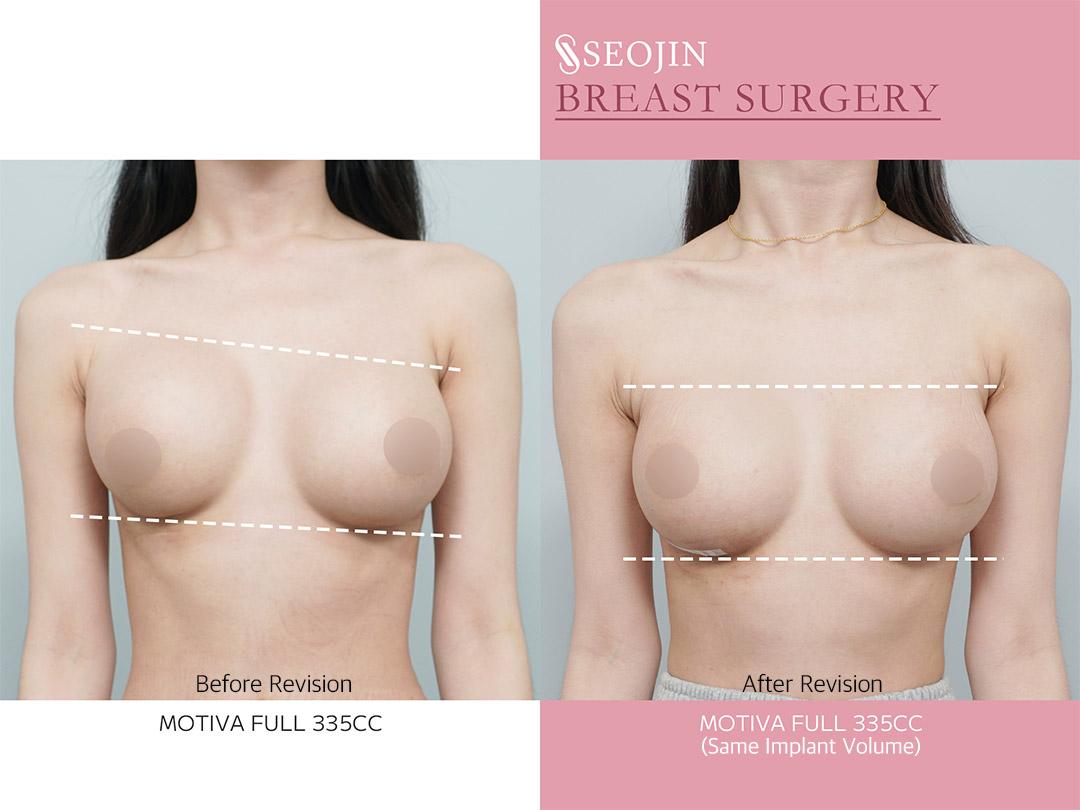
2. Seojin Plastic Surgery Clinic
You may consider Seojin Plastic Surgery Clinic for double-bubble concerns if you want implant planning tailored to your chest anatomy, with 3D modeling and intraoperative sizing used to evaluate shape and symmetry. Its customized dual-plane approach considers your ribcage and existing breast tissue, while 3D spatial dissection is intended to create a smooth implant pocket—factors that can be relevant when discussing implant-related contour concerns.
- URL: Seojin Plastic Surgery Clinic Website
- Location: Gangnam-gu, Seoul
- Augmentation planning:
- The clinic uses 3D breast implant modeling so you can visualize predicted outcomes across implant brands and types, and it offers an implant trial-bra service for assessing fit and design.
- Its Microscale Dual Plane technique is customized to your ribcage, breast tissue, and chest anatomy.
- During surgery, a sizer may be used to assess symmetry, shape, and size before the final implant is inserted.
- Techniques and options:
- 3D spatial dissection is described as creating a smooth implant pocket and minimizing postoperative swelling.
- Hybrid augmentation combines implants with fat grafting to refine softness and shape; fat may be harvested from the abdomen or thighs.
- The clinic reports using PRP with breast fat grafting to support graft survival and reduce the possibility of inflammation.
- For selected sagging concerns, it describes using implants such as Mentor Boost to improve contour without a traditional breast lift scar.
- Care continuity:
- Dr. Lee Hyungmin provides end-to-end care in a one-doctor clinic model and is described as having more than 16 years of experience.
- The clinic reports more than 2,300 breast surgeries and participation in Motiva and Mentor academic conferences.
3. Okay Plastic Surgery Clinic
You may consider Okay Plastic Surgery Clinic for double-bubble concerns if you need a breast-focused evaluation that can consider augmentation, breast lift, reduction, or nipple-related correction within one specialized Breast Center. Dr. Cho’s stated breast-surgery experience and research background may be relevant when your contour concern is accompanied by sagging, volume, or other breast-shape considerations.
- URL: Okay Plastic Surgery Clinic Website
- Location: Gangnam-gu, Seoul
- Breast-focused services:
- Okay Plastic Surgery operates a specialized Breast Center offering breast augmentation, breast reduction, breast lifting for sagging breasts, and nipple correction.
- The center also provides corrective care for inverted nipples and gynecomastia.
- Surgeon experience and aftercare:
- Dr. Cho is described as having breast-surgery expertise, ongoing study and published research in the field, and experience with standard augmentation as well as severe breast-reduction cases.
- The clinic emphasizes individualized treatment planning and comprehensive aftercare intended to support natural, lasting results.
The Medical Tourism Journey to South Korea
Why South Korea? A Global Hub for Aesthetic Surgery
South Korea has become a leading medical tourism destination for cosmetic and reconstructive procedures, thanks to cutting-edge medical technology, top-tier surgeons, and competitive pricing. Comprehensive government oversight (such as through the Korea Health Industry Development Institute) ensures high standards for international patients. The Gangnam district is particularly famous for its concentration of expert clinics and advanced facilities, making Korea an excellent choice for patients seeking high-value, reliable, and affordable revision breast surgery.
Step-by-Step Patient Journey: From Initial Inquiry to Return Home
The journey for medical tourists in South Korea is well-structured:
- Research and Virtual Consultation: Patients start at home by identifying reputable, accredited clinics and scheduling video consultations to outline goals and get cost estimates.
- Travel and Visa Arrangements: Once the plan is set, patients secure a suitable visa and arrange flights and accommodations, often in proximity to their chosen clinic. Medical tourism agencies can simplify travel, clinic introductions, and logistics.
- On-Site Evaluation and Procedure Day: Upon arrival, patients finalize plans and undergo surgery (often using previous incision sites).
- Post-Operative Recovery in Korea: A hospital stay of 1–3 days is typical, followed by short-term recovery in nearby accommodations and critical follow-up appointments.
- Discharge and Return Home: Patients receive full medical records and, where available, virtual follow-ups for ongoing care after returning home.
Financial Analysis and Global Cost Comparison
Breakdown of Revision Surgery Costs in South Korea
Revision breast surgery costs in South Korea usually range from $8,944 to $15,136 USD (₩13,000,000 to ₩22,000,000 KRW), according to procedure complexity and surgeon choice. Most clinics offer comprehensive packages covering surgeon fees, anesthesia, operating room, diagnostics, and follow-ups. International patients, however, should also consider expenses such as airfare, accommodation, living costs, visa fees, and insurance.
Global Cost Comparison for Revision Procedures
Medical tourism’s appeal often lies in cost savings paired with quality care. In South Korea, patients can save 30%–50% compared to similar procedures in the US or UK. While places like Turkey, Thailand, and Mexico may offer even lower prices (as little as $3,000–$6,000+), South Korea strikes a unique balance between affordability, strict regulation, and highly skilled surgeons. The following table summarizes key differences:
| Country | Average Cost (USD) | Key Advantages | Key Disadvantages |
|---|---|---|---|
| South Korea | $8,944 - $15,136 | World-class surgeons, advanced tech, government oversight, value | Requires travel; longer time away |
| United States/UK | $15,000+ | Local convenience, no language barrier | High cost, wait times |
| Turkey/Thailand/Mexico | $3,000 - $6,000+ | Lowest cost, all-inclusive packages | Variable quality, less regulation |
Patient Journeys: Real-World Experiences and Outcomes
Patient Testimonials and Anecdotal Evidence
Patients experiencing double bubble deformity often report a deep impact on self-image and comfort before revision surgery. After successful treatment, many share feelings of restored confidence, satisfaction with a more “natural” appearance, and freedom in clothing choices. Real-life case studies even show the deformity can be “completely corrected,” delivering both physical and emotional benefits. However, some cases highlight disappointment or the need for additional procedures, reinforcing realistic expectations.
Navigating Recovery: Physical and Mental Healing
Recovery demands both physical and mental resilience. Patients can expect some discomfort, swelling, and feelings of tightness—sometimes described as wearing an “iron bra.” While these sensations can be disheartening, they usually improve over weeks to months. Some journeys involve setbacks or staged surgeries, which is why managing expectations and committing to aftercare are crucial.
Conclusion
Double bubble deformity is a correctable complication that sometimes arises after breast augmentation. Revision breast surgery offers a suite of advanced, personalized solutions, with surgeon expertise being key to successful outcomes. South Korea is a standout destination for international patients, blending affordability with exceptional medical standards and well-organized patient care. Ultimately, an informed patient, guided by an experienced, board-certified surgeon, can turn the challenge of revision into an experience of renewed confidence.
References
1, 2, 3, 4, 5, 6, 7, 8, 9, 10, 11, 12, 13, 14, 15, 16, 17, 18, 19, 20, 21, 22, 23, 24, 25, 26, 27, 28, 29, 30, 31, 32, 33, 34, 35, 36, 37, 38, 39, 40
Frequently Asked Questions
Related Blogs
Gynecomastia in Korea: Surgery Methods, Recovery, Travel Planning and Alternatives
Gynecomastia surgery in Korea may use liposuction, gland excision, or skin reduction based on chest tissue, skin elasticity, and nipple position. Costs range from ₩4,000,000–₩8,000,000, with international patients advised to stay 7–10 days for early review and travel clearance.
Updated: Sep 17, 2026
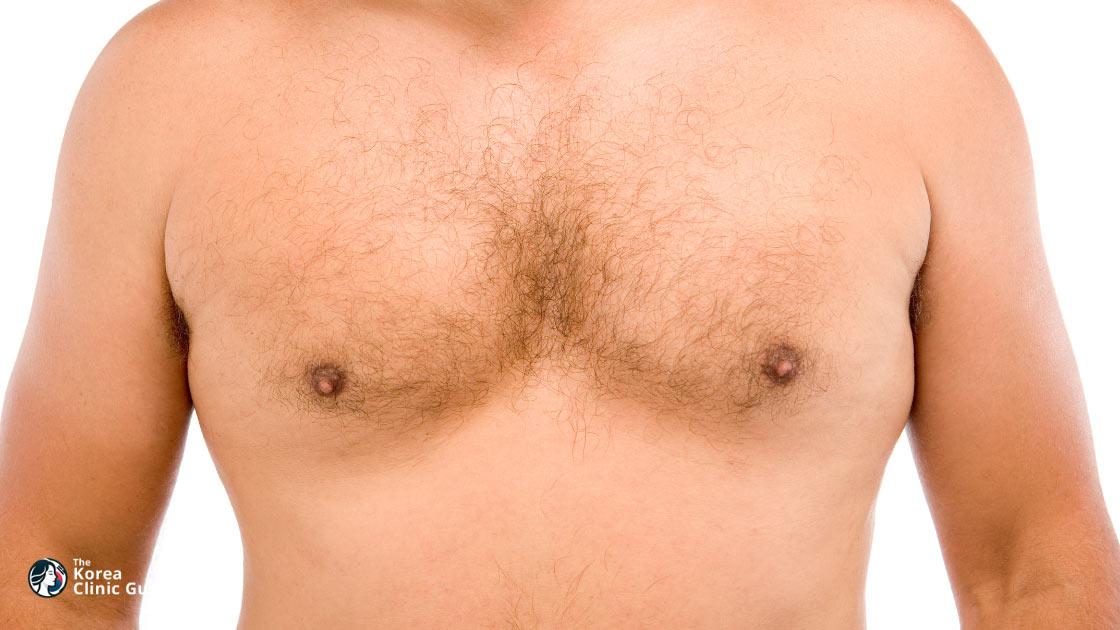
Gynecomastia in Korea: Surgery Methods, Recovery, Travel Planning, and Alternatives
Gynecomastia surgery in Korea may use liposuction, gland excision, or skin reduction based on gland, fat, skin excess, and nipple position; costs range from ₩4,000,000–₩8,000,000. International patients should plan 11–14 nights, avoid flying for at least 10 days after chest surgery, and arrange early reviews and remote follow-up.
Updated: Sep 16, 2026
Areola Tattoo in Korea: Types, Recovery, Travel Planning and Safety
Areola micropigmentation restores areolar color, borders, symmetry, or a 2D/3D visual nipple effect after stable reconstruction, surgery, trauma, or selected top surgery cases. The article covers candidacy, treatment steps, Korea travel planning, 10–14-day healing restrictions, aftercare, touch-up timing, risks, and alternatives.
Updated: Sep 15, 2026
Breast Reduction in Korea: Methods, Recovery, Travel Planning and Risks
Breast reduction removes breast tissue and excess skin under general anesthesia to reduce heaviness and reshape the breasts; pedicle and incision techniques depend on anatomy and reduction goals. In Korea, costs are ₩15,000,000–₩20,000,000, with international patients advised to stay at least 10–14 days for wound checks and surgeon-approved travel clearance.
Updated: Sep 14, 2026
Clinics offering Revision Breast surgery

THEPLUS Plastic Surgery Korea | Eye, Nose, Face & Body Surgery
Sinsa

Seojin Plastic Surgery Clinic Korea: Pioneering Advanced Cosmetic Procedures for Personalized Aesthetic Transformation
Apgujeong

Okay Plastic Surgery Clinic in Korea: Comprehensive Aesthetic Procedures with Sincerity and Care
Cheongdam

Banobagi Plastic Surgery: A Pioneering and Trusted Plastic Surgery Clinic in Korea
Seolleung