
Medical Tourism Blog
Breast Fat Grafting in Korea: Candidacy, Recovery, Results, and Travel Planning
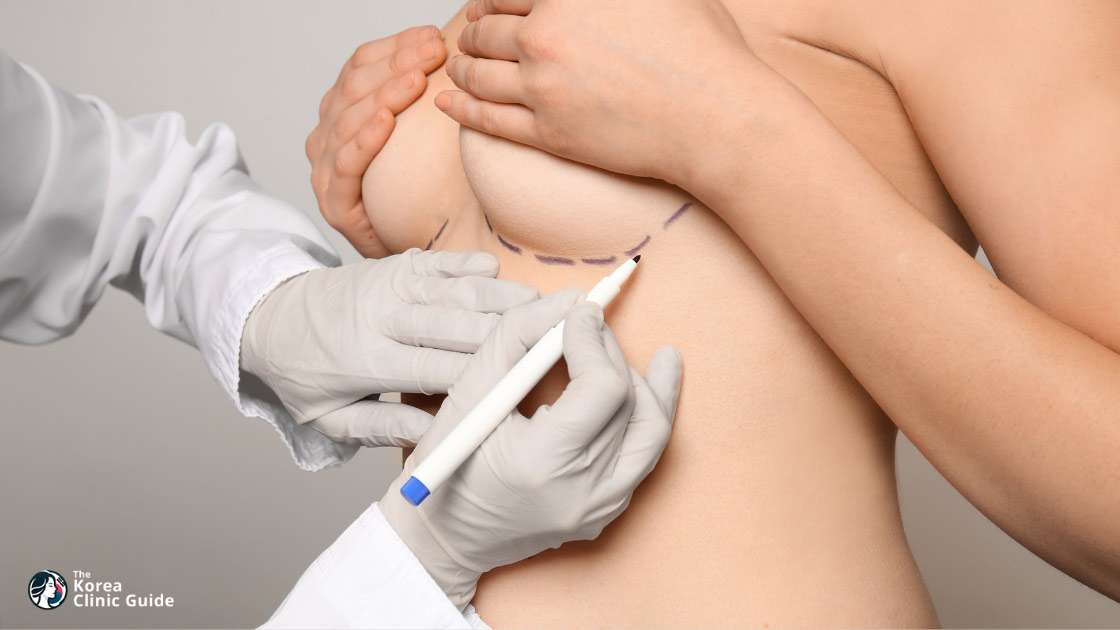
Table of contents
- Breast Fat Grafting at a Glance
- What Is Breast Fat Grafting?
- Who Is a Good Candidate for Breast Fat Grafting?
- How Is Breast Fat Grafting Performed?
- Why Visit Korea for Breast Fat Grafting?
- Key Information for International Patients
- Which Are the Best Clinics in Korea for Breast Fat Grafting?
- How Much Does Breast Fat Grafting Cost in Korea?
- Breast Fat Grafting From Start to Finish
- Alternatives to Breast Fat Grafting
- How Can I Prepare for Breast Fat Grafting?
- Aftercare Advice
Considering treatment in Korea? Everything you need to know e.g. — how to avoid scams, visas, interpreters, recovery tips — in our Medical Tourism Master Guide. Plan with confidence in minutes, not weeks!
Last updated: September 2026
Breast Fat Grafting at a Glance
- What it does — Breast fat grafting uses liposuction to harvest your own fat, processes it, and reinjects small parcels into the breasts for modest volume, softer contours, or asymmetry correction.
- Typical cost in Korea — Expect approximately ₩5,000,000–₩16,000,000 (about US$3,700–US$11,900); pricing rises with more donor-site liposuction, larger graft volumes, multiple areas, revision needs, or PRP/SVF processing.
- Best candidates — Suitable candidates are generally healthy, weight-stable adults with enough donor fat who want a subtle-to-moderate increase or contour refinement and accept that a second session may be needed.
- Results are variable — Some transferred fat is naturally absorbed; reviews estimate roughly 54–58% average retention, but individual outcomes vary. Assess volume more reliably at 3–6 months, with longer-term retention judged around 6–12 months.
- Recovery timeline — Bruising, swelling, tenderness, and reduced stamina commonly last 1–2 weeks, often driven more by donor-site liposuction than breast discomfort. Desk work may resume in 1–2 weeks, while heavy lifting and strenuous exercise usually wait 4–6 weeks.
- Korea travel planning — International patients should plan at least 7–10 days in Korea, preferably 10–14 days, for assessment, surgery, and early reviews. Flying at 5–7 days is only a general minimum reference and requires individualized clearance.
- Korea-specific cell claims — Ask for written details if a clinic promotes PRP, SVF, or “stem-cell” grafting. MFDS material describes an SVF-containing product for subcutaneous tissue defects, not a general approval for cosmetic breast augmentation.
What Is Breast Fat Grafting?
Breast fat grafting transfers fat from one area of your body to the breasts to add volume or reshape contours. It can create a subtle, natural-feeling enhancement, improve asymmetry, or restore contour after prior breast surgery. It is a surgical procedure because it involves liposuction, fat processing, and reinjection into the breasts.
Who Is a Good Candidate for Breast Fat Grafting?
- Modest-volume candidates — Good candidates want a subtle to moderate increase in breast volume, softer contour transitions, or correction of asymmetry rather than a large, precisely predictable size increase.
- Patients with donor fat — The abdomen, flanks, thighs, hips, and back can provide harvestable fat. Donor-site quantity and quality limit the volume that can be transferred in one session.
- Stable-weight adults — Candidates should be near a sustainable weight. Later weight loss or gain can change both grafted breast volume and liposuction contours.
- Contour-correction patients — Fat transfer can address localized depressions, upper-pole deficiency, cleavage contour, implant edges, or asymmetry after prior breast surgery or reconstruction.
- Staged-treatment candidates — Suitable patients accept that a portion of transferred fat is absorbed and that a second session is sometimes needed. A review of cosmetic cases found average retention of 58%, but results differed substantially between studies and should not be treated as a personal guarantee.
Active infection, fever, open skin lesions, an unexplained breast lump, suspicious imaging, or an unfinished cancer work-up rule out elective treatment until assessed and resolved. Pregnancy and breastfeeding require deferral until lactation has ended and breast volume is stable. Uncontrolled diabetes, significant heart or lung disease, anemia, bleeding disorders, unsafe anesthesia risk, current nicotine exposure, and insufficient donor fat can make surgery unsuitable; nicotine includes smoking, vaping, pouches, patches, and gum. Prior cancer treatment, radiotherapy, reconstruction, or elevated genetic risk needs coordinated planning with breast, reconstructive, oncology, and imaging teams. Do not stop anticoagulants, antiplatelet drugs, hormonal medicines, or diabetes treatment independently; the prescribing clinician, surgeon, and anesthesia team must agree on a plan.
How Is Breast Fat Grafting Performed?
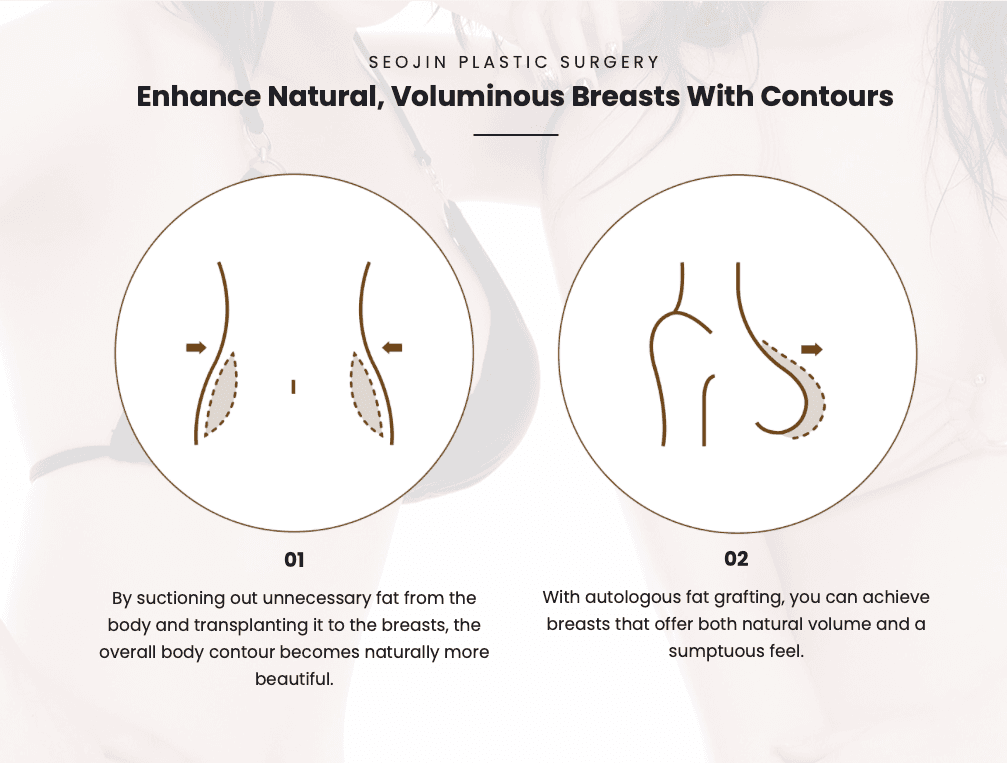
Breast fat grafting combines donor-site liposuction, preparation of the harvested fat, and reinjection through small cannulas. The planning method affects volume limits, donor-site recovery, retention expectations, and whether treatment is primary cosmetic augmentation, revision, or reconstruction.
- Conventional structural grafting — The surgeon places small parcels of processed fat through multiple passes in appropriate breast tissue planes instead of depositing one large bolus. This is intended to keep grafted fat close to a blood supply.
- Harvest and processing — Fat can be collected by syringe aspiration or low-pressure suction, then centrifuged, washed, filtered, or allowed to sediment. A meta-analysis estimated 54% overall retention at latest follow-up, but follow-up ranged from 3 to 36 months and evidence does not establish one universally superior processing protocol.
- Donor-site selection — Abdominal and thigh fat are common choices. A recent review suggested higher pooled survival from abdominal than thigh harvest, but serious risk of bias and major differences between studies mean donor-site choice should be based on available fat, body proportions, and surgical access—not retention claims alone.
- Injection-plane planning — Fat can be distributed in subcutaneous, gland-adjacent, or muscle-related planes according to skin thickness, existing breast tissue, implants, scars, and reconstructive needs. Limited prospective evidence suggests the plane affects retention and complications, but no one plane fits every breast.
- Reconstructive and revision grafting — After lumpectomy, mastectomy reconstruction, implant surgery, radiation, or implant removal, grafting is commonly targeted to a contour defect, asymmetry, thin soft-tissue coverage, or scarred tissue rather than overall enlargement.
- Hybrid augmentation — Breast augmentation can combine an implant for most of the volume with fat grafting for cleavage, upper-pole, and implant-edge contour. It carries both implant-specific and fat-grafting risks.
- PRP, SVF, and cell-assisted approaches — PRP and cell-assisted methods have shown potentially higher retention in some analyses, but protocols and long-term evidence remain inconsistent. Ask for written disclosure of the exact additive, processing method, intended indication, and regulatory basis. Korean MFDS material describes an SVF-containing minimally manipulated autologous adipose-cell product approved for subcutaneous tissue defects, not a general approval for cosmetic breast augmentation.
Why Visit Korea for Breast Fat Grafting?
Korea has an established international medical-care infrastructure, including a government medical-tourism platform and accreditation information for participating institutions. This can make it practical to arrange pre-travel communication and coordinate records for an operation requiring both surgery and early follow-up. It does not establish that fat-graft retention or complication rates are better in Korea than elsewhere.
- International-care infrastructure — The Medical Korea platform provides access to information for overseas patients, while its accreditation program identifies participating medical institutions.
- Local experience is not comparative proof — A Korean single-center series reported favorable retention after SVF-assisted breast grafting among patients who completed follow-up, but it was not a controlled international comparison. It cannot demonstrate a Korea-specific outcome advantage.
- Clear disclosure matters for cell-assisted marketing — Ask whether the plan is conventional fat alone, PRP-assisted grafting, SVF-assisted grafting, or another cell-related method. Do not treat “stem-cell breast augmentation” as interchangeable with standard lipofilling or assume that broad marketing language reflects a cosmetic-breast indication under MFDS materials.
- Evidence limits — No credible controlled studies identified in the available evidence show superior Korean outcomes for retention, complications, imaging findings, or patient-reported results. Judge a proposed plan by the surgeon’s assessment, written technique details, safety arrangements, and follow-up plan rather than country-based promises.
Key Information for International Patients
- Minimum stay — Plan 7–10 days in Korea at minimum; 10–14 days is more practical for an in-person examination, surgery, early wound and donor-site review, and individual flight clearance.
- Early reviews — Expect a check within about 1–3 days and, when requested, another around days 5–7. The team should assess wounds, bruising, breast symmetry, donor-site swelling, pain control, seroma, and skin healing before departure.
- Flight timing — NHS guidance gives 5–7 days after breast surgery or liposuction as a general minimum reference, not automatic clearance. Surgery and flying both increase venous-thromboembolism risk.
- Long-haul risk planning — A transpacific flight, extensive liposuction, reduced mobility, obesity, estrogen use, nicotine exposure, previous clotting, or thrombophilia can require a longer stay and a personalized clot-prevention plan.
- Itinerary restrictions — Donor-site discomfort and reduced stamina commonly last 1–2 weeks. Do not schedule heavy luggage, long walking days, hiking, spa heat, swimming, chest-focused training, or important events immediately after surgery.
- Remote follow-up — Video or photo checks can support routine recovery, but cannot assess a suspected infection, seroma, clot, severe swelling, or new breast mass adequately. Identify a clinician at home before travel.
- Records for home care — Leave Korea with an English operative report, anesthesia record when applicable, medication list, discharge instructions, emergency contact details, and breast-imaging records.
Travel note: Book flexible return flights and accommodation close to the facility until the surgeon clears travel. Do not fly simply because the planned date has arrived.
Which Are the Best Clinics in Korea for Breast Fat Grafting?
Listed below are some of the best clinics in Korea for breast fat grafting.
1. Lydian Plastic Surgery Clinic
For breast fat grafting, you can expect Lydian to harvest your own fat, concentrate it with stem cells, and reinject it for breast volume enhancement. The clinic states that its 4°C stem-cell processing, uniform-fat Edinizer device, and cleanroom workflow are intended to support graft quality and smoother contours; individual fat survival and volume retention can still vary.
- URL: Lydian Plastic Surgery Clinic Website
- Location: Gangnam-gu, Seoul
- Procedure approach:
- Uses fat harvested by liposuction and enriched with concentrated stem cells for volume enhancement of areas including the breasts.
- The clinic reports a typical fat-graft survival range of 20–30% and states that its stem-cell approach targets 50–60%; this is a clinic-reported figure rather than a guarantee of your outcome.
- Uses the Edinizer device to create more uniformly sized fat particles, which the clinic says can help reduce irregularities, swelling, and risks associated with larger fat clusters.
- Processing and facility:
- Stem cells are extracted and concentrated using centrifuges operated at 4°C, according to the clinic.
- Stem-cell separation and concentration take place in double-door sealed cleanrooms with Clean Class 10,000 air quality and HEPA filtration; the clinic states these facilities are approved by the Ministry of Health and Welfare.
- Surgeon and aftercare:
- Dr. An is described as having more than two decades of body-sculpting experience and as Director of the 5D Liposculpture Academy.
- The clinic describes anatomy-based body design and a four-step aftercare program addressing swelling, irregularities, skin elasticity, and residual-fat contouring.
2. THEPLUS Plastic Surgery
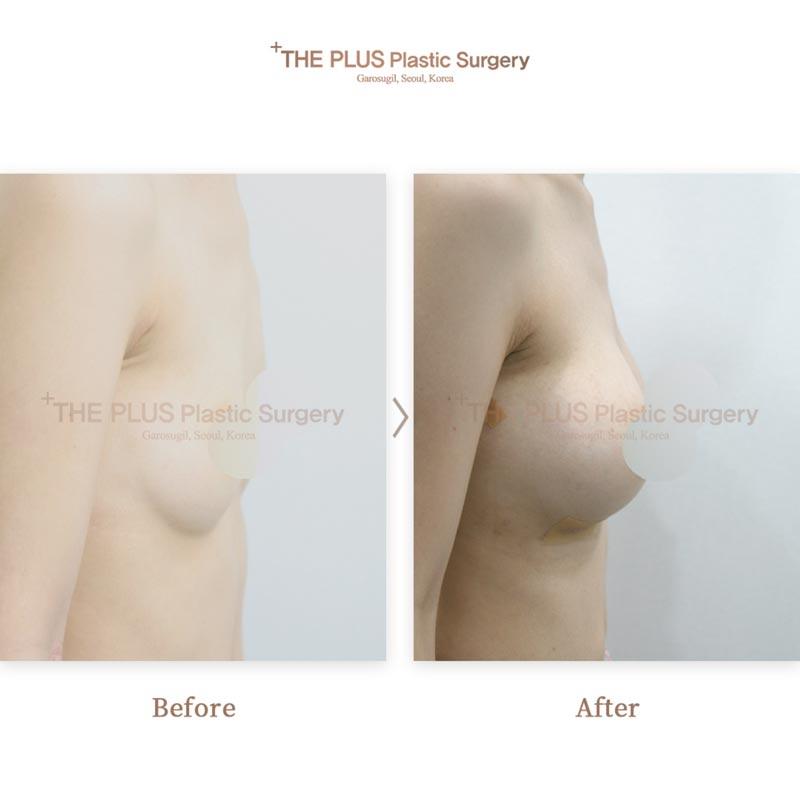
You may consider THEPLUS if you want breast surgery planned by Dr. Lee, a board-certified plastic surgeon with breast augmentation, lift, and reduction experience, including training at Seoul National University Hospital. The supplied information does not specifically describe standalone breast fat grafting, so you should confirm whether it is available and how it would be planned for your goals.
- URL: THEPLUS Plastic Surgery Website
- Location: Gangnam-gu, Seoul
- Breast surgery expertise:
- Dr. Lee specializes in breast augmentation, breast lift, and breast reduction surgery.
- Her background includes work as a Surgery Specialist at Seoul National University Hospital and clinical training at Seoul Metropolitan Boramae Hospital.
- She is a member of the Korean Society of Plastic and Reconstructive Surgery and the Korean Society of Aesthetic Plastic Surgery.
- Planning and care:
- The clinic describes individualized planning based on your body type and, for breast lifting, a 3-D assessment of skin elasticity and breast shape.
- It reports advanced sterilization protocols, systematic postoperative monitoring, and aftercare tailored to your healing pace.
- English-language support and dedicated translator assistance are available from consultation through recovery for international visitors.
3. Seojin Plastic Surgery Clinic
You may consider Seojin for a breast-volume consultation if you are interested in a hybrid approach that combines implants with fat grafting for a more natural look. Dr. Lee Hyungmin provides end-to-end care as the clinic’s one doctor and has more than 16 years of experience; confirm whether standalone breast fat grafting is suitable and offered for your needs.
- URL: Seojin Plastic Surgery Clinic Website
- Location: Gangnam-gu, Seoul
- Breast options:
- Offers breast implant hybrid surgery, described as combining implants with fat grafting for a more natural look.
- Also lists breast implants, breast lift, breast reduction, nipple surgery, gynecomastia surgery, and breast implant procedures for transgender individuals.
- Personalized planning:
- As a one-doctor clinic, Dr. Lee Hyungmin provides comprehensive care from consultation through follow-up.
- The clinic describes personalized consultations and use of 3D imaging and high-definition endoscopy.
- Dr. Lee Hyungmin has more than 16 years of experience and is described as one of the 100 Good Doctors in Korea.
How Much Does Breast Fat Grafting Cost in Korea?
Breast Fat Grafting is priced at ₩5,000,000–₩16,000,000 (approximately US$3,700–US$11,900). Individual quotes vary because the operation combines donor-site liposuction, fat processing, and precisely distributed breast injection, with the treatment plan determining the clinical resources required.
| Procedure Price | Korean Won (₩) | USD ($) |
|---|---|---|
| Low Price | ₩5,000,000 | $3,700 |
| High Price | ₩16,000,000 | $11,900 |
Exchange rate as of 2026-09-06: 1 KRW = 0.000741 USD.
What Affects the Price?
- Extent of donor-site liposuction and graft volume — Harvesting enough fat for a larger volume goal, bilateral correction, or several donor areas requires more liposuction, longer operating time, additional consumables, and more extensive donor-site management than a limited contour correction.
- Primary cosmetic versus reconstructive or revision grafting — Grafting to correct post-lumpectomy, mastectomy-reconstruction, implant-edge, asymmetry, or scar-related contour defects requires targeted planning around altered tissue and may involve more meticulous injection across specific defects than primary cosmetic augmentation.
- Conventional grafting versus PRP, SVF, or cell-assisted techniques — PRP, SVF, or other cell-assisted approaches add a defined processing step and associated materials beyond conventional harvested-fat processing. The clinic should specify the exact additive, processing method, intended indication, and regulatory basis.
- Staged treatment requirement — Fat resorption can limit retained volume, and a requested change may require a later grafting session after the initial result stabilizes. Each session repeats harvest, processing, reinjection, anesthesia planning, and follow-up.
Cost tip: Request an itemized quote stating exactly what is included, particularly the planned donor areas, liposuction extent, fat-processing method, anesthesia, facility use, any PRP/SVF or other additive, and scheduled follow-up.
The US$3,700–US$11,900 conversion is approximate, based on an exchange rate of 0.000741 on 2026-09-06. Check the exchange rate again when budgeting.
Breast Fat Grafting From Start to Finish
- Remote inquiry and preliminary consultation — Share health history, medication and supplement lists, prior operative reports, breast-imaging reports where relevant, and securely requested photographs. English-language or virtual consultation can discuss goals and travel timing, but photographs cannot replace physical examination.
- In-person assessment in Korea — The surgeon examines breast shape, skin laxity, nipple position, asymmetry, scars, donor-fat availability, and medical suitability. Review breast symptoms, cancer and family history, pregnancy and breastfeeding history, clotting risks, nicotine exposure, and realistic volume limits.
- Imaging and pre-operative testing — Complete breast imaging, blood tests, pregnancy testing, ECG, or medical clearance when indicated by age, symptoms, baseline screening, anesthesia plan, or medical history. An unexplained lump or abnormal imaging requires diagnostic assessment before cosmetic surgery.
- Surgical plan and consent — Confirm donor areas, expected volume range, processing method, injection plan, anesthesia, scars, recovery restrictions, risk of fat resorption, possible repeat treatment, and the exact plan for PRP, SVF, or any other additive. Obtain written clarification rather than accepting a guaranteed cup size or retention percentage.
- Surgery day — The surgeon marks breasts and donor sites while standing. Under the planned anesthesia or sedation, fat is harvested by liposuction, processed, and placed in small passes through cannulas. The duration depends on the number of donor areas, graft volume, prior surgery, and whether revision or reconstruction is involved.
- Discharge and first night — Discharge can be same day or after overnight observation, depending on anesthesia, procedure extent, medical history, and recovery status. Use arranged escorted transport after sedation or general anesthesia and have a responsible adult available when the facility requires it.
- Early recovery reviews — Attend the scheduled checks over the next 1–7 days. The team reviews breast appearance, incision sites, donor-site compression, bruising, drainage, pain, and signs of seroma or infection, then decides whether travel is appropriate.
- Return-home monitoring — Continue remote follow-up as arranged and send photos only through the clinic’s secure channel. Arrange in-person care locally for concerning symptoms, and reassess retained volume at roughly 3–6 months; longer-term retention is commonly judged at 6–12 months.
Alternatives to Breast Fat Grafting
The best alternative depends on whether the priority is large predictable volume, lifting a low nipple position, correcting an existing surgical problem, or avoiding surgery. Fat grafting offers modest augmentation and contour refinement but has variable retention; surgical alternatives can provide more predictable structural change while introducing their own scars, device issues, or revision needs.
Breast Implants
Breast implants generally provide a larger and more predictable volume increase than fat transfer.
- Best for — Patients seeking a clearer size increase when donor fat is limited.
- Tradeoff — Implants introduce device-related risks, capsular contracture, rupture surveillance, and potential future revision or replacement.
Breast Lift
A breast lift reshapes sagging breasts and raises a low nipple position; it does not add substantial volume on its own.
- Best for — Breast ptosis, stretched skin, or nipple descent after pregnancy, weight change, or aging.
- Tradeoff — Requires breast scars and does not solve a major volume deficit without augmentation.
Hybrid Augmentation
Hybrid treatment combines implant-based volume with fat grafting for soft-tissue coverage and contour.
- Best for — Patients who need more volume than fat alone can reliably provide but want refined cleavage or implant-edge transitions.
- Tradeoff — Recovery and risk include both implant surgery and liposuction with graft retention uncertainty.
Revision Breast Surgery
Revision breast surgery addresses concerns after augmentation, reconstruction, implant removal, asymmetry, or problematic scars.
- Best for — A structural issue that cannot be corrected predictably by fat transfer alone.
- Tradeoff — The operation can be more complex because scar tissue, implants, tissue quality, and prior radiation influence the plan.
Breast Fillers
Breast fillers are not a routine equivalent to autologous fat transfer.
- Best for — There is no broad cosmetic role equivalent to surgical lipofilling.
- Tradeoff — Permanent or semi-permanent injected materials can cause difficult late complications and complicate future imaging or surgery.
How Can I Prepare for Breast Fat Grafting?
- Medical disclosure — Provide every prescription medicine, injectable treatment, over-the-counter drug, contraceptive or hormone, vitamin, herbal product, and supplement. Also disclose allergies, prior anesthesia problems, clotting history, diabetes, heart or lung disease, breast symptoms, and previous breast treatment.
- Bleeding-risk medicines — Ask the surgeon and prescribing clinician for a coordinated plan well before surgery for anticoagulants, antiplatelets, NSAIDs, fish oil, vitamin E, and herbal supplements that can affect bleeding. Never stop prescribed medication independently.
- Diabetes and GLP-1 medicines — Obtain specific instructions for insulin, oral diabetes medicine, and GLP-1 drugs such as semaglutide or tirzepatide. Their management depends on fasting, anesthesia, and medical history.
- Nicotine cessation — Stop cigarettes, vaping, pouches, patches, gum, and all nicotine products for the exact pre- and post-operative period set by the surgeon. Nicotine impairs healing and can compromise graft survival.
- Weight and nutrition — Maintain stable weight, hydration, and adequate protein intake. Avoid crash dieting before or after surgery because body-weight change can alter breast volume and donor-site contour.
- Skin preparation — Avoid tanning, sunburn, shaving irritation, active rashes, and skin treatments that inflame planned breast or donor areas. Report any fever, infection, new breast lump, or open lesion immediately.
- Fasting and alcohol — Follow the facility’s written fasting instructions exactly. Disclose alcohol, cannabis, sedatives, opioids, stimulants, and recreational-drug use honestly to the anesthesia team; avoid alcohol as instructed before surgery.
- Transport and accommodation — Stay near the facility, arrange escorted transport after anesthesia, and do not carry luggage. Pack loose front-opening clothing, slip-on shoes, requested compression garments, and medical records.
- Companion and flights — Arrange a responsible adult for the first night when required or appropriate for the surgery extent. Keep return flights flexible until post-operative clearance.
Travel note: Bring breast-imaging reports and prior operative records in English when available. This is particularly important after cancer treatment, reconstruction, implants, or previous complications.
Confirm the treating clinic’s individualized medication, fasting, garment, and travel requirements; those instructions take precedence over general guidance.
Aftercare Advice
Protect the grafted breasts, mobilize gently, and treat donor-site recovery as a core part of the operation rather than an afterthought.
- Walking and clot prevention — Take short, frequent walks from the first day as directed and avoid prolonged immobility. Seek urgent care for chest pain, shortness of breath, coughing blood, fainting, or one-sided calf pain or swelling.
- Breast protection — Avoid direct pressure, vigorous massage, underwire or push-up bras, chest-focused exercise, and sleeping positions that compress the breasts unless the surgeon specifically authorizes them. Follow the clinic’s bra instructions because support requirements differ by technique.
- Donor-site care — Wear compression on liposuction areas exactly as prescribed. Bruising, tightness, tenderness, and swelling are common and donor sites are often more uncomfortable than the breasts.
- Activity limits — Resume desk-based work when comfortable, often around 1–2 weeks. Defer strenuous exercise, heavy lifting, and chest training for about 4–6 weeks or until surgeon clearance.
- Incisions and heat — Keep wounds clean and dry according to the written plan. Avoid baths, swimming, saunas, hot tubs, and intense heat until incisions have healed and the surgeon permits them.
- Breast lumps and screening — Oil cysts, calcifications, and fat necrosis can occur after grafting, but never self-diagnose a new lump. Tell breast-imaging clinicians the procedure date and continue age- and risk-appropriate screening; additional imaging or biopsy is sometimes needed to clarify findings.
- Warning signs — Contact the clinic urgently for rapidly increasing breast or abdominal swelling, uncontrolled bleeding, fever with worsening redness, foul drainage, escalating pain, dark or blistered skin, persistent vomiting, dehydration, or a rapidly enlarging hard breast mass.
- Result timeline — Swelling and planned overcorrection reduce during the first weeks. Judge the outcome more reliably at 3–6 months; longer-term graft retention is commonly assessed at 6–12 months, and repeat grafting is generally considered only after stabilization.
Follow the treating doctor’s instructions over general advice and contact the clinic promptly when recovery appears abnormal.
Frequently Asked Questions
Related Blogs
Gynecomastia in Korea: Surgery Methods, Recovery, Travel Planning, and Alternatives
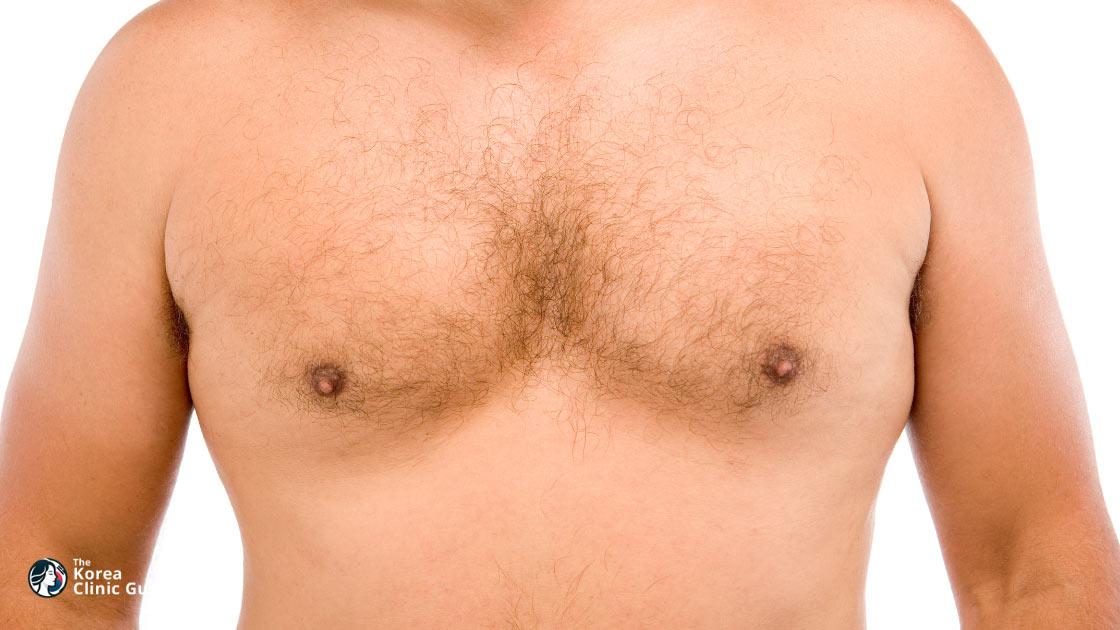
Gynecomastia surgery in Korea may use liposuction, gland excision, or skin reduction based on gland, fat, skin excess, and nipple position; costs range from ₩4,000,000–₩8,000,000. International patients should plan 11–14 nights, avoid flying for at least 10 days after chest surgery, and arrange early reviews and remote follow-up.
Updated: Sep 16, 2026
Areola Tattoo in Korea: Types, Recovery, Travel Planning and Safety
Areola micropigmentation restores areolar color, borders, symmetry, or a 2D/3D visual nipple effect after stable reconstruction, surgery, trauma, or selected top surgery cases. The article covers candidacy, treatment steps, Korea travel planning, 10–14-day healing restrictions, aftercare, touch-up timing, risks, and alternatives.
Updated: Sep 15, 2026
Breast Reduction in Korea: Methods, Recovery, Travel Planning and Risks
Breast reduction removes breast tissue and excess skin under general anesthesia to reduce heaviness and reshape the breasts; pedicle and incision techniques depend on anatomy and reduction goals. In Korea, costs are ₩15,000,000–₩20,000,000, with international patients advised to stay at least 10–14 days for wound checks and surgeon-approved travel clearance.
Updated: Sep 14, 2026
Areola Surgery in Korea: Techniques, Recovery, Risks and Travel Planning
Areola surgery reduces or reshapes the areola through circumareolar or intra-areolar techniques, alone or with breast or chest surgery. In Korea, costs range from ₩2,500,000–₩7,000,000, with a 7–10 day stay and early wound review recommended for isolated procedures.
Updated: Sep 11, 2026
Clinics offering Breast Fat Grafting

THEPLUS Plastic Surgery Korea | Eye, Nose, Face & Body Surgery
Sinsa

Lydian Plastic Surgery Clinic in Korea: Superior Cosmetic Procedures by World-Renowned Expert Dr. An Kyung Chun
Apgujeong

Seojin Plastic Surgery Clinic Korea: Pioneering Advanced Cosmetic Procedures for Personalized Aesthetic Transformation
Apgujeong

Okay Plastic Surgery Clinic in Korea: Comprehensive Aesthetic Procedures with Sincerity and Care
Cheongdam