
Medical Tourism Blog
Korea Breast Asymmetry Solutions: Breast Surgery & Stem Cell Breast Augmentation Procedures
Table of contents
- Surgical Solutions for Breast Asymmetry: Overview
- Navigating Medical Tourism: South Korean Breast Asymmetry Correction
- Which Are the Best Clinics in Korea for Breast Asymmetry?
- Financial Considerations: Costs in South Korea and Beyond
- Patient Experiences: Life After Breast Asymmetry Correction
- Conclusion
- References
Considering treatment in Korea? Everything you need to know e.g. — how to avoid scams, visas, interpreters, recovery tips — in our Medical Tourism Master Guide. Plan with confidence in minutes, not weeks!
Breast asymmetry refers to a noticeable difference in the size, shape, position, or volume between the two breasts. This is very common, with up to a quarter of all women experiencing some degree of asymmetry and almost half noticing it at some point in their lives. It also shows up on about 3% of mammograms, underscoring it as a typical anatomical feature rather than a rare abnormality. Despite this, significant breast unevenness can have a powerful impact on self-confidence and emotional well-being. Many women feel isolated or self-conscious, even though their situation is very common, emphasizing the need for both empathy and education alongside treatment options.
Radiologists use more precise classifications for asymmetry on mammograms. The term “asymmetry” typically means a difference found on one mammographic view, whereas “focal asymmetry” appears on two projections and is usually benign unless suspicious features are present. “Developing asymmetry” refers to new or enlarging differences, which count as a red flag since breast tissue usually becomes less dense with age. “Global asymmetry” is when the finding covers more than one quadrant of the breast but is usually just a normal variant.
Other specific terms include “architectural distortion,” which means the breast tissue pattern looks irregular (sometimes due to scar tissue or, rarely, cancer), and “tubular breasts,” a congenital condition where breast shape and symmetry are both affected, often resulting in a narrow or elongated breast. These nuanced terms help patients decode mammogram reports, as not all asymmetries carry the same risk or meaning.
Etiology and Contributing Factors
There are many reasons for breast asymmetry. Most commonly, it surfaces during puberty, when each breast may grow at its own pace. Over a lifetime, hormonal changes during the menstrual cycle, pregnancy, and menopause can affect breast volume and shape, sometimes increasing or highlighting differences. Genetic factors, hormonal birth control, or prior surgeries like breast augmentation or reduction can also play a role. Breastfeeding, trauma, and issues with breast implants (like implant rupture or malposition) may also contribute. Importantly, this means asymmetry can change with time, so its assessment and correction might need to be revisited at different life stages.
Medical Significance and When to Seek Advice
Most cases of breast asymmetry are harmless, but it’s important to keep track of any sudden or significant changes in breast size, shape, or symmetry. Changes can result from normal anatomical variation, hormonal influences, cysts, or even past surgery. But new, developing, or rapidly worsening asymmetry can also be an early sign of breast cancer, such as invasive ductal carcinoma. That’s why any recent change in breast appearance should prompt a visit to a healthcare professional. Diagnostic workup typically includes further mammographic imaging and often an ultrasound. If anything is suspicious, a biopsy may be recommended. The focus should be on monitoring changes rather than static differences.
Psychological and Emotional Impact
Physical differences in the breasts often run deeper than appearance—they can cause emotional distress and lower self-esteem. Women living with significant asymmetry sometimes describe feelings of being “unfeminine” or “deformed,” which affects clothing choices, social life, and intimacy. Surgical correction is often sought not only for aesthetics but also to restore a sense of normalcy and confidence. Post-surgical results are frequently described as life-changing, with women reporting improved self-image and satisfaction. Even changes that others may not notice can be deeply meaningful for the individual, highlighting the emotional significance of breast symmetry.
Surgical Solutions for Breast Asymmetry: Overview
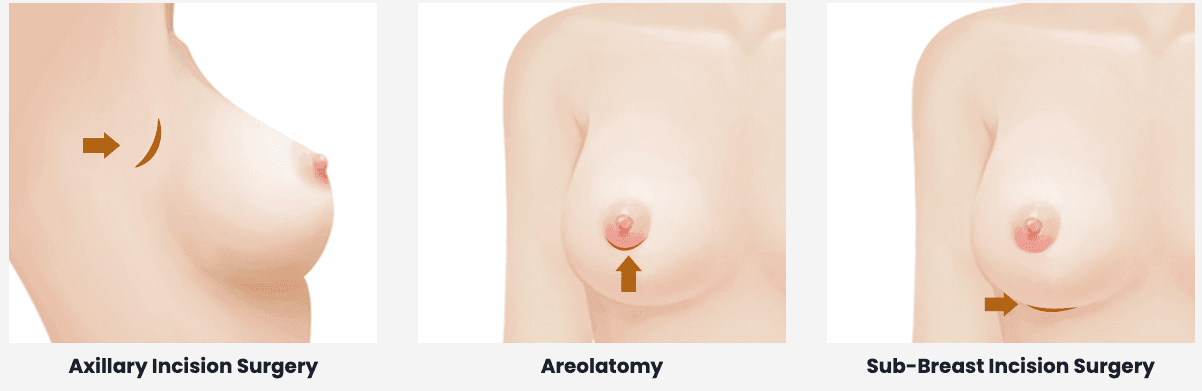
There is no one-size-fits-all solution for breast asymmetry. Instead, treatment is tailored to the person’s anatomy, goals, and type of asymmetry—sometimes involving multiple procedures in combination.
Traditional Breast Surgery Techniques
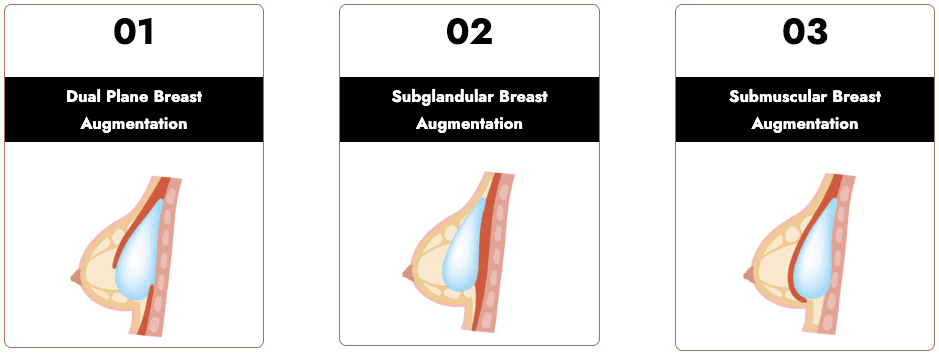
Breast Augmentation
Breast augmentation is commonly used to improve symmetry by adding volume (with implants) to the smaller breast or both breasts if overall enhancement is desired. Implant choices include saline (sterile salt water), silicone gel, and “gummy bear” (cohesive gel) implants, each offering distinct benefits in terms of feel, incision size, and shape (round vs. teardrop).
Breast Reduction
If one breast is significantly larger, breast reduction involves removing excess tissue and skin to better match the smaller breast. This not only balances appearance but may relieve physical discomfort.
Breast Lift (Mastopexy)
A breast lift helps correct sagging (ptosis), lifting and shaping one or both breasts. This can be especially effective when one breast sits lower than the other.
Autologous Fat Transfer (Fat Grafting)
For a more natural approach, autologous fat transfer (fat grafting) uses liposuctioned fat—usually from the abdomen or thighs—which is purified and injected into the breast. This method is minimally invasive and scar-minimizing, but is limited to modest size increases. Some fat may not survive the transfer (fat necrosis), possibly requiring repeat procedures.
Combination Procedures
Combining procedures—such as implants plus fat grafting or augmentation with a lift—allows surgeons to address multiple aspects of asymmetry at once, including shape, size, and position. Many cases require this tailored, multi-technique approach, demonstrating the skill and artistry involved.
Tubular Breast Correction
Tubular breast deformity requires specialized correction, often involving release and reshaping of breast tissue, areola reduction, and implants. Successful treatment hinges on choosing a surgeon with specific expertise in tubular breast correction due to its complexity.
Stem Cell Breast Augmentation: Advanced Approach
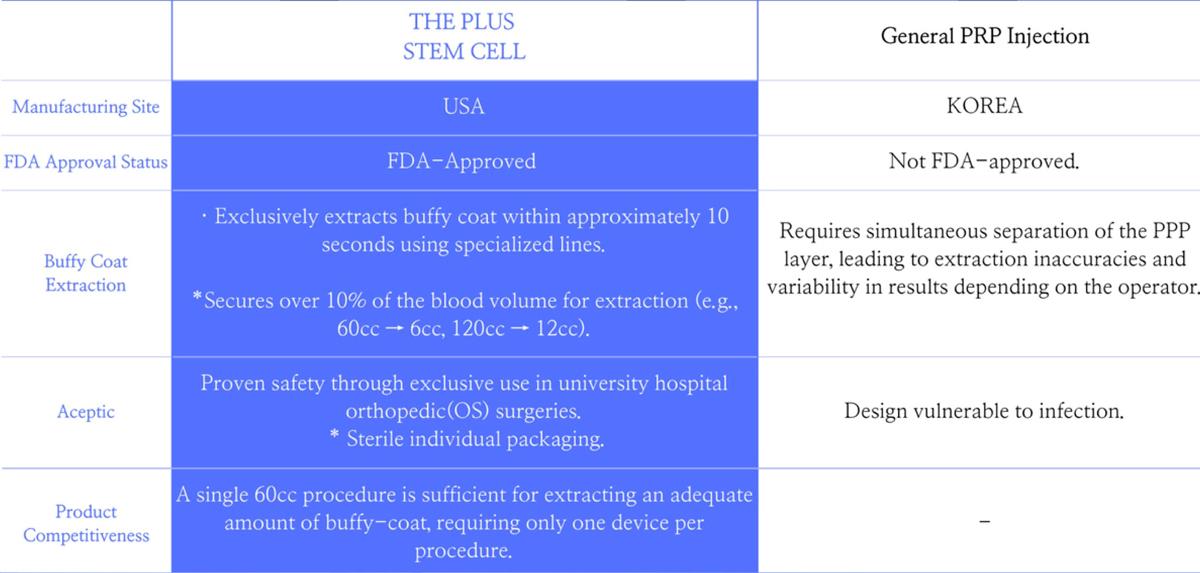
The Science of Adipose-Derived Stem Cells
Procedures like LIPOSKILL PLUS utilize adipose-derived stem cells (ADSCs) from the patient’s own fat. These cells contribute to healthier tissue and increased survival of transplanted fat by fostering blood vessel growth, reducing complication risks typical of traditional implants.
The LIPOSKILL PLUS / Stem Cell Fat Grafting Procedure
The process involves a small liposuction sample to extract stem cells, which are cultured, expanded, then added to purified fat. This enriched mixture is injected into the breasts, with any surplus cells cryopreserved for future use. Typically, the cell expansion phase takes about 3-4 weeks before injection.
Unique Advantages
Stem cell breast augmentation is well-suited for correcting asymmetry, providing natural results, minimal invasiveness, and dual benefits (breast enhancement and body contouring). It avoids implant-specific risks and offers long-lasting results with flexible future adjustments.
Suitability
Ideal candidates are those wishing to avoid implants, seeking modest size increases, or revising previous surgeries. This approach is also useful for repairing implant deformities or replacing implants. The key is understanding its limitations: major size increases are best handled by traditional augmentation.
Navigating Medical Tourism: South Korean Breast Asymmetry Correction
South Korea is a leader in plastic and reconstructive surgery, attracting many international patients with a combination of advanced technology, skilled specialists, and high safety standards.
Which Are the Best Clinics in Korea for Breast Asymmetry?
Listed below are some of the best clinics in Korea for breast asymmetry.
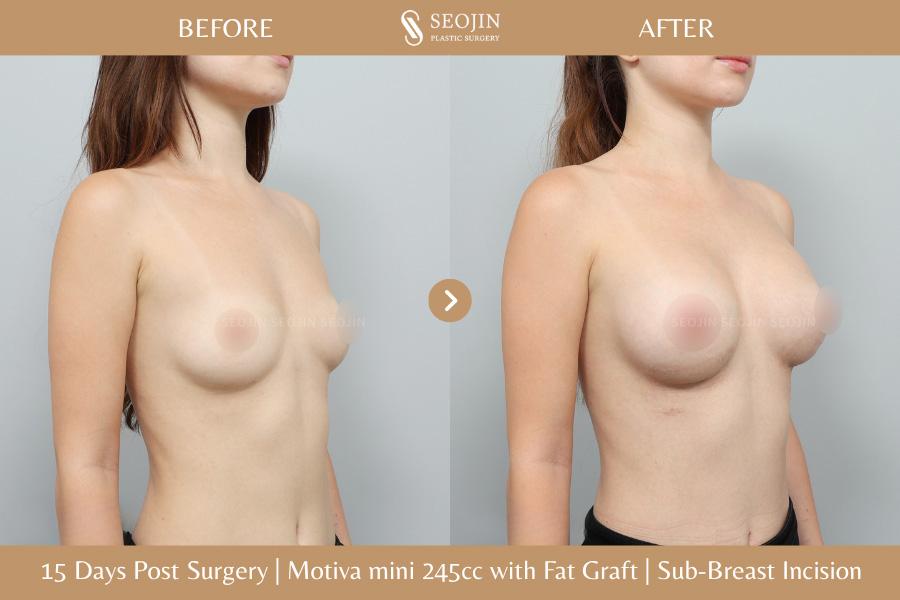
1. Seojin Plastic Surgery Clinic
For breast asymmetry, you can expect individualized implant planning at Seojin Plastic Surgery Clinic, including 3D modeling, implant trial bras, and intraoperative sizers to assess relative size, shape, and symmetry before final implant placement. Your approach may be customized through its Microscale Dual Plane technique, with hybrid implant-and-fat-grafting options also available when appropriate.
- URL: Seojin Plastic Surgery Clinic Website
- Location: Gangnam-gu, Seoul
- Planning for asymmetry:
- 3D implant modeling can help you compare potential outcomes across implant brands and types.
- A complimentary implant trial bra is offered to help you assess fit and design before surgery.
- Intraoperative sizers are used to check breast size, shape, and symmetry before the final implants are placed.
- Surgical approach:
- The Microscale Dual Plane technique is tailored to your ribcage, breast tissue, and chest anatomy.
- 3D spatial dissection is used to create a smooth implant pocket and is intended to minimize swelling.
- Hybrid augmentation combines implants with fat grafting; PRP may be used with grafted fat to support graft survival and reduce the possibility of inflammation.
- Surgeon and experience:
- Dr. Lee Hyungmin provides end-to-end care in a one-doctor clinic model and has more than 16 years of experience.
- The clinic reports more than 2,300 breast surgeries performed and participation in Motiva and Mentor academic conferences.
2. THEPLUS Plastic Surgery
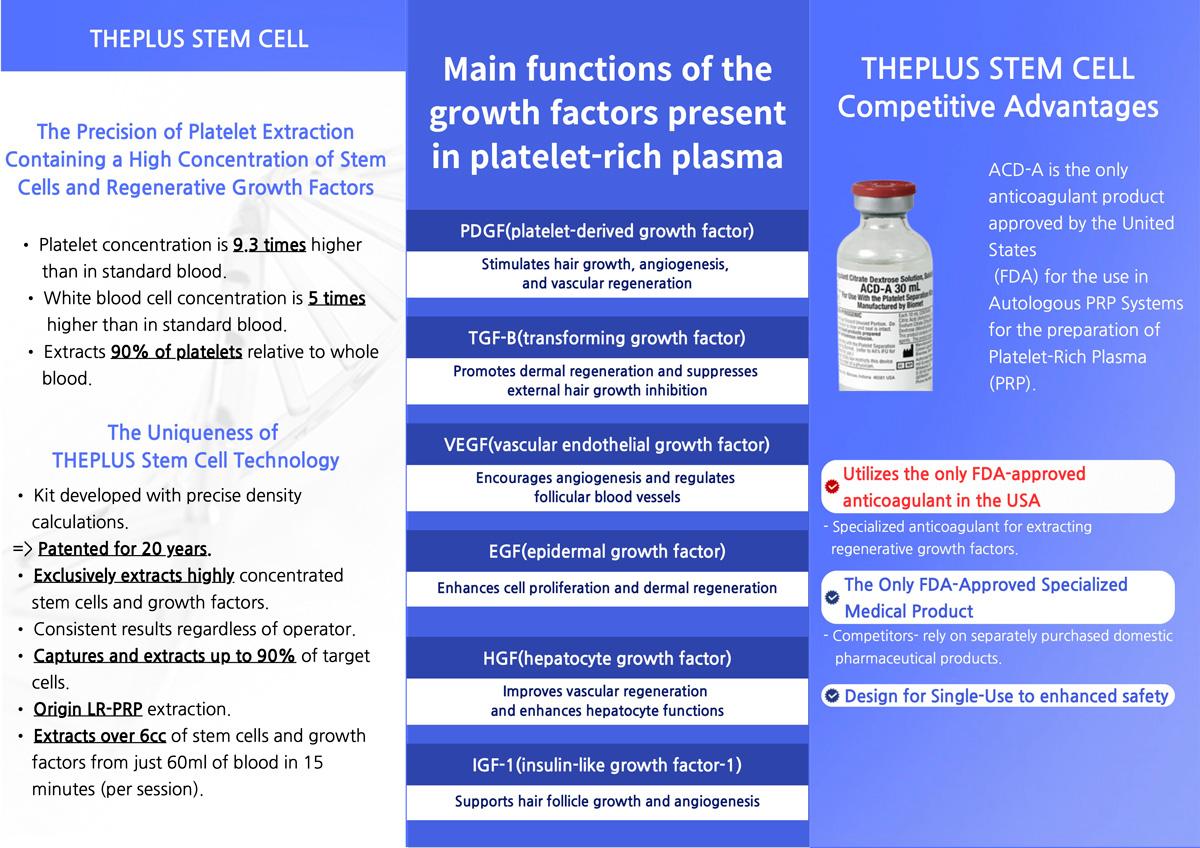
You may consider THEPLUS Plastic Surgery for breast asymmetry because Dr. Lee plans augmentation, lift, or reduction around your body type and breast shape, using full-HD endoscopic visualization for implant surgery and a 3-D assessment when lift technique selection is needed. Her board certification, breast-focused practice, and structured postoperative monitoring support a tailored surgical and recovery plan.
- URL: THEPLUS Plastic Surgery Website
- Location: Gangnam-gu, Seoul
- Procedure planning:
- Dr. Lee tailors implant placement and incision site to your body type, using full-HD endoscopic visualization.
- FDA-approved Motiva Ergonomix® implants are used for breast augmentation.
- A 3-D assessment of skin elasticity and breast shape guides selection of donut, lollipop, or anchor breast-lift techniques when a lift is indicated.
- Breast surgeon and care:
- Dr. Lee is a board-certified plastic surgeon specializing in breast augmentation, breast lift, and breast reduction surgery.
- Her experience includes a Surgery Specialist position at Seoul National University Hospital and clinical training at Seoul Metropolitan Boramae Hospital.
- The clinic describes advanced sterilization protocols, systematic postoperative monitoring, and aftercare tailored to your healing pace.
- English-language support and dedicated translator assistance are available from consultation through recovery.
3. Okay Plastic Surgery Clinic
You may consider Okay Plastic Surgery Clinic for breast asymmetry if your assessment may involve balancing breast size, position, or nipple appearance: its specialized Breast Center offers augmentation, reduction, lift, and nipple-correction procedures. Dr. Cho’s breast-surgery focus, including published research and experience with substantial reductions, may be relevant when your concerns are more complex.
- URL: Okay Plastic Surgery Clinic Website
- Location: Gangnam-gu, Seoul
- Breast-focused options:
- The specialized Breast Center offers breast reduction, breast lift, nipple correction, and breast augmentation options.
- Augmentation may use implants or fat grafting, while lift surgery is offered for sagging breast shape.
- Clinical focus and aftercare:
- Dr. Cho is described as a breast-surgery specialist who has studied and published research in the field.
- The clinic notes experience with standard augmentation and severe cases requiring substantial breast reduction.
- Comprehensive aftercare is emphasized for natural, lasting results.
Why South Korea?
Korean clinics are equipped with advanced technology, including 3D simulation for better pre-operative planning. Clinics are strictly regulated and many are internationally accredited. Board-certified surgeons, English-speaking staff, and all-in-one packages make the process accessible and safe. While costs are generally much lower than in Western countries, quality is not sacrificed.
Patient Journey in South Korea
Initial Planning and Virtual Consultation
Medical tourism agencies, such as Shin Medical and Seoul Cosmetic Surgery, help international patients arrange video consultations, find clinics, and navigate travel and accommodation logistics.
Travel Preparation
Patients typically book round-trip flights to Incheon, secure local accommodation, and handle entry visas (often visa-free or via K-ETA). A health checklist—including insurance, medication lists, and clothing for recovery—prepares travelers for their stay.
Arrival and Assessments
Most clinics offer airport pickup and a welcome orientation. Pre-op assessments include medical history, labs, and surgeon consultation, often with 3D imaging to preview expected results.
Surgery and Immediate Recovery
Breast asymmetry correction is performed in accredited facilities, with immediate post-op wound care and recovery therapies available. Most patients stay at least one night in the hospital after breast augmentation.
Recovery and Follow-up
Staying 7-14 days post-op in Seoul is recommended for safe recovery. Before leaving, patients complete wound checks and receive recovery kits and instructions. Recovery support and follow-up are often extended virtually after returning home, providing ongoing connection to the surgical team.
Choosing the Right Clinic and Surgeon
Important considerations include verifying clinic certification, surgeon board status, the availability of English-speaking staff, robust hygiene standards, and a detailed, transparent price quote. Patients should review before-and-after photos, ask about the surgeon’s specific experience in asymmetry correction, and avoid clinics using high-pressure sales tactics or misleading advertising.
Financial Considerations: Costs in South Korea and Beyond
Cost Breakdown
In South Korea, breast implants range from $3,000–$10,900 USD; fat grafting is $3,445–$11,024 USD, and stem cell breast augmentation is around $5,512–$8,268 USD. Revision surgery and high-complexity cases may cost more, depending on the procedure and surgeon expertise.
What’s Included in Packages
Most Korean clinics offer packaged deals covering the surgical procedure, anesthesia, facility use, and preoperative tests. High-end packages may also include accommodation, airport transfers, and language assistance.
South Korea vs. Other Countries
Compared to Western countries, where comparable procedures can cost $4,500–$12,000 USD (sometimes higher), Korea is generally more affordable while emphasizing service quality. Countries such as Turkey, Thailand, and India may have lower starting prices but can lack Korea’s reputation for quality and comprehensive care.
| Country | Average Cost Range (USD) | Key Inclusions |
|---|---|---|
| Republic of Korea | $4,760 - $10,900 | Often includes medical insurance, tests, accommodation, transfers, language assistance |
| USA | $4,300 - $12,000+ | Surgeon, hospital, anesthesia, medication, tests |
| Turkey | $2,000 - $4,500 | Pre-op tests, accommodation, transfers |
| UK | $4,500 - $12,000 | High quality, fewer inclusions |
| Thailand | $2,100 - $12,000 | Complete packages w/ accommodation, care |
| India | $2,000 - $5,500 | Top facilities, doctor teams |
Additional Expenses
Patients should also budget for airfare, spending money for meals and transport, and possible extended recovery costs if complications arise. Add-on services such as VIP transfers or premium nursing care are sometimes extra.
Patient Experiences: Life After Breast Asymmetry Correction
How Surgery Changes Lives
Many patients experience dramatic improvements in self-confidence, body image, and quality of life after correction. Wearing fitted clothes, participating in social activities, and feeling comfortable with partners are some of the commonly reported benefits.
Real-World Stories
Personal reports often highlight years of discomfort and then deep relief post-surgery. Patients share how hearing words of validation from partners or friends can help, but the true comfort comes from their own renewed sense of normalcy and empowerment. Online testimonials and in-depth stories reveal a highly individual journey.
Managing Expectations and Long-Term Outcomes
Initial post-op unevenness is normal and usually resolves as swelling goes down. Perfect symmetry is rarely possible; minor differences often persist. Common risks include capsular contracture, implant migration, fat necrosis, and changes in sensation. Implants are not lifetime devices—replacements or revisions may be needed after 10-15 years, and everyone should have an honest preoperative conversation about potential limitations and the likelihood of needing future care.
Most women can breastfeed after surgery but may face reduced nipple sensation or supply. Discussing future breastfeeding plans with the surgeon ahead of time is important.
Measuring Success
The value of breast asymmetry correction extends far beyond physical results. Standardized patient satisfaction measures, like the BREAST-Q, consistently show high levels of satisfaction and well-being improvements across physical, psychological, and sexual domains.
Conclusion
Breast asymmetry is extremely common and often harmless, but it can affect self-esteem and well-being. Surgical solutions—ranging from breast augmentation, reduction, and lift to autologous fat and stem cell augmentation—offer highly individualized results. South Korea stands out as a premier destination for quality surgical care at competitive prices, supported by comprehensive packages, advanced technology, and experienced surgeons. Patients who take the time to research, consult multiple specialists, and set realistic expectations are rewarded not only with improved physical results but with meaningful, lasting gains in confidence and quality of life.
References
1, 2, 3, 4, 5, 6, 7, 8, 9, 10, 11, 12, 13, 14, 15, 16, 17, 18, 19, 20, 21, 22, 23, 24, 25, 26, 27, 28, 29, 30, 31, 32, 33, 34, 35, 36, 37, 38, 39, 40, 41, 42, 43, 44, 45
Frequently Asked Questions
Related Blogs
Breast Fat Grafting in Korea vs. Global Costs: A Smart Investment for Natural Results
Explore the affordability and benefits of breast fat grafting in Korea, a popular cosmetic procedure known for its natural results. Discover why more individuals are choosing Korea for this innovative, cost-effective solution.
Updated: Sep 26, 2026
Nipple Surgery in Korea: Types, Recovery, Risks, and Travel Planning
Nipple surgery may reduce nipple size or projection, correct benign inversion, revise scars, or reconstruct the nipple–areola complex; technique, anesthesia, and recovery depend on the procedure and any combined breast or chest surgery. International patients should plan at least 7–10 days locally for uncomplicated isolated procedures, attend wound review before flying, arrange follow-up at home,
Updated: Sep 21, 2026
Breast Augmentation in Korea: Implants, Recovery, Travel Planning, and Long-Term Safety
Breast augmentation in Korea may use silicone or saline implants, or fat grafting, with planning based on anatomy, goals, incision, and pocket placement. The article covers candidacy, costs of ₩7,000,000–₩18,000,000, 10–14-day travel planning, recovery, follow-up, and implant records.
Updated: Sep 20, 2026
Capsular Contracture Treatment in Korea: Revision Options, Recovery, and Travel Planning
Capsular contracture treatment may include capsulotomy, partial or total capsulectomy, implant exchange or removal, pocket change, ADM support, breast lift, fat grafting, or autologous reconstruction based on symptoms and tissue condition. International patients should plan at least 10–14 days in Korea, complete local follow-ups, obtain surgeon clearance before flying, and arrange home-country car
Updated: Sep 19, 2026
Clinics offering Breast Surgery
BongBong Plastic Surgery | Premium Breast and Body Shaping with Innovative Autologous Fat Grafting and Hybrid Techniques
Nonhyeon

THEPLUS Plastic Surgery Korea | Eye, Nose, Face & Body Surgery
Sinsa

Lydian Plastic Surgery Clinic in Korea: Superior Cosmetic Procedures by World-Renowned Expert Dr. An Kyung Chun
Apgujeong

Seojin Plastic Surgery Clinic Korea: Pioneering Advanced Cosmetic Procedures for Personalized Aesthetic Transformation
Apgujeong