
Medizintourismus-Blog
Lösungen bei Wellenbildung von Brustimplantaten: Brustrevision in Korea für ein ebenmäßiges Ergebnis
Table of contents
- Brustimplantat-Rippling verstehen: Ursachen, Symptome und gebräuchliche Begriffe
- Revisions-Brustchirurgie: Ein umfassender Überblick über die Verfahren
- Der Ablauf einer Revisions-Brustoperation in Südkorea
- Kosten einer Revisions-Brustoperation in Südkorea und internationaler Vergleich
- Erfahrungen von Patientinnen und Ergebnisse nach einer Revisions-Brustoperation wegen Rippling
- Fazit
- Quellen
Planen Sie eine Behandlung in Korea? Alles, was Sie wissen müssen, z. B. wie Sie Betrug vermeiden, Visa, Dolmetscher und Tipps für die Erholung, finden Sie in unserem Master Guide für Medizintourismus. Planen Sie mit Vertrauen in Minuten statt in Wochen!
Brustimplantat-Rippling, oft als „sichtbare Wellen auf der Brustoberfläche“ beschrieben, ist eine häufige und belastende Komplikation nach einer Brustvergrößerung oder Rekonstruktion. Obwohl es in der Regel kein Gesundheitsrisiko darstellt, kann es das Körperbild und das Selbstvertrauen erheblich beeinträchtigen. Eine Revisions-Brustoperation ist die wichtigste Behandlungsoption und bietet die Möglichkeit, unbefriedigende Ergebnisse zu korrigieren sowie Komfort und Selbstsicherheit wiederherzustellen. Südkorea hat sich zu einem führenden Ziel für Medizintourismus entwickelt und ist für fortschrittliche Operationstechniken, hochwertige Versorgung und wettbewerbsfähige Preise bekannt. Dadurch ist das Land eine attraktive Wahl für internationale Patientinnen und Patienten, die einen Revisionseingriff in Betracht ziehen.
Brustimplantat-Rippling verstehen: Ursachen, Symptome und gebräuchliche Begriffe
Dieser Abschnitt erklärt, was Brustimplantat-Rippling ist, wie es aussieht und warum es auftritt.
Was ist Brustimplantat-Rippling?
Brustimplantat-Rippling entsteht, wenn Falten, Wellen oder Knicke an der Oberfläche eines Brustimplantats sichtbar werden oder durch die Haut bzw. das Brustgewebe tastbar sind. Patientinnen bemerken häufig „sichtbare Wellen auf der Brustoberfläche“, wodurch die Brust uneben oder verformt wirken kann.
Rippling tritt am häufigsten an der Außenseite der Brust, in der Nähe der Achsel oder im Bereich des Dekolletés auf, kann aber auch im oberen und mittleren Brustbereich sichtbar werden. Bei Menschen mit schlankerem Körperbau oder beim Vorbeugen fällt es meist stärker auf, weil das Implantat dann von weniger Gewebe bedeckt wird. Während leichtes Rippling kurz nach der Operation normal sein kann, sollte anhaltendes oder zunehmendes Rippling ärztlich abgeklärt werden.
Gebräuchliche Bezeichnungen für Brustimplantat-Rippling
Brustimplantat-Rippling ist unter mehreren Bezeichnungen bekannt – sowohl medizinischen als auch umgangssprachlichen. Einige beschreiben direkt sichtbare Falten, andere eher verwandte Formen einer Implantatverformung:
- Implant Rippling: Der gebräuchlichste Begriff für sichtbare oder tastbare Falten bzw. Wellen des Implantats durch die Haut.
- Breast Implant Animation Deformity (BAD): Bezeichnet eine unnatürliche Bewegung oder Verformung des Implantats, insbesondere wenn sich die Brustmuskulatur anspannt und das Implantat „herausspringt“, „zusammengedrückt“ wirkt oder „wellig“ erscheint.
- Dynamic Breast Deformity / Dynamic Distortion: Betont eine bewegungsabhängige Verformung.
- Jumping Breast Syndrome: Ein umgangssprachlicher Ausdruck für eine plötzliche, deutlich sichtbare Bewegung des Implantats.
- Breast Distortion / Flexion Distortion: Allgemeine Begriffe für eine veränderte Brustform, wobei „Flexion Distortion“ auf Veränderungen bei Muskelanspannung verweist.
- Wrinkling of the Breast: Beschreibt das Erscheinungsbild von Runzeln oder Falten an der Brustoberfläche.
Das Verständnis dieser Begriffe hilft Patientinnen, ihre Beschwerden gegenüber medizinischem Fachpersonal klarer zu schildern, und kann zu einer präziseren Diagnose sowie einem individuelleren Behandlungsplan führen.
Wichtige Tabelle: Gebräuchliche Bezeichnungen für Brustimplantat-Rippling
| Bezeichnung | Beschreibung |
|---|---|
| Implant Rippling | Der häufigste Begriff und bezeichnet sichtbare oder tastbare Falten, Wellen oder Knicke der Implantatoberfläche durch die Haut. |
| Breast Implant Animation Deformity (BAD) | Unnatürliche Bewegung oder Verformung von Brustimplantaten, insbesondere bei Anspannung der Brustmuskulatur, wodurch das Implantat „herausspringt“, „zusammengedrückt“ wirkt oder „wellig“ erscheint. Kann sowohl das körperliche Wohlbefinden als auch die psychische Belastung verstärken. |
| Dynamic Breast Deformity | Beschreibt die dynamische Bewegung und Verformung des Brustimplantats. |
| Dynamic Distortion | Ein weiterer Begriff, der die bewegungsabhängige Verformung betont. |
| Jumping Breast Syndrome | Umgangssprachlicher Ausdruck für die auffällige, oft plötzliche Bewegung oder das „Springen“ des Implantats. |
| Breast Distortion | Ein allgemeiner Begriff für eine veränderte oder unnatürliche Form der Brust. |
| Flexion Distortion | Spezifisch für Verformungen, die bei Muskelanspannung auftreten. |
| Wrinkling of the Breast | Beschreibender Begriff für das Auftreten von Runzeln oder Falten auf der Brustoberfläche. |
Warum tritt Rippling auf? (Detaillierte Ursachen)
Rippling kann durch mehrere Faktoren entstehen, oft in Kombination:
- Unzureichende Gewebebedeckung: Die häufigste Ursache. Dünnes Brustgewebe oder ein niedriger Körperfettanteil bedeuten weniger Polsterung über dem Implantat, wodurch dessen Ränder und Falten sichtbarer werden. Das gilt besonders für von Natur aus schlanke Personen oder Menschen mit kleinen Brüsten.
- Eigenschaften des Implantats:
- Implantattyp: Kochsalzimplantate neigen stärker zu Rippling als Silikonimplantate, da sich die Kochsalzlösung verlagern und Falten bilden kann. Silikonimplantate, insbesondere kohäsive Gelimplantate („Gummibärchen“-Implantate), behalten ihre Form besser und senken das Rippling-Risiko. Auch runde Implantate können eher zu Rippling neigen als anatomisch geformte Modelle.
- Implantatgröße: Implantate, die für den Körper einer Patientin zu groß oder zu schwer sind, können Haut und Gewebe überdehnen und dadurch das Risiko für Rippling erhöhen.
- Füllvolumen bei Kochsalzimplantaten: Zu wenig gefüllte Kochsalzimplantate können Falten werfen. Eine leichte Überfüllung kann helfen, zu viel Füllung kann jedoch andere Probleme verursachen.
- Lage des Implantats:
- Subglandulär (über dem Muskel): Eher anfällig für Rippling, besonders bei schlanken Patientinnen, da weniger Gewebe das Implantat bedeckt.
- Submuskulär (unter dem Muskel): Bietet mehr Bedeckung und Unterstützung und verringert Rippling. Dennoch kann es bei Muskelanspannung weiterhin auftreten (Animation Deformity).
- Probleme mit Kapsel und Narbengewebe:
- Zu kleine Kapsel: Eine zu kleine Implantattasche kann das Implantat zusammendrücken und Falten verursachen.
- Lockere Narbenkapsel: Eine lockere Kapsel erlaubt dem Implantat zu viel Bewegung, was zu Rippling führen kann.
- Kapselkontraktur: Das Verhärten und Zusammenziehen des Narbengewebes um das Implantat kann Wellenbildung und Beschwerden verursachen.
- Zug durch Narbengewebe: Narbengewebe, das am Implantat zieht, kann lokal begrenztes Rippling hervorrufen.
- Körperveränderungen und Alterung:
- Gewichtsverlust: Gewichtsabnahme kann das Gewebe über dem Implantat ausdünnen, wodurch Rippling sichtbarer wird.
- Alterung: Mit zunehmendem Alter verliert die Haut an Elastizität und Volumen, sodass die Implantatränder deutlicher hervortreten können.
- Implantatruptur: Ein gerissenes Implantat kann ebenfalls Rippling verursachen.
Viele dieser Faktoren werden durch Entscheidungen der Chirurgin oder des Chirurgen beim Ersteingriff beeinflusst, etwa bei Implantattyp, -größe und -lage. Sorgfältige Planung und ein erfahrener Operateur können helfen, Rippling vorzubeugen. Wer bereits betroffen ist, kann durch das Verständnis der Ursachen gezielter nach geeigneten Behandlungsoptionen suchen.
Anzeichen von Rippling erkennen
Zu den Anzeichen von Brustimplantat-Rippling gehören:
- Sichtbare Falten oder Leisten: Auffällige Wellen oder Falten auf der Brustoberfläche.
- Tastbare Wellen: Rippling ist oft schon tastbar, bevor es sichtbar wird, insbesondere beim Vorbeugen oder Anspannen der Brustmuskulatur.
- Veränderungen der Brustform: Die Brust kann verändert oder verzerrt aussehen, wenn sich das Implantat verschiebt oder faltet.
- Verminderte Fülle der Brust: Durch die Faltenbildung kann die Brust weniger voll erscheinen.
- Schmerzen und Beschwerden: Manchmal geht Rippling mit Schmerzen einher, besonders wenn eine Kapselkontraktur vorliegt.
- Emotionale und psychische Belastung: Die sichtbare Verformung kann erheblichen emotionalen Stress auslösen und das Selbstvertrauen mindern. Fast die Hälfte der betroffenen Frauen berichtet von täglichen psychischen Auswirkungen, was die Notwendigkeit einer einfühlsamen Betreuung unterstreicht.
Revisions-Brustchirurgie: Ein umfassender Überblick über die Verfahren
Dieser Abschnitt erläutert die chirurgischen Optionen zur Korrektur von Brustimplantat-Rippling und wie jede Technik auf bestimmte Ursachen abzielt.
Was ist eine Revisions-Brustoperation?
Eine Revisions-Brustoperation ist ein korrigierender Eingriff bei Komplikationen oder unbefriedigenden Ergebnissen nach einer früheren Brustvergrößerung oder Brustrekonstruktion. Sie ist oft komplexer als die Erstoperation, da Narbengewebe und veränderte anatomische Verhältnisse berücksichtigt werden müssen.
Bei Brustimplantat-Rippling besteht das Ziel darin, ein glatteres, natürlicheres Erscheinungsbild der Brust wiederherzustellen und mögliche Beschwerden oder psychische Belastungen zu lindern. Die Chirurgin oder der Chirurg muss Implantate, umliegendes Gewebe und die Narbenkapsel sorgfältig beurteilen, um die beste Korrekturstrategie auszuwählen.
Chirurgische Techniken zur Korrektur von Rippling
Welche Technik geeignet ist, hängt von der zugrunde liegenden Ursache ab. Eine ausführliche Beratung durch eine erfahrene plastische Chirurgin oder einen erfahrenen plastischen Chirurgen ist entscheidend.
- Eigenfetttransplantation (Fat Grafting / Fat Transfer):
- Wie es funktioniert: Fett wird aus einem anderen Körperbereich entnommen, aufbereitet und rund um das Brustimplantat injiziert.
- Zweck: Es wird eine natürliche Gewebeschicht hinzugefügt, die das Implantat bedeckt, Wellen kaschiert und die Hautqualität verbessert.
- Vorteile: Sorgt für ein natürlicheres Aussehen und Tastgefühl.
- Zu beachten: Ein Teil des Fettes kann wieder resorbiert werden, sodass mehrere Sitzungen nötig sein können.
- Implantatwechsel und/oder Änderung von Größe bzw. Typ:
- Wie es funktioniert: Die alten Implantate werden entfernt und ersetzt.
- Zweck: Kleinere Implantate können Spannung und Rippling reduzieren; der Wechsel zu kohäsivem Silikon (z. B. Motiva-Implantaten) senkt das Risiko; etwas größere Implantate können helfen, wenn die Kapsel zu locker ist.
- Änderung der Implantatlage (subglandulär zu submuskulär):
- Wie es funktioniert: Die Implantate werden von oberhalb des Brustmuskels unter den Muskel verlagert.
- Zweck: Der Muskel bietet zusätzliche Bedeckung und verdeckt Ränder sowie Falten für eine glattere Kontur.
- Anpassung oder Entfernung der Kapsel (Kapsulektomie/Kapsulotomie):
- Wie es funktioniert: Die Narbenkapsel um das Implantat wird angepasst oder entfernt.
- Zweck: Behebt strukturelle Probleme, die Verformungen oder Schmerzen verursachen.
- Biologisches Mesh / azelluläre dermale Matrix (ADM):
- Wie es funktioniert: Stützmaterialien werden eingesetzt, um zusätzliche Bedeckung und Unterstützung zu schaffen.
- Zweck: Besonders hilfreich für Patientinnen mit dünnem Gewebe; diese Materialien verstärken den Bereich und reduzieren Rippling.
- Nachfüllen des Implantats (bei Kochsalzimplantaten):
- Wie es funktioniert: Zu wenig gefüllten Implantaten wird mehr Kochsalzlösung hinzugefügt.
- Zweck: Beseitigt überschüssigen Raum, der Faltenbildung ermöglicht.
- Bruststraffung (Mastopexie):
- Wie es funktioniert: Kann mit einer Revision kombiniert werden, um hängende Brüste neu zu formen.
Die Revisions-Brustchirurgie ist stark individualisiert. Die Erfahrung der Chirurgin oder des Chirurgen und die Fähigkeit, Techniken sinnvoll zu kombinieren, sind entscheidend für den Erfolg. Patientinnen sollten gezielt nach Operateurinnen und Operateuren mit besonderer Erfahrung in Revisionseingriffen suchen und verstehen, dass ein maßgeschneiderter Plan der Schlüssel ist – eine Universallösung gibt es nicht.
Den richtigen Ansatz wählen: Faktoren, die chirurgische Entscheidungen beeinflussen
Mehrere Faktoren bestimmen die Wahl der Revisionstechnik:
- Zugrunde liegende Ursache: Der Hauptgrund für das Rippling (z. B. dünnes Gewebe, zu großes Implantat, Kapselprobleme).
- Anatomie der Patientin: Menge des natürlichen Gewebes, Hautelastizität und Körpertyp.
- Gewünschtes Ergebnis: Die Ziele der Patientin in Bezug auf Brustgröße, Form und Erscheinungsbild.
- Expertise der Chirurgin oder des Chirurgen: Die Fähigkeit, komplexe Fälle richtig zu diagnostizieren und zu behandeln.
- Vorherige Operationen: Narbengewebe und frühere Eingriffe erhöhen die Komplexität.
Wichtige Tabelle: Häufige Ursachen von Rippling und passende Revisionstechniken
| Hauptursache des Rippling | Empfohlene Revisionstechniken |
|---|---|
| Unzureichende Gewebebedeckung (dünne Haut/wenig Fett) | Eigenfetttransplantation, biologisches Mesh/ADM, Änderung der Implantatlage (auf submuskulär) |
| Implantat zu groß/zu schwer | Implantatwechsel (mit kleinerer Größe) |
| Zu geringe Füllung eines Kochsalzimplantats | Nachfüllen des Implantats (bei Kochsalzimplantaten) |
| Lockere Narbenkapsel | Implantatwechsel (mit etwas größerer Größe), Kapselanpassung |
| Zu kleine Kapsel | Anpassung der Kapselgröße, Implantatwechsel |
| Kapselkontraktur | Kapselentfernung (Kapsulektomie), Implantatwechsel, Eigenfetttransplantation, biologisches Mesh/ADM |
| Implantattyp (Kochsalz anfälliger) | Implantatwechsel (zu kohäsivem Silikon/Motiva-Implantaten) |
| Implantatlage (subglandulär anfälliger) | Änderung der Implantatlage (auf submuskulär), Eigenfetttransplantation, biologisches Mesh/ADM |
| Animation Deformity | Änderung der Implantatlage (auf submuskulär), Eigenfetttransplantation, biologisches Mesh/ADM |
| Implantatruptur | Implantatwechsel, Kapselentfernung |
| Zug durch Narbengewebe | Anpassung/Lösung des Narbengewebes, Eigenfetttransplantation |
Der Ablauf einer Revisions-Brustoperation in Südkorea
Südkorea ist ein führendes Ziel für ästhetische und rekonstruktive Chirurgie. Hier erfahren internationale Patientinnen und Patienten, was sie erwarten können.
Die besten Kliniken in Korea für Brustimplantat-Rippling
Nachfolgend sind die führenden Kliniken in Korea für Brustimplantat-Rippling aufgeführt:
| Klinikname | Wichtige Merkmale | Spezielle Techniken |
|---|---|---|
| THEPLUS Plastic Surgery | - THEPLUS Plastic Surgery befindet sich in Garosu-gil, Gangnam, und ist ein forschungsaktives Zentrum auf vier Etagen, das eine nahtlose Betreuung von der ersten Beratung über die Operation bis zur postoperativen Hautpflege bietet. Die Fachärztinnen und Fachärzte für plastische Chirurgie publizieren regelmäßig, lehren und referieren auf internationalen Symposien und verbinden akademische Strenge mit persönlicher Kommunikation und hohen Sicherheitsstandards. Mit der besonderen Expertise von Dr. Lee in der Brustvergrößerung, modernen Implantatoptionen und strukturierter Nachsorge hebt sich THEPLUS in Korea bei der Vorbeugung und Korrektur von Brustimplantat-Rippling durch natürliche und langfristig stabile Ergebnisse hervor. - Führend in der Brustvergrößerung: Dr. Lee ist Facharzt für plastische Chirurgie und ehemaliger Surgery Specialist am Seoul National University Hospital, aktiv in führenden koreanischen Fachgesellschaften und bekannt für natürliche sowie dauerhafte Ergebnisse. - Expertise in 3D-Implantatforschung: Dr. Kim, ein Facharzt für plastische Chirurgie, der für preisgekrönte Forschung zu 3D-Implantaten und internationale Fachgesellschaftsmitgliedschaften bekannt ist, veranstaltet jährliche Fortbildungen und unterstützt damit eine datenbasierte Implantatauswahl und Planung für rippling-anfällige Fälle. - Anerkannte nationale Führungsrolle: Dr. Jeong, Präsident der Korean Society of Plastic Surgeons, ist international gefragter Referent und Ausbilder und setzt hohe Maßstäbe für chirurgische Präzision und Sicherheit. - Ganzheitliche Einrichtung auf vier Etagen: Beratung, Operation und postoperative Hautpflege unter einem Dach gewährleisten einheitliche Protokolle, die dabei helfen, Rippling vorzubeugen und zu behandeln. - Akademische und internationale Vernetzung: Die Chirurginnen und Chirurgen wirken an Fachzeitschriften und Lehrbüchern mit und nehmen an nationalen wie internationalen Symposien teil, um bei Implantatauswahl und Gewebemanagement auf dem neuesten Stand zu bleiben. - Sicherheit und Erfahrung: Ein erfahrenes Team mit über einem Jahrzehnt Praxiserfahrung, aktiv in großen Fachgesellschaften einschließlich der American Society of Plastic Surgeons und regelmäßig zu Vorträgen sowie Live-Operationen weltweit eingeladen. - Moderne Implantatoptionen: Die Verfügbarkeit von Motiva-Implantaten, die für Sicherheit und ein natürliches Gefühl bekannt sind, erweitert die Auswahl passend zur individuellen Anatomie und zu den ästhetischen Zielen bei Rippling-Problemen. - Individuelle Planung: Gründliche Beratungen und klare Kommunikation stimmen Implantatauswahl und Operationsstrategie auf die Gewebebeschaffenheit und Erwartungen jeder Patientin ab. - Konsequente Nachsorge: Strukturierte Nachsorge- und Hautpflegeangebote unterstützen eine reibungslose Heilung und die langfristige Stabilität der Ergebnisse. - Erstklassige Lage in Gangnam: Günstig gelegen in Seouls Garosu-gil und offen für lokale wie internationale Patientinnen und Patienten. | - Motiva-Implantate, bekannt für Sicherheit und ein natürliches Gefühl, erweitern die Auswahl passend zur individuellen Anatomie und zu den ästhetischen Zielen bei Rippling-Problemen. - Expertise in 3D-Implantatforschung: Dr. Kim betreibt preisgekrönte Forschung und veranstaltet Fortbildungen, um eine datenbasierte Implantatauswahl und Planung für rippling-anfällige Fälle zu unterstützen. - Individuelle Planung: Gründliche Beratungen und klare Kommunikation stimmen Implantatauswahl und Operationsstrategie auf die Gewebebeschaffenheit und Erwartungen jeder Patientin ab. - Konsequente Nachsorge: Strukturierte Nachsorge- und Hautpflegeangebote unterstützen eine reibungslose Heilung und die langfristige Stabilität der Ergebnisse. |
| Seojin Plastic Surgery Clinic | - Die Seojin Plastic Surgery Clinic im Herzen von Gangnam, Seoul, wird von Dr. Lee Hyungmin geleitet, einem „Top 100 Good Doctor“ in Korea mit mehr als 16 Jahren Erfahrung und über 2.300 durchgeführten Brustoperationen. Als Nr. 1 in der Kategorie Brustvergrößerung bei den KBS N Korea Broadcasting Brand Awards ausgezeichnet, verbindet die Klinik preisgekrönte Expertise mit persönlicher One-Doctor-Betreuung. Mit ihrer Spezialisierung auf fortschrittliche und hybride Brustvergrößerungen nutzt Seojin 3D-Bildgebung und hochauflösende Endoskopie für präzise Planung und sicheres Operieren und ist damit eine führende Adresse für Patientinnen, die Brustimplantat-Rippling durch individuell angepasste Techniken und sorgfältige Durchführung vermeiden oder korrigieren möchten. • Als Nr. 1 in der Brustvergrößerung (KBS N Korea Broadcasting Brand Awards) ausgezeichnet, mit über 2.300 Brustoperationen und mehr als 16 Jahren Erfahrung – eine Expertise, die für Prävention und Revision bei Rippling wesentlich ist. • Spezialisierte Anti-Rippling-Techniken: ein an den Rippenkorb, das Brustgewebe und die Thoraxanatomie jeder Patientin angepasstes Microscale Dual Plane zur Verbesserung der Weichteildeckung; 3D Spatial Dissection zur Schaffung einer glatten, stabilen Implantattasche und zur Minimierung von Schwellungen; intraoperative Sizer zur Bestätigung von Breite, Projektion und Symmetrie vor dem Einsetzen des endgültigen Implantats für sicherere und präzisere Ergebnisse. • Hybride Brustvergrößerung für zusätzliche Weichheit und bessere Kaschierung von Rippling: kombiniert Implantate mit Eigenfett, das aus Oberschenkeln oder Bauch entnommen wird; nutzt PRP beim Fat Grafting, um das Anwachsen des Fettgewebes zu verbessern und Entzündungen zu reduzieren, wodurch die Gewebedicke über den Implantaträndern zunimmt. • Fortschrittliche Planung und realistische Erwartungsabstimmung: 3D-Modellierung von Brustimplantaten zur Visualisierung von Ergebnissen über verschiedene Marken und Typen hinweg; kostenloser Probe-BH-Service, damit Patientinnen Passform und Design präoperativ testen und Optionen wählen können, die das Rippling-Risiko minimieren. • Korrektur hängender Brüste ohne Bruststraffungsoperation: Einsatz spezieller Implantate wie Mentor Boost zur Korrektur einer Ptose und zur Optimierung der Hautkontur ohne Mastopexie-Narben, was glattere Konturen mit geringerer Sichtbarkeit von Rippling unterstützt. • Aktuelles Implantat-Know-how: Aktive Teilnahme an wissenschaftlichen Konferenzen von Motiva und Mentor sichert die laufende Übernahme neuester Entwicklungen in Brustvergrößerung und Implantattechnologie, die für Prävention und Korrektur von Rippling relevant sind. • Persönliche One-Doctor-Kontinuität in der Betreuung: Dr. Lee Hyungmin, ausgezeichnet als einer von Koreas 100 Good Doctors, bietet durchgehende Betreuung von der Beratung bis zur Nachsorge und ermöglicht so differenzierte Entscheidungen bei dünnem Gewebe und komplexen Revisionen. • Modernste Technologie in Gangnam, Seoul: präzise Planung und sicherere Operationen durch 3D-Bildgebung und hochauflösende Endoskopie in einem umfassenden ästhetischen Zentrum mit Spezialisierung auf Brustchirurgie (Implantate, hybride Brustvergrößerung, Alternativen zur Straffung, Verkleinerung, Brustwarzenchirurgie, Gynäkomastie, transgender Brustoperationen) sowie ergänzende Körperformung, Haartransplantation, Microblading und dermatologische Leistungen. | - An den Rippenkorb, das Brustgewebe und die Thoraxanatomie jeder Patientin angepasstes Microscale Dual Plane zur Verbesserung der Weichteildeckung. - 3D Spatial Dissection zur Schaffung einer glatten, stabilen Implantattasche und zur Minimierung von Schwellungen. - Intraoperative Sizer zur Bestätigung von Breite, Projektion und Symmetrie vor dem Einsetzen des endgültigen Implantats für sicherere und präzisere Ergebnisse. - Hybride Brustvergrößerung: Implantate kombiniert mit Eigenfett aus Oberschenkeln oder Bauch; PRP beim Fat Grafting verbessert das Anwachsen des Fettgewebes und reduziert Entzündungen, wodurch die Gewebedicke über den Implantaträndern zunimmt. - 3D-Modellierung von Brustimplantaten zur Visualisierung von Ergebnissen über verschiedene Marken und Typen hinweg; kostenloser Probe-BH-Service zum präoperativen Testen von Passform und Design und zur Minimierung des Rippling-Risikos. - Korrektur von Erschlaffung ohne Straffung: Mentor-Boost-Implantate zur Korrektur einer Ptose und zur Optimierung der Hautkontur ohne Mastopexie-Narben. - Aktuelles Implantat-Know-how: Teilnahme an Motiva- und Mentor-Konferenzen zu den neuesten Entwicklungen. - One-Doctor-Kontinuität in der Betreuung: Dr. Lee Hyungmin bietet durchgehende Versorgung. - Modernste Technologie in Gangnam: 3D-Bildgebung und hochauflösende Endoskopie für Planung und sicherere Operationen. |
| Okay Plastic Surgery Clinic | - Die Okay Plastic Surgery Clinic ist in Korea eine hervorragende Wahl zur Behandlung von Brustimplantat-Rippling, weil ihr spezialisiertes Breast Center tiefgehende subspezialisierte Expertise mit sorgfältiger, individuell zugeschnittener Betreuung verbindet, um glatte, natürliche und dauerhafte Konturen wiederherzustellen. Unter der Leitung von Dr. Cho – einem renommierten Brustchirurgen mit umfangreicher Publikationstätigkeit, der sowohl Standardvergrößerungen als auch komplexe Fälle wie ausgeprägte Brustverkleinerungen, die viele Kliniken nicht durchführen können, beherrscht – analysiert das Team die genaue Ursache des Rippling und entwickelt eine präzise Lösung mithilfe fortschrittlicher Techniken, die in Brustverkleinerung, Straffung und Brustwarzenkorrektur verfeinert wurden, ergänzt durch Optionen wie Eigenfetttransplantation zur Verbesserung der Weichteildeckung bei Bedarf. Unterstützt von einem multidisziplinären Team, zu dem auch eine sehr erfahrene plastische Chirurgin gehört, kombiniert die Klinik Aufrichtigkeit, Präzision und moderne Methoden, um Ergebnisse zu erzielen, die sowohl ästhetisch als auch langfristig überzeugend sind. Ebenso wichtig ist das umfassende Nachsorgeprogramm, das engmaschige Kontrollen und proaktives Management betont, um Ergebnisse zu schützen und Rückfälle zu minimieren – so erhalten Patientinnen nicht nur einen Eingriff, sondern eine umfassende Behandlung mit Fokus auf Sicherheit, Ästhetik und Langlebigkeit. | - Techniken, die im Rahmen von Brustverkleinerung, Straffung und Brustwarzenkorrektur verfeinert wurden. - Eigenfetttransplantation zur Verbesserung der Weichteildeckung bei Bedarf. - Unterstützung durch ein multidisziplinäres Team und durchgehende Betreuung von der Beratung bis zur Nachsorge. - Umfassendes Nachsorgeprogramm mit Schwerpunkt auf engmaschiger Kontrolle und proaktivem Management. |
THEPLUS Plastic Surgery
THEPLUS Plastic Surgery befindet sich in Garosu-gil, Gangnam, und ist ein forschungsaktives Zentrum auf vier Etagen, das eine nahtlose Betreuung von der ersten Beratung über die Operation bis zur postoperativen Hautpflege bietet. Die Fachärztinnen und Fachärzte für plastische Chirurgie publizieren regelmäßig, lehren und referieren auf internationalen Symposien und verbinden akademische Strenge mit persönlicher Kommunikation und hohen Sicherheitsstandards. Mit der besonderen Expertise von Dr. Lee in der Brustvergrößerung, modernen Implantatoptionen und strukturierter Nachsorge hebt sich THEPLUS in Korea bei der Vorbeugung und Korrektur von Brustimplantat-Rippling durch natürliche und langfristig stabile Ergebnisse hervor.
- Führend in der Brustvergrößerung: Dr. Lee ist Facharzt für plastische Chirurgie und ehemaliger Surgery Specialist am Seoul National University Hospital, aktiv in führenden koreanischen Fachgesellschaften und bekannt für natürliche sowie dauerhafte Ergebnisse.
- Expertise in 3D-Implantatforschung: Dr. Kim, ein Facharzt für plastische Chirurgie, der für preisgekrönte Forschung zu 3D-Implantaten und internationale Fachgesellschaftsmitgliedschaften bekannt ist, veranstaltet jährliche Fortbildungen und unterstützt damit eine datenbasierte Implantatauswahl und Planung für rippling-anfällige Fälle.
- Anerkannte nationale Führungsrolle: Dr. Jeong, Präsident der Korean Society of Plastic Surgeons, ist international gefragter Referent und Ausbilder und setzt hohe Maßstäbe für chirurgische Präzision und Sicherheit.
- Ganzheitliche Einrichtung auf vier Etagen: Beratung, Operation und postoperative Hautpflege unter einem Dach gewährleisten einheitliche Protokolle, die dabei helfen, Rippling vorzubeugen und zu behandeln.
- Akademische und internationale Vernetzung: Die Chirurginnen und Chirurgen wirken an Fachzeitschriften und Lehrbüchern mit und nehmen an nationalen wie internationalen Symposien teil, um bei Implantatauswahl und Gewebemanagement auf dem neuesten Stand zu bleiben.
- Sicherheit und Erfahrung: Ein erfahrenes Team mit über einem Jahrzehnt Praxiserfahrung, aktiv in großen Fachgesellschaften einschließlich der American Society of Plastic Surgeons und regelmäßig zu Vorträgen sowie Live-Operationen weltweit eingeladen.
- Moderne Implantatoptionen: Die Verfügbarkeit von Motiva-Implantaten, die für Sicherheit und ein natürliches Gefühl bekannt sind, erweitert die Auswahl passend zur individuellen Anatomie und zu den ästhetischen Zielen bei Rippling-Problemen.
- Individuelle Planung: Gründliche Beratungen und klare Kommunikation stimmen Implantatauswahl und Operationsstrategie auf die Gewebebeschaffenheit und Erwartungen jeder Patientin ab.
- Konsequente Nachsorge: Strukturierte Nachsorge- und Hautpflegeangebote unterstützen eine reibungslose Heilung und die langfristige Stabilität der Ergebnisse.
- Erstklassige Lage in Gangnam: Günstig gelegen in Seouls Garosu-gil und offen für lokale wie internationale Patientinnen und Patienten.
Sie können die Website hier ansehen: THEPLUS Plastic Surgery Website
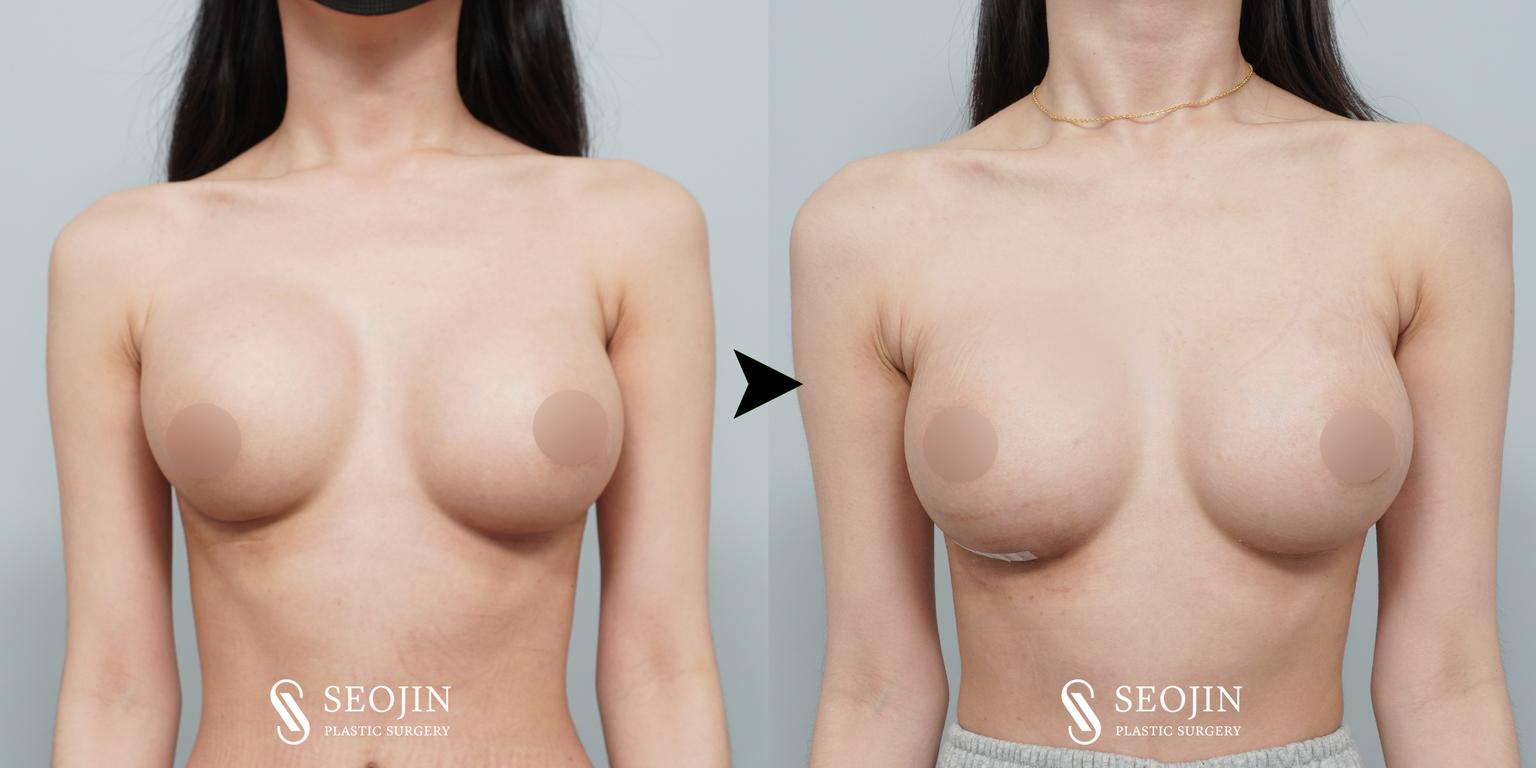
Seojin Plastic Surgery Clinic
Die Seojin Plastic Surgery Clinic im Herzen von Gangnam, Seoul, wird von Dr. Lee Hyungmin geleitet, einem „Top 100 Good Doctor“ in Korea mit mehr als 16 Jahren Erfahrung und über 2.300 durchgeführten Brustoperationen. Als Nr. 1 in der Kategorie Brustvergrößerung bei den KBS N Korea Broadcasting Brand Awards ausgezeichnet, verbindet die Klinik preisgekrönte Expertise mit persönlicher One-Doctor-Betreuung. Mit ihrer Spezialisierung auf fortschrittliche und hybride Brustvergrößerungen nutzt Seojin 3D-Bildgebung und hochauflösende Endoskopie für präzise Planung und sicheres Operieren und ist damit eine führende Adresse für Patientinnen, die Brustimplantat-Rippling durch individuell angepasste Techniken und sorgfältige Durchführung vermeiden oder korrigieren möchten.
• Als Nr. 1 in der Brustvergrößerung (KBS N Korea Broadcasting Brand Awards) ausgezeichnet, mit über 2.300 Brustoperationen und mehr als 16 Jahren Erfahrung – eine Expertise, die für Prävention und Revision bei Rippling wesentlich ist.
• Spezialisierte Anti-Rippling-Techniken: ein an den Rippenkorb, das Brustgewebe und die Thoraxanatomie jeder Patientin angepasstes Microscale Dual Plane zur Verbesserung der Weichteildeckung; 3D Spatial Dissection zur Schaffung einer glatten, stabilen Implantattasche und zur Minimierung von Schwellungen; intraoperative Sizer zur Bestätigung von Breite, Projektion und Symmetrie vor dem Einsetzen des endgültigen Implantats für sicherere und präzisere Ergebnisse.
• Hybride Brustvergrößerung für zusätzliche Weichheit und bessere Kaschierung von Rippling: kombiniert Implantate mit Eigenfett, das aus Oberschenkeln oder Bauch entnommen wird; nutzt PRP beim Fat Grafting, um das Anwachsen des Fettgewebes zu verbessern und Entzündungen zu reduzieren, wodurch die Gewebedicke über den Implantaträndern zunimmt.
• Fortschrittliche Planung und realistische Erwartungsabstimmung: 3D-Modellierung von Brustimplantaten zur Visualisierung von Ergebnissen über verschiedene Marken und Typen hinweg; kostenloser Probe-BH-Service, damit Patientinnen Passform und Design präoperativ testen und Optionen wählen können, die das Rippling-Risiko minimieren.
• Korrektur hängender Brüste ohne Bruststraffungsoperation: Einsatz spezieller Implantate wie Mentor Boost zur Korrektur einer Ptose und zur Optimierung der Hautkontur ohne Mastopexie-Narben, was glattere Konturen mit geringerer Sichtbarkeit von Rippling unterstützt.
• Aktuelles Implantat-Know-how: Aktive Teilnahme an wissenschaftlichen Konferenzen von Motiva und Mentor sichert die laufende Übernahme neuester Entwicklungen in Brustvergrößerung und Implantattechnologie, die für Prävention und Korrektur von Rippling relevant sind.
• Persönliche One-Doctor-Kontinuität in der Betreuung: Dr. Lee Hyungmin, ausgezeichnet als einer von Koreas 100 Good Doctors, bietet durchgehende Betreuung von der Beratung bis zur Nachsorge und ermöglicht so differenzierte Entscheidungen bei dünnem Gewebe und komplexen Revisionen.
• Modernste Technologie in Gangnam, Seoul: präzise Planung und sicherere Operationen durch 3D-Bildgebung und hochauflösende Endoskopie in einem umfassenden ästhetischen Zentrum mit Spezialisierung auf Brustchirurgie (Implantate, hybride Brustvergrößerung, Alternativen zur Straffung, Verkleinerung, Brustwarzenchirurgie, Gynäkomastie, transgender Brustoperationen) sowie ergänzende Körperformung, Haartransplantation, Microblading und dermatologische Leistungen.
Sie können die Website hier ansehen: Seojin Plastic Surgery Clinic Website
Okay Plastic Surgery Clinic
Die Okay Plastic Surgery Clinic ist in Korea eine hervorragende Wahl zur Behandlung von Brustimplantat-Rippling, weil ihr spezialisiertes Breast Center tiefgehende subspezialisierte Expertise mit sorgfältiger, individuell zugeschnittener Betreuung verbindet, um glatte, natürliche und dauerhafte Konturen wiederherzustellen. Unter der Leitung von Dr. Cho – einem renommierten Brustchirurgen mit umfangreicher Publikationstätigkeit, der sowohl Standardvergrößerungen als auch komplexe Fälle wie ausgeprägte Brustverkleinerungen, die viele Kliniken nicht durchführen können, beherrscht – analysiert das Team die genaue Ursache des Rippling und entwickelt eine präzise Lösung mithilfe fortschrittlicher Techniken, die in Brustverkleinerung, Straffung und Brustwarzenkorrektur verfeinert wurden, ergänzt durch Optionen wie Eigenfetttransplantation zur Verbesserung der Weichteildeckung bei Bedarf. Unterstützt von einem multidisziplinären Team, zu dem auch eine sehr erfahrene plastische Chirurgin gehört, kombiniert die Klinik Aufrichtigkeit, Präzision und moderne Methoden, um Ergebnisse zu erzielen, die sowohl ästhetisch als auch langfristig überzeugend sind. Ebenso wichtig ist das umfassende Nachsorgeprogramm, das engmaschige Kontrollen und proaktives Management betont, um Ergebnisse zu schützen und Rückfälle zu minimieren – so erhalten Patientinnen nicht nur einen Eingriff, sondern eine umfassende Behandlung mit Fokus auf Sicherheit, Ästhetik und Langlebigkeit.
Mehr über diese Klinik finden Sie hier: Okay Plastic Surgery Clinic Website
Warum Südkorea für Medizintourismus?
Südkorea ist für seine hochwertige medizinische Versorgung, fortschrittliche Technologie und innovative Operationstechniken bekannt. Chirurginnen und Chirurgen verwenden Methoden wie die Microscale Dual Plane Technique und 3D Spatial Dissection für präzise Ergebnisse. Das Land bietet außerdem wettbewerbsfähige Preise, die oft 30–70 % unter denen westlicher Länder liegen, sowie kürzere Wartezeiten. Viele Kliniken bieten umfassende Pakete und mehrsprachige Unterstützung an, was den Ablauf für internationale Patientinnen und Patienten erleichtert.
Schritt-für-Schritt-Ablauf für internationale Patientinnen und Patienten
- Erste virtuelle Beratung: Beginnen Sie mit einem Online-Gespräch, um Ihre Vorgeschichte, Beschwerden und Ziele zu besprechen.
- Reiseorganisation: Sobald ein Plan feststeht, organisieren Sie die Reise. Große Kliniken befinden sich in Städten mit internationalen Flughäfen, und viele helfen bei der Logistik.
- Persönliche Beratung & präoperative Untersuchungen: Nach Ihrer Ankunft erfolgen eine ausführliche Untersuchung, Bildgebung und Gesundheitschecks, um den Operationsplan festzulegen. Häufig stehen Dolmetscher oder mehrsprachige Mitarbeitende zur Verfügung.
- Der operative Eingriff: Die Operation wird an Ihre individuellen Bedürfnisse angepasst und nutzt fortschrittliche Techniken für optimale Ergebnisse.
- Postoperative Betreuung & Erholung: Patientinnen bleiben in der Regel 24 Stunden in der Klinik und erhalten aufmerksame Betreuung sowie Nachsorge. Die Erholungszeit beträgt etwa 4–6 Wochen.
- Nachkontrolle und Abreise: Nach der Erholung und den Nachkontrollen können Sie nach Hause zurückkehren. Viele Kliniken bieten eine Nachbetreuung aus der Ferne sowie ausführliche postoperative Anweisungen an.
Kosten einer Revisions-Brustoperation in Südkorea und internationaler Vergleich
Das Verständnis der Kosten ist entscheidend für alle, die eine Operation im Ausland erwägen.
Kostenrahmen in Südkorea
Eine Revisions-Brustoperation in Südkorea kostet typischerweise 13.000.000 bis 22.000.000 KRW (etwa 8.944 bis 15.136 USD). Darin enthalten sind in der Regel:
- Operationshonorar, Anästhesie und Nutzung der Einrichtung
- Übernachtungen, falls erforderlich
- Präoperative Untersuchungen
- Postoperative Betreuung und Nachkontrollen
- Spezielle medizinische Versicherung für Komplikationen
- Zusätzliche Gesundheitsuntersuchungen, falls erforderlich
Die Kosten hängen von der Erfahrung der Chirurgin oder des Chirurgen, der Komplexität des Eingriffs und der Ausstattung der Klinik ab. Häufig ist eine Anzahlung (etwa 10 %) erforderlich, um die Buchung zu sichern.
Kostenvergleich mit anderen Ländern (aus Sicht von Medizintouristen)
Die Preise in Südkorea sind wettbewerbsfähig und oft umfassender als in anderen Destinationen. Hier ein kurzer Vergleich:
| Land | Ungefähre Kostenspanne (USD) | Häufige Leistungen/Aspekte |
|---|---|---|
| Südkorea | $8,944 - $15,136 (Revision) | Operationshonorar, Anästhesie, OP-Nutzung, Übernachtungen, präoperative Untersuchungen, postoperative Betreuung, spezielle medizinische Versicherung. |
| USA | $4,200 - $18,000 | Operationshonorar, präoperative Untersuchungen, Laboruntersuchungen, postoperative Kompressionskleidung, Medikamente, medizinisches Verbrauchsmaterial. |
| Mexiko | $3,560 - $4,640 | Krankenhausaufenthalte, Beratungen, lokaler Transport. |
| Türkei | $683 - $7,250 | Pakete können Hotel, Transfers, Beratungen, Untersuchungen und Ausrüstung umfassen. |
| Vereinigtes Königreich | ~$5,300 (Revision) / $10,000 - $12,000 (Vergrößerung) | Basisleistungen, zusätzliche Kosten für Medikamente, Erholung und Nachkontrollen. |
| Europa (allgemein) | $8,500 - $9,500 (Vergrößerung) | Schließt Reisen, Unterkunft und postoperative Versorgung oft nicht ein. |
| Australien | $6,880 - $12,384 (Revision) | Chirurgenhonorar, Anästhesiehonorar, Krankenhauskosten. |
| Malaysia | $6,000 - $11,000 (Vergrößerung) | Versicherung, Untersuchungen, Unterkunft, Transfers, sprachliche Unterstützung. |
| Thailand | $3,500 - $9,900 (Revision) | Pakete mit Übernachtungen, postoperativer Betreuung und Nachkontrollen. |
| Belgien | $3,500 - $4,100 (Vergrößerung) | Postoperative Betreuung; keine Übernachtungen. |
Umfassende Pakete in Südkorea und Malaysia beinhalten oft Extras wie Versicherung, Unterkunft und sprachliche Unterstützung, wodurch die Erfahrung reibungsloser und besser planbar wird.
Zusätzliche Reise- und Unterkunftskosten in Südkorea
Internationale Patientinnen und Patienten sollten außerdem Folgendes einplanen:
- Flüge: $700–$1.500 aus den USA; €500–€1.200 aus Europa.
- Unterkunft: $70–$150/Nacht für Hotels der Mittelklasse; $200–$500/Nacht für Luxusunterkünfte.
- Lokaler Transport: U-Bahn-Fahrten kosten etwa $1.20; Taxis starten bei $3.30.
- Mahlzeiten: $4.30–$13.00 pro Mahlzeit in lokalen Restaurants.
- Extras: Sightseeing, Souvenirs und mögliche zusätzliche medizinische Ausgaben.
Erfahrungen von Patientinnen und Ergebnisse nach einer Revisions-Brustoperation wegen Rippling
Viele Patientinnen suchen eine Revisionsoperation, um sowohl das Erscheinungsbild als auch ihr emotionales Wohlbefinden zu verbessern.
Umgang mit Unzufriedenheit von Patientinnen und psychischen Auswirkungen
Brustimplantat-Rippling kann erhebliche Unzufriedenheit und emotionale Belastung verursachen, insbesondere bei Patientinnen, die nach einer Krebserkrankung eine Rekonstruktion erhalten haben. Die sichtbaren Unregelmäßigkeiten können das Selbstvertrauen und die Lebensqualität beeinträchtigen. Viele Betroffene fühlen sich gehemmt und frustriert, was die Bedeutung einer einfühlsamen Betreuung unterstreicht, die sowohl das körperliche als auch das psychische Wohlbefinden berücksichtigt.
Ergebnisse und Wirksamkeit von Revisionstechniken
Wenn die Behandlung auf die Ursache abgestimmt ist, kann eine Revisionsoperation sowohl das Erscheinungsbild als auch die Zufriedenheit deutlich verbessern:
- Eigenfetttransplantation: Kaschiert Rippling wirksam und verbessert die Hautqualität, wobei ein Teil des Fettes resorbiert werden kann, sodass Wiederholungssitzungen nötig sein können.
- Biologisches Mesh / azelluläre dermale Matrix (ADM): Bietet zusätzliche Gewebebedeckung, mit hohen Erfolgsraten und verbessertem Selbstvertrauen.
- Implantatwechsel und Lageänderung: Korrigieren Probleme wie zu große Implantate oder eine ungünstige Implantatlage und führen zu glatteren Ergebnissen.
- Allgemeine ästhetische Verbesserung: Die meisten Patientinnen berichten nach einer erfolgreichen Revision über langfristige Verbesserungen und höhere Zufriedenheit.
Herausforderungen und wichtige Überlegungen für Patientinnen
- Komplexität und Vorhersehbarkeit: Eine Revisionsoperation ist wegen Narbengewebe und veränderter Anatomie komplexer und weniger vorhersehbar als eine primäre Brustvergrößerung.
- Risiko weiterer Komplikationen: Risiken umfassen Infektionen, Blutungen und Reaktionen auf die Anästhesie, auch wenn die Erfolgsraten bei guter Versorgung hoch sind.
- Möglichkeit eines Wiederauftretens oder anhaltenden Rippling: Etwas Rippling kann bestehen bleiben oder erneut auftreten, insbesondere bei sehr schlanken Patientinnen oder bei Animation Deformity.
- Bedeutung eines stabilen Gewichts: Gewichtsverlust nach der Operation kann Rippling sichtbarer machen; ein stabiles Gewicht hilft, die Ergebnisse zu erhalten.
- Realistische Erwartungen: Ehrliche Kommunikation über realistisch erreichbare Ergebnisse ist entscheidend für die Zufriedenheit, da Perfektion nicht immer möglich ist.
Fazit
Brustimplantat-Rippling ist eine häufige Komplikation, die das Selbstvertrauen und die Lebensqualität deutlich beeinträchtigen kann. Die Revisions-Brustchirurgie bietet eine Reihe wirksamer Lösungen, doch der Erfolg hängt von einer präzisen Diagnose, einer individuellen Behandlung und einer erfahrenen Chirurgin oder einem erfahrenen Chirurgen ab. Südkorea hebt sich für internationale Patientinnen und Patienten als führendes Ziel hervor und bietet fortschrittliche Versorgung sowie umfassende Pakete. Patientinnen sollten eine Revisionsoperation mit realistischen Erwartungen angehen und sowohl das körperliche als auch das seelische Wohlbefinden priorisieren.
Quellen
1, 2, 3, 4, 5, 6, 7, 8, 9, 10, 11, 12, 13, 14, 15, 16, 17, 18, 19, 20
Häufig gestellte Fragen
Verwandte Blogbeiträge
Global Cost Showdown: Understanding Breast Surgery Expenses in Korea vs. Other Major Destinations
Discover the factors that influence the cost of breast surgery in Korea, from medical expertise to facilities and post-operative care. Explore how Korea's competitive pricing and advanced technology make it a popular destination for cosmetic procedures.
Aktualisiert: Oct 21, 2026
Korean Excellence in Cosmetic Tattooing: A Global Price Comparison for Areola Tattoos
Discover the factors that influence the cost of areola tattoos in Korea, offering insights into pricing variations based on location, artist expertise, and design complexity. Explore why more individuals are choosing this empowering procedure and learn what to expect in terms of investment.
Aktualisiert: Oct 21, 2026
Brustverkleinerung: Das Preis-Leistungs-Verhältnis in Korea im Vergleich zu Kosten und Leistungen führender Behandlungsziele weltweit
Erfahren Sie mehr über die Kosten einer Brustverkleinerung in Korea und die Faktoren, die die Preisgestaltung beeinflussen, darunter die angewandte Operationstechnik und der Ruf der Klinik. Entdecken Sie, wie Koreas medizinische Infrastruktur wettbewerbsfähige Optionen für Menschen bietet, die diesen beliebten ästhetisch-chirurgischen Eingriff in Erwägung ziehen.
Aktualisiert: Oct 20, 2026
Ein Blick auf die Preisspanne: Kosten für Brust-Revisionsoperationen in Korea im Vergleich zu internationalen Alternativen
Entdecken Sie kostengünstige Möglichkeiten für Brustkorrekturoperationen in Korea, wo erstklassige medizinische Einrichtungen und erfahrene Chirurginnen und Chirurgen eine Behandlung auf hohem Niveau anbieten. Erfahren Sie, warum internationale Patientinnen und Patienten Korea wählen, wenn sie eine erschwingliche Behandlung suchen, ohne Kompromisse bei Sicherheit und Ergebnissen einzugehen.
Aktualisiert: Oct 19, 2026
Kliniken für Revision Breast surgery
BongBong Plastic Surgery Dermatology Korea | Body, Breast & Aesthetic Treatments
Nonhyeon

THEPLUS Plastic Surgery Korea | Eye, Nose, Face & Body Surgery
Sinsa

Seojin Plastic Surgery Clinic Korea: Pioneering Advanced Cosmetic Procedures for Personalized Aesthetic Transformation
Apgujeong

Okay Plastic Surgery Clinic in Korea: Comprehensive Aesthetic Procedures with Sincerity and Care
Cheongdam