
Medical Tourism Blog
BodyTite in Korea: Candidacy, Recovery, Travel Planning, and Alternatives

Table of contents
- BodyTite at a Glance
- What Is BodyTite?
- Who Is a Good Candidate for BodyTite?
- How Is BodyTite Performed?
- Why Visit Korea for BodyTite?
- Key Information for International Patients
- Which Are the Best Clinics in Korea for Bodytite?
- BodyTite From Start to Finish
- Alternatives to BodyTite
- How Can I Prepare for BodyTite?
- Aftercare Advice
Considering treatment in Korea? Everything you need to know e.g. — how to avoid scams, visas, interpreters, recovery tips — in our Medical Tourism Master Guide. Plan with confidence in minutes, not weeks!
Last updated: September 2026
BodyTite at a Glance
- What it does — BodyTite is minimally invasive radiofrequency-assisted liposuction: an internal electrode and external skin electrode heat subcutaneous tissue, and liposuction may remove fat in the same procedure.
- Best candidates — It suits people at a stable weight with localized pinchable fat and mild-to-moderate skin laxity; it is not a weight-loss treatment and does not address visceral abdominal fat.
- When it is not enough — Marked hanging skin, major post-weight-loss laxity, abdominal muscle separation, or a hernia may require an excisional procedure such as an arm lift or tummy tuck for a more reliable correction.
- Recovery and results — Expect drainage, bruising, swelling, tenderness, and reduced activity in the first week; non-strenuous work often resumes in 1–3 weeks, while final contour should be assessed at about 6 months.
- Travel from Korea — International patients should generally stay in Korea at least 7–10 days after BodyTite with liposuction, with 10–14 days a more cautious target before long-haul travel if practical; the surgeon must provide individual fit-to-fly clearance.
- Key risks and evidence limit — Potential complications include burns or thermal injury, contour irregularity, seroma, hematoma, infection, numbness, delayed healing, and blood clots; existing RFAL research does not prove BodyTite is superior to other approaches across all body areas.
- Korea-specific check — Medical Korea registration can help verify a provider’s international-patient status, but it does not demonstrate better outcomes; request the exact BodyTite model, Korean authorization or import documentation, anesthesia plan, and written English follow-up protocol.
What Is BodyTite?
BodyTite is a body-contouring procedure that combines internal radiofrequency energy with liposuction to reduce localized fat and encourage limited skin tightening. It addresses stubborn fat deposits and mild-to-moderate loose skin for a smoother, more defined contour rather than major weight loss. BodyTite is minimally invasive surgery, performed through small access incisions and often using tumescent anesthesia with or without sedation.
Who Is a Good Candidate for BodyTite?
- Localized fat with modest laxity — Good candidates have pinchable subcutaneous fat in areas such as the abdomen, flanks, arms, thighs, back, knees, or male chest, plus skin that retains enough elasticity for limited contraction.
- Stable weight and contour-focused goals — BodyTite is designed for localized contour refinement, not major weight loss or treatment of visceral fat inside the abdomen.
- Fit for the planned anesthetic — Candidates need medical clearance appropriate to the treatment area, aspirate volume, and plan for tumescent anesthesia, sedation, or another anesthetic.
- Prepared for surgical recovery — Suitable patients can wear compression as prescribed, walk regularly after surgery, limit activity, attend an in-person review in Korea, and arrange local care after returning home.
Pregnancy and breastfeeding are reasons to defer elective RFAL; a prospective BodyTite upper-arm study excluded both groups. Active infection, open wounds, untreated inflammatory skin disease, uncontrolled diabetes, serious cardiopulmonary disease, significant immunosuppression, bleeding disorders, and important clot history require postponement, optimization, or individualized clearance. Do not stop anticoagulants, antiplatelet drugs, or prescribed hormone treatment without a coordinated plan from the prescribing clinician and surgeon. Marked hanging skin, severe arm ptosis, major post-weight-loss laxity, abdominal-wall diastasis, or a hernia can make an excisional operation such as a tummy tuck or arm lift more appropriate. Nicotine exposure from smoking, vaping, pouches, or replacement products can impair healing; meet the surgeon’s nicotine-free interval before surgery.
How Is BodyTite Performed?
BodyTite is not a surface skin-tightening treatment. It places an internal electrode beneath the skin and a paired external electrode on the skin, delivering bipolar radiofrequency energy through the tissue between them under temperature and impedance feedback; liposuction can then remove fat through cannulas. Published RFAL reports describe treatment of the abdomen, flanks, arms, thighs, knees, back, and male chest.
- RFAL plus suction-assisted liposuction — The usual body-contouring approach applies RF energy before aspiration, combining fat reduction with an attempt at subdermal soft-tissue contraction.
- RFAL with limited aspiration — This approach suits selected areas where the goal is modest debulking and possible contraction rather than removal of a large fat volume.
- Area-specific planning — Arm, abdomen, flank, thigh, back, chest, and knee treatment differ in fat thickness, access-incision placement, cannula paths, energy delivery, compression garments, and risk profile.
- Combination surgery — BodyTite can be paired with conventional liposuction or an excisional procedure. When combined with an arm lift, tummy tuck, fat grafting, breast surgery, or large-volume liposuction, recovery and travel timing follow the more extensive operation.
- Anesthesia plan — Earlier RFAL clinical studies used tumescent anesthesia followed by conventional cannula aspiration; sedation or another anesthetic plan depends on the extent of surgery and patient factors. Tumescent RFAL techniques are documented in the clinical literature.
Why Visit Korea for BodyTite?
South Korea has established systems for receiving international medical patients, including a government-run Medical Korea registration framework. That infrastructure can help with coordination, but it does not establish better BodyTite results than in other countries. Surgeon selection, facility standards, anesthesia planning, genuine device verification, and access to complication care remain decisive.
- International-patient registration check — Use the Medical Korea registered-institution system as one due-diligence step when confirming whether a provider is registered to receive international patients.
- Documented treatment planning — Request the exact BodyTite model, Korean product name, planned treatment areas, anticipated aspirate volume, whether liposuction is included, anesthesia plan, compression plan, and written English follow-up protocol before booking.
- Device verification matters — Public English-language sources do not reliably identify one current MFDS record for every BodyTite model. Ask the facility for current Korean authorization or import documentation and device-maintenance information for the exact machine proposed.
- Evidence limitation — No reliable comparative published evidence shows that BodyTite outcomes, complication rates, or recovery are better in Korea. More broadly, a 2022 systematic review of subsurface radiofrequency studies found heterogeneous methods, heavy reliance on satisfaction and photographic assessments, frequent financial conflicts, and no prospective randomized controlled studies in its reviewed literature.
Key Information for International Patients
- Minimum stay — Plan to remain in Korea for at least 7–10 days after BodyTite with liposuction. A 10–14-day stay is a more cautious target before a long-haul flight when practical, allowing wound, drainage, garment, mobility, and pain-control checks.
- Fit-to-fly review — The operating surgeon must clear travel after examining the incisions and assessing clot risk; there is no universal BodyTite-specific flight day. Recent surgery and travel longer than four hours both raise venous-thromboembolism concerns, requiring an individualized plan.
- Early itinerary impact — Expect drainage from access incisions, swelling, bruising, tenderness, firmness, and reduced activity in the first week. Avoid scheduling tours, strenuous walking, spa visits, or intercity travel during that period.
- Work and visible recovery — Non-strenuous work commonly resumes in about 1–3 weeks, depending on treated areas, aspirate volume, anesthesia, and pain control. Bruising often improves by weeks 4–5, while swelling and contraction continue beyond week 6.
- Remote follow-up — Confirm the clinic’s English-language messaging process, scheduled photo reviews, after-hours contact route, and escalation plan before surgery. Remote messaging cannot replace a local examination for a suspected infection, fluid collection, burn, or clot.
- Records for home care — Leave Korea with the operative report, anesthesia record, medication list, laboratory results, consent documents, treatment-area record, and written English aftercare instructions.
Travel note: Keep return flights flexible. On an approved long-haul flight, walk regularly, perform calf exercises, hydrate normally, and use compression stockings or preventive medication only when the treating clinician specifically directs it.
Which Are the Best Clinics in Korea for Bodytite?
Listed below are some of the best clinics in Korea for bodytite.
1. 4seasons Clinic
If you are considering BodyTite, 4seasons Clinic’s provided information documents body-contouring care using targeted fat reduction and skin-tightening approaches, although it does not specifically confirm that BodyTite is offered. You can also find related contouring options such as fat transfer alongside dermatologic treatments for skin quality and scars.
- URL: 4seasons Clinic Website
- Location: Gangnam-gu, Seoul
- Body contouring context:
- The clinic lists body-contouring procedures intended to reshape and define the silhouette through targeted fat reduction and skin tightening.
- Fat transfer is listed as an option for adding volume and contour in selected facial or body areas.
- Related skin care:
- Laser treatments are listed for pigmentation, fine lines, and skin texture.
- PRP is offered to support skin healing and improve the appearance of fine lines, wrinkles, and scars.
- Scar revision options include laser therapy, surgical excision, and skin resurfacing.
2. Lalian Cheongdam Clinic
If you are exploring BodyTite, Lalian Cheongdam Clinic’s supplied information does not confirm that it provides BodyTite or body procedures. Its documented focus is personalized facial design, with ultrasound assessment and 3D skin analysis used to help tailor facial lifting, contouring, injectable, and skin-quality plans.
- URL: Lalian Cheongdam Clinic Website
- Location: 2nd floor, Dosan-daero 59-gil, 9, Gangnam-gu, Seoul, South Korea
- Assessment and planning:
- 3D skin analysis (Meta-Vu) assesses pores, wrinkles, pigmentation, and skin tone to support planning and follow-up.
- Ultrasound examination evaluates soft-tissue layers, including fat and muscle depth, to help tailor treatment depth and approach.
- Facial contouring and lifting:
- Skin-quality treatments:
3. Maylin Clinic - Cheonho
If you are considering BodyTite in Korea, Maylin Clinic - Cheonho’s provided information does not specifically confirm BodyTite or body-contouring treatment. The clinic does document non-surgical skin-rejuvenation care, including microneedling with high-frequency energy for collagen stimulation and thread lifting for facial sagging.
- URL: Maylin Clinic - Cheonho Website
- Location: Gangdong-gu, Seoul
- Documented rejuvenation options:
- Maylin Dermal Collagen Rejuvenation combines microneedles and high-frequency energy to stimulate collagen beneath the skin.
- This collagen-focused treatment is listed for scars, enlarged pores, acne scars, fine lines, and sagging skin.
- Maylin Thread Lifting is listed for lifting sagging cheeks and facial skin.
- Maylin Neck Wrinkle Eraser is listed for neck wrinkles, deep scars, and stretch marks.
BodyTite From Start to Finish
- Remote consultation and records — Send standardized, unfiltered photographs and a complete health history. Disclose previous liposuction or energy treatment, scars, hernia, clot history, allergies, nicotine use, medicines, supplements, and previous anesthesia problems. Request English or virtual consultation arrangements where available.
- Treatment plan and travel coordination — Confirm whether the plan is RFAL alone or RFAL plus liposuction, which areas will be treated, the planned anesthetic, postoperative garment, companion requirement, and recommended Korea stay. Do not commit to a fixed return flight before the surgeon reviews the case.
- In-person examination — The surgeon examines fat distribution, skin recoil, asymmetry, scars, abdominal-wall laxity, and possible hernia. Laboratory tests, pregnancy testing, ECG, or medical clearance are selected according to age, health history, anesthetic plan, treatment extent, and anticipated aspirate volume.
- Consent and surgical marking — Review realistic outcomes, alternatives, scars from access incisions, expected swelling, the possibility of contour irregularity, thermal injury, seroma, hematoma, infection, numbness, and the chance that excisional surgery would better meet the goal. The surgeon marks treatment zones while standing.
- Anesthesia and infiltration — BodyTite is generally performed as outpatient surgery. Tumescent fluid containing local anesthetic and epinephrine is commonly infiltrated; sedation or another anesthetic plan is selected for the individual operation.
- RFAL and fat removal — Small access incisions allow the internal electrode to pass within the subcutaneous fat while the external electrode rests on the skin. The system delivers bipolar RF energy between the electrodes, then the surgeon removes planned fat with liposuction cannulas when aspiration is included.
- Discharge and first night — The team applies dressings and a compression garment, gives medication and walking instructions, and confirms the next review. Leave with a responsible adult after sedation or anesthesia; do not drive or stay alone if the surgical team requires supervision.
- Korea review and overseas follow-up — Attend the early wound, drainage, swelling, mobility, and garment review before travel. After returning home, send scheduled photographs as requested, but seek prompt local assessment when symptoms suggest a complication.
Alternatives to BodyTite
The right alternative depends on whether the main problem is localized fat, limited skin laxity, or substantial redundant skin. Non-surgical options generally offer less downtime but more modest contour change; excisional surgery delivers greater skin removal but leaves longer scars and requires a longer recovery.
Conventional Liposuction
- Best fit — Abdominal liposuction, arm liposuction, thigh liposuction, or flank liposuction suits patients whose main goal is fat reduction and whose skin elasticity is already good.
- Tradeoff — It avoids BodyTite’s added RF thermal exposure but does not aim to create radiofrequency-associated tissue contraction.
Renuvion
- Best fit — Renuvion is another energy-based surgical option sometimes considered when limited soft-tissue contraction is sought with liposuction.
- Tradeoff — It has device-specific risks and current research does not prove one energy approach is superior across all body areas or laxity grades.
Tummy Tuck or Arm Lift
- Best fit — A tummy tuck is more suitable for substantial abdominal skin excess or muscle separation; an arm lift is more reliable for pronounced hanging upper-arm skin.
- Tradeoff — These operations remove skin directly and can address problems RFAL cannot reliably correct, but require longer scars, more downtime, and more demanding travel planning.
Cryolipolysis
- Best fit — CoolSculpting can suit patients seeking non-surgical reduction of a small localized fat bulge.
- Tradeoff — It does not remove fat surgically at the same appointment and typically produces a more modest contour change than liposuction-based procedures.
Muscle Stimulation
- Best fit — Emsculpt targets muscle stimulation rather than surgically removing localized fat.
- Tradeoff — It is not a replacement for RFAL, liposuction, or excisional skin removal when the primary concern is subcutaneous fat or loose skin.
How Can I Prepare for BodyTite?
- Medical disclosure — Give the surgical team a complete list of prescriptions, over-the-counter drugs, vitamins, herbal products, allergies, prior surgery, clotting history, hormone or estrogen use, diabetes, cardiopulmonary conditions, and anesthetic complications.
- Blood-thinning medicines — Ask for an individualized plan for anticoagulants, antiplatelets, NSAIDs, aspirin, and supplements that affect bleeding. Do not independently stop warfarin, direct oral anticoagulants, clopidogrel, aspirin prescribed for cardiovascular prevention, or any other prescribed drug.
- GLP-1 and fasting instructions — Confirm how to manage semaglutide, tirzepatide, or other GLP-1 medicines and follow the clinic’s exact fasting instructions for the planned anesthetic. There is no universal BodyTite fasting or medication-hold schedule.
- Nicotine and alcohol — Stop smoking, vaping, nicotine replacement, and nicotine pouches for the surgeon’s required interval. Avoid alcohol for the period specified by the operating team, particularly around anesthesia and prescription pain medicine.
- Skin and sun exposure — Arrive with intact skin. Report rashes, wounds, sunburn, folliculitis, or infection near the planned area immediately; do not wax, shave, or use irritating products when the clinic tells you not to.
- Compression and clothing — Confirm whether the clinic supplies the compression garment, how to manage sizing while swollen, and whether a spare garment is needed. Pack loose front-opening clothing and easy-on shoes.
- Accommodation and companion — Stay near the clinic for early review, avoid accommodation requiring many stairs, and arrange a responsible adult for the first night when sedation or anesthesia is used.
- Travel flexibility — Book changeable flights and avoid tightly scheduled tourism. Have travel insurance terms, local emergency contacts, and a plan for local medical evaluation after returning home.
Travel note: Send all records and photographs early enough for the surgeon to identify when an in-person assessment, extra testing, or a longer stay is necessary.
Confirm every medication, fasting, nicotine, compression, and travel requirement with the treating doctor; their individualized instructions take precedence over general guidance.
Aftercare Advice
Protect the treated areas, maintain gentle mobility, and treat worsening symptoms as a reason for clinical assessment rather than a normal part of recovery.
- Compression garment — Wear the garment exactly as prescribed. Duration, tightness, and whether it should be removed for showering vary by treatment area, fat volume, and surgeon preference.
- Walking and activity — Walk gently and regularly once cleared to support circulation. Avoid strenuous exercise, heavy lifting, swimming, hot tubs, saunas, and prolonged sightseeing until the surgeon clears them.
- Incision care — Keep dressings and small access incisions clean and dry as instructed. Expect some drainage early on, but do not apply unapproved creams, massage aggressively, or expose incisions to pool or bath water before clearance.
- Swelling and results — Swelling, bruising, tenderness, numbness, and firm areas are expected early recovery features. Bruising often improves by 4–5 weeks; assess preliminary contour after swelling settles, but judge the result at about 6 months. In a prospective upper-arm series, the largest mean circumference reduction was recorded at 6 months rather than immediately after treatment, as reported in the study.
- Sun protection — Once incisions are healed and exposed, protect scars from sun with clothing and broad-spectrum SPF 50 to reduce pigment change.
- Urgent warning signs — Seek urgent in-person care for escalating or severe pain, rapidly increasing one-sided swelling, uncontrolled bleeding, fever, spreading redness or warmth, pus or foul drainage, blisters, black or gray skin, fainting, persistent vomiting, calf pain or swelling, chest pain, shortness of breath, coughing blood, or confusion.
- Follow-up — Attend the pre-flight examination and complete scheduled remote follow-up. Arrange local assessment promptly for a possible seroma, hematoma, infection, wound-healing problem, thermal injury, or medication reaction.
Follow the treating doctor’s instructions over this general guidance and contact the clinic immediately when something appears wrong.
Frequently Asked Questions
Related Blogs

Calf Muscle Definition Lacking Solutions: Emsculpt Treatment Benefits in Korea
Discover how Korea's advanced Emsculpt procedures, including Emsculpt and Emsculpt NEO, can help you achieve sculpted, defined calves by building muscle and reducing stubborn fat. Perfect for those struggling with calf muscle definition due to genetics or ineffective exercise, these non-invasive treatments in Korea offer safe, effective, and cost-competitive options. Learn about the science behind
Updated: Nov 1, 2026
Effective Shockwave Therapy for Hip Cellulite Removal in Korea: Advanced Fat Dissolving Solutions
Discover how Korea offers advanced, non-invasive Shockwave Therapy (ESWT/AWT) to effectively reduce hip cellulite. This innovative procedure targets the connective tissue and fat deposits causing dimples and uneven skin texture. With its proven safety and impressive results, Korea’s medical tourism scene provides the perfect opportunity to experience high-quality, affordable cellulite treatment. L
Updated: Nov 1, 2026

Visceral Obesity Treatment with Diet IV Therapy in Korea: Effective Solutions for Healthy Weight Loss
Discover how Korea leads in treating visceral obesity, also known as internal fat, with advanced procedures like CT and MRI scans for accurate assessment. Explore proven strategies such as diet modification and exercise, and examine the emerging trend of Diet IV therapy—its potential benefits and limitations—within Korea’s reputable clinics. Learn about the costs, patient experiences, and the scie
Updated: Nov 1, 2026
Fixing Post Filler Irregularities with Revision Liposuction in Korea: Effective Medical Solutions
Discover how Korea leads in treating post-filler irregularities and lumps after filler dissolving. Learn about causes, symptoms, and solutions like revision liposuction and laser removal for persistent facial granulomas. Our comprehensive guide highlights Korea’s advanced medical procedures, expert surgeons, and cost-effective options for international patients seeking safe, effective treatment fo
Updated: Nov 1, 2026
Clinics offering BodyTite

Maylin Clinic - Apgujeong: Leading Aesthetic Treatments & Facial Sculpting in Korea
Apgujeong

Maylin Clinic - Cheonho: Premier Anti-Aging and Skin Rejuvenation Services in Korea, Located in Hyundai Department Store
Cheonho

4seasons Clinic Korea: Advanced Dermatological Treatments for Skin Rejuvenation, Anti-aging, Body Contouring, and Acne Management
Apgujeong
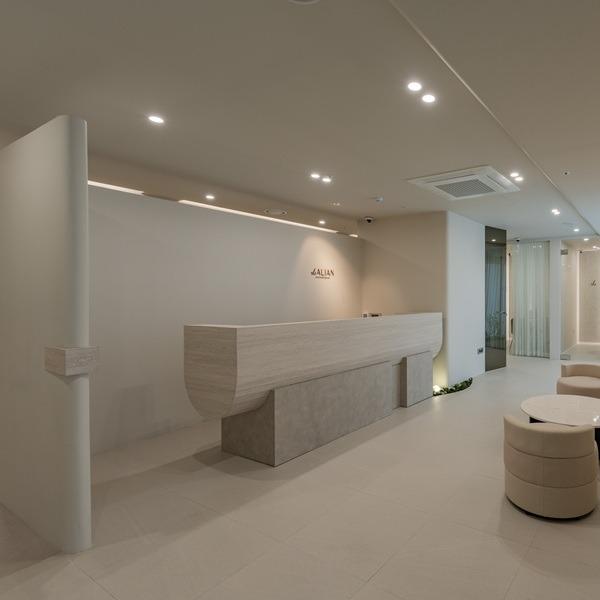
Lalian Cheongdam Clinic Korea | Premium Dermatology & Aesthetic Treatments
Cheongdam