
Medical Tourism Blog
CoolSculpting in Korea: Candidacy, Recovery, Risks, and Travel Planning
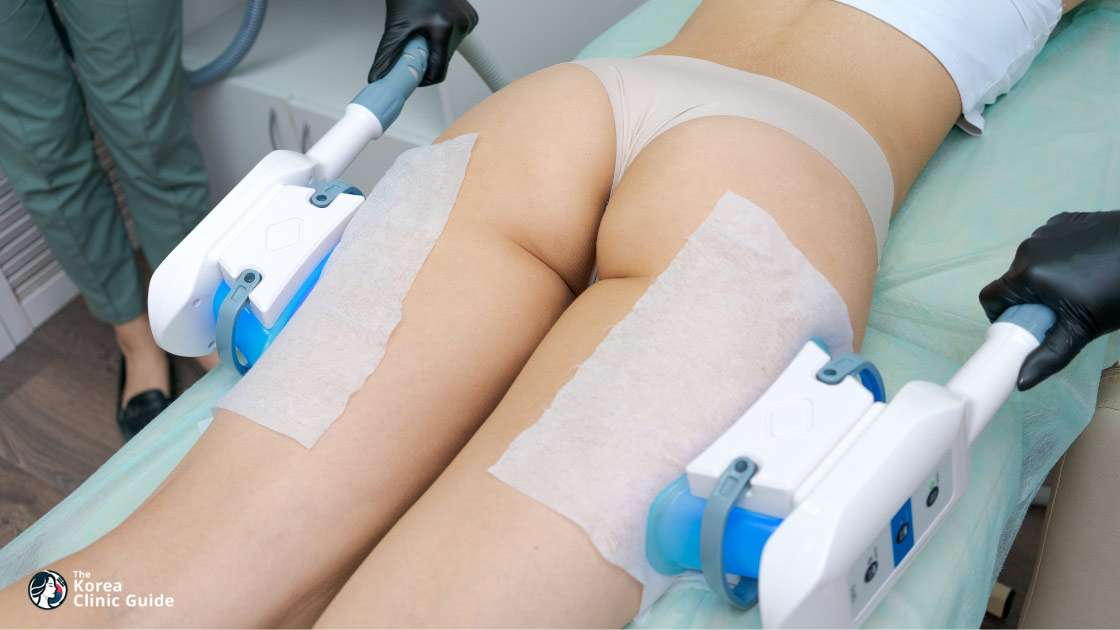
Table of contents
- CoolSculpting at a Glance
- What Is CoolSculpting?
- Who Is a Good Candidate for CoolSculpting?
- How Is CoolSculpting Performed?
- Why Visit Korea for CoolSculpting?
- Key Information for International Patients
- Which Are the Best Clinics in Korea for Coolsculpting?
- CoolSculpting From Start to Finish
- Alternatives to CoolSculpting
- How Can I Prepare for CoolSculpting?
- Aftercare Advice
Considering treatment in Korea? Everything you need to know e.g. — how to avoid scams, visas, interpreters, recovery tips — in our Medical Tourism Master Guide. Plan with confidence in minutes, not weeks!
Last updated: September 2026
CoolSculpting at a Glance
- What it does — CoolSculpting is non-surgical cryolipolysis: an external applicator cools a localized fat bulge to gradually reduce subcutaneous fat without incisions, general anesthesia, or routine sedation.
- Best candidates — It suits people at a stable body size with a modest, pinchable fat pocket and reasonably elastic skin; it is not a treatment for obesity, overall weight loss, visceral fat, substantial loose skin, diastasis recti, or a hernia.
- Results take time — Contour changes are gradual, so treated areas should be assessed with photographs and measurements at about 12–16 weeks; there is no universal number of cycles or repeat-treatment schedule that guarantees a particular reduction.
- Minimal downtime — Most people can walk, eat, use public transport, and return to desk work or other non-strenuous activity immediately, although temporary numbness, bruising, swelling, cramping, and tenderness can make vigorous activity or tight clothing uncomfortable.
- Important delayed risk — Paradoxical adipose hyperplasia (PAH) is an uncommon complication in which treated fat becomes a firm, enlarging bulge 2–5 months later; a 2025 review estimated 0.22%, or about 1 in 455 patients, and correction may require surgery.
- Korea travel plan — A practical itinerary is 1–2 days for consultation and outpatient treatment, with an optional next-day review; arrange remote follow-up because the meaningful result review is at 12–16 weeks and PAH can appear after returning home.
- Verify the device — Korea’s international-patient infrastructure can help with English records and coordination, but it does not prove better outcomes; confirm the exact CoolSculpting generation and applicator, as some older parallel-plate applicators were voluntarily removed in 2022 after increased PAH complaints.
What Is CoolSculpting?
CoolSculpting is a brand of cryolipolysis that uses controlled external cooling to reduce a localized layer of fat beneath the skin. It aims to modestly improve the contour of discrete fat bulges rather than produce overall weight loss or treat obesity. It is a non-surgical body-contouring procedure, with no incisions or routine anesthesia.
Who Is a Good Candidate for CoolSculpting?
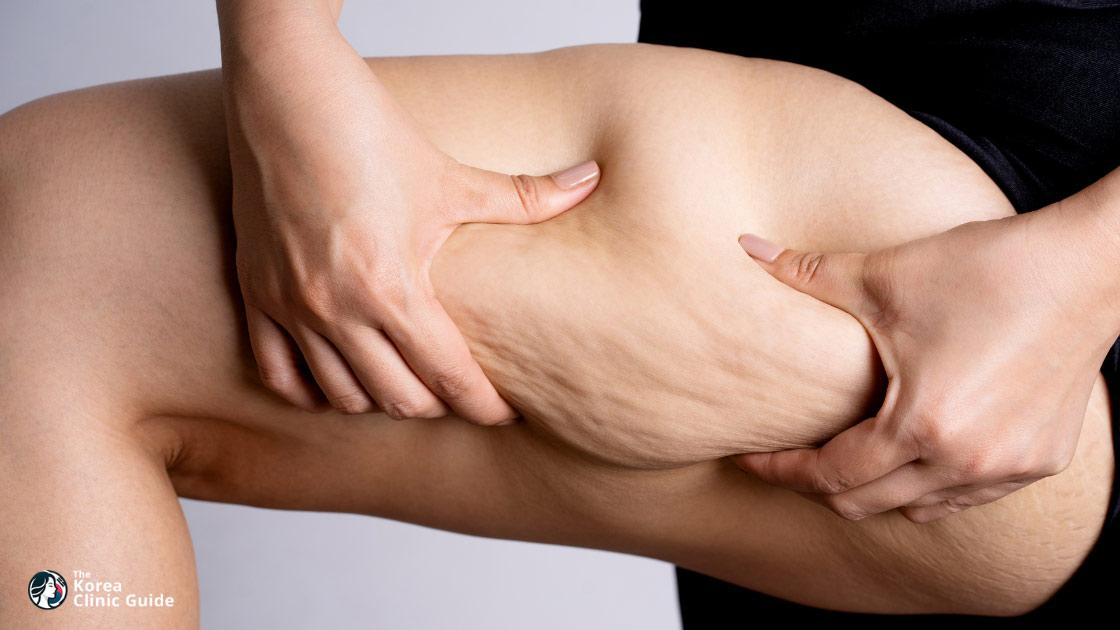
- Localized fat concern — Good candidates want a modest contour improvement in a discrete, pinchable layer of subcutaneous fat on the abdomen, flanks, thighs, upper arms, bra fat, back, banana roll, or selected double-chin area.
- Stable body size — CoolSculpting is for visible fat bulges, not obesity, generalized weight loss, or visceral (intra-abdominal) fat. Pooled evidence does not show significant overall body-weight reduction from cryolipolysis.
- Realistic skin expectations — Best candidates have enough skin elasticity for the skin to drape acceptably after a modest volume reduction. Loose skin, marked abdominal muscle separation, or a hernia need a different assessment.
- Appropriate anatomy — The clinician needs adequate fat thickness, safe applicator fit, and enough distance from vulnerable nerves, vessels, and minimal underlying muscle. Current U.S. CoolSculpting Elite labeling covers several body areas at BMI 30 or below, while the submental/submandibular indication has a BMI ceiling of 46.2; these are device-labeling limits, not outcome guarantees.
CoolSculpting is unsuitable for cryoglobulinemia, cold agglutinin disease, and paroxysmal cold hemoglobinuria. Cold urticaria, Raynaud phenomenon, and pernio/chilblains require individualized medical assessment because cold exposure can trigger symptoms. Defer elective treatment during pregnancy and lactation, as CoolSculpting Elite has not been studied in these groups. Do not treat over a known hernia, structurally weak area, open wound, infection, active rash, dermatitis, or incompletely healed scar; distinguish a fat bulge from hernia, loose skin, or diastasis recti before proceeding.
How Is CoolSculpting Performed?
CoolSculpting is one cryolipolysis procedure, but applicator choice and the number of treatment cycles determine how the clinician addresses a particular contour.
- Vacuum applicator — Draws a readily pinchable fold of fat into a cup for controlled cooling. Suction, pulling, intense cold, stinging, and cramping are most noticeable at the beginning, before the area becomes numb.
- Surface applicator — Rests against a flatter or less easily suctioned area. A surface-applicator option was included in a 2024 FDA-cleared CoolSculpting Elite update.
- Mapped single or multiple cycles — The clinician marks each bulge and assigns one or more cycles. Multiple applicators can treat several areas in one visit, but more zones also mean more swelling, tenderness, and a longer appointment.
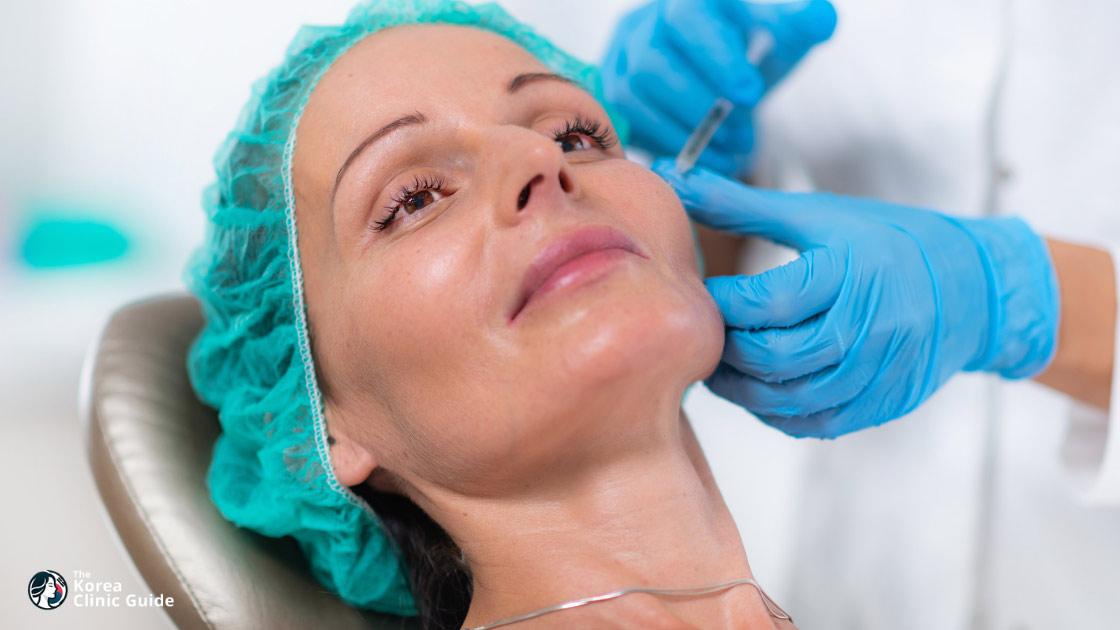
- Submental treatment — Double-chin cryolipolysis requires careful jawline and neck planning. Nerve-related symptoms and throat-fullness symptoms have been reported in this area, so not every submental fullness is suitable for cooling.
Why Visit Korea for CoolSculpting?
Korea has a large international medical-care market, which can make English-language records and travel coordination more accessible. This is a practical advantage, not evidence that CoolSculpting in Korea is safer or more effective than treatment elsewhere. Verify the exact device and the clinic's delayed-complication plan before booking.
- International-care infrastructure — Official Medical Korea information reports approximately 1.17 million foreign patients from 202 countries in 2024); dermatology accounted for 23% of foreign-patient care. These figures support access to international-patient services, not the quality of any individual provider.
- Device verification matters — Ask for the exact CoolSculpting generation and applicator, not simply “fat freezing.” The FDA recall database records the June 2022 voluntary removal of certain older parallel-plate applicators after increased PAH complaint rates in 2019–2021.
- Local evidence has limits — A Korean multicenter study evaluated a different three-dimensional cooling device, not branded CoolSculpting. Its small, single-arm design and industry-affiliated author mean it cannot establish CoolSculpting Elite-specific outcomes or a Korea-specific advantage.
Key Information for International Patients
- Practical stay — Plan 1–2 days for an uncomplicated outpatient session: consultation and treatment on day 1, with an optional next-day review if pain, skin injury, or a fainting reaction occurs. No evidence-based minimum stay has been established.
- Flight timing — Flying later the same day or the next day is generally practical when treatment is uncomplicated and the patient feels well, but no validated universal flight-delay interval exists. Stay overnight after multiple treatment areas or when there is a history of fainting, anxiety, mobility limitation, or significant discomfort.
- Repeat visits — Do not schedule a second session before the first response is assessed. Review standardized photographs and measurements at about 12–16 weeks; there is no universal cycle count or repeat-treatment interval that guarantees a set fat reduction.
- Daily itinerary — No anesthesia or surgical recovery is ordinarily required. Most people resume walking, eating, public transport, desk work, and ordinary non-strenuous activity immediately, although bruising, numbness, cramping, or tenderness can make tight clothing and vigorous sightseeing uncomfortable.
- Remote follow-up — Obtain English copies of the consent, treatment map, pre-treatment photographs, device and applicator names, treatment dates, and number of cycles. Agree on a direct contact route and a plan for assessment by a clinician at home if delayed symptoms occur.
Travel note: Paradoxical adipose hyperplasia (PAH) can first appear 2–5 months after treatment, well after an overseas trip. A 2025 review estimated PAH at 0.22%, about 1 in 455 patients, but rated the evidence low certainty and could not calculate device-specific rates.
Which Are the Best Clinics in Korea for Coolsculpting?
Listed below are some of the best clinics in Korea for coolsculpting.
1. id Hospital Korea
If you are exploring CoolSculpting in Seoul, you can consult id Hospital Korea about whether it is available and appropriate for your goals. The clinic’s stated focus is customized aesthetic care, with attention to treatment safety and systematic post-care; its listed services emphasize facial plastic surgery, lifting, skin care, and petite cosmetic procedures.
- URL: id Hospital Korea Website
- Location: Gangnam-gu, Seoul
- Care approach:
- Customized plastic surgery and patient safety-oriented treatment are stated priorities.
- Systematic post-care is listed as part of the clinic’s approach.
- Listed services: Services include facial contouring, orthognathic surgery, eye and nose surgery, breast surgery, lifting, skin-clinic treatments, petite cosmetic procedures, and dentistry.
2. 4seasons Clinic
You may consider 4seasons Clinic for a CoolSculpting consultation because its Apgujeong practice specifically includes body-contouring care using targeted fat reduction and skin-tightening techniques to help create a more defined silhouette. You can also discuss how your contouring goals fit alongside its broader aesthetic offerings, including fat transfer and skin-focused treatments.
- URL: 4seasons Clinic Website
- Location: Gangnam-gu, Seoul
- Body contouring:
- The clinic lists body-contouring procedures using targeted fat reduction and skin tightening.
- Fat transfer is also offered for facial augmentation and body sculpting.
- Related aesthetic care:
- Available skin and anti-aging services include thread lifts, LDM ultrasound treatment, PRP, and laser treatments.
- Acne management and scar-revision options include topical or oral treatments, laser therapy, surgical excision, and resurfacing.
3. Monster Clinic Dermatology
If you are considering CoolSculpting, Monster Clinic Dermatology may be useful for a consultation about non-surgical fat-reduction and skin-tightening goals, although CoolSculpting itself is not listed in the available clinic information. The clinic does list InMode, a dual lifting treatment described as improving skin tightness while reducing fat, along with diagnostic and skin-focused treatments that may help guide a broader aesthetic plan.
- URL: Monster Clinic Dermatology Website
- Location: Gangnam-gu, Seoul
- Fat reduction and tightening: InMode is described as a dual lifting treatment that enhances skin tightness and reduces fat.
- Assessment and related treatments:
- MARK-VIEW uses a four-light LED system for detailed skin diagnostics.
- Lifting options include Ulthera, Shurink Universe, Density radiofrequency, and LDM smart tri.
- The clinic also lists laser, acne and pore, and skin-booster treatments.
CoolSculpting From Start to Finish
- Remote inquiry and consultation — Send clear photographs, medical history, prior procedure details, and goals through the clinic's secure channel. Request English communication or an interpreter, and ask whether the clinic can assess the target area virtually before confirming travel.
- In-person assessment — The clinician examines fat thickness, skin laxity, scars, sensation, circulation, and applicator fit. They rule out a hernia, loose skin, muscle separation, generalized weight gain, and other causes of a contour concern.
- Safety screening and consent — Disclose cold-triggered symptoms, cold-related blood disorders, neuropathy, circulation problems, prior surgery, implants, bleeding history, pregnancy or lactation, and every medicine and supplement. Review common reactions, PAH, contour irregularity, altered sensation, cold injury, and hernia-related risks before signing consent.
- Treatment mapping — The clinician takes standardized photographs, marks the selected bulges, chooses vacuum or surface applicators, and applies the protective interface between skin and applicator.
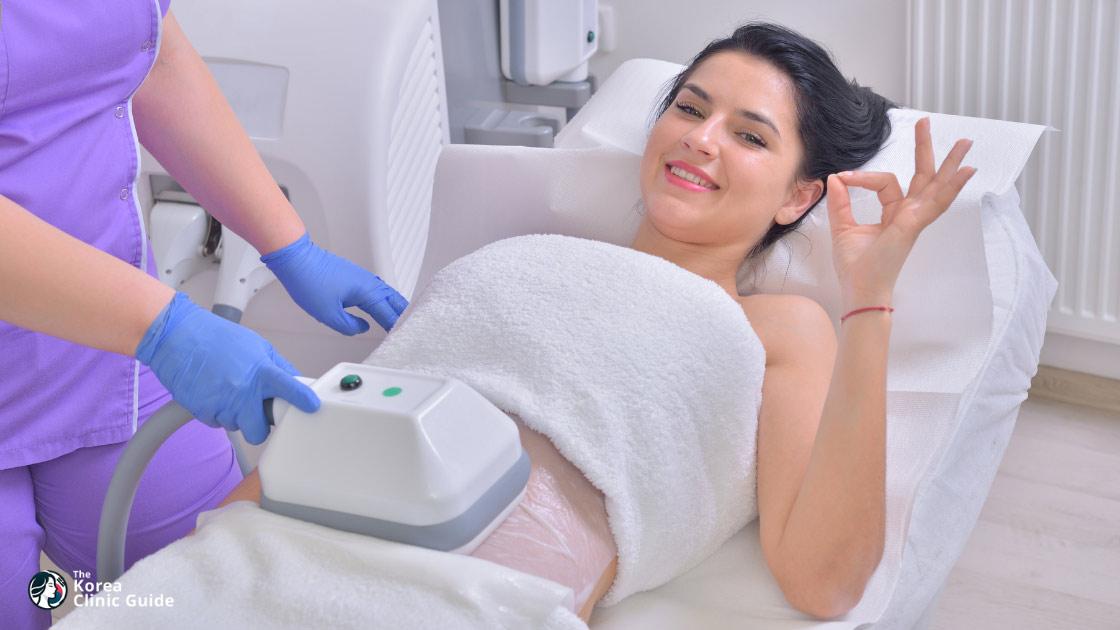
- Cooling cycles — The applicator cools the mapped tissue externally. Initial pressure, suction, cold, stinging, and cramping usually settle as the area becomes numb. No incision, general anesthesia, or routine sedation is required; visit length depends on the number of mapped zones and cycles.
- Applicator removal and discharge check — The team checks the skin and observes for dizziness, nausea, pain, or a vasovagal reaction after removal. Leave with written aftercare, a clinic contact number, and the complete treatment record.
- Recovery and result review — Resume ordinary non-strenuous activity as tolerated, then send photographs or attend a remote review around 12–16 weeks. Report any new firm enlarging bulge months later, as this pattern needs assessment for PAH rather than a routine retreatment.
Alternatives to CoolSculpting
The right alternative depends on whether the primary issue is a small fat pocket, generalized fat gain, skin laxity, muscle separation, or a wish for a larger and more immediate contour change. Surgical approaches are more invasive and require recovery, while non-surgical approaches generally produce more gradual, limited changes and can require a series of treatments.
Liposuction
- Best suited to — People seeking a more immediate or larger change in a defined area than cryolipolysis can reasonably provide.
- Tradeoff — Abdominal liposuction or mini-liposuction involves incisions, tumescent or other anesthesia, compression, downtime, and surgical risks. Liposuction can also be considered when PAH requires correction.
Fat-dissolving injections
- Best suited to — Selected small areas when an appropriate authorized injectable product is available and the patient accepts a treatment series.
- Tradeoff — Fat-dissolving injections create an inflammatory response and carry risks of swelling, pain, contour irregularity, skin injury, and area-specific nerve injury.
Energy-based contouring
- Best suited to — People who prefer a non-surgical option but want to discuss a different mechanism, such as radiofrequency, laser, focused ultrasound, or electromagnetic muscle stimulation.
- Tradeoff — Body fat-dissolving laser treatment, truSculpt, and Emsculpt are not interchangeable with cryolipolysis. Compare the treatment schedule, target tissue, expected degree of change, and device-specific evidence.
Skin or abdominal-wall surgery
- Best suited to — Patients whose main concern is substantial loose abdominal skin or confirmed abdominal muscle separation rather than a localized fat layer.
- Tradeoff — A tummy tuck or diastasis recti repair is major surgery with scars and a significantly longer recovery, but it addresses anatomy that fat freezing cannot correct.
How Can I Prepare for CoolSculpting?
- Share a complete history — Tell the clinician about cold sensitivity, Raynaud symptoms, chilblains, hematologic disorders, hernia history, scars, prior contour procedures, impaired sensation, circulation problems, implants, pregnancy possibility, and lactation.
- Review medicines rather than stopping them — List anticoagulants, antiplatelet drugs, diabetes medicines, prescription drugs, aspirin, ibuprofen, fish oil, vitamin E, and herbal supplements. Do not independently stop prescribed medicines; the prescribing clinician and treating doctor must decide whether any adjustment is appropriate.
- Protect the proposed area — Arrive without open wounds, infection, active rash, dermatitis, or a recently operated or incompletely healed scar in the treatment zone. Avoid booking over sunburned or irritated skin.
- Food and testing — Routine fasting and blood tests are not universally required for an uncomplicated session. Eat and hydrate normally unless the clinic gives different instructions; targeted testing or medical clearance is appropriate when history suggests cold-disorder, bleeding, hernia, sensation, or circulation risk.
- Plan transport and clothing — Wear loose, non-rubbing clothes and arrange flexible transport after the appointment if several areas are being treated or fainting is a concern. A companion is not routinely required.
- Keep travel flexible — Avoid scheduling the session immediately before an important excursion or departure. Keep the next day open when possible for a skin check or in-person review of unexpected pain.
Travel note: Confirm that the clinic will provide English consent documents, the device and applicator details, photographs, and a direct remote-contact method before arrival.
Confirm the treating clinic's specific requirements and follow the treating doctor's individualized instructions over general guidance.
Aftercare Advice
Treat the cooled area gently and monitor it until redness, bruising, swelling, numbness, and tenderness have settled.
- Activity — Walk and return to ordinary non-strenuous activity as tolerated. Delay strenuous exercise when cramping or pain makes movement uncomfortable.
- Clothing and contact — Wear comfortable, non-rubbing clothing. Do not use aggressive massage devices or subject the area to intense heat while it is red, bruised, tender, or numb.
- Skin protection — Avoid exfoliants and other skin-irritating products on affected skin until it has recovered. Use broad-spectrum SPF 50 on exposed treated areas to limit pigment change while bruising or irritation resolves.
- Warning signs — Contact the clinic promptly for severe or escalating pain, blisters, skin whitening or darkening, suspected cold burn, spreading warmth or redness, drainage, fever, persistent vomiting, fainting, marked weakness, or worsening/persistent sensory symptoms. Seek urgent in-person care for a new painful abdominal bulge with nausea, vomiting, or inability to pass stool or gas.
- Delayed assessment — Photograph the area and assess contour at 12–16 weeks, not in the first few weeks. Report a firm, enlarging, often applicator-shaped bulge appearing 2–5 months later because this can indicate PAH and can require surgical correction.
Follow the treating doctor's instructions and contact the clinic promptly when anything appears wrong.
Frequently Asked Questions
Related Blogs
Fat Dissolving Laser in Korea: Methods, Recovery, Travel Planning, and Alternatives
Fat-dissolving laser treatment may involve external heat-assisted treatment, repeated low-level laser sessions, or minimally invasive laser-assisted lipolysis, with different recovery and travel needs. The article covers candidacy, device verification in Korea, preparation, aftercare, follow-up, and minimum stays of 2–3 days for external treatment or 7–10 days for percutaneous procedures.
Updated: Sep 13, 2026
PRP Fat Grafting in Korea: Candidacy, Recovery, Safety, and Travel Planning
PRP fat grafting combines liposuction, processed autologous fat transfer, and platelet-rich plasma for modest volume restoration in the face, breasts, hands, or body. The guide covers candidacy, procedure steps, recovery, international travel planning in Korea, aftercare, risks, and alternatives.
Updated: Sep 13, 2026
Thigh Liposuction in Korea: Methods, Recovery, Travel Planning, and Risks
Thigh liposuction removes localized fat through small cannula incisions, with candidacy based on stable weight, skin recoil, health, and realistic contour goals. In Korea, costs are ₩4,000,000–₩9,000,000; plan 10–14 days for postoperative reviews and travel clearance.
Updated: Sep 12, 2026

Diet IV therapy in Korea: Safety, Evidence, Travel Planning, and Alternatives
Diet IV therapy uses a peripheral IV to deliver a specified formula after clinician assessment, but no evidence-based Diet IV regimen supports weight loss. The article covers candidate screening, formula documentation, travel planning, aftercare, warning symptoms, and evidence-based weight-management alternatives.
Updated: Sep 12, 2026
Clinics offering CoolSculpting
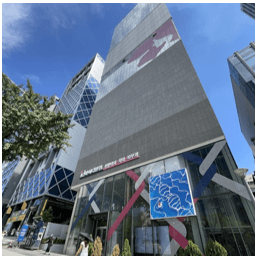
ID Hospital - Main Branch in Korea: Specializing in Safe & Customized Facial Plastic Surgery and Post-Care Services
Sinsa
Atelier Plastic Surgery Clinic in Korea: Enhance Your Natural Beauty with Expert Breast, Body, and Facial Procedures

Beautiful Clinic in Korea: Comprehensive Aesthetic and Medical Procedures for Enhanced Beauty and Confidence
Konkuk University

Gangnam RaHae Clinic in Korea: Advanced Cosmetic Procedures for Personalized Beauty Enhancement
Nonhyeon