
Medical Tourism Blog
Scar Removal Laser in Korea: Methods, Recovery, Travel Planning and Alternatives
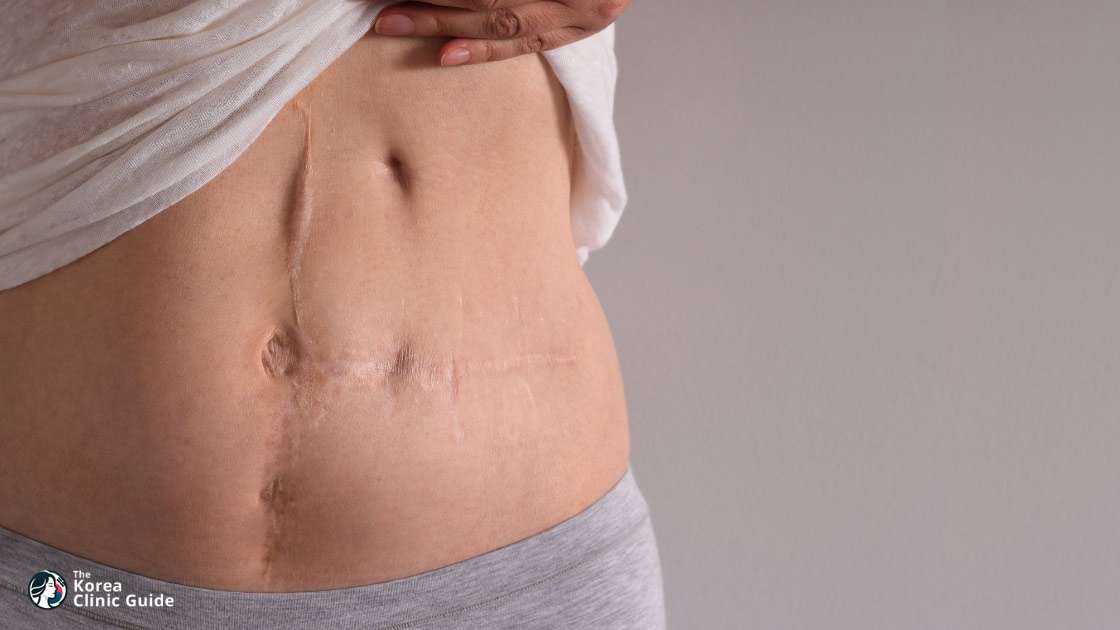
Table of contents
- Scar Removal Laser at a Glance
- What Is Scar Removal Laser Treatment?
- Who Is a Good Candidate for Scar Removal Laser Treatment?
- How Is Scar Removal Laser Treatment Performed?
- Why Visit Korea for Scar Removal Laser Treatment?
- Key Information for International Patients
- Which Are the Best Clinics in Korea for Scar Removal Laser?
- Scar Removal Laser From Start to Finish
- Alternatives to Scar Removal Laser Treatment
- How Can I Prepare for Scar Removal Laser Treatment?
- Aftercare Advice
Considering treatment in Korea? Everything you need to know e.g. — how to avoid scams, visas, interpreters, recovery tips — in our Medical Tourism Master Guide. Plan with confidence in minutes, not weeks!
Last updated: September 2026
Scar Removal Laser at a Glance
- Tailored laser treatment — Scar removal laser is not one procedure: vascular lasers target red scars, non-ablative fractional lasers address texture with less downtime, and ablative CO₂ or Er:YAG resurfacing treats more pronounced texture, thickness, or stiffness.
- Best candidates — Good candidates have depressed acne scars, persistent red scars, or selected raised symptomatic scars and accept improvement rather than complete scar erasure; tethered rolling scars often need subcision in addition to laser.
- Recovery varies by intensity — Vascular and non-ablative fractional treatments usually cause redness and swelling for several days, while fractional CO₂ or Er:YAG can cause oozing, crusting, peeling, and visible redness for about 7–14 days, with pinkness lasting weeks to months.
- Results take months — Collagen remodeling is gradual, so final improvement should be assessed no earlier than 3–6 months after a treatment series; multiple sessions are common, with studies often using about three sessions spaced four weeks apart.
- Pigment and healing risks — Burns, infection, herpes reactivation, prolonged redness, post-inflammatory hyperpigmentation, and worsening scars are possible, particularly after ablative treatment or in skin that tans easily; active infection, open wounds, sunburn, or recent tanning require postponement.
- Korea travel planning — Plan 2–3 days in Korea for a limited vascular or non-ablative session, but approximately 7–10 days for ablative resurfacing to allow wound care and an in-person review; aggressive facial or large-area treatment may warrant 10–14 days.
- Korea-specific consideration — Korea’s established laser-dermatology market can support PIH-conscious treatment planning for East Asian and darker skin tones, but patients should verify the clinic through the Medical Korea registered system and confirm which physician selects settings and manages complications.
What Is Scar Removal Laser Treatment?
Scar removal laser treatment uses focused light energy to improve the appearance and feel of scars by addressing redness, raised tissue, or uneven texture. It aims to make scars less noticeable, softer, flatter, or more flexible rather than completely erase them. Depending on the laser used, it is a minimally invasive treatment that does not involve incisions.
Who Is a Good Candidate for Scar Removal Laser Treatment?
- Atrophic acne scars — Good candidates have rolling, boxcar, or mixed depressed scars and want gradual improvement in texture. Rolling scars that are tethered beneath the skin often need subcision alongside laser resurfacing.
- Red or vascular scars — Fresh surgical, traumatic, burn, or raised scars with persistent redness can be assessed for vascular treatment such as pulsed-dye laser (PDL), 532-nm KTP, or long-pulsed 1064-nm Nd:YAG.
- Raised scars with symptoms — Hypertrophic scars that are thick, firm, itchy, red, or tight can benefit from a multimodal plan. Laser is usually one component rather than a stand-alone cure.
- Realistic treatment goals — Suitable patients understand that laser scar revision improves color, thickness, flexibility, and texture; it does not reliably restore normal unscarred skin.
Do not proceed over an active bacterial, fungal, or viral infection, open wound, active dermatitis, sunburn, or active cold sore near the treatment area. Recent tanning, a tendency toward post-inflammatory hyperpigmentation (PIH), poor wound healing, hypertrophic scars or keloids, uncontrolled diabetes, major immunosuppression, bleeding disorders, and anticoagulant or antiplatelet use require individualized medical assessment. Disclose current or recent isotretinoin, and do not stop it without agreement from the prescribing and treating clinicians. Elective cosmetic treatment is commonly deferred during pregnancy and breastfeeding; scar location, skin tone, scar maturity, active acne, and prior pigment changes determine whether conservative settings, another technique, or postponement is appropriate.
How Is Scar Removal Laser Treatment Performed?
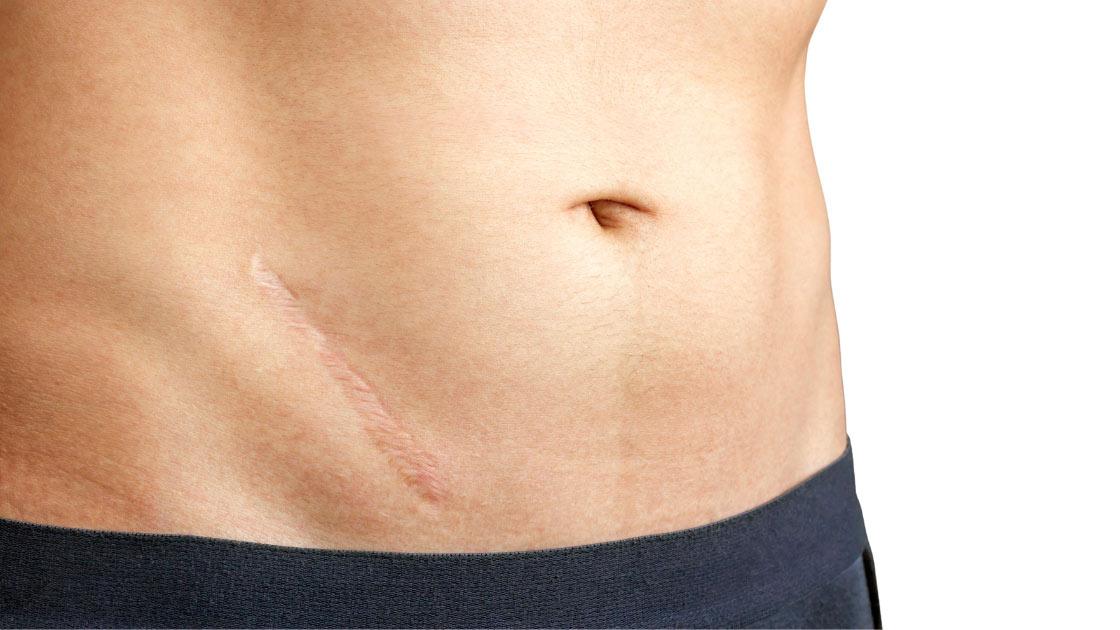
“Scar removal laser” covers several laser approaches. The clinician should match the wavelength and treatment intensity to scar biology—not simply choose the strongest resurfacing treatment.
- Vascular laser — PDL at 585–595 nm, KTP at 532 nm, and selected long-pulsed Nd:YAG at 1064 nm target vascular redness in erythematous scars and can help selected symptomatic raised scars. Social downtime is generally short, although PDL can cause visible purpura, redness, and swelling for several days.
- Non-ablative fractional laser — Common 1540- or 1550-nm erbium-glass devices create controlled dermal heating without removing the skin surface. This is a lower-downtime route for mild-to-moderate texture concerns, but usually requires multiple sessions.
- Fractional ablative CO₂ laser — A 10,600-nm CO₂ laser creates microscopic columns of controlled skin injury to remodel texture, thickness, and pliability. It is more intensive and has greater risks of oozing, crusting, infection, and pigment change than non-ablative treatment.
- Fractional Er:YAG laser — A 2,940-nm Er:YAG laser is another ablative resurfacing option. Treatment parameters and number of passes determine how it compares with CO₂ for a particular scar and skin type.
- Combination scar revision — Tethered rolling scars often need subcision before or alongside resurfacing. Raised scars can require silicone, pressure therapy, intralesional corticosteroid with or without 5-fluorouracil, and vascular or fractional laser. Comparative studies commonly use about three sessions at four-week intervals, but this is not a universal prescription, as protocols and scar types vary substantially across studies.
Why Visit Korea for Scar Removal Laser Treatment?
South Korea has an established laser-dermatology market and published scar research involving Korean and other East Asian patients. This can be useful when discussing PIH-conscious settings and pigment risk. It does not prove that a Korean device or clinician produces superior results for every scar.
- PIH-focused consultation — Patients who tan easily or have darker skin tones need a conservative discussion of energy, density, interval, sun exposure, and post-treatment inflammation because PIH is a material complication risk after resurfacing.
- Access to multiple laser categories — Scar assessment can distinguish whether the main target is redness, raised tissue, tethering, or depressed texture, then consider vascular, non-ablative fractional, ablative fractional, or combination treatment rather than treating every scar as an acne-scar resurfacing case.
- Early surgical-scar discussion — Evidence suggests appropriately healed surgical scars treated at or within one month of surgery can have better outcomes than later treatment, but the systematic review found substantial heterogeneity. Wound healing and the operating surgeon’s approval take priority over a calendar-based laser plan.
- Foreign-patient verification — Confirm that the provider is listed through the Medical Korea registered-system framework, and ask which qualified physician will classify the scar, select settings, perform treatment, and manage complications.
- Cautious approach to regenerative add-ons — Exosome or stem-cell-conditioned-media products are not established necessities after laser treatment. A recent review found only 177 participants across 11 studies of emerging regenerative treatments for atrophic scars and called for standardized, long-term research; MFDS guidance signals oversight, not universal proof for cosmetic post-laser use.
Key Information for International Patients
- Minimum stay — Plan 2–3 days for a limited vascular or non-ablative fractional session without systemic sedation: consultation, treatment, and time to identify escalating pain, blistering, infection, or pigment change. Plan about 7–10 days after fractional ablative CO₂ or Er:YAG resurfacing for wound care and an in-person review; 10–14 days is more prudent after aggressive facial or large-area treatment.
- Flight timing — No procedure-specific evidence defines a universal safe interval before a long-haul flight. Do not fly with open, heavily oozing, infected, or rapidly worsening skin, uncontrolled pain, or no reliable follow-up plan.
- Repeat sessions — Non-ablative and vascular treatment commonly involves a series. Study protocols often use sessions about four weeks apart, so a single trip rarely completes a full plan.
- Itinerary impact — Schedule outdoor sightseeing, beach activities, sauna visits, and high-heat exercise away from the recovery period. Ablative facial resurfacing can involve visible redness, swelling, peeling, and crusting for 7–14 days; residual pinkness can persist for weeks to months.
- Sedation and transport — Do not drive on procedure day after oral anxiolytics, opioids, or sedation. Arrange a companion for extensive treatment and accommodation close to the clinic with clean running water, shade, and easy access to follow-up.
- Continuity after return — Obtain an English record listing scar diagnosis, laser make and model, wavelength, settings, treated areas, anesthesia, medicines, and written aftercare. Arrange photo or video follow-up and identify a local dermatologist before leaving Korea.
Travel note: Long-haul travel is a practical wound-care issue after ablative resurfacing, not merely an aviation question. Delay departure when skin care cannot be performed reliably or prompt in-person assessment is unavailable.
Which Are the Best Clinics in Korea for Scar Removal Laser?
Listed below are some of the best clinics in Korea for scar removal laser.
1. id Hospital Korea
At id Hospital Korea, you can explore scar-focused skin care within a clinic that also provides facial aesthetic treatment and systematic post-treatment care. The available information does not name a specific scar-removal laser platform, so confirm whether your scar type can be treated with laser therapy during consultation.
- URL: id Hospital Korea Website
- Location: Gangnam-gu, Seoul
- Related services:
- Skin-clinic services are listed alongside facial plastic surgery, lifting, petit plastic surgery, and dentistry.
- The clinic also provides orthognathic surgery, facial contouring, eye and nose surgery, and breast surgery.
- Care considerations:
- The clinic describes a patient-safety-oriented approach and systematic post-care.
- Ask how treatment planning, expected recovery, and follow-up would be tailored to your scar and skin condition.
2. Club Miz Lamiche Clinic
Club Miz Lamiche Clinic offers several scar and texture-focused energy treatments, including Fraxel Dual fractional laser and Legato 2, with one-to-one planning supported by 4D skin analysis in private treatment rooms. This may suit you if you want scar laser options considered alongside acne, pore, pigmentation, or redness concerns.
- URL: Club Miz Lamiche Clinic Website
- Location: Songpa-gu, Seoul
- Scar-focused options:
- Fraxel Dual is listed as a fractional laser for skin resurfacing and scar reduction.
- Legato 2 is listed for acne scars and skin rejuvenation using ultrasound and laser technology.
- Other listed acne, pore, and scar devices include Neobeam, DRT, Juul Laser, e2, Affirm, Subcast, Mirajet, and Plajet; the context does not specify which scar types each option treats.
- Assessment and treatment setting:
- Treatments are described as one-to-one customized care.
- Private individual treatment rooms and 4D skin analysis technology are available.
- Discuss whether your scar characteristics, active acne status, and skin tone affect the recommended device or treatment sequence.
- Scheduling:
- Evening hours are offered on Monday, Wednesday, and Friday, and the clinic is open on Saturdays.
- The clinic is a 5–7 minute walk from Jamsilsaenae Station on Line 2 and Sports Complex Station on Line 9.
3. Nana Plastic Surgery Clinic
Nana Plastic Surgery Clinic lists laser treatments for concerns including pigmentation and fine lines, as well as non-surgical skin-tightening therapies using laser and radiofrequency technology. If you are considering laser treatment for scars, ask whether the clinic offers an appropriate scar-specific protocol, since the provided information does not identify a particular scar-removal laser or device.
- URL: Nana Plastic Surgery Clinic Website
- Location: Gangnam-gu, Seoul
- Laser and skin services:
- Laser therapies are listed for skin concerns ranging from pigmentation to fine lines, with minimal downtime described.
- Non-surgical tightening treatments include laser and radiofrequency therapies.
- Additional dermatology services include petit sculpting procedures and non-invasive slimming treatments.
- Broader aesthetic care:
- The clinic provides facial contouring, rhinoplasty, eye procedures, lifting procedures, breast procedures, and body contouring surgery.
- Cheekbone reduction is described as often using intraoral incisions to reduce visible scarring.
- Clinic considerations:
- The clinic is described as being near Sinnonhyeon Station.
- Ask about the assessment of your scar type, expected number of sessions, downtime, and whether active skin conditions should be addressed before laser treatment.
Scar Removal Laser From Start to Finish
- Remote screening — Send unfiltered daylight photographs, the scar cause and date, prior treatments, active acne status, history of keloids or PIH, cold-sore history, medical conditions, allergies, pregnancy status, and a complete medicine and supplement list. Confirm whether English-language or virtual consultation is available.
- Treatment planning before travel — Discuss the likely scar category, whether laser alone is appropriate, expected number of sessions, downtime, treatment area, proposed device category, anesthesia plan, estimated stay, and arrangements for an early wound check if ablative resurfacing is planned.
- In-person assessment — The physician examines scar depth, tethering, thickness, vascularity, location, skin type, tanning, and healing risk. Standardized photographs are taken. Small-area treatment usually needs no routine laboratory tests, but extensive treatment, sedation, or significant medical conditions can require medical clearance.
- Skin preparation and anesthesia — The treatment area is cleansed and protective eyewear is mandatory. Fractional resurfacing often uses topical anesthetic, which is removed before laser passes; intensive treatment can involve local anesthetic, nerve block, or individualized oral sedation.
- Laser treatment — The physician selects wavelength, energy, density, pulse characteristics, passes, and cooling according to scar type and skin risk. Vascular lasers primarily target redness; fractional lasers create controlled microscopic injury for remodeling. Treatment is generally outpatient.
- Immediate recovery and discharge — Cooling, a bland barrier ointment such as petrolatum, and sometimes a dressing are applied. Receive written instructions for cleansing, medicines, sun avoidance, prohibited activities, warning signs, and the clinic’s contact route.
- Early in-country review — Attend the planned wound check after ablative treatment. The clinician assesses re-epithelialization, crusting, infection, herpes reactivation, excessive inflammation, and pigment changes before travel.
- Remote follow-up — Send requested photographs after returning home and report new symptoms promptly. Assess collagen remodeling no earlier than 3–6 months after a treatment series, rather than judging the final result during early redness or swelling.
Alternatives to Scar Removal Laser Treatment
Laser treatment is useful when redness, texture, thickness, or stiffness is the dominant concern, but it cannot release every tether or remove every narrow deep scar. Non-surgical options generally involve less downtime but require repeated treatment; surgical revision can directly alter scar structure but leaves a new healing wound and has its own scar risk.
Subcision and acne-scar revision
- Best for — Tethered rolling acne scars that pull downward when the skin moves.
- Tradeoff — Subcision releases fibrous bands beneath the scar, which resurfacing cannot reliably do on its own; bruising, swelling, and possible need for combination laser treatment should be expected. See acne scar treatment and atrophic scar treatment.
TCA CROSS or punch techniques
- Best for — Narrow, deep ice-pick scars with limited response to broad resurfacing.
- Tradeoff — Focal chemical reconstruction or punch excision targets individual scars but requires careful selection and carries pigment and healing risks.
Intralesional scar treatment
- Best for — Hypertrophic scars and keloids that are raised, symptomatic, or continuing to grow.
- Tradeoff — Corticosteroid, sometimes combined with 5-fluorouracil, can reduce thickness and symptoms but often requires repeat injections and can cause local skin thinning. See steroid injections for scars and keloid injection.
Surgical scar revision
- Best for — A widened, poorly oriented, contractural, or structurally distorted scar that cannot be adequately corrected with laser remodeling.
- Tradeoff — Excision, re-closure, Z-plasty, or other revision changes scar architecture directly but creates a new incision and requires longer healing. See scar removal surgery.
Radiofrequency microneedling
- Best for — Selected atrophic scars when a clinician recommends a non-laser energy approach with a different downtime profile.
- Tradeoff — It still requires multiple sessions and does not replace subcision for marked tethering or injection-based treatment for active keloids. See Secret RF microneedling.
How Can I Prepare for Scar Removal Laser Treatment?
- Send complete medical information early — Disclose diabetes, immune suppression, bleeding disorders, poor healing, keloids, prior PIH, allergies, pregnancy or breastfeeding, active acne, and herpes/cold-sore history. Send clear daylight photographs without filters.
- Avoid tanning — Stop deliberate sun exposure, tanning beds, and self-tanner before treatment. Use broad-spectrum SPF 30+ daily; recent tan or sunburn can require postponement because it raises burn and pigment-change risk.
- Review medicines and supplements — Tell the clinic about aspirin, ibuprofen, naproxen, warfarin, apixaban, rivaroxaban, clopidogrel, isotretinoin, corticosteroids, doxycycline, minocycline, vitamin E, fish oil/omega-3, ginkgo, garlic, ginseng, and St John’s wort. Do not independently stop anticoagulants, antiplatelets, diabetes medicines, isotretinoin, or any essential prescription medicine.
- Pause irritating topical products only when directed — Report retinoids, glycolic or other exfoliating acids, scrubs, bleaching agents, and acne products. The treating clinician should specify when to stop and restart them based on the treatment intensity and skin barrier.
- Prevent herpes reactivation when indicated — Report any cold sores near the treatment area. The clinician can prescribe individualized antiviral prophylaxis when appropriate.
- Fasting and alcohol — Eat and drink normally for topical or local-anesthetic treatment unless instructed otherwise. Follow formal fasting instructions when sedation is planned. Follow the clinic’s alcohol restrictions, which depend on flushing, bleeding risk, prescribed medicines, and anesthetic plan.
- Support healing — Avoid nicotine before and throughout healing where possible because it impairs wound repair. Book nearby accommodation, bring a wide-brim hat or other physical sun protection, and keep flights flexible after ablative treatment.
Travel note: Pack only clinician-approved gentle cleanser, barrier ointment, dressings, and sun protection. Do not assume a product purchased abroad is suitable for freshly resurfaced skin.
The treating doctor’s individualized instructions take precedence over this general guidance. Confirm the clinic’s exact medicine, fasting, skincare, companion, and flight requirements before committing to travel.
Aftercare Advice
Protect the healing skin barrier and treat escalating symptoms as a reason for prompt clinical assessment, not a normal part of laser recovery.
- Cleanse and protect exactly as prescribed — Use only the approved cleanser, saline or vinegar soaks when prescribed, petrolatum or other barrier ointment, dressings, and medications. Do not pick, peel, or scrub crusts.
- Avoid heat, friction, and water exposure — Avoid strenuous heat-producing exercise, pools, hot tubs, saunas, steam rooms, baths, shaving over the area, and friction until the clinic clears them. Avoid makeup until fully healed after ablative treatment.
- Keep irritating actives off healing skin — Do not restart retinoids, glycolic acid, exfoliating acids, scrubs, or other active products until the clinician confirms barrier recovery.
- Use strict sun protection — Once permitted on intact skin, use broad-spectrum SPF 50 and physical shade. Sun exposure increases the risk of prolonged redness and PIH, especially in skin that tans easily.
- Know the expected course — Vascular and non-ablative treatment commonly cause temporary redness and swelling for days. After fractional ablative resurfacing, oozing, swelling, crusting, peeling, and redness are expected; one split-face study reported mean crusting/scaling of 7.4 days after fractional CO₂ versus 2.3 days after 1550-nm non-ablative treatment, with longer mean erythema after CO₂.
- Escalate warning signs urgently — Seek urgent local assessment for fever of 101°F/38.3°C or higher, chills, worsening pain, spreading redness or swelling, green or yellow drainage, persistent bleeding, pustules, blisters or cold sores, or delayed healing. Remote messaging is not a substitute for urgent care when infection is suspected.
- Allow time for results — Early swelling and redness do not predict the final outcome. Collagen remodeling is gradual, and results should be assessed at least 3–6 months after the treatment series.
Follow the treating doctor’s written instructions and contact the clinic promptly when the treated area appears worse rather than steadily improving.
Frequently Asked Questions
Related Blogs
Chloasma Face Treatment: Pico Toning Procedures in Korea for Effective Skin Rejuvenation
Discover the latest in melasma treatment with Pico Toning laser technology in Korea. This cutting-edge procedure effectively targets chloasma and hyperpigmentation, providing safe, minimally invasive results. Korea’s renowned skincare clinics utilize advanced pico lasers to deliver precise pigment removal with minimal downtime. Perfect for those seeking affordable, high-quality care, Korea leads t
Updated: Oct 6, 2026
Effective Juvelook Volume Filler for Lip Wrinkles Treatment in Korea
Discover how Korea leads in treating lip wrinkles—or perioral rhytides—with advanced procedures like Juvelook Volume Filler. Combining hyaluronic acid and PDLLA, this innovative Korean treatment offers immediate hydration and long-term collagen stimulation, effectively reducing smoker's lines and lipstick lines. Experience enhanced skin firmness, natural lip rejuvenation, and lasting results over
Updated: Oct 4, 2026
Dehydrated Lips Treatment with Hydro Injection in Korea: Effective Solutions for Moisturizing and Rejuvenation
Discover the benefits of Hydro Injection in Korea, a leading solution for dehydrated lips caused by cheilitis and related conditions. This minimally invasive procedure uses hyaluronic acid-based treatments to deeply hydrate, smooth, and rejuvenate lips, addressing issues such as chapped lips and fine lines. Korea’s advanced clinics offer expert care, streamlined processes, and cost-effective optio
Updated: Oct 3, 2026
Allergic Pigmentation Treatment with Pico Toning in Korea: Effective Solutions for Clear Skin
Discover how Pico Toning laser treatment in Korea effectively addresses Post-Inflammatory Hyperpigmentation (PIH), also known as allergic pigmentation or post-inflammatory brown spots. This advanced skin pigmentation procedure uses ultra-short pulses to break down melanin, making Korea a top destination for safe, affordable, and expert care. Learn about the treatment process, benefits, costs, and
Updated: Oct 3, 2026
Clinics offering Scar Removal Laser

Maxwell Hair Clinic: Korea's Premier Destination for Advanced Hair Restoration and Transplant Services
Gangnam Station
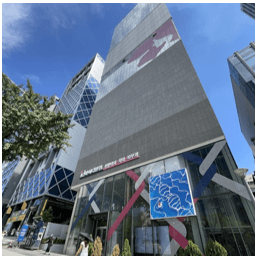
ID Hospital - Main Branch in Korea: Specializing in Safe & Customized Facial Plastic Surgery and Post-Care Services
Sinsa

Club Miz Lamiche Clinic: Leading Korean Aesthetic Medicine with Personalized 1:1 Treatments and Advanced 4D Skin Analysis Technology
Jamsil

Cheongdam Oracle Dermatology & Plastic Surgery Clinic in Korea: Offering Advanced Skin, Anti-Aging, Body Contouring Treatments and More
Seolleung