Medical Tourism Blog
Large Areolas: Areola Surgery Solutions in Korea for Improved Aesthetics and Confidence
Table of contents
- Areola Reduction Surgery: The Medical Procedure
- Best Clinics in Korea for Large Areolas
- Areola Surgery in South Korea: A Medical Tourist's Guide
- Costs of Areola Surgery: South Korea vs. Global Comparison
- Patient Experiences and Outcomes
- Conclusion
- References
Considering treatment in Korea? Everything you need to know e.g. — how to avoid scams, visas, interpreters, recovery tips — in our Medical Tourism Master Guide. Plan with confidence in minutes, not weeks!
If you’re considering areola reduction surgery—or planning to travel abroad for this procedure—this guide aims to make sure you have all the essential information to make a well-informed decision. Drawing from medical best practices and real patient experiences, we’ll explore the basics of large areolas, the surgical process for areola reduction, recovery, patient satisfaction, costs, and why South Korea is emerging as a top medical tourism destination for this treatment.
What are Areolas?
The areola is the pigmented circle of skin encircling your nipple. It’s present in everyone, acting as both a key sensory region and, for women, a functional part of breastfeeding. Areola size, shape, and color vary considerably from one person to the next and may change throughout life.
On average, females have areolas about 67.1 millimeters in diameter (just over 2.5 inches), whereas for males, the average is around 26.6 millimeters (about 1 inch). Size can appear large or small depending on the overall size and shape of the breast, and personal or cultural preferences also play a role. Areolas can range from round to oval in shape and come in colors from pale pink to deep brown, often reflecting individual skin tone. Small bumps, called Montgomery's tubercles, dot the surface and serve to lubricate the area.
Beneath the surface, sensitive nerve endings and smooth muscles mean the areola and nipple respond to touch, temperature changes, and sexual stimulation—sometimes leading to temporary enlargement. Larger areolas may feel less sensitive, but generally perform the same functions as smaller ones.
Common Pseudonyms and Descriptive Terms
Terms like "large areolas" and "areola diameter disproportionate to breast size" may be common in clinics, but patients often use creative descriptions like “pancakes,” “dinner plates,” “coasters,” or “pepperoni” to describe their areolae. These colloquial phrases highlight how personal and sometimes sensitive these features can be to people’s self-image.
The vocabulary for the nipple-areola complex includes playful nicknames for the nipple itself, such as “tit toppers” or “boob bumps.” These words can be lighthearted but reflect how closely body image is tied to self-perception. Even though medical professionals stress that most areola size variation is totally normal, many people seek surgery for psychological and aesthetic reasons—hoping to match their physical reality to their self-image.
Why Areola Size Can Change
Areola size changes naturally for many reasons, from birth through adulthood. The most influential causes are hormonal shifts—mainly involving estrogen and progesterone. During pregnancy, progesterone surges enlarge the areola and darken its color, creating a more visible target for infants. This enlargement doesn’t always revert after childbirth or breastfeeding, and in men, low testosterone can contribute to conditions like gynecomastia (enlarged male breasts), which includes larger areolas.
Weight changes and age matter too. As breast skin stretches or contracts, areola size can appear bigger or smaller. Aging and hormonal changes after menopause or andropause also influence size and pigmentation over time.
When to Consult a Healthcare Provider
Sudden changes in areola appearance—like swelling, color shifts, texture changes, pain, discharge, or bleeding—should prompt a visit to a doctor. These may signal underlying health issues beyond natural variation.
Areola Reduction Surgery: The Medical Procedure
Overview and Goals
Areola reduction surgery (also sometimes called areola correction surgery) is an elective cosmetic procedure that reshapes or resizes the areola for a more balanced look. Most patients seek this surgery for improved breast aesthetics and self-confidence, especially after life events like pregnancy, weight changes, or as part of addressing gynecomastia in men.
Surgical Techniques Explained
Periareolar Incision (Circumareolar Incision)
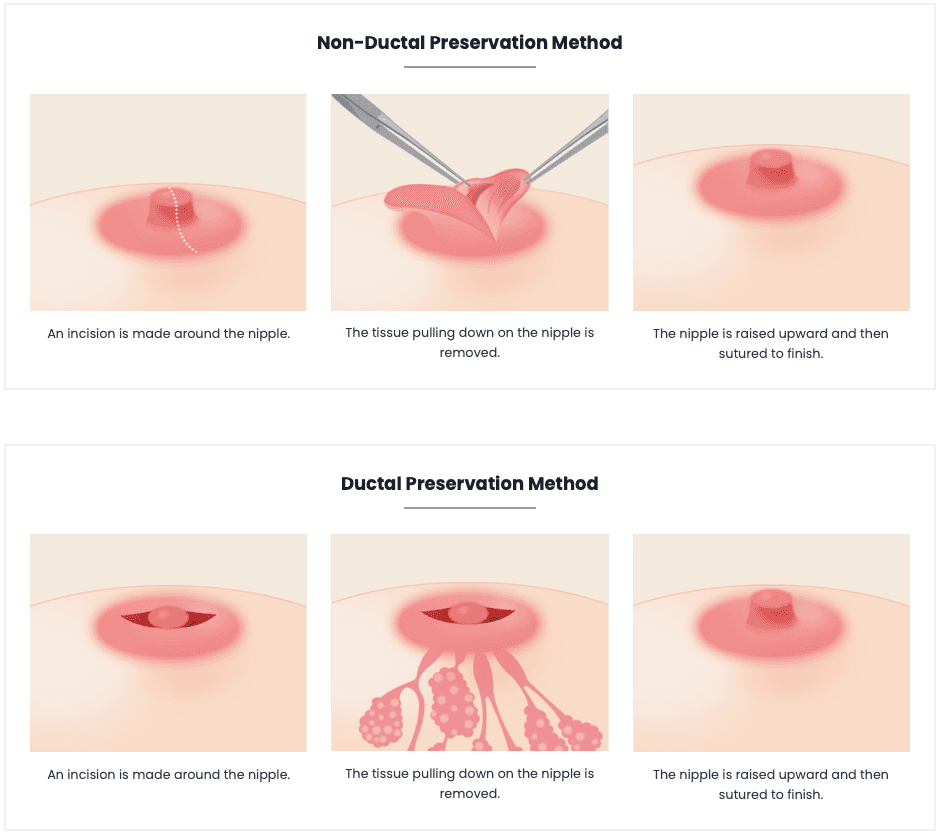
The most common approach involves a circular incision around the existing areola, removal of excess tissue, and careful suturing to reshape the area. Scars are usually well-hidden but may be noticeable if a significant amount of tissue is removed.
Vertical or Lollipop Incision
For more dramatic reshaping, a vertical cut extends from the areola downward. This method can create an uplifted appearance.
Areola Grafting (Free Nipple Graft)
Reserved for especially large or complex cases, this technique removes the areola entirely, resizes it, and grafts it back. It has the highest risk for sensation loss or, rarely, nipple loss.
Anesthesia and Procedure Duration
Most areola reduction surgeries use local anesthesia with sedation, making them comfortable and relatively simple. If combined with other breast procedures, general anesthesia may be applied. The procedure generally lasts one to two hours.
Recovery and Healing Process
Recovery after areola reduction is typically quick, with patients returning to daily life in a few days. There may be swelling, bruising, or numbness lasting for up to several weeks. Wearing a supportive, non-wired surgical bra is essential to promote healing, minimize discomfort, and support the new shape. Strenuous activity should be avoided for four to six weeks, and sun protection for scars is important for at least six months.
Full scar fading can take up to a year, but scars are usually subtle and concealed in the areola’s natural border. Sensation usually returns, but some permanent changes are possible and should be discussed pre-operatively.
Potential Risks and Complications
While complications are rare when surgery is performed by skilled professionals, risks do include:
- Infection (watch for redness, pain, pus, or fever)
- Asymmetry (usually resolves over time)
- Scarring (can become raised or more prominent in rare cases)
- Delayed healing or skin loss if closure is very tight or skin is thin
- Hematoma (blood collection under the skin)
- Nipple-areola necrosis (extremely rare, but tissue loss can occur)
- Allergic reactions or, less commonly, anesthesia-related complications
Being fully aware of these risks, and the importance of experienced surgeons and careful post-op care, is key for good outcomes and patient peace of mind.
Minimizing Risks and Ensuring Optimal Healing
Strictly follow all care instructions: keep incisions clean and dry, take prescribed medications, wear any suggested compression garments, and temporarily avoid smoking and drinking alcohol. Attend all scheduled follow-up appointments and promptly report any concerning symptoms like persistent pain, fever, or unusual swelling.
Best Clinics in Korea for Large Areolas
Listed below are the best clinics in Korea for large areolas:
| Clinic Name | Key Features | Special Techniques |
|---|---|---|
| THEPLUS Plastic Surgery Website | Breas-focused expertise with an academic, safety-first system designed for natural-looking outcomes; Dr. Lee, a board-certified plastic surgeon specializing in breast augmentation with experience at Seoul National University Hospital; deeply involved in major Korean plastic surgery societies and known for prioritizing natural, long-lasting results—an approach that translates directly to areola procedures where proportion, symmetry, and scar management are crucial; four-floor facility built to guide patients from consultation through surgery and post-operative care; surgeons who contribute to journals, books, and global symposiums. | Areola procedures with emphasis on proportion, symmetry, and scar management; natural-looking, long-lasting results. |
| Seojin Plastic Surgery Clinic Website | One-doctor clinic led by Dr. Lee Hyungmin (Director Lee Hyeong-Min), offering highly individualized aesthetic care with a strong focus on breast surgery, including nipple and areola procedures for concerns such as large areolas; more than 16 years of experience; recognized as one of the 100 Good Doctors in Korea; end-to-end management from consultation through recovery; state-of-the-art tools such as 3D imaging and high-definition endoscopy to help plan precise, natural-looking outcomes and prioritize patient safety and comfort. | Specialized nipple/areola surgery; advanced planning technology: 3D imaging and high-definition endoscopy for detailed evaluation and surgical precision; personalized consultations and comprehensive breast surgery expertise (implant, hybrid implant, lift, reduction, gynecomastia, transgender breast implants); central Gangnam location. |
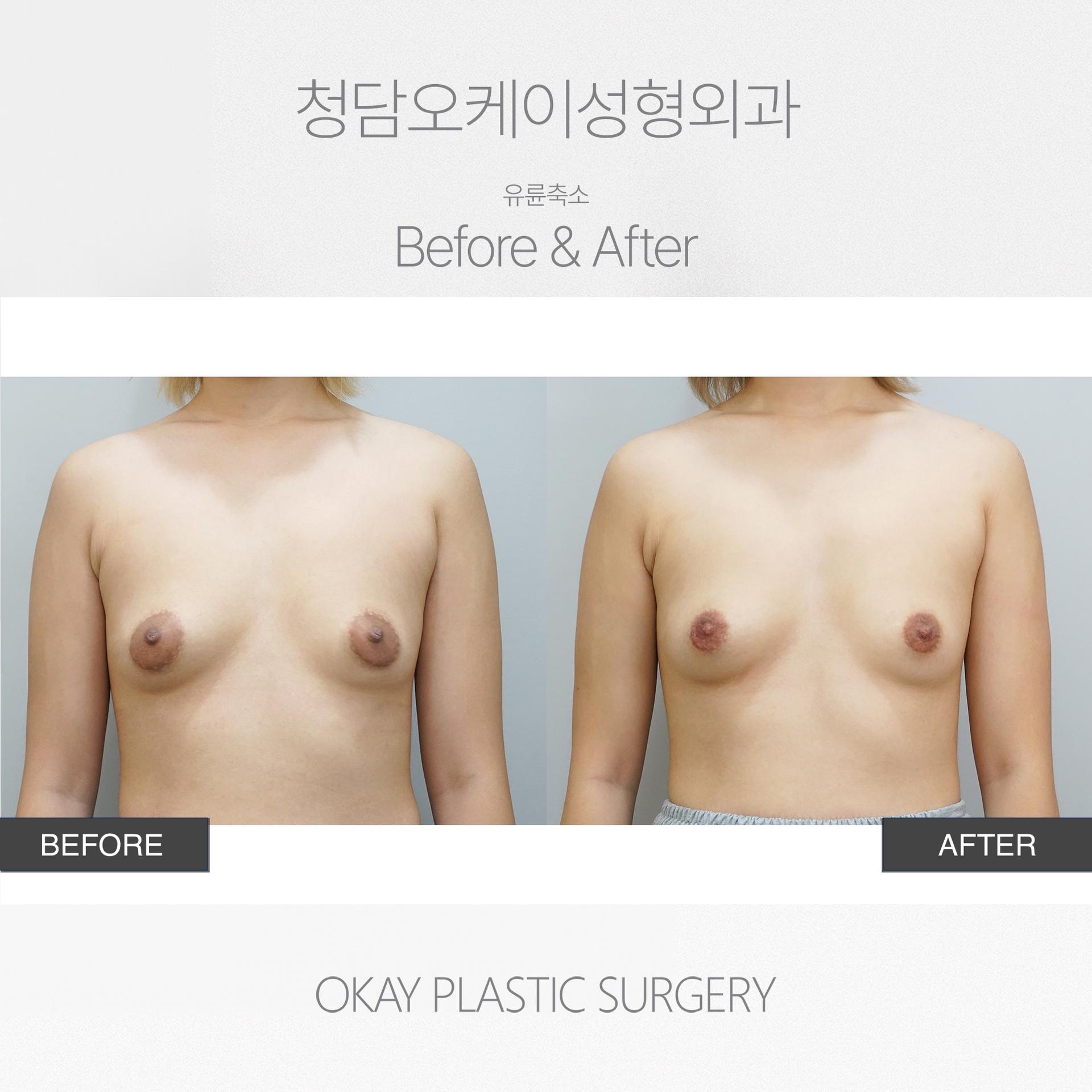
| Okay Plastic Surgery Clinic Website | Okay Plastic Surgery Clinic is widely regarded as one of the best choices in Korea for patients concerned about large areolas because it approaches areola concerns within a dedicated Breast Center that provides a full spectrum of advanced breast procedures, including Breast Reduction, Breast Lift, and precise Nipple Correction—an important advantage when areola size is related to breast volume, sagging, or nipple position; Dr. Cho’s recognized expertise in breast surgery and the ability to manage complex, severe cases requiring significant reduction; emphasis on sincerity, precision, and individualized planning to match each patient’s anatomy and aesthetic goals; comprehensive aftercare program designed to support natural-looking, lasting results throughout the full recovery process. | Nipple correction and areola-related procedures within a comprehensive breast program; precision, sincerity, and individualized planning; aftercare support to achieve natural-looking, lasting results. |
THEPLUS Plastic Surgery
For patients seeking large areola correction in Korea, THEPLUS Plastic Surgery in Garosu-gil, Gangnam stands out as a top-tier clinic because it pairs specialized breast-focused expertise with an academic, safety-first system designed for natural-looking outcomes. Dr. Lee, a board-certified plastic surgeon specializing in breast augmentation with experience at leading institutions including Seoul National University Hospital, is deeply involved in major Korean plastic surgery societies and is known for prioritizing natural, long-lasting results—an approach that translates directly to areola procedures where proportion, symmetry, and scar management are crucial. Supporting this standard, Dr. Kim and Dr. Jeong are internationally active, board-certified leaders who publish, lecture, and run regular educational sessions for other surgeons; Dr. Kim has received awards for 3D implant research and emphasizes harmonious balance to enhance existing features, while Dr. Jeong, President of the Korean Society of Plastic Surgeons, is recognized for an ethos that combines function and beauty. With a four-floor facility built to guide patients from consultation through surgery and post-operative care, and with surgeons who contribute to journals, books, and global symposiums, THEPLUS offers the kind of meticulous planning, communication, and clinical rigor that patients look for when refining areola size as part of a balanced, confidence-restoring breast aesthetic.
You can check out their website here: THEPLUS Plastic Surgery Website
Seojin Plastic Surgery Clinic
Seojin Plastic Surgery Clinic, located in the heart of Gangnam, Seoul, is a one-doctor clinic led by Dr. Lee Hyungmin (Director Lee Hyeong-Min), offering highly individualized aesthetic care with a strong focus on breast surgery, including nipple and areola procedures for concerns such as large areolas. With more than 16 years of experience and recognition as one of the 100 Good Doctors in Korea, Dr. Lee provides consistent, end-to-end management from consultation through recovery, supported by state-of-the-art tools such as 3D imaging and high-definition endoscopy to help plan precise, natural-looking outcomes and prioritize patient safety and comfort.
- One-doctor, end-to-end care: Dr. Lee Hyungmin oversees the entire process personally, which supports consistent decision-making and attentive follow-up for areola reduction planning and healing.
- Recognized medical excellence: Named among the 100 Good Doctors in Korea, reflecting strong clinical skill and commitment to patient care.
- 16+ years of experience: Extensive surgical experience helps support careful technique selection for balancing areola size, symmetry, and overall breast aesthetics.
- Specialized nipple/areola surgery: Dedicated nipple surgery options include procedures to adjust the size or shape of the nipple or areolae, making Seojin a focused choice for large areola concerns.
- Advanced planning technology: 3D imaging and high-definition endoscopy can assist with detailed evaluation and surgical precision, especially important when addressing symmetry and proportion.
- Comprehensive breast surgery expertise: Options such as breast implant, hybrid implant (implant + fat grafting), breast lift, breast reduction, gynecomastia surgery, and transgender breast implants allow treatment plans to be coordinated if areola size is part of a broader breast concern.
- Personalized aesthetic goals: Consultations are tailored to each patient’s anatomy and desired look, aiming for results that complement the natural breast shape rather than a one-size-fits-all outcome.
- Central Gangnam location: Convenient access in Seoul for in-person consultation, surgery, and postoperative visits.
You can check out their website here: Seojin Plastic Surgery Clinic Website
Okay Plastic Surgery Clinic
Okay Plastic Surgery Clinic is widely regarded as one of the best choices in Korea for patients concerned about large areolas because it approaches areola concerns within a dedicated Breast Center that provides a full spectrum of advanced breast procedures, including Breast Reduction, Breast Lift, and precise Nipple Correction—an important advantage when areola size is related to breast volume, sagging, or nipple position. The clinic’s outcomes are strongly supported by Dr. Cho’s recognized expertise in breast surgery, backed by continued study and published research, and by the ability to manage complex, severe cases requiring significant reduction—procedures that many clinics cannot confidently perform. Rather than offering a one-size-fits-all procedure, Okay Plastic Surgery emphasizes sincerity, precision, and individualized planning to match each patient’s anatomy and aesthetic goals, while its comprehensive aftercare program is designed to support natural-looking, lasting results throughout the full recovery process.
Find more about this clinic here: Okay Plastic Surgery Clinic Website
Areola Surgery in South Korea: A Medical Tourist's Guide
Why South Korea for Areola Surgery?
South Korea is a world leader in plastic surgery innovation, attracting international patients for procedures like areola reduction. Why? Clinics here combine advanced medical technology (such as 3D imaging and hi-def endoscopy) with top-tier surgeons and a holistic, patient-centered approach. Packages often include everything from pre-surgery consults to hotel stays, transfers, and translation—making travel and recovery especially convenient. Compared to Western nations, costs are typically lower, and efficient post-op protocols speed up recovery.
The Step-by-Step Process for Medical Tourists
- Preliminary Research and Virtual Consultation: Many clinics offer free video consults where you can discuss your goals, learn about the procedure, and check surgeon credentials.
- Travel and Accommodation Planning: Clinics help with flights and hotels. Most recommend staying at least a week post-surgery for initial recovery and follow-ups.
- In-Person Consultation and Pre-Op Tests: Once you arrive, you'll meet the surgeon, finalize plans, and complete tests (e.g., bloodwork, ECG, chest x-ray).
- Day of Surgery: Local anesthesia with sedation is common. The surgery lasts one to three hours, depending on complexity.
- Post-Operative Care and Monitoring: After the procedure, you’ll recover in the clinic, benefit from personalized aftercare, and receive instructions and a schedule for follow-up visits.
- Extended Stay and Follow-Up Appointments: Remain in Korea for about a week for check-ins and early healing. Additional amenities may include interpreters or personal assistants.
- Enjoy the Culture: South Korea also offers unique food, culture, and attractions, enhancing your medical trip.
| Step | Description | Timing/Duration | Key Considerations |
|---|---|---|---|
| Preliminary Research & Virtual Consultation | Research options, clarify goals; free consults often available | Weeks/months before travel | Check surgeon credentials before committing |
| Travel & Accommodation Planning | Arrange flights, lodging, and post-op plans | Weeks before travel | Plan for ~1 week stay after surgery |
| In-Person Consultation & Pre-Op Prep | Meet surgeon, do tests, finalize procedure | 1-2 days after arrival | Bloodwork and imaging to clear for surgery |
| Procedure Day | Surgery with local anesthesia and sedation | 1-3 hours | Clinics use advanced tech for minimal scarring |
| Post-Operative Care & Monitoring | Recovery, aftercare instructions, medications | Hours to a day | Close medical monitoring |
| Extended Stay & Follow-Up | Multiple progress check-ups, translators and recovery support | At least 1 week post-op | Surgery packages may include extra comforts |
| Cultural Experience | Explore local sights and cuisine | During stay (after recovery) | Enhances the overall medical trip |
Costs of Areola Surgery: South Korea vs. Global Comparison
Average Costs in South Korea
Areola reduction surgery in South Korea typically costs between 2,500,000 to 4,000,000 Korean Won (KRW)—which converts to about $1,850 to $2,960 USD. Costs can vary based on the clinic, surgeon, and whether the procedure is combined with others. These prices often include much more than just the surgery, providing value for international patients.
What’s Typically Included in South Korean Medical Tourism Packages
Most clinics bundle services such as:
- Pre-operative consultations (remote and in-person)
- Required medical testing and imaging
- Surgery, anesthesia, use of medical facilities
- Follow-up appointments and immediate post-op care
- Accommodation (hotel or apartment)
- Transfers (airport and clinic)
- Translation/interpretation
Premium add-ons could include VIP nursing, targeted therapies, custom meals, or even sightseeing.
Cost Comparison: South Korea vs. Other Countries
| Country | Approximate Cost (USD) | Typical Inclusions | Key Advantages |
|---|---|---|---|
| South Korea | $1,850 - $2,960 | Surgery, anesthesia, consults, aftercare, lodging, transfers, translation | Advanced care, top surgeons, all-inclusive packages |
| Mexico | $1,500 - $3,000 | Surgery, consults, meds, English-speaking care | Very low cost, skilled surgeons, US/Latin America proximity |
| Turkey | $1,410 - $2,590 | Surgery, consult, hospital/hotel stays, exams, all basic needs | Highly skilled teams, very comprehensive packages |
| USA | $4,000 - $6,000 | Surgery, facility, anesthesia | Proximity for North America, high standards |
| UK | From $1,500 | Typically surgeon and facility fees | Proximity for Europe |
South Korea, Mexico, and Turkey consistently undercut the USA and Western Europe in both price and package value.
Factors Influencing Cost Differences
Price differences stem from lower operational costs in popular medical tourism countries, the bundled nature of services, differences in surgeon expertise/clinic reputation, and case complexity (e.g., more advanced procedures may cost more).
Patient Experiences and Outcomes
Common Reasons Patients Seek Areola Reduction
Patients most often seek surgery for aesthetic concerns, such as disproportion or stretched areolas after pregnancy, weight changes, or naturally large areolas. Body image and self-confidence are frequent motivators for both female and male patients (for example, men with gynecomastia).
Reported Benefits and Satisfaction
Post-surgery, most patients report high satisfaction, improved self-confidence, and a natural, proportionate chest appearance. Benefits include:
- Improved physical aesthetics and symmetry
- Elevated self-esteem and comfort in social/intimate situations
- Quick recovery and minimal disruptions to daily life
These improvements often deliver a psychological boost—patients describe increased confidence, happiness, and even a decrease in anxiety or depression related to body image.
Addressing Patient Concerns
Main concerns include scarring, temporary or permanent changes in nipple sensation, minor asymmetry during the healing phase, and the discomfort or restrictions required during recovery. Selecting a skilled surgeon and adhering carefully to aftercare instructions usually ensures the best possible result.
Long-Term Outcomes and Considerations
The positive results of areola reduction surgery are long-lasting, but life events like aging, weight changes, or pregnancy can still affect breast and areola appearance down the line. While the surgical reduction is permanent, full satisfaction depends on having realistic expectations and understanding the impact of natural changes over time.
Conclusion
Areola reduction surgery is a safe, effective, and life-enhancing solution for those seeking a more balanced and attractive breast appearance. The procedure offers meaningful psychological and emotional benefits—often providing a powerful boost in confidence. South Korea’s outstanding combination of advanced technology, highly trained surgeons, and complete care packages at affordable prices makes it a leading destination for this specialty. For optimal results, informed decision-making, adherence to care guidelines, and the right surgeon are essential.
References
1, 2, 3, 4, 5, 6, 7, 8, 9, 10, 11, 12, 13, 14, 15, 16, 17, 18, 19, 20, 21, 22, 23, 24, 25, 26, 27, 28, 29