
Medical Tourism Blog
Shoulder Grooves from Bra Straps Relief with Breast Reduction Surgery in Korea
Table of contents
- Breast Reduction Surgery: A Detailed Overview
- Navigating Breast Reduction in South Korea as a Medical Tourist
- Cost Analysis: Breast Reduction in South Korea vs. Other Countries
- Life After Breast Reduction: Patient Experiences and Outcomes
- Conclusion
Considering treatment in Korea? Everything you need to know e.g. — how to avoid scams, visas, interpreters, recovery tips — in our Medical Tourism Master Guide. Plan with confidence in minutes, not weeks!
Patients often look for ways to relieve discomfort and visible indentations caused by bra straps—a problem commonly linked to the weight of the breasts. This guide breaks down the causes of this issue, explains breast reduction as a medical solution, outlines the process for international patients seeking care in South Korea, reviews costs, and highlights the impact of surgery on patient well-being.
Shoulder grooves, or indentations from heavy breasts, are a widespread but often overlooked condition among bra wearers. These marks are more than cosmetic—they signal physical strain and can lead to a range of symptoms.
What Are They? Definition and Common Pseudonyms
Shoulder grooves are deep, visible indentations on the shoulders, mainly caused by bra straps pressing into the skin. This is especially common in people with larger breasts.
Medically, these are called "Brassiere Strap Groove Deformity." Other terms include "Bra Strap Syndrome," "Costoclavicular Syndrome," and they are often a symptom of "macromastia" (abnormally large breasts).
Severity is classified as:
- Type I (mild): Minimal indentation.
- Type II (moderate): Deeper and wider, up to 0.5 cm deep and 2 cm wide.
- Type III (severe): Can be up to 4 cm deep and wide.
These grooves form along the area between the neck and shoulder, involving the trapezius muscle, lateral clavicle, and deltoid. Persistent pressure from bra straps can cut into the trapezius muscle.
People may use various terms to search for this issue online. Understanding these helps connect personal experiences to recognized medical conditions, making it easier to seek help.
| Primary Term | Common Pseudonyms | Brief Description |
|---|---|---|
| Shoulder Grooves from Bra Straps | Bra Strap Syndrome, Costoclavicular Syndrome, Brassiere Strap Groove Deformity, Symptom of Macromastia | Visible indentations on the shoulders caused by bra straps, often with pain and other symptoms due to breast weight. |
Causes and Associated Symptoms
The main cause is ill-fitting bras that don’t distribute breast weight evenly, putting strain on the trapezius and surrounding tissues. Tight straps or a loose band shift the burden to the shoulders.
Heavy or hypertrophied breasts (macromastia) worsen the problem. Other factors include poor posture, breast sagging, aging, and frequent bra adjustments.
Symptoms can include:
- Pain: Persistent ache or soreness where straps rest, sometimes radiating to the neck and back.
- Numbness or Tingling: In shoulders, arms, or hands, due to nerve compression.
- Headaches: From neck and upper back muscle strain.
- Restricted Mobility: Stiffness or difficulty moving neck, shoulders, or upper back.
- Skin Issues: Rashes under or between breasts.
- Functional Limitations: Trouble finding clothes that fit or participating in activities.
- Psychosocial Impact: Decreased body image and anxiety.
What starts as a minor cosmetic issue can become a chronic condition affecting daily life and well-being.
Non-Surgical Approaches and When to Consider Other Options
Initial management focuses on non-surgical steps:
Immediate Adjustments:
- Proper Bra Fit: Ensure the bra fits well, with wide, padded straps and a snug band. Professional fittings are recommended.
- Strap Adjustment: Straps should rest comfortably without digging in.
- Bra Rotation & Replacement: Rotate bras and replace worn-out ones.
- Strap Cushions: Silicone cushions can help distribute pressure.
Lifestyle and Physical Management:
- Posture Improvement: Maintain relaxed, pulled-back shoulders. Exercises like planks and stretches help.
- Muscle Strengthening & Stretching: Strengthen upper back and shoulders with rows, shrugs, resistance bands, and stretches. Yoga and Pilates are helpful.
- Weight Management: Weight loss can reduce breast volume, but some may still have large breasts after losing weight.
- Pain Relief: Massage, stretching, cold/heat therapy, and over-the-counter pain relievers can help.
- Ergonomic Adjustments: Set up workspaces to reduce strain.
- Body Stress Release: Holistic techniques may help relieve tension.
When to Consider Surgery: If symptoms persist after at least 12 months of conservative measures, especially with macromastia, breast reduction surgery (reduction mammaplasty) may be the best option. This is not a failure of non-surgical methods, but a recognition that the underlying cause—excess breast tissue—needs a more definitive solution.
Breast Reduction Surgery: A Detailed Overview
Breast reduction surgery, or reduction mammoplasty, is a reconstructive procedure that addresses the physical and psychological burdens of overly large breasts.
What is Breast Reduction (Reduction Mammoplasty)?
Breast reduction removes excess breast tissue, fat, and skin to create a size more in proportion with the body. It also reshapes and lifts the breast, and may reduce the areola size.
The main reasons for surgery are symptoms of macromastia: chronic pain, skin irritation, poor posture, and psychosocial distress. By reducing breast size, the procedure relieves strain on the shoulders and back, preventing or reducing deep bra strap indentations. It’s often covered by insurance when done for medical reasons.
Who is a Candidate?
Candidates are typically women with disproportionately large breasts and related discomfort.
Key criteria:
- Symptom Persistence: Symptoms not relieved by conservative measures for at least 12 months.
- Breast Development: Breasts should be fully developed.
- Stable Weight: Weight should be stable, as fluctuations can affect results.
- Overall Health: Must be healthy enough for surgery.
- Psychological Factors: Psychological impact is also considered, sometimes involving a multidisciplinary team.
The decision is personal and often driven by the desire to relieve chronic pain and improve quality of life.
Surgical Techniques Explained
All techniques aim to reduce breast volume, preserve nipple-areola viability, and achieve a pleasing shape. The choice depends on anatomy, tissue to be removed, and desired outcome.
Common techniques:
- Liposuction: Small incisions to remove fat. Best for minor reductions with good skin elasticity. Minimally invasive, but not suitable for significant sagging or asymmetry.
- Vertical (Lollipop): Incisions around the areola and vertically down. Good for moderate reductions and noticeable sagging. Limited scarring.
- Inverted-T (Anchor/Wise-pattern): Incisions around the areola, vertically down, and along the breast crease. Best for large reductions and severe sagging. Allows extensive reshaping but more scarring.
- Free Nipple-Areola Graft: Nipple-areola is removed and reattached as a graft. Used for massive reductions or high anesthetic risk. Results in loss of nipple sensation and inability to breastfeed.
| Technique Name | Description of Incisions/Procedure | Ideal Candidates | Key Advantages | Key Disadvantages/Considerations |
|---|---|---|---|---|
| Liposuction | Small incisions; suction of fat/fluids | Minor reductions, good skin elasticity, minimal sagging | Minimally invasive, minimal scarring | Not for significant tissue removal or sagging |
| Vertical (Lollipop) | Around areola; vertical down to fold | Moderate reductions, noticeable sagging | Limited scarring | Not for very large reductions |
| Inverted-T (Anchor) | Around areola; vertical and horizontal incisions | Large reductions, severe sagging | Extensive tissue removal, reshaping | More noticeable scarring |
| Free Nipple-Areola Graft | Nipple-areola removed and reattached | Massive reductions, high anesthetic risk | Allows very large reductions | Loss of sensation, no breastfeeding |
What to Expect: Anesthesia, Procedure, and Recovery
Breast reduction is usually done under general anesthesia and takes 2–5 hours. Most are outpatient, but some clinics offer overnight stays.
After Surgery:
- The chest is bandaged and a surgical bra is worn.
- Drainage tubes may be used.
- Soreness and temporary numbness are common.
- Pain medication and ice packs help manage discomfort.
Recovery Timeline:
- First Few Days: May need help with daily tasks.
- First Week: Return to desk work and driving if off pain meds.
- 4–6 Weeks: Avoid strenuous activity; swelling and bruising subside.
- 6 Months: Scars fade and healing completes.
Following post-op instructions is key for the best results.
Potential Risks and Complications
Risks include:
- Anesthesia Risks: Allergic reactions, rare but possible.
- Bleeding (Hematoma): Rare, but possible.
- DVT and Pulmonary Complications: Risk of blood clots.
- Seroma: Fluid accumulation.
- Infection: At the surgical site.
- Scarring: Permanent, may be visible or asymmetrical.
- Nipple Complications: Necrosis, asymmetry, sensation changes, or loss.
- Healing Issues: Delayed healing or wound problems.
- Contour Irregularities: Unevenness or firmness.
- Fat Necrosis: Dead fat tissue may require removal.
- Skin Discoloration/Swelling: May persist.
- Damage to Deeper Structures: Rare but possible.
Breastfeeding: May be limited, especially with free nipple grafts.
Discuss all risks with your surgeon to make an informed decision.
Navigating Breast Reduction in South Korea as a Medical Tourist
South Korea is a top destination for plastic surgery, attracting many international patients.
Which Are the Best Clinics in Korea for Shoulder Grooves From Bra Straps?
Listed below are some of the best clinics in Korea for shoulder grooves from bra straps.
1. THEPLUS Plastic Surgery
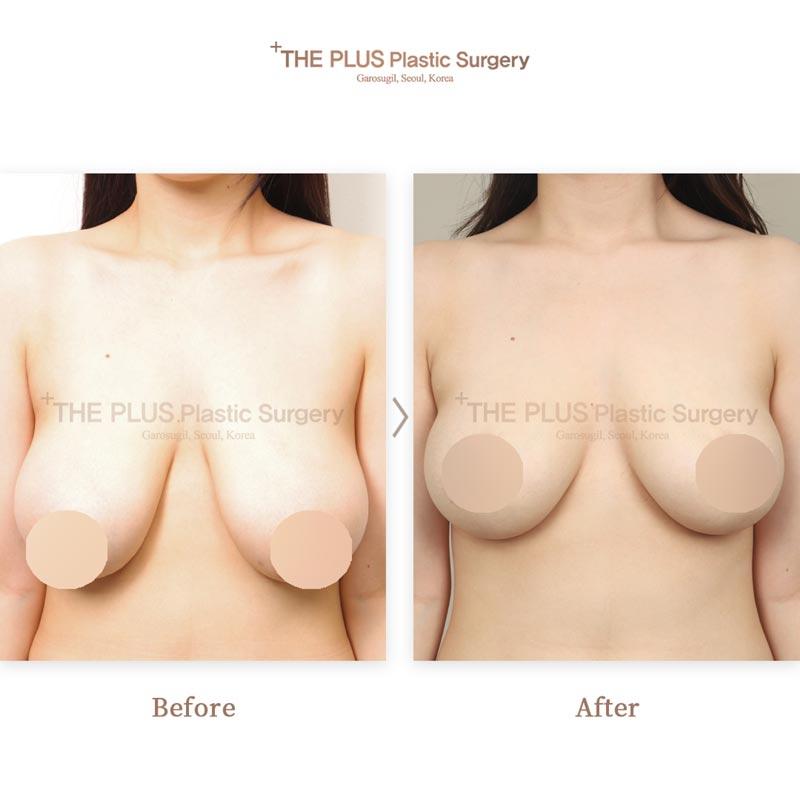
If bra straps leave persistent shoulder grooves and you are considering whether breast weight may be contributing, you can discuss breast reduction with Dr. Lee at THEPLUS Plastic Surgery. Her reduction approach removes excess volume while using a pedicle technique intended to preserve nipple sensation, with planning focused on a lighter, balanced breast shape.
- URL: THEPLUS Plastic Surgery Website
- Location: Gangnam-gu, Seoul
- Breast reduction approach:
- Dr. Lee uses a pedicle technique for breast reduction, designed to preserve nipple sensation while removing excess breast volume.
- The stated goal is a natural, balanced breast shape rather than reduction in size alone.
- Surgeon background:
- Dr. Lee is a board-certified plastic surgeon specializing in breast augmentation, lift, and reduction surgery.
- Her experience includes work as a Surgery Specialist at Seoul National University Hospital and clinical training at Seoul Metropolitan Boramae Hospital.
- She belongs to the Korean Society of Plastic and Reconstructive Surgery and the Korean Society of Aesthetic Plastic Surgery.
- Care considerations:
- The clinic describes advanced sterilization protocols, systematic postoperative monitoring, and aftercare tailored to your healing pace.
- English-language support and translator assistance are available from consultation through recovery for international visitors.
2. Okay Plastic Surgery Clinic
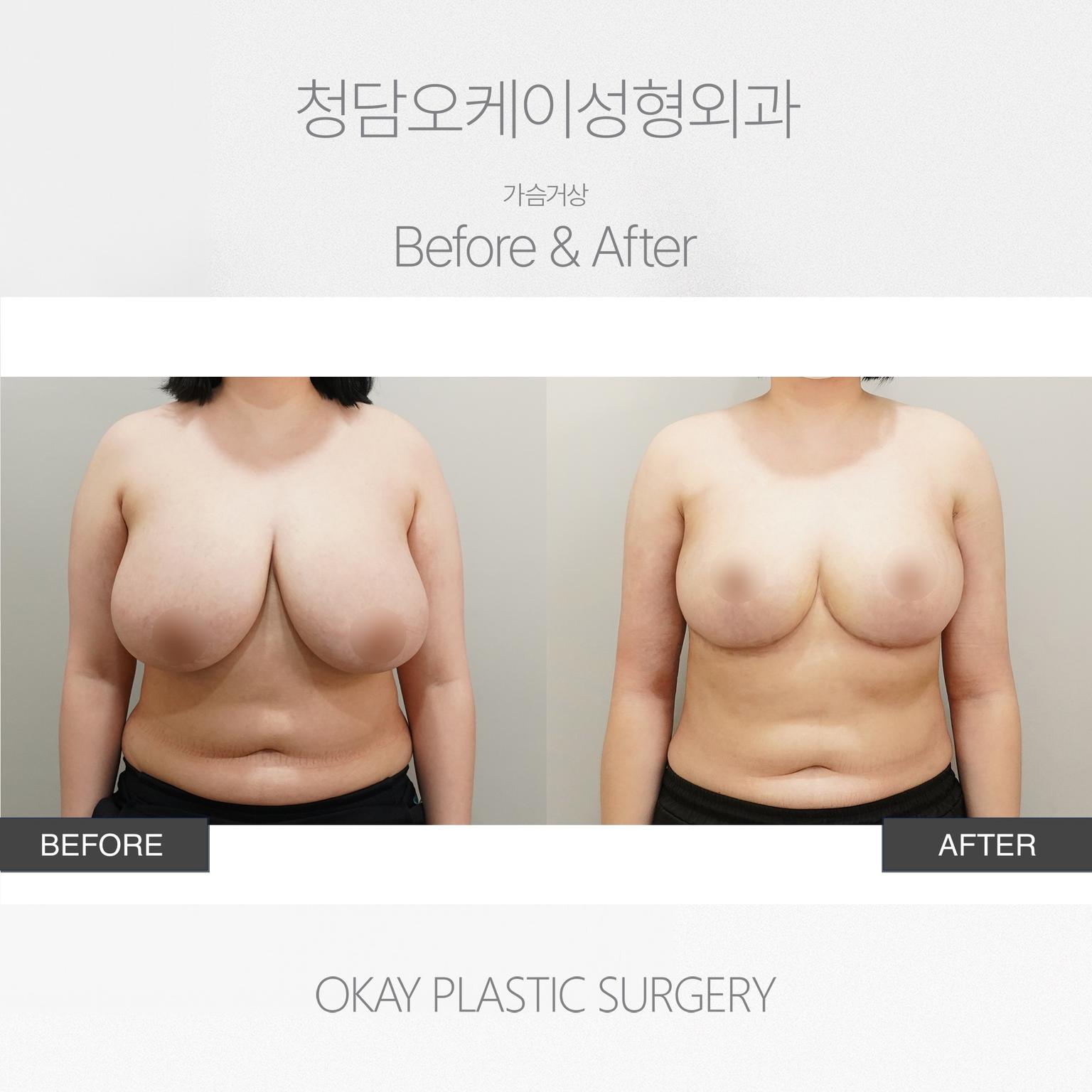
You may consider Okay Plastic Surgery Clinic if shoulder grooves from bra straps are associated with the weight or size of your breasts and you want to explore breast reduction through a dedicated Breast Center. The clinic identifies Dr. Cho’s breast-surgery focus, including experience with substantial reductions, and pairs surgical care with comprehensive aftercare.
- URL: Okay Plastic Surgery Clinic Website
- Location: Gangnam-gu, Seoul
- Breast-focused care:
- The clinic has a specialized Breast Center offering breast reduction, breast lift, and nipple-correction procedures.
- Breast reduction is presented as an option to reduce breast size and address associated discomfort.
- Surgeon experience:
- Dr. Cho is described as focusing on breast surgery, with ongoing study and published research in the field.
- The clinic states that Dr. Cho performs significant breast-reduction cases, including severe presentations.
- Aftercare: The clinic emphasizes comprehensive aftercare and planning for natural, lasting results.
3. id Hospital Korea
You may consider id Hospital Korea for shoulder grooves from bra straps if you want to ask whether its breast-surgery services could be appropriate for your concerns within a hospital that describes customized treatment planning and systematic post-care. The available information confirms breast surgery as a service area, but does not specify a particular breast-reduction technique or surgeon for this concern.
- URL: id Hospital Korea Website
- Location: Gangnam-gu, Seoul
- Relevant services:
- Breast surgery is among the hospital’s listed treatment areas.
- Its broader services include facial contouring, eye and nose surgery, lifting, skin treatments, minimally invasive aesthetic procedures, orthognathic surgery, and dentistry.
- Care model: The hospital describes customized plastic-surgery planning, a patient-safety-oriented approach, and systematic post-care.
Why South Korea?
South Korea is known as the "Plastic Surgery Capital of the World" due to:
- Expertise: Highly skilled, board-certified surgeons and advanced techniques.
- Affordability: Competitive pricing, especially with comprehensive packages.
- Patient-Centered Care: Clinics offer personalized, seamless experiences, including for diverse ethnicities.
This reputation, combined with advanced facilities and patient-focused services, makes South Korea a leading choice for breast reduction.
The Process: Step-by-Step Guide for Medical Tourists
Medical tourism agencies in South Korea offer a streamlined, concierge-style process:
-
Initial Inquiry and Consultation:
- Contact agencies or clinics.
- Provide medical history and desired outcomes.
- Online consultations and virtual assessments.
- Surgeon matching and treatment planning.
-
Planning and Preparation:
- Agencies handle travel, accommodation, and airport transfers.
- Pre-op tests (blood, urine, X-ray) are required.
- Pay deposits and confirm surgery schedule.
- Arrive a few days early for acclimatization and in-person consultations.
-
Procedure and Immediate Post-Operative Care:
- Agencies escort patients to appointments and surgery.
- Detailed consultation with the surgeon.
- Surgery performed as planned.
- Possible overnight stay for monitoring.
- Robust post-op monitoring and pain management.
-
Recovery and Follow-up:
- Extensive post-care services, including comfort kits and therapies.
- Regular follow-up appointments.
- Plan for several weeks of recovery before returning home.
- Agencies assist with return travel and online follow-ups.
-
Additional Services:
- Translation services.
- Local support, tours, and shopping trips.
- Premium add-ons like hyperbaric oxygen therapy.
This comprehensive approach ensures a smooth and supportive experience for international patients.
Key Considerations for International Patients
- Agency vs. Direct Booking: Agencies often offer better prices and support.
- Clinic and Surgeon Selection: Choose reputable, board-certified surgeons.
- Documentation: Prepare medical records and travel documents.
- Post-Operative Stay: Allow enough time in Korea for recovery and follow-up.
- Communication: Ensure translation services are available.
These steps help ensure safety, comfort, and a successful outcome.
Cost Analysis: Breast Reduction in South Korea vs. Other Countries
Cost is a major factor for many patients considering medical tourism.
South Korea: Procedure Costs and Package Inclusions
Average breast reduction cost in South Korea is about $10,486, ranging from $4,000 to $15,600. Packages through agencies can be as low as $4,000 and often include the procedure, flights, accommodation, transport, and clinic visits. Premium packages may reach $15,000.
| Category | Specific Inclusions | Notes |
|---|---|---|
| Medical Services | Consultation, surgery, anesthesia, pre-op exams, medications, post-op care, follow-ups | Some tests may be extra. Post-op care can be extensive. |
| Travel & Logistics | Flights, accommodation, airport transfers, clinic transport | Accommodation with nursing care may be extra. |
| Support Services | Translation, 24/7 nurse care (premium), local travel help | Essential for foreign patients. |
| Recovery & Amenities | Comfort kits, meal plans, recovery therapies, tours | Some therapies may cost extra. |
Comprehensive packages often make the overall experience more cost-effective and predictable.
A Global Comparison for Medical Tourists
| Country | Average Procedure Cost (USD) | Range (USD) | Notes |
|---|---|---|---|
| South Korea | $10,486 | $4,000 - $15,600 | Packages often include travel and care. |
| Turkey | $3,450 | $2,500 - $5,725 | Many all-inclusive packages. |
| Mexico | $4,282 | $3,500 - $5,300 | All-inclusive packages around $3,750. |
| Thailand | $5,883 | $3,000 - $10,936 | Packages may not include travel. |
| USA | $9,002 | $7,995 - $12,850 | Surgeon’s fee only; total can exceed $15,000. |
| UK | ~$8,200 | ~$8,200 - ~$10,000 | Excludes consultations and follow-up care. |
South Korea’s packages may seem pricier than Turkey or Mexico, but the all-inclusive nature and aftercare often make them a better value, especially compared to the USA or UK.
Factors Influencing the Total Cost
- Surgeon’s Experience: More experienced surgeons charge higher fees.
- Clinic Reputation and Location: Prime locations and well-known clinics cost more.
- Surgery Complexity: Larger reductions or more complex cases cost more.
- Package Inclusions: Premium services increase the price.
- Travel and Accommodation: Adds to cost if not included.
- Pre-op Tests and Medications: May or may not be included.
- Currency Exchange Rates: Fluctuations can affect final price.
- Insurance Coverage: May be covered for medical reasons, but varies by policy and country.
Always request a detailed cost breakdown to avoid surprises.
Life After Breast Reduction: Patient Experiences and Outcomes
Patients who undergo breast reduction for shoulder grooves and related symptoms often experience life-changing results.
Relief from Physical Symptoms
- Immediate Pain Relief: Chronic neck, shoulder, and back pain often disappears.
- Resolution of Shoulder Grooves: Less breast weight means less pressure on shoulders.
- Improved Posture: Easier to stand and sit upright.
- Enhanced Mobility: Greater freedom to exercise and be active.
- Better Clothing Fit: Easier to find comfortable, well-fitting clothes.
These benefits show that breast reduction is a reconstructive procedure with real, tangible results.
Improved Quality of Life and Confidence
- Transformative Impact: Many describe the surgery as life-changing.
- Enhanced Body Image: Increased confidence and self-esteem.
- Psychological Benefits: Relief from anxiety and improved mental well-being.
- Overall Satisfaction: Most patients are highly satisfied with their results.
The ripple effect of physical relief leads to improved participation in daily life and a boost in self-confidence.
Conclusion
Shoulder grooves from bra straps, medically known as "Brassiere Strap Groove Deformity" or "Bra Strap Syndrome," are a significant concern often linked to macromastia. While non-surgical measures can help, breast reduction surgery offers a definitive solution for those with persistent symptoms. South Korea stands out as a leading destination for this procedure, offering comprehensive packages and expert care. Patients consistently report dramatic improvements in comfort, appearance, and quality of life after surgery.
References
1, 2, 3, 4, 5, 6, 7, 8, 9, 10, 11, 12, 13, 14, 15, 16, 17, 18, 19, 20, 21, 22, 23, 24, 25, 26, 27, 28, 29, 30, 31, 32, 33, 34, 35, 36, 37, 38, 39, 40, 41, 42, 43, 44, 45
Frequently Asked Questions
Related Blogs
Breast Fat Grafting in Korea vs. Global Costs: A Smart Investment for Natural Results
Explore the affordability and benefits of breast fat grafting in Korea, a popular cosmetic procedure known for its natural results. Discover why more individuals are choosing Korea for this innovative, cost-effective solution.
Updated: Sep 26, 2026
Nipple Surgery in Korea: Types, Recovery, Risks, and Travel Planning
Nipple surgery may reduce nipple size or projection, correct benign inversion, revise scars, or reconstruct the nipple–areola complex; technique, anesthesia, and recovery depend on the procedure and any combined breast or chest surgery. International patients should plan at least 7–10 days locally for uncomplicated isolated procedures, attend wound review before flying, arrange follow-up at home,
Updated: Sep 21, 2026
Breast Augmentation in Korea: Implants, Recovery, Travel Planning, and Long-Term Safety
Breast augmentation in Korea may use silicone or saline implants, or fat grafting, with planning based on anatomy, goals, incision, and pocket placement. The article covers candidacy, costs of ₩7,000,000–₩18,000,000, 10–14-day travel planning, recovery, follow-up, and implant records.
Updated: Sep 20, 2026
Capsular Contracture Treatment in Korea: Revision Options, Recovery, and Travel Planning
Capsular contracture treatment may include capsulotomy, partial or total capsulectomy, implant exchange or removal, pocket change, ADM support, breast lift, fat grafting, or autologous reconstruction based on symptoms and tissue condition. International patients should plan at least 10–14 days in Korea, complete local follow-ups, obtain surgeon clearance before flying, and arrange home-country car
Updated: Sep 19, 2026
Clinics offering Breast Reduction

BongBong Plastic Surgery Dermatology Korea | Body, Breast & Aesthetic Treatments
Nonhyeon

THEPLUS Plastic Surgery Korea | Eye, Nose, Face & Body Surgery
Sinsa

Okay Plastic Surgery Clinic in Korea: Comprehensive Aesthetic Procedures with Sincerity and Care
Cheongdam
ID Hospital - Main Branch in Korea: Specializing in Safe & Customized Facial Plastic Surgery and Post-Care Services
Sinsa