
Medical Tourism Blog
Korea Breast Hypertrophy Solutions: Breast Reduction Procedures for Effective Relief
Table of contents
- Breast Reduction Surgery (Reduction Mammoplasty): A Detailed Overview
- Which Are the Best Clinics in Korea for Breast Hypertrophy?
- Navigating Breast Reduction in South Korea: A Step-by-Step Guide for International Patients
- Cost Considerations for Breast Reduction: South Korea vs. Global Medical Tourism Destinations
- Life After Breast Reduction: Patient Experiences and Improved Quality of Life
- Conclusion
- References
Considering treatment in Korea? Everything you need to know e.g. — how to avoid scams, visas, interpreters, recovery tips — in our Medical Tourism Master Guide. Plan with confidence in minutes, not weeks!
Breast hypertrophy is a medical condition where excessively large breast tissue can negatively affect both physical and psychological health. This guide explores breast hypertrophy, describes the procedure of breast reduction (reduction mammoplasty), explains the process for international patients seeking surgery in South Korea, compares costs worldwide, and examines the significant improvements in patients’ lives following the operation.
Breast hypertrophy is a rare condition marked by abnormal, non-cancerous overgrowth of breast tissue. This excessive enlargement can be symmetrical or affect just one breast, leading to noticeable asymmetry. Experts often define macromastia as tissue overgrowth exceeding 1.5 kilograms, with some cases reaching above 2.5 kilograms.
Common Pseudonyms
Breast hypertrophy goes by several names, reflecting its type or context:
- Macromastia: Describes cases with excessive breast tissue under 2.5 kilograms.
- Gigantomastia: Applies to severe cases, over 2.5 kilograms or requiring more than 1,500 grams of tissue removal per breast.
- Juvenile Macromastia or Juvenile Gigantomastia: Refers to cases emerging around puberty, often after the first menstrual period.
- Virginal Breast Hypertrophy or Virginal Mammary Hypertrophy: An older term for juvenile macromastia, now seen as outdated.
- Gestational Macromastia, Gigantomastia of Pregnancy, or Pregnancy-related Macromastia/Hypertrophy: Occurs during pregnancy, frequently in the first trimester; breast size may or may not normalize postpartum.
Causes and Types of Breast Hypertrophy
Most often, breast hypertrophy is thought to result from heightened tissue sensitivity to hormones like estrogen, progesterone, prolactin, and growth factors. That’s why it frequently appears during hormonal changes, such as puberty or pregnancy. Many cases are idiopathic, meaning there’s no clear underlying cause.
Less commonly, breast hypertrophy can be linked to medications (such as penicillamine or cyclosporine), certain autoimmune diseases, breast masses, or severe obesity. While pubertal and gestational forms are known, it can also develop in adult women due to obesity or medication, without any obvious trigger.
Physical and Psychosocial Impacts of the Condition
The weight of hypertrophic breasts often causes back, neck, and shoulder pain, as well as skin irritation or rashes, skin thinning, and even infections in severe cases. Functionally, patients struggle to find comfortable clothing, engage in exercise, or maintain an active lifestyle and may experience loss of nipple sensation.
Psychologically, breast hypertrophy can lead to profound emotional distress, anxiety, decreased body image, and low self-esteem, affecting social and sexual life. The interplay between physical discomfort and mental distress reduces quality of life. Most patients gain little long-term relief from conservative treatments like NSAIDs, specialized bras, or weight loss, making breast reduction surgery the most effective way to achieve lasting improvement in symptoms and well-being.
Breast Reduction Surgery (Reduction Mammoplasty): A Detailed Overview
Reduction mammoplasty is a surgical approach that alleviates the burdens of breast hypertrophy and is considered the gold standard treatment for those with symptomatic macromastia.
Purpose and Benefits of Breast Reduction
The main goal of breast reduction is to remove extra breast tissue, fat, and skin—creating smaller, more proportional breasts with improved shape and contour. Surgeons also reposition the nipple-areolar complex (NAC) for both function and aesthetics.
The procedure provides significant relief from musculoskeletal pain, skin problems, and improves posture and body image. By addressing these issues, breast reduction has a strong positive effect on quality of life.
Key Considerations and Goals of the Procedure
Surgeons aim to maintain the viability and sensation of the NAC whenever possible, striving for symmetry, natural contours, and minimal scarring. Choice of technique depends on the patient's anatomy, desired results, and the surgeon's expertise. A thorough pre-operative assessment—including developmental history, plans for pregnancy, previous surgeries, and smoking status—helps tailor the procedure to individual needs.
General Surgical Techniques
Several surgical methods are available, each chosen based on breast size, amount of tissue to be removed, and patient preference:
- Inverted T-Scar (Anchor Incision or Wise-pattern): The most common for large reductions, involves incisions around the areola, down the breast, and along the fold, suitable for all sizes and effective for achieving uplifted, reshaped breasts.
- Vertical Incision (Lollipop): Ideal for smaller to moderate reductions, leaving less scarring by avoiding the horizontal incision.
- Periareolar Incision (Donut): Uses a circular cut around the areola, best for small reductions and younger patients, resulting in the least scarring.
- Omega Resection Pattern: A newer, efficient modification suitable for both bilateral macromastia and asymmetry corrections.
Techniques for maintaining NAC blood supply include:
- Inferior Pedicle: Preserves sensation and lactation in most cases and supports large tissue removal.
- Superior Pedicle: Often used with vertical reductions.
- Free Nipple-Areola Grafting: Used for extremely large breasts when pedicle techniques can’t ensure NAC viability, but sensation and breastfeeding are lost.
Liposuction alone may suit minor reductions and has minimal scarring, though less tissue can be removed and histological examination is limited.
Risks and Complications
While severe surgical complications are rare, some patients may encounter wound healing issues, scarring, changed sensation, or fluid accumulation. Recovery can take time, and scarring is usually unavoidable. Transparent education about expectations, healing time, and possible side effects is essential for patient satisfaction.
Meticulous surgical technique and attentive aftercare are crucial for success. A skilled support team further minimizes risks and ensures a positive result, but patients should approach the operation understanding the commitment involved.
Which Are the Best Clinics in Korea for Breast Hypertrophy?
Listed below are some of the best clinics in Korea for breast hypertrophy.
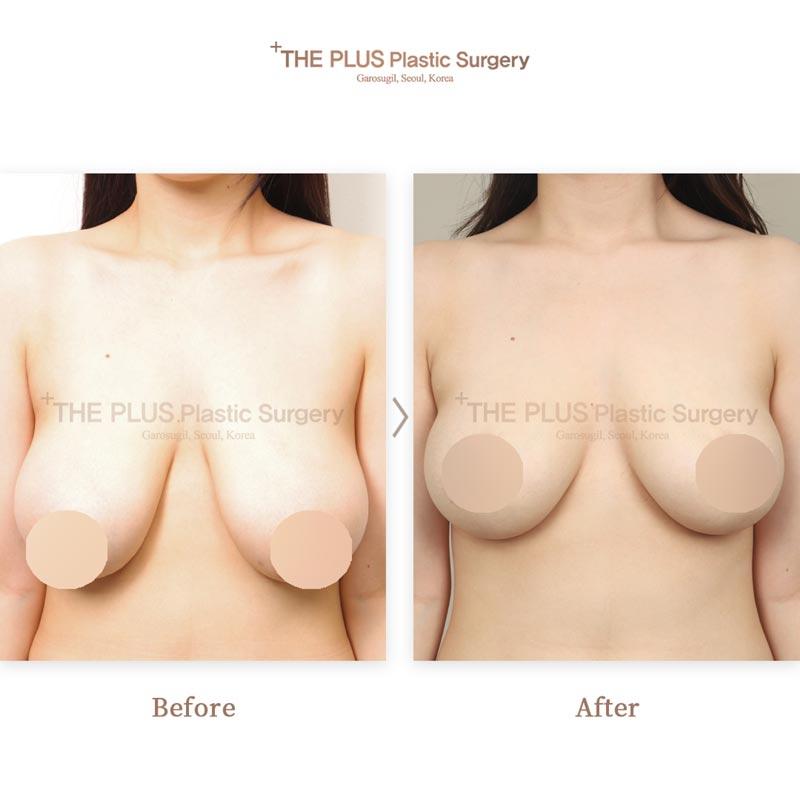
1. THEPLUS Plastic Surgery
You may consider THEPLUS Plastic Surgery for breast hypertrophy when you want a breast reduction planned around proportional shape as well as volume removal. Dr. Lee uses a pedicle technique intended to preserve nipple sensation, with individualized planning and structured postoperative monitoring to support your recovery.
- URL: THEPLUS Plastic Surgery Website
- Location: Gangnam-gu, Seoul
- Breast reduction approach:
- Dr. Lee uses a pedicle technique for breast reduction, designed to preserve nipple sensation while removing excess breast volume.
- Planning emphasizes a lighter, natural-looking, balanced breast shape rather than reduction in size alone.
- Surgeon and care:
- Dr. Lee is a board-certified plastic surgeon with breast augmentation, lift, and reduction experience, including prior work as a Surgery Specialist at Seoul National University Hospital.
- Your care includes sterilization protocols, systematic postoperative monitoring, and an aftercare plan adapted to your healing pace.
- English-language support and translator assistance are available from consultation through recovery.
2. Okay Plastic Surgery Clinic
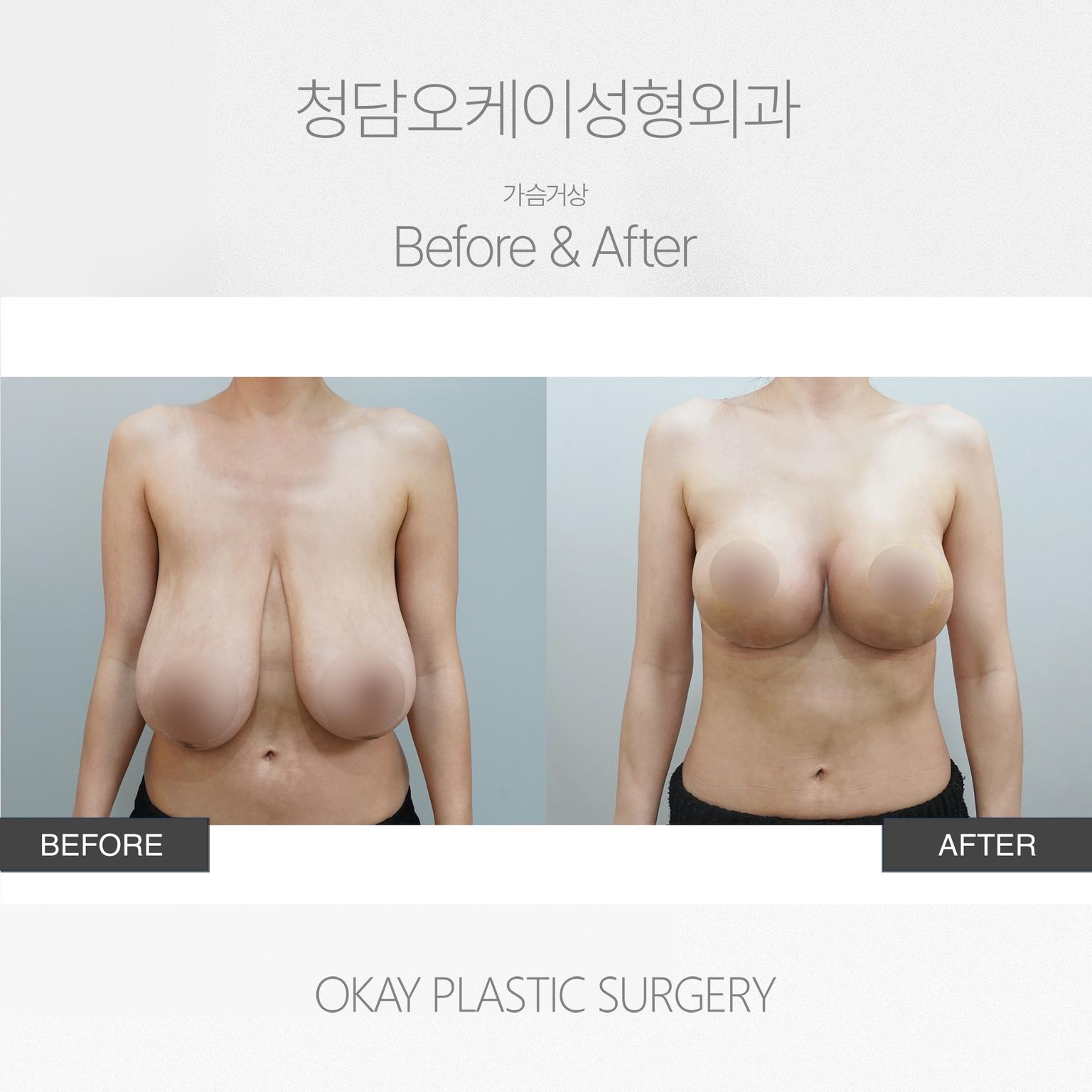
You may consider Okay Plastic Surgery Clinic for breast hypertrophy if you need evaluation at a dedicated Breast Center, particularly when a significant reduction may be required. Its breast-surgery offering includes reduction and lift procedures, with Dr. Cho’s reported research background and experience in severe reduction cases supporting a more specialized consultation.
- URL: Okay Plastic Surgery Clinic Website
- Location: Gangnam-gu, Seoul
- Breast reduction expertise:
- The specialized Breast Center offers breast reduction, breast lift, and nipple-correction procedures.
- Dr. Cho has studied and published research on breast surgery and is described as experienced with severe cases requiring substantial breast reduction.
- Related breast care:
- Breast-lift surgery is available when sagging is also a concern.
- The clinic emphasizes individualized treatment planning and comprehensive aftercare for natural, lasting results.
3. id Hospital Korea
You can expect breast surgery to be part of id Hospital Korea’s broader plastic-surgery services when seeking care for breast hypertrophy. The clinic describes a customized treatment approach with attention to patient safety and systematic post-care, though the provided information does not specify breast-reduction techniques or surgeons.
- URL: id Hospital Korea Website
- Location: Gangnam-gu, Seoul
- Available care:
- Breast surgery is among the clinic’s listed treatment areas.
- The clinic describes customized plastic-surgery planning, a patient-safety-oriented approach, and systematic post-care.
Navigating Breast Reduction in South Korea: A Step-by-Step Guide for International Patients
South Korea has become a leading destination for plastic surgery thanks to cutting-edge technology, strict safety standards, and highly trained surgeons. International patients benefit from comprehensive medical tourism packages that cover most logistical challenges.
Process of Getting Breast Reduction in South Korea
The process usually includes the following steps:
Initial Consultation and Information Gathering
Typically, patients start with an online questionnaire and send photos. This helps surgeons understand their goals, review medical history, and provide a cost estimate. Disclosure of illnesses and medications is vital; HIV-positive patients are generally excluded. A coordinator often guides the process, and patients should come prepared with questions.
Pre-operative Preparations and Medical Clearances
Twelve hours of fasting are required before surgery. Blood-thinners and certain painkillers must be stopped ahead of time. Smoking is prohibited before surgery—some clinics may refuse to operate on current smokers. Prior breast imagery is requested, but tests can be run in Korea if needed. Logistical needs like transportation should be arranged prior. At the clinic, the surgeon finalizes the surgical plan with the patient.
The Surgical Procedure Day
A final discussion occurs, followed by preparation for anesthesia and sterilization. Once under anesthesia, the surgeon removes the planned amount of tissue, reshapes the breast, and repositions the NAC. The area is closed and bandaged, and the patient is monitored in recovery.
Immediate Post-operative Care and Hospitalization
After waking, patients are assisted by clinical staff or translators. Some swelling and discomfort are normal, as are the effects of medication. Depending on the treatment, hospital stays can last a few hours to several days. Drains may be removed within the first two days, after which patients are discharged with medications and aftercare instructions.
Recovery Timeline and Follow-up Procedures
- Days 1-2: Removal of drains if present; common bruising/swelling; compression garments are worn.
- Days 3-7: Swelling declines; wound care appointments are established.
- Days 7-10: Stitches usually come out.
- Days 7-14: Most patients return to work and light activities.
- Days 14-21: Normal daily routines resume, except for strenuous workouts.
- Days 21-30: Breasts assume a more natural shape.
- Days 31-60: Most swelling fades, with scars beginning to lighten.
- Days 60-90: Gradual return to exercise is permitted; scar-care ointments are used.
- Days 90-180: Full shape and flexibility return; regular activity is resumed.
International patients typically remain in Korea for 8–12 days to ensure safe recovery before flying home.
Cost Considerations for Breast Reduction: South Korea vs. Global Medical Tourism Destinations
Costs are a major factor for many patients. These vary depending on location, surgeon, type of procedure, and package inclusions.
Average Costs of Breast Reduction in South Korea
The cost in South Korea averages around $5,600, with packages generally ranging between $4,000 and $10,500 and sometimes up to $15,000 for premium care. The clinic’s location, surgeon experience, and what’s included in the package (accommodations, support, etc.) all impact the final price.
What Medical Tourism Packages Typically Include (and Exclude)
Most packages encompass:
- Initial consultations, pre-operative testing, surgery, and anesthesia
- One-day hospitalization
- Post-op care, stitch removal, and follow-up
- Accommodation at hotels or recovery homes
- Airport and clinic transfers
- Translation services
- Personalized support
Additional costs might include premium transfers, enhanced accommodation, extra recovery therapies, international flights, and personal expenses. Patients should always request an itemized cost breakdown in advance.
Estimated Breast Reduction Costs by Country (for Medical Tourists)
Below is a snapshot of average costs for breast reduction surgery worldwide. All figures are USD:
| Country/Region | Estimated Cost Range | Key Inclusions (Typical) | Notes |
|---|---|---|---|
| South Korea | $4,000–$10,500 | Consultations, surgery, accommodation, transfers, translation, aftercare | High tech; 40–65% savings compared to US/Europe |
| United States | $7,995–$12,850 | Surgery, anesthesia, facility fees | Highest costs; post-op support varies |
| UK | ~$8,250–$8,900 | Often surgery only | NHS pricing often excludes extra care |
| Germany | $7,000–$8,000 | Varies | High standards of care |
| Poland | ~$4,350 | Varies | Competitive pricing in acclaimed clinics |
| Turkey | ~$3,024 | All expenses often included | Economical, expert surgeons, strong healthcare system |
| Thailand* | $2,500–$4,000 | Packages often cover accommodation, aftercare, sightseeing | Proxy: breast augmentation as reference |
| Brazil* | $2,500–$4,500 | Packages similar to above | Proxy: breast augmentation as reference |
| Mexico* | $3,000–$4,000 | Treatment, accommodation, transportation | Proximity to USA; proxy: breast augmentation |
*Note: Direct breast reduction costs not provided in some countries; breast augmentation used as a proxy.
South Korea stands out for offering competitive prices without compromising quality—saving up to 65% compared to Western countries while matching their standards. Patients should consider not just the price tag, but also the facility’s reputation, surgeon skill, and support services to ensure a successful, stress-free experience.
Life After Breast Reduction: Patient Experiences and Improved Quality of Life
Most individuals pursue breast reduction for substantial relief from pain and to enhance general quality of life, and the results are overwhelmingly positive.
Addressing Physical Symptoms
Patients almost universally report decreased chronic pain, especially in the back and shoulders, as well as relief from headaches and skin irritation. Improved posture and reduced heaviness in the chest are also common outcomes, whereas conservative therapies rarely achieve these results long-term.
Enhancing Psychosocial Well-being
After reduction mammoplasty, improvements in self-confidence are dramatic, with all patients in studies reporting better self-esteem. Social participation increases and anxiety, low body image, and sexual inhibitions decrease significantly. Around 65% report an improved sex life, supported by substantial shifts in well-being scores on validated measures.
Impact on Daily Activities and Lifestyle
Relief from discomfort and improved body confidence means patients find daily tasks—like shopping and exercising—much easier; high satisfaction rates reflect these lifestyle gains.
Overall Patient Satisfaction and Quality of Life Improvements
Studies show that breast reduction dramatically increases satisfaction across the board, from pain relief to psychosocial and sexual well-being. For many, the surgery’s life-changing benefits far surpass the mere physical aspect, addressing deeply individual priorities tied to age, stage of life, and specific concerns. Tailoring surgical goals to each patient’s needs maximizes this potential for transformation.
Conclusion
Breast hypertrophy can deeply affect both physical and psychological health, and breast reduction surgery has proven to be the most effective way to address these challenges. Surgery relieves pain, enhances body image, boosts confidence, and improves overall well-being, as validated by patient outcomes. South Korea offers excellent standards of care, comprehensive packages, and cost savings, making it a top choice for medical tourists seeking breast reduction. Informed planning and thorough research are key to ensuring a safe, satisfying surgical journey.
References
1, 2, 3, 4, 5, 6, 7, 8, 9, 10, 11, 12, 13, 14, 15, 16, 17, 18, 19, 20, 21, 22
Frequently Asked Questions
Related Blogs
Breast Fat Grafting in Korea vs. Global Costs: A Smart Investment for Natural Results
Explore the affordability and benefits of breast fat grafting in Korea, a popular cosmetic procedure known for its natural results. Discover why more individuals are choosing Korea for this innovative, cost-effective solution.
Updated: Sep 26, 2026
Nipple Surgery in Korea: Types, Recovery, Risks, and Travel Planning
Nipple surgery may reduce nipple size or projection, correct benign inversion, revise scars, or reconstruct the nipple–areola complex; technique, anesthesia, and recovery depend on the procedure and any combined breast or chest surgery. International patients should plan at least 7–10 days locally for uncomplicated isolated procedures, attend wound review before flying, arrange follow-up at home,
Updated: Sep 21, 2026
Breast Augmentation in Korea: Implants, Recovery, Travel Planning, and Long-Term Safety
Breast augmentation in Korea may use silicone or saline implants, or fat grafting, with planning based on anatomy, goals, incision, and pocket placement. The article covers candidacy, costs of ₩7,000,000–₩18,000,000, 10–14-day travel planning, recovery, follow-up, and implant records.
Updated: Sep 20, 2026
Capsular Contracture Treatment in Korea: Revision Options, Recovery, and Travel Planning
Capsular contracture treatment may include capsulotomy, partial or total capsulectomy, implant exchange or removal, pocket change, ADM support, breast lift, fat grafting, or autologous reconstruction based on symptoms and tissue condition. International patients should plan at least 10–14 days in Korea, complete local follow-ups, obtain surgeon clearance before flying, and arrange home-country car
Updated: Sep 19, 2026
Clinics offering Breast Reduction
BongBong Plastic Surgery | Premium Breast and Body Shaping with Innovative Autologous Fat Grafting and Hybrid Techniques
Nonhyeon

THEPLUS Plastic Surgery Korea | Eye, Nose, Face & Body Surgery
Sinsa

Okay Plastic Surgery Clinic in Korea: Comprehensive Aesthetic Procedures with Sincerity and Care
Cheongdam
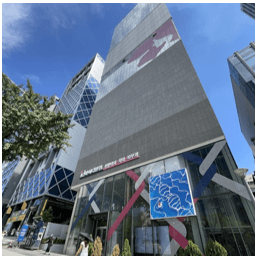
ID Hospital - Main Branch in Korea: Specializing in Safe & Customized Facial Plastic Surgery and Post-Care Services
Sinsa