Medical Tourism Blog
Korea Knee Whitening Procedures: Effective Solutions for Dark Knees Treatment

Table of contents
- Medical Procedures for Knee Whitening: A Detailed Overview
- Best Clinics in Korea for Dark Knees
- Navigating Knee Whitening Procedures in South Korea
- Cost Analysis: Knee Whitening in South Korea and Global Comparisons
- Patient Perspectives: Real-World Experiences and Outcomes
- Conclusion
- References
Considering treatment in Korea? Everything you need to know e.g. — how to avoid scams, visas, interpreters, recovery tips — in our Medical Tourism Master Guide. Plan with confidence in minutes, not weeks!
Darkened knees can be a frustrating cosmetic concern, causing many people to look for effective solutions. Here, we break down what causes dark knees, explore key medical and aesthetic treatments, dive into the process and costs of seeking these procedures in South Korea, and review real-world patient experiences. Our goal is to provide clear, evidence-based information to help you make informed decisions.
What are "Dark Knees"?
Dark knees are areas of brown discoloration, often with thicker skin, caused by increased melanin—this is known as hyperpigmentation. While more noticeable in those with darker skin tones, almost anyone can develop the condition. Importantly, dark knees rarely have other symptoms unless linked to another skin issue and are generally not a sign of a serious health problem.
Common Pseudonyms and Medical Terminology
You might see various terms when researching solutions: “dark brown coloring of the knees,” “knee and elbow pigmentation,” or the medical term “hyperpigmentation on knees.” It’s common to discuss knees and elbows together since they share many causes and treatments.
Key Causes of Knee Hyperpigmentation
- Post-inflammatory Hyperpigmentation (PIH): Frequent friction or pressure (think: kneeling or tight clothing) leads to inflammation, triggering your melanocytes to produce extra pigment.
- Accumulation of Dead Skin Cells: Knees are easy to overlook during exfoliation, leading to buildup and a darker appearance.
- Direct Sun Exposure: UV rays boost melanin production, worsening dark knees.
- Dryness: Not moisturizing enough can cause rough, dark patches.
- Skin Conditions: Issues like psoriasis or eczema may cause dark, irritated, or flaky skin.
- Less Common Causes: Certain medications or health conditions (like hormonal imbalances) may play a role, but this is rare if dark knees are the only symptom.
Though not medically risky, dark knees can strongly affect self-confidence, becoming a core motivation for seeking treatment. Addressing both the skin and a patient’s emotional wellness is essential to holistic care.
Medical Procedures for Knee Whitening: A Detailed Overview
Topical Treatments and Skincare Approaches
Your first stop for “knee whitening” usually involves topical products and routine care:
- Moisturizers: Brands like Eucerin or CeraVe help soften skin and reduce irritation.
- Sunscreen: A daily, broad-spectrum SPF 30+ shields knees from UV-triggered darkening.
- Exfoliants: Regular use of chemical exfoliants (e.g., glycolic acid, lactic acid, salicylic acid) or gentle physical scrubs can help remove dead skin. Avoid aggressive scrubbing, which may worsen pigment issues.
- Prescription Creams: Treatments like retinoids or short-term hydrocortisone (for inflammation) may be prescribed. Bleaching creams aren’t usually effective.
- Tyrosinase Inhibitors: Ingredients such as kojic acid, vitamin C, azelaic acid, arbutin, and hydroquinone slow down melanin production.
- Natural Remedies: While research is growing, some commonly tried home remedies include turmeric, green tea extract, aloe vera, potato juice, and baking soda with milk.
Chemical Peels: Types, Mechanisms, and Expected Outcomes
Chemical peels use solutions to peel away dark, damaged skin and encourage renewal.
- Superficial, Medium, and Deep Peels: Superficial peels have mild effects and recovery; medium and deep peels go further but need more downtime.
- Key Ingredients: Glycolic acid, lactic acid, salicylic acid, TCA, mandelic acid, kojic acid, and vitamin C are popular.
- Process: A cleansing step, sometimes a pre-peel solution, then the peel itself; you may feel tingling or warmth. Post-care is critical: avoid sun, keep skin moisturized, and let skin peel naturally.
- Results: Most see visibly brighter, smoother knees, but darker skin types face higher risk of post-inflammatory hyperpigmentation if the peel isn’t tailored properly—be sure your provider is experienced with all skin tones.
Advanced Aesthetic Procedures
Microdermabrasion
Here, a device gently buffs away the top layer of skin—helping shed pigmented cells and prepping for lightening serums. It’s generally safe, even for darker skin, but takes several sessions for best results.
Laser Therapy
Laser treatments target melanin directly, breaking down pigment and prompting new skin growth.
- Types of Lasers:
- Q-switched (e.g., Candela Alex Trivantage Nd:YAG): Focused on pigment.
- Fractional (e.g., Fraxel, Clear + Brilliant, Moxi®): Treat only micro-areas, spurring collagen and minimizing downtime.
- PicoWay® Resolve: Breaks down pigment with ultra-short energy pulses.
- IPL: Useful for broader skin areas.
- Darker Skin Considerations: Because lasers target melanin, those with deeper skin tones must choose safer, non-ablative lasers and skilled providers to avoid burns or stubborn dark patches.
- Process: Includes cleansing, numbing cream, eye protection, then the treatment. Aftercare like sunscreen is a must.
- Results: Typically need a few sessions; maintenance is important as new pigment can return.
Microneedling
Tiny needles create micro-injuries to boost collagen, reduce pigment, and improve serum absorption.
- Variations: May be paired with PRP or radiofrequency for increased effects. Several sessions are standard, spaced weeks apart, with gentle post-care.
Cryotherapy
This uses targeted cold to destroy pigment cells.
Injectable Treatments for Skin Brightening
Substances (such as glutathione, vitamin C, or tranexamic acid) are injected to curb pigment formation.
- Results and Safety: Can fade dark patches with repeated sessions, but results fade without regular treatments. Only pursue these via reputable clinics as risks include allergic reactions and, with misuse, organ strain.
- Other injections: Hyaluronic acid-based injections and immune-boosting IV drips offer hydration and overall rejuvenation benefits.
Medical Aesthetic Treatments (e.g., Oxygen Peel, LED Electroporation)
Some clinics use treatments like the Dr. Solution program or Oxygen Peel for all-around brightening using natural Korean fermentation or vitamin infusions. LED Electroporation improves absorption of brightening serums.
Most people see the best improvement by combining different approaches—think peels plus professional skincare—with ongoing maintenance. Remember, keeping skin bright requires a long-term commitment, not just a one-off procedure.
Best Clinics in Korea for Dark Knees
Listed below are the best clinics in Korea for dark knees:
| Clinic Name | Key Features | Special Techniques |
|---|---|---|
| Lalian Cheongdam Clinic | Lalian Cheongdam Clinic may be considered by readers looking for professional help with dark knees, but specific treatment offerings can’t be confirmed here because the clinic’s website content wasn’t accessible from the “access forbidden” page provided. Without access to the clinic’s official procedure/menu page, it isn’t possible to accurately categorize or describe what the clinic provides for pigmentation concerns around the knees. | For an accurate, clinic-specific introduction of dark-knee treatment options, please provide one of the following: the full text from the clinic’s procedure/menu page (copy/paste), screenshots of the procedure list (Korean is fine), or a typed list of the procedures you want included. With that information, the clinic can be presented clearly and responsibly, with each procedure explained in two sentences and any uncommon English procedure names omitted. Find more about this clinic here: Lalian Cheongdam Clinic Website |
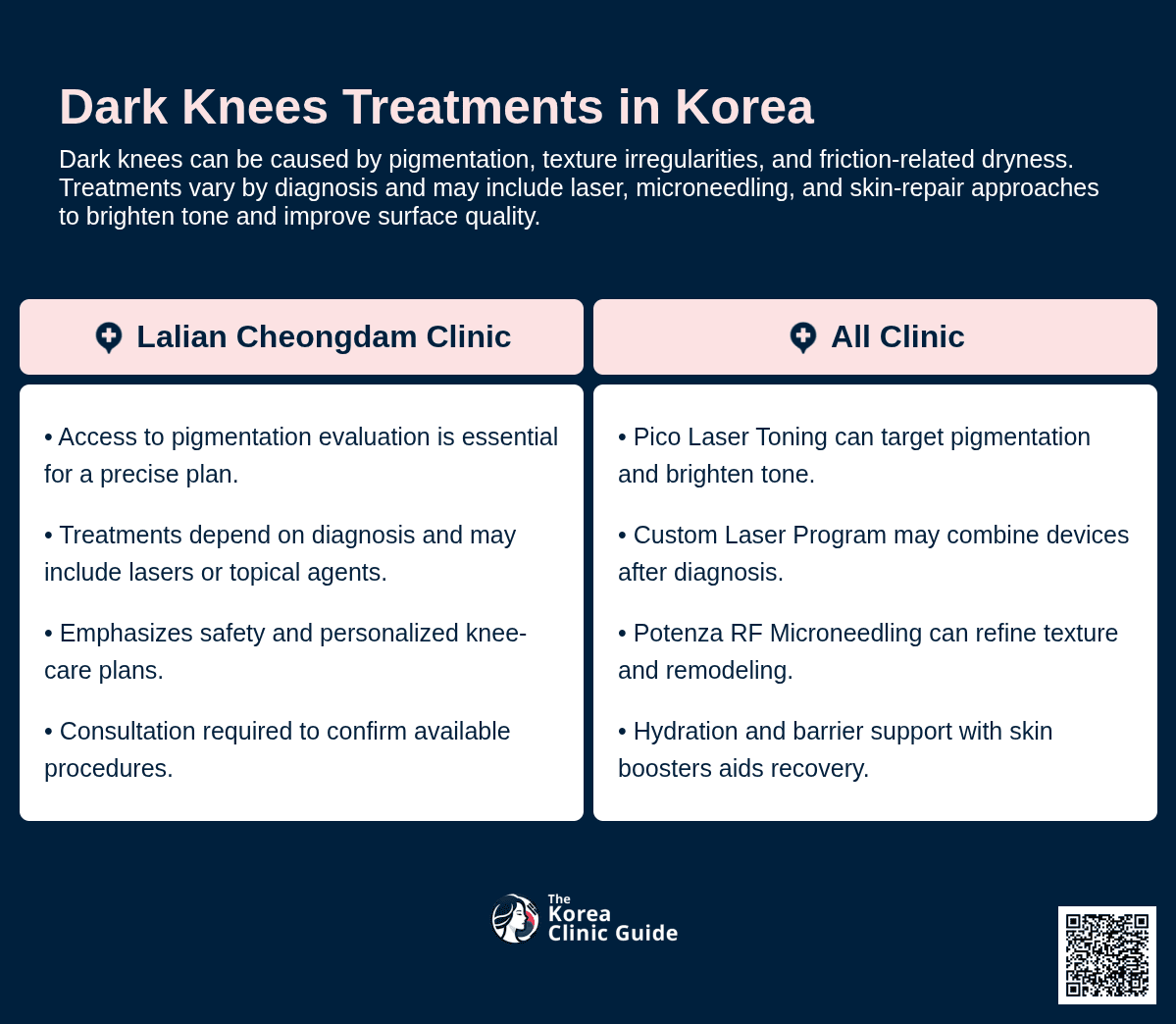
| All Clinic | All Clinic in Myeongdong stands out as a top choice for treating dark knees in Korea because it focuses on personalized, non-surgical care delivered by experienced medical staff who can tailor a plan to the real causes behind knee darkness—pigmentation buildup, uneven texture, and dryness from friction. For discoloration, treatments like Pico Laser Toning can target excess pigmentation while brightening overall tone with minimal downtime, and a Custom Laser Program can combine devices in a structured roadmap after diagnosis to address pigmentation and texture efficiently and safely. When roughness and uneven skin contribute to a darker appearance, Potenza RF Microneedling can help refine texture and support skin remodeling, while hydration and barrier support can be strengthened with skin boosters such as Hyaluronic Acid microinjections, Rejuran Healer, and exosome-based boosters to promote recovery and improve overall skin quality. By combining precise device-based treatment with skin-repair support—and adjusting settings, depth, and session sequencing to your skin type and goals—All Clinic offers a comprehensive, individualized approach that’s especially well-suited for stubborn dark knees. Find more about this clinic here: All Clinic Website | For discoloration, treatments like Pico Laser Toning can target excess pigmentation while brightening overall tone with minimal downtime, and a Custom Laser Program can combine devices in a structured roadmap after diagnosis to address pigmentation and texture efficiently and safely. When roughness and uneven skin contribute to a darker appearance, Potenza RF Microneedling can help refine texture and support skin remodeling, while hydration and barrier support can be strengthened with skin boosters such as Hyaluronic Acid microinjections, Rejuran Healer, and exosome-based boosters to promote recovery and improve overall skin quality. |
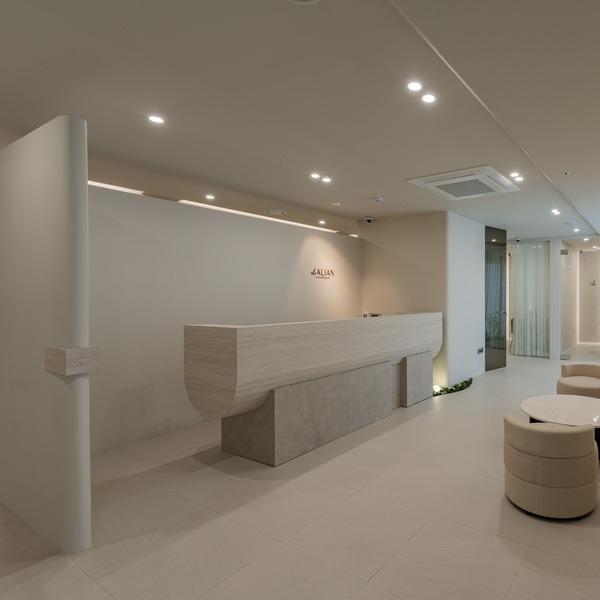
Lalian Cheongdam Clinic
Lalian Cheongdam Clinic may be considered by readers looking for professional help with dark knees, but specific treatment offerings can’t be confirmed here because the clinic’s website content wasn’t accessible from the “access forbidden” page provided. Without access to the clinic’s official procedure/menu page, it isn’t possible to accurately categorize or describe what the clinic provides for pigmentation concerns around the knees.
For an accurate, clinic-specific introduction of dark-knee treatment options, please provide one of the following: the full text from the clinic’s procedure/menu page (copy/paste), screenshots of the procedure list (Korean is fine), or a typed list of the procedures you want included. With that information, the clinic can be presented clearly and responsibly, with each procedure explained in two sentences and any uncommon English procedure names omitted.
Find more about this clinic here: Lalian Cheongdam Clinic Website
All Clinic
All Clinic in Myeongdong stands out as a top choice for treating dark knees in Korea because it focuses on personalized, non-surgical care delivered by experienced medical staff who can tailor a plan to the real causes behind knee darkness—pigmentation buildup, uneven texture, and dryness from friction. For discoloration, treatments like Pico Laser Toning can target excess pigmentation while brightening overall tone with minimal downtime, and a Custom Laser Program can combine devices in a structured roadmap after diagnosis to address pigmentation and texture efficiently and safely. When roughness and uneven skin contribute to a darker appearance, Potenza RF Microneedling can help refine texture and support skin remodeling, while hydration and barrier support can be strengthened with skin boosters such as Hyaluronic Acid microinjections, Rejuran Healer, and exosome-based boosters to promote recovery and improve overall skin quality. By combining precise device-based treatment with skin-repair support—and adjusting settings, depth, and session sequencing to your skin type and goals—All Clinic offers a comprehensive, individualized approach that’s especially well-suited for stubborn dark knees.
Find more about this clinic here: All Clinic Website
Navigating Knee Whitening Procedures in South Korea
The Step-by-Step Process for Medical Tourists
If considering treatment in South Korea, expect:
- Consultation & Assessment: You’ll meet with a dermatologist for tailored advice and skin analysis.
- Treatment Planning: Your plan may involve multiple therapies matched to your skin type and goals.
- Preparation: The knee area is cleaned and sometimes numbed before treatment. Avoid irritants beforehand.
- Procedure: The actual treatment (laser, peel, etc.) is performed, and mild discomfort may be felt.
- Healing & Post-care: Strict sun protection, gentle cleansing, moisturizing, and avoiding strenuous activities are key parts of care. Don’t pick at peeling skin.
- Maintenance: Many treatments need regular follow-up for lasting results.
Key Considerations When Choosing a Clinic
Do your homework:
- Check Licensing & Experience: Only use clinics with licensed dermatologists experienced in all skin types.
- Product & Equipment Quality: Confirm high-quality injectables and up-to-date laser devices.
- Patient Testimonials: Look for reviews, before-and-after images, and real patient stories.
- Transparent Costs: Avoid clinics that can’t explain all fees.
- Medical Travel Agencies: Trusted local agencies can connect you with reputable providers.
Long-term results rely on diligent aftercare—especially sunscreen use—and careful clinic selection, so take your time to research well.
Cost Analysis: Knee Whitening in South Korea and Global Comparisons
Estimated Costs of Knee Whitening Procedures in South Korea
| Procedure Type | Estimated Cost Range (USD) per Session |
|---|---|
| General Skin Whitening Treatment | $70 – $2,500 |
| Overall Laser Skin Whitening | $75 – $400 |
| PicoSure Laser | $120 – $400 |
| Spectra Toning (Nd:YAG Laser) | $75 – $200 |
| Fraxel Laser | $250 – $500 |
| Glutathione Injections | $45 – $800 |
| Vitamin C Injections | $50 – $150 |
| Intensive Skin Whitening Injections | $1,000 – $2,500 |
| Chemical Peels (general) | $70 – $300 |
| Whitening Facials / Skincare | $70 – $250+ |
| Brightening Serums and Creams | $100 – $300 per product |
| Dermatology Consultation | $30 – $150 |
| Post-Treatment Follow-up | $100 – $300 per visit |
Comparing Costs: South Korea vs. Other Destinations
| Procedure Type | South Korea | Thailand | India | Turkey | Western Countries |
|---|---|---|---|---|---|
| Laser Skin Whitening/Resurfacing | $75 – $500 | $135 – $800 | $145 – $540 | $400 – $3,000 | From $1,270-$1,500+ |
| Chemical Peels | $70 – $300 | N/A | $24 – $60 | N/A | N/A |
| Skin Whitening Injections | $45 – $800 | N/A | $60 – $85 | N/A | N/A |
| General Cosmetic Procedures | $200 – $2,500 | $1,500 – $5,000 | $1,500 – $5,000 | $2,000 – $4,000 | Upwards of $10,000 |
| Teeth Whitening (context) | N/A | $200 – $400 | N/A | $270 – $450 | $600 – $1,000 |
Many clinics in South Korea bundle “knee whitening” procedures under “skin whitening” or “resurfacing,” so ask for specifics if planning your visit.
Factors Influencing Treatment Costs
- Type & Complexity: More advanced treatments (e.g., Fraxel, combination therapy) cost more.
- Clinic Reputation & Location: Prestigious urban clinics charge higher prices.
- Sessions Required: Full results usually demand several sessions.
- Provider Expertise: Top dermatologists may cost more.
- Additional Travel Costs: Account for flights, accommodation, food, and any support agency fees when budgeting.
For medical tourists, consider the total investment—not just the per-session price—for a true sense of the financial commitment.
Patient Perspectives: Real-World Experiences and Outcomes
Effectiveness of Treatments: What Patients Report
Patients generally report noticeable improvements in skin color and texture, as well as enhanced confidence and self-esteem. Many find the most natural look comes from blending multiple treatments. Home remedies work for some, but professional treatments often deliver more even, predictable results over time. Most treatments—especially injections—require ongoing maintenance.
First-hand, detailed before-and-after patient stories specifically for medical knee whitening are still limited; look for clinics with a clear track record in this area.
Managing Expectations and Potential Side Effects
Not every treatment works for everyone, and side effects are possible:
- Varied Outcomes: Results differ based on individual skin and treatment adherence.
- Potential Side Effects: Lemon juice and turmeric may irritate or stain; some chemical agents cause soreness or even PIH if misapplied. Lasers on dark skin need extra caution.
- Downtime: Peels and lasers can cause temporary redness, peeling, or a feeling of sunburn, requiring recovery time.
- Discomfort: Mild, short-lived discomfort is possible during procedures.
Important Considerations Before Undergoing Treatment
- Consult a Professional: Always get a dermatologist’s assessment and personalized plan.
- Root Cause Matters: Addressing the underlying reason for dark knees ensures the best outcome.
- Avoid Harmful Approaches: Skip harsh scrubs and bleaching creams—they often do more harm than good.
- Be Realistic: Sustained, safe improvements require patience, proper aftercare, and occasionally, ongoing treatments.
Conclusion
Dark knees are a common concern that, while not medically dangerous, can have a big impact on self-esteem. They usually result from friction, sun exposure, and buildup of dead skin, and are best managed with a blend of consistent skin care and targeted medical or aesthetic procedures. Those considering “knee whitening” in South Korea will find many effective, cost-competitive options, but should factor in travel and ongoing care costs. Above all, success relies on working with expert providers, especially for people with darker skin tones, and maintaining good skincare habits for lasting, safe results.
References
1, 2, 3, 4, 5, 6, 7, 8, 9, 10, 11, 12, 13, 14, 15, 16, 17, 18, 19, 20, 21, 22, 23, 24, 25, 26, 27, 28, 29, 30, 31, 32, 33, 34