
Medical Tourism Blog
Juvelook Volume Filler in Korea: Results, Safety, Recovery, and Travel Planning

Table of contents
- Juvelook Volume Filler at a Glance
- What Is Juvelook Volume Filler?
- Who Is a Good Candidate for Juvelook Volume Filler?
- How Is Juvelook Volume Filler Performed?
- Why Visit Korea for Juvelook Volume Filler?
- Key Information for International Patients
- Which Are the Best Clinics in Korea for Juvelook Volume Filler?
- Juvelook Volume Filler From Start to Finish
- Alternatives to Juvelook Volume Filler
- How Can I Prepare for Juvelook Volume Filler?
- Aftercare Advice
Considering treatment in Korea? Everything you need to know e.g. — how to avoid scams, visas, interpreters, recovery tips — in our Medical Tourism Master Guide. Plan with confidence in minutes, not weeks!
Last updated: September 2026
Juvelook Volume Filler at a Glance
- What it is — Juvelook Volume is a deep-volume injectable biostimulator containing 170 mg PDLLA and 30 mg non-cross-linked hyaluronic acid per 200 mg vial; it is intended for gradual facial volume restoration rather than instant sculpting.
- Best candidates — It suits healthy adults with modest localized volume loss or nasolabial folds who accept gradual change and staged care; marked jowling, skin laxity, or tissue descent often needs a lifting or surgical discussion instead.
- Treatment schedule — The main nasolabial-fold study used three sessions at weeks 0, 4, and 8, averaging 4 mL per side in total, so a full course generally requires repeat appointments rather than one treatment.
- Downtime and results — Most study participants had mild swelling for 3–4 days, with possible redness, bruising, tenderness, and temporary asymmetry; immediate fullness is not final, and reassessment is best done around 4 weeks.
- Travel planning — International patients should allow at least 3 days in Korea for one session, including 24–48 hours of local observation; do not plan same-day departure, and arrange follow-up before returning home.
- Key limitation and risk — Evidence is limited to a manufacturer-supported study of 33 Korean adults treated only in nasolabial folds through 24 weeks, while delayed nodules or inflammatory reactions can occur and long-term durability is unproven.
- Korea-specific distinction — Korea offers direct access to the locally identified Juvelook Volume 200 formulation, which is not interchangeable with standard 50 mg Juvelook; request the exact product name, vial details, lot number, injected amount, and treatment record.
What Is Juvelook Volume Filler?
Juvelook Volume is an injectable collagen biostimulator that combines PDLLA with hyaluronic acid to add gradual facial volume. It is used to soften localized volume loss and folds for a fuller, more balanced appearance rather than immediate sharp contouring. It is a minimally invasive, non-surgical treatment delivered by injection.
Who Is a Good Candidate for Juvelook Volume Filler?
- Gradual facial-volume goals — Good candidates are healthy adults seeking modest, gradual correction of nasolabial folds or localized facial volume loss rather than an instant, sharply sculpted change.
- Comfort with staged care — The most direct Juvelook Volume study used three treatment sessions at 4-week intervals, so this treatment suits people who can return for reassessment or arrange reliable care at home.
- Deep-volume indication — Juvelook Volume contains 170 mg PDLLA and 30 mg hyaluronic acid (HA) per 200 mg vial, a higher-content formulation than standard Juvelook, which contains 42.5 mg PDLLA and 7.5 mg HA. Confirm the exact product before consenting to treatment. The Korean manufacturer describes its intended use as subcutaneous restoration for temporary improvement of adult facial wrinkles.
- Realistic expectations — Candidates understand that early fullness partly reflects carrier fluid and swelling, while the collagen-related effect develops gradually and is not fully judgeable immediately after injection.
Juvelook Volume is unsuitable during pregnancy, breastfeeding, or when pregnancy is planned during the treatment period because direct safety data are inadequate. Defer injection for active infection, herpes lesions, open wounds, inflammatory acne, rash, or other inflammation near the planned area. A history of keloids or hypertrophic scars, immune compromise, uncontrolled illness, relevant allergies, bleeding disorders, or anticoagulant and antiplatelet treatment requires individualized medical assessment; do not stop prescribed aspirin, warfarin, apixaban, clopidogrel, or similar medicines without the prescriber’s direction. Marked skin laxity, jowling, and tissue descent often require a lifting or surgical discussion rather than volume replacement alone, while tear-trough treatment deserves particular caution because direct Volume evidence is insufficient and a published case report documented nodules in that area. The main direct trial also excluded people with prior facial fillers or threads, keloid tendencies, significant illness, pregnancy, and nursing.
How Is Juvelook Volume Filler Performed?
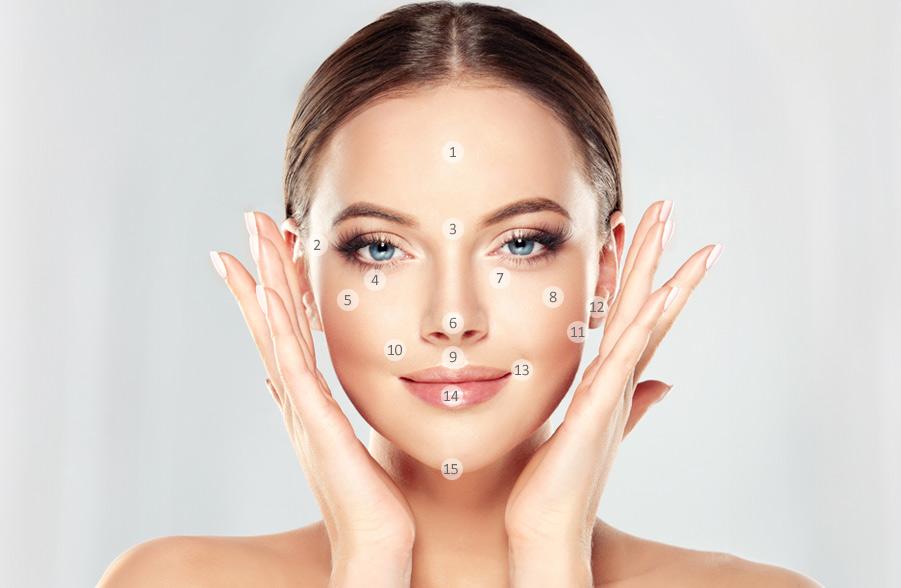
Juvelook Volume has no meaningful patient-facing “types”; the critical distinction is between this 200 mg deep-volume product and standard 50 mg Juvelook. Injection plane, amount, anatomical area, and staging determine both the visible result and risk.
- Product verification — Confirm that the clinic is using Juvelook Volume 200 rather than standard Juvelook. The manufacturer lists Volume as 170 mg PDLLA plus 30 mg HA, compared with 42.5 mg PDLLA plus 7.5 mg HA in standard Juvelook. These products should not be treated as interchangeable.
- Deep structural placement — In the direct nasolabial-fold study, clinicians used a 23G entry point and a 60 mm 23G blunt microcannula in deep-fat and supraperiosteal planes after topical EMLA anesthetic.
- Staged sessions — The study protocol began with 2 mL per side and allowed later touch-ups, for an average cumulative amount of 4 mL per side across three sessions at weeks 0, 4, and 8. This is study-specific, not a universal vial count or dosing rule.
- Cannula delivery — A blunt cannula can distribute material across a broader tissue plane, but it does not eliminate vascular injury, nodules, infection, or inflammatory complications.
- Area-specific restraint — Do not extrapolate a nasolabial-fold protocol to cheeks, temples, jawline, chin, body areas, or under-eyes. The available comparative evidence is limited to 33 Korean adults with nasolabial-fold treatment and 24 weeks of follow-up.
Why Visit Korea for Juvelook Volume Filler?
Juvelook Volume is a Korean PDLLA/HA product, so Korea offers direct access to the locally identified 200 mg formulation. That access does not prove that every clinic uses the same technique or that Korean treatment removes the need for careful product verification and follow-up planning.
- Locally identified product — The Korean manufacturer identifies Juvelook Volume as a 200 mg product containing 170 mg PDLLA and 30 mg HA, intended in Korea for subcutaneous injection to temporarily improve adult facial wrinkles through physical restoration. Its product page describes the Juvelook line as an MFDS-authorized Class IV medical device.
- Direct local clinical evidence — The principal comparative study was conducted in Korean adults at multiple centers, using Juvelook Volume for nasolabial folds over three sessions. It found improvement through week 24 and non-inferiority to injectable PLLA in that specific setting.
- Evidence limits matter — That 33-participant, manufacturer-supported study does not establish long-term durability, ideal dosing, or equivalent outcomes in other facial areas or skin types.
- Documentation before departure — Request the Korean product name, vial details, lot number, injected amount, anatomical plane, delivery method, and written adverse-event contact plan. This record is important if a clinician at home later needs to assess swelling, nodules, or delayed inflammation.
Key Information for International Patients
- Minimum stay — Allow at least 3 days in Korea for one session: consultation and medical review, injection, then 24–48 hours locally in case an early complication needs assessment.
- Repeat visits — A complete staged course does not fit a short trip. The direct nasolabial-fold study used three sessions at 4-week intervals. Arrange later sessions with the Korean clinic or confirm in advance whether a qualified clinician at home can provide follow-up.
- Flight timing — No product-specific evidence defines a precise safe interval before flying. Do not schedule a same-day departure, keep flights flexible, and do not fly with escalating pain, blanching, purple mottling, dusky skin, visual symptoms, marked one-sided swelling, fever, drainage, or suspected infection.
- Social recovery — Redness, tenderness, bruising, swelling, and temporary asymmetry are expected. In the direct study, most participants reported mild swelling for 3–4 days; plan quiet days rather than major photographs, events, or demanding activities immediately after injection.
- Remote follow-up — Leave with a clinic emergency number, written instructions in English where needed, photographs of the treatment plan, and product/lot documentation. Agree on who will review photographs after returning home and where urgent assessment should occur outside clinic hours.
- Companion and transport — A companion is not routinely required for an uncomplicated local-anesthetic injection, but is sensible for sedation, fainting risk, language barriers, or solo recovery. Do not drive if sedated or if vision is affected.
Travel note: Juvelook Volume is not a routinely reversible HA-gel filler. It contains non-cross-linked HA, but its intended effect also depends on PDLLA particles and tissue response; hyaluronidase cannot be assumed to erase a PDLLA-driven result.
Which Are the Best Clinics in Korea for Juvelook Volume Filler?
Listed below are some of the best clinics in Korea for juvelook volume filler.
1. Three Wishes Clinic - Myeongdong
For Juvelook Volume Filler considerations, you can expect a clinic that offers injectable dermal fillers to restore volume, smooth fine lines, and refine contours in areas such as the lips, cheeks, and chin. Your treatment can be tailored to your facial shape and desired outcome, with additional non-surgical options available when appropriate.
- URL: Three Wishes Clinic - Myeongdong Website
- Location: Jung-gu, Seoul
- Injectable and contouring options:
- Dermal fillers are offered for facial volume, contour enhancement, and smoothing fine lines.
- Botox, fat-dissolving injections, and dissolvable-thread lifting are also available non-surgical aesthetic options.
- Related skin care:
- Rejuran Healer is offered to support skin regeneration, texture, elasticity, and fine lines.
- Skin treatments include ultrasound lifting, CO2 laser resurfacing, chemical peels, PDT acne treatment, and customized skin care.
2. Hev Clinic
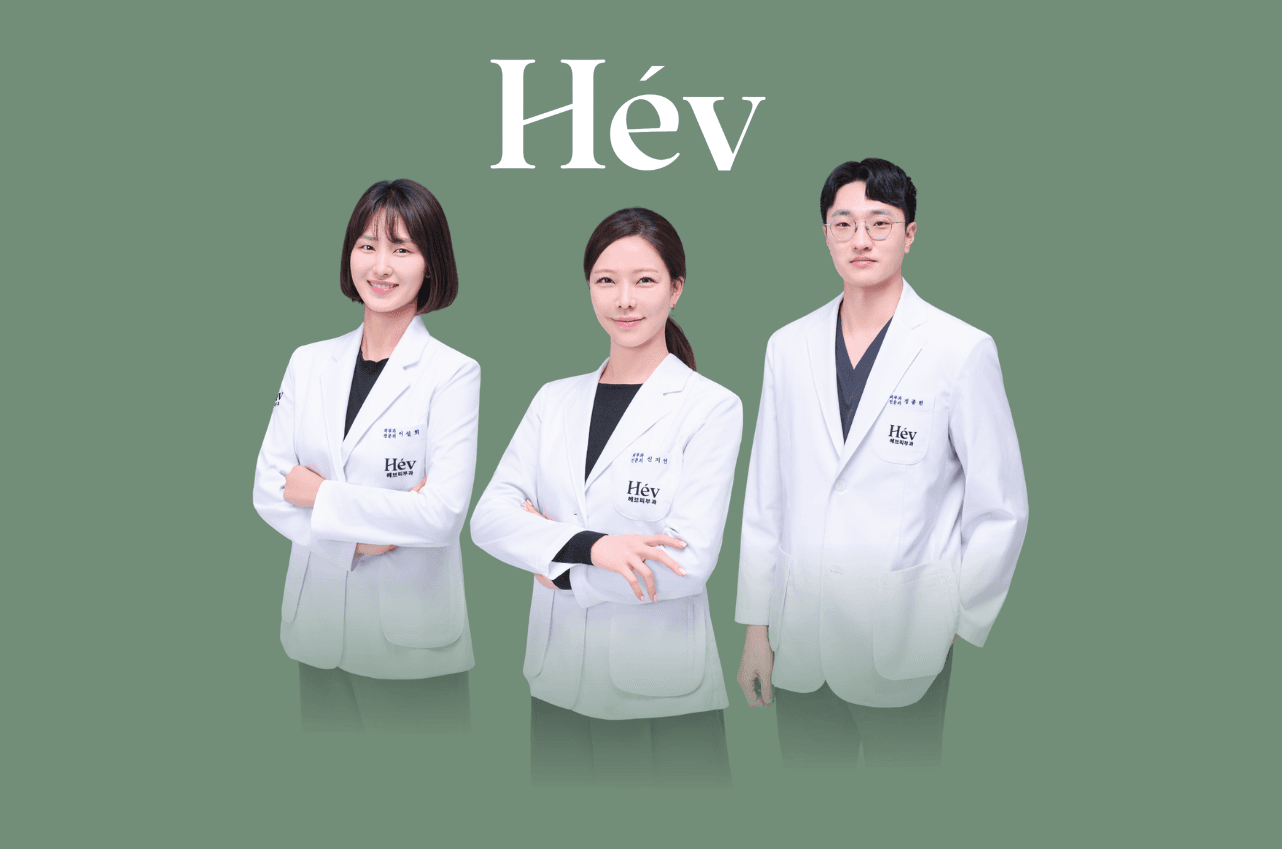
For Juvelook Volume Filler, you can expect a dermatologist-led approach that uses precise skin analysis and consultation to personalize injectable planning. Hev lists Juvelook among its skin-booster treatments, and its attending board-certified dermatologist oversees care from consultation through procedure and aftercare; however, confirm the specific Juvelook Volume product and treatment plan during your consultation.
- URL: Hev Clinic Website
- Location: Gangnam-gu, Seoul
- Dermatologist-led planning:
- Dr. Shin Ji-yeon is a board-certified dermatologist with roles on the Academic Committee of the Association of Korean Dermatologists and the Education Committee of the Korean Society for Anti-Aging Dermatology.
- The clinic describes anatomy-based customized targeting designed to minimize nerve and vascular injury risk.
- AI diagnostic equipment is used to assess factors including skin thickness, aging, and pigment depth for an individualized plan.
- Juvelook and injectable care:
- Juvelook is listed among the clinic’s skin-booster treatments.
- Botox, hyaluronic-acid dermal fillers, Sculptra, Profhilo, PRP, skin Botox, and Re2O are also listed injectable or regenerative options.
- The clinic uses non-sedation pain-controlled anesthesia, allowing real-time communication during treatment, alongside cannula and needle techniques.
- Follow-up and treatment environment:
- Repair Barrier Cream is included in the clinic’s post-treatment care protocol.
- Maintenance planning may follow a stated skin-cell regeneration cycle of approximately 3–4 weeks.
- Care is provided in a 100% appointment-based private setting.
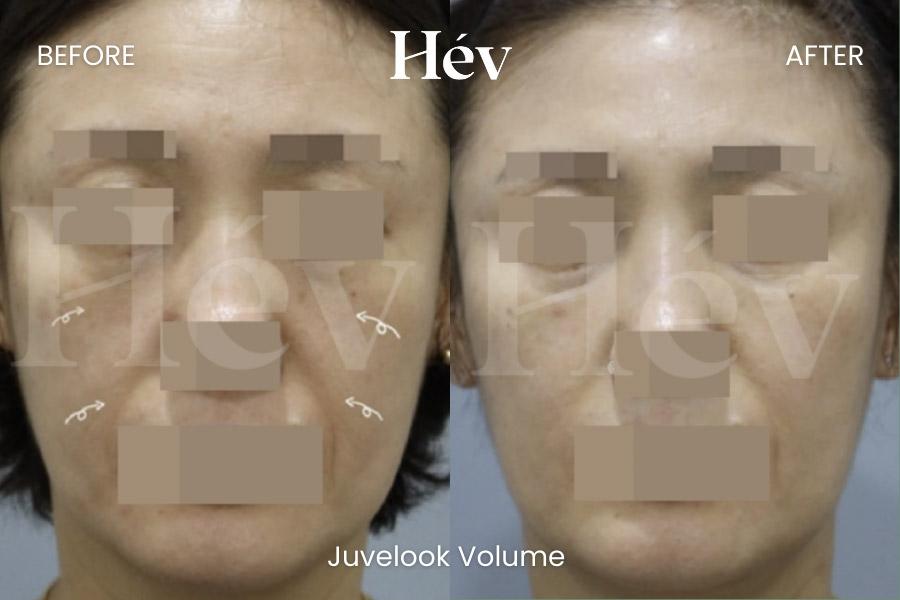
3. Beauty blossom Clinic
You may consider Beauty Blossom Clinic for Juvelook Volume Filler if you want to discuss your volume and contour concerns within a non-surgical aesthetic practice that offers dermal fillers, skin boosters, and complementary tightening treatments; confirm directly whether Juvelook Volume is available and appropriate for your goals.
- URL: Beauty blossom Clinic Website
- Location: Seoul
- Injectable options:
- Dermal fillers are offered to restore volume, enhance facial contours, and smooth deep lines, including in the lips, cheeks, and nasolabial folds.
- Skin boosters using hydrating hyaluronic acid are offered to support skin moisture, elasticity, and radiance.
- Botox is available for expression lines and wrinkles.
- Complementary treatments:
- Ultherapy and thread lifting are offered as non-surgical skin-tightening and lifting options.
- Fractional laser, laser toning, IPL, Hydrafacial, and Aqua Peel are available for concerns involving texture, pigmentation, pores, and complexion clarity.
Juvelook Volume Filler From Start to Finish
- Remote consultation and screening — Send unfiltered front, oblique, and profile photographs; target areas; travel dates; medication and supplement lists; allergies; medical conditions; and complete records of prior fillers, biostimulators, threads, implants, surgery, lasers, radiofrequency, ultrasound, and chemical peels. Ask whether English or virtual consultation is available.
- Treatment planning — Discuss whether Volume is appropriate compared with standard Juvelook, HA filler, PLLA, calcium hydroxylapatite, fat grafting, thread lifting, or surgery. Confirm the exact vial, planned amount, injection plane, staged-session rationale, expected degree of correction, and the clinic’s response protocol for vascular compromise, infection, nodules, and delayed inflammation.
- In-person assessment — The injector examines facial asymmetry, volume loss, skin quality, laxity, scar history, and the proposed treatment area. Treatment is deferred when active acne, infection, wounds, herpes lesions, rash, or inflammation is present.
- Consent and pre-injection checks — Remove makeup, take standardized photographs, review allergies and medications, and confirm emergency contact arrangements. Routine fasting is generally unnecessary unless sedation or another procedure is planned.
- Anesthesia and product preparation — Topical anesthetic is commonly used; the nasolabial-fold study used EMLA. The product must be prepared according to the currently supplied local instructions, not an online reconstitution protocol.
- Injection — The clinician injects the reconstituted PDLLA/HA product in the planned tissue plane. In the direct study, nasolabial folds were treated with a blunt microcannula in deep-fat and supraperiosteal planes.
- Immediate observation and discharge — Before leaving, the clinician assesses pain, skin color, capillary refill, symmetry, and visual symptoms. Collect written aftercare, emergency contact details, product and lot documentation, and the next review date.
- Reassessment and overseas follow-up — Reassess conservatively at around 4 weeks rather than treating immediate fullness as the final result. The published regimen used visits at approximately weeks 0, 4, and 8, with follow-up through week 24. Send requested photographs to the clinic after returning home and seek local urgent care for red-flag symptoms.
Alternatives to Juvelook Volume Filler
Non-surgical choices differ mainly in immediacy, reversibility, tissue effect, and downtime. Surgical options can address larger volume deficits or tissue descent, but involve incisions, longer recovery, and greater logistical demands for international travelers.
Standard Juvelook
- Best suited to — Skin-quality concerns, fine lines, pores, and selected scars rather than broad deep-volume restoration.
- Key tradeoff — Standard Juvelook has substantially less PDLLA/HA content than Volume; do not transfer Volume dosing or outcome expectations to this formulation. Learn more about Juvelook collagen booster.
Cross-Linked HA Filler
- Best suited to — Immediate, focal contouring where a defined shape change and a more readily adjustable approach are priorities.
- Key tradeoff — HA filler has its own risks, including vascular compromise and delayed inflammation, but differs from a PDLLA-driven biostimulator in correction strategy and reversibility. See facial filler.
PLLA Biostimulator
- Best suited to — Gradual, staged collagen-stimulation goals.
- Key tradeoff — Juvelook Volume was non-inferior to injectable PLLA for nasolabial-fold outcomes through 24 weeks in one small study, not across all facial areas or long-term follow-up. See Sculptra.
Calcium Hydroxylapatite
- Best suited to — Selected structural-support and biostimulation goals.
- Key tradeoff — This is a different material with a different handling profile; suitability depends on facial anatomy, skin thickness, and the intended plane. See Radiesse filler.
Facial Fat Grafting
- Best suited to — Larger-volume restoration when an operative procedure is acceptable.
- Key tradeoff — Fat grafting requires donor-site treatment, more recovery time, and acceptance of variable graft survival. See face fat grafting.
Thread Lift or Facelift
- Best suited to — Tissue descent, jowling, and skin laxity that filler alone cannot correct predictably.
- Key tradeoff — Threads offer a non-surgical lifting approach but still require recovery and carry procedural risks; facelift surgery has greater downtime but addresses structural laxity more directly. See thread lift or face lift.
How Can I Prepare for Juvelook Volume Filler?
- Send complete records early — Provide prior treatment details and locations for every filler, biostimulator, thread, implant, facial surgery, laser, radiofrequency, ultrasound treatment, and peel. Bring passport identification, a medication list with doses, allergy information, and prior procedure records.
- Review bleeding risk — Tell the clinician about anticoagulants, antiplatelet medicines, NSAIDs, fish oil, vitamin E, ginkgo, garlic, ginseng, turmeric/curcumin, and other products that can increase bruising. Do not independently stop prescribed aspirin, warfarin, apixaban, clopidogrel, or other prescribed medication; the treating doctor and prescriber must decide whether any change is appropriate.
- Report recent health events — Disclose dental work, vaccinations, illness, facial treatments, and any previous adverse filler reaction so the clinic can set individualized spacing.
- Arrive with calm skin — Postpone treatment for sunburn, active acne cysts, open wounds, herpes lesions, rash, infection, or inflammation in the intended area. Attend with clean skin and no makeup unless the clinic gives different instructions.
- Fasting and substances — Routine fasting is unnecessary for local-anesthetic injection. Follow the clinic’s instructions if sedation or another procedure is planned. No authoritative Juvelook-Volume-specific evidence sets alcohol or smoking stop periods, so obtain clinic-specific instructions rather than relying on a generic schedule.
- Plan local recovery — Book accommodation with reliable phone access for 24–48 hours after injection, avoid same-day travel, and keep flights changeable. Arrange a companion when sedation, fainting tendency, language barriers, or solo recovery make support sensible.
Travel note: Request written English aftercare, a 24-hour contact route, and a remote follow-up plan before paying for non-refundable flights.
Confirm the treating doctor’s individualized requirements, which take precedence over this general guidance.
Aftercare Advice
Protect the treated area and take new or worsening symptoms seriously, especially while still abroad.
- Swelling and comfort — Use a wrapped cool compress intermittently if the injector permits it. Mild swelling commonly lasts 3–4 days, but do not judge the final result during the early fluid-related fullness and inflammation.
- Pressure and contact — Keep entry sites clean. Do not press, massage, manipulate, or use facial massage devices on the area unless the injector specifically instructs it; management depends on the product, depth, and treatment area.
- Activity and heat — Avoid strenuous exercise, sauna, steam rooms, tanning, intense heat, and additional facial procedures until the injector clears them. No Juvelook-Volume-specific evidence establishes a universal restriction interval.
- Skin protection — Once skin integrity is intact, use broad-spectrum SPF 50 sunscreen and avoid sunburn while bruising and inflammation settle.
- Urgent warning signs — Seek emergency assessment immediately for severe or escalating pain, white or blanched skin, purple mottling, dusky or cool skin, rapidly worsening swelling, eye pain, visual disturbance or loss, eyelid droop, weakness, speech difficulty, or severe headache. Contact the clinic promptly for increasing redness or warmth, fever, drainage, persistent asymmetry, delayed lumps, or worsening tenderness.
- Result review — Send follow-up photographs as requested and reassess conservatively around 4 weeks. Direct Juvelook Volume follow-up extends only to 24 weeks, and delayed PLA-related nodules or granulomas remain an important evidence limitation.
Follow the treating doctor’s written instructions over general advice, and contact the clinic promptly whenever something appears wrong.
Frequently Asked Questions
Related Blogs
Ultracol in Korea: Candidates, Safety, Recovery, and Travel Planning
Ultracol is a PDO microsphere injectable intended in Korea for temporary improvement of bilateral nasolabial folds, delivered after eligibility review and product-label verification. The article covers candidate screening, outpatient treatment and recovery, travel planning, aftercare, warning signs, follow-up, and alternatives.
Updated: Oct 27, 2026
Discover the Price Spectrum: Lilied Skin Booster Costs—Korea vs. Global Destinations
Discover the latest trends in skincare with the Lilied Skin Booster in Korea. Learn about its pricing, benefits, and why it’s becoming a must-have addition to beauty routines across the country.
Updated: Oct 27, 2026

Luxury Meets Healing: The True Cost of Oxygen Therapy in Korea vs. USA, Mexico, & Turkey
Discover the costs associated with oxygen therapy in Korea, including hospital-based treatments and homecare options. Explore factors influencing prices, insurance coverage, and tips for managing expenses effectively.
Updated: Oct 27, 2026

Spotlight on Skin: Comparing Linear Frim Laser Lifting Costs in Korea vs. the USA, UK, and More
Discover the latest insights into the cost of Linear Firm Laser Lifting in Korea, a popular non-invasive cosmetic treatment gaining popularity worldwide. Explore pricing factors, clinic options, and what to expect when seeking this advanced skin-tightening procedure in one of Asia's leading beauty destinations.
Updated: Oct 27, 2026
Clinics offering Juvelook Volume Filler
Hev Clinic Korea | Premium Sinsa Clinic for Skin, Laser & Injectables
Sinsa

Three Wishes Clinic - Myeongdong, Korea: Advanced Botox, Fillers, Laser, and Skin Treatments for Confidence and Care
Myeongdong

Cellinique Clinic Korea: Advanced Stem Cell and Laser Treatments for Health, Beauty, and Rejuvenation in Gangnam
Apgujeong

B.V Clinic Korea: Advanced Aesthetic Treatments for Natural Beauty Enhancement & Rejuvenation
Sinnonhyeon Station