Medical Tourism Blog
Correct Absent Naso-Orbital Valley with Canthoplasty & Laser Canthoplasty in Korea
Table of contents
- Medical Procedures for Addressing Absent Naso-Orbital Valley
- Best Clinics in Korea for Absent Nasoorbital Valley
- Obtaining Canthoplasty Procedures in South Korea
- Benefits of Undergoing Canthoplasty in South Korea
- Patient Experiences and Addressing Absent Naso-Orbital Valley
- Conclusion
- References
Considering treatment in Korea? Everything you need to know e.g. — how to avoid scams, visas, interpreters, recovery tips — in our Medical Tourism Master Guide. Plan with confidence in minutes, not weeks!
The naso-orbital valley is the subtle depression between the inner corner of the eye and the nose, playing a key role in the aesthetic balance of the midface and the overall eye appearance. Anatomically, this area is closely connected to the naso-orbitoethmoidal (NOE) complex, a three-dimensional structure in the central upper midface. The NOE complex includes several important bones: the nasal bone, nasal processes of the frontal bone, frontal processes of the maxillae, lacrimal bones, ethmoid bone, and sphenoid bone. The naso-orbital valley itself isn’t a distinct anatomical structure but a surface feature shaped by the underlying bones and soft tissues of the NOE complex. So, when this depression is absent, it usually indicates changes in this foundational anatomy.
A key factor shaping the soft tissue contour here is the medial canthal tendon, which attaches to the central part of the NOE complex. Its proper position and integrity are essential for the naso-orbital valley’s depth. If this tendon is disrupted or displaced, the area can appear flattened or even convex, leading to what’s called an absent naso-orbital valley.
This term describes the lack of the natural concave dip between the eye’s inner corner and the nose, resulting in a smoother or protruding look [User Query]. A well-defined naso-orbital valley enhances facial harmony by accentuating the eyes and giving the midface a sculpted look. Without it, the face may appear tired, aged, or less attractive, motivating many to seek cosmetic correction. This shows how a small anatomical detail can greatly affect facial aesthetics and drive demand for surgery.
While "absent naso-orbital valley" is a straightforward term for patients, medical professionals use related terms when discussing causes and treatments:
- Telecanthus: Increased distance between the inner eye corners, often linked with a flattened nasal bridge, which can blur the naso-orbital valley.
- Rounded Canthi ("cow's eye"): Seen in dislocated NOE fractures, contributing to a poorly defined naso-orbital valley.
- Loss of Nasoethmoid Valley: Often used interchangeably with naso-orbital valley, especially in NOE fracture repairs.
- Medial Telecanthal Deformities: A broader category that includes absent naso-orbital valley among its features.
It’s important to note that while "absent naso-orbital valley" mainly describes an aesthetic concern, the related terms often refer to underlying medical conditions or deformities. The lack of a formal medical name for this condition suggests it’s more a descriptive patient concern than a distinct diagnosis. Still, it’s a recognized aesthetic outcome of various issues affecting the medial canthal region and NOE complex.
Medical Procedures for Addressing Absent Naso-Orbital Valley
Detailed Overview of Canthoplasty

Definition and Types:
Canthoplasty is surgery to reshape the canthus—the corner where the upper and lower eyelids meet. There are two main types:
- Lateral Canthoplasty: Targets the outer eye corner (lateral canthus). It’s used to lift sagging eyelids, change eye shape (e.g., almond-shaped eyes), or fix lateral canthal dystopia. This type is less relevant to the naso-orbital valley, which is at the inner eye corner.
- Medial Canthoplasty (Epicanthoplasty): Focuses on the inner eye corner (medial canthus), mainly to modify the epicanthal fold (Mongolian fold). This can make eyes look wider and more open. Though it primarily addresses the epicanthal fold, medial canthoplasty can indirectly affect the naso-orbital valley by changing the medial canthal angle and definition.
Surgical Techniques and Approaches:
- Lateral Canthoplasty: Usually involves a small incision at the outer eye corner to access the lateral canthal tendon. Surgeons tighten, shorten, or reposition this tendon, then close the incision. The lateral tarsal strip procedure is a common technique for severe lower eyelid issues.
- Medial Canthoplasty: Uses various methods like W-plasty, Z-plasty, and Y-V plasty to rearrange skin and sometimes muscle, creating a more defined medial canthal angle. Some techniques also tighten the medial canthal tendon to refine the inner eye corner contour. Complex cases, especially trauma-related, may require advanced methods like transnasal wiring or microplate fixation to reposition the tendon and restore the natural medial canthal contour, including the naso-orbital valley.
Indications for Canthoplasty:
- Functional: Corrects eyelid malpositions such as ectropion (eyelid turning outward), entropion (turning inward), lower eyelid retraction, lateral canthal laxity, and improves eyelid closure in lagophthalmos.
- Aesthetic: Enhances eye shape and appearance, creates almond-shaped or more open eyes, corrects asymmetry, and rejuvenates sagging eyelids. For absent naso-orbital valley, medial canthoplasty or medial canthopexy is most relevant.
Recovery, Complications, and Outcomes:
Recovery usually involves swelling, bruising, and discomfort around the eyes for 1–2 weeks, with full healing taking weeks to months. Risks include infection, bleeding, asymmetry, scarring, dry eyes, temporary vision changes, and possible dissatisfaction with results. Outcomes depend on the procedure and patient goals but generally aim to improve eye shape, tighten eyelids, and restore a natural naso-orbital valley depression.
In-depth Explanation of Laser Canthoplasty
Techniques and Differences from Traditional Canthoplasty:
Laser canthoplasty uses laser technology to make precise incisions at the eye corners, mainly the lateral canthus. Unlike scalpels, lasers cut tissue while cauterizing blood vessels, reducing bleeding and inflammation. This precision allows controlled reshaping of the lateral canthal tendon and surrounding tissue, often with minimal tissue removal. Current research focuses on laser use for lateral canthoplasty to enhance eye shape, but there’s limited information on laser-assisted medial canthoplasty for the naso-orbital valley.
Advantages of Laser Technology:
Lasers offer fine, controlled incisions, leading to accurate reshaping. The cauterizing effect reduces bleeding, swelling, and bruising. Less trauma to surrounding tissue may mean less scarring and faster healing compared to traditional surgery.
Suitability for Absent Naso-Orbital Valley:
Since the absent naso-orbital valley relates mainly to the medial canthal area and underlying structures, laser canthoplasty—focused on the lateral canthus—is not the most direct solution. However, if the eye shape overall affects the valley, a laser-assisted medial canthoplasty might be considered, though no detailed evidence currently supports this. Traditional scalpel-based medial canthoplasty or advanced fixation techniques remain the standard for this issue.
Best Clinics in Korea for Absent Nasoorbital Valley
Listed below are the best clinics in Korea for absent nasoorbital valley:
| Clinic Name | Key Features | Special Techniques |
|---|---|---|
| Braun Plastic Surgery Clinic Website | - Personal consultation and personal surgery for individualized diagnosis and treatment planning - Continuous research by the medical staff to pursue safer, more effective, and more satisfactory outcomes - Strong rhinoplasty capabilities supportive of nasoorbital contour balance: - 3D-CT Rhinoplasty for precise analysis and customized surgical planning - Multiple high-quality rhinoplasty material options to match individual anatomy and goals - Revision Rhinoplasty expertise for complex cases and correction of previous surgeries - Advanced eyelid and periocular surgery options that can complement nasoorbital aesthetic goals: - Ptosis Correction Surgery to improve function and eye aesthetics - Anti-Aging Eyelid Surgery to address sagging and puffiness around the eyes - Canthoplasty to refine eye shape where indicated - Revision Double Eyelid Surgery for refinement and correction - Broad facial harmony expertise through Facial Contouring and Anti-Aging procedures, supporting balanced midface and orbital aesthetics - Academically active, globally engaged team presenting at major international conferences, reflecting a commitment to innovation and high standards in patient care | - 3D-CT Rhinoplasty for precise analysis and customized surgical planning - Multiple high-quality rhinoplasty material options to match individual anatomy and goals - Revision Rhinoplasty expertise for complex cases and correction of previous surgeries - Ptosis Correction Surgery to improve function and eye aesthetics - Anti-Aging Eyelid Surgery to address sagging and puffiness around the eyes - Canthoplasty to refine eye shape where indicated - Revision Double Eyelid Surgery for refinement and correction - Facial Contouring and Anti-Aging procedures for broad facial harmony |
| Mate Plastic Surgery Clinic Website | - Conveniently located near Sinnonhyeon Station in Korea - Provides specialized cosmetic and reconstructive care for patients seeking improvement in concerns such as an absent nasoorbital valley, with the goal of enhancing both appearance and confidence - The clinic offers a wide spectrum of facial-focused procedures that can be considered as part of an individualized plan depending on each patient’s anatomy and desired balance across the midface, nose, and eyes - Its treatment portfolio includes facial contouring (V-line surgery for a sleeker jawline and chin, and cheekbone reduction for a softer facial outline), rhinoplasty (nose augmentation using implants or the patient’s own cartilage, and nose reduction for better harmony), and double eyelid surgery (incisional and non-incisional options) - For volume-related concerns, the clinic also provides facial fat grafting to restore contours and smooth fine lines, alongside broader aesthetic options such as facelift and Botox for anti-aging, as well as body and breast procedures; all treatments are performed by experienced surgeons with an emphasis on safety and optimal outcomes | - Facial contouring (V-line surgery for a sleeker jawline and chin, and cheekbone reduction for a softer facial outline) - Rhinoplasty (nose augmentation using implants or the patient’s own cartilage, and nose reduction for better harmony) - Double eyelid surgery (incisional and non-incisional options) - Facial fat grafting - Facelift - Botox - Body and breast procedures |
Braun Plastic Surgery Clinic
Braun Plastic Surgery Clinic is recognized in Korea for its self-developed approach built on personal consultation and personal surgery, backed by continuous research aimed at safer, more effective, and more satisfying outcomes. For patients seeking correction or enhancement related to an Absent Nasoorbital Valley, Braun’s strength lies in its precise, individualized planning and its depth of experience across rhinoplasty and periocular surgery—two areas that often need to be considered together to restore balanced contours from the nose bridge to the under-eye and inner eye region. Led by a distinguished team including Chief Dr. Kim Tae-gyu, CEO Lee Ji-won, and Dr. Ryu Dong-wan, Braun’s surgeons actively contribute to the field through presentations at major global academic conferences, awards, and publications—reflecting a clinic culture that prioritizes surgical innovation, reliability, and patient-focused results.
- Personal consultation and personal surgery for individualized diagnosis and treatment planning
- Continuous research by the medical staff to pursue safer, more effective, and more satisfactory outcomes
- Strong rhinoplasty capabilities supportive of nasoorbital contour balance:
- 3D-CT Rhinoplasty for precise analysis and customized surgical planning
- Multiple high-quality rhinoplasty material options to match individual anatomy and goals
- Revision Rhinoplasty expertise for complex cases and correction of previous surgeries
- Advanced eyelid and periocular surgery options that can complement nasoorbital aesthetic goals:
- Ptosis Correction Surgery to improve function and eye aesthetics
- Anti-Aging Eyelid Surgery to address sagging and puffiness around the eyes
- Canthoplasty to refine eye shape where indicated
- Revision Double Eyelid Surgery for refinement and correction
- Broad facial harmony expertise through Facial Contouring and Anti-Aging procedures, supporting balanced midface and orbital aesthetics
- Academically active, globally engaged team presenting at major international conferences, reflecting a commitment to innovation and high standards in patient care
Find more about this clinic here: Braun Plastic Surgery Clinic Website
Mate Plastic Surgery Clinic
Mate Plastic Surgery Clinic, conveniently located near Sinnonhyeon Station in Korea, provides specialized cosmetic and reconstructive care for patients seeking improvement in concerns such as an absent nasoorbital valley, with the goal of enhancing both appearance and confidence. The clinic offers a wide spectrum of facial-focused procedures that can be considered as part of an individualized plan depending on each patient’s anatomy and desired balance across the midface, nose, and eyes.
Its treatment portfolio includes facial contouring (V-line surgery for a sleeker jawline and chin, and cheekbone reduction for a softer facial outline), rhinoplasty (nose augmentation using implants or the patient’s own cartilage, and nose reduction for better harmony), and double eyelid surgery (incisional and non-incisional options). For volume-related concerns, the clinic also provides facial fat grafting to restore contours and smooth fine lines, alongside broader aesthetic options such as facelift and Botox for anti-aging, as well as body and breast procedures; all treatments are performed by experienced surgeons with an emphasis on safety and optimal outcomes.
Find more about this clinic here: Mate Plastic Surgery Clinic Website
Obtaining Canthoplasty Procedures in South Korea
Step-by-Step Process for International Patients
- Initial Consultation: Start by researching reputable clinics and surgeons specializing in eye surgery. Many South Korean clinics offer online consultations to discuss goals and medical history remotely.
- Visa and Travel Arrangements: Check visa requirements and book flights and accommodation.
- In-Person Consultation and Pre-op Assessment: After arrival, patients undergo a thorough physical exam and possibly medical tests. Some clinics offer 3D virtual simulations to preview results.
- Surgery: Canthoplasty is usually done under local anesthesia with sedation or general anesthesia, depending on complexity and patient preference. Surgery time ranges from 30 minutes to several hours.
- Immediate Post-op Care: Patients receive instructions on cold compresses, medications (antibiotics, pain relievers, eye drops), and may wear protective eye shields during early healing.
- Follow-up and Recovery: Follow-ups are essential for stitch removal (usually 5–7 days post-op) and monitoring healing. Most return to normal activities within 1–2 weeks, but full results take weeks to months.
Reputable Clinics and Surgeons in South Korea

South Korea is a global leader in cosmetic surgery, especially facial procedures. Seoul hosts many top clinics attracting local and international patients. Notable clinics include:
| Clinic Name | Location | Specializations | Contact Information |
|---|---|---|---|
| Glovy Plastic Surgery | Seoul | Wide range of cosmetic procedures | info@universalmedicaltravel.com |
| Banobagi Plastic Surgery | Seoul | Facial contouring, eye surgery | eng.banobagi.com |
| Answer Plastic Surgery | Seoul (Gangnam) | Eye surgery, nose surgery | +8210-7196-6008 |
| THE PLUS Plastic Surgery | Seoul (Gangnam) | Laser canthoplasty, face contouring | Not available |
| JW Beauty | Seoul | Epicanthoplasty, lateral canthoplasty | Not available |
| Bright Eye Clinic | Seoul (Gangnam) | LASIK, LASEK, SMILE, ICL | Not available |
| BGN Eye Clinic | Seoul (Jamsil) | SMILE, LASIK, LASEK, ICL | bgneye.com |
| BnVIIT Eye Clinic | Seoul (Gangnam) | SMILE, LASIK, LASEK, PIOL | english.bnviit.com |
| Noonopi Plastic Surgery | Seoul | Canthoplasty, blepharoplasty | Not available |
| FacePlus Clinic | Seoul | Epicanthoplasty, lateral canthoplasty | Not available |
| JK Plastic Surgery | Seoul | Eye surgery, rhinoplasty | Not available |
| Mate Plastic Surgery Clinic | Seoul | Laser canthoplasty, facial contouring | Not available |
Patients should thoroughly research surgeons’ credentials, experience, and review testimonials and before-and-after photos before deciding.
Travel, Accommodation, and Language Considerations
Many clinics offer concierge services for international patients, including airport transfers, accommodation booking, and multilingual support. While English is commonly spoken in reputable clinics, confirming language assistance beforehand is wise. Patients should plan to stay long enough for surgery, initial recovery, and follow-ups—typically 5 days to 2 weeks or more for complex cases.
Benefits of Undergoing Canthoplasty in South Korea
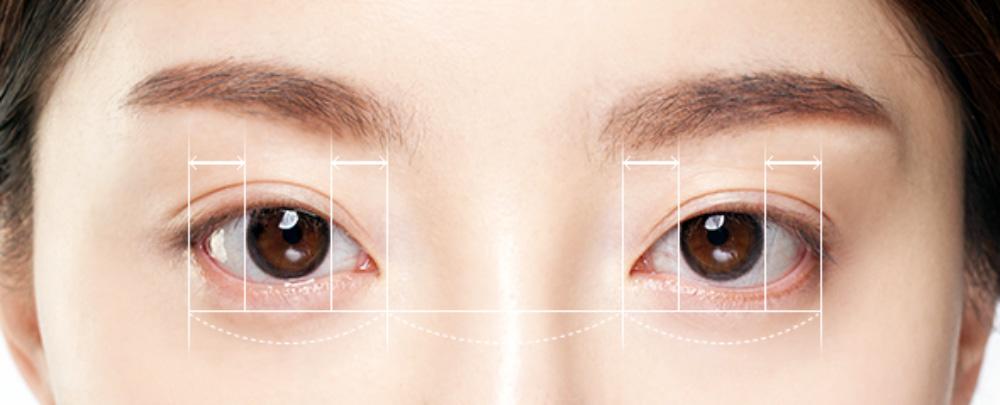
- Expertise and Experience: South Korea is renowned for its highly skilled plastic surgeons with extensive training and experience, often including international fellowships. This expertise ensures a deep understanding of facial anatomy and advanced surgical techniques.
- Advanced Technology and Facilities: Clinics use state-of-the-art equipment and innovative methods, enhancing precision, safety, and outcomes.
- Cost-Effectiveness: Procedures like canthoplasty are generally more affordable than in Western countries. For example, canthoplasty in Seoul ranges from about $2,143 to $5,117 USD, laser canthoplasty from $1,000 to $3,000 USD, and general eyelid surgery similarly priced. This affordability reflects a competitive market and high procedure volume, not lower quality.
- Comprehensive Care Packages: Many clinics offer all-inclusive packages covering consultations, surgery, pre- and post-op care, accommodation, and transportation, simplifying the process for international patients.
- Natural, Aesthetic Results: South Korean surgeons emphasize natural-looking enhancements that harmonize with facial features, often guided by principles like the golden ratio.
| Country | Procedure | Estimated Cost (USD) |
|---|---|---|
| South Korea | Canthoplasty (Average) | $2,143 - $5,117 |
| South Korea | Laser Canthoplasty | $1,000 - $3,000 |
| South Korea | Eyelid Surgery (General) | $1,000 - $3,000 |
| USA | Eyelid Surgery (General) | $3,000 - $6,000+ |
| UK | Eyelid Surgery (General) | $3,000 - $6,000+ |
| Australia | Eyelid Surgery (General) | $2,700 - $4,700+ |
| Europe | Eyelid Surgery (General) | $2,500 - $4,500 |
| Thailand | Eyelid Surgery (General) | $1,500 - $2,500 |
| Turkey | Eyelid Surgery (General) | $1,500 - $2,500 |
Patient Experiences and Addressing Absent Naso-Orbital Valley
Restoring the Naso-Orbital Valley with Canthoplasty and Medial Canthopexy
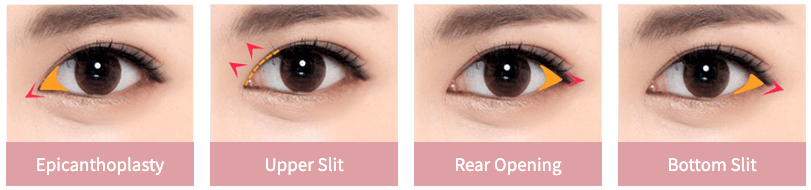
While lateral canthoplasty focuses on the outer eye corner, medial canthoplasty and medial canthopexy target the inner corner and the medial canthal tendon. Repositioning and tightening this tendon are key to restoring the natural contour of the medial canthal area, including the naso-orbital valley.
In cases where trauma causes an absent naso-orbital valley—such as NOE complex fractures—surgical repair involves open reduction and internal fixation of fractured bones, combined with medial canthopexy to restore the tendon’s correct position and tension. This dual approach addresses both bone and soft tissue to recreate the natural depression, a major aesthetic goal in managing NOE fractures and medial canthal deformities.
Case Studies and Surgical Techniques
Research shows many successful cases where medial canthopexy corrected telecanthus and related deformities, restoring a defined naso-orbital valley. Techniques include transnasal wiring, titanium microscrew fixation, and microplates for stable tendon reattachment.
For example, traumatic telecanthus from NOE injuries requires precise reattachment of the displaced medial canthal tendon to the medial orbital wall. This not only corrects the widened intercanthal distance but also recreates the natural concave naso-orbital valley. These successes highlight medial canthopexy’s effectiveness in addressing absent naso-orbital valley aesthetics.
Aesthetic and Functional Improvements
The main goal of these surgeries is aesthetic enhancement—restoring natural facial contours and symmetry, especially in the medial canthal region. Successful medial canthopexy results in a more angular, defined medial canthus, correcting the rounded or flattened look of an absent naso-orbital valley. Proper intercanthal distance and eyelid tension also improve overall facial harmony.
Though primarily cosmetic, these procedures can also improve function. Restoring the medial canthal tendon’s position enhances eyelid closure and supports the lacrimal drainage system, potentially relieving symptoms like epiphora (excessive tearing). Thus, surgery can offer important functional benefits alongside aesthetic gains.
Conclusion
Medial canthoplasty and medial canthopexy effectively address the absent naso-orbital valley by restoring the medial canthal tendon’s position and tension, crucial for recreating the natural inner eye contour. When trauma like NOE fractures causes this condition, surgery also involves repairing underlying bones for stable, pleasing results. While laser canthoplasty mainly enhances the outer eye corner, traditional surgical methods with advanced fixation remain the standard for medial canthal reconstruction. South Korea is an excellent destination for these procedures due to its skilled surgeons, advanced technology, and cost-effective care. Patients should seek thorough consultations with experienced specialists to develop personalized treatment plans and understand risks, benefits, and recovery expectations before proceeding.
References
1, 2, 3, 4, 5, 6, 7, 8, 9, 10, 11, 12, 13, 14, 15, 16, 17, 18, 19, 20, 21, 22, 23, 24, 25, 26, 27, 28, 29, 30, 31, 32, 33, 34, 35, 36, 37, 38, 39, 40, 41, 42, 43, 44, 45, 46, 47, 48, 49, 50, 51, 52, 53, 54, 55, 56, 57, 58, 59, 60, 61, 62, 63, 64, 65, 66, 67, 68, 69, 70, 71, 72, 73, 74, 75, 76, 77, 78, 79, 80, 81, 82, 83, 84