
Medical Tourism Blog
Cost of Eye Surgery in Korea
Table of contents
- What is Eye Surgery?
- Cost of Eye Surgery in Korea
- What the Cost of Eye Surgery Usually Includes in Korea
- Factors Influencing the Cost of Eye Surgery in Korea
- Comparing the Cost of Eye Surgery: Korea vs. the USA
- Which Are the Best Clinics in Korea for Eye Surgery?
- Conclusion
Considering treatment in Korea? Everything you need to know e.g. — how to avoid scams, visas, interpreters, recovery tips — in our Medical Tourism Master Guide. Plan with confidence in minutes, not weeks!
Are you considering a transformative journey to enhance your appearance and self-confidence? Discover why Korea is a top destination for eye surgery, combining world-class medical innovations with affordability to draw patients from across the globe.
What is Eye Surgery?
In the realm of cosmetic enhancements, eye surgery refers to a variety of procedures focused on altering the appearance and aesthetics of the eyes. These surgeries, often popular in regions like Korea, aim to enhance the eye's natural beauty, create a more youthful look, or cater to specific aesthetic desires. Unlike surgeries that address vision correction, cosmetic eye surgeries target the physical features around the eyes, such as eyelids, eye shape, and surrounding areas.
These cosmetic eye surgeries are particularly popular among individuals looking to meet cultural beauty standards or satisfy personal aesthetic goals. The enhancements can lead to increased self-confidence and satisfaction with one's appearance. They are highly customizable, allowing patients to achieve results that align with their unique desires and facial harmony.
| Procedure Price | Korean Won (₩) | USD ($) |
|---|---|---|
| Low Price | ₩1,500,000 | $1100 |
| High Price | ₩4,500,000 | $3300 |
Exchange rate as of 2025-05-22: 1 KRW = 0.0007 USD
Please note that these prices are approximate guidelines and can vary significantly based on the clinic and your individual circumstances.
Cost of Eye Surgery in Korea
Korea is renowned for its leading edge in cosmetic eye surgery, offering a range of procedures designed to enhance the aesthetics and functionality of the eyes. With its high levels of medical expertise and cutting-edge technology, Korea attracts individuals globally seeking to improve their eye appearance safely and affordably.
Here is a breakdown of the costs associated with various types of eye surgeries available in Korea:
Ptosis Correction

Ptosis correction is a surgical procedure aimed at raising drooping eyelids, which can enhance the visual field and aesthetic appearance of the eyes. This procedure is ideal for individuals experiencing sagging eyelids due to muscle weakness or aging.
- Price Range: 1,500,000 KRW to 4,500,000 KRW
Canthoplasty

Canthoplasty is a procedure that reshapes the corners of the eyes, often resulting in a more elongated and youthful eye appearance. It's often sought by those looking to alter the shape and size of the eyes for cosmetic reasons.
- Price Range: 1,500,000 KRW to 5,000,000 KRW
Under-Eye Fat Removal or Repositioning
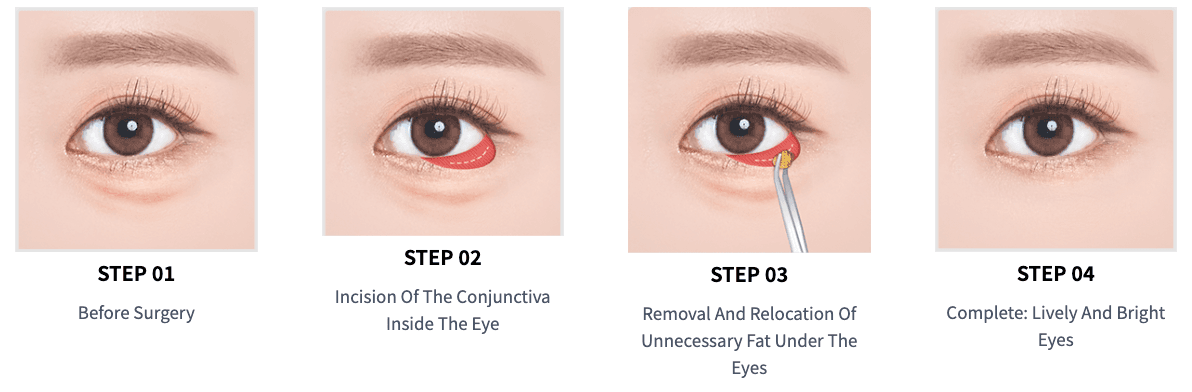
This procedure involves the removal or repositioning of fat under the eyes to reduce puffiness and tired-looking eyes, ultimately creating a rejuvenated appearance.
- Price Range: 2,200,000 KRW to 2,800,000 KRW
Revision Eye Surgery
Revision eye surgery is undertaken to correct or improve the results of a previous eye surgery. This highly individualized procedure addresses specific concerns and complications from earlier operations.
- Price Range: 2,600,000 KRW to 7,500,000 KRW
Double Eyelid Surgery
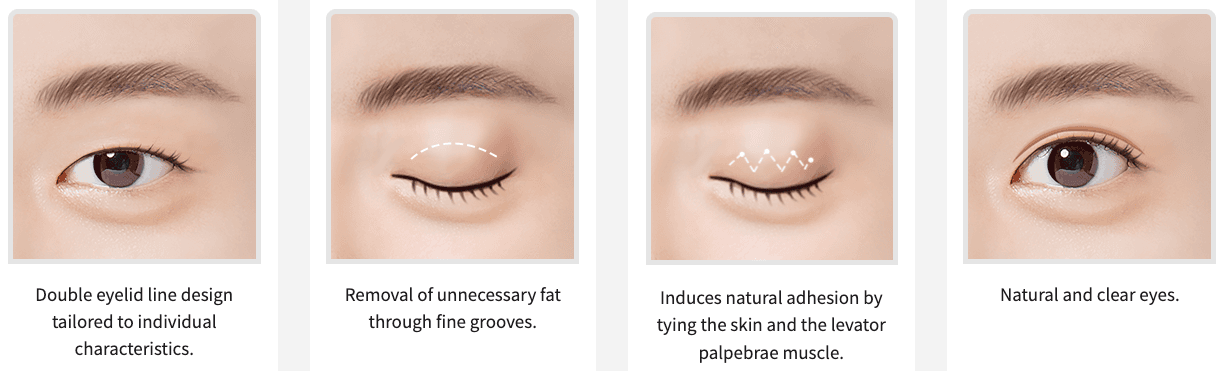
One of the most popular procedures, double eyelid surgery creates a crease in the eyelid to enhance the eye's size and shape, leading to a more defined and attractive eye appearance.
- Price Range: 1,700,000 KRW to 3,000,000 KRW
Blepharoplasty
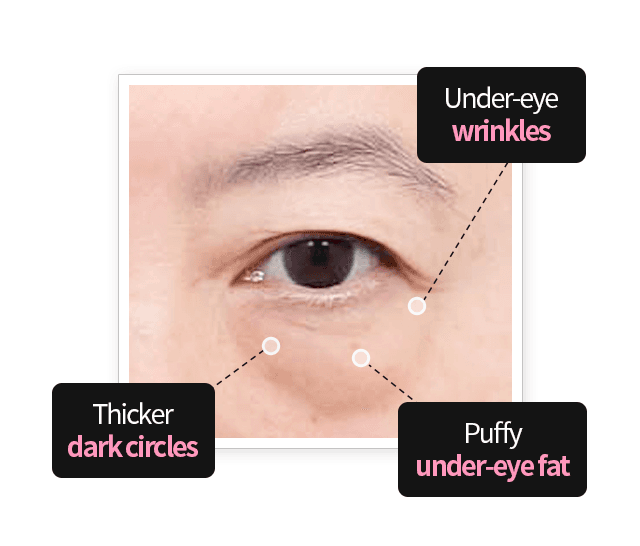
Blepharoplasty, or eyelid surgery, involves the removal of excess skin and fat from the upper or lower eyelids to correct droopiness and sagging. This procedure is often sought for both cosmetic and functional reasons.
- Price Range: 3,000,000 KRW to 8,000,000 KRW
Eyebrow Transplant
Eyebrow transplant surgery involves moving hair follicles to the eyebrow area to create fuller, more defined brows. This procedure is a solution for those with thinning or absent eyebrow hair.
- Price Range: 5,000,000 KRW to 7,000,000 KRW
Under-Eye Fat Grafting
Under-eye fat grafting involves transferring fat from another part of the body to the under-eye area to fill in hollows and smooth out the transition from the lower eyelid to the cheek.
- Price Range: 1,000,000 KRW to 2,000,000 KRW
These eye procedures in Korea offer a blend of affordability, expertise, and customizable options tailored to enhance the natural beauty and functionality of the eyes. Patients contemplating eye surgery should engage in thorough consultations with skilled practitioners to tailor treatments that align with their personal aesthetic desires and medical needs. Understanding the specifics of each procedure and its associated costs can help people make well-informed decisions as they navigate their cosmetic and surgical journeys.
What the Cost of Eye Surgery Usually Includes in Korea
When considering eye surgery in Korea, understanding the cost structure is crucial for anticipating expenses and ensuring you receive comprehensive care. The cost of eye surgery in Korea typically encompasses several components to provide patients with an all-inclusive experience that emphasizes quality and safety.
-
Consultation Fees: Initial consultations with eye specialists are often included in the overall cost of surgery. These sessions are crucial for evaluating the patient's eye condition, discussing surgical options, and determining the most suitable procedure. They often involve comprehensive eye exams, diagnostic tests, and detailed discussions regarding the patient's medical history and expectations.
-
Surgical Procedure: The bulk of the cost generally covers the surgical procedure itself. This includes the use of advanced technology and specialized equipment, which are integral to achieving precise and successful outcomes. Korea is known for its use of cutting-edge technology in medical procedures, ensuring high standards of care and efficacy.
-
Surgeon's Fees: Surgeon's fees are a significant component of the surgery's cost. Korea boasts highly skilled and experienced ophthalmologists renowned for their expertise, which is reflected in their fees. Many surgeons have received training both domestically and internationally, bringing a wealth of knowledge to their practice.
-
Anesthesia: The cost of anesthesia is another crucial element, covering either local or general anesthesia depending on the type of surgery. An anesthesiologist's presence ensures patient safety and comfort throughout the procedure.
-
Post-operative Care: Comprehensive post-operative care is typically included to monitor recovery and ensure optimal healing. This includes follow-up appointments, medications such as antibiotics and anti-inflammatory drops, and any necessary additional tests or scans to assess the success of the surgery.
-
Facility Fees: These fees cover the use of the operating room and other hospital or clinic amenities. They are essential for maintaining a sterile, safe environment and access to top-notch patient care facilities.
-
Additional Services: Some packages may also include supplementary services such as patient consultations with nutritionists, vision therapy, or access to patient coordinators who help manage logistics and provide language support for international patients.
It is essential for patients to verify with their chosen clinic or hospital exactly what is included in the quoted price to avoid unexpected costs. Many facilities offer transparent pricing structures and packages tailored to the patient's specific needs and surgery type, allowing for a more predictable financial commitment.
Factors Influencing the Cost of Eye Surgery in Korea
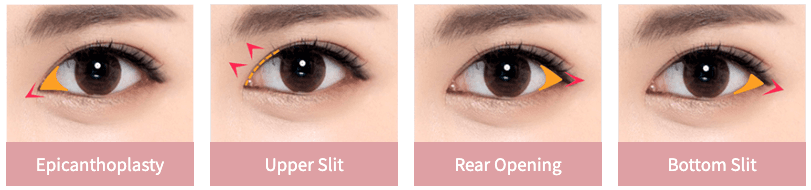
The cost of eye surgery in Korea can vary widely depending on several influencing factors. Korea is renowned for its advanced cosmetic surgery industry, and when it comes to procedures like ptosis correction, canthoplasty, under-eye fat removal or repositioning, revision eye surgery, double eyelid surgery, blepharoplasty, eyebrow transplant, and under-eye fat grafting, understanding these factors is crucial for making an informed decision.
-
Type of Procedure: Different types of eye surgeries carry different costs. For instance, a double eyelid surgery might be less expensive than complex procedures like ptosis correction or revision eye surgery, which require more intricate techniques and expertise.
-
Complexity and Scope of Surgery: The complexity of your chosen procedure and whether it's combined with other surgeries (e.g., combining blepharoplasty with an eyebrow transplant) can influence the cost. More complex or combined surgeries often require longer operation times and greater surgical skill, thus increasing the price.
-
Surgeon's Experience and Reputation: Surgeons with extensive experience or a high-profile reputation often charge more for their services. Their fees reflect their expertise, the quality of results they offer, and their ability to handle complex cases effectively, which may justify the higher cost.
-
Facility Location and Prestige: The location and reputation of the clinic or hospital where the surgery takes place can also affect the cost. High-end facilities in major metropolitan areas like Seoul are likely to charge more than smaller clinics in less central areas due to their premium services and cutting-edge technology.
-
Technology and Techniques: The use of advanced techniques and the latest technology in performing eye surgeries can also contribute to the cost. Clinics offering innovative procedures with state-of-the-art equipment often charge a premium for these enhanced safety and efficacy benefits.
-
Revisional Procedures: Revision eye surgeries, needed to correct or improve results from previous surgeries, might be more expensive due to their complexity and the challenges involved in achieving optimal outcomes.
-
Pre-Operative and Post-Operative Care: Comprehensive care, including detailed pre-operative assessments and post-operative follow-up visits, is often factored into the overall cost. High-quality clinics provide extensive support during recovery, which can contribute to a higher price.
-
Customization and Personalization: Procedures that require tailored approaches to suit the individual’s specific needs, such as customized canthoplasty or under-eye fat repositioning, may also affect cost. Personalized surgeries often require more planning and higher skill levels, influencing pricing.
By understanding the nuances involved in pricing, patients can better navigate their options and select a procedure and provider that align with their expectations and budget. It’s crucial to have open discussions with potential surgeons about the factors influencing cost to ensure transparency and preparedness for the financial commitments involved.
Comparing the Cost of Eye Surgery: Korea vs. the USA
When considering eye surgery, prospective patients often weigh the costs associated with getting procedures done in different countries. Korea and the USA stand out as popular destinations due to their high standards in medical expertise and advanced technology. However, the cost of eye surgeries can vary significantly between these two countries, influenced by differing healthcare systems, economic factors, and industry practices.
Cost Advantages in Korea
Korea has emerged as a global hub for cosmetic eye surgery, offering competitive pricing combined with high-quality medical care. The advanced technology and expertise of Korean surgeons make it an attractive option for those seeking procedures like ptosis correction, canthoplasty, and double eyelid surgery.
-
Affordable Pricing: The costs in Korea for common eye surgeries are notably lower than in the USA. For example, a typical double eyelid surgery in Korea ranges from 1,700,000 KRW to 3,000,000 KRW (approximately $1,300 to $2,300 USD), whereas in the USA, similar procedures can range from $3,000 to $5,000 USD or more.
-
Comprehensive Packages: Korean clinics often offer all-inclusive packages that cover consultation, surgery, anesthesia, and post-operative care. This transparency helps patients avoid unexpected costs and ensures comprehensive follow-up care, a practice that might not be as common in the USA.
Cost Considerations in the USA
In contrast, the cost of eye surgeries in the USA tends to be higher due to various factors such as higher healthcare costs, specialized surgeon fees, and facility charges. While the US offers cutting-edge medical care and top-tier surgeons, the prices reflect the nation's broader healthcare economic structure.
-
Higher Surgeon's Fees: American surgeons often command higher fees, reflecting their training, expertise, and certification standards. This can substantially elevate the overall cost of eye surgery compared to Korea.
-
Insurance and Out-of-Pocket Expenses: While insurance may cover certain functional surgeries like blepharoplasty if deemed medically necessary, cosmetic procedures are typically out-of-pocket. US patients need to navigate their insurance plans carefully to understand coverage details.
Additional Factors
-
Travel and Accommodation: While Korean surgeries present lower base costs, international patients must consider travel and accommodation expenses. However, these might still amount to less than the higher surgery costs in the USA.
-
Cultural and Language Support: Korean clinics often provide services tailored to international patients, including language support and assistance with travel logistics, enhancing the medical tourism experience.
Which Are the Best Clinics in Korea for Eye Surgery?
Listed below are some of the best clinics in Korea for eye surgery.
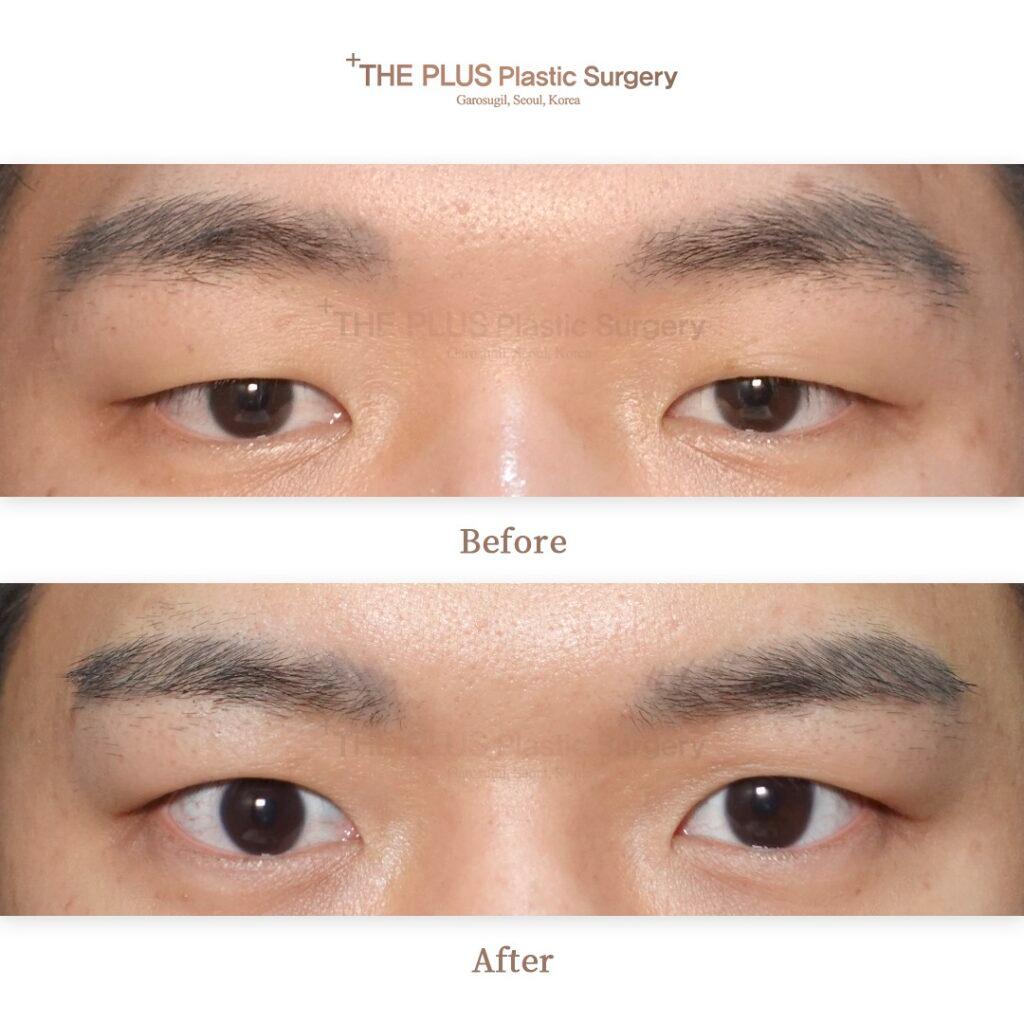
1. THEPLUS Plastic Surgery
You may consider THEPLUS Plastic Surgery if you are exploring eyelid surgery that is planned around facial balance: its eye-surgery options include double-eyelid surgery, ptosis correction for drooping upper lids, and blepharoplasty to adjust excess eyelid skin and tissue.
- URL: THEPLUS Plastic Surgery Website
- Location: Gangnam-gu, Seoul
- Eye-surgery options:
- Double-eyelid surgery is intended to create an upper-lid crease matched to your facial features.
- Ptosis correction addresses the muscles that open your eyes when upper lids droop or appear heavy.
- Blepharoplasty adjusts excess skin and tissue around the eyelids to refine the eye-area contour.
- Surgical perspective:
- The clinic describes a personalized aesthetic-care approach focused on safety, research, and specialized surgical expertise.
- Its stated philosophy emphasizes harmonious facial proportions and natural-looking enhancement.
- Relevant expertise:
- Dr. Kim is described as a board-certified plastic surgeon with research recognition related to 3D implants and experience in rhinoplasty and facial contouring.
- Dr. Jeong is identified as President of the Korean Society of Plastic Surgeons and is described as regularly educating other plastic-surgery professionals.
2. Made Young Plastic Surgery
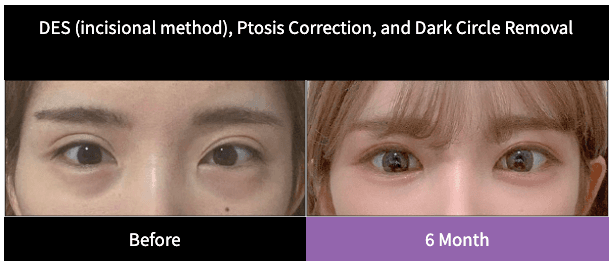
You may consider Made Young Plastic Surgery for a customized eye-surgery plan, particularly because Dr. Park Byung-Chan is described as having 15 years of experience exclusively in eye surgery and tailoring crease design, eyelid height, thickness, incision lines, and overall eye shape to you.
- URL: Made Young Plastic Surgery Website
- Location: Seocho-gu, Seoul
- Eye-surgery options:
- Double-eyelid surgery is offered through non-incisional suture-based and incisional approaches.
- Ptosis correction is available for drooping eyelids by tightening the lifting muscle.
- Upper and lower blepharoplasty, canthoplasty, and dark-circle treatments are also listed.
- Customization:
- The clinic states that its medical team provides direct consultation and diagnosis before treatment.
- Your surgical design can be individualized around eyelid thickness, double-eyelid height, incision line, and desired overall image.
- Safety and aftercare:
- Full-time board-certified anesthesiologists are stated to be on site, with one-to-one anesthesiologist monitoring during procedures.
- The clinic describes an emergency cross-check system involving multiple anesthesiologists and CCTV coverage of procedures.
- A separate aftercare center provides systematic post-procedure care.
3. RINE Plastic Surgery Clinic
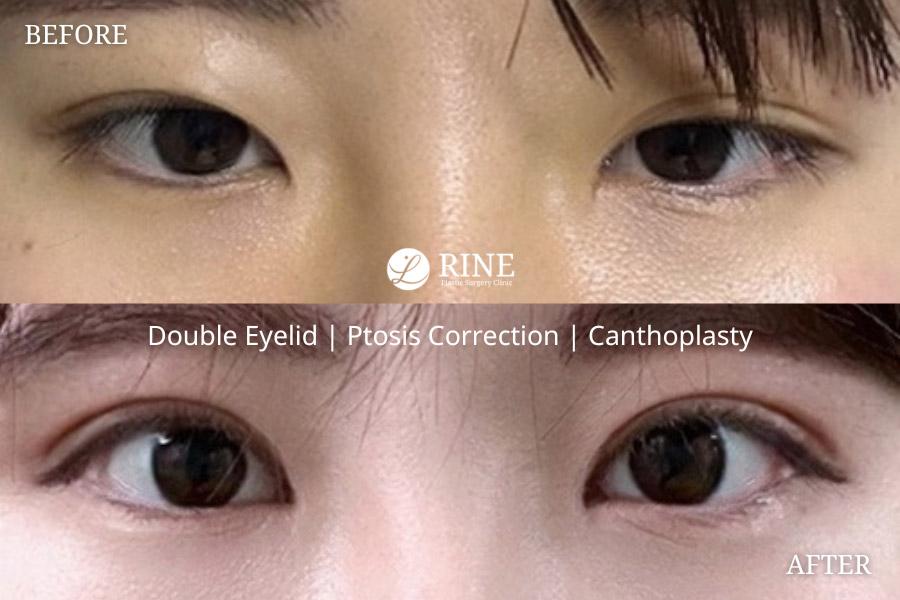
You may consider RINE Plastic Surgery Clinic if you want an eye-focused practice where Director Jang Nam personally manages your consultation, customized eyelid-line design, surgery, treatment, and recovery; the clinic states that the director has performed more than 10,000 eye surgeries and emphasizes natural, proportionate results.
- URL: RINE Plastic Surgery Clinic Website
- Location: Seocho-gu, Seoul
- Eye-surgery options:
- Non-incisional double-eyelid surgery uses sutures to create a crease without an incision and is described as suitable when you have thinner eyelids and adequate muscle tone.
- Ptosis correction strengthens the levator muscle for drooping lids that limit iris exposure and may be combined with double-eyelid surgery.
- Canthoplasty can adjust the outer eye corner to alter horizontal eye length or corner angle.
- Under-eye fat repositioning redistributes orbital fat to smooth bags and hollows.
- Revision and age-related care:
- Double-eyelid revision addresses concerns such as thick or faded creases, asymmetry, multiple folds, and scarring after the cause is assessed.
- Epicanthoplasty revision is available for imbalance or excessive exposure after prior inner-corner surgery.
- Upper blepharoplasty, lower blepharoplasty with lifting, and subbrow lift are listed for hooding, excess skin, under-eye changes, or brow-related heaviness.
- Personalized care and recovery:
- The clinic states that each plan is based on your facial proportions, skin condition, and individual features rather than a standard design.
- A one-person recovery room is available for private recovery.
- The clinic lists continuous aftercare, infection-control measures, surgical safety protocols, emergency preparedness, a full-HD endoscope, FDA-approved genuine Endotine, and WhiteLite bipolar equipment.
Conclusion
In conclusion, Korea has established itself as a leading destination for eye surgery, offering a compelling blend of affordability, advanced medical techniques, and expert care. With a range of procedures such as ptosis correction, canthoplasty, and double eyelid surgery available at competitive prices, Korea attracts patients from around the world seeking high-quality outcomes and comprehensive care. The structured cost packages that include pre-operative consultations, the surgical procedure itself, and thorough post-operative follow-up services provide transparency and value, making financial planning more predictable for patients.
Understanding the factors influencing the cost, such as the type of procedure, the complexity involved, and the surgeon's expertise, allows prospective patients to make informed decisions aligned with their aesthetic goals and budgetary considerations. Comparing these costs with those in other countries, particularly the USA, highlights Korea's competitive edge in offering high standards of cosmetic eye surgery at lower costs.
As you consider eye surgery in Korea, engage thoroughly with potential clinics and surgeons, and ensure that all aspects of the procedure, from consultation to recovery, are tailored to meet your needs. Armed with this knowledge, individuals can confidently embark on their cosmetic journey, knowing they have chosen a country renowned for excellence in eye surgery while benefiting from a more cost-effective solution.
Frequently Asked Questions
Related Blogs
Laser Canthoplasty in Korea: Techniques, Recovery, Risks, and Travel Planning
Laser canthoplasty reshapes or supports the inner or outer eye corner through tissue release, repositioning, or tightening, with technique selected according to eyelid anatomy, laxity, dry-eye status, and treatment goals. International patients should plan at least 7–10 days in Korea for review and possible suture removal, keep travel flexible, and arrange local ophthalmic follow-up for urgent sym
Updated: Sep 21, 2026
Eyelid Retraction Repair in Korea: Methods, Recovery, Travel Planning, and Alternatives
Eyelid retraction repair repositions an upper or lower eyelid through retractor recession, scar release, spacer grafting, or support procedures based on tissue shortage, scarring, and corneal exposure. International patients should plan 10–14 days in Korea for uncomplicated repair, arrange early review and home follow-up, and obtain surgeon clearance before flying.
Updated: Sep 19, 2026
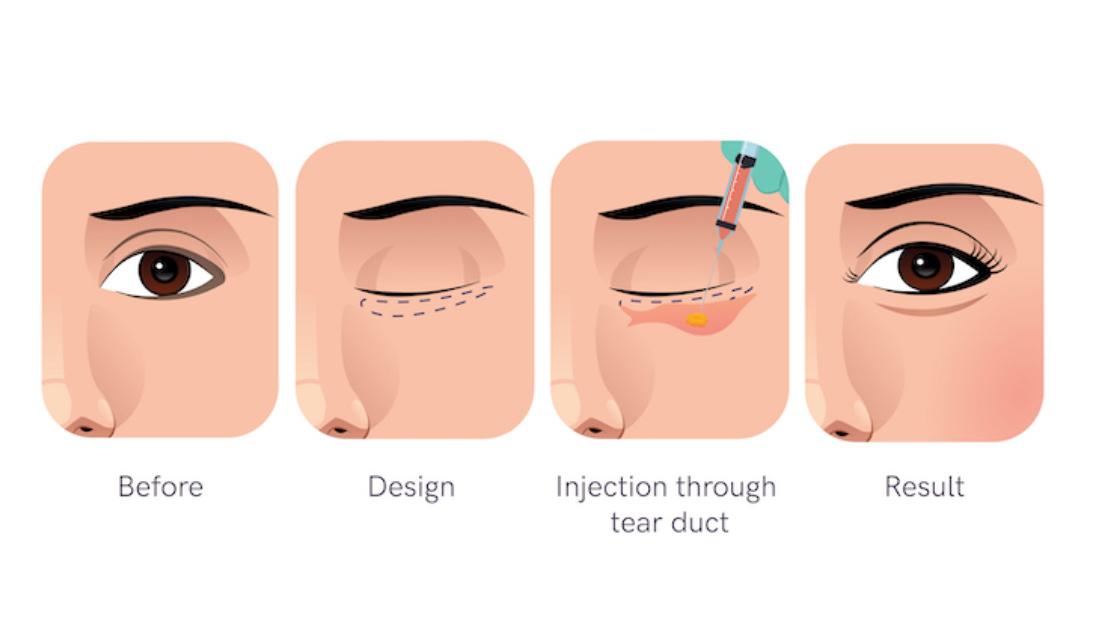
Love Band Surgery in Korea: Methods, Recovery, Risks and Travel Planning
Love band surgery augments the narrow pretarsal aegyo-sal roll beneath the lower lashes using HA filler, fat, grafts, implants, or tissue plication, with method-specific reversibility, recovery, and revision considerations. The article covers candidate screening, Korea travel planning, treatment steps, aftercare, emergency warning signs, follow-up, and alternatives for eye bags, tear troughs, laxi
Updated: Sep 15, 2026
Revision Eye Surgery in Korea: Methods, Recovery, Risks and Travel Planning
Revision eye surgery addresses healed concerns after prior eyelid procedures through scar release, crease or ptosis correction, volume restoration, or lower-lid support while protecting blink and corneal function. In Korea, plan at least 10–14 days for early review and possible suture removal; prices are ₩2,600,000–₩7,500,000 (about US$1,900–$5,600).
Updated: Sep 15, 2026
Clinics offering Ptosis Correction

RINE Plastic Surgery Clinic | Facelift and Eye Rejuvenation Surgery
Nonhyeon

SH Clinic: Comprehensive Women's, Men's & Couples' Health Services in Korea
Sinsa

THEPLUS Plastic Surgery Korea | Eye, Nose, Face & Body Surgery
Sinsa

Haru Clinic Korea | Seoul Facelift, Threads, Botox & Fillers
Sinsa