
Medical Tourism Blog
Quick Lift in Korea: Techniques, Recovery, Risks and Travel Planning
Table of contents
- Quick Lift at a Glance
- What Is a Quick Lift?
- Who Is a Good Candidate for a Quick Lift?
- How Is a Quick Lift Performed?
- Why Visit Korea for a Quick Lift?
- Key Information for International Patients
- Quick Lift From Start to Finish
- Which Are the Best Clinics in Korea for Quick Lift?
- Alternatives to a Quick Lift
- How Can I Prepare for a Quick Lift?
- Aftercare Advice
Considering treatment in Korea? Everything you need to know e.g. — how to avoid scams, visas, interpreters, recovery tips — in our Medical Tourism Master Guide. Plan with confidence in minutes, not weeks!
Last updated: September 2026
Quick Lift at a Glance
- What it is — A Quick Lift is a marketing term for a limited-incision mini facelift, usually using short incisions around the ears to improve early-to-moderate jowls, jawline softness, lower-cheek descent, and marionette-area heaviness.
- Not a fixed technique — The name does not guarantee SMAS tightening, neck treatment, a particular anesthesia method, or a certain longevity; obtain the exact incision plan, layers treated, neck work, drain plan, and revision policy in writing.
- Best candidates — It generally suits medically fit nonsmokers with reasonably elastic skin and mild-to-moderate lower-face laxity, rather than severe neck skin excess, prominent platysmal bands, major midface descent, or substantial volume loss.
- Recovery timeline — Bruising, swelling, tightness, and temporary numbness commonly last 1–2 weeks; desk-type work or quiet social activity may be possible in 7–14 days, while residual swelling and firmness can take 2–3 months to settle.
- Procedure time — A limited facelift often takes about 2 hours, though neck work, liposuction, fat grafting, eyelid surgery, or other combined procedures add time and may affect anesthesia and overnight-observation needs.
- Korea travel plan — International patients should plan to stay in Korea for 10–14 days after surgery for next-day assessment and approximately one-week wound or suture review, with long-haul travel only after the surgeon clears healing.
- Key risk — It remains facial surgery, with hematoma or bleeding, infection, wound or skin compromise, numbness, facial-nerve weakness, asymmetry, scarring, and possible revision among the important risks; rapidly increasing one-sided swelling or severe pain needs urgent assessment.
What Is a Quick Lift?
A Quick Lift is a marketing term for a limited-incision mini facelift, not one standardized operation. It aims to improve mild-to-moderate jowls, jawline softness, lower-cheek descent, and related lower-face laxity for a fresher, more defined appearance. It is a surgical procedure, although its exact scope and recovery depend on the surgeon’s planned approach.
Who Is a Good Candidate for a Quick Lift?
- Early-to-moderate lower-face laxity — Good candidates want improvement in jowls, a softened jawline, lower-cheek descent, and marionette-area heaviness rather than a dramatic whole-face change.
- Reasonably elastic skin — Limited skin redraping works best when skin can adapt to a smaller lift; skin quality, facial volume, and the degree of tissue descent matter more than chronological age.
- Medically fit nonsmokers — Candidates need stable general health, verified nicotine cessation, realistic expectations, and the ability to attend postoperative checks and follow restrictions.
- Defined surgical goal — A suitable patient understands that “Quick Lift” is marketing terminology, not one standardized operation, and asks for the exact incision pattern, facial layers treated, neck work, anesthesia, drain plan, and revision policy in writing.
A limited-incision lift is unsuitable when uncontrolled hypertension, diabetes, bleeding disorders, significant cardiopulmonary disease, or active infection make elective surgery unsafe. Nicotine from cigarettes, vaping, patches, gum, or pouches raises wound-healing and skin-compromise risk; a facelift recovery review associates at least four weeks of preoperative cessation with lower wound and skin complications. Prescription anticoagulants and antiplatelet drugs require a plan agreed by the surgeon and prescribing clinician—never stop warfarin, apixaban, rivaroxaban, dabigatran, clopidogrel, or aspirin independently. Severe neck skin excess, prominent platysmal bands, extensive midface descent, or major volume loss often need a more comprehensive operation or combination plan; a mini lift cannot reliably correct every aging concern.
How Is a Quick Lift Performed?
“Quick Lift” can describe materially different limited-incision facelifts. The surgical plan—not the marketing name—determines the scars, recovery, likely improvement, anesthesia, and whether the neck is addressed.
- Limited-incision skin-and-SMAS lift — Short incisions around the ear and hairline allow limited skin elevation and redraping. The surgeon tightens, folds (plicates), overlaps (imbricates), or selectively excises the SMAS, the supportive layer beneath facial fat, to improve jowls and jawline contour.
- MACS-style suspension lift — Limited undermining is paired with suspension or purse-string sutures to elevate soft tissue. A systematic review of six MACS-lift studies involving 739 patients found high reported satisfaction but noted low-level evidence in half the studies and limited neck rejuvenation.
- Mini lower-face lift with neck treatment — Submental liposuction, limited platysma tightening, or neck redraping can improve an upper-neck contour that contributes to jawline heaviness. This does not automatically equal a full neck lift.
- Local anesthesia with sedation or general anesthesia — A selected, limited operation can use local or tumescent anesthesia with oral or intravenous sedation. General anesthesia is more likely when surgery is broader or combined with procedures such as fat grafting or eyelid surgery; health status and the anesthesia assessment decide the appropriate option.
- Evidence limitation — A recent prospective cohort comparing deep-plane and SMAS-plication facelifts found no significant short-term difference in satisfaction, recovery, or overall complications, but its nonrandomized design, unequal groups, short follow-up, and unvalidated outcome measure do not establish a best technique or define a Quick Lift.
Why Visit Korea for a Quick Lift?
Korea can be practical for international patients when a provider offers clear English communication, documented surgical planning, and structured postoperative review. It is not established that Korea delivers superior Quick Lift outcomes or lower complication rates than other destinations. Treat the procedure as individualized facial surgery, not as a nationally standardized “quick” operation.
- Foreign-patient registration checks — Use the Medical Korea registered-provider system to help verify whether an institution is registered to serve international patients. Confirm the facility, named operating surgeon, and anesthesia arrangements directly rather than relying on a brand name.
- Documented care coordination — Korea’s Medical Korea platform provides international-patient information and support resources. Ask for an English written plan covering the exact operation, postoperative appointments, after-hours emergency contact, and remote follow-up before booking travel.
- Provider-specific due diligence — Verify the surgeon’s relevant specialty credentials, who administers and monitors anesthesia, the facility’s emergency transfer arrangements, and the plan for rapidly increasing swelling or suspected hematoma. These checks matter more than claims about a Korean “QuickLift” technique.
- Evidence boundary — No reliable Korea-specific Quick Lift registry or comparative dataset establishes complication, revision, satisfaction, or long-term outcome rates. International-patient infrastructure is a defensible consideration; presumed clinical superiority is not.
Key Information for International Patients
- Minimum stay — Plan 10–14 calendar days in Korea after surgery. This allows next-day assessment, dressing or drain management when used, and a wound or suture review at about one week.
- Flight timing — Do not schedule a long-haul return flight until the surgeon examines healing and explicitly clears travel. Recent surgery and travel over four hours add to venous-thromboembolism risk; the CDC travel guidance identifies recent surgery as a risk factor.
- First-night support — Arrange a responsible adult to escort and stay with you after sedation or general anesthesia. Do not drive, use public transport alone, drink alcohol, sign important documents, or make major decisions immediately after anesthesia.
- Itinerary impact — Bruising, swelling, tightness, and temporary numbness are expected for 1–2 weeks. Quiet activities and desk-type work are often possible in 7–14 days, but visible swelling can remain; defer strenuous exercise for at least three weeks unless cleared earlier or later by the surgeon.
- Records and remote care — Before departure, obtain English copies of the operative report, procedure description, medication list with generic names and doses, anesthesia record when relevant, wound-care instructions, and direct emergency contacts. Arrange video follow-up and identify a clinician at home who can assess a complication in person.
Travel note: Keep flights and accommodation flexible. A hematoma, wound concern, drain issue, or delayed healing can require urgent assessment and extend the stay.
Quick Lift From Start to Finish
- Remote inquiry and preliminary consultation — Send the clinic standardized photographs and a full medical history. Confirm whether English interpretation or a virtual surgeon consultation is available, but understand that photographs cannot replace an in-person facial and neck examination.
- Written scope and travel planning — Ask the surgeon to specify the incision pattern, areas treated, SMAS or platysma technique, skin removal, possible neck liposuction, anesthesia, drains, overnight-observation criteria, quoted inclusions, and revision policy. Schedule 10–14 days after surgery in Korea.
- In-person assessment — The surgeon examines jowls, jawline, submental fat, platysmal bands, skin elasticity, facial volume, scars, asymmetry, and prior procedures. This assessment can change, postpone, or cancel the original plan.
- Medical and anesthesia review — Disclose all medicines, supplements, allergies, prior facial surgery, fillers, threads, permanent fillers or silicone, nicotine use, alcohol use, and anesthesia history. The team orders targeted testing when medically indicated and confirms fasting and medication instructions.
- Consent and surgical marking — Review realistic limits, scars, alternatives, complications, recovery, and emergency contacts. The surgeon marks planned incisions and confirms the operation; do not assume a “Quick Lift” includes SMAS work or neck treatment.
- Anesthesia and surgery — The operation uses local/tumescent anesthesia with sedation or general anesthesia according to its extent and the anesthesia assessment. A limited facelift often takes about two hours; neck work, liposuction, fat grafting, or eyelid surgery add time. The surgeon elevates tissue to the planned extent, treats skin and/or deeper tissues, removes selected excess skin, and closes the incisions.
- Recovery and discharge — Dressings and sometimes drains are applied. Discharge follows once you are awake, stable, comfortable on oral medication, and cleared by the surgical and anesthesia teams; combined procedures or clinical factors can justify overnight observation.
- Korean postoperative checks — Attend the next-day review and all wound, drain, and suture appointments. Sutures are often removed at around one week, but the timing depends on incision placement and healing.
- Flight clearance and overseas follow-up — Obtain explicit clearance before a long-haul flight. Send scheduled healing photographs, attend video follow-up, and contact the clinic urgently for concerning symptoms rather than waiting for the next planned review.
Which Are the Best Clinics in Korea for Quick Lift?
Listed below are some of the best clinics in Korea for quick lift.
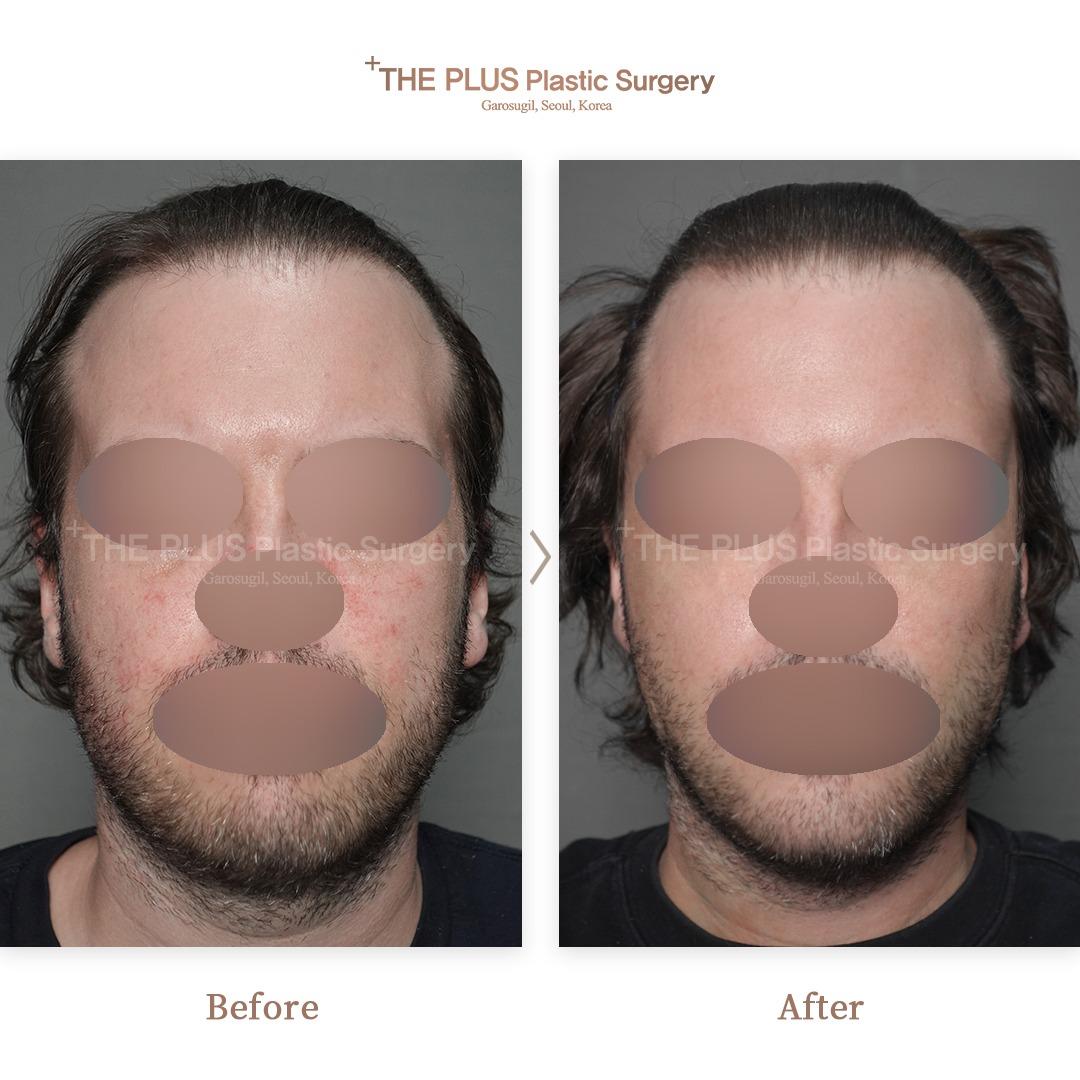
1. THEPLUS Plastic Surgery
For a Quick Lift approach, you can consider options such as a dissolvable thread lift for mild facial sagging or facial fat grafting to restore volume in hollow or flattened areas. The clinic also offers surgical facelift treatment for more comprehensive repositioning of sagging facial tissue, with an emphasis on maintaining natural expression and balanced facial contours.
- URL: THEPLUS Plastic Surgery Website
- Location: Gangnam-gu, Seoul
- Lifting options:
- Thread lift: dissolvable threads are used to lift mildly sagging areas with a less invasive approach than a full facelift.
- Facelift: repositions sagging facial tissue to improve firmness and facial contours.
- Face fat grafting: uses your own fat to restore fullness and soften hollow facial areas.
- Relevant surgical perspective:
- Dr. Kim is described as a board-certified plastic surgeon with expertise in facial contouring and a focus on harmonious facial balance.
- Dr. Jeong is described as President of the Korean Society of Plastic Surgeons and emphasizes combining function with aesthetic considerations.
2. Made Young Plastic Surgery
You may consider Made Young for a Quick Lift if you want your facial laxity assessed by cause and area before treatment selection. Its surgical lifting approach describes releasing stretched supporting tissues beneath the SMAS, then lifting the skin, fat, and SMAS together and securing them vertically to counter sagging while aiming to avoid excessive cheekbone prominence.
- URL: Made Young Plastic Surgery Website
- Location: Seocho-gu, Seoul
- Lifting approach:
- The clinic describes SMAS-level dissection to release stretched supporting tissues.
- Skin, fat, and the SMAS layer are lifted together for comprehensive tightening.
- Lifted tissues are secured vertically, opposite the direction of sagging, with the stated aim of natural-looking, longer-lasting contour improvement.
- Non-surgical options:
- Thread lift uses temporary dissolvable threads to lift and tighten the skin.
- Shurink and Ultherapy use ultrasound-based approaches for non-surgical lifting and skin tightening.
- Skin boosters are offered for skin hydration and rejuvenation.
- Care and monitoring:
- You receive consultation and diagnosis directly from the medical team before treatment.
- Full-time board-certified anesthesiologists are described as being on site, with one-to-one continuous monitoring during procedures.
- A dedicated aftercare center and full procedure-area CCTV coverage are described by the clinic.
3. RINE Plastic Surgery Clinic
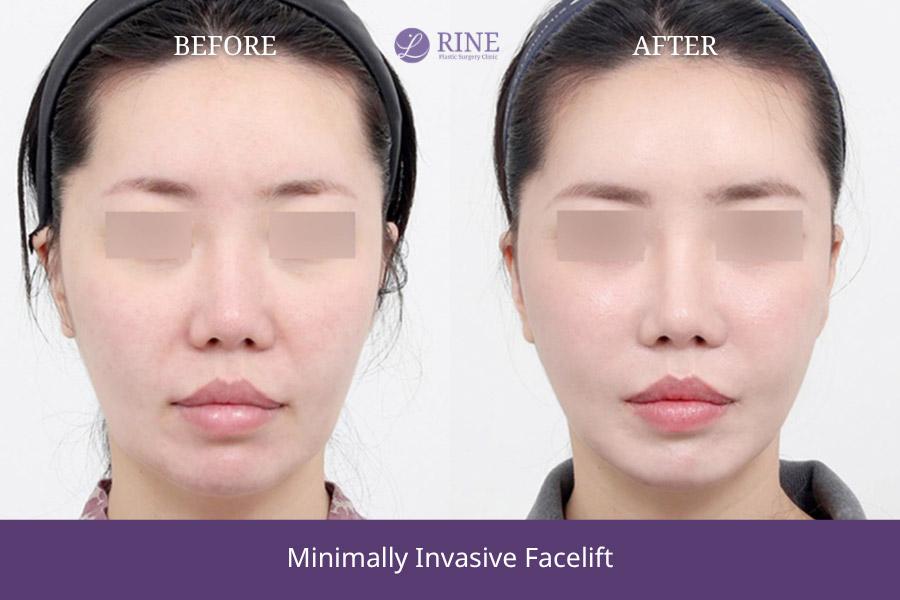
For a Quick Lift with a surgical option, RINE describes a minimally invasive facelift for moderate facial laxity using smaller incisions and reduced downtime compared with a full lift. If more extensive correction is appropriate, its extended dual deep-plane approach combines broad skin and SMAS dissection so both layers can be lifted together, targeting facial sagging and wrinkles.
- URL: RINE Plastic Surgery Clinic Website
- Location: Seocho-gu, Seoul
- Lifting options:
- Minimally invasive facelift: a smaller-incision surgical option for moderate facial laxity.
- SMAS face and neck lift: deeper lifting of the SMAS layer to address sagging in the cheeks, jawline, and neck.
- Thread lift: absorbable threads reposition sagging tissue and are described as suitable when you want subtle improvement without surgical downtime.
- Endoscopic forehead lift: camera-guided brow and forehead lifting through small incisions.
- Surgical approach:
- The extended dual deep-plane facelift combines wide skin dissection with wide SMAS dissection, allowing simultaneous lifting of skin and SMAS tissue.
- The clinic states that this approach is intended to improve lifting longevity and address skin wrinkles.
- Continuity of care:
- Director Jang Nam, a board-certified plastic surgeon, is described as personally handling consultation, surgery, treatment, and recovery.
- Planning is individualized through analysis of facial proportions, skin condition, and personal features.
- A private one-person recovery room is available, and the clinic describes ongoing postoperative care.
- Equipment and materials:
- The clinic lists a full-HD Stryker endoscope for endoscopic procedures.
- It reports use of genuine FDA-approved Endotine devices and WhiteLite bipolar equipment.
Alternatives to a Quick Lift
A surgical alternative can provide a broader or more durable correction when excess skin and deeper descent exceed what a limited lift can address. Non-surgical options avoid incisions and anesthesia but do not remove skin or reposition facial layers in the same way.
Full Face and Neck Lift
- Best suited to — More extensive lower-face laxity, substantial neck skin excess, platysmal banding, or broader midface and neck concerns.
- Tradeoff — Longer incisions and recovery than a limited lift, with scope tailored to the face and neck rather than a fixed marketing label. See facelift surgery and SMAS facelift.
Deep-Plane Facelift
- Best suited to — Significant midface descent and nasolabial-fold concerns alongside lower-face aging, when a surgeon judges a deeper approach appropriate.
- Tradeoff — It is a more extensive operation, not an automatically superior one. A systematic review of SMAS and deep-plane facelifts found high satisfaction with both but limited direct comparison and inconsistent aesthetic outcome measures. Read about a deep-plane facelift.
Neck Lift
- Best suited to — Neck laxity, submental fullness, or platysmal bands that are the main concern rather than jowls alone.
- Tradeoff — It targets cervical contour and can include liposuction or platysmaplasty; it does not replace a facelift when lower-face laxity is substantial. See neck lift surgery.
Thread Lift
- Best suited to — Patients seeking a less invasive, temporary approach for mild laxity who accept more modest structural change.
- Tradeoff — Threads do not excise skin or surgically reposition the SMAS. An evidence review raised concerns about durability and the quality of support for many thread-lift claims. Explore thread lift treatment.
Ultrasound or Radiofrequency Tightening
- Best suited to — Mild laxity without substantial skin excess, or patients unwilling or unable to undergo surgery.
- Tradeoff — HIFU/microfocused ultrasound and radiofrequency tightening produce subtler changes and do not substitute for excisional surgery. Options include Ultherapy and Thermage.
How Can I Prepare for a Quick Lift?
- Medical disclosure — Provide every prescription drug, over-the-counter medicine, vitamin, herbal product, tea, supplement, allergy, past operation, anesthesia issue, and nicotine exposure. Include aspirin, NSAIDs, vitamin E, fish oil, ginkgo, garlic, ginseng, turmeric/curcumin, and St John’s wort because they can affect bleeding or anesthesia.
- Anticoagulants and antiplatelets — Do not stop warfarin, apixaban, rivaroxaban, dabigatran, clopidogrel, or aspirin on your own. The operating surgeon and prescribing clinician must create an individualized plan.
- Nicotine cessation — Stop smoking, vaping, nicotine replacement, and nicotine pouches for the interval required by the surgeon; at least four weeks before surgery is commonly used in evidence-informed facelift pathways. Remain nicotine-free throughout healing.
- Fasting and regular medicines — Follow the clinic’s written fasting instructions exactly for sedation or general anesthesia. Get specific instructions for blood-pressure drugs, diabetes medication, GLP-1 medicines, hormone therapy, and any morning medicines.
- Facial skin and dental health — Avoid sunburn, dermatitis, facial irritation, and new skin treatments before surgery. Report dental pain, scalp infection, cold sores, or any facial/systemic infection promptly; surgery is usually deferred until infection resolves.
- Alcohol and recovery logistics — Avoid alcohol as directed before surgery and throughout early recovery while taking sedating pain medicine. Book nearby accommodation, reliable phone access, transport to appointments, and a responsible first-night companion.
- Flights and schedule — Reserve 10–14 postoperative days in Korea and use flexible return arrangements. Do not place sightseeing, major meetings, or photo-dependent events in the first two weeks.
Travel note: Bring medicines in original labeled containers and carry a concise medical summary. Ask the clinic in advance for English medication names, doses, and postoperative documents for travel and care at home.
Confirm every medication adjustment, fasting interval, skincare pause, nicotine requirement, and travel plan with the treating surgeon and anesthesia team; their individualized instructions take precedence.
Aftercare Advice
Protect the surgical repair, attend every review, and treat sudden swelling or escalating pain as urgent rather than routine recovery.
- First 72 hours — Rest with the head elevated, take prescribed medicines exactly as directed, and attend the next-day review. Use cold packs only when approved. Do not pull clothing over the head, manipulate incisions, smoke, use nicotine, drink alcohol, or exercise.
- Incisions and dressings — Keep dressings, drains, and incisions dry or clean exactly as instructed. Showering, hair washing, drain removal, and topical products depend on the operation; do not apply skincare, antibiotic ointment, silicone products, or makeup near incisions without approval.
- Activity and heat — Walk gently as directed, but avoid strenuous exercise, heavy lifting, bending that increases pressure, swimming, contact sports, saunas, hot baths, and other heat exposure for at least three weeks or until cleared. Increased blood pressure can worsen swelling or bleeding risk.
- Sun and scars — Once incisions are closed and the surgeon permits skincare, protect scars from sun with shade and broad-spectrum SPF 50. Scar color and texture continue to mature for roughly 6–9 months.
- Expected recovery and results — Bruising, swelling, tightness, itchiness, and altered sensation commonly persist for 1–2 weeks. Quiet social activity or desk work is often feasible in 7–14 days, while residual firmness, numbness, and swelling can settle over 2–3 months.
- Urgent warning signs — Contact the clinic immediately for rapidly increasing one-sided facial or neck swelling, expanding tightness, severe or escalating pain, heavy bleeding, dusky/black or blistered skin, fever, pus or foul drainage, worsening redness, wound separation, marked new facial weakness, chest pain, shortness of breath, fainting, or persistent vomiting.
Follow the treating doctor’s instructions over general timelines, and contact the clinic promptly whenever healing appears wrong or changes suddenly.
Frequently Asked Questions
Related Blogs
Rejuvenate Menopausal Jowls with Face Lift Procedures in Korea for Youthful, Shape-Enhancing Results
Discover how Korea's advanced facelift procedures—such as SMAS, deep plane, and mid-facelift—offer effective solutions for menopausal jowls. This blog explores how hormonal changes cause sagging skin, fat redistribution, and bone loss, impacting facial contours. Learn why Korea is a top destination for safe, high-quality facial rejuvenation surgeries, combining expert surgeons and cutting-edge tec
Updated: Oct 1, 2026
Discover Top Neck Lift Procedures for Under Chin Banding in Korea
Discover how Korea's expert neck lift procedures effectively address under chin banding, commonly caused by aging, genetics, and muscle activity. This comprehensive guide covers surgical options like platysmaplasty and cervicoplasty, as well as non-surgical treatments, all performed in Korea's renowned clinics. Benefit from Korea’s advanced technology, skilled surgeons, and cost-effective solution
Updated: Oct 1, 2026
Rejuvenate Your Aging Forehead with Forehead Lift Procedures in Korea
Discover how Korea leads in forehead rejuvenation with advanced brow lift procedures like endoscopic, coronal, and temporal lifts. Address forehead wrinkles and sagging effectively through Korea’s top cosmetic surgery clinics, offering skilled surgeons and competitive prices. Ideal for those seeking natural results, improved appearance, and enhanced vision—Korea is the global hub for safe, high-qu
Updated: Oct 1, 2026
Rejuvenate Deep Forehead Creases with Forehead Lift Procedures in Korea
Discover how Korea leads in medical tourism for forehead lift procedures that effectively treat deep forehead creases and brow sagging. From advanced endoscopic and coronal techniques to affordability and top surgeons, Korea offers superior options for facial rejuvenation. Learn about the procedure benefits, costs, visa process, and patients’ positive outcomes—making Korea your ideal destination f
Updated: Oct 1, 2026
Clinics offering Quick Lift
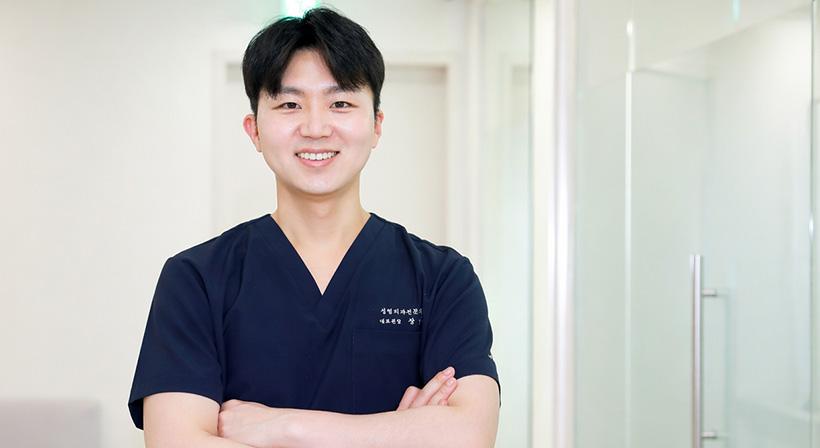
RINE Plastic Surgery Clinic | Facelift and Eye Rejuvenation Surgery
Nonhyeon

SH Clinic: Comprehensive Women's, Men's & Couples' Health Services in Korea
Sinsa

THEPLUS Plastic Surgery Korea | Eye, Nose, Face & Body Surgery
Sinsa

Made Young Plastic Surgery: Rejuvenating Aesthetic Excellence in Korea for Face Lifts, Contouring and More
Gangnam Station