
Medical Tourism Blog
ONDA Lifting in Korea: Candidacy, Coolwaves Methods, Recovery, and Travel Planning
Table of contents
- ONDA Lifting at a Glance
- What Is ONDA Lifting?
- Who Is a Good Candidate for ONDA Lifting?
- How Is ONDA Lifting Performed?
- Why Visit Korea for ONDA Lifting?
- Key Information for International Patients
- Which Are the Best Clinics in Korea for Onda Lifting?
- ONDA Lifting From Start to Finish
- Alternatives to ONDA Lifting
- How Can I Prepare for ONDA Lifting?
- Aftercare Advice
Considering treatment in Korea? Everything you need to know e.g. — how to avoid scams, visas, interpreters, recovery tips — in our Medical Tourism Master Guide. Plan with confidence in minutes, not weeks!
Last updated: September 2026
ONDA Lifting at a Glance
- What it is — ONDA Lifting is a noninvasive 2.45-GHz microwave-energy treatment using cooled contact handpieces, usually marketed for gradual submental tightening or contouring rather than a surgical-style facelift.
- Best candidates — It is best suited to mild-to-moderate under-chin fullness or laxity and localized body fat, cellulite, or laxity—not weight loss, major jowls, platysma bands, marked excess skin, or facial tissue descent.
- Korea-specific check — “ONDA Lifting” is a marketing term, so confirm the device generation and handpiece before booking; facial or submental treatment should use the ONDA PRO Pocket handpiece under an appropriate protocol, not assume that Deep or Shallow body applicators are suitable for the face.
- Sessions and timing — The only direct submental study used two Pocket sessions spaced 30 days apart and assessed results 12 weeks after the second session; body plans often involve about four sessions at roughly four-week intervals.
- Evidence limit — Facial evidence is preliminary: the 2025 submental study included only 10 women, had no control group, and does not establish reliable cheek lifting, jowl correction, broad facial slimming, permanent results, or facelift-equivalent improvement.
- Recovery and risks — Most patients resume light activity the same day, but temporary warmth, redness, tenderness, tingling, and discomfort can occur; escalating pain, blisters, burns, numbness, marked swelling, drainage, fever, or skin-color change need prompt clinical review.
- Travel planning — Plan 1–2 days in Korea for a single uncomplicated session and access to the clinic the following day; there is no evidence-based mandatory delay before flying, but a short trip will not complete a multi-session course.
What Is ONDA Lifting?
ONDA Lifting is a contact treatment that uses cooled microwave energy to contour selected areas and gradually firm skin. It addresses mild under-chin fullness or laxity and, for body treatments, localized fat, cellulite, or loose skin rather than weight loss or a facelift-level change. It is non-surgical and noninvasive, with no incisions or general anesthesia ordinarily required.
Who Is a Good Candidate for ONDA Lifting?
- Submental concern — Good candidates want gradual improvement in mild-to-moderate laxity or a small amount of fullness beneath the chin, rather than a surgical neck-lift result.
- Body contouring goal — Body protocols are intended for localized fat, cellulite, or lax body skin in a defined area; ONDA is not a weight-loss treatment.
- Realistic expectations — Suitable patients accept that visible change develops over weeks and that facial evidence is limited to a small preliminary submental study, not cheek lifting, jowl correction, or facelift-equivalent improvement.
- Appropriate anatomy — Assessment should distinguish submental fat from loose skin, platysma bands, jowling caused by tissue descent, and facial volume loss. Removing fat from a lean or hollow lower face can worsen the appearance.
ONDA is not suitable during pregnancy or breastfeeding, for patients under 18, or for people with obesity when BMI exceeds 30 under the published advisory protocol. Important exclusions include pacemakers and other cardiac or neuromodulation implants, permanent material within the treatment field, active cancer or cancer within the preceding five years, transplant history, active infection, organ failure, decompensated diabetes, active clotting or vascular disease, impaired sensation, and open or inflamed skin. Prior thrombosis, varicose veins, autoimmune disease, compensated diabetes, abnormal scarring, tattoos, prior filler, threads, fat grafting, and scars in the target area require individualized assessment. Standard ONDA Deep and Shallow body handpieces are not general facial devices; for a facial or submental treatment marketed as ONDA Lifting, confirm that the clinician plans to use the ONDA PRO Pocket handpiece under an appropriate protocol.
How Is ONDA Lifting Performed?
“ONDA Lifting” is a marketing term, not one standardized facial procedure. The device generation, handpiece, treatment area, and whether the goal is tightening or fat reduction determine the protocol.
- Pocket handpiece — DEKA describes Pocket for lifting, firming, and the submental area. It is the handpiece most relevant to neck and under-chin ONDA Lifting marketing; it should not be assumed to create broad cheek lifting or correct structural jowling.
- Shallow handpiece — This body-focused applicator is described for superficial cellulite, skin laxity, and thinner localized fat layers. Advisory guidance places its heating depth at about 0.7 cm.
- Deep handpiece — This body-focused applicator targets deeper cellulite and localized fat in larger areas, with advisory guidance describing a depth of about 1.2 cm.
- Combined body treatment — For mixed fat and laxity or fibrotic cellulite, clinicians sometimes sequence Shallow and Deep treatment. This is expert-user guidance rather than a universally validated regimen.
- Microwave delivery — ONDA uses cooled contact handpieces to deliver 2.45-GHz microwave energy, marketed as Coolwaves. During treatment, the operator keeps the handpiece moving and should reduce settings or stop for excessive pain, heat, intense redness, or blistering. DEKA’s product description distinguishes Pocket, Shallow, and Deep applications.
Why Visit Korea for ONDA Lifting?
Korea has a large international medical-tourism infrastructure, which can make consultation, scheduling, and short-stay aesthetic care practical for overseas visitors. That does not establish that ONDA results or safety are better in Korea than elsewhere. No comparative study identified shows superior Korean ONDA outcomes.
- International-patient volume — Seoul reported receiving 999,642 international medical patients in 2024, reflecting an established ecosystem for overseas patients seeking care in the city.
- Government-supported sector — South Korea’s health authorities continue to support international medical services and medical-tourism policy, including systems intended to serve foreign patients.
- Protocol transparency matters more than location — Ask for the exact device generation—ONDA, ONDA Smart, or ONDA PRO—the handpiece, target-area map, intended goal, clinician credentials, English consent, and aftercare contact. Device branding alone does not validate a clinic’s claims.
- Evidence limitation — The best direct facial evidence is a 2025 prospective study of 10 women treated only in the submental area. It cannot verify predictable facial results in Korea or elsewhere.
Travel note: Verify the facility’s authorized device and intended use directly before booking, especially when a clinic advertises ONDA for cheeks, jowls, or broad lower-face slimming.
Key Information for International Patients
- Minimum stay — Plan 1–2 days for one uncomplicated session: consultation and treatment, plus practical access to the clinic the following day if a reaction develops.
- Repeat visits — The direct submental study used two Pocket sessions 30 days apart. Body treatment is often planned as a series at roughly four-week intervals, so a short visit will not usually complete a full course.
- Flying — No ONDA-specific clinical evidence establishes a mandatory delay before flying. Travel after an uncomplicated, non-sedated session is generally operationally feasible, but obtain clinician clearance based on the area treated, settings, symptoms, combined procedures, and any sedating medication.
- Itinerary impact — Ordinary light activity is generally possible the same day. Avoid direct sun on the treated area for two days and hot water until redness resolves; do not plan beach activities, sauna visits, or a tightly scheduled outdoor itinerary immediately afterward.
- Remote follow-up — Before departure, obtain the device model, handpiece, treatment-area map, settings or energy, baseline photographs, written aftercare, and a direct clinic contact. Arrange a remote review around one month with standardized photographs.
- Urgent access — Know how to contact the clinic outside business hours and where to seek local care for escalating pain, blisters, a burn, marked swelling, drainage, fever, numbness, or skin-color change.
Travel note: Book flexible onward travel where possible. A minor treatment rarely disrupts travel, but an unexpected thermal skin reaction needs prompt clinical review.
Which Are the Best Clinics in Korea for Onda Lifting?
Listed below are some of the best clinics in Korea for onda lifting.
1. Three Wishes Clinic - Myeongdong
You may consider Three Wishes Clinic - Myeongdong if you are exploring non-surgical facial rejuvenation alongside your Onda Lifting plans, as the clinic offers thread lifting, ultrasound-based Shurink lifting, and contour-focused fat-dissolving injections. Its supplied information does not specifically confirm Onda Lifting, so you should verify device availability and whether it is appropriate for your treatment goals.
- URL: Three Wishes Clinic - Myeongdong Website
- Location: Jung-gu, Seoul
- Related lifting and contouring options:
- Thread lifting uses dissolvable threads to lift sagging tissue and stimulate collagen production.
- Shurink is an ultrasound-based treatment intended to improve elasticity and reduce facial or body sagging without needles or downtime.
- Fat-dissolving injections are offered for localized contouring in areas such as the chin, jowls, and jawline.
- Skin-focused treatments:
- CO2 laser resurfacing, chemical peels, Rejuran Healer, PDT acne treatment, and customized skin care are listed among the clinic’s skin services.
- Botox and dermal fillers are available for dynamic wrinkles, volume restoration, and facial contouring.
2. Hev Clinic
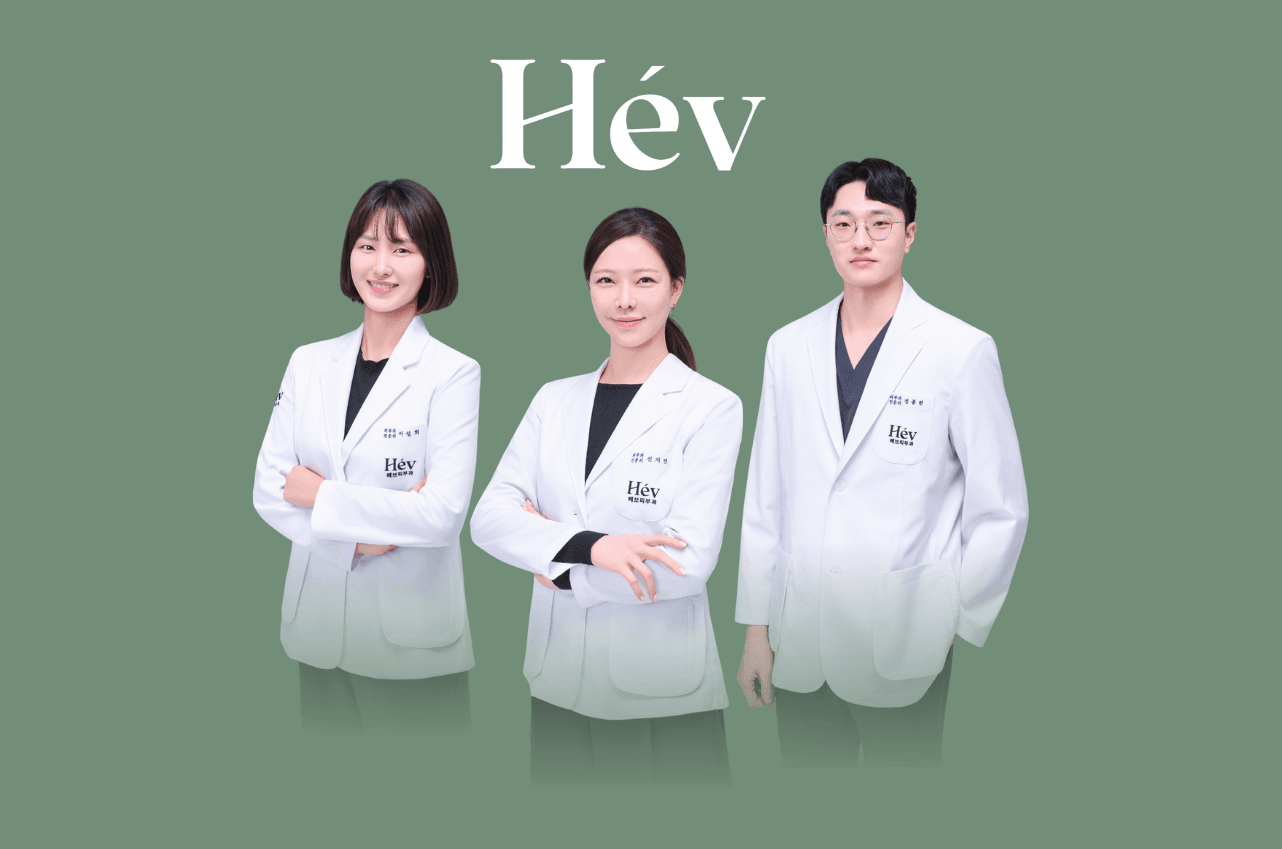
You may consider Hev Clinic for Onda Lifting if you want non-surgical treatment for localized fat, cellulite, and skin firmness on areas such as the abdomen, thighs, or upper arms. Its Onda approach uses 2.45 GHz microwave energy and two handpieces for fat, cellulite, or tightening modes; the clinic recommends a course of three roughly 30-minute sessions, with minimal discomfort and no expected interruption to daily activities.
- URL: Hev Clinic Website
- Location: Gangnam-gu, Seoul
- Onda treatment details:
- Microwave energy is described as selectively targeting fat cells while minimizing effects on skin and muscles.
- The treatment is positioned for cellulite concerns by targeting fibrous septae while supporting skin firmness.
- Two microwave handpieces allow the treatment mode to be selected for fat reduction, cellulite, or tightening.
- A typical recommendation is three sessions of approximately 30 minutes each; changes develop gradually over the following months.
- Planning your contouring treatment:
- Onda is operated separately from Thermage FLX Body, allowing device selection to be tailored to your concerns and goals.
- New Bijou fat-dissolving injections may be combined with Onda to further support body-contouring goals.
- The clinic states that you can generally return to daily activities immediately after treatment.
- Dermatologist-led care:
- Dr. Shin Ji-yeon is identified as a board-certified dermatologist and is described as overseeing consultation, procedures, and aftercare.
- The clinic uses AI skin diagnostic equipment to assess factors including skin thickness and degree of aging when developing individualized plans.
- Care is provided in an appointment-based private setting in Sinsa.
- Additional aesthetic services:
3. id Hospital Korea
You may consider id Hospital Korea if you want to discuss Onda Lifting within a clinic focused on facial treatments, lifting, and skin care, with a stated emphasis on customized treatment planning and systematic post-care. The supplied information does not specifically confirm that Onda Lifting is offered, so you should confirm availability and whether the treatment fits your concerns.
- URL: id Hospital Korea Website
- Location: Gangnam-gu, Seoul
- Relevant treatment scope:
- Lifting and skin-clinic services are listed alongside facial contouring, eye and nose surgery, breast surgery, petit plastic surgery, orthognathic surgery, and dentistry.
- The clinic describes its approach as customized and patient-safety-oriented, with systematic post-care.
ONDA Lifting From Start to Finish
- Send an initial inquiry — Request an English-language or virtual consultation when available. State the exact concern—under-chin fullness, neck laxity, cellulite, or a body-fat area—and send clear, standardized photographs only through the clinic’s approved secure channel.
- Confirm the treatment plan — Ask which ONDA generation and handpiece will be used, whether the intent is fat reduction or tightening, how many sessions are proposed, and what result is realistically expected. Confirm that a facial plan uses Pocket rather than assuming a body handpiece is appropriate.
- Complete medical screening — Disclose implants, prior surgery, fillers, threads, fat grafting, medical conditions, vascular history, allergies, medicines, supplements, smoking, and prior reactions to energy-based treatment. The clinician examines skin quality, tissue thickness, scars, sensation, nodules, edema, and asymmetry; a suspicious nodule, lipoma, fibrosis, or hernia warrants ultrasound or other assessment before treatment.
- Arrive for marking and consent — The clinician reviews contraindications, takes baseline photographs, marks the treatment boundaries, and obtains informed consent. ONDA alone ordinarily needs no general anesthesia, incision, or hospital admission.
- Undergo the session — Skin is cleansed, coupling oil is applied, and the cooled handpiece is moved continuously across the planned area. A published submental Pocket study used 10-minute sessions with several passes, but its settings and timing are study-specific and not a universal facial protocol. Body areas often require about 30–60 minutes per roughly 500 cm².
- Receive immediate assessment — The clinician checks for excessive erythema, pain, blistering, or other skin changes and provides written aftercare. Mild warmth, pinkness, tenderness, tingling, or discomfort can occur after treatment.
- Resume a light itinerary cautiously — Leave independently after an uncomplicated, non-sedated session. Arrange an escort or car service if the clinic uses an anxiolytic, sedating pain medicine, or combines ONDA with another procedure.
- Complete remote follow-up — Send standardized photographs and symptom updates at the agreed review point, often around one month. For multi-session plans, coordinate the next session locally or with a clinician at home after sharing the Korean treatment record.
Alternatives to ONDA Lifting
The right alternative depends on whether the main problem is fat, loose skin, muscle banding, skeletal structure, or downward tissue descent. Non-surgical treatments involve less recovery but usually provide subtler, less predictable change than surgery; surgical treatment can remove more fat or skin but requires incisions and longer recovery.
Focused Ultrasound
- Best fit — HIFU lifting or Ultherapy lifting can be considered for mild laxity when skin tightening is the main goal and there is little removable fat.
- Tradeoff — These treatments do not directly remove a substantial submental fat compartment or replace a neck lift for excess skin and structural descent.
Radiofrequency Tightening
- Best fit — Thermage lifting, Oligio lifting, or InMode lifting are non-surgical options for patients pursuing gradual skin-firming treatment.
- Tradeoff — Device choice should follow skin thickness, laxity, fat volume, previous procedures, and the clinician’s treatment plan rather than a brand claim.
Fat-Dissolving Injections
- Best fit — Fat-dissolving injections can be considered when a fuller, localized submental fat compartment is the primary concern.
- Tradeoff — Injection treatment commonly requires a series and can cause visible swelling, which is important when planning a short international trip.
Submental Liposuction
- Best fit — Double-chin liposuction is an invasive option for patients seeking a more substantial and generally more predictable reduction in removable under-chin fat.
- Tradeoff — It involves incisions, compression and wound care, bruising and swelling, and a significantly longer in-country recovery plan than ONDA.
Neck Lift or Facelift
- Best fit — A neck lift or face lift is more appropriate for marked skin excess, platysma banding, pronounced jowling, or tissue descent.
- Tradeoff — Surgery offers structural correction that noninvasive energy treatment cannot reproduce, but recovery, follow-up, and travel restrictions are substantially greater.
How Can I Prepare for ONDA Lifting?
- Confirm the exact protocol — Obtain the device generation, handpiece, target area, session count, intended endpoint, clinician name, consent language, and remote follow-up plan before paying for treatment.
- Disclose medical history early — Report pregnancy or breastfeeding, cancer history, diabetes, kidney or liver disease, autoimmune disease, vascular or clotting history, impaired sensation, scars, tattoos, hernias, nodules, skin disease, and every implant or injected material in the proposed field.
- Review medicines with prescribers — Do not independently stop prescribed medicine. Published advisory guidance flags anticoagulants and antiplatelets, steroid anti-inflammatory medicines during the week before and after treatment, and retinoids, antioxidants, or “skin nutrition” supplements within one month for clinician review. Obtain approval from the prescribing clinician for any hold or substitution.
- Prepare the skin — Where instructed, arrive with clean, dry skin and avoid makeup, moisturizer, oils, gels, ointments, lotions, deodorant, and similar products on the target area for about 24 hours.
- Do not fast unless specifically told — ONDA alone has no identified evidence-based fasting requirement. Follow fasting directions only when sedation or another procedure is planned.
- Plan clothing and transport — For body treatment, avoid acrylic-fiber garments if instructed. ONDA without sedation does not ordinarily require a companion, but arrange one or a car service when medication or a combined procedure could impair independent travel.
- Avoid avoidable irritation — Do not book over sunburned, infected, broken, actively inflamed, or recently tattooed skin. Advisory guidance recommends waiting until tattoo healing, typically 20–30 days, and obtaining individual clearance thereafter.
Travel note: Schedule treatment before—not after—an important outdoor event or long beach itinerary, and retain practical access to the clinic for the next day.
Confirm the treating doctor’s clinic-specific requirements, which take precedence over general preparation guidance.
Aftercare Advice
Protect the treated skin from heat and sun, and act quickly if symptoms become more than mild and temporary.
- Activity — Resume ordinary light activity after an uncomplicated session. Stop and contact the clinic if movement or friction increases pain in the treated area.
- Heat and sun — Avoid direct sun for two days. Avoid hot water while redness remains, including hot baths, sauna, steam rooms, and very hot showers.
- Skin care — Keep care gentle until the area feels normal. Do not rub, exfoliate, or apply irritating active products to red or tender skin; use broad-spectrum SPF 50 when the treated area is exposed after the two-day sun-avoidance period.
- Expected short-term effects — Warmth, pinkness or erythema, tenderness, tingling, and temporary discomfort can occur. Take standardized photographs if visible changes persist so the clinic can assess progression remotely.
- Warning signs — Seek prompt clinical review for escalating pain, pronounced or spreading redness, blistering or vesicles, a burn, numbness, marked swelling, drainage, fever, or a skin-color change.
- Result timing and follow-up — Do not judge the outcome on treatment day. The small submental study assessed change 12 weeks after the second treatment; body results are generally assessed weeks to months after the final session. Keep the agreed remote follow-up and share your Korean treatment record with any clinician continuing care at home.
Follow the treating doctor’s individualized instructions and contact the clinic promptly when anything appears wrong.
Frequently Asked Questions
Related Blogs
Nipple Whitening Treatment in Korea: Methods, Safety, Recovery, and Travel Planning
Nipple whitening involves clinician assessment, possible topical therapy, test-spot laser/light treatment, superficial peels, resurfacing, or camouflage micropigmentation, with limited direct evidence for nipple–areola lightening. International patients should plan 2–3 days for examination and possible treatment, arrange follow-up, and defer cosmetic care for suspicious skin changes, pregnancy, br
Updated: Sep 22, 2026
Juvelook Volume Filler in Korea: Results, Safety, Recovery, and Travel Planning
Juvelook Volume uses staged deep-plane PDLLA/HA injections for gradual correction of nasolabial folds and localized facial volume loss. International patients can review candidacy, three-session scheduling, recovery, travel planning, aftercare, and urgent warning signs.
Updated: Sep 22, 2026
EmSculpt Fat Dissolving Laser in Korea: EMSCULPT NEO Treatment, Recovery, Results and Travel Planning
EMSCULPT NEO combines electromagnetic muscle contractions with radiofrequency heating in a commonly studied course of three or four 30-minute sessions over 2–4 weeks. International patients can find screening criteria, Korea travel planning, device verification, aftercare, warning signs, and alternatives to noninvasive body contouring.
Updated: Sep 22, 2026
TruSculpt Fat Dissolving Laser in Korea: RF Body Contouring, Results, Recovery and Travel Planning
TruSculpt RF uses external radiofrequency applicators to heat localized, pinchable fat for gradual contour refinement, with results typically assessed at 8–12 weeks. The article covers candidacy, contraindications, Korea travel planning, device verification, treatment steps, recovery, aftercare, and alternatives.
Updated: Sep 22, 2026
Clinics offering ONDA Lifting
Hev Clinic Korea | Sinsa Skin, Laser & Injectables
Sinsa

Three Wishes Clinic - Myeongdong, Korea: Advanced Botox, Fillers, Laser, and Skin Treatments for Confidence and Care
Myeongdong
ID Hospital - Main Branch in Korea: Specializing in Safe & Customized Facial Plastic Surgery and Post-Care Services
Sinsa

ID Hospital - Sinsa, Korea: Experience Advanced Cosmetic Procedures for Facial and Body Contouring, Skin Rejuvenation and More
Sinsa