
Medical Tourism Blog
MTS Facial Treatment in Korea: Results, Recovery, Safety and Travel Planning
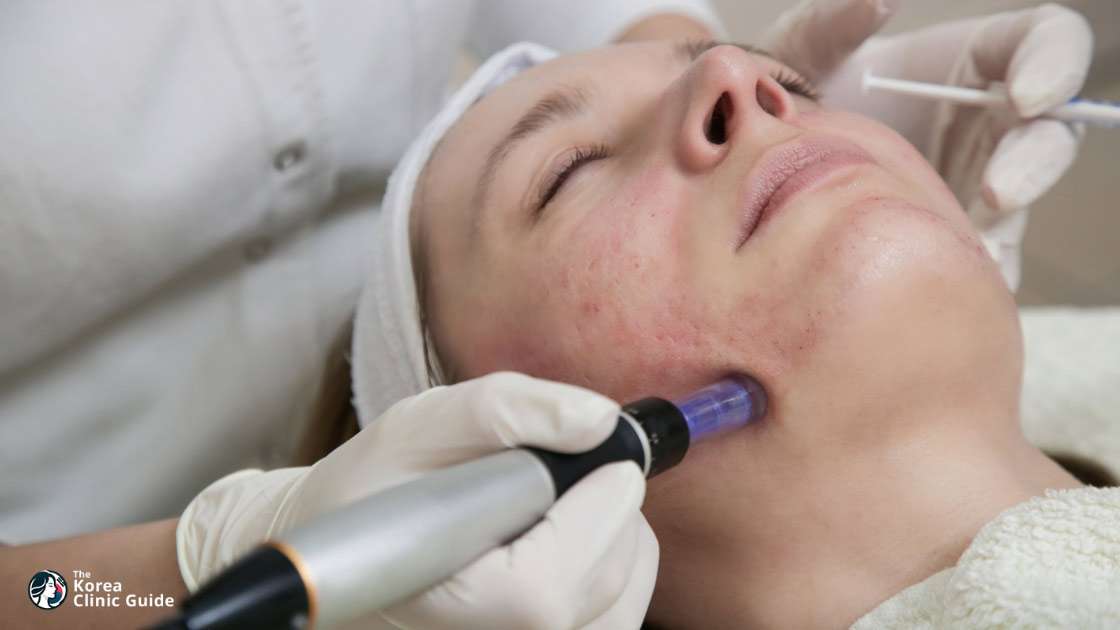
Table of contents
- MTS Facial Treatment at a Glance
- What Is MTS Facial Treatment?
- Who Is a Good Candidate for MTS Facial Treatment?
- How Is MTS Facial Treatment Performed?
- Why Visit Korea for MTS Facial Treatment?
- Key Information for International Patients
- Which Are the Best Clinics in Korea for Mts Facial Treatment?
- MTS Facial Treatment From Start to Finish
- Alternatives to MTS Facial Treatment
- How Can I Prepare for MTS Facial Treatment?
- Aftercare Advice
Considering treatment in Korea? Everything you need to know e.g. — how to avoid scams, visas, interpreters, recovery tips — in our Medical Tourism Master Guide. Plan with confidence in minutes, not weeks!
Last updated: September 2026
MTS Facial Treatment at a Glance
- What it is — MTS is mechanical facial microneedling: a sterile roller, stamp, or motorized pen creates controlled micro-punctures to gradually improve atrophic acne scars, rough texture, fine lines, and early photoaging.
- Best candidates — Adults with stable rolling or shallow boxcar acne scars, uneven texture, or fine lines and realistic expectations are typical candidates; deep boxcar and ice-pick scars often need targeted combination treatment rather than MTS alone.
- Results and sessions — Redness is not the final result—collagen remodeling develops over weeks to months. Multiple treatments are common, usually spaced about 3–4 weeks apart, but no universal session count is supported by evidence.
- Recovery and travel — Expect redness, warmth, tightness, pinpoint bleeding, or mild swelling on treatment day; visible redness often improves within several days, while peeling or roughness can last days to weeks. Allow 2–3 days in Korea before a long-haul flight.
- Important safety limits — Do not treat active acne, infection, open lesions, rashes, or a cold-sore outbreak. Infection, herpes reactivation, pigment changes, and scarring are uncommon but recognized risks; darker skin tones need individualized pigment-risk planning.
- Korea-specific distinction — In Korea, “MTS” usually means mechanical microneedling, but it may be marketed with PRP, exosomes, skin boosters, or RF. Confirm the exact device, needle depths, new single-use cartridge, and every add-on in writing; RF microneedling is a separate heat-based procedure with different risks.
- Cost and treatment planning — No reliable standardized price is available because Korean MTS packages vary by device, facial areas, needle depth, anesthetic, and add-ons. Request the all-in price and an English written treatment plan before booking.
What Is MTS Facial Treatment?
MTS facial treatment is mechanical microneedling that uses fine sterile needles to create controlled micro-punctures in facial skin. It aims to gradually improve the appearance of atrophic acne scars, uneven texture, fine lines, and early sun-related skin changes rather than provide a surgical lift. It is a minimally invasive outpatient procedure.
Who Is a Good Candidate for MTS Facial Treatment?
- Atrophic acne scars — Adults with stable rolling or shallow boxcar scars who want gradual improvement in scar texture are typical candidates. Deep boxcar and ice-pick scars often need a targeted combination plan rather than MTS alone.
- Texture and early photoaging — Good candidates want gradual refinement of rough texture, fine lines, and selected sun-related skin changes, with realistic expectations rather than a surgical lifting result.
- Commitment to a treatment series — Most facial-rejuvenation studies use multiple treatments, and acne-scar protocols commonly space sessions about 3–4 weeks apart. A 2025 systematic review found variable schedules and nonstandardized outcome measures, so no universal number of sessions is evidence-based.
- Reliable aftercare — Candidates can avoid tanning and unprotected sun exposure, use clinician-approved barrier care, and postpone abrasive skincare while the skin heals.
Do not undergo MTS over active bacterial, viral, or fungal infection, open or inflamed acne, an active rash, or a current cold-sore outbreak. Defer treatment with current isotretinoin use or use within the past 6 months, uncontrolled diabetes, immunosuppression, a bleeding disorder, or unapproved anticoagulant/antiplatelet management. Pregnancy and breastfeeding, a keloid tendency, healing-risk conditions, suspicious lesions, and allergy to stainless steel, anesthetic, or planned topical products require clinician assessment and can rule out treatment. Discuss recurrent herpes simplex specifically because needling can reactivate cold sores; patients with darker skin tones also need individualized counseling on post-inflammatory hyperpigmentation or hypopigmentation, as some device studies did not include darker skin types.
How Is MTS Facial Treatment Performed?
MTS in Korea usually means mechanical microneedling, but the term is not a standardized protocol. Obtain the device model, cartridge type, needle-depth range, and every add-on in writing before consenting.
- Manual roller — A needle cylinder is rolled across the skin. It is less precise on curved facial areas and can create angled needle entry when used poorly.
- Manual stamp — A flat needle array is pressed vertically into a focused area. It can suit selected scars but is less efficient for broad facial treatment.
- Motorized pen — A Dermapen-type device uses reciprocating needles with adjustable speed and depth. This permits area-specific settings, which matters because the forehead, cheeks, perioral skin, and scarred areas do not require identical treatment.
- MTS with PRP or topical products — PRP, ampoules, exosomes, skin boosters, and topical medicines create a separate combination procedure, not standard MTS. The FDA notes that microneedling devices are not approved to deliver cosmetics, medicines, vitamins, or blood products into skin; this U.S. regulatory position does not determine Korean rules, but it is an important evidence and consent limitation.
- RF microneedling — This is not routine mechanical MTS. Needles deliver radiofrequency heat, changing both recovery and risk. The FDA reported serious complications with certain aesthetic RF microneedling uses, including burns, scarring, fat loss, disfigurement, and nerve damage.
Why Visit Korea for MTS Facial Treatment?
Korea is a practical destination for a dermatology-focused visit, particularly when an international patient needs an English treatment plan and a clear post-travel contact route. It is not established that mechanical MTS performed in Korea produces better outcomes than properly performed treatment elsewhere. The advantage is access and verification, not proven procedural superiority.
- Large international dermatology market — Official 2024 data recorded 1.17 million foreign patients, with dermatology accounting for 705,000 visits, or 56.6% of the total. The national report documents this scale of international dermatology care.
- Facility verification — Check whether the exact clinic is registered to attract foreign patients through the Medical Korea registered-institution system. Registered institutions operate within the foreign-patient framework, including a malpractice-liability-insurance requirement.
- A familiar local term — “MTS” is widely used in Korean dermatology and aesthetic practice for mechanical microneedling. Confirm that this is not shorthand for RF microneedling, PRP, exosomes, injectable skin boosters, or laser treatment.
- Written treatment details — Request an English plan stating the diagnosis, practitioner credentials, device manufacturer and model, needle depths by facial area, use of a new single-use cartridge, anesthetic ingredients, aftercare products, expected downtime, and overseas complication contact pathway. Cartridge reuse is unsafe and can transmit infection.
Key Information for International Patients
- Minimum stay — Allow at least 2–3 days for uncomplicated standard facial MTS: consultation and treatment on day 1, then time to confirm that redness, swelling, or irritation is settling before a long-haul flight.
- Flight timing — No evidence-based no-fly interval exists for uncomplicated mechanical microneedling. Delay departure for worsening pain, marked swelling, blistering, spreading redness, pus, fever, or other complications.
- Repeat visits — A short trip can include consultation and one treatment, but not a complete scar or rejuvenation course. Sessions are commonly spaced about 3–4 weeks apart, so arrange continuity with a qualified clinician at home when appropriate.
- Itinerary impact — Expect procedure-day redness, warmth, tightness, pinpoint bleeding, or mild swelling. Visible redness often improves over several days; dryness, itch, roughness, peeling, or crusting can last days to weeks depending on depth, skin sensitivity, and added treatments.
- Independent discharge — Topical anesthetic alone does not normally require a companion, and same-day discharge is typical. Arrange a companion and do not drive if oral sedation is used or another sedating procedure is added.
- Remote follow-up — Before leaving Korea, obtain English aftercare instructions, treatment settings, product names, photos of the immediate result when useful, and a secure clinic contact for overseas questions.
Travel note: Schedule MTS early in the trip rather than immediately before major photos, beach plans, sauna visits, or a long-haul departure.
Which Are the Best Clinics in Korea for Mts Facial Treatment?
Listed below are some of the best clinics in Korea for mts facial treatment.
1. Duna korean medicine clinic
If you are considering MTS facial treatment, Duna Korean Medicine Clinic’s available information does not specifically list MTS. Its most relevant facial-focused care is for facial asymmetry, jaw balance, TMJ-related tension, facial palsy, and facial nerve pain, using Korean medicine and hands-on approaches tailored to symptoms and movement concerns.
- URL: Duna korean medicine clinic Website
- Location: Seoul
- Facial and jaw care:
- Facial asymmetry care addresses imbalances in facial tension and alignment, alongside guidance on habits that affect facial muscle use.
- TMJ disorder care focuses on jaw discomfort, limited jaw movement, and associated muscle tension through manual techniques and Korean medicine therapies.
- Facial palsy care is intended to support facial muscle function and track changes in symmetry and movement.
- Trigeminal neuralgia support care focuses on managing facial pain and identifying triggers that may worsen symptoms.
- Related treatments:
- Acupuncture may be tailored to your pain location, sensitivity, and functional goals to address muscle tightness and overuse-related discomfort.
- Pharmacopuncture uses herbal extracts delivered at specific points as a localized option for musculoskeletal pain and inflammation.
- Chuna manual therapy is used for posture and musculoskeletal imbalance, with techniques intended to improve joint and soft-tissue mobility.
2. Sinsoe Women's Clinic
If you are looking into MTS facial treatment, Sinsoe Women’s Clinic’s supplied service information does not specifically confirm that MTS is offered. The closest relevant listing is its customized skin and body programming, which is designed around your individual skin condition; you would need to clarify the exact facial treatment and plan available.
- URL: Sinsoe Women's Clinic Website
- Location: Gangnam-gu, Seoul
- Skin and body programs:
- Customized programs focus on individual skin conditions and body contouring goals.
- Plans are designed around your skin health and body-shape concerns.
- Other listed services:
- Hair-loss services include diagnostic and treatment options, including medical and surgical approaches.
- Gynecology services include care for infections and STDs, menstrual disorders, urinary incontinence and pelvic-floor disorders, and menopause symptoms.
- The clinic also lists HIFU treatment for uterine fibroids.
3. THANK YOU Plastic Surgery Clinic
If you are considering MTS facial treatment, THANK YOU Plastic Surgery Clinic’s listed treatments do not specifically include MTS. Its documented non-surgical facial and skin options include Rejuran, filler/Botox, laser lifting, and thread lifting, with direct consultations and procedures performed by experienced medical personnel in their respective fields.
- URL: THANK YOU Plastic Surgery Clinic Website
- Location: Gangnam-gu, Seoul
- Skin and facial options:
- Rejuran is listed as a skin-healing treatment derived from salmon DNA.
- Filler and Botox are available for wrinkle reduction or feature enhancement, such as lip enhancement.
- Laser lifting is listed for skin tightening or wrinkle reduction.
- Thread lifting is a minimally invasive option intended to lift and tighten skin.
- Surgical facial options listed include forehead lift, face lift, mid-face lift, and neck wrinkle lift.
- Care and surgical policies:
- The clinic states that it avoids unnecessary procedures and aims to tailor aesthetic solutions to individual needs.
- It describes direct consultations and surgeries by experienced medical personnel specialized in their fields.
- A post-operative care system is listed, along with a policy against proxy surgery and a real-name system for surgeries.
MTS Facial Treatment From Start to Finish
- First contact and virtual review — Send clear unfiltered photographs and a concise history of acne activity, scar treatments, pigment changes, cold sores, allergies, isotretinoin, medications, supplements, pregnancy or breastfeeding status, and travel dates. Ask whether English consultation and remote follow-up are available.
- Written plan before travel — Confirm that the booking is for mechanical MTS, not RF microneedling or a bundled product treatment. Request the device model, anticipated depth range, cartridge policy, topical anesthetic, all planned add-ons, estimated downtime, and total cost.
- In-person assessment — The clinician examines scar morphology, active acne, dermatitis, melasma, rosacea, moles or lesions, skin tone, and pigment history. Standardized photographs are commonly taken. Deep scars and inflammatory acne require a tailored plan or a different treatment.
- Medical clearance when needed — Routine blood tests are not generally required for uncomplicated facial MTS. Treatment is delayed or medical clearance requested when anticoagulant use, bleeding risk, diabetes control, infection, immunosuppression, or another healing concern is identified.
- Cleansing and anesthetic — Makeup and surface oils are removed. A topical local anesthetic is sometimes applied and then fully removed before needling. Fasting is not normally needed unless sedation or another procedure is added.
- Microneedling treatment — The clinician uses a sterile, new single-use roller, stamp, or motorized cartridge to make controlled passes over the planned facial areas. Depth and pass number should be adjusted for anatomy, scar type, skin response, and pigment risk rather than standardized across the whole face.
- Immediate aftercare and discharge — A clinician-approved bland barrier product is applied, followed by written aftercare instructions. Mechanical MTS is usually an outpatient treatment, and discharge occurs the same day.
- Early recovery check — Share requested photographs or attend an in-person review before departure when redness, swelling, pain, or irritation is more than expected. Do not use unapproved active skincare or add-on products during this phase.
- Overseas follow-up and series planning — Continue follow-up remotely if needed. Assess scar or collagen-related change over months, not immediately after redness resolves; formal acne-scar studies have followed results from 1 to 6 months after treatment. Evidence supports improvement in acne-scar appearance, but comparative evidence against laser and combination approaches remains inconsistent.
Alternatives to MTS Facial Treatment
The best alternative depends on whether the dominant concern is scar depth, texture, pigment, or active acne. Non-surgical options involve less downtime but often require a series; scar-focused combination treatment or ablative resurfacing can address deeper defects but carries greater recovery and pigment-risk considerations.
Targeted Acne-Scar Treatment
- Best for — Mixed rolling, boxcar, and ice-pick scars that will not respond equally to full-face MTS.
- Tradeoff — Subcision, focal chemical reconstruction, excision, filler, and resurfacing can target scar anatomy more precisely but require a scar-by-scar assessment. See acne scar treatment and atrophic scar treatment.
Chemical Peels
- Best for — Superficial texture and selected pigment concerns rather than deep tethered scars.
- Tradeoff — Peels have different chemical injury and pigment-risk profiles. A meta-analysis found no clear overall superiority of microneedling or peels for atrophic acne scars; selection should reflect scar morphology, phototype, downtime tolerance, and clinician expertise. See chemical peels.
Fractional Laser Resurfacing
- Best for — More substantial resurfacing needs, scar texture, and photoaging when a patient accepts more intensive recovery.
- Tradeoff — Nonablative fractional lasers usually have less downtime than ablative CO2 treatment, while ablative treatment can involve greater recovery and risk. See Fraxel laser and CO2 laser.
RF Microneedling
- Best for — Patients specifically assessed for a needling-and-heat treatment rather than mechanical MTS alone.
- Tradeoff — It is a separate energy-based procedure, not an upgraded MTS session. Discuss the FDA-reported serious complication profile and the device-specific plan before considering Secret RF microneedling or Potenza.
Pigmentation-Focused Treatment
- Best for — Melasma or discoloration as the main concern rather than scarring or texture.
- Tradeoff — Defined microneedling-assisted regimens with tranexamic acid or cysteamine have controlled-trial evidence for melasma, but that evidence does not validate generic brightening, pore, lifting, or proprietary ampoule claims. See pigmentation treatment.
How Can I Prepare for MTS Facial Treatment?
- Disclose medicines and supplements early — Provide warfarin, heparin, aspirin, other anticoagulants or antiplatelets, NSAIDs such as ibuprofen or naproxen, isotretinoin, fish oil/omega-3, vitamin E, ginkgo, garlic supplements, and all prescription medicines. Do not independently stop prescribed anticoagulants; the prescriber and treating clinician must agree on a safe plan.
- Pause irritating skincare only when instructed — Ask the clinic when to stop tretinoin, adapalene, retinol, benzoyl peroxide, and alpha- or beta-hydroxy acids. The FDA flags increased post-treatment sensitivity to retinol, glycolic acid, menthol, capsaicin, and alcohol-containing products.
- Avoid tanning and sunburn — Do not arrive with recently tanned or sunburned skin. Confirm that reliable UV avoidance is realistic for the following 2 weeks.
- Report skin changes — Contact the clinic before the appointment for a cold sore, facial rash, infection, open lesion, inflamed acne flare, new suspicious mole, or eczema/psoriasis flare in the treatment area.
- Arrive with clean skin — Remove makeup and avoid applying fragranced or active products on the treatment morning unless the clinic gives different instructions.
- Plan alcohol, smoking, and heat exposure — Reduce or stop smoking and avoid alcohol around treatment as directed by the clinic. Exact intervals are not standardized in the microneedling evidence base.
- Organize travel flexibly — Book treatment early in the visit, keep accommodation close enough for a review if needed, and avoid non-refundable departure plans immediately afterward.
- Confirm anesthesia and transport — No fasting is normally required with topical anesthetic alone. Follow fasting and companion instructions if oral sedation or another procedure is added.
Travel note: Bring a written medical summary and product list in English, including prior pigment reactions and cold-sore history.
Confirm the clinic-specific requirements and the treating doctor’s individualized instructions before pausing any medicine, supplement, or skincare product.
Aftercare Advice
Protect the healing skin barrier and treat worsening symptoms as a reason to contact the clinic, not as normal recovery.
- Cleanse and moisturize gently — Use only the clinician-approved gentle cleanser and bland barrier moisturizer. Avoid rubbing, scrubbing, facial tools, and friction while puncture sites remain open or the skin feels raw.
- Avoid active and irritating products — Do not restart retinoids, exfoliating acids, benzoyl peroxide, fragranced skincare, or alcohol-containing products until the treating clinician clears them. Avoid makeup until the skin barrier has recovered according to the clinic’s directions.
- Limit heat, sweat, and water exposure — Avoid strenuous exercise, saunas, hot tubs, pools, and excessive sweating until redness settles and puncture sites have closed. The precise restriction period depends on needle depth and whether other treatments were added.
- Use strict sun protection — Avoid direct sun and wear broad-spectrum SPF 50 sunscreen once the clinician confirms it is tolerated. This is particularly important for patients prone to post-inflammatory hyperpigmentation.
- Track recovery realistically — Redness and tightness are expected early; dryness, roughness, itching, peeling, or crusting can persist longer. Do not judge acne-scar or collagen results immediately, because remodeling develops over weeks to months.
- Escalate warning signs promptly — Seek urgent clinical advice for increasing redness, warmth, swelling, pain, pus, spreading rash, fever, blistering, persistent bleeding, cold-sore flare, marked pigment change, facial weakness or numbness, or eye symptoms. Infection, herpes reactivation, pigment alteration, and undesirable scarring are recognized risks.
Follow the treating doctor’s instructions over general guidance and contact the clinic promptly when recovery appears to worsen rather than improve.
Frequently Asked Questions
Related Blogs
Effective Juvelook Volume Filler for Lip Wrinkles Treatment in Korea
Discover how Korea leads in treating lip wrinkles—or perioral rhytides—with advanced procedures like Juvelook Volume Filler. Combining hyaluronic acid and PDLLA, this innovative Korean treatment offers immediate hydration and long-term collagen stimulation, effectively reducing smoker's lines and lipstick lines. Experience enhanced skin firmness, natural lip rejuvenation, and lasting results over
Updated: Oct 4, 2026
Dehydrated Lips Treatment with Hydro Injection in Korea: Effective Solutions for Moisturizing and Rejuvenation
Discover the benefits of Hydro Injection in Korea, a leading solution for dehydrated lips caused by cheilitis and related conditions. This minimally invasive procedure uses hyaluronic acid-based treatments to deeply hydrate, smooth, and rejuvenate lips, addressing issues such as chapped lips and fine lines. Korea’s advanced clinics offer expert care, streamlined processes, and cost-effective optio
Updated: Oct 3, 2026

Allergic Pigmentation Treatment with Pico Toning in Korea: Effective Solutions for Clear Skin
Discover how Pico Toning laser treatment in Korea effectively addresses Post-Inflammatory Hyperpigmentation (PIH), also known as allergic pigmentation or post-inflammatory brown spots. This advanced skin pigmentation procedure uses ultra-short pulses to break down melanin, making Korea a top destination for safe, affordable, and expert care. Learn about the treatment process, benefits, costs, and
Updated: Oct 3, 2026
Sallow Complexion Solutions: Skin Whitening Injection Treatment in Korea for Radiant Skin
Discover how Korea leads in medical tourism for skin whitening and treatment of sallow complexion. This blog explores causes like anemia and vitamin deficiencies, details Korea’s innovative skin whitening injections—featuring glutathione, vitamin C, and tranexamic acid—outlining procedures, costs, and patient experiences. Learn how Korea’s advanced clinics offer safe, effective treatments to brigh
Updated: Oct 2, 2026
Clinics offering MTS Facial Treatment

Herne Clinic: Premier Destination for Advanced Aesthetic Procedures in Korea
Gangnam Station

Kyurim Korean Medicine Clinic Myeongdong: Traditional and Holistic Healthcare Solutions in Korea
Myeongdong

THANK YOU Plastic Surgery Clinic: Korea's Leading Destination for Safe, Tailored Cosmetic Procedures and Rejuvenation Treatments
Gangnam Station

Reverse Clinic - Jongno: Comprehensive Aesthetic Treatments in Korea for Skincare, Body Contouring, and More
Jongno