
Medical Tourism Blog
Minor Dorsal Irregularity Correction with Nose Sculpting Injection in Korea: Effective Non-Surgical Solution
Table of contents
- Understanding Minor Dorsal Irregularity
- Nose Sculpting Injections: A Detailed Medical Procedure Overview
- Best Clinics in Korea for Minor Dorsal Irregularity
- The Process of Getting Nose Sculpting Injections in South Korea for Medical Tourists
- Costs Associated with Nose Sculpting Injections in South Korea and Global Comparison
- Patient Experiences and Outcomes: Addressing Minor Dorsal Irregularity
- Conclusion
- References
Considering treatment in Korea? Everything you need to know e.g. — how to avoid scams, visas, interpreters, recovery tips — in our Medical Tourism Master Guide. Plan with confidence in minutes, not weeks!
Understanding Minor Dorsal Irregularity
If you’re bothered by a “minor dorsal irregularity”—a small bump or unevenness along the bridge of your nose—you’re not alone. Many people seek ways to smooth out their nasal profile for cosmetic reasons. Understanding what this condition is and the terms used to describe it can help you make informed choices about your options.
What is a Dorsal Hump?
A dorsal hump is a bump or irregularity in the cartilage and bone along the bridge of the nose. Instead of a straight slope, there’s a visible protrusion. Most dorsal humps are harmless and don’t affect breathing, unlike issues like a deviated septum. People usually seek correction for cosmetic reasons, feeling self-conscious about their appearance.
Dorsal humps can be mild, moderate, or severe, and genetics are often to blame. They may become noticeable during puberty, but trauma, injury, or overgrowth of cartilage or bone can also cause them. Less commonly, infections, polyps, boils, or severe allergies might contribute. If infection is present, symptoms like swelling, pain, or redness may occur, but the bump itself won’t disappear on its own.
Common Pseudonyms and Related Terminology
When researching, you might see terms like “dorsal nose bump” or “bumpy nose.” After dermal filler injections, terms such as “bridge irregularity post filler” or “lumpiness after filler nose job” are common. Other descriptors include lumps, bumps, beading, nodules, granulomas, blebs, cysts, induration, delayed hypersensitivity reactions, and sterile abscesses. The Aesthetic Complications Expert Group uses “Delayed Onset Nodule (DON)” for many of these issues. “Lumps after filler dissolved” may refer to tissue response, not leftover filler. “Thin nasal skin” means the skin is transparent, making the nasal framework more visible, which is different from “rhinophyma,” a condition involving thickened skin.
Since dorsal humps are usually harmless, treatment is almost always for appearance. Non-surgical nose sculpting injections are best for small to moderate humps, focusing on aesthetic refinement rather than major structural changes. Because so many terms are used, it’s easy to get confused or misdiagnose yourself online. That’s why a thorough consultation with a qualified professional is essential to ensure you’re a good candidate for non-surgical correction and to set realistic expectations.
Nose Sculpting Injections: A Detailed Medical Procedure Overview
Nose sculpting injections provide a non-surgical way to reshape and refine the nose, offering an alternative to traditional rhinoplasty. Here’s what you need to know about the procedure, materials, benefits, and safety.
What is Non-Surgical Rhinoplasty (Liquid Nose Job)?
Nose sculpting injection, also called “non-surgical rhinoplasty,” “liquid nose job,” or “injectable nose fillers,” uses injectable dermal fillers to reshape the nose. The goal is to add volume in specific areas, smooth out bumps, correct minor asymmetry, refine or lift the tip, fill dents, or raise a flat bridge. The most common filler is hyaluronic acid, which is injected just beneath the skin to reshape the nose.
Types of Fillers and Materials Utilized
- Dermal Fillers:
- Hyaluronic Acid (HA) Fillers: Brands like Juvederm, Restylane, and Belotero are popular for their safety and natural look. Results last 6–18 months, and HA fillers can be dissolved with hyaluronidase if needed. They’re ideal for smoothing bumps and refining contours.
- Calcium Hydroxylapatite (CaHA) Fillers: Radiesse is a common example, offering more structural support and lasting up to 1.5 years. Unlike HA fillers, they can’t be dissolved.
- Polymethylmethacrylate (PMMA) Fillers: Bellafill is semi-permanent and used by experienced practitioners.
- Medical-Grade Liquid Silicone: Rarely used due to higher risks.
- Nose Thread Lift (PDO/PCL Threads): Absorbable threads are inserted to lift and shape the nose, often combined with fillers. Results last 1–2 years.
- Botox for Nose Lift: Botulinum Toxin (Botox) can subtly lift the tip or reduce movement, but effects last only 3–4 months.
How Nose Sculpting Injections Work
The procedure involves injecting filler with a fine needle or micro-cannula, either just under the skin or deeper for more support. For minor dorsal irregularities, the key technique is Dorsal Hump Camouflage—filler is placed above and below the hump to create a straighter profile, blending the bump into the nose’s contour. Other techniques include correcting sidewall asymmetries, refining the tip, augmenting a flat bridge, or fixing minor post-rhinoplasty flaws. After injection, the practitioner molds the filler for the desired shape.
Benefits of Non-Surgical Nose Sculpting
- Minimally Invasive: No surgery, stitches, or general anesthesia.
- Quick Procedure: Usually 15–60 minutes.
- Immediate Results: Noticeable improvements right away, with full effect in a few days to weeks.
- Minimal Downtime: Most people return to daily activities immediately.
- Reversible (for HA Fillers): HA fillers can be dissolved if needed.
- Customizable: Tailored to your facial structure and goals.
- Cost-Effective: Less expensive than surgical rhinoplasty.
- Less Pain: Numbing cream minimizes discomfort.
- Potential Functional Benefits: May support the nasal valve and improve breathing.
- Collagen Stimulation: HA fillers can boost natural collagen production.
Choosing between temporary HA fillers and longer-lasting options depends on your preferences. Many people prefer HA fillers for their reversibility and lower risk.
Potential Risks, Side Effects, and Safety Considerations
Common, Mild, and Temporary Side Effects:
- Redness, swelling, bruising, tenderness, or firmness at the injection site.
Rare but Serious Complications:
- Vascular Complications: Filler in a blood vessel can block blood flow, risking skin necrosis.
- Vision Loss: Extremely rare, but possible if filler reaches vessels supplying the eye.
- Filler Migration: Filler may move, causing unevenness.
- Infection or granuloma formation.
- Nausea.
To minimize risks, always choose a board-certified, experienced injector. Complications are more likely with unlicensed providers.
Safety Tips:
- Before the Procedure: Avoid blood thinners, alcohol, and caffeine for two weeks. Arrive with a clean face, stay hydrated, and eat beforehand.
- After the Procedure: Avoid alcohol for 48 hours, keep your head elevated, stay hydrated, and avoid pressure on the nose. Protect your skin from the sun.
Since this is a newer procedure, long-term effects aren’t as well studied as surgery. Insurance usually doesn’t cover cosmetic procedures like non-surgical rhinoplasty.
Best Clinics in Korea for Minor Dorsal Irregularity
Listed below are the best clinics in Korea for minor dorsal irregularity:
| Clinic Name | Key Features | Special Techniques |
|---|---|---|
| Haru Clinic Website | High-level filler expertise with a design-driven, minimally invasive approach prioritizing natural results; Led by Dr. Jeong, an official Merz research physician and educator who trains other doctors in the latest injection techniques; especially equipped to refine subtle bridge unevenness with precise, controlled correction; With advanced non-invasive methods, Haru can deliver transformative, long-lasting improvements that can rival more invasive options, while keeping downtime minimal and allowing patients to return to daily life quickly. | Precise, controlled correction to refine subtle bridge unevenness; design facial balance to create harmony; advanced non-invasive methods. |
| PangPang Clinic Website | For patients in Korea exploring minimally invasive options to address minor dorsal irregularity, PangPang Clinic in Gangnam, Seoul stands out as a medical institution that focuses exclusively on thread lifting—building depth and consistency in technique that general aesthetic practices may not match. The clinic’s medical team remains closely connected to global trends and standards through invited lectures and presentations at international beauty conferences, reflecting an active role in professional exchange and procedural advancement. PangPang Clinic also established the world’s first and only Thread Lifting Research Institute, supporting ongoing development of advanced, high-satisfaction thread lifting approaches grounded in research and clinical data. Treatment planning begins at the Thread Lifting Consultation Center, where the team listens carefully to each client’s concerns and goals, then tailors a plan using a set of 31 specialized functional threads—allowing a more optimized, personalized approach for subtle contour concerns where precision and customization matter. | Thread lifting-focused with depth and consistency; connected to global trends through invited lectures and international conferences; world’s first Thread Lifting Research Institute; Thread Lifting Consultation Center; uses 31 specialized functional threads for personalized contour optimization. |
| B.V Clinic Website | B.V Clinic, Sinnonhyeon Station, Korea, focuses on rejuvenation and enhancing natural beauty through advanced, non-surgical lifting and skin-tightening treatments. Known for professional standards and highly personalized care, the clinic designs each plan with precision so results look balanced and natural—an important advantage for people concerned about minor dorsal irregularity, where subtle facial harmony and careful, detail-oriented management can make a noticeable difference in overall profile refinement. | Advanced thread lifting options (3D Thread Lifting, Full Face Lifting, non-surgical forehead wrinkle restoration); energy-based tightening options (Shurink Lifting (HIFU), Potenza Lifting (RF), Thor Lifting); volume lifting; comprehensive aftercare program (skin regeneration management, swelling care, elasticity support, high-tech ultrasound care); holistic wellness support through an all-in-one wellness program (detox injections, vitamin drips, immune-boosting treatments). |
Haru Clinic
Haru Clinic in Sinsa, Seoul is an outstanding choice for treating Minor Dorsal Irregularity in Korea because it combines high-level filler expertise with a design-driven, minimally invasive approach that prioritizes natural results. Led by Dr. Jeong—an official research physician at Merz, the company behind Belotero filler, and an educator who trains other doctors in the latest injection techniques—Haru is especially equipped to refine subtle bridge unevenness with precise, controlled correction. Rather than “overfilling” the nose, Dr. Jeong carefully designs each patient’s facial balance to create harmony and a refreshed look that matches the individual’s features. With advanced non-invasive methods, Haru can deliver transformative, long-lasting improvements that can rival more invasive options, while keeping downtime minimal and allowing patients to return to daily life quickly.
You can check out their website here: Haru Clinic Website
PangPang Clinic
For patients in Korea exploring minimally invasive options to address minor dorsal irregularity, PangPang Clinic in Gangnam, Seoul stands out as a medical institution that focuses exclusively on thread lifting—building depth and consistency in technique that general aesthetic practices may not match. The clinic’s medical team remains closely connected to global trends and standards through invited lectures and presentations at international beauty conferences, reflecting an active role in professional exchange and procedural advancement.
PangPang Clinic also established the world’s first and only Thread Lifting Research Institute, supporting ongoing development of advanced, high-satisfaction thread lifting approaches grounded in research and clinical data. Treatment planning begins at the Thread Lifting Consultation Center, where the team listens carefully to each client’s concerns and goals, then tailors a plan using a set of 31 specialized functional threads—allowing a more optimized, personalized approach for subtle contour concerns where precision and customization matter.
You can check out their website here: PangPang Clinic Website
B.V Clinic
B.V Clinic, located at Sinnonhyeon Station in Korea, is an aesthetic clinic focused on rejuvenation and enhancing natural beauty through advanced, non-surgical lifting and skin-tightening treatments. Known for professional standards and highly personalized care, the clinic designs each plan with precision so results look balanced and natural—an important advantage for people concerned about minor dorsal irregularity, where subtle facial harmony and careful, detail-oriented management can make a noticeable difference in overall profile refinement.
- Convenient location at Sinnonhyeon Station, making visits and follow-ups easier for busy schedules.
- Precision-focused, personalized treatment planning to align with individual aesthetic goals—ideal when you want subtle, natural-looking improvement rather than dramatic change.
- Advanced thread lifting options (3D Thread Lifting, Full Face Lifting, and non-surgical forehead wrinkle restoration) to support facial contour balance and a refreshed look without surgery.
- Multiple energy-based tightening choices to refine overall skin quality and contours:
- Shurink Lifting (HIFU) for deep-layer tightening and elasticity support
- Potenza Lifting (radiofrequency) to boost collagen and improve texture concerns like pores and scars
- Thor Lifting for firming and contour support across various areas
- Volume lifting options to restore youthful structure and help maintain natural proportions, which can be especially helpful when aiming for a harmonious look in the face overall.
- Strong post-treatment support through a comprehensive aftercare program (skin regeneration management, swelling care, elasticity support, and high-tech ultrasound care) to promote smoother recovery and more satisfying results.
- Holistic wellness support through an all-in-one wellness program (detox injections, vitamin drips, immune-boosting treatments) to help support skin vitality and overall wellbeing, complementing aesthetic goals.
You can check out their website here: B.V Clinic Website
The Process of Getting Nose Sculpting Injections in South Korea for Medical Tourists
South Korea is a top destination for cosmetic procedures, attracting patients worldwide. Here’s how the process works for medical tourists, from planning to aftercare.
Why South Korea for Cosmetic Procedures?
South Korea is known for advanced techniques, cutting-edge technology, and highly specialized surgeons. Procedures cost 40%–75% less than in the US or Europe, with no compromise on quality. Clinics offer multilingual support, airport pickup, and sightseeing during recovery. All-inclusive packages cover consultations, exams, the procedure, aftercare, medications, and translation. Cosmetic surgery is common in Korea, and the aesthetic focus is on natural, harmonious results.
Step-by-Step Guide: Getting Nose Sculpting Injections in South Korea
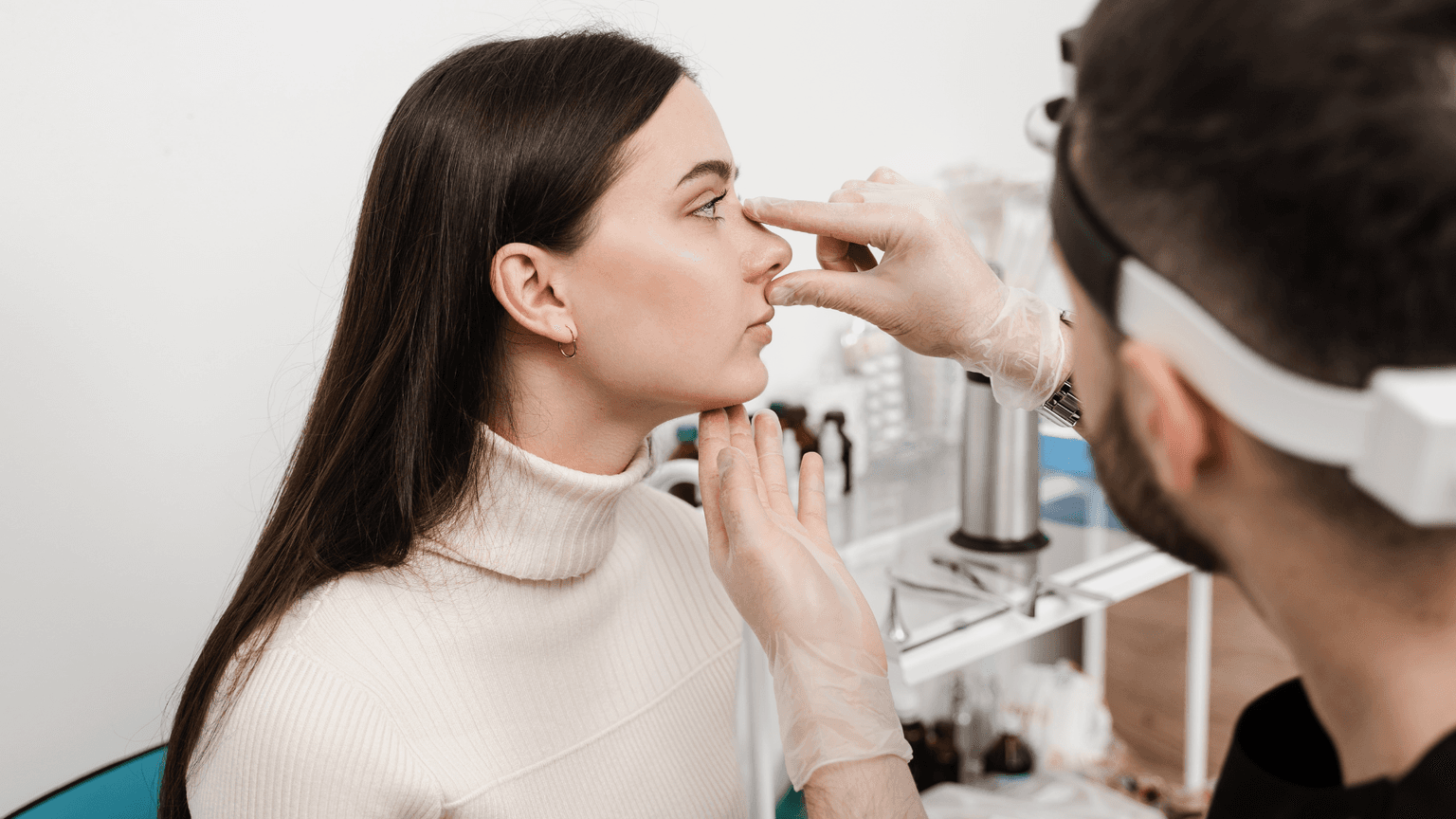
- Initial Consultation and Planning: Start with an online consultation to discuss goals and share your medical history. Some clinics offer virtual simulations. A 10% deposit is usually required to secure your appointment.
- Pre-Procedure Preparation: Avoid blood thinners, alcohol, and caffeine for two weeks. Arrive with a clean face, stay hydrated, and eat before your appointment.
- The Procedure: The nose is cleaned, numbed, and filler is injected with a needle or cannula. The practitioner sculpts the filler for the desired shape. The process takes 15–60 minutes.
- Post-Procedure Care and Recovery: Results are visible immediately. Mild swelling, redness, or bruising may occur but usually resolve in a few days. Avoid strenuous activity, keep your head elevated, and avoid pressure on the nose. Clinics provide detailed aftercare and follow-up.
- Follow-up Appointments: Follow-ups are scheduled 2–3 weeks after the procedure to assess results and address concerns. Regular check-ups help maintain results.
Patients have input throughout the process, but expert medical judgment is crucial for safety and realistic outcomes.
Choosing a Reputable Clinic and Practitioner in South Korea
Selecting the right clinic is key for safety and results.
| Criteria | Description and Why it Matters for Medical Tourists |
|---|---|
| Certification and Recognition | Look for clinics with international certifications (e.g., ISO) for safety and quality. |
| Doctor's Experience and Specialization | Choose practitioners with credentials in filler rhinoplasty and plastic surgery. Check for national certificates and society memberships. |
| Patient Recommendation Rate and Reviews | High recommendation rates and positive reviews indicate satisfaction. |
| Transparent Pricing and Payment Options | Clinics should offer clear pricing and flexible payment options. |
| Language Accessibility | English-speaking staff or interpreters are essential for clear communication. |
| Location and Accessibility | Clinics in Seoul’s Gangnam district are known for excellence and convenience. |
| Comprehensive Care and Support | Look for clinics offering full support, from consultation to aftercare. |
| Digital Technology Integration | Virtual consultations and AI simulations help visualize results. |
| Revision Policy and Scar Treatments | Ask about revision policies and scar treatments. |
| Timing of Visit | Avoid peak seasons and holidays for better care. |
| Extended Stay for Recovery | Consider staying in Korea for follow-up care and adjustments. |
Notable clinics include Haru Clinic, PangPang Clinic, B.V Clinic, Seojin Plastic Surgery Clinic, Three Wishes Clinic - Myeongdong, The LINE Plastic Surgery, and Delightful Aesthetics Plastic Surgery.
Costs Associated with Nose Sculpting Injections in South Korea and Global Comparison
Cost is a major consideration for medical tourists. Here’s what to expect in Korea and how it compares globally.
Cost Ranges in South Korea
Non-surgical nose sculpting injections in Korea typically cost $600 to $2,000 USD. More specific options include:
- Non-Surgical Nose Job: $200–$700 USD
- Non-Surgical Nose Correction: $360 USD
- Misko Procedure (Injectables): $300–$1,500 USD
- Misko Procedure (Threads): $1,500–$3,000 USD
Surgical rhinoplasty in Korea ranges from $2,000 to $10,000 USD, and up to $12,000 USD in the US.
Factors Influencing Cost in Korea
- Clinic Location: Premium areas like Gangnam cost more.
- Practitioner’s Experience: More experienced doctors may charge higher fees.
- Complexity: More intricate procedures cost more.
- Type of Filler: Advanced or longer-lasting fillers are pricier.
- Number and Type of Threads: More threads mean higher cost.
- Anesthesia Type: Local anesthesia is less expensive.
- No Overnight Stays: No hospital stay keeps costs down.
- Add-on Procedures: Additional treatments increase the total.
- Pre/Post-Op Tests: Sometimes included, sometimes extra.
- All-inclusive Packages: Many clinics offer bundled pricing.
Comparison with Other Countries
| Country | Typical Cost Range (USD) | Key Factors Influencing Cost / Notes for Medical Tourists |
|---|---|---|
| South Korea | $300–$1,500 (Injectables) / $1,500–$3,000 (Threads) | Competitive pricing, advanced tech, high specialization, local anesthesia, no overnight stays, strong support. |
| USA | $3,500–$7,000 | Higher facility fees, possible general anesthesia. |
| Japan | $2,000–$4,000 | No overnight stay, similar to Korea. |
| Australia | $3,000–$6,000 | Higher service pricing. |
| UK | $4,000–$7,000 | High service costs. |
| Thailand | $1,800–$3,500 | Competitive, but variable standards. |
| Mexico | Affordable | Evaluate risks of substandard materials. |
| Turkey | $2,000–$3,000 | Known for cosmetic surgery, but quality varies. |
South Korea offers a strong balance of affordability and quality, with advanced technology and strict standards. While some countries may be cheaper, they may not offer the same level of safety or expertise.
Value Proposition for Medical Tourists
South Korea combines competitive pricing, advanced technology, and specialized expertise. Patients save 40%–75% compared to the US or Europe, with comprehensive support for international patients. However, since results last 6–18 months, repeat treatments are needed, so consider long-term costs if you want a permanent solution.
Patient Experiences and Outcomes: Addressing Minor Dorsal Irregularity
Patients who choose nose sculpting injections for minor dorsal irregularities usually report high satisfaction, thanks to immediate results and minimal downtime. Here’s what to expect.
Efficacy of Non-Surgical Methods for Dorsal Hump Camouflage
For minor dorsal irregularities, non-surgical rhinoplasty or liquid rhinoplasty is highly effective. Instead of removing the bump, filler is added above and below it to create a straight line, making the nose appear smaller or more refined. These methods are best for subtle refinements, not for reducing nose size or fixing major structural issues.
Before and After Expectations
Results are visible right after the procedure. Expect a smoother bridge, improved symmetry, and a refined tip. Full results appear after swelling subsides, usually within a few days to three weeks. Over time, the nose looks straighter and more balanced with your facial features.
Longevity of Results and Maintenance
Results last 6 months to 2 years, depending on:
- Type of Filler: Thicker HA fillers last longer.
- Metabolism: Faster metabolism means shorter duration.
- Injector Skill: Precise placement helps longevity.
- Lifestyle: Smoking, poor diet, and dehydration shorten results.
- Aftercare: Following instructions helps maintain results.
To keep your results:
- Stay hydrated and eat well.
- Schedule regular check-ups for touch-ups.
- Avoid pressure on the nose.
- Use sunscreen to protect your skin.
HA fillers can also stimulate collagen, sometimes leading to longer-lasting improvements and less filler needed over time.
Patient Satisfaction and Common Improvements
Most patients are very satisfied, especially when treated by qualified professionals. They appreciate the instant results, non-invasive nature, quick recovery, and the ability to “try out” changes before committing to surgery. Some even notice minor functional improvements, like easier breathing.
Addressing Concerns: Reversibility of HA Fillers
A major comfort for patients is that HA fillers are reversible. If you’re unhappy with the results or experience a complication, the filler can be dissolved with hyaluronidase. This “safety net” lets you experiment with changes without a permanent commitment.
Conclusion
Correcting a “minor dorsal irregularity” with “Nose Sculpting Injections” is a safe, effective, and minimally invasive way to refine your nasal profile. South Korea stands out for its combination of affordability, advanced technology, and expert care, making it a top choice for medical tourists. While the results are temporary and require maintenance, patient satisfaction is high, especially with the reversibility and collagen-boosting benefits of hyaluronic acid fillers. Always consult a board-certified professional to ensure the procedure is right for you and to achieve the best possible outcome.
References
1, 2, 3, 4, 5, 6, 7, 8, 9, 10, 11, 12, 13, 14, 15, 16, 17, 18, 19, 20, 21, 22, 23, 24, 25, 26, 27, 28, 29, 30, 31
Frequently Asked Questions
Related Blogs
Korea Tip Asymmetry Solutions: Tip Plasty Procedures for Balanced Nasal Tip Correction
Discover the benefits of Tip Plasty in Korea, a focused procedure to correct nasal tip asymmetry and enhance facial harmony. This advanced nose tip surgery addresses issues like uneven nostrils, bulbous, or droopy tips, combining techniques such as cartilage suturing and grafting. Korea’s top clinics offer expert care, innovative methods, and cost-effective options for those seeking aesthetic and
Updated: Oct 9, 2026
Inferior Turbinate Hypertrophy: Rhinitis Surgery Solutions in Korea for Lasting Relief
Discover effective solutions for nasal obstruction caused by inferior turbinate hypertrophy in Korea. This comprehensive guide highlights turbinate reduction surgery and septoplasty options available through Korea’s advanced ENT clinics. Learn about the causes, symptoms, minimally invasive procedures like radiofrequency ablation and microdebrider resection, and why Korea is a top destination for m
Updated: Oct 9, 2026
Nasal Tip Fibrosis Solutions: Revision Rhinoplasty Procedures in Korea for Effective Treatment
Discover how Korea leads in correcting nasal tip fibrosis after rhinoplasty through advanced Revision Rhinoplasty techniques. Learn about the causes, symptoms, and surgical options like scar tissue removal, cartilage grafting, and steroid injections. Explore why South Korea is a top destination for safe, expert treatment, with affordable costs and state-of-the-art facilities. Whether dealing with
Updated: Oct 9, 2026
Correct High Dorsal Hump with Nose Osteotomy: Advanced Rhinoplasty Procedures in Korea
Discover how Korea leads in dorsal hump correction through advanced nose osteotomy techniques and personalized rhinoplasty. This comprehensive guide highlights the benefits of traveling to Korea for expert surgeons, cutting-edge technology, and affordable prices. Learn about the rhinoplasty procedures that refine nasal contours, correct dorsal humps, and improve both appearance and breathing. Whet
Updated: Oct 9, 2026
Clinics offering Nose Sculpting Injection

Haru Clinic Korea | Fully-Customized Full-Face Non-Surgical Rejuvenation With Threads, Botox & Fillers
Sinsa

PangPang Clinic: Korea's Premier Thread Lifting and Skin Rejuvenation Specialist in Gangnam, Seoul
Sinsa
B.V Clinic Korea: Advanced Aesthetic Treatments for Natural Beauty Enhancement & Rejuvenation
Sinnonhyeon Station

LABOM Plastic Surgery: Expertise in Non-Surgical Nose, Facial Lifting & Anti-Aging Surgeries in Korea
Apgujeong