
Medical Tourism Blog
Discover the Global Appeal: How Korea's Nose Sculpting Injections Compare to Prestigious International Destinations
Table of contents
- Cost of Nose Sculpting Injection in Korea
- What Is Usually Included in Cost of Nose Sculpting Injection in Korea
- Factors Influencing the Cost of Nose Sculpting Injection in Korea
- Comparing the Cost of Nose Sculpting Injection: Korea vs the Rest of the World
- Which Are the Best Clinics in Korea for Nose Sculpting Injection?
- Cost of Coming to Korea for Nose Sculpting Injection
Considering treatment in Korea? Everything you need to know e.g. — how to avoid scams, visas, interpreters, recovery tips — in our Medical Tourism Master Guide. Plan with confidence in minutes, not weeks!
Have you ever considered enhancing your facial features without undergoing surgery? In Korea, nose sculpting injections offer an innovative, non-surgical path to achieving the desired nose shape. As the global leader in cosmetic procedures, Korea combines competitive prices with cutting-edge medical technology, making it an increasingly popular destination for those seeking subtle yet impactful adjustments to their appearance. From the affordable Hi-Ko procedure to specialized nose fillers, a wide range of options cater to diverse aesthetic needs and budgets.
Cost of Nose Sculpting Injection in Korea
Nose sculpting injections in Korea, primarily involving fillers, offer a non-surgical option for individuals seeking to enhance the appearance of their nose. This section provides a cost overview of various nose-related procedures and treatments in Korea, expressed both in South Korean Won (KRW) and U.S. Dollars (USD) for clarity.
Hi-Ko (Non-surgical Nose Job)
The Hi-Ko procedure is a popular non-surgical option that typically involves nose fillers. The price range for this procedure is quite accessible:
- In USD: $250 (upper range) - $0 (lower range)
- In KRW: ₩0 - ₩363,000
Nose Fillers
Nose fillers are commonly used for nose sculpting and fall within the following price range:
- In USD: $900 - $600
- In KRW: ₩1,301,000 - ₩867,000
Other Related Procedures
While rhinoplasty and related surgical procedures can serve as alternatives or complements to nose fillers, their costs are significantly higher. These options include:
-
Rhinoplasty:
- In USD: $7,400 - $2,200
- In KRW: ₩10,740,000 - ₩3,193,000
-
- In USD: $2,200 - $1,400
- In KRW: ₩3,193,000 - ₩2,028,000
-
- In USD: $4,700 - $2,800
- In KRW: ₩6,821,000 - ₩4,063,000
-
- In KRW: ₩20,000,000 - ₩8,200,000
- In USD: $13,780 - $5,654
-
Philtrum Reduction Surgery:
- In USD: $2,500 - $1,500
- In KRW: ₩3,629,000 - ₩2,177,000
Forehead Fillers
Forehead fillers, often considered for enhancing facial volumetrics in combination with nose fillers, have the following costs:
- In USD: $500 - $200
- In KRW: ₩726,000 - ₩291,000
Payment Considerations
When planning for a nose sculpting injection or any related procedure in Korea, it's important to consider securing your spot with a 10% upfront deposit. This deposit policy is standard practice, allowing clinics to schedule and prepare for incoming patients effectively.
What Is Usually Included in Cost of Nose Sculpting Injection in Korea
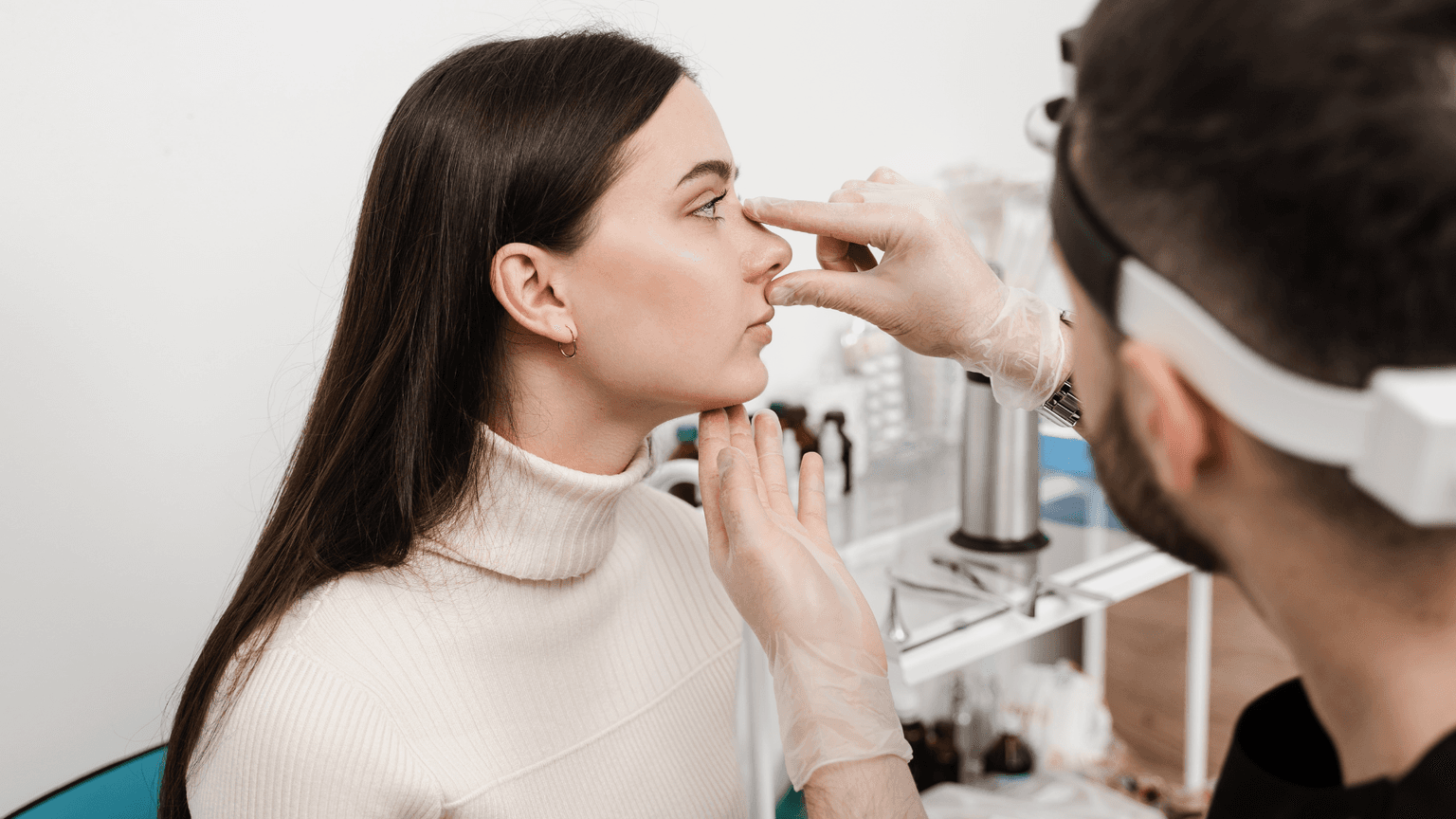
When considering a nose sculpting injection in Korea, several factors typically influence the overall cost. The pricing often encompasses various aspects since this procedure, like many other cosmetic procedures, involves multiple components that dictate the total expense. Here is a breakdown of what is commonly included in the cost of nose sculpting injections, based on different types of procedures and treatments available in Korea:
-
Overnight Stays
- For surgical nose procedures such as Rhinoplasty, Alar Reduction, Tip Plasty, and Revision Rhinoplasty, the cost often includes expenses related to overnight stays at the clinic or hospital. These stays ensure that patients receive adequate postoperative care and monitoring.
-
Add-on Procedures
- Many nose procedures may involve add-on procedures that complement the primary treatment, adding to the overall cost. For example, alongside a nose reshaping injection, patients might opt for additional enhancements to surrounding facial features.
-
Health Tests
- Preoperative and postoperative health tests might be required to ensure the patient’s fitness for surgery and to monitor recovery. These tests, which could include blood work and imaging, are often factored into the total cost.
-
Hi-Ko (Non-surgical Nose Job)
- With non-surgical options like Hi-Ko, cost considerations include the area being treated—whether it is limited to the nose tip or the whole nose—and whether fillers or threads are used. V line injections, commonly paired with this procedure to enhance overall facial symmetry, might also affect pricing.
-
Nose Fillers
- The type of filler used is a significant cost determinant. More advanced fillers or those that provide longer-lasting results may increase the price. Additionally, the complexity of the procedure, such as achieving specific contouring or corrections, can influence cost.
-
Forehead Fillers (Complementary)
- While not directly related to nose sculpting injections, some patients opt for forehead fillers as a complementary treatment to achieve harmonic facial proportions. The type of filler and the number of sessions required contribute to the expense.
Understanding these components can help potential patients better navigate the financial aspects of nose sculpting injections in Korea and ensure they are making informed decisions about their cosmetic enhancements.
Factors Influencing the Cost of Nose Sculpting Injection in Korea
The cost of nose sculpting injections in Korea can vary due to several factors, as seen in other related procedures. A key influence is the experience of the surgeon or practitioner, which is a common factor for surgical procedures like Rhinoplasty, Alar Reduction, and Tip Plasty, as well as non-surgical options such as Nose Fillers. The location of the clinic also plays a significant role, with clinics situated in premium locations often charging more. For non-surgical nose jobs like Hi-Ko, the number and type of threads used can impact the cost, tailored to the individual's desired outcome and existing nasal structure. Additionally, the reputation of the clinic and practitioner's expertise are crucial for procedures involving fillers, ensuring quality and safety in the achieved results.
Comparing the Cost of Nose Sculpting Injection: Korea vs the Rest of the World
When considering cosmetic procedures such as nose sculpting or non-surgical rhinoplasty, cost is a significant factor for many patients. Korea has become a popular destination for these procedures due to its competitive pricing and high standards of medical care. However, it's crucial to compare costs internationally and consider associated risks before making a decision.
Cost of Procedure in the USA
In the United States, the cost of a non-surgical rhinoplasty varies widely depending on several factors such as the type of fillers used, the extent of corrections needed, and geographic location of the practice. The price generally ranges from $600 to $5,900 USD:
- Non-Surgical Rhinoplasty: $600 - $2,000
- Temporary Non-Surgical Rhinoplasty: $5,300 - $5,900
- Surgical Rhinoplasty: $2,000 - $10,000
Cost of Procedure in Mexico
In Mexico, the cost of non-surgical nose jobs converted to USD can vary significantly. The procedure's price range can be attractive, particularly when compared to costs in the United States:
- Non-Surgical Nose Job (in KRW): approximately $300 - $1,000 USD
- Non-Surgical Nose Correction: $400 USD
While the cost may be lower, patients should consider potential risks such as post-procedure travel and the quality of medical facilities. It is advisable to research thoroughly and opt for reputable clinics with experienced practitioners.
Cost of Procedure in Turkey
Turkey is also a destination known for competitive pricing in cosmetic procedures, including non-surgical nose jobs. The cost, represented in USD, typically ranges as follows:
- Non-Surgical Nose Job: $200 - $700
- Non-Surgical Nose Correction: $360 USD
Although Turkey provides cost-effective options, there are certain risks involving follow-up care and language barriers. Patients must ensure that communication with healthcare providers is clear and that they receive proper post-operative support.
Cost of Procedure in Thailand
Thailand offers non-surgical nose jobs at a price range in KRW, which, when converted to USD, is approximately $350 - $900. Patients must maintain awareness of potential health concerns associated with traveling immediately post-procedure. Additionally, ensure comprehensive understanding of procedural aftercare to prevent complications.
Cost of Procedure in Australia
While Australian prices are higher than some other countries, they offer clear benefits such as shorter travel distances for domestic patients and free consultations:
- Non-Surgical Rhinoplasty: $380 - $760 USD
- Nose Filler: $760 USD
Australia's healthcare standards ensure patients receive quality care, though at a higher cost.
Overall, while Korea provides competitive pricing for nose sculpting injections, patients from around the world should consider factors such as procedure costs, travel expenses, recovery time, and potential risks associated with overseas medical care.
Which Are the Best Clinics in Korea for Nose Sculpting Injection?
Listed below are some of the best clinics in Korea for nose sculpting injection.
1. LABOM Plastic Surgery
For non-surgical nose sculpting, you can ask LABOM Plastic Surgery about its CarGel approach, which uses your own diced cartilage combined with fibrin concentrate from your blood to refine the nasal bridge and tip without synthetic implants or nasal incisions. The clinic describes a tailored design intended to create a soft, balanced nose line that fits your facial proportions.
- URL: LABOM Plastic Surgery Website
- Location: Gangnam-gu, Seoul
- Procedure details:
- CarGel is described as an injection-based rhinoplasty technique using autologous cartilage sourced from the ear, septum, or rib.
- Your cartilage is mixed with fibrin concentrate prepared from your own blood; the clinic states that this helps stabilize cartilage fragments and supports tissue healing.
- The clinic reports that treatment takes under an hour, with approximately one week of recovery.
- Material considerations:
- No artificial implant is used, which may be relevant if you want to avoid an implant-related foreign-body sensation.
- The approach is presented as an alternative for those considering longer-lasting structural refinement rather than repeated nose-filler injections.
- Planning and aftercare:
- Your plan is designed one-to-one around nasal structure and overall facial balance.
- The clinic provides pre-operative diagnosis, anesthesia monitoring, scheduled progress checks, and individualized swelling, bruising, and scar-management programs.
- A dedicated aftercare system is available for international visitors.
2. Haru Clinic
At Haru Clinic, you can discuss non-invasive facial balancing with a practitioner who emphasizes individualized design and natural-looking proportions. For nose definition, the clinic offers a nose thread lift using PDO or PLLA threads placed along the bridge and tip, while its filler services can provide adjustable contouring in other facial areas.
- URL: Haru Clinic Website
- Location: Gangnam-gu, Seoul
- Provider expertise:
- Dr. Jeong is an official research physician for Merz, the company behind Belotero Filler.
- He teaches other doctors updated filler techniques and plans treatment around facial harmony and balance.
- Non-surgical contouring options:
- Nose thread lifting uses PDO or PLLA threads to define and lift the bridge and tip through small entry points, without implants.
- Hyaluronic-acid and biostimulatory fillers are offered for immediate, adjustable definition in areas such as the cheeks, chin, jawline, lips, and tear troughs.
- Botox is available for concerns including expression lines and a square jaw.
- Related treatments:
- Thread lifting can elevate the cheeks and jawline while supporting collagen stimulation.
- Energy-based collagen tightening with radiofrequency or ultrasound is offered for non-incisional skin-firming care.
3. PangPang Clinic
If you are considering a minimally invasive approach to facial contouring, PangPang Clinic centers its practice on thread lifting and individualized planning. You can discuss whether its thread-based techniques, PIM injection program, or complementary filler and Botox options align with your facial-volume, wrinkle, or lifting goals.
- URL: PangPang Clinic Website
- Location: Gangnam-gu, Seoul
- Thread-lifting focus:
- The clinic focuses exclusively on thread lifting and reports using 31 specialized functional threads for personalized treatment planning.
- Its team participates in international beauty conferences through invited lectures and presentations.
- The clinic established a Thread Lifting Research Institute and bases ongoing procedure development on research and clinical data.
- Treatment approach:
- Thread lifting may use barbed lifting threads, assist threads, elastic tightening threads, or volume threads, selected according to your goals.
- Planning includes a physician consultation, ultrasonic visual check, and pre-procedure design.
- The clinic offers a thread aftercare package intended to support and prolong treatment effects.
- Injectable and revision options:
- PIM Injection combines Ultra Cell, thread-lifting components, and Botox; the clinic describes it as a non-invasive option for facial volume, fine wrinkles, elasticity, and complexion.
- Customized filler and Botox treatments are available alongside thread-based care.
- A thread-lifting revision center evaluates unsatisfactory prior thread-lifting results and may incorporate fillers, Botox, or lasers where appropriate.
Cost of Coming to Korea for Nose Sculpting Injection
Exploring the option of undergoing a nose sculpting injection in Korea can be an appealing choice for those seeking high-quality medical care paired with advanced cosmetic technology. However, understanding the travel-related costs is crucial for planning your medical journey. Here are some key financial considerations:
Airfare
The cost of airfare is perhaps the most significant travel expense. Prices can vary substantially based on the time of year, with tourist seasons generally seeing higher rates. For those traveling from the United States, Europe, or other continents, round-trip tickets can range from $600 to over $1,500, depending on the airline and booking time. It is advisable to book flights well in advance and consider mid-week departures to secure lower rates.
Accommodation
South Korea, particularly Seoul, offers a wide range of accommodation options to suit different budgets. From luxury hotels to budget-friendly guesthouses, nightly rates can range from $50 to over $200. For those undergoing medical procedures, several clinics offer affiliated lodging or can recommend nearby accommodations that may provide comfort and convenience.
Local Transportation
Getting around in Korea is relatively easy and cost-efficient due to its comprehensive public transportation system. The cost of a single subway or bus ride in Seoul is usually around $1 to $2. Taxis are also affordable, with base fares starting at about $3. It’s recommended to purchase a T-money card for easy access to public transport across the city.
Meals
Dining in Korea can be both an affordable and delightful part of your trip. You can enjoy a range of culinary experiences from street food to upscale dining. On average, a meal at an inexpensive restaurant costs around $5 to $10, while a three-course meal for two at a mid-range restaurant can be about $30 to $50.
Other Expenses
Additional costs to consider include travel insurance, which is essential to cover any unexpected medical issues during your trip. This can range from $50 to $200 depending on the coverage and duration of stay. Furthermore, if you plan on exploring Korea beyond the medical procedure, budget for entrance fees to attractions, souvenirs, and other leisure activities.
By understanding and planning for these costs, travelers can better prepare financially for their trip to Korea for a nose sculpting injection, ensuring a smooth and focused experience on their aesthetic goals.
Frequently Asked Questions
Related Blogs
Revision Rhinoplasty in Korea: Methods, Recovery, Travel Planning, and Alternatives
Revision rhinoplasty corrects stable cosmetic or breathing problems after prior nasal surgery using scar release, implant removal, and cartilage grafting when needed. In Korea, costs are quoted at ₩8,200,000–₩20,000,000; international patients should plan at least 10–14 days for reviews and surgeon clearance before flying.
Updated: Sep 20, 2026
Sinus Surgery in Korea: ESS Types, Recovery, Travel Planning, and Aftercare
Sinus surgery options include endoscopic procedures, balloon dilation, revision surgery, and combined nasal surgery for medically refractory chronic rhinosinusitis, polyps, or documented focal sinus disease. International patients can review candidacy, preparation, recovery, postoperative endoscopy, flight timing, and follow-up requirements for treatment in Korea.
Updated: Sep 20, 2026
Nasolabial Angle Adjustment in Korea: Techniques, Recovery, Travel Planning, and Alternatives
Nasolabial angle adjustment is planned as part of rhinoplasty to alter tip rotation, length, projection, or columella–alar balance using open or closed access, sutures, and cartilage grafts when needed. The article covers candidacy, medical preparation, Korea travel planning, recovery timelines, aftercare, warning signs, and alternatives such as functional septorhinoplasty, filler dissolution, and
Updated: Sep 19, 2026
Cleft Rhinoplasty in Korea: Types, Recovery, Travel Planning, and Aftercare
Cleft rhinoplasty corrects cleft-related nasal asymmetry, scar tissue, cartilage support, and airway narrowing through staged planning that may include septoplasty, grafting, valve repair, or nostril correction. International patients can find guidance on candidacy, Korean hospital coordination, a 10–14-day stay, recovery restrictions, follow-up, travel clearance, preparation, and warning signs.
Updated: Sep 19, 2026
Clinics offering Nose Sculpting Injection

Haru Clinic Korea | Seoul Facelift, Threads, Botox & Fillers
Sinsa

PangPang Clinic: Korea's Premier Thread Lifting and Skin Rejuvenation Specialist in Gangnam, Seoul
Sinsa
B.V Clinic Korea: Advanced Aesthetic Treatments for Natural Beauty Enhancement & Rejuvenation
Sinnonhyeon Station

LABOM Plastic Surgery: Expertise in Non-Surgical Nose, Facial Lifting & Anti-Aging Surgeries in Korea
Apgujeong