
Medical Tourism Blog
Nose Sculpting Injection in Korea: Safety, Results, Recovery and Travel Planning
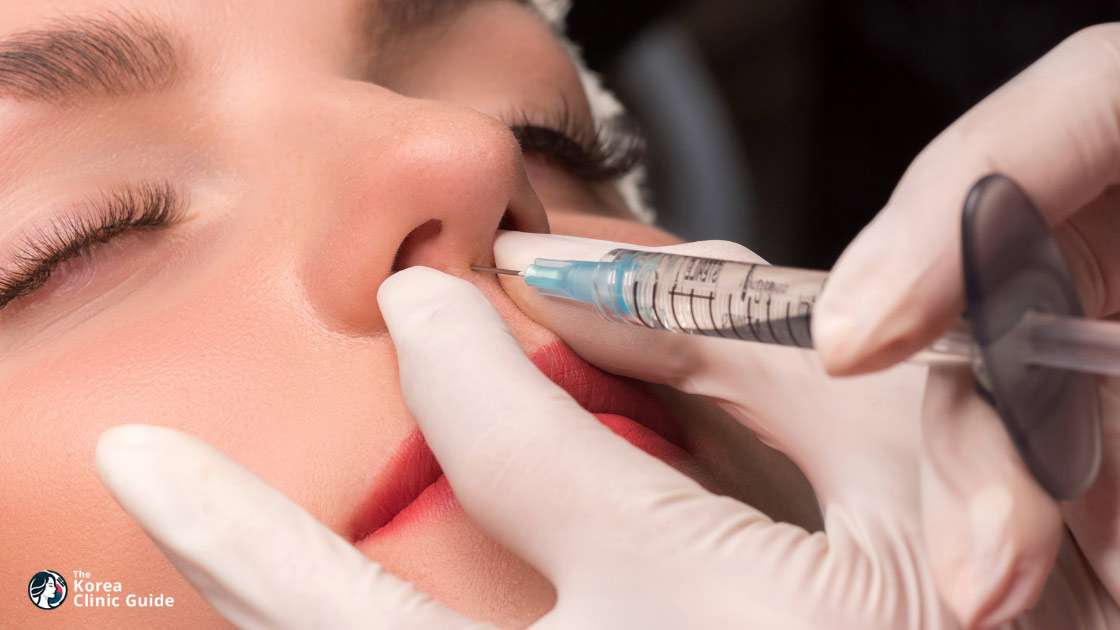
Table of contents
- Nose Sculpting Injection at a Glance
- What Is a Nose Sculpting Injection?
- Who Is a Good Candidate for a Nose Sculpting Injection?
- How Is a Nose Sculpting Injection Performed?
- Why Visit Korea for a Nose Sculpting Injection?
- Key Information for International Patients
- Which Are the Best Clinics in Korea for Nose Sculpting Injection?
- Nose Sculpting Injection From Start to Finish
- Alternatives to a Nose Sculpting Injection
- How Can I Prepare for a Nose Sculpting Injection?
- Aftercare Advice
Considering treatment in Korea? Everything you need to know e.g. — how to avoid scams, visas, interpreters, recovery tips — in our Medical Tourism Master Guide. Plan with confidence in minutes, not weeks!
Last updated: September 2026
Nose Sculpting Injection at a Glance
- What it does — Nose sculpting injection usually means hyaluronic-acid filler used for nonsurgical rhinoplasty: it adds volume to raise the bridge or radix, smooth shallow dips, camouflage a mild hump, or refine selected post-surgical irregularities.
- Best candidates — It suits adults seeking a temporary, additive profile refinement with healthy nasal skin and realistic expectations; it cannot make the nose smaller, narrow it substantially, correct major deviation, or improve meaningful breathing obstruction.
- Recovery and results — Redness, tenderness, swelling, and occasional bruising are common, with many people socially presentable in 1–3 days; judge the settled contour at 1–2 weeks, or up to 3 weeks if swelling persists.
- How long it lasts — HA nose-filler results are temporary and commonly last about 8–12 months, although longevity varies with the product, volume, nasal anatomy, and previous treatment.
- Serious safety consideration — The nose is a high-risk filler area because vascular blockage can cause skin necrosis, visual loss, or stroke; escalating pain, pale or dusky skin, or any visual or neurologic symptom requires immediate emergency assessment.
- Korea travel plan — Plan at least 2–3 days in Korea for treatment and a next-day safety review, or 5–7 days when prior surgery, prior filler, uncertain anatomy, or event-related bruising are concerns; do not schedule treatment on departure day.
- Korea-specific due diligence — Verify the clinic’s foreign-patient registration and request English consent, the HA filler brand and lot number, planned volume, and confirmation that hyaluronidase and an urgent ophthalmology or emergency-transfer protocol are immediately available.
What Is a Nose Sculpting Injection?
Nose sculpting injection is non-surgical nasal contouring that uses hyaluronic-acid dermal filler to add volume and reshape the nose’s profile. It addresses temporary goals such as raising a low bridge, smoothing shallow dips, camouflaging a mild hump, or refining minor asymmetry; it cannot reduce nose size or improve significant breathing problems. It is a minimally invasive, non-surgical procedure performed with injectable filler.
Who Is a Good Candidate for a Nose Sculpting Injection?
- Additive contour goals — Good candidates are adults seeking temporary bridge or radix height, camouflage of a shallow dorsal dip or mild hump, mild asymmetry correction, or selected post-rhinoplasty surface refinement.
- Realistic profile balancing — Hyaluronic-acid (HA) filler adds volume and changes light reflection. It can improve the appearance of a profile but cannot make the nose physically smaller.
- Healthy, settled nasal skin — Treatment is best considered when the skin over and around the nose is free of acne cysts, dermatitis, wounds, infection, herpes lesions, and active inflammation.
- Primary or carefully selected revision cases — Previous surgery, trauma, implants, unknown filler, scar tissue, cartilage grafts, or tight skin require a conservative specialist assessment because anatomy and blood supply can be altered.
Do not use nose filler for reduction, major hump removal, substantial narrowing, severe deviation, or meaningful breathing obstruction; rhinoplasty, and sometimes septal or functional surgery, addresses those structural goals. Defer elective treatment during pregnancy or breastfeeding because safety data are inadequate. Known filler or lidocaine hypersensitivity, a bleeding disorder, uncontrolled anticoagulation, severe allergy history, active systemic infection, immunosuppression, or significant inflammatory disease require individualized medical review. Do not stop prescribed warfarin, apixaban, rivaroxaban, clopidogrel, aspirin, or other antithrombotic medicine without clearance from the prescribing clinician.
How Is a Nose Sculpting Injection Performed?
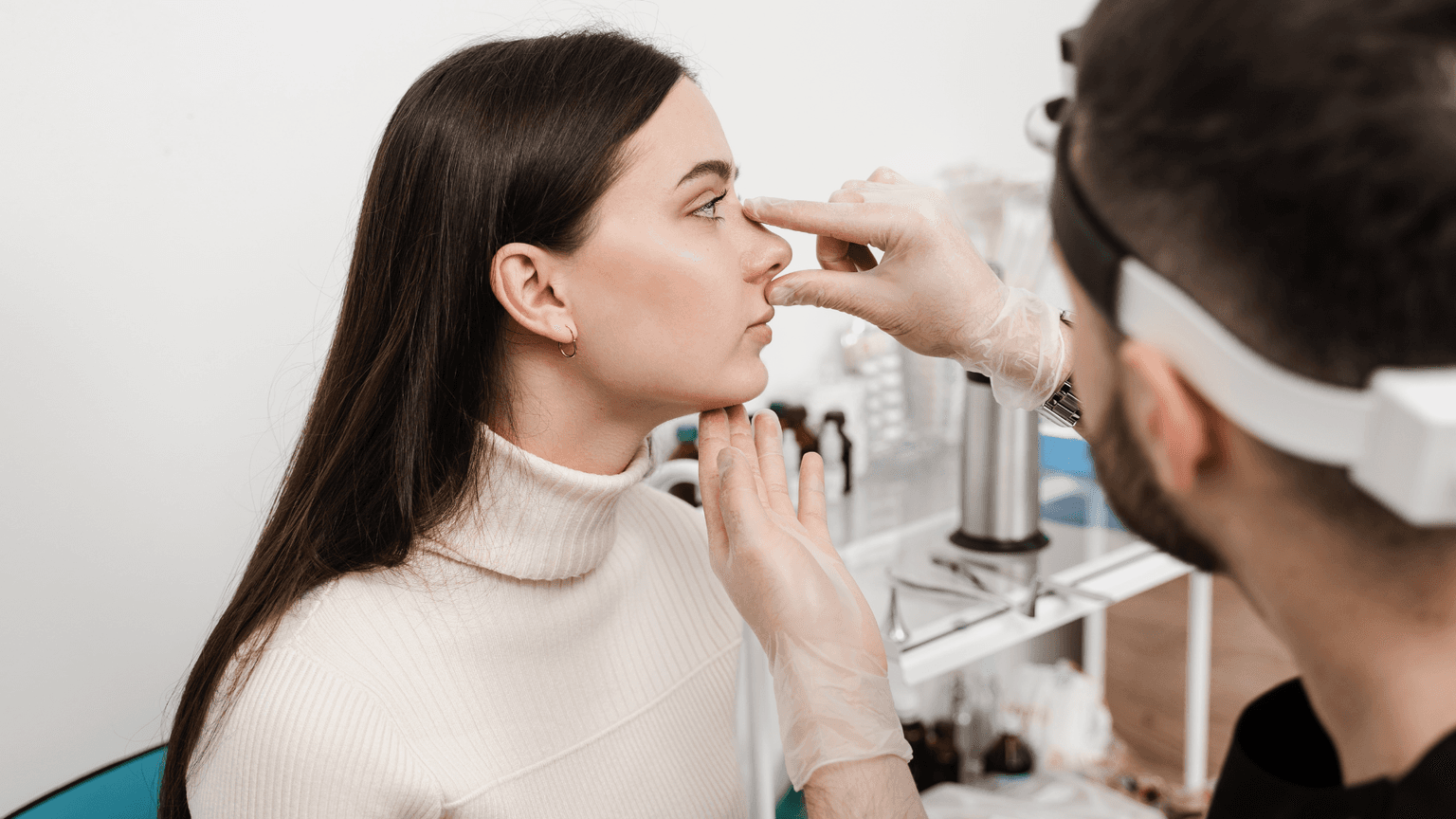
Nose sculpting injection is a commercial term, not a standardized diagnosis. Confirm that the planned treatment is HA-filler nonsurgical rhinoplasty, rather than a steroid injection for a separate post-surgical scar concern, and obtain the exact product and objective before booking.
- Radix, bridge, and dorsum augmentation — Small HA-filler deposits can raise a low bridge, fill a shallow depression, or camouflage a mild hump by smoothing the profile line.
- Tip and columella support — Selective filler can make a limited change in projection or profile balance. It does not narrow a bulbous tip, and these areas demand especially conservative planning.
- Revision camouflage — Filler can address selected surface irregularities after surgery, but fibrosis, grafts, and altered vessels make revision treatment more complex and potentially higher risk.
- Needle, cannula, and ultrasound planning — Injectors use needles or blunt cannulas; ultrasound can help map individual anatomy or guide planning. A recent safety review found that comparative evidence for instrument choice, aspiration, and other safety maneuvers remains limited. No technique eliminates vascular risk.
- HA filler and emergency reversal — HA is the dominant filler in published nonsurgical-rhinoplasty series and can often be treated with hyaluronidase if dissolution is necessary. This does not reliably reverse established visual injury and is not a substitute for prevention.
Why Visit Korea for a Nose Sculpting Injection?
Korea offers an established infrastructure for overseas medical visitors, including registered medical providers and international-patient services. That infrastructure can make English documentation and follow-up coordination easier, but it does not prove that Korean injectors or outcomes are superior to those elsewhere. Nose filler remains a high-risk procedure wherever it is performed.
- Foreign-patient registration checks — Use the official Medical Korea provider directory and registered-system information to verify whether a facility is set up to receive foreign patients.
- Traceable treatment planning — Request written confirmation of the HA-filler brand, volume in mL, lot number, expiry date, injection sites and planes, standardized photographs, and emergency contact details.
- Communication and emergency planning — Ask for English-language consent and aftercare, confirmation that hyaluronidase is immediately available, and a specific plan for urgent ophthalmology or emergency transfer.
- Evidence limitation — No high-quality comparative evidence shows that South Korea has lower complication rates, better emergency care, or superior nose-filler results than other countries. Select based on the clinician’s nose-specific experience, conservative plan, product traceability, and credible complication protocol—not destination alone.
Key Information for International Patients
- Minimum stay — Plan 2–3 days for an uncomplicated HA nose-filler appointment and a next-day in-person or secure photo/video safety review. Stay 5–7 days when bruising must settle before an event, or when there is prior surgery, filler, or uncertain anatomy.
- Flight timing — There is no evidence-based universal no-fly interval after filler. Remain available to the treating team for at least the next-day review, ideally 48–72 hours when practical, because early vascular compromise needs immediate assessment.
- Flexible itinerary — Do not book treatment immediately before departure, major photographs, intense sightseeing, sauna visits, or important social events. Most people are socially presentable in 1–3 days, but bruising can last longer.
- Follow-up plan — Arrange a next-day check and a review at about 1–2 weeks, when swelling has settled. Confirm how the clinic will handle secure photos, video review, and coordination with a clinician at home if needed.
- Companion and transport — A companion is usually unnecessary with topical or local anesthesia alone. Bring one and avoid driving if oral anxiolytics, sedating analgesics, or sedation are planned.
Travel note: Do not fly or continue travel with escalating pain, white, gray, blue, dusky, mottled, cold, blistered, or ulcerating skin; visual symptoms; severe headache; weakness; facial droop; or speech difficulty. Contact the injector and obtain urgent in-person emergency assessment.
Which Are the Best Clinics in Korea for Nose Sculpting Injection?
Listed below are some of the best clinics in Korea for nose sculpting injection.
1. LABOM Plastic Surgery
At LABOM Plastic Surgery, you can consider CarGel non-surgical rhinoplasty for bridge and tip refinement using your own diced cartilage combined with fibrin from your blood, rather than synthetic implants. The clinic describes this injection-based approach as a way to create a natural nasal line without nasal incisions or implant-related foreign-body sensation.
- URL: LABOM Plastic Surgery Website
- Location: Gangnam-gu, Seoul
- CarGel approach:
- Uses cartilage from the ear, septum, or rib, mixed with an autologous fibrin concentrate prepared from your blood.
- The fibrin-based adhesive is intended to help keep minced cartilage in place and support cartilage survival and tissue healing.
- Design is individualized around your nasal structure, facial proportions, bridge, and tip.
- Recovery and planning:
- The clinic states that treatment takes under an hour, with roughly one week of recovery for its non-surgical CarGel procedure.
- Pre-operative assessment and planning are customized, with anesthesia monitoring and post-procedure checks described as part of its care process.
- This may be relevant if you prefer an autologous-material approach or are concerned about synthetic nasal implants; the clinic also notes suitability for some revision cases.
2. Haru Clinic
At Haru Clinic, your non-surgical facial contour plan can include carefully placed fillers designed around overall facial harmony and balance. Dr. Jeong is described as a Merz research physician who teaches other doctors current filler techniques, supporting an approach focused on refined, natural-looking definition with minimal downtime.
- URL: Haru Clinic Website
- Location: Gangnam-gu, Seoul
- Filler expertise:
- Dr. Jeong is an official research physician for Merz, the company behind Belotero Filler, and teaches other doctors filler techniques.
- The clinic offers hyaluronic-acid and biostimulatory fillers for immediate, adjustable contouring in areas such as the cheeks, chin, jawline, lips, and tear troughs.
- Related non-surgical options:
- Nose thread lifting with PDO or PLLA threads is offered to define the bridge and lift the tip through small entry points, without implants.
- Thread lifting, collagen-tightening treatments, Botox, and targeted facial contouring options can be considered when your goal involves broader facial balance.
3. PangPang Clinic
At PangPang Clinic, you can explore a highly thread-lifting-focused approach to facial contouring, with personalized treatment planning and a selection of 31 functional thread types. For injectable facial refinement, the clinic also offers customized filler, Botox, and PIM Injection options; however, the supplied information does not specify a dedicated nasal injection technique.
- URL: PangPang Clinic Website
- Location: Gangnam-gu, Seoul
- Thread-focused planning:
- The clinic has focused its research and practice on thread lifting for more than a decade and operates a Thread Lifting Research Institute.
- Planning includes a doctor consultation, ultrasonic visual checks, and pre-procedure design, with thread selection customized to your concerns.
- Thread lifting may use barbed lifting threads, assist threads, elastic tightening threads, or volume threads depending on the intended effect.
- Injectable and complementary care:
- Customized filler and Botox treatments are available for facial structure and wrinkle concerns.
- PIM Injection combines Ultra Cell, thread-lifting components, and Botox to address facial volume, fine wrinkles, elasticity, and complexion; the clinic lists local anesthesia, about 30 minutes of treatment time, and no recovery period.
- Revision-focused care is available for concerns following previous thread-lifting procedures and may incorporate fillers, Botox, or lasers.
Nose Sculpting Injection From Start to Finish
- Remote enquiry and screening — Send medical history and clear nasal photographs through the clinic’s secure channel. Confirm English or virtual consultation availability, disclose all prior nasal filler, surgery, trauma, implants, allergies, medicines, and supplements, and ask what product is proposed. Remote review does not establish final candidacy.
- In-person consultation — The clinician examines skin thickness, scars, asymmetry, prior treatment, nasal proportions, and any breathing complaint. They should explain that filler adds volume, take standardized photographs, discuss alternatives, and obtain written informed consent covering vascular occlusion, skin necrosis, visual loss, and stroke.
- Treatment plan and safety check — Confirm the HA product, planned volume, landmarks, injection plane, instrument, hyaluronidase availability, and emergency-transfer process. Routine blood tests or imaging are not usually needed, though complex history can require records, medication clearance, or specialist review.
- Preparation and anesthesia — The nose is cleansed. Topical anesthetic, ice, and/or local anesthetic can be used. Straightforward filler treatment is normally outpatient care; fasting is not required unless sedation is planned.
- Conservative injection — The injector places small HA-filler deposits at planned areas such as the radix, bridge, dorsum, tip, or columella. Slow, low-pressure delivery and continual observation are central safeguards. Appointment duration depends on consultation and treatment planning rather than injection time alone.
- Immediate observation and discharge — The team checks pain, skin color, capillary refill, and vision before discharge. Leave with product details, written aftercare, emergency contact instructions, and explicit warning signs.
- Korea-based and remote follow-up — Complete a next-day review before leaving Korea where possible. Reassess contour at 1–2 weeks; persistent swelling occasionally delays settling to 3 weeks. HA-filler longevity is commonly reported as about 8–12 months in published reviews, with duration affected by product, volume, anatomy, and prior treatment.
Alternatives to a Nose Sculpting Injection
The key tradeoff is temporary, additive contour camouflage versus durable structural reshaping. Filler suits limited profile refinement; surgery is more appropriate when the goal is reduction, narrowing, substantial reshaping, or improved breathing.
Surgical Rhinoplasty
- Best for — Hump reduction, narrowing, major deviation correction, major tip reshaping, and durable structural change.
- Tradeoff — Requires surgery and a longer recovery, but can alter bone and cartilage rather than adding volume.
- Related procedure — Rhinoplasty.
Functional Rhinoplasty or Septoplasty
- Best for — Nasal obstruction caused by septal deviation or structural airway problems.
- Tradeoff — Addresses function; filler cannot correct a meaningful internal breathing problem.
- Related procedure — Septoplasty.
Nose Thread Lift
- Best for — People considering a separate temporary lifting or projection approach.
- Tradeoff — Threads do not perform the same contour-filling role and carry distinct risks, including infection, extrusion, and limited durability.
- Related procedure — Nose thread lift.
Implant or Tip Surgery
- Best for — Durable augmentation or tip-focused structural reshaping.
- Tradeoff — Surgical procedures bring incision, recovery, and implant- or surgery-specific risks, but provide structural change that filler cannot deliver.
- Related procedures — Nose implant and tip plasty.
How Can I Prepare for a Nose Sculpting Injection?
- Disclose every prior nasal treatment — Provide details and records for surgery, trauma, implants, threads, filler, especially permanent, non-HA, or unknown material. Do this before purchasing non-refundable flights.
- Review medicines early — Give the injector a complete list of prescription drugs, aspirin, NSAIDs, anticoagulants, antiplatelet medicines, and supplements. Discuss fish oil/omega-3, vitamin E, ginkgo, garlic, ginseng, turmeric/curcumin, and St John’s wort because they can contribute to bruising. Never stop prescribed blood-thinning medicine without the prescriber’s approval.
- Arrive with calm, intact skin — Postpone treatment for acne cysts, rash, dermatitis, herpes lesions, wounds, dental infection, or any facial infection. Tell the clinic about recent laser treatment, peels, microneedling, dental work, or other facial injectables.
- Food and alcohol — Eat and hydrate normally when topical or local anesthesia alone is planned. Follow fasting instructions exactly if sedation is planned. Avoid alcohol for 24–48 hours before treatment when instructed, as it can worsen bruising and swelling.
- Nicotine and sun exposure — Avoid smoking or vaping where possible and avoid sunburn or irritated nasal skin before the appointment.
- Travel logistics — Book flexible flights, stay close enough for a next-day review, and keep the clinic’s emergency number accessible. Do not schedule treatment on the last day of the trip.
Travel note: Carry a copy of your consent, filler record, lot number, and aftercare instructions for clinicians at home.
Confirm the treating doctor’s clinic-specific medication, fasting, travel, and skin-preparation requirements; individualized instructions take precedence over general guidance.
Aftercare Advice
Protect the treated nose from pressure and monitor it closely during the first 24–48 hours, when urgent complications need rapid recognition.
- Do not manipulate the filler — Avoid pressing, squeezing, massaging, wearing tight glasses that compress the treatment area, or trying to reshape the nose unless the injector specifically instructs otherwise.
- Control swelling carefully — Use clean intermittent cooling as directed and sleep with the head elevated the first night. Redness, tenderness, pinpoint bleeding, swelling, and bruising are common; the visible contour is not the settled result.
- Pause heat, alcohol, and exertion — Avoid strenuous exercise for about 24 hours and sauna, hot yoga, high heat, and alcohol for 24–48 hours unless the clinic gives different instructions. Delay facials, deep massage, laser treatment, peels, microneedling, and other injectables until cleared.
- Protect the skin — Keep the area clean, avoid irritating products on puncture sites, and use broad-spectrum SPF 50 on healed, exposed skin when outdoors.
- Know emergency signs — Contact the injector urgently and seek emergency assessment for severe or escalating pain; pale, gray, blue, dusky, mottled, cold, blistered, or ulcerating skin; rapidly worsening swelling; eye pain or visual change; eyelid droop; severe headache; weakness; numbness; facial droop; speech difficulty; dizziness; or difficulty walking. These can indicate vascular compromise, an ophthalmic emergency, or stroke. Prompt hyaluronidase-based management is important for suspected HA-filler vascular occlusion, but cannot guarantee recovery.
- Assess results at the right time — Many people look presentable within 1–3 days, though bruising can persist. Review at 1–2 weeks, or up to 3 weeks when swelling remains, before judging symmetry or considering adjustment.
Follow the treating doctor’s instructions over general advice, complete the arranged follow-up, and contact the clinic immediately when something appears wrong.
Frequently Asked Questions
Related Blogs
Revision Rhinoplasty in Korea: Methods, Recovery, Travel Planning, and Alternatives
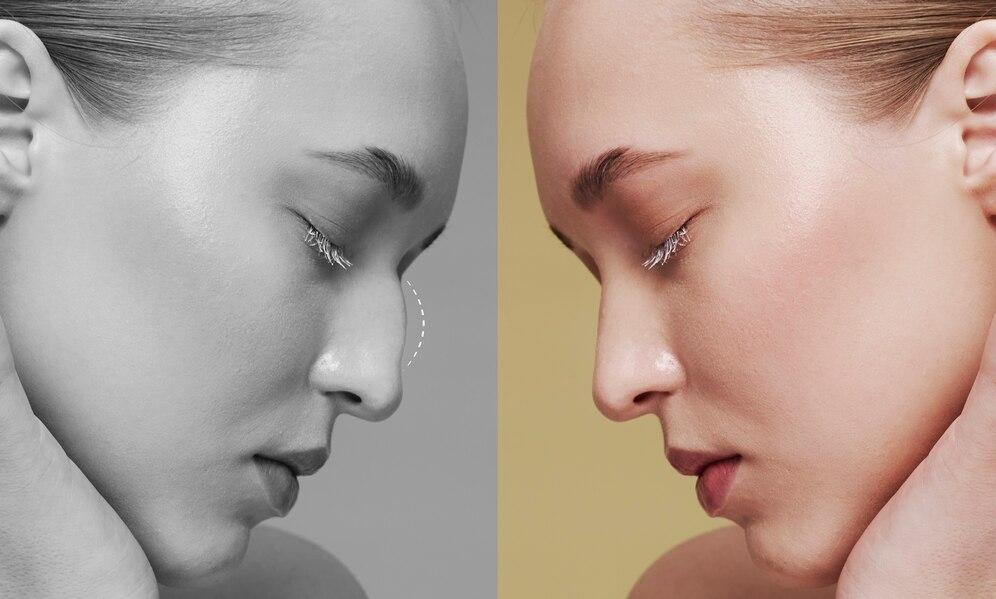
Revision rhinoplasty corrects stable cosmetic or breathing problems after prior nasal surgery using scar release, implant removal, and cartilage grafting when needed. In Korea, costs are quoted at ₩8,200,000–₩20,000,000; international patients should plan at least 10–14 days for reviews and surgeon clearance before flying.
Updated: Sep 20, 2026
Sinus Surgery in Korea: ESS Types, Recovery, Travel Planning, and Aftercare
Sinus surgery options include endoscopic procedures, balloon dilation, revision surgery, and combined nasal surgery for medically refractory chronic rhinosinusitis, polyps, or documented focal sinus disease. International patients can review candidacy, preparation, recovery, postoperative endoscopy, flight timing, and follow-up requirements for treatment in Korea.
Updated: Sep 20, 2026
Nasolabial Angle Adjustment in Korea: Techniques, Recovery, Travel Planning, and Alternatives
Nasolabial angle adjustment is planned as part of rhinoplasty to alter tip rotation, length, projection, or columella–alar balance using open or closed access, sutures, and cartilage grafts when needed. The article covers candidacy, medical preparation, Korea travel planning, recovery timelines, aftercare, warning signs, and alternatives such as functional septorhinoplasty, filler dissolution, and
Updated: Sep 19, 2026
Cleft Rhinoplasty in Korea: Types, Recovery, Travel Planning, and Aftercare
Cleft rhinoplasty corrects cleft-related nasal asymmetry, scar tissue, cartilage support, and airway narrowing through staged planning that may include septoplasty, grafting, valve repair, or nostril correction. International patients can find guidance on candidacy, Korean hospital coordination, a 10–14-day stay, recovery restrictions, follow-up, travel clearance, preparation, and warning signs.
Updated: Sep 19, 2026
Clinics offering Nose Sculpting Injection

Haru Clinic Korea | Seoul Facelift, Threads, Botox & Fillers
Sinsa

PangPang Clinic: Korea's Premier Thread Lifting and Skin Rejuvenation Specialist in Gangnam, Seoul
Sinsa

B.V Clinic Korea: Advanced Aesthetic Treatments for Natural Beauty Enhancement & Rejuvenation
Sinnonhyeon Station

LABOM Plastic Surgery: Expertise in Non-Surgical Nose, Facial Lifting & Anti-Aging Surgeries in Korea
Apgujeong