
Medical Tourism Blog
Discover top Korea procedures for fine lines and wrinkles around eyes: Blepharoplasty, Eyelid Fat Removal & Under Eye Repositioning
Table of contents
- Medical Procedures for Eye Rejuvenation: A Detailed Overview
- Navigating Eye Rejuvenation Procedures in South Korea
- Which Are the Best Clinics in Korea for Fine Lines And Wrinkles Around Eyes?
- Patient Perspectives: Addressing Concerns and Achieving Desired Outcomes
- Conclusion and Key Considerations for Patients
- References
Considering treatment in Korea? Everything you need to know e.g. — how to avoid scams, visas, interpreters, recovery tips — in our Medical Tourism Master Guide. Plan with confidence in minutes, not weeks!
Fine lines and wrinkles around the eyes are a common concern and often the first visible signs of aging. Understanding these changes—their types, causes, and how they develop—is essential for anyone considering aesthetic treatments.
Defining Eye Wrinkles and Their Common Names
Eye wrinkles are small lines and folds that appear in the delicate skin around the eyes, especially at the outer corners and under the lower eyelids. This area is particularly prone to wrinkles because the skin here is thinner and more sensitive than other parts of the face.
Here are some common terms used to describe these lines:
- Crow's Feet: These are the small lines radiating from the outer corners of the eyes, becoming more noticeable when smiling or squinting. Also called "laugh lines," they are often the first wrinkles to appear due to frequent muscle movement.
- Under-Eye Wrinkles: Fine lines just beneath the lower eyelid, often caused by dehydration, sun damage, and natural skin thinning with age.
- Dynamic Wrinkles: Lines that form from repeated muscle movements like squinting or smiling. They can appear early and may become permanent as skin loses elasticity.
- Static Wrinkles: These are visible even when the face is at rest, caused mainly by the natural loss of collagen and elastin. Crow's feet can be both dynamic and static.
Key Causes of Eye Wrinkle Formation
Eye wrinkles develop due to a mix of internal and external factors:
- Natural Aging: Aging reduces collagen and elastin production, leading to skin sagging and wrinkles, especially around the eyes. In women, hormonal changes from the late 30s to around 50 accelerate this process by decreasing hyaluronic acid, collagen, and elastin, slowing skin renewal and roughening texture.
- Repeated Facial Movements: Frequent expressions like smiling or squinting cause muscle contractions that initially rebound but eventually lead to permanent dynamic wrinkles.
- Sun Exposure (Photoaging): UVA rays penetrate deep into the skin, breaking down collagen and elastin, accelerating wrinkle formation. The eye area is especially vulnerable.
- Dehydration and Dry Skin: The under-eye skin has fewer oil glands and is prone to dryness, which makes wrinkles more visible.
- Environmental Factors and Lifestyle: Pollutants, smoking, and alcohol contribute to premature aging by reducing oxygen and nutrients to the skin and dehydrating it.
- Lack of Proper Eye Care and Friction: Harsh cleansing, rubbing, or pulling the delicate eye skin can cause wrinkles.
- Genetics: Genetic factors influence when and how wrinkles develop.
- Poor Sleep Habits and Eye Fatigue: Lack of sleep, sleeping positions, and prolonged screen time strain eye muscles and reduce blood flow, worsening wrinkles.
These causes are interconnected, all contributing to collagen and elastin breakdown or impairing their repair. This highlights the need for a holistic approach combining lifestyle changes—like sun protection, hydration, good sleep, balanced diet, and avoiding smoking—with any cosmetic procedures for the best results.
Another important distinction is between dynamic and static wrinkles, as this affects treatment choices. Dynamic wrinkles respond well to muscle-relaxing treatments like Botulinum Toxin (Botox), while static wrinkles often require dermal fillers or skin tightening. Accurate diagnosis by a specialist is crucial to tailor the right combination of surgical and non-surgical treatments.
The delicate nature of the eye skin also means gentle daily care, specialized eye products, and choosing skilled surgeons for any procedures to avoid complications and ensure natural results.
Table 1: Common Pseudonyms and Causes of Eye Wrinkles
| Pseudonym | Characteristics | Primary Causes |
|---|---|---|
| Crow's Feet | Lines radiating from outer eye corners, visible when smiling. | Repeated facial movements, sun exposure, aging |
| Under-Eye Wrinkles | Fine lines beneath the lower eyelid. | Dehydration, sun damage, skin thinning with age |
| Dynamic Wrinkles | Lines from repeated muscle movements (e.g., squinting). | Muscle movement, loss of skin elasticity |
| Static Wrinkles | Lines visible when face is at rest. | Collagen/elastin loss, environmental factors |
This table helps clarify the terminology and causes, aiding patients in understanding their specific concerns and treatment options.
Medical Procedures for Eye Rejuvenation: A Detailed Overview
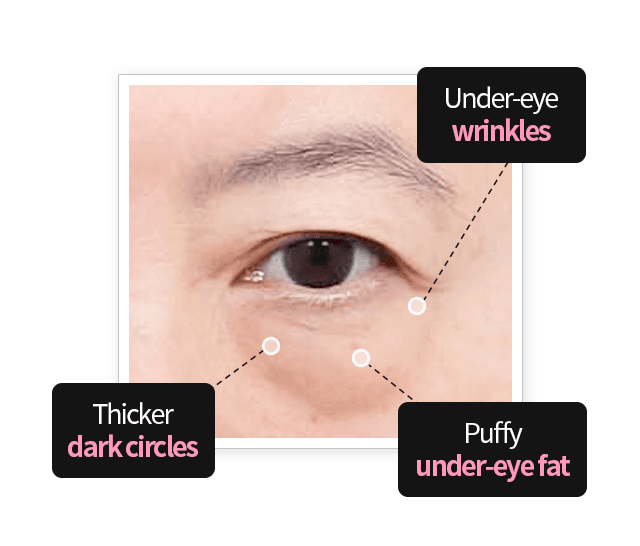
For those seeking more lasting improvements, several surgical procedures target structural issues like excess skin, fat deposits, and muscle laxity that contribute to an aged eye appearance.
Blepharoplasty (Eyelid Surgery)
Blepharoplasty, or eyelid surgery, improves the look of the eyelids by removing drooping skin, excess fat, and sagging lower eyelids. It can be done on upper lids, lower lids, or both, depending on individual needs.
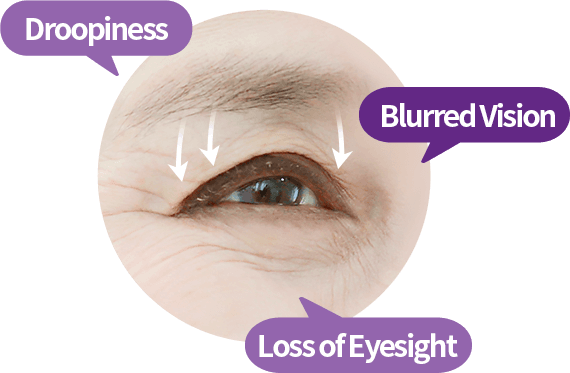
Besides cosmetic benefits, blepharoplasty can improve vision if sagging upper eyelids obstruct sight, sometimes qualifying for insurance coverage. However, it does not typically remove all wrinkles—especially dynamic ones like crow's feet—or dark circles directly. Lower blepharoplasty reduces fine lines and sagging from excess skin or fat, while upper blepharoplasty removes excess skin and wrinkles on the upper lids.
Surgical Process and Techniques
Blepharoplasty is usually outpatient, lasting 1-2 hours, under local anesthesia with mild sedation.
- Upper Blepharoplasty: Targets sagging upper eyelid skin (eyelid ptosis), repairs muscles if needed, and removes or repositions fat causing puffiness. Incisions are made along the natural eyelid crease for hidden scars. Excess skin and fat are removed or repositioned, and muscles tightened if necessary. This takes about 25 minutes to an hour.
- Lower Blepharoplasty: Addresses under-eye bags, thinning skin, and sagging. Incisions can be:
- Transcutaneous: Along the lower lash line, removing excess skin and fat.
- Transconjunctival (Scarless): Inside the lower eyelid, mainly for fat removal.
- Fat Repositioning: Fat is moved over the orbital rim to fill hollows and smooth the area, improving dark circles. This preserves blood supply for natural, lasting results.
- Fat Excision: Direct removal of excess fat, usually for patients without hollows.
- Additional procedures like canthopexy or canthoplasty may be done to tighten the outer eyelid corner. Laser resurfacing or chemical peels can enhance skin texture. Lower blepharoplasty takes 1-1.5 hours; combined upper and lower procedures take about 2 hours.
Recovery and Longevity
Most patients experience mild discomfort, swelling, and bruising lasting 7-10 days, sometimes up to a month. Ice compresses are recommended initially, followed by warm compresses. Stitches on upper lids stay about a week; lower lids may not require stitches or have removable ones after 7-14 days.
Patients should avoid heavy lifting, strenuous exercise, sun exposure, rubbing eyes, contact lenses, smoking, and alcohol for 1-2 weeks. Normal activities usually resume in two weeks, but full recovery can take 2-3 months. Results last 5-7 years or longer for upper lids; lower lid surgery rarely needs repeating.
Under Eye Fat Removal and Repositioning
This focuses on managing fat that causes under-eye bags, hollows, and dark circles.
Understanding Under-Eye Concerns
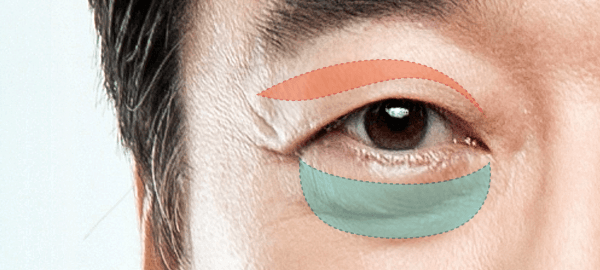
Under-eye bags result from bulging fat deposits, while hollows occur when fat diminishes, creating a sunken look. The combination of fat pouches (steatoblepharon) and tear trough hollows contributes to a tired or dull appearance.
Procedure Details
Fat removal and repositioning are often part of lower blepharoplasty.
- Fat Removal (Excision): Removes excess fat causing bags, mainly for older patients or men with strong features. It does not address hollows.
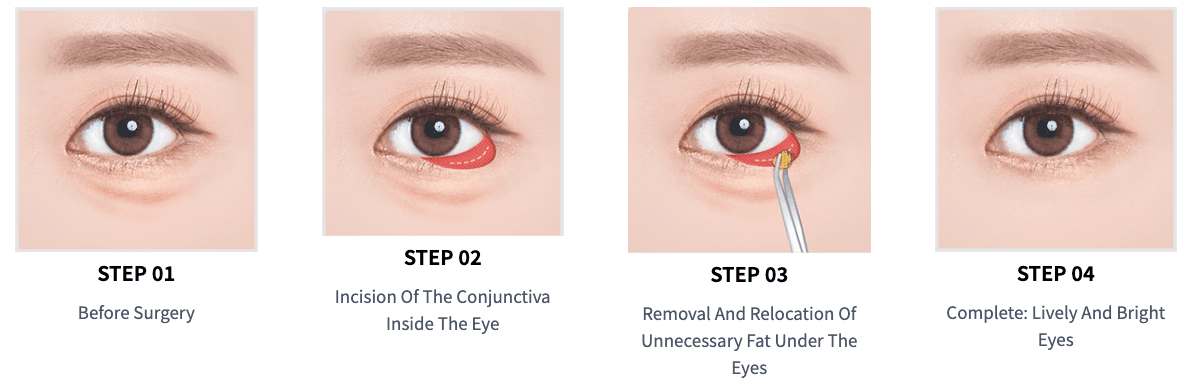
- Fat Repositioning (Transposition): Moves fat to fill hollows like the tear trough via an internal incision, leaving no visible scars. This technique preserves blood supply, yielding natural, long-lasting results and improving dark circles. It can be combined with skin or muscle tightening and involves strengthening the orbital septum to prevent recurrence.
- Fat Grafting/Transfer: Fat from other body areas is injected under the eyes to restore volume but is less predictable due to fat loss and unevenness risks.
Recovery and Outcomes
The procedure takes about 30 minutes under twilight anesthesia or sedation. Internal incisions usually don’t require stitch removal; others may need stitches removed after 5 days. Swelling and bruising last 7-10 days, with initial normal appearance in 1-2 weeks and full results in 4-6 months.
Patients can expect a younger, brighter look with reduced dark circles, bags, and fine lines by restoring volume and smoothing contours.
A key insight is that blepharoplasty primarily addresses structural issues—excess skin, muscle laxity, fat displacement—so it indirectly reduces wrinkles caused by sagging or bulging fat. It does not treat dynamic wrinkles like crow's feet, which require non-surgical treatments such as Botox or fillers.
Fat repositioning stands out as the gold standard for under-eye rejuvenation, offering superior, stable, and natural results compared to fat excision or grafting. Patients should inquire about their surgeon’s preferred technique to ensure optimal outcomes.
Table 2: Overview of Eye Rejuvenation Procedures
| Procedure Name | Primary Goal | Key Techniques | Typical Duration | Key Recovery Aspects (Initial) | Full Recovery | Longevity |
|---|---|---|---|---|---|---|
| Upper Blepharoplasty | Remove sagging upper eyelid skin/fat, improve vision | Incision in crease, skin/fat removal, muscle tightening | 45-60 mins | Swelling, bruising 1-2 weeks | 2-3 months | 5-7 years to lifetime |
| Lower Blepharoplasty | Reduce under-eye bags, loose skin, deep creases | Transcutaneous/transconjunctival incision, fat removal/redistribution, muscle tightening, canthopexy/canthoplasty | 1-1.5 hours | Swelling, bruising 1-2 weeks | 2-3 months | Rarely needs repetition |
| Under Eye Fat Repositioning | Correct bags, hollows, dark circles by redistributing fat | Transconjunctival incision, fat pad release and redistribution, orbital septum strengthening | 30 mins | Swelling, bruising 1-2 weeks | 4-6 months | Long-lasting, stable results |
This table helps patients compare procedures and understand their goals, techniques, recovery, and longevity.
Navigating Eye Rejuvenation Procedures in South Korea
South Korea is a leading destination for aesthetic surgery, attracting many medical tourists with high-quality care and competitive prices.
The Patient Journey: Step-by-Step Process
- Initial Consultation and Preparation: Patients undergo a thorough consultation where surgeons assess eye conditions, including fat bulging and tear troughs, to design personalized plans. Clinics like Made Young Clinic also consider emotional factors to tailor treatments. Pre-operative tests and guidelines prepare patients physically and mentally. Bilingual services and travel assistance are often provided. A deposit of about 10% secures the appointment.
- Surgical Experience: Procedures are done under local or twilight anesthesia. Surgery times vary: upper blepharoplasty (25-60 mins), lower blepharoplasty (1-1.5 hours), combined (about 2 hours), under-eye fat repositioning (30 mins). Incisions are placed to minimize visible scars. Surgeons customize techniques based on individual anatomy. Some internal incisions require no stitches.
- Post-Operative Care and Recovery:
- Immediate (First Days): Swelling, bruising, and mild discomfort are common. Ice compresses recommended for 72 hours, then warm compresses.
- First Week: Stitches removed after 5-7 days. Patients advised to stay in Korea 7-10 days for monitoring and healing. Restrictions include no rubbing eyes, heavy lifting, sun exposure, smoking, alcohol, or contact lenses. Sleeping with head elevated and wearing sunglasses outdoors is important.
- Weeks 2-4: Swelling and bruising fade significantly; normal activities resume after 10-14 days.
- Long-Term (2-6 months): Full healing and final results take 2-3 months for blepharoplasty, 4-6 months for fat repositioning.
- Follow-up: Multiple clinic visits or online consultations ensure proper healing.
- Support: Multilingual care and recovery plans make the experience smoother. Bringing a companion is recommended.
Costs and Value for Medical Tourists
Typical Costs in South Korea
- Blepharoplasty: $2,500 - $6,700 USD
- Eyelid Surgery Packages: $3,500 - $5,000 USD
- Double Eyelid Surgery: $1,200 - $2,100 USD
- Eyelid Fat Removal/Repositioning: $2,000 - $4,000 USD
- Under Eye Fat Grafting: $850 - $1,700 USD
- Deposit: Usually 10% upfront
Costs vary by surgeon experience, clinic reputation, location, and included services.
Cost Comparison: South Korea vs. Other Countries
| Procedure | South Korea | USA | UK | Turkey | Thailand | Other Countries |
|---|---|---|---|---|---|---|
| Blepharoplasty (General) | $2,500 - $6,700 | $4,100 - $5,000 | $2,500 - $7,000 | $1,200 - $3,253 | $445 - $2,660 | Mexico: $1,600 - $4,199 |
| Upper Eyelid Surgery | Included | $3,000 - $6,000 | $2,500 - $7,000 | $1,500 - $3,700 | $1,000 - $4,000 | Germany: $1,500 - $4,000 |
| Lower Eyelid Surgery | Included | $6,000 - $9,500 | $2,500 - $7,000 | $700 - $2,100 | $445 - $1,600 | France: $2,000 - $4,500 |
| Under Eye Fat Removal | $2,000 - $4,000 | $3,000 - $7,000 | $3,250 - $7,800 | $2,000 - $4,500 | $1,500 - $3,500 | India: $1,000 - $2,500 |
| Under Eye Fat Grafting | $850 - $1,700 | Not specified | Not specified | Not specified | Not specified | Not specified |
This comparison shows South Korea offers competitive pricing with high-quality care.
Inclusions and Additional Travel Expenses
Many Korean clinics provide packages including surgery, consultations, tests, accommodation, transportation, bilingual support, and follow-up care. Some offer advanced therapies like hyperbaric oxygen.
Additional costs patients should budget for:
| Category | Estimated Cost Range (USD) | Notes |
|---|---|---|
| Airfare (Round-trip) | $600 - $1,500 | Varies by location and booking time |
| Accommodation (Per Night) | Budget: $30 - $70 Mid-range: $70 - $150 Luxury: $150+ | Some clinics include accommodation |
| Meals (Per Day) | $15 - $50 | Depends on dining choices |
| Local Transportation | Subway/Bus: $1 - $2 Taxi Start: $3+ | Extensive public transport; some packages include transport |
| Miscellaneous | Travel Insurance: $50 - $200 SIM Card: $20 - $50 Sightseeing | Personal expenses and entertainment |
South Korea’s comprehensive care and support, combined with competitive pricing, offer excellent value beyond just the surgery cost. Patients should plan carefully to cover all expenses and ensure a smooth recovery.
Which Are the Best Clinics in Korea for Fine Lines And Wrinkles Around Eyes?
Listed below are some of the best clinics in Korea for fine lines and wrinkles around eyes.
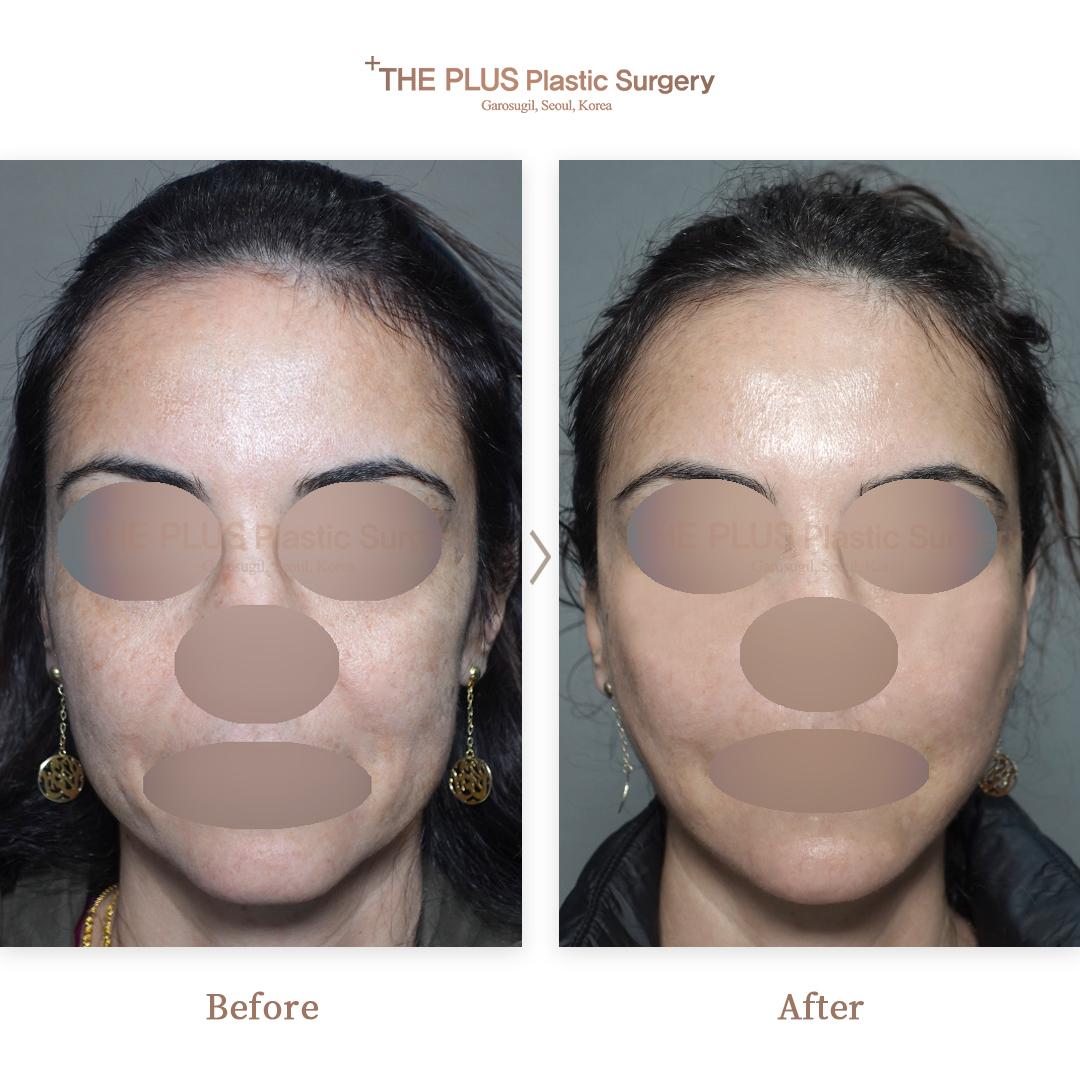
1. THEPLUS Plastic Surgery
For fine lines and wrinkles around your eyes, you can explore blepharoplasty at THEPLUS Plastic Surgery, which adjusts excess eyelid skin and tissue to refresh the eye area and create a smoother, more youthful contour. Your plan can be considered alongside your natural eye shape and overall facial balance.
- URL: THEPLUS Plastic Surgery Website
- Location: Gangnam-gu, Seoul
- Eye-area options:
- Blepharoplasty addresses excess skin and tissue around the eyelids.
- Ptosis correction targets drooping upper eyelids by correcting the muscles that open the eyes.
- Double-eyelid surgery creates an upper-eyelid crease designed to complement your facial features.
- Clinical perspective:
- Dr. Kim is a board-certified plastic surgeon whose stated approach emphasizes harmonious facial proportions and natural beauty.
- Dr. Jeong is President of the Korean Society of Plastic Surgeons and describes an approach that combines function and aesthetics.
2. Made Young Plastic Surgery
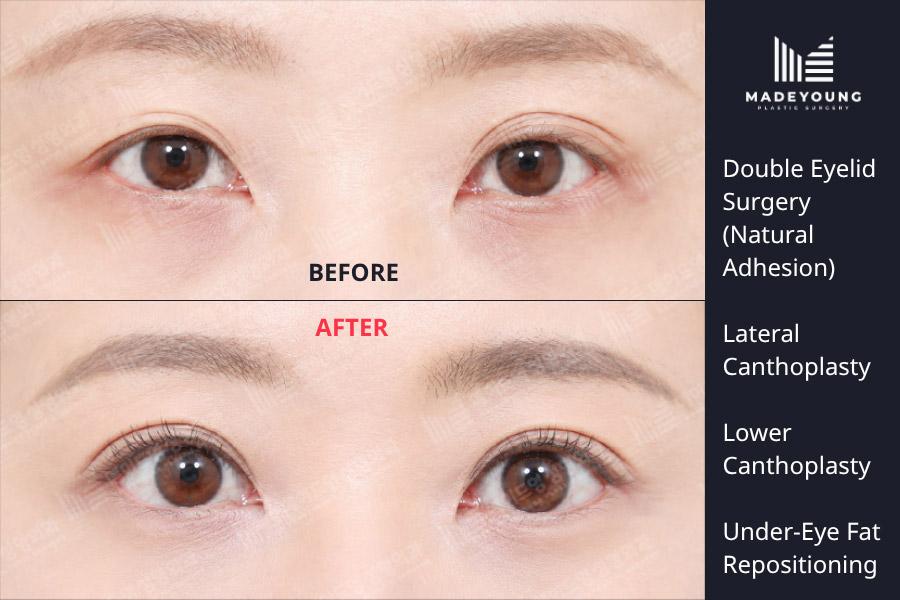
For concerns around your eyes, Made Young Plastic Surgery offers lower-eyelid approaches that can reposition under-eye fat and address tear-trough adhesions contributing to hollows and dark shadows. You can also discuss upper or lower blepharoplasty when excess upper-lid tissue, under-eye bags, or lower-eyelid skin laxity are part of your concern.
- URL: Made Young Plastic Surgery Website
- Location: Seocho-gu, Seoul
- Under-eye approach:
- Dark-circle removal surgery may remove and reposition under-eye fat through an internal conjunctival incision, avoiding an external skin incision.
- The clinic describes addressing tear-trough ligament and double-orbital adhesions to smooth hollows and dark shadows.
- Lower blepharoplasty can include fat removal or repositioning and skin tightening for under-eye bags.
- Related eye procedures:
- Upper blepharoplasty removes excess skin and fat from the upper eyelids.
- Ptosis correction tightens the muscle that lifts the eyelid.
- Sub-brow lift focuses on elevating and smoothing the upper-eyelid area beneath the brow.
- Care arrangements:
- You receive direct consultation and diagnosis from the medical team before a procedure.
- Full-time board-certified anesthesiologists are on site; the clinic describes one-to-one anesthesiologist monitoring during procedures.
- A dedicated aftercare center provides post-procedure care.
3. RINE Plastic Surgery Clinic
For a tired-looking under-eye area, RINE Plastic Surgery Clinic focuses on under-eye fat repositioning rather than simple fat removal, aiming to smooth eye bags and tear-trough hollows without unnecessary volume loss. Your head director handles your consultation, surgery, treatment, and recovery, with a customized plan based on your facial proportions, skin condition, and individual features.
- URL: RINE Plastic Surgery Clinic Website
- Location: Seocho-gu, Seoul
- Under-eye rejuvenation:
- Under-eye fat repositioning redistributes orbital fat beneath the lower eyelid to smooth bags and hollows.
- The clinic describes combining precise tear-trough correction with fat repositioning and septal reinforcement for lasting support.
- Lower blepharoplasty with lifting addresses lower-eyelid skin laxity, fat herniation, and reduced mid-face support.
- Other eye-area options:
- Upper blepharoplasty addresses age-related hooding and heaviness from excess upper-eyelid skin and fat.
- A sub-brow lift removes skin below the brow to improve a heavy or drooping brow line while preserving brow position.
- Endoscopic forehead lifting can address brow descent as well as horizontal forehead lines and frown lines.
- Continuity of care:
- Director Jang Nam, a board-certified plastic surgeon, personally manages care from consultation through recovery.
- The clinic offers one-to-one line design and ongoing postoperative care.
- A private one-person recovery room is available.
Patient Perspectives: Addressing Concerns and Achieving Desired Outcomes
Reported Benefits and Satisfaction
Patient satisfaction with blepharoplasty is very high. For example, on a major review platform, 84 out of 87 reviews rated 4-5 stars, averaging 4.9. Patients often report feeling "10 years younger," with a "brighter, youthful look" and a "refreshed, rested appearance." Many note a boost in self-confidence and quality of life, feeling "more awake and engaged." Recovery is often described as pain-free or mild discomfort.
These results highlight the deep psychological benefits of improving eye aesthetics, extending beyond physical changes to enhance well-being and social confidence.
How Procedures Address Wrinkles and Concerns
- Upper Blepharoplasty: Removes excess skin and wrinkles on upper eyelids, lifting sagging skin and improving vision if obstructed.
- Lower Blepharoplasty: Reduces fine lines, sagging skin, under-eye bags, and puffiness, improving dark circles.
- Fat Repositioning: Fills hollows and smooths wrinkles caused by volume loss, creating a natural contour and clearer under-eye shape.
- Combined Effects: Structural corrections tighten skin and reduce wrinkles caused by sagging or fat bulging.
Surgical procedures mainly address structural causes of wrinkles, indirectly improving their appearance. Dynamic wrinkles from muscle movement often require additional treatments like Botox or fillers.
Important Considerations and Realistic Expectations
Blepharoplasty does not remove all wrinkles, especially dynamic ones like crow's feet. Complementary cosmetic treatments may be needed for full wrinkle reduction.
Results are long-lasting but do not stop aging. Some patients may seek revision surgery years later as natural aging continues. Recovery involves temporary swelling and bruising, with full results taking months to settle.
Choosing an experienced surgeon and clinics offering personalized care is key to natural, satisfying outcomes.
Conclusion and Key Considerations for Patients
Fine lines and wrinkles around the eyes arise from multiple interconnected factors, including aging, facial movements, sun exposure, and lifestyle. Effective treatment requires understanding the wrinkle type—dynamic or static—and combining surgical and non-surgical approaches accordingly.
Blepharoplasty and under-eye fat management procedures significantly improve the eye area's appearance by addressing excess skin, fat bulging, and hollows. Fat repositioning stands out for its natural, lasting results. However, dynamic wrinkles often need adjunctive treatments.
South Korea offers a compelling option for medical tourists, balancing competitive costs with high-quality care, comprehensive support, and advanced techniques. Patients should plan carefully for all expenses and recovery needs.
High patient satisfaction reflects the physical and psychological benefits of these procedures. Realistic expectations and choosing skilled surgeons are essential for optimal, natural-looking results and long-term satisfaction.
References
1, 2, 3, 4, 5, 6, 7, 8, 9, 10, 11, 12, 13, 14, 15, 16, 17, 18, 19, 20, 21, 22, 23, 24, 25, 26, 27, 28, 29, 30, 31, 32
Frequently Asked Questions
Related Blogs
Discover How Laser Canthoplasty Costs in Korea Compete Globally: A Detailed Comparison with US, Australia, Turkey & Mexico
Discover the ins and outs of Laser Canthoplasty in Korea, where advanced techniques meet affordability. Explore the cost factors, benefits, and why this procedure is gaining popularity among international patients seeking subtle enhancements.
Updated: Oct 22, 2026
Fox Eye Surgery in Korea: Methods, Recovery, Risks and Travel Planning
Fox eye surgery may involve lateral canthopexy, canthoplasty, or a brow lift, selected after assessment of eyelid support, ocular surface health, and facial anatomy. The guide covers candidacy, recovery, travel planning for Korea, aftercare, alternatives, and urgent symptoms requiring in-person care.
Updated: Oct 21, 2026

Upper Blepharoplasty in Korea: Methods, Recovery, Risks, and Travel Planning
Upper blepharoplasty conservatively removes excess upper-lid skin and, when indicated, limited muscle or fat after assessment of ptosis, brow position, eyelid closure, and eye health. International patients should plan a 7–10-day stay in Korea, attend early follow-up, arrange flexible travel and aftercare, and seek urgent assessment for vision changes or severe swelling.
Updated: Oct 13, 2026
Lower Canthoplasty in Korea: Methods, Recovery, Risks, and Travel Planning
Lower canthoplasty includes lower-eyelid-lowering and lateral canthal techniques, with candidacy based on lid support, ocular-surface health, and realistic anatomical goals. International patients can find guidance on technique clarification, 8–10 day travel planning, follow-up, aftercare, and urgent eye symptoms.
Updated: Oct 13, 2026
Clinics offering Under Eye Fat Removal or Repositioning
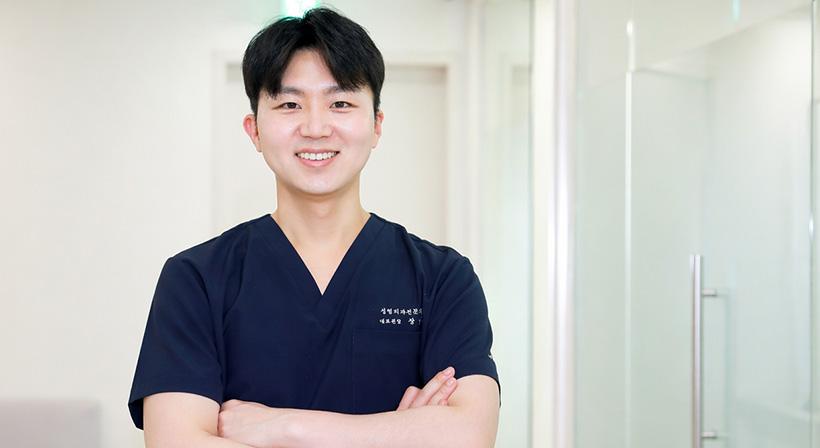
RINE Plastic Surgery Clinic | Facelift and Eye Rejuvenation Surgery
Nonhyeon

SH Clinic: Comprehensive Women's, Men's & Couples' Health Services in Korea
Sinsa

THEPLUS Plastic Surgery Korea | Eye, Nose, Face & Body Surgery
Sinsa

Haru Clinic Korea | Fully-Customized Full-Face Non-Surgical Rejuvenation With Threads, Botox & Fillers
Sinsa