Medical Tourism Blog
Uneven Hairline Solutions: Hairline Correction Procedures in Korea for Natural Results
Table of contents
- Medical Procedures for Hairline Correction
- Best Clinics in Korea for Uneven Hairline
- The Hairline Correction Journey in South Korea
- Cost Analysis: South Korea vs. Global Destinations
- Patient Experiences and Addressing Concerns
- Conclusion
- References
Considering treatment in Korea? Everything you need to know e.g. — how to avoid scams, visas, interpreters, recovery tips — in our Medical Tourism Master Guide. Plan with confidence in minutes, not weeks!
An uneven hairline—marked by an asymmetrical or jagged frontal hairline shape—can be a significant concern for many people. While it often appears as a cosmetic issue, reasons for having an uneven hairline can span from naturally inherited features to medical conditions. If you're thinking about correcting an uneven hairline, it's important to know what may be causing it, what treatments are available, and where you might find the best options—especially if you're considering medical tourism in countries like South Korea.
Definition and Characteristics of an Uneven Hairline
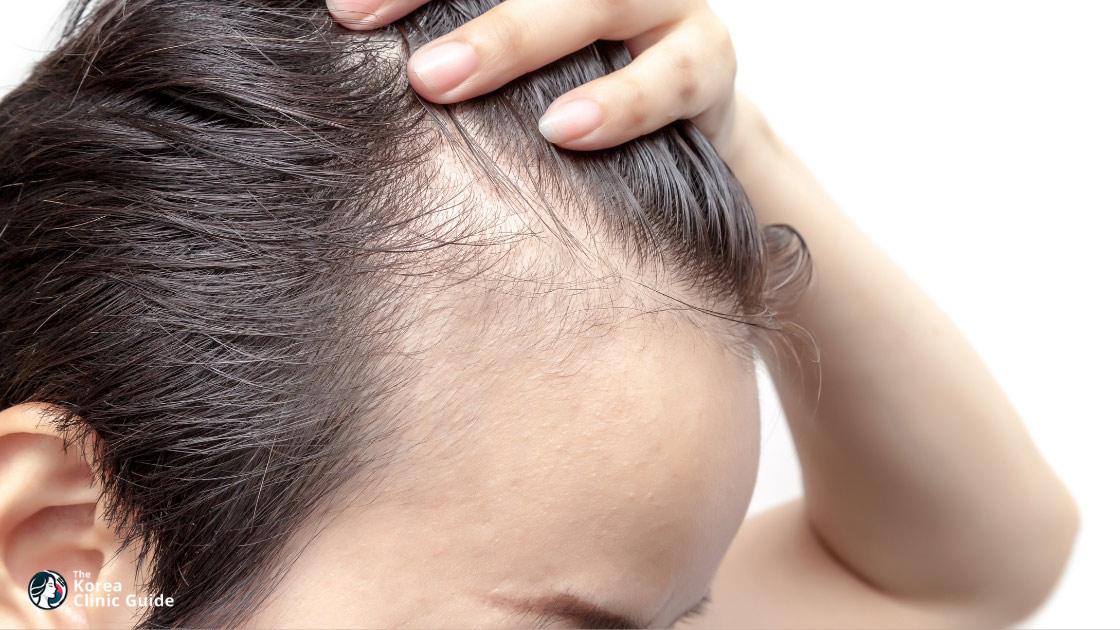
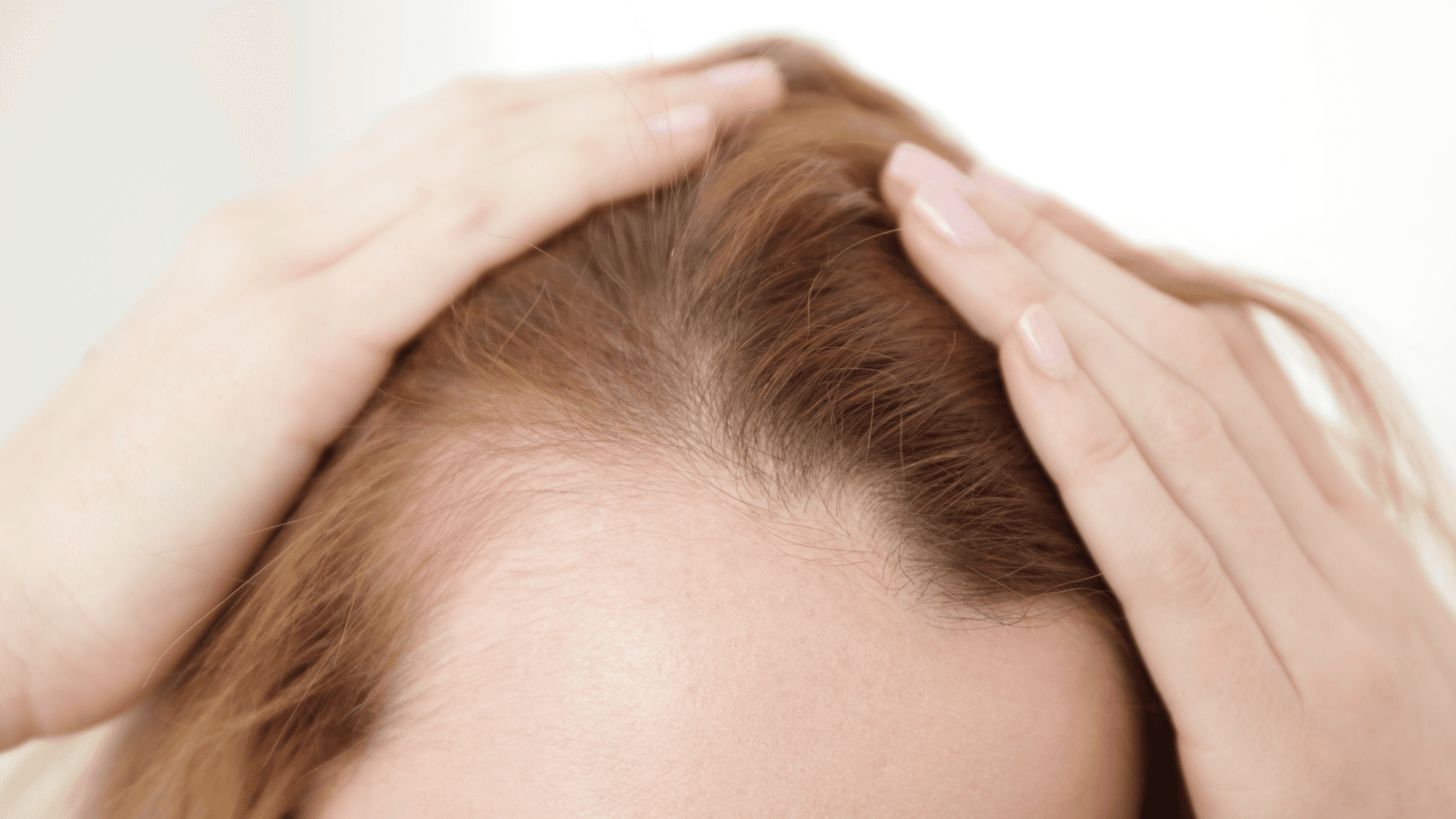
An uneven hairline is a frontal hairline with a clear imbalance between sides, either in shape, height, or density. For some, this means one side recedes more or seems denser than the other, and others might notice an "M-shape" caused by temple recession. Minor asymmetries are completely natural in humans, but even slight differences can be frustrating for those who notice them. Sometimes what looks like unevenness is simply a change in the hairline’s height or in the density at just one temple.
Common Pseudonyms and Related Terms
You might see uneven hairlines described as "asymmetrical hairline" or "jagged frontal hairline shape." Related terms include "maturing hairline," which is a natural, mild change after teen years, and "receding hairline," which refers to true hair loss at the front and temples, often accompanied by thinning and shedding. "Male pattern baldness" and "androgenic alopecia" are medical descriptions for conditions that often lead to receding or uneven hairlines.
Causes of Uneven Hairlines
Uneven hairlines can be due to a mix of genetics, lifestyle, and medical factors:
- Genetics: Most common cause; genetics can dictate the hairline’s shape much like eye color or height. A widow’s peak or family history of male pattern baldness (androgenetic alopecia) often drives this.
- Traction Alopecia: This type of hair loss is usually caused by tight hairstyles (like braids or ponytails) that pull on the roots and can affect the temples and frontal hairline in both men and women.
- Male Pattern Baldness (Androgenic Alopecia): Most common in men, androgenic alopecia is linked to hormones like DHT and testosterone, leading to thinning and a receding or uneven hairline.
- Hormonal Imbalances: Changes in hormones during events like pregnancy or menopause, or from health conditions, can cause uneven hairline changes.
- Trauma or Injury: Accidents or injury to the scalp may cause small areas to lose hair, leaving an uneven or slanted appearance.
- Styling Practices: Frequent heat styling, rough brushing, or chemicals can weaken or thin hair, producing unevenness.
- Environmental and Lifestyle Influences: Chronic stress (which raises cortisol), poor nutrition, and exposure to toxins can all impact hair follicle health.
- Medical Conditions:
- Thyroid Disorders: Hormonal disruptions from thyroid problems can lead to shedding and unevenness.
- Frontal Fibrosing Alopecia (FFA): A type of scarring hair loss—most common in women after menopause, but also seen in men—causes the front hairline and sometimes the eyebrows to recede visibly. It’s considered an autoimmune condition and may be triggered by both genetic and environmental factors.
A mild uneven hairline is often a cosmetic concern, but if you notice rapid changes, visible inflammation, or a "jagged" pattern, it may point to medical conditions such as Frontal Fibrosing Alopecia. Before you focus on aesthetics, a thorough medical evaluation is crucial to rule out conditions that could become permanent if not addressed promptly.
A Holistic Approach
Factors influencing the hairline are complex and often overlap. Genetics may set the stage while diet, stress, and cosmetic products can play supporting roles. Addressing an uneven hairline often requires not only medical or surgical intervention, but also attention to stress, nutrition, and environment.
Medical Procedures for Hairline Correction
Correcting an uneven hairline can include numerous options, both non-surgical and surgical, customized for each patient.
Non-Surgical Approaches
For early or mild issues, or as an adjunct to more aggressive procedures, non-surgical methods can help:
- Topical Treatments: Minoxidil helps stimulate growth and density but must be used consistently.
- Oral Medications: Finasteride reduces DHT to prevent further loss, mainly in male pattern baldness.
- Platelet-Rich Plasma (PRP) Therapy: Injecting concentrated platelets from your blood into the scalp can stimulate follicles. It's minimally invasive but usually needs several sessions.
- Low-Level Laser Therapy (LLLT): Devices—used at home or in clinics—shine gentle lasers to boost growth; consistent, long-term use is essential.
- Scalp Micropigmentation (SMP): Pigment is applied to the scalp for the illusion of fuller hair or to camouflage unevenness. It doesn't restore hair but offers immediate visual results.
- Lifestyle Adjustments:
- Managing stress through activities like yoga can help.
- A diet with sufficient vitamins (biotin, D, iron, zinc) is beneficial.
- Avoiding tight hairstyles and harsh treatments preserves existing hair.
- Keeping the scalp clean and moisturized supports growth.
- Strategic Styling: Simple changes like adding bangs or layers can visually balance uneven hairlines.
Surgical Interventions
More pronounced hairline concerns typically call for surgical solutions:
- Hair Transplant Procedures: Offer the most natural and lasting solution for uneven or receding hairlines.
- Follicular Unit Extraction (FUE): Individual follicles are extracted and relocated, leaving minimal scarring and a natural result.
- Follicular Unit Transplantation (FUT): A strip of hair is removed from the back of the head, split into grafts, and implanted. Leaves a linear scar but may maximize follicle survival.
- Forehead Reduction Surgery (Hairline Lowering): Excess skin is removed and the scalp is advanced, instantly lowering the hairline by 1–3 cm. Scarring can be visible unless masked by a hair transplant.
- Scalp Reduction Surgery: Rarely used for frontal uneven hairlines, but removes bald patches by stretching nearby hair-bearing skin.
The main decision between these options lies in choosing immediate change (as with forehead reduction surgery) versus more gradual, natural-looking integration (as with hair transplantation). Immediate procedures can leave scarring, often requiring a follow-up transplant for a seamless effect, while transplants take longer to yield results but are less likely to result in visible scars.
Combination Therapies and Personalized Treatment Plans
Frequently, forehead reduction and hair transplant methods are combined for both natural appearance and to hide scars. The right procedure—or combination—depends on the cause and extent of your hairline change, your goals, budget, and lifestyle. Professionals will check scalp flexibility, current density, and facial proportions to develop a plan tailored to you.
Modern hairline correction is not one-size-fits-all. Clinics that offer comprehensive diagnosis and treatment choices—rather than just one or two—tend to provide the best outcomes.
Candidate Suitability and Expected Outcomes
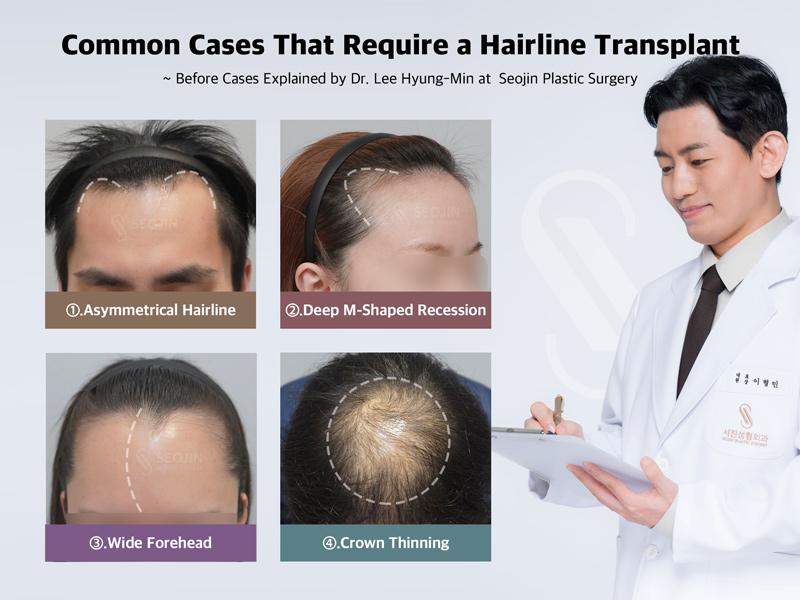
- Hair Transplant: Best for stable loss (like androgenetic alopecia), naturally high hairlines, or loss from injury.
- Forehead Reduction Surgery: Suited to those without ongoing loss, who need instant results and have good scalp elasticity.
- Expected Outcomes: Transplanted hair typically becomes visible after a few months and fully matures over 10–18 months. Forehead reduction delivers instant changes.
Recovery and Aftercare Considerations
- FUE Hair Transplants: Quick recovery; swelling/redness usually lasts only a few days. Back to most daily activities within days.
- PRP Therapy: Little to no downtime; some tenderness may occur.
- Scalp Micropigmentation: Immediate results, little recovery required; touch-ups needed over time.
- Low-Level Laser Therapy: No recovery time, but needs regular use.
- Forehead Reduction Surgery: Healing of the incision takes a few months, with scars fading over a year. Return to light activities within a week; exercise after 4–6 weeks.
- General Aftercare: Follow all instructions for best healing, keeping the head elevated and avoiding strenuous activity initially.
Best Clinics in Korea for Uneven Hairline
Listed below are the best clinics in Korea for uneven hairline:
| Clinic Name | Key Features | Special Techniques |
|---|---|---|
| Seojin Plastic Surgery Clinic | - Recognized expertise: Dr. Lee Hyungmin was selected as one of the Top 100 Good Doctors in Korea (2022), reflecting proven skill and patient-centered care. - Extensive experience and track record: Over 2,100 hair transplant surgeries performed, supporting reliable planning for uneven hairline correction. - Award-winning hair transplant leadership: Ranked No. 1 in the Hair Transplant Category at the KBS N Korea Broadcasting Brand Awards (2025). - Advanced hairline gradation transplant for natural symmetry: Follicles are arranged in order of fine, medium, and thick strands to create a softer, more realistic frontal hairline; designs are customized to match facial symmetry by considering the forehead, brow bones, temples, midface, and lower face. - Wider technique selection than typical clinics: Multiple incision methods available (line cut, no-cut, and mixed approaches), allowing the approach to be tailored to the patient’s asymmetry pattern, scalp condition, and desired density. - Capability for large-scale correction: Can transplant 6,000 to 10,000 hairs using combined incision and non-incision methods for more comprehensive reshaping when needed. - Higher graft preservation standards: A cold follicle separation room helps maintain harvested follicles in optimal condition to support survival rates. - PRP hair transplant option: PRP derived from the patient’s own blood is transplanted with follicles to improve graft survival and reduce inflammation, especially helpful in areas where survival is critical (such as the crown) or for international patients who cannot return frequently for follow-ups. - Technical precision to avoid density disruption: Expertise in minimizing the “popping phenomenon,” where previously placed grafts can be pushed out when implanting nearby, supporting consistent density and clean hairline borders. - Personalized, continuous care: As a one-doctor clinic, Dr. Lee oversees consultation, design, procedure, and follow-up, which is particularly important for uneven hairline cases where small design differences can significantly affect perceived symmetry. | - Advanced hairline gradation transplant for natural symmetry: Follicles are arranged in order of fine, medium, and thick strands to create a softer, more realistic frontal hairline; designs are customized to match facial symmetry by considering the forehead, brow bones, temples, midface, and lower face. - Wider technique selection than typical clinics: Multiple incision methods available (line cut, no-cut, and mixed approaches), allowing the approach to be tailored to the patient’s asymmetry pattern, scalp condition, and desired density. - Capability for large-scale correction: Can transplant 6,000 to 10,000 hairs using combined incision and non-incision methods for more comprehensive reshaping when needed. - Higher graft preservation standards: A cold follicle separation room helps maintain harvested follicles in optimal condition to support survival rates. - PRP hair transplant option: PRP derived from the patient’s own blood is transplanted with follicles to improve graft survival and reduce inflammation, especially helpful in areas where survival is critical (such as the crown) or for international patients who cannot return frequently for follow-ups. - Technical precision to avoid density disruption: Expertise in minimizing the “popping phenomenon,” where previously placed grafts can be pushed out when implanting nearby, supporting consistent density and clean hairline borders. - Personalized, continuous care: As a one-doctor clinic, Dr. Lee oversees consultation, design, procedure, and follow-up, which is particularly important for uneven hairline cases where small design differences can significantly affect perceived symmetry. |
| Maxwell Hair Clinic | - Maxwell Hair Clinic is a leading hair restoration center in Korea for patients seeking correction of an uneven hairline, known for its natural, face-balanced design approach and extensive clinical experience. - Established in 2007 and recognized as Korea’s best clinic consecutively since 2011, Maxwell has performed more than 60,000 hair transplants and draws on data from over 500,000 treatment cases to provide personalized solutions. - Led by Dr. Noh Yoon Woo—widely awarded and recognized within Korea’s hair restoration community—the clinic emphasizes a trusting doctor–patient relationship and offers tailored options including FUT, FUE, or combination methods, with dedicated support for international patients. - For uneven hairlines, Maxwell’s results are driven by a Natural Design Process that begins with precise laser design and then a second-stage manual refinement for a hairline that looks naturally irregular in the right ways. - Their Gradation Transplantation places finer hairs at the front and thicker grafts behind to create realistic softness and depth, while Facial Design Enhancement adjusts the hairline and forehead ratio to help the face appear smaller and more harmonious. - Treatment planning is based on comprehensive diagnosis such as scalp elasticity, density, and hair loss degree, paired with scar minimization techniques like ultra-small punches (0.9–1.2 mm) and double suturing. - Patients also benefit from rapid recovery protocols—often including next-day shampooing and a return to daily life within two days—along with growth optimization using growth factors and specialized magnetic field therapy, reflecting Maxwell’s philosophy of focusing on follicle cells as the true “engine” of hair production. | - Natural Design Process begins with precise laser design and a second-stage manual refinement for natural irregularity. - Gradation Transplantation places finer hairs at the front and thicker grafts behind to create realism. - Facial Design Enhancement adjusts the hairline and forehead ratio to help the face appear smaller and more harmonious. - Comprehensive diagnosis-based treatment planning including scalp elasticity, density, and hair loss degree; scar minimization with ultra-small punches (0.9–1.2 mm) and double suturing. - Rapid recovery protocols and growth optimization using growth factors and magnetic field therapy. |
| SH Clinic | - Located in Sinsa, Seoul, SH Clinic is a multi-specialty medical center that brings together stem-cell science, women’s healthcare, aesthetic dermatology, and modern plastic surgery under one roof. - As a specialized center focusing on Stem Cell Therapy and Gynecology, SH Clinic offers personalized, comprehensive treatment planning designed to address both aesthetic goals and underlying health needs, supporting patients with coordinated care across multiple disciplines. - For patients concerned about uneven hairline and hair thinning, the SH Stem Cell Center provides a non-surgical option through stem cell hair loss treatment, in which autologous stem cells are injected into the scalp to help awaken dormant follicles and stimulate new growth while thickening existing strands without grafting. - SH Clinic also offers a wide range of women’s health services through its gynecology clinic, including general gynecologic care and vaginal rejuvenation options such as vaginal fillers, stem cell injections, HIFU laser treatments, vaginal tightening, and implant surgery, reflecting its comprehensive approach to patient wellbeing. | - Stem cell hair loss treatment using autologous stem cells injected into the scalp to awaken dormant follicles and stimulate new growth without grafting. - Regenerative approaches within stem cell therapy and gynecology; multidisciplinary coordination for patient wellbeing. - Non-surgical option for uneven hairline concerns via SH Stem Cell Center. |
Seojin Plastic Surgery Clinic
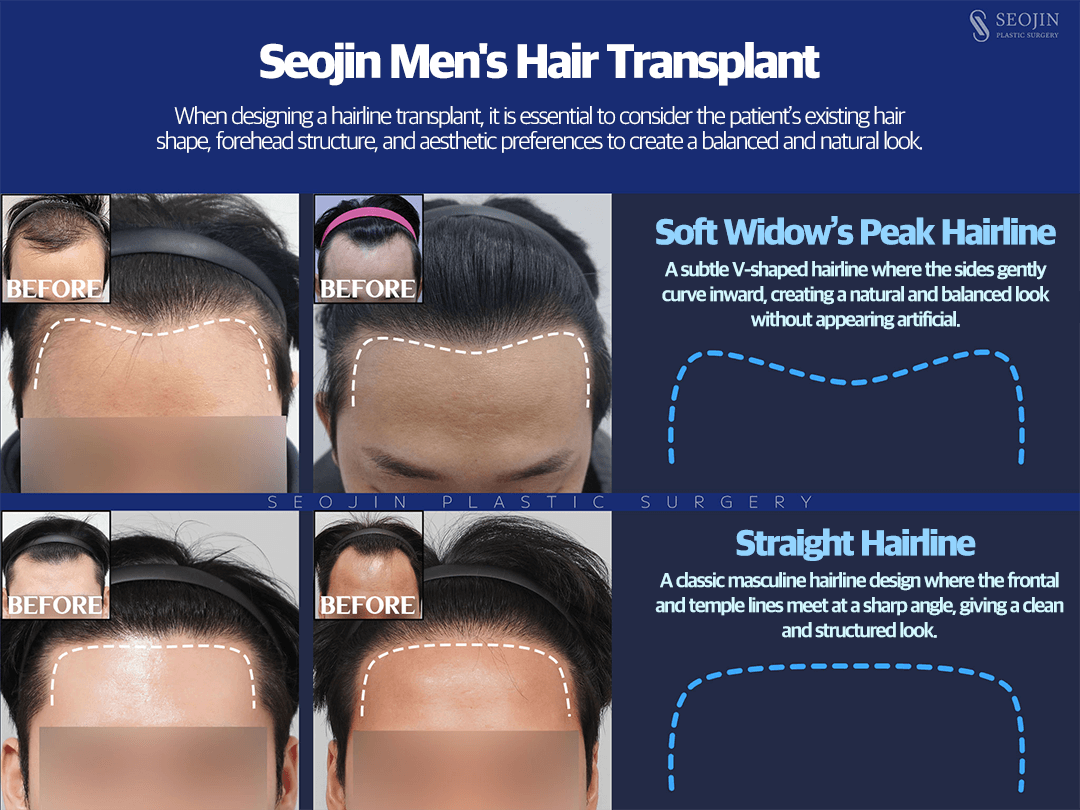
Seojin Plastic Surgery Clinic, located in the heart of Gangnam, Seoul, is a one-doctor clinic led by Dr. Lee Hyungmin, offering end-to-end care with a strong focus on achieving natural, balanced facial aesthetics—making it a top choice for patients seeking correction of an uneven hairline. With more than 16 years of experience, advanced design planning, and meticulous graft-handling systems, the clinic is known for creating hairlines that look soft, symmetric, and individualized to each face. Dr. Lee’s recognized expertise, combined with a high surgical volume and a wide range of technique options, supports consistently refined outcomes for asymmetry-driven hairline concerns.
- Recognized expertise: Dr. Lee Hyungmin was selected as one of the Top 100 Good Doctors in Korea (2022), reflecting proven skill and patient-centered care.
- Extensive experience and track record: Over 2,100 hair transplant surgeries performed, supporting reliable planning for uneven hairline correction.
- Award-winning hair transplant leadership: Ranked No. 1 in the Hair Transplant Category at the KBS N Korea Broadcasting Brand Awards (2025).
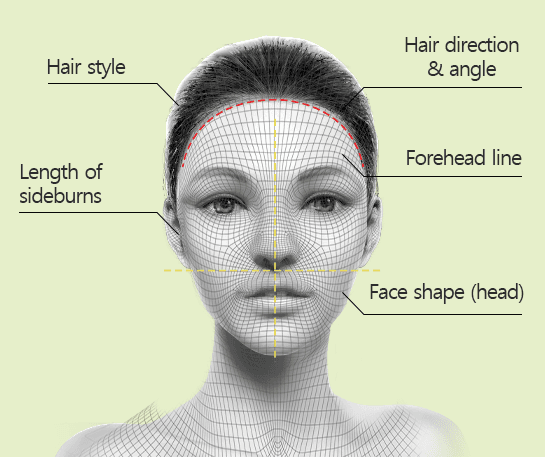
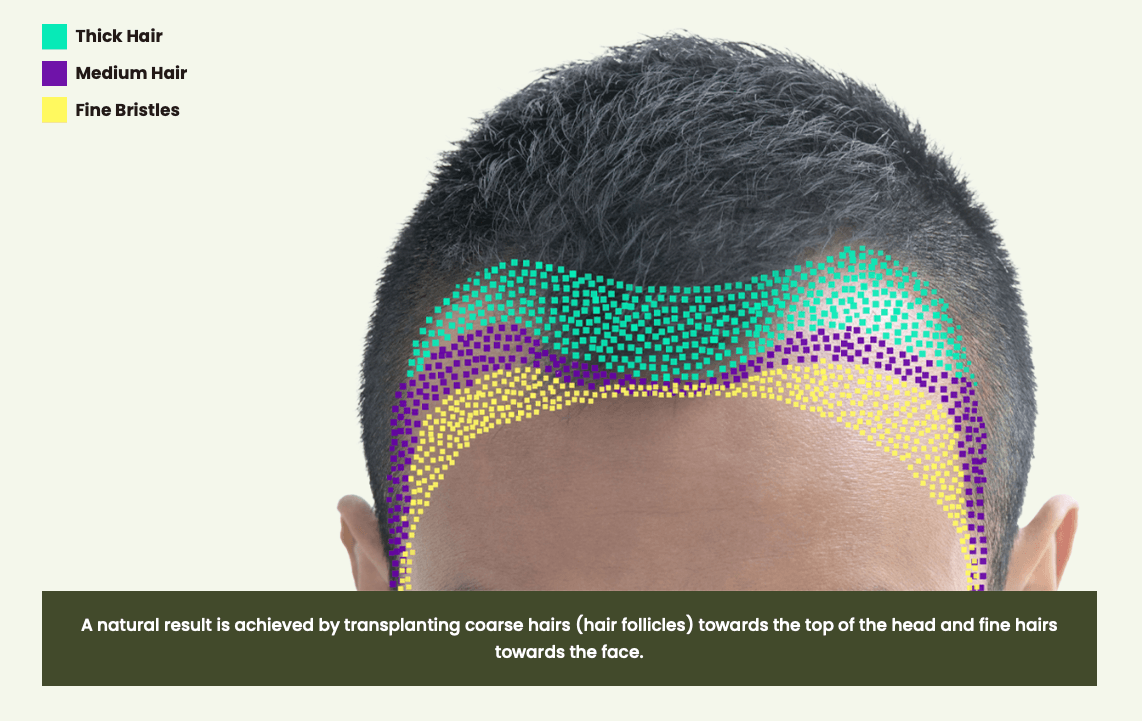
- Advanced hairline gradation transplant for natural symmetry: Follicles are arranged in order of fine, medium, and thick strands to create a softer, more realistic frontal hairline; designs are customized to match facial symmetry by considering the forehead, brow bones, temples, midface, and lower face.
- Wider technique selection than typical clinics: Multiple incision methods available (line cut, no-cut, and mixed approaches), allowing the approach to be tailored to the patient’s asymmetry pattern, scalp condition, and desired density.
- Capability for large-scale correction: Can transplant 6,000 to 10,000 hairs using combined incision and non-incision methods for more comprehensive reshaping when needed.
- Higher graft preservation standards: A cold follicle separation room helps maintain harvested follicles in optimal condition to support survival rates.
- PRP hair transplant option: PRP derived from the patient’s own blood is transplanted with follicles to improve graft survival and reduce inflammation, especially helpful in areas where survival is critical (such as the crown) or for international patients who cannot return frequently for follow-ups.
- Technical precision to avoid density disruption: Expertise in minimizing the “popping phenomenon,” where previously placed grafts can be pushed out when implanting nearby, supporting consistent density and clean hairline borders.
- Personalized, continuous care: As a one-doctor clinic, Dr. Lee oversees consultation, design, procedure, and follow-up, which is particularly important for uneven hairline cases where small design differences can significantly affect perceived symmetry.
You can check out their website here: Seojin Plastic Surgery Clinic Website
Maxwell Hair Clinic
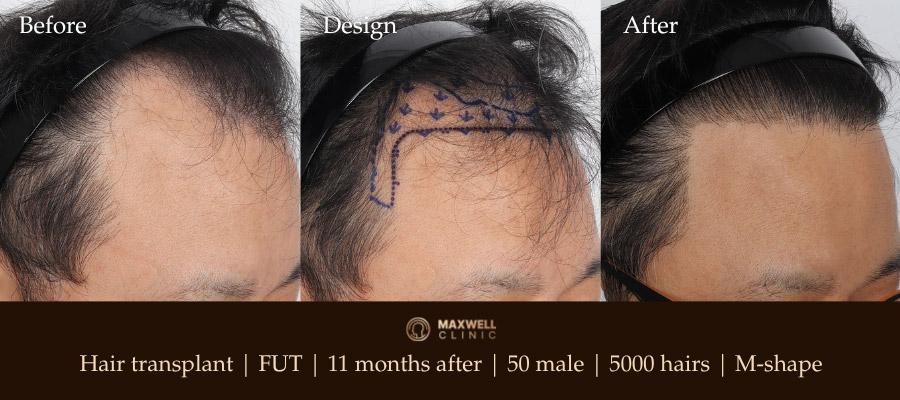
Maxwell Hair Clinic is a leading hair restoration center in Korea for patients seeking correction of an uneven hairline, known for its natural, face-balanced design approach and extensive clinical experience. Established in 2007 and recognized as Korea’s best clinic consecutively since 2011, Maxwell has performed more than 60,000 hair transplants and draws on data from over 500,000 treatment cases to provide personalized solutions. Led by Dr. Noh Yoon Woo—widely awarded and recognized within Korea’s hair restoration community—the clinic emphasizes a trusting doctor–patient relationship and offers tailored options including FUT, FUE, or combination methods, with dedicated support for international patients.
For uneven hairlines, Maxwell’s results are driven by a Natural Design Process that begins with precise laser design and then a second-stage manual refinement for a hairline that looks naturally irregular in the right ways. Their Gradation Transplantation places finer hairs at the front and thicker grafts behind to create realistic softness and depth, while Facial Design Enhancement adjusts the hairline and forehead ratio to help the face appear smaller and more harmonious. Treatment planning is based on comprehensive diagnosis such as scalp elasticity, density, and hair loss degree, paired with scar minimization techniques like ultra-small punches (0.9–1.2 mm) and double suturing. Patients also benefit from rapid recovery protocols—often including next-day shampooing and a return to daily life within two days—along with growth optimization using growth factors and specialized magnetic field therapy, reflecting Maxwell’s philosophy of focusing on follicle cells as the true “engine” of hair production.
You can check out their website here: Maxwell Hair Clinic Website
SH Clinic
Located in Sinsa, Seoul, SH Clinic is a multi-specialty medical center that brings together stem-cell science, women’s healthcare, aesthetic dermatology, and modern plastic surgery under one roof. As a specialized center focusing on Stem Cell Therapy and Gynecology, SH Clinic offers personalized, comprehensive treatment planning designed to address both aesthetic goals and underlying health needs, supporting patients with coordinated care across multiple disciplines.
For patients concerned about uneven hairline and hair thinning, the SH Stem Cell Center provides a non-surgical option through stem cell hair loss treatment, in which autologous stem cells are injected into the scalp to help awaken dormant follicles and stimulate new growth while thickening existing strands without grafting. Alongside regenerative approaches, SH Clinic also offers a wide range of women’s health services through its gynecology clinic, including general gynecologic care and vaginal rejuvenation options such as vaginal fillers, stem cell injections, HIFU laser treatments, vaginal tightening, and implant surgery, reflecting its comprehensive approach to patient wellbeing.
You can check out their website here: SH Clinic Website
The Hairline Correction Journey in South Korea
South Korea stands out as a top medical tourism destination for hairline correction, renowned for its innovative techniques and holistic care.
Why South Korea for Hairline Correction?
Korean clinics utilize zigzag incisions for subtle, natural-looking hairlines and advanced imaging for facial analysis. They use fine surgical tools and multi-layer suturing that minimizes scar appearance. Additional innovations in Korea include combining PRP therapy with transplants, cold systems for handling grafts, and scalp micropigmentation for even better camouflage of scars. Procedures are often tailored to each patient's ethnic background, hair characteristics, and aesthetic expectations.
Post-operative care is thorough and often includes advanced therapies such as LED and oxygen treatments, swelling management, cooling protocols, and scar minimization—many of which are routinely included at no extra cost. Virtual follow-ups and remote care support international patients long after returning home. Despite travel costs, overall pricing in Korea is often lower than in the West, offering an attractive mix of quality, technology, and value.
Process of Getting Hairline Correction in South Korea
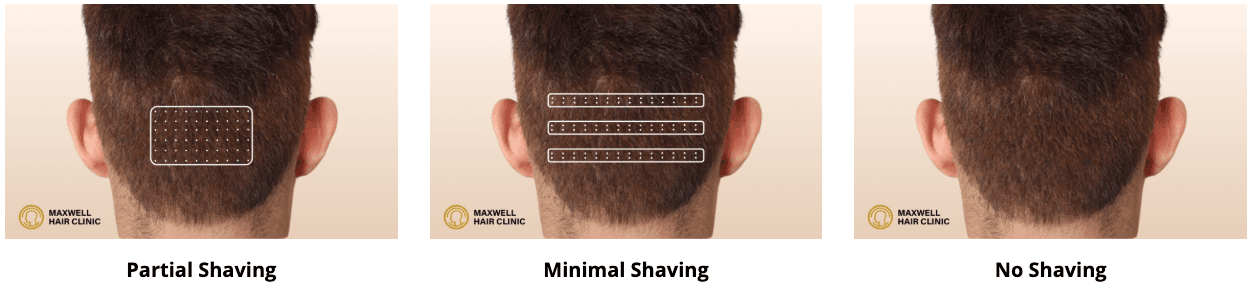
For international patients, the experience is designed for comfort and clarity:
- Initial Consultation: Usually starts online or virtually, followed by a detailed in-person assessment upon arrival in Korea. Clinicians use diagnostic tools and facial mapping to design a natural, personalized hairline.
- Preparation: Pre-procedure checks and discussion ensure you understand the process and are ready for your procedure.
- Surgery Day: A translator often assists with communication. Surgeries are conducted under local anesthesia; care is taken to hide scars and protect follicles.
- Recovery: Often no hospital stay needed. Patients will likely experience some common post-op effects, but are given comprehensive aftercare instructions and regular in-clinic or remote check-ups.
- Follow-up: Stitches are usually removed after 7–10 days. Activities resume gradually, with healing therapies offered to speed recovery and minimize swelling or scars.
- Results Timeline: New hair from transplants usually appears after 3–6 months, while forehead reduction gives immediate results (final look within a few months once swelling subsides).
Cost Analysis: South Korea vs. Global Destinations
Cost of Hairline Correction Procedures in South Korea
- FUE Hair Transplant: $3,000–$15,000, with top-tier clinics averaging around $6,000–$8,000.
- Forehead Reduction Surgery: $3,000–$5,000 (sometimes including all related care; some sources quote up to $7,000).
- Cost Factors: Procedure type, number of grafts, clinic and surgeon reputation, and the case’s complexity can all affect cost.
Comparison with Other Major Medical Tourism Destinations
Prices vary worldwide, often with lower operational costs abroad offering significant savings:
| Country | Estimated Cost Range (USD) | Key Considerations |
|---|---|---|
| USA | $10,000 - $17,500 | High quality, high cost, no travel for US residents |
| Canada | ~$17,500 | Highest average cost, high quality |
| Australia | ~$13,751 | High cost, high quality |
| UK | $9,000 - $12,500 | High cost, high quality |
| South Korea | $3,000 - $15,000 | Great quality/cost balance; cheaper than US, but higher travel costs |
| Poland | $4,000 - $6,500 | 20-40% less than Western Europe |
| Thailand | $2,250 - $11,000 | Up to 70% lower than US; affordable |
| Mexico | $2,600 - $5,000 | 60-70% savings vs. US; close to US |
| Turkey | $1,400 - $9,000 | Lowest costs, often all-inclusive, very high demand |
Even with flight costs, Korea offers advanced care and excellent value—especially when you weigh the quality of care, innovative techniques, and comprehensive aftercare. While some countries are cheaper, many patients are willing to pay more in Korea for the higher standards and outcomes.
Patient Experiences and Addressing Concerns
Common Patient Motivations and Expectations
Most people pursue hairline correction for reasons such as a receding hairline or correcting an "M" shape. They often want to restore facial harmony or simply feel more confident and youthful. Natural-looking results that blend with their unique features are the most common expectation.
Real-World Outcomes: Before & After Transformations
Clinics display impressive photographic evidence of improved density and more pleasing hairline shapes, both in men and women. For forehead reduction, patients often see their foreheads reduced by 1–3 cm. In female hairline correction, great care is put into creating natural gradients and "baby hairs" for realistic results.
Patient Satisfaction and Quality of Life Improvements
Many patients describe the results as life-changing. One engineer, after an FUE procedure in Korea, called his experience "truly transformative" and credited attentive, compassionate care for much of his satisfaction—often superior to experiences in the US. Such testimonials point to not just physical change, but also increased confidence and quality of life. Clinics find that empathetic communication and patient-centered service are just as important as technical skill in producing satisfied, happy patients.
Addressing Potential Risks and Complications
Most procedures are safe, but common short-term side effects include numbness, bruising, swelling, or mild headaches. Serious risks are rare, but possible complications like infection, slow healing, or visible scars are possible. Following instructions and attending follow-ups greatly minimize these possibilities.
Long-term Results and Maintenance
Hair transplants are generally permanent, as the new follicles continue to grow like regular hair. Forehead reduction changes last long-term, though final results appear after all swelling subsides. Non-surgical options like scalp micropigmentation require periodic touch-ups. To protect your results, a steady focus on nutrition, gentle care, and stress management is important. For those with progressive causes (like male pattern baldness), medications may help prevent future hair loss.
Conclusion
An uneven hairline may be a minor annoyance or a sign of a more serious medical issue. Getting an accurate diagnosis is the first step toward choosing the right treatment, which can range from non-surgical options to procedures like hair transplants or forehead reduction surgery. South Korea excels in delivering advanced, customized care at competitive prices—with innovative techniques, diligent aftercare, and patient-focused service. Most importantly, successful hairline correction boosts self-confidence and quality of life, especially when care continues after the procedure. Balancing realistic expectations, ongoing care, and expert consultation sets you up for satisfying and lasting results.
References
1, 2, 3, 4, 5, 6, 7, 8, 9, 10, 11, 12, 13, 14, 15, 16, 17, 18, 19, 20, 21, 22, 23