
Medical Tourism Blog
Hair Loss Treatment in Korea: Diagnosis, Medical Options, PRP, and Travel Planning
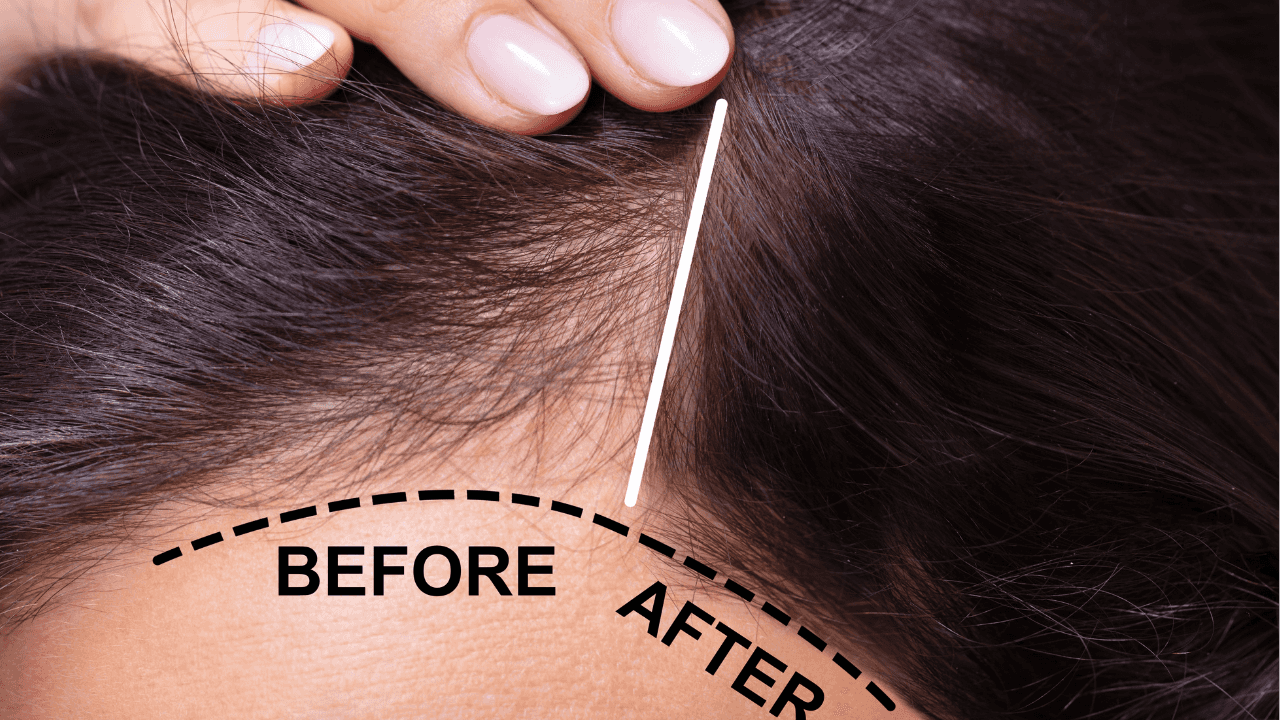
Table of contents
- Hair Loss Treatment at a Glance
- What Is Hair Loss Treatment?
- Who Is a Good Candidate for Hair Loss Treatment?
- How Is Hair Loss Treatment Performed?
- Why Visit Korea for Hair Loss Treatment?
- Key Information for International Patients
- Which Are the Best Clinics in Korea for Hair Loss Treatment In?
- How Much Does Hair Loss Treatment Cost in Korea?
- Hair Loss Treatment From Start to Finish
- Alternatives to Hair Loss Treatment
- How Can I Prepare for Hair Loss Treatment?
- Aftercare Advice
Considering treatment in Korea? Everything you need to know e.g. — how to avoid scams, visas, interpreters, recovery tips — in our Medical Tourism Master Guide. Plan with confidence in minutes, not weeks!
Last updated: September 2026
Hair Loss Treatment at a Glance
- What it involves — Hair loss treatment is diagnosis-led dermatology care, not one standard procedure; plans may include scalp examination and trichoscopy, topical or oral medication, PRP injections, or low-level laser/light therapy.
- Typical Korea cost — Listed pricing is ₩300,000–₩450,000 (about US$200–US$300), but testing, prescriptions, PRP sessions, and device treatments may be billed separately.
- Best candidates — Medical treatment is most useful for early androgenetic hair loss while follicles are still viable; a smooth area that has been bald for years is unlikely to regrow substantial hair with medication alone.
- Results need time — Reassess treatment at 4–6 months; topical minoxidil commonly takes 6–12 months for visible improvement, and benefits usually regress if minoxidil, finasteride, or dutasteride is stopped.
- PRP is not one-and-done — PRP is usually an adjunct to medical care and often involves 3–5 monthly sessions followed by maintenance, while differing preparation methods mean no universal PRP protocol or guaranteed advantage over topical minoxidil.
- Travel and recovery — Allow 1–3 business days for assessment and an uncomplicated PRP or LLLT session; medications and LLLT have no procedural downtime, while PRP or microneedling can cause redness, tenderness, swelling, or bruising for 1–3 days.
- Korea-specific distinction — South Korea approves oral dutasteride 0.5 mg/day for eligible adult men with androgenetic alopecia, but it remains a long-term prescription requiring follow-up rather than a one-trip solution.
What Is Hair Loss Treatment?
Hair loss treatment is diagnosis-led medical care that uses medicines, light therapy, injections, or cause-specific treatment to address thinning and shedding. It aims to slow further loss, preserve viable follicles, improve hair density where possible, or treat an underlying trigger or scalp condition. Hair loss treatment is non-surgical, although some options such as PRP involve minimally invasive scalp injections.
Who Is a Good Candidate for Hair Loss Treatment?
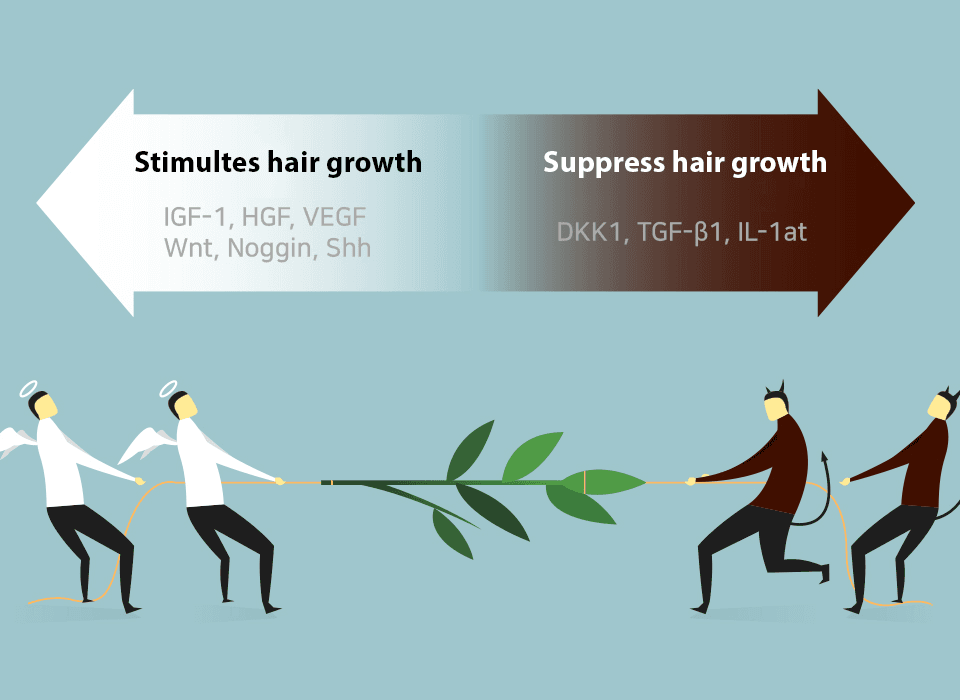
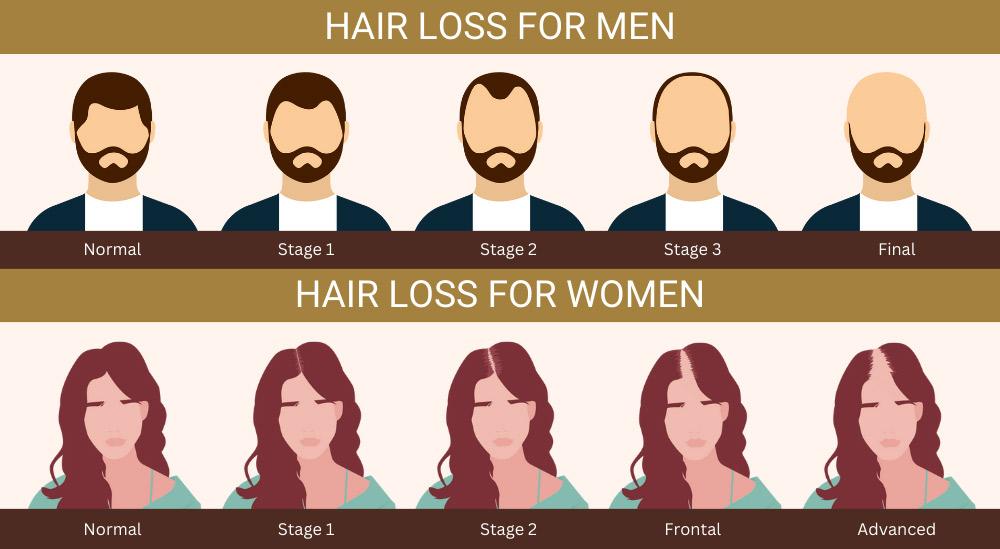
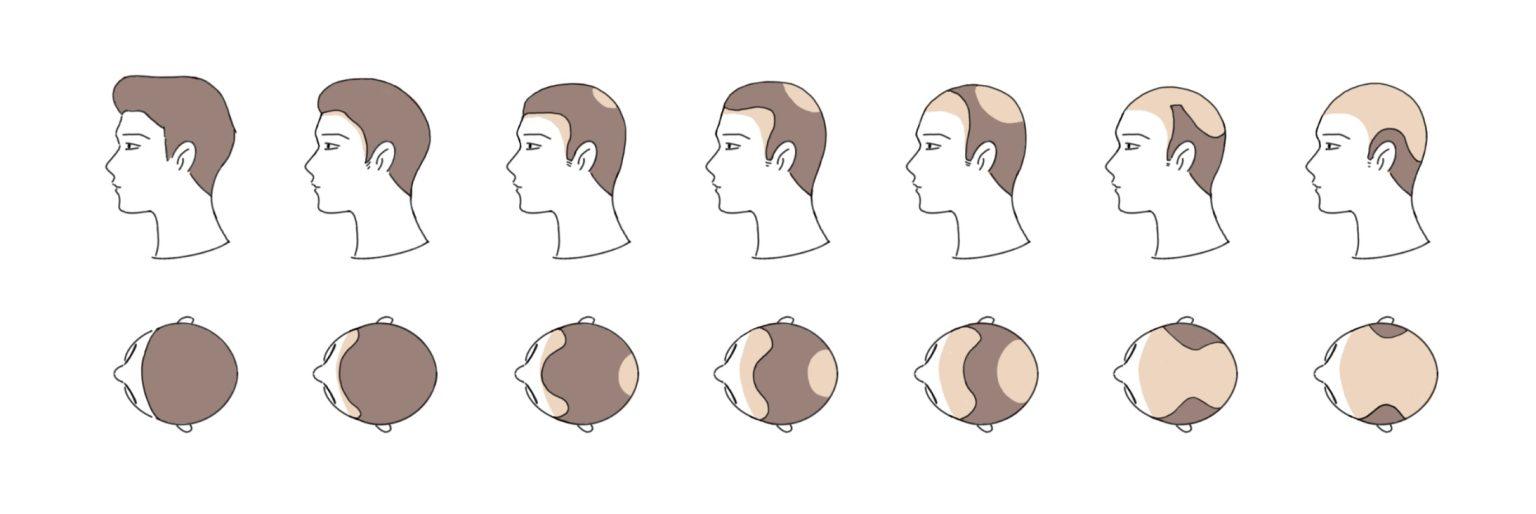
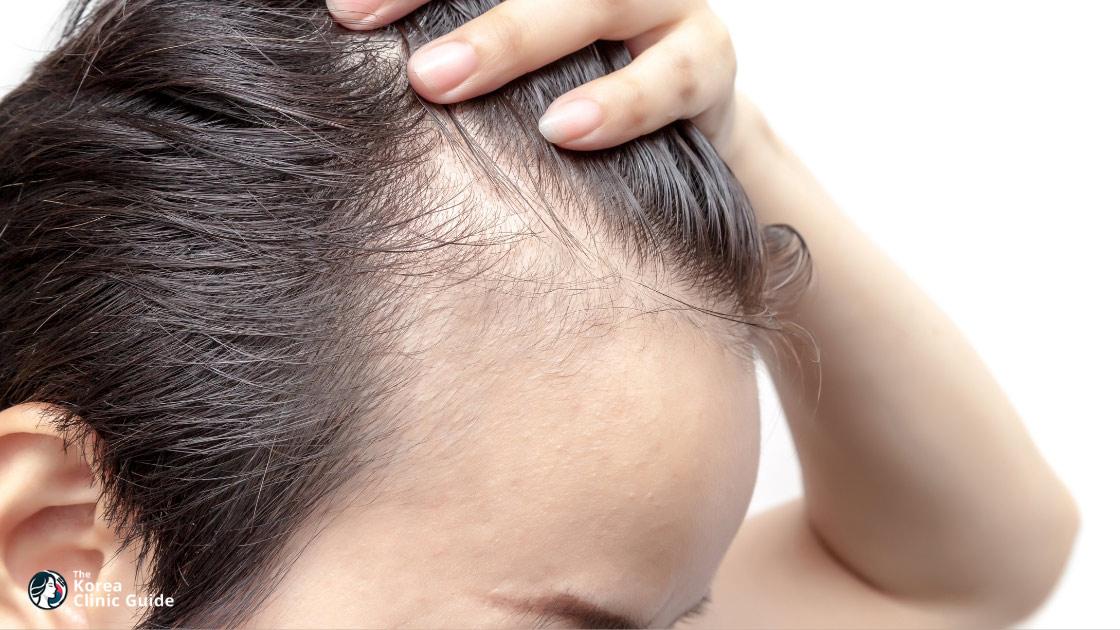
- Early pattern hair loss — Good candidates have confirmed androgenetic alopecia with thinning at the hairline, temples, crown, or central scalp and want to preserve miniaturizing follicles.
- Diffuse shedding with an identifiable trigger — People with telogen effluvium after illness, childbirth, surgery, substantial weight loss, restrictive dieting, hemorrhage, or a new medicine need cause-directed assessment rather than automatic cosmetic treatment. Telogen effluvium often improves once the trigger is corrected.
- Adjunct-treatment candidates — Selected patients with viable follicles can consider PRP or low-level laser/light therapy (LLLT) alongside diagnosis-led medical care, understanding that both require repeated treatment and results are assessed over months.
- Female-pattern hair loss — Topical minoxidil is commonly considered; oral minoxidil or antiandrogen treatment requires individualized pregnancy, hormonal, and medical-risk screening.
Do not assume ordinary pattern loss when hair loss is sudden, patchy, painful, burning, pustular, markedly scaly, rapidly diffuse, or accompanied by eyebrow or body-hair loss. These features can indicate alopecia areata, infection, medication-related shedding, or inflammatory scarring alopecia, which can permanently destroy follicles. A smooth bald area that has been bare for years is unlikely to regrow substantial hair with medication alone. Do not start finasteride or dutasteride during pregnancy, while trying to conceive, or where pregnancy is possible without specialist counselling; these medicines are not considered safe in pregnancy. Defer PRP, microneedling, and scalp injections for active infection, fever, uncontrolled inflammatory scalp disease, or a significant bleeding risk until a clinician has assessed the problem.
How Is Hair Loss Treatment Performed?
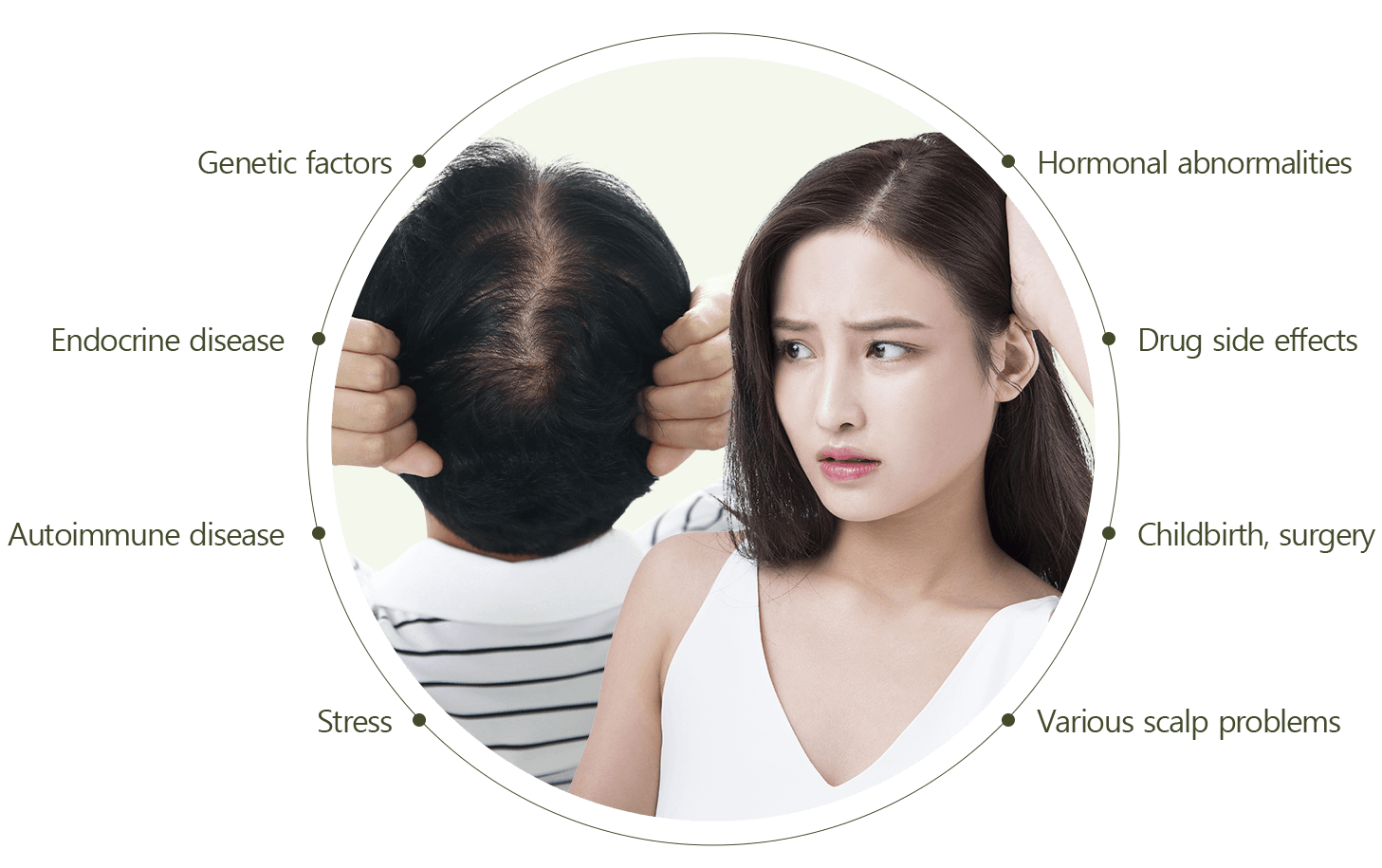
Hair loss treatment starts with diagnosis, not a pre-set package. The best approach depends on whether follicles remain viable and whether the cause is pattern loss, temporary shedding, autoimmune disease, infection, traction, nutritional or endocrine disease, medication effects, or scarring.
- Scalp examination and trichoscopy — The clinician reviews the scalp and hair shafts, uses standardized photographs and scalp dermoscopy/trichoscopy, and may arrange hair-pull testing, fungal or bacterial tests, targeted blood tests, or biopsy for uncertain or suspected scarring disease.
- Topical minoxidil — Usually a 5% topical formulation for pattern hair loss. Continued regular application is necessary; early shedding, irritation, itch, headache, and unwanted facial hair can occur. Visible improvement often takes 6–12 months.
- Finasteride or dutasteride — Prescription 5-alpha-reductase inhibitors reduce androgen-driven follicle miniaturization in appropriately selected men. Finasteride 1 mg has potential sexual, breast, and mood-related adverse effects. In South Korea, oral dutasteride 0.5 mg/day is approved for male androgenetic alopecia; it remains a long-term prescription, not a one-trip solution.
- Low-dose oral minoxidil — This is off-label for hair loss in many jurisdictions and requires cardiovascular screening. A recent international consensus notes limited standardized guidance and a need for stronger long-term trials; in a 1,404-patient retrospective cohort, hypertrichosis occurred in 15.1%, while lightheadedness, fluid retention, tachycardia, headache, and eyelid swelling were less common.
- PRP injections — Platelet-rich plasma (PRP) uses a blood draw, centrifugation, and injections into thinning scalp. It is generally an adjunct, not a replacement for established medical treatment. PRP studies use different preparation systems, platelet and leukocyte concentrations, activation methods, injection depths, and schedules; this lack of standardization is a central limitation. Expert protocols often use three to five monthly sessions, followed by maintenance, but no universal regimen is validated.
- LLLT — Laser caps, combs, helmets, and in-clinic light devices are painless maintenance options for some people with hereditary hair loss. They require consistent use over many months and are not a one-off travel treatment.
- Microneedling and regenerative-marketing products — Microneedling protocols differ and carry risks of pain, pinpoint bleeding, inflammation, pigment change, and infection. Do not treat exosome or stem-cell scalp products as equivalents to medical therapy: the FDA states that no exosome products are FDA-approved in the United States.
Why Visit Korea for Hair Loss Treatment?
Korea can provide dermatology-based assessment, prescription planning, scalp imaging, PRP, and LLLT within a short visit. Its clearest procedure-specific distinction is regulatory access to dutasteride for eligible adult men with androgenetic alopecia, not proof that travel itself improves results. Long-term outcomes still depend on correct diagnosis and continuity of treatment after returning home.
- Dutasteride access for male pattern loss — Dutasteride 0.5 mg/day is an approved indication in South Korea for male androgenetic alopecia. This expands a clinician's prescription options; it does not make dutasteride appropriate for every patient or remove pregnancy-related precautions.
- Structured international-care infrastructure — Korea's national Medical Korea platform provides information for overseas patients seeking Korean healthcare services. Confirm directly that the chosen provider can conduct consultation and provide aftercare communication in English.
- Diagnosis before cosmetic intervention — The most useful reason to arrange a dermatology visit is access to scalp examination, standardized photography, and trichoscopy before committing to PRP, devices, or long-term medicine. This is especially important when symptoms do not fit typical pattern hair loss.
- Evidence limits — PRP research has expanded, but a 2026 meta-analysis found no clear PRP advantage over topical minoxidil in key outcomes and highlighted substantial heterogeneity. Do not select a destination on promises of guaranteed regrowth or a proprietary PRP formula.
Key Information for International Patients
- Minimum stay — Plan 1–3 business days for consultation, scalp examination, trichoscopy, standardized photographs, and an uncomplicated PRP or LLLT session. Add time when blood tests, biopsy, or investigation of endocrine, nutritional, autoimmune, infectious, or scarring causes is needed.
- Repeat visits — Medical prescriptions require ongoing review, while PRP commonly involves an induction series followed by maintenance. Establish a dermatologist or prescribing clinician near home before beginning either a chronic medicine or multi-session PRP plan.
- Flying home — There is no universal evidence-based flight prohibition after topical medicines, oral medicines, LLLT, or uncomplicated PRP. After PRP or microneedling, an overnight buffer is prudent. Do not fly while unwell or with significant bleeding, swelling, infection, dizziness, chest symptoms, or an allergic reaction.
- Recovery and itinerary — Prescription planning and LLLT normally permit normal activity immediately. PRP or microneedling can cause tenderness, redness, swelling, pinpoint bleeding, headache, or bruising for 1–3 days; schedule outdoor activities, scalp exposure, sauna visits, and intense exercise accordingly.
- Prescription continuity — Confirm before treatment whether the drug, strength, and formulation can legally be prescribed or imported in the destination country. Obtain a written diagnosis, medicine name and dose, photographs, trichoscopy findings, laboratory results, procedure record, and adverse-effect instructions.
- Remote follow-up — Arrange a defined contact route for medication side effects, PRP complications, and review of standardized photographs at roughly 4–6 months.
Travel note: A Korea visit can complete assessment and a first session, but it cannot replace the months of adherence and local monitoring required for most hair-loss care.
Which Are the Best Clinics in Korea for Hair Loss Treatment In?
Listed below are some of the best clinics in Korea for hair loss treatment in.
1. Maxwell Hair Clinic
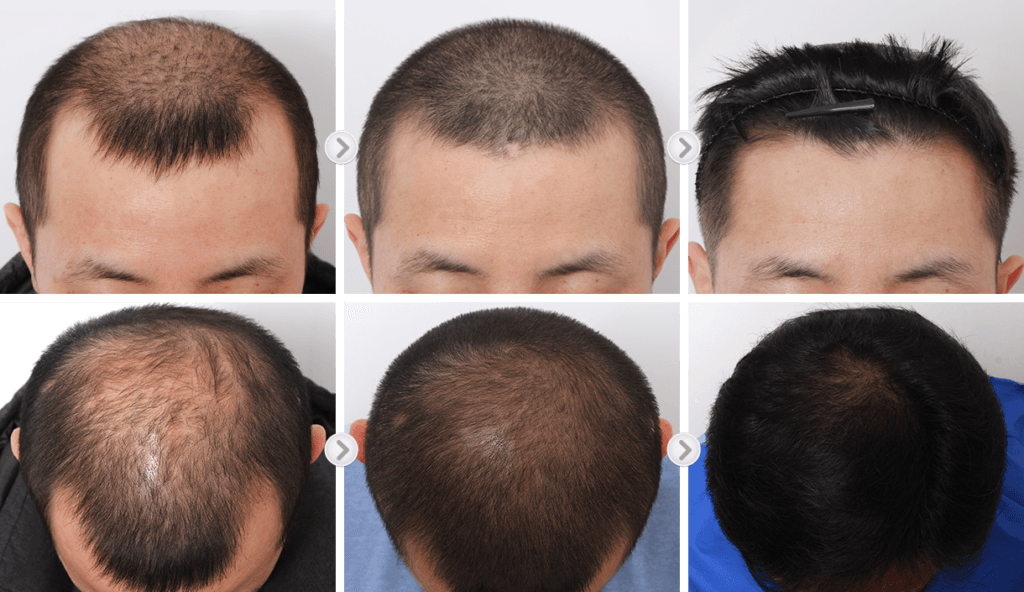
At Maxwell Hair Clinic, you can explore a hair-loss plan focused on the hair-growth cycle and follicle health, with options ranging from at-home SCM Hair Serum to physical therapies and surgical restoration. The clinic describes a staged approach that aims to normalize growth-cycle signaling, support follicle regeneration with growth-factor therapy, and strengthen follicles with laser, ultrasound, magnetic-field, or electrical-stimulation therapies.
- URL: Maxwell Hair Clinic Website
- Location: Gangnam-gu, Seoul
- Hair restoration options:
- FUE and FUT hair transplantation are available, including combined approaches when appropriate for your pattern of loss and coverage goals.
- Hairline correction for women, revision surgery, and scar laser treatment are listed services.
- Partial-shave, minimal-shave, and no-shave transplant options are offered.
- At-home serum:
- The upgraded SCM Hair Serum uses a finer spicule formulation intended for scalp absorption with minimal to no discomfort.
- A tip applicator allows direct scalp application without using your hands.
- Experience and follow-up:
- The clinic reports more than 500,000 treatment cases and more than 60,000 hair transplants.
- Dr. Noh Yoon Woo is identified as the founder and an executive member of the Korean Society of Hair Restoration.
- Consultation, diagnostic assessment, individualized hairline and density design, and post-treatment aftercare guidance are described as part of the process.
2. Seojin Plastic Surgery Clinic
At Seojin Plastic Surgery Clinic, your hair-loss treatment can be planned and performed by Dr. Lee Hyungmin in a one-doctor setting, with surgical options spanning incision, non-incision, and mixed hair-transplant techniques. The clinic reports experience with large-scale procedures of 6,000 to 10,000 hairs using combined methods when suitable.
- URL: Seojin Plastic Surgery Clinic Website
- Location: Gangnam-gu, Seoul
- Surgical planning:
- Available approaches include line-cut, no-cut, and mixed techniques.
- A cold follicle-separation room is used to preserve harvested follicles.
- The clinic describes techniques intended to reduce graft “popping” when placing follicles closely together.
- PRP-assisted transplantation:
- PRP derived from your own blood can be transplanted with hair follicles.
- The clinic states that PRP assistance may support graft survival and reduce inflammation, particularly for crown work or when frequent follow-up visits are difficult.
- Hairline, beard, and eyebrow work:
- Hairline gradation transplantation places fine, medium, and thicker hairs in sequence for a graduated appearance.
- Hairline design considers facial symmetry, including the forehead, brow bones, temples, midface, and lower face.
- For eyebrow transplantation, a semi-permanent tattoo designer collaborates on the eyebrow design, while the head surgeon performs extraction and transplantation.
- Beard transplantation is also listed.
- Clinician experience:
- Dr. Lee Hyungmin is described as having more than 16 years of experience.
- The clinic reports that Dr. Lee was selected among the Top 100 Good Doctors in Korea in 2022 and that it has performed more than 2,100 hair-transplant surgeries.
3. Cellinique Clinic
You may consider Cellinique Clinic if you are looking for a personalized, non-incision hair-restoration option alongside a stem-cell hair-loss injection intended to stimulate follicle regeneration. The one-doctor clinic is led by Dr. Chris Gunwoo Kim and describes an approach combining regenerative treatments with individualized consultation and care.
- URL: Cellinique Clinic Website
- Location: Gangnam-gu, Seoul
- Hair restoration options:
- Non-incision hair transplantation is offered to transplant individual follicles without surgical incisions.
- Stem-cell hair-loss injections are listed for hair-loss treatment and prevention through follicle-regeneration stimulation.
- Regenerative medicine focus:
- Cellinique lists PRP, exosomes, and NovaStem among its complementary regenerative treatments.
- NovaStem is described as using concentrated autologous blood to activate aged cells and support tissue regeneration.
- Physician and research activity:
- Dr. Chris Gunwoo Kim has presented on blood stem cells, tissue regeneration, and the clinic's NovaStem Kit at professional conferences and medical events.
- The clinic describes itself as a one-doctor practice dedicated to stem-cell research and personalized care.
How Much Does Hair Loss Treatment Cost in Korea?
Hair Loss Treatment is listed at ₩300,000–₩450,000 (approximately US$200–US$300). Individual quotes vary because hair-loss care ranges from diagnosis and prescription planning to device sessions or injection-based treatment, each requiring different clinical resources.
| Procedure Price | Korean Won (₩) | USD ($) |
|---|---|---|
| Low Price | ₩300,000 | $200 |
| High Price | ₩450,000 | $300 |
Exchange rate as of 2026-09-06: 1 KRW = 0.000741 USD.
What Affects the Price?
- Treatment method and session type — A consultation and prescription plan for topical minoxidil, finasteride, dutasteride, or oral minoxidil uses diagnostic assessment and medication planning. PRP adds blood collection, centrifugation/preparation, scalp injections, sterile consumables, and procedure time; LLLT requires a light-device session instead.
- Diagnostic work-up for the cause of hair loss — Scalp examination, dermoscopy/trichoscopy, standardized photographs, and assessment of shedding pattern require clinical evaluation. Suspected endocrine, nutritional, autoimmune, infectious, inflammatory, or scarring hair loss can require targeted blood tests, microbial testing, or biopsy, adding diagnostic resources beyond routine pattern-hair-loss care.
- PRP treatment area and protocol — PRP resource use increases when injections cover more thinning scalp areas or when the clinic uses a defined preparation protocol with blood processing and specified injection volume and depth. PRP is commonly planned as an induction series with maintenance, rather than as a single standalone session.
- Medical-risk screening and follow-up planning — Oral minoxidil requires clinician-led cardiovascular and medication-risk assessment, while finasteride or dutasteride require pregnancy-related precautions and informed prescribing. Long-term prescriptions and multi-session PRP plans also need follow-up arrangements and treatment documentation for continuity of care.
Cost tip: Request an itemized quote stating what is included, such as consultation and scalp assessment, photographs or trichoscopy, tests, prescribed medicines, PRP preparation and injections, LLLT sessions, consumables, and follow-up instructions.
The US$200–US$300 conversion is approximate, based on the exchange rate dated 2026-09-06. Check the exchange rate again when budgeting.
Hair Loss Treatment From Start to Finish
- Initial contact and virtual review — Send clear scalp photographs, a summary of onset and shedding pattern, prior treatments, medical conditions, pregnancy plans where relevant, and all medicines and supplements. Confirm English consultation availability and ask what records the clinic will provide for follow-up at home.
- In-person history and examination — The clinician reviews family history, recent illness, surgery, childbirth, weight change, diet, stressors, bleeding, and new medicines. Scalp and hair-shaft examination, standardized photographs, and trichoscopy help distinguish pattern loss from diffuse shedding or inflammatory disease.
- Testing when indicated — Targeted laboratory testing, hair-pull testing, fungal or bacterial testing, or scalp biopsy is considered when the history or examination suggests a nutritional, endocrine, infectious, autoimmune, or scarring cause. Do not proceed with routine cosmetic injections before concerning signs are assessed.
- Treatment planning and consent — Discuss follicle viability, expected benefit, approved versus off-label treatment status, adverse effects, pregnancy precautions, treatment schedule, and maintenance burden. For PRP, ask for the preparation system, blood volume, activation method, injection plan, and the objective measure used to track outcome.
- Prescription or device treatment — The clinician prescribes topical minoxidil, finasteride, dutasteride, oral minoxidil, or a diagnosis-specific medicine only when appropriate. LLLT can be performed or a home-use plan discussed; neither requires anesthesia.
- PRP or microneedling session, if selected — PRP starts with a blood draw and centrifugation. The prepared plasma is injected into mapped thinning areas of the scalp; topical anesthetic or other pain-control measures depend on the clinic protocol. A session generally fits within the consultation day. Microneedling creates controlled microchannels and can cause pinpoint bleeding.
- Discharge and travel check — Receive written instructions on scalp washing, exercise, heat, alcohol, hair dye, and restarting topical products. Report persistent bleeding, worsening swelling, fever, spreading redness, palpitations, chest pain, shortness of breath, or facial swelling before travel.
- Remote follow-up and local maintenance — Share standardized photographs and review medicine tolerance at the agreed interval. Reassess pattern-hair-loss treatment after at least 4–6 months; topical minoxidil often needs 6–12 months for visible change. Continue maintenance locally because benefits generally regress after minoxidil or 5-alpha-reductase inhibitor treatment stops.
Alternatives to Hair Loss Treatment
Non-surgical treatment preserves or improves viable follicles but requires ongoing use and cannot reliably restore a long-standing smooth bald area. Surgical restoration can redistribute permanent donor follicles but involves recovery and does not stop continued loss of surrounding native hair. Camouflage changes appearance without treating the cause.
Hair Transplant
Hair transplant surgery redistributes donor follicles to stable areas of androgenetic loss or selected scars when donor supply is adequate.
- Best fit — Stable pattern loss with controlled scalp disease and realistic donor-hair limits.
- Tradeoff — Provides follicle redistribution rather than a cure; medical treatment can still be needed to protect existing hair.
PRP-Focused Treatment
PRP for hair loss is an injection-based adjunct for selected patients who prefer to add a procedure to medical management.
- Best fit — Viable thinning follicles and willingness to attend a series plus maintenance sessions.
- Tradeoff — Limited downtime, but protocols and evidence are variable; it is not proven superior to optimized topical minoxidil in key pooled outcomes.
Scalp Micropigmentation
Scalp micropigmentation deposits pigment to create the visual impression of fuller density or closely shaved hair.
- Best fit — People seeking immediate cosmetic camouflage or coverage of visible scalp between existing hairs.
- Tradeoff — Does not regrow hair, preserve follicles, or treat inflammatory and autoimmune causes.
Disease-Specific Dermatology Care
Alopecia areata, fungal infection, traction alopecia, telogen effluvium, and scarring alopecia require cause-specific management.
- Best fit — Patchy, rapidly progressive, painful, inflamed, scaly, or scar-like hair loss.
- Tradeoff — The initial priority is disease control or trigger correction, not elective density procedures.
How Can I Prepare for Hair Loss Treatment?
- Send a complete medical history — List all prescribed medicines, over-the-counter drugs, anticoagulants, antiplatelet medicines, NSAIDs, hormones, vitamins, biotin, vitamin A, herbal products, weight-loss supplements, and current hair-loss treatments. Include pregnancy plans, cardiovascular disease, low blood pressure, kidney disease, edema, palpitations, and mood history.
- Do not stop essential medicines independently — Ask the treating clinician and the original prescriber about anticoagulants, antiplatelet medicines, NSAIDs, and supplements that affect bleeding before PRP or microneedling. The clinic must balance bruising risk against the risk of stopping necessary treatment.
- Follow the PRP protocol — PRP usually does not require fasting or general anesthesia. Follow the clinic's specific instructions on alcohol, NSAIDs, supplements, scalp topicals, hair coloring, and washing because restrictions differ by protocol.
- Protect the scalp — Avoid sunburn, harsh exfoliation, chemical irritation, active dandruff flare, and hair coloring immediately before injections. Arrive with a clean scalp unless the clinic instructs otherwise.
- Plan safe transport — A companion is not normally required for topical or oral treatment, PRP, or LLLT without sedation. Arrange transport if sedatives, anxiety medicine, extensive painful treatment, dizziness, or a medical condition could make solo travel unsafe.
- Keep flights flexible — Avoid booking a same-day departure after PRP or microneedling. Retain an overnight buffer and know how to contact the clinic if symptoms develop.
Travel note: Bring previous dermatology records and clear dated photographs. They reduce the risk of repeating tests and give the home clinician a useful baseline.
Confirm all clinic-specific preparation requirements with the treating doctor; individualized instructions take precedence over general guidance.
Aftercare Advice
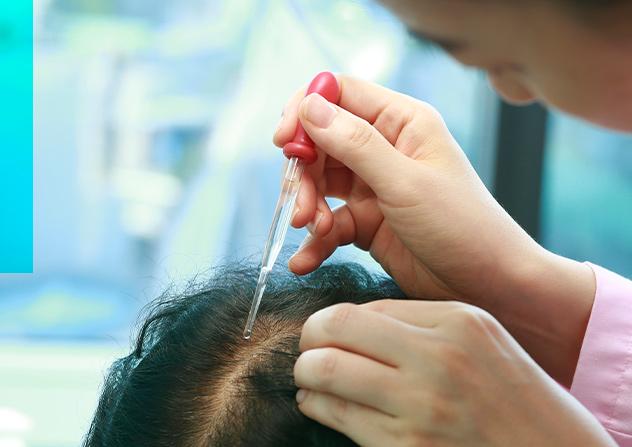
Protect the treated scalp, monitor for complications, and judge results by standardized photographs over months rather than by the first few days after treatment.
- Scalp handling — Do not pick, scratch, or aggressively massage PRP or microneedling sites. Use gentle scalp care and follow the clinic's washing and topical-product instructions.
- Activity and heat — Follow the clinic's timeline for strenuous exercise, swimming, sauna or steam rooms, alcohol, direct sun, and hair dye after injections. Tenderness, mild redness, swelling, pinpoint bleeding, headache, and bruising generally settle within 1–3 days.
- Sun protection — Prevent scalp sunburn. Wear a loose clean hat when appropriate and use SPF 50 sunscreen on exposed, intact scalp skin once the clinician confirms it is suitable after injections.
- Medication adherence — Use minoxidil and oral medicines exactly as prescribed. Do not double doses after missed applications or tablets. Treatment benefits usually regress after minoxidil, finasteride, or dutasteride is stopped.
- Warning signs — Seek urgent assessment for persistent bleeding, worsening pain, spreading warmth or redness, pus, fever, extensive swelling, fainting, palpitations, chest pain, shortness of breath, or facial/lip swelling. Contact the prescriber promptly for severe mood, sexual, breast, or cardiovascular symptoms after medication changes.
- Results and follow-up — Reassess medical treatment at 4–6 months; visible change from topical minoxidil often takes 6–12 months. PRP and LLLT also require months and repeated treatment when used. Keep the agreed remote review and arrange local maintenance care.
Follow the treating doctor's individualized instructions and contact the clinic promptly when anything appears wrong.
Frequently Asked Questions
Related Blogs
Hairline Correction in Korea: Methods, Recovery, Travel Planning, and Risks
Hairline correction in Korea may use FUE or FUT transplantation, scalp advancement, or staged treatment to lower or reshape the hairline; costs range from ₩3,500,000–₩9,000,000 (about US$2,600–$6,700). The article covers candidate screening, clinic verification, minimum stays, recovery, aftercare, follow-up, and warning signs.
Updated: Sep 13, 2026
Beard Hair Transplant in Korea: Methods, Recovery, Travel Planning, and Results Timeline
Beard hair transplantation uses FUE or FUT scalp grafts placed at facial angles and densities matched to the cheeks, jawline, moustache, goatee, sideburns, or stable scars. In Korea, estimated costs are ₩5,000,000–₩12,000,000, with international patients advised to stay 5–7 days for early review and arrange remote follow-up.
Updated: Sep 11, 2026
Hair Transplant in Korea: FUE vs FUT, Recovery, Travel Planning and Results
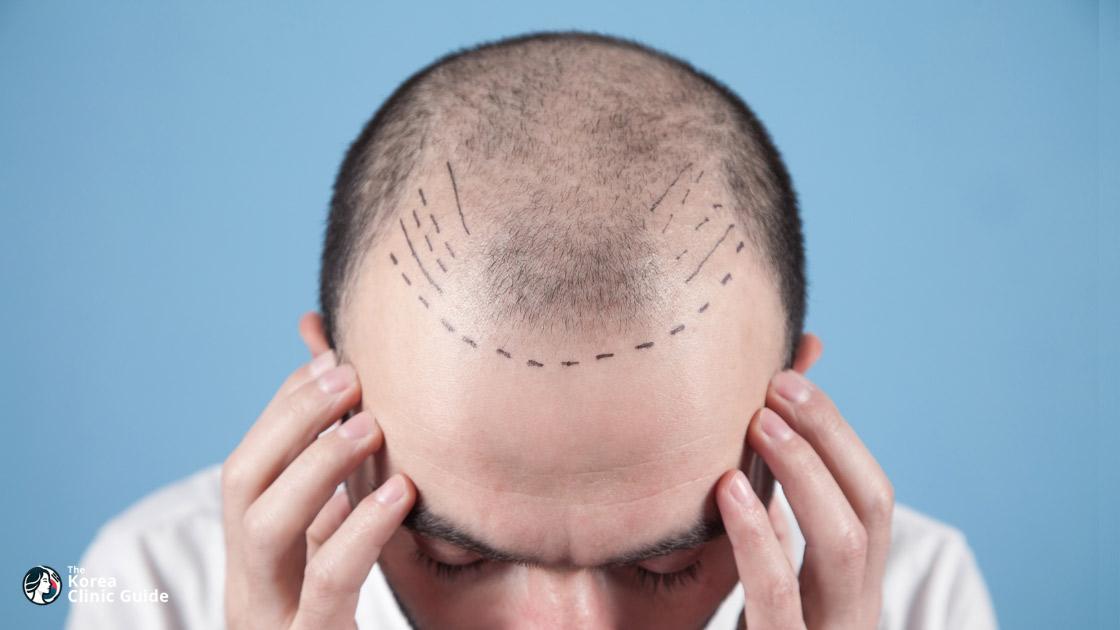
Hair transplantation uses FUE or FUT to redistribute donor follicles, with candidacy based on confirmed pattern loss, scalp health, donor supply, and realistic coverage goals. In Korea, prices are KRW 6,000,000–15,000,000; international patients can find guidance on stays, follow-up, recovery, and physician-role verification.
Updated: Sep 10, 2026
Hairline Correction in Korea: Methods, Recovery, Travel Planning, and Alternatives
Hairline correction uses FUE or FUT grafts to reshape the hairline or scalp advancement to lower the forehead immediately; candidacy depends on stable hair loss, donor supply, scalp laxity, and health assessment. In Korea, costs are KRW 3,500,000–9,000,000, with guidance on stay length, follow-up, recovery, clinic checks, and aftercare.
Updated: Sep 9, 2026
Clinics offering Hair Loss Treatment

Cellinique Clinic Korea: Advanced Stem Cell and Laser Treatments for Health, Beauty, and Rejuvenation in Gangnam
Apgujeong

Seojin Plastic Surgery Clinic Korea: Pioneering Advanced Cosmetic Procedures for Personalized Aesthetic Transformation
Apgujeong

Maxwell Hair Clinic: Korea's Premier Destination for Advanced Hair Restoration and Transplant Services
Gangnam Station

Okay Plastic Surgery Clinic in Korea: Comprehensive Aesthetic Procedures with Sincerity and Care
Cheongdam